
For most reputable Kilimanjaro tour operators, including Climb 4 Africa, Kilimanjaro park fees are typically included in the package price. These fees are a significant portion of the overall cost of climbing Kilimanjaro and cover entrance permits, camping/hut fees, and conservation charges mandated by the Tanzanian government. Understanding this inclusion is crucial for transparent budgeting, especially when planning your trek for 2026 or 2027.

Understanding Kilimanjaro Park Fees: The Essential Component of Your Climb
When you’re planning your dream expedition to the Roof of Africa, one of the most pressing questions for any trekker is about the costs involved. Among the various expenses, Kilimanjaro park fees stand out as a substantial and unavoidable element. These fees are not optional; they are a mandatory contribution to the conservation and management of Kilimanjaro National Park, a UNESCO World Heritage Site. For anyone considering a climb in 2026 or 2027, clarity on whether these fees are bundled into their tour package price is paramount for accurate financial planning and avoiding unexpected expenses.
Climb 4 Africa, as a leading expert tour operator for Kilimanjaro and Tanzania, prioritizes transparency in its pricing. We understand that the cost of climbing Kilimanjaro can seem daunting, and a significant portion of this cost is directly attributable to the park fees. Therefore, we ensure that our clients have a clear understanding of what their package price covers. In most cases, especially with established and ethical operators, Kilimanjaro park fees are indeed included in the overall package price. This means that when you book with us, the quoted price usually encompasses these essential government charges, alongside other vital inclusions like guide and porter salaries, park rescue fees, food, equipment, and transport.
However, it’s vital to scrutinize the inclusions of any tour package you consider. While reputable companies build these fees into their quotes, less scrupulous operators might present lower base prices and then add these substantial fees later, leading to a significantly higher final cost. This is why asking the question, “Are Kilimanjaro park fees included in the package price?” is not just a good practice, it’s a critical step in vetting your tour operator and ensuring you are comparing like-for-like pricing for your 2026-2027 adventure.
The structure of these park fees is set by the Tanzania National Parks Authority (TANAPA) and can vary based on the route chosen, the duration of the climb, and the type of accommodation (camping vs. hut). These fees are non-negotiable government charges and represent a significant investment in preserving the unique biodiversity and ecological integrity of Mount Kilimanjaro. For operators like Climb 4 Africa, these fees are paid directly to TANAPA on behalf of the climber. Including them in the package price offers peace of mind and simplifies the budgeting process for trekkers from around the globe, making your journey preparation for 2026 or 2027 as smooth as possible.
Deconstructing Kilimanjaro Park Fees: What Exactly Do They Cover?
To truly understand the value of having Kilimanjaro park fees included in your package price, it’s helpful to break down what these fees actually fund. The Tanzanian government, through TANAPA, mandates these charges to ensure the sustainable management and protection of Kilimanjaro National Park. These fees are not a single, monolithic charge; rather, they are composed of several distinct components, each contributing to a different aspect of your climb and the park’s upkeep.
When you see a price quoted by a reputable Kilimanjaro tour operator for 2026 or 2027, and it states that park fees are included, it typically encompasses the following:
- Park Entrance Fees: This is a daily fee charged to every individual entering the national park. Climbers are usually charged for each day they are within the park boundaries, from the entry gate to the summit and back down. The duration of your trek directly impacts this portion of the fee.
- Camping Fees or Hut Fees: Depending on the route and the specific campsites or huts used, there are daily charges for overnight stays. Camping fees are generally lower than hut fees. Routes like Machame, Lemosho, and Rongai utilize campsites, while Marangu is the only route offering hut accommodation.
- Crater Rim Fees (for specific routes): Some routes, particularly those that ascend via Stella Point and descend via Stella Point or Gilman’s Point (like Machame, Lemosho, Shira, and Northern Circuit), may incur an additional fee for reaching the crater rim. This is often a one-time charge per trekker.
- Rescue Fees: A mandatory fee that contributes to the park’s rescue services. This is a crucial component, ensuring that if any emergency occurs during your climb, the necessary resources are available to assist you.
- Value Added Tax (VAT): In recent years, Tanzania has introduced VAT on tourism services, including park fees. This is an additional government tax that is also typically absorbed into the package price by responsible operators.
The exact breakdown and amounts of these fees are subject to change by TANAPA, often on an annual basis. This is why tour operators must stay updated to provide accurate quotes for future climbs, including those planned for 2026 and 2027. For instance, TANAPA might adjust daily rates, introduce new conservation charges, or modify the VAT application. A reliable operator will factor these potential changes into their pricing structure to maintain the integrity of their inclusions.
The significance of these fees cannot be overstated. They are the primary source of funding for conservation efforts, anti-poaching patrols, trail maintenance, ranger salaries, and the general management of Kilimanjaro National Park. By ensuring these fees are paid, trekkers contribute directly to the preservation of this natural wonder for future generations. When Climb 4 Africa states that Kilimanjaro park fees are included in the package price, it means we are covering all these essential governmental charges, providing you with a clear, all-encompassing cost for your adventure.
Why Operators Include Kilimanjaro Park Fees: Transparency and Value
The decision by reputable Kilimanjaro tour operators, such as Climb 4 Africa, to include park fees within their package price is a strategic choice driven by a commitment to transparency, client satisfaction, and providing genuine value. It’s a practice that distinguishes professional operators from those who might employ less ethical pricing strategies.
Here’s why including these mandatory fees is the standard for experienced operators:
- Builds Trust and Transparency: When a price is quoted, and it clearly states that Kilimanjaro park fees are included, clients know exactly what they are paying for. There are no hidden costs or last-minute surprises. This honesty fosters trust, which is vital for a significant investment like a Kilimanjaro climb, especially when planning for 2026 or 2027.
- Simplifies Budgeting for Trekkers: For travelers from around the world, managing finances for an international trip can be complex. By bundling the park fees, operators provide a more straightforward and predictable budget. Climbers can focus on flights, gear, and personal expenses without the added stress of calculating and allocating a separate, often substantial, sum for park entry and associated charges.
- Ensures Compliance and Ethical Operations: Park fees are non-negotiable government charges. Operators who include them demonstrate their commitment to operating legally and ethically. They are making the necessary payments to TANAPA, ensuring that the climb is legitimate and contributes to the park’s conservation.
- Reflects the True Cost of the Climb: Kilimanjaro park fees constitute a significant percentage of the total cost of a climb. For example, for a standard 7-day trek, these fees can easily amount to several hundred US dollars per person. Including them provides a more accurate reflection of the actual operational cost of running a safe and high-quality expedition.
- Competitive Differentiation: While many operators include park fees, some might still advertise lower prices and list them as an optional extra or a separate charge. Operators who clearly state that Kilimanjaro park fees are included in the package price stand out as more honest and reliable, attracting clients who value clarity and integrity.
At Climb 4 Africa, we believe that planning your Kilimanjaro adventure should be exciting, not confusing. Our pricing for 2026 and 2027 climbs is designed to be comprehensive. When you receive a quote from us, you can be confident that the essential government-mandated park fees are already factored in. This allows you to compare our packages confidently against others, knowing that the fundamental costs of accessing and trekking on Kilimanjaro are accounted for.
The inclusion of park fees is not just a pricing strategy; it’s a reflection of our operational philosophy. We aim to provide a complete, hassle-free experience from the moment you inquire about a climb to the moment you stand on the summit. Understanding that Kilimanjaro park fees are included in the package price is a key part of that assurance for our clients.
What if Park Fees Aren’t Explicitly Included? Red Flags and Due Diligence
While the industry standard among reputable operators is to include Kilimanjaro park fees in the package price, it’s crucial to be aware of situations where they might be listed as a separate charge. If a tour operator does not explicitly state that Kilimanjaro park fees are included in the package price, it should serve as a prompt for due diligence. This doesn’t automatically mean they are untrustworthy, but it requires a deeper look into their pricing structure and transparency.
Here are some potential scenarios and what to consider:
- Lower Base Price with Separate Fee: Some operators may advertise a lower initial price to appear more competitive. They then list park fees, porter fees, and other mandatory charges as separate add-ons. While transparently listing them is better than hiding them, it can be confusing. You need to meticulously add up all these mandatory costs to get a true comparison. For a 7-day climb, these separate fees can easily add $500-$1000+ per person.
- “Payable Locally” Fees: Be extremely wary of operators who require you to pay significant mandatory fees, including park fees, upon arrival in Tanzania or at the mountain gate. This is often a red flag. It can lead to unexpected costs, currency exchange issues, and potential demands for higher amounts than quoted. Legitimate operators handle these payments in advance.
- Vague Inclusions Lists: If an operator’s website or quote provides a vague list of inclusions, lacking specific mention of park fees, it’s a sign that you need to ask for clarification. Don’t assume; always get confirmation in writing.
- Unrealistic Low Prices: If a quoted price seems significantly lower than the average for similar itineraries and durations (especially for 2026-2027 climbs), it’s often because essential costs like park fees, proper guide/porter wages, and quality food are being cut. This can compromise safety and the quality of your experience.
Actionable Steps When Fees Aren’t Clearly Included:
Ask Direct Questions:
- “Are the mandatory Kilimanjaro National Park entrance, camping/hut, and rescue fees included in your quoted price for the [Route Name] climb?”
- “Can you provide a detailed breakdown of all government-mandated fees that are included in your package?”
- “Are there any other mandatory fees payable locally upon arrival or at the mountain gate that are not included in the package price?”
- “What is the total estimated cost per person for a [Duration]-day climb on the [Route Name] for 2026/2027, including all mandatory fees?”
Get the answers in writing before making any payment. A reputable operator will be happy to provide this information readily.
Climb 4 Africa strongly advises trekkers to prioritize transparency and ethical practices. When you inquire about a climb with us for 2026 or 2027, you’ll find that our communication is clear: Kilimanjaro park fees are included in the package price. This clarity helps you make an informed decision and ensures that your focus remains on the incredible journey ahead, rather than worrying about hidden costs.
Comparing Kilimanjaro Climb Packages: The Role of Park Fee Inclusion
When comparing different Kilimanjaro tour operators for your 2026 or 2027 climb, the inclusion or exclusion of park fees can significantly impact the final price and the overall value proposition. Simply comparing the headline price can be misleading. A thorough comparison requires understanding what each quote truly covers.
Here’s how the inclusion of Kilimanjaro park fees in the package price affects your comparison:
Key Comparison Points:
- Total Cost vs. Base Price: An operator quoting $2000 with park fees included might seem more expensive than one quoting $1500 with park fees listed separately. However, if the separate park fees are $700, the actual total cost is $2200, making the first operator the better value. Always calculate the all-inclusive price.
- Quality of Service: Operators who include park fees are often those who invest in higher quality services. They can afford better equipment, more experienced guides, adequate porters (ensuring fair wages and carrying limits), and better food because their pricing reflects the true operational costs. Low-priced packages that exclude fees might be cutting corners elsewhere, potentially impacting safety and comfort.
- Transparency and Trust: As mentioned, operators who are upfront about including all mandatory fees, like park fees, tend to be more trustworthy. This transparency extends to other aspects of their service, from safety protocols to logistical support.
- Budget Predictability: For a fixed price that includes Kilimanjaro park fees, your budget is more predictable. This is especially important for planning travel in 2026 and 2027, where flight costs and other travel arrangements need to be finalized well in advance.
- Route-Specific Costs: Park fees can vary slightly between routes due to differences in duration and specific access points. A comprehensive quote that includes these fees will naturally reflect these route-specific variations. For example, a longer route like the Northern Circuit will have higher daily park and camping fees than a shorter route like Marangu.
Climb 4 Africa encourages potential climbers to request detailed itineraries and inclusion lists from all operators they consider. When you receive a quote from us for a 2026 or 2027 climb, you’ll see a clear breakdown, and importantly, confirmation that Kilimanjaro park fees are included. This allows for a direct and fair comparison with other operators, ensuring you choose a package that offers genuine value, safety, and a memorable experience.
Consider the following example comparison for a standard 7-day climb:
| Feature | Operator A (Fees Included) | Operator B (Fees Separate) |
|---|---|---|
| Quoted Package Price | $2,500 | $1,900 |
| Estimated Park Fees (7 days) | Included | $750 (approx.) |
| Other Mandatory Fees (e.g., Rescue, Local Permits) | Included | $200 (approx.) |
| Total Estimated Cost | $2,500 | $2,850 |
| Transparency Level | High | Moderate (requires add-on calculation) |
This hypothetical comparison illustrates how a package that explicitly states Kilimanjaro park fees are included in the package price can often represent better overall value and transparency for your 2026-2027 climb.
The Cost Breakdown of Kilimanjaro Park Fees (Estimated for 2026-2027)
While exact figures can fluctuate annually based on TANAPA’s directives, we can provide a reliable estimation of the components that make up the Kilimanjaro park fees, helping you understand the value included in your package price. These estimates are based on recent structures and are what reputable operators like Climb 4 Africa factor into their quotes for 2026 and 2027 expeditions.
Please note: These are estimates for budgeting purposes. Actual fees are paid by the operator directly to TANAPA and are subject to change. The most accurate pricing for your specific climb will be provided in your detailed quote from Climb 4 Africa.
Estimated Daily and One-Time Fees for Kilimanjaro Climbs (per person)
Daily Fees:
- Park Entrance Fee: Approximately $70 USD per day. For a 7-day climb, this amounts to $490 USD.
- Camping Fee: Approximately $30-$50 USD per day (depending on campsite). For a 7-day climb, this could range from $210 to $350 USD.
One-Time Fees:
- Rescue Fee: Approximately $30-$40 USD per trekker.
- Crater Rim Fee (if applicable): Some routes incur an additional fee, potentially around $30-$50 USD.
- VAT (Value Added Tax): Typically 18% on services, which operators often absorb into the package price if park fees are included. This can add a substantial amount if not bundled.
Total Estimated Park Fees for a 7-Day Climb:
- Park Entrance (7 days): $490
- Camping (7 days): $280 (mid-range estimate)
- Rescue Fee: $40
- Subtotal: ~$810 USD per person
This $810 USD is a significant portion of the total climb cost, illustrating why it’s critical to confirm that Kilimanjaro park fees are included in the package price you receive from any operator for your 2026-2027 trek.
For longer routes like the 8-day Northern Circuit or 9-day Lemosho, the daily fees will naturally increase the total park fee component. Conversely, shorter routes like the 5-day Marangu (which uses huts) will have different fee structures, with hut fees being higher than camping fees but potentially fewer overall days charged.
The inclusion of these fees in your package price by Climb 4 Africa means that this ~$800+ per person is covered. This allows us to provide a premium service, ensuring that the park authorities are properly compensated, supporting conservation, and guaranteeing your climb is fully permitted and legitimate. When comparing prices for 2026 and 2027, remember that a quote from Climb 4 Africa includes these vital components, offering clear value and peace of mind.
Which Kilimanjaro Routes Have the Highest/Lowest Park Fee Components?
While the core park fees (entrance and rescue) are relatively standard across routes, the total amount attributed to park fees within a package price can vary slightly due to the duration of the trek and the specific accommodation used. Understanding this helps in appreciating the value when Kilimanjaro park fees are included in the package price for different routes.
Generally, longer routes will have a higher total park fee component due to more days charged for park entrance and camping/hut usage.
Routes with Potentially Higher Park Fee Components (due to duration):
- Northern Circuit (9 days): Being the longest route, it incurs the most daily park entrance and camping fees.
- Lemosho Route (8-9 days): Its extended duration also leads to a higher cumulative park fee total.
- Machame Route (7-8 days): While often considered a mid-range duration, opting for the 7 or 8-day version increases the daily charges compared to shorter options.
Routes with Potentially Lower Park Fee Components (due to duration):
- Marangu Route (5-6 days): Although it uses huts which have higher daily rates than camping, the shorter duration can sometimes result in a lower overall fee compared to longer camping routes.
- Mweka/Umbwe (5-6 days): These are shorter, more direct routes, thus fewer days are charged for park fees.
It’s important to note that the difference in total park fees between routes of similar durations (e.g., a 7-day Machame vs. a 7-day Lemosho) is usually not drastic. The primary driver is the number of days spent on the mountain. What is more significant is how these fees are presented in the package price. Operators like Climb 4 Africa ensure that whether you choose a 5-day Marangu or a 9-day Northern Circuit for your 2026-2027 climb, Kilimanjaro park fees are included, and the quote accurately reflects the duration-dependent costs.
Furthermore, some specific points on certain routes might incur minor additional charges, such as reaching the Crater Rim. These are usually factored in by operators who include all park-related costs. When comparing, always ask if the quote is for the exact number of days you intend to climb, as this directly impacts the park fee calculation.
The Importance of Supporting Conservation: How Park Fees Contribute
Understanding that Kilimanjaro park fees are included in the package price is not just about cost savings; it’s about recognizing the vital role these fees play in conservation. Kilimanjaro National Park is a protected area of immense ecological significance, and the fees collected are crucial for its preservation.
Here’s how your park fees contribute:
- Habitat Protection: Funds are used to maintain the integrity of the diverse ecosystems on Kilimanjaro, from the montane forests to the alpine desert and arctic summit zones.
- Anti-Poaching Efforts: Revenue supports ranger patrols and anti-poaching initiatives, protecting the unique flora and fauna from illegal activities.
- Trail Maintenance and Infrastructure: Fees help fund the upkeep of trails, bridges, and basic facilities like huts and campsites, ensuring a safer and more sustainable trekking experience.
- Scientific Research: Contributions can support ecological research and monitoring programs aimed at understanding and mitigating the impacts of climate change and human activity on the mountain’s environment.
- Community Development: A portion of park revenues is often directed towards community development projects in areas surrounding the park, fostering goodwill and local support for conservation.
- Search and Rescue Operations: The mandatory rescue fees specifically fund the essential services that ensure climbers can be assisted in emergencies, a critical safety net for all expeditions.
By choosing an operator like Climb 4 Africa, where Kilimanjaro park fees are included in the package price, you are assured that these essential contributions are being made responsibly and ethically. We work with the park authorities to ensure full compliance, allowing you to focus on your climb knowing you are supporting the long-term sustainability of this magnificent natural treasure. Planning your 2026 or 2027 trek with this understanding adds another layer of significance to your journey.
Booking Your 2026-2027 Kilimanjaro Climb: What to Expect with Climb 4 Africa
When you decide to book your Kilimanjaro adventure with Climb 4 Africa for 2026 or 2027, you can expect a clear, transparent, and comprehensive service. Our commitment is to provide an exceptional climbing experience from start to finish, and that begins with honest and straightforward pricing. We understand the importance of knowing exactly what your investment covers, which is why we make it clear: Kilimanjaro park fees are included in the package price.
Here’s what you can anticipate when planning your climb with us:
- Detailed Itinerary and Inclusions: Upon inquiry, we provide detailed itineraries for your chosen route, clearly outlining all inclusions. This document will explicitly state that all mandatory Kilimanjaro National Park fees are covered.
- Transparent Pricing: Our quotes are designed to reflect the true cost of a safe, high-quality climb. This means including not only park fees but also experienced guides, adequate porters, quality food, necessary camping equipment, and ground transportation.
- Personalized Support: We offer dedicated support throughout your planning process. If you have any questions about pricing, inclusions, or the best route for your fitness level and timeframe for 2026 or 2027, our team is here to assist.
- Safety First Approach: Our packages are built with safety as the top priority. This includes ensuring all park regulations are met, carrying necessary safety equipment, and employing guides trained in wilderness first aid.
- Fair Treatment of Staff: We are committed to fair wages and ethical treatment for our guides and porters. The inclusion of park fees in our pricing allows us to ensure that all members of the climbing team are compensated appropriately.
We encourage you to reach out to us directly with any questions regarding your potential 2026 or 2027 Kilimanjaro climb. Understanding that Kilimanjaro park fees are included in the package price is just one aspect of the comprehensive service we offer. Our goal is to make your journey to the summit as smooth and rewarding as possible.
For direct assistance and to start planning your unforgettable Kilimanjaro expedition, please feel free to contact Climb 4 Africa:
Get in Touch with Climb 4 Africa:
WhatsApp: +255 747 477 898
Email: climb4africa@gmail.com
Let us help you plan your 2026 or 2027 Kilimanjaro adventure with confidence, knowing all essential costs are clearly accounted for.
Choosing the right tour operator is as important as choosing the right route. With Climb 4 Africa, you gain a partner dedicated to your safety, enjoyment, and the responsible management of Kilimanjaro National Park. Confirming that Kilimanjaro park fees are included in the package price is a key indicator of a reputable operator, and it’s a standard we proudly uphold for all our clients planning their climbs for the upcoming years.
Check Availability for Are Kilimanjaro Park Fees Included In The Package Price? Your Guide…
Ready to compare dates, prices, and the best option for your group? Send the package name and travel month so the team can reply with a clear quote, availability, and what is included.
Are Rescue Fees Included In Kilimanjaro Park Fees? 2026-2027
Are rescue fees included in Kilimanjaro park fees? is explained with current 2026-2027 planning, price, itinerary and booking information.
View package details
Is A Private Toilet Included In The Kilimanjaro Price? 2026-2027
Discover whether a private toilet is a standard inclusion in Kilimanjaro climbing package prices, the variations across routes and operators, and how Climb 4 Africa prioritizes your comfort...
View package details
Is Emergency Oxygen Included In Kilimanjaro Climbing Price? Climb 4 Africa
Climb 4 Africa clarifies whether emergency oxygen is part of the standard Kilimanjaro climbing package price, detailing what's typically included and why it's crucial for safety on the...
View package details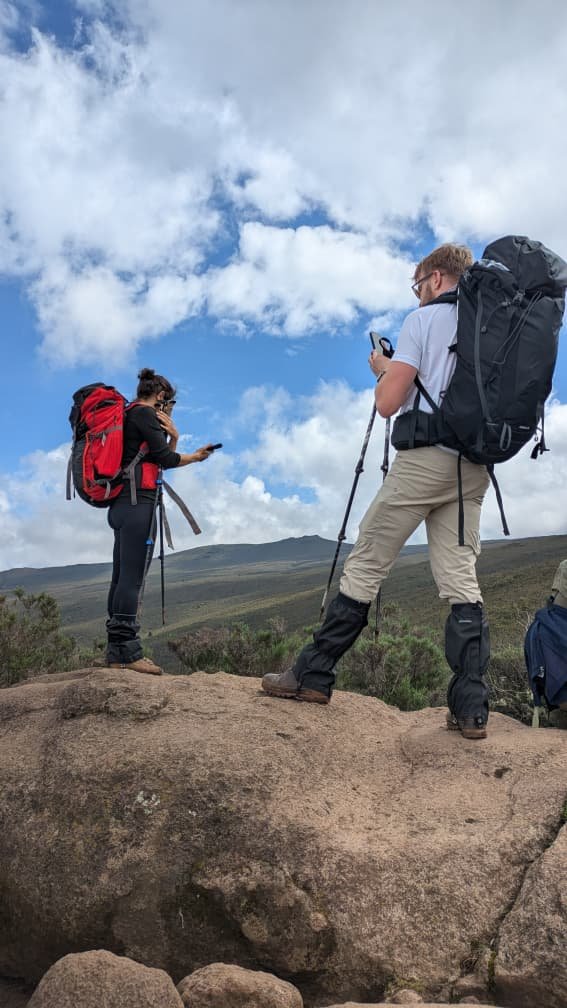
How Much Are Kilimanjaro Park Fees For A 7-Day Climb In ? 2026-2027
Planning a 7-day Kilimanjaro climb in 2026 or 2027? This guide breaks down the essential park fees, understanding how they contribute to conservation and your trekking experience, and what...
View package detailsWhat Is Not Included In Most Kilimanjaro Climbing Prices? Guide 2026-2027
Many Kilimanjaro climbing packages seem all-inclusive, but several crucial items are often left out of the advertised price. This guide details what you should expect to pay extra for...
View package details
Kilimanjaro Crater Camp Cost: Prices, Fees & Itinerary For Climbs 2026-2027
Planning a Kilimanjaro climb to Crater Camp? This guide breaks down the 2026-2027 costs, including all associated fees and essential itinerary details. Learn what influences the price and...
View package details
How Early Should I Book Kilimanjaro For The Best Price? Planning 2026-2027
Planning a Kilimanjaro climb for 2026 or 2027? Learn the optimal booking window to secure the best prices and availability. This guide covers everything from early bird specials to...
View package details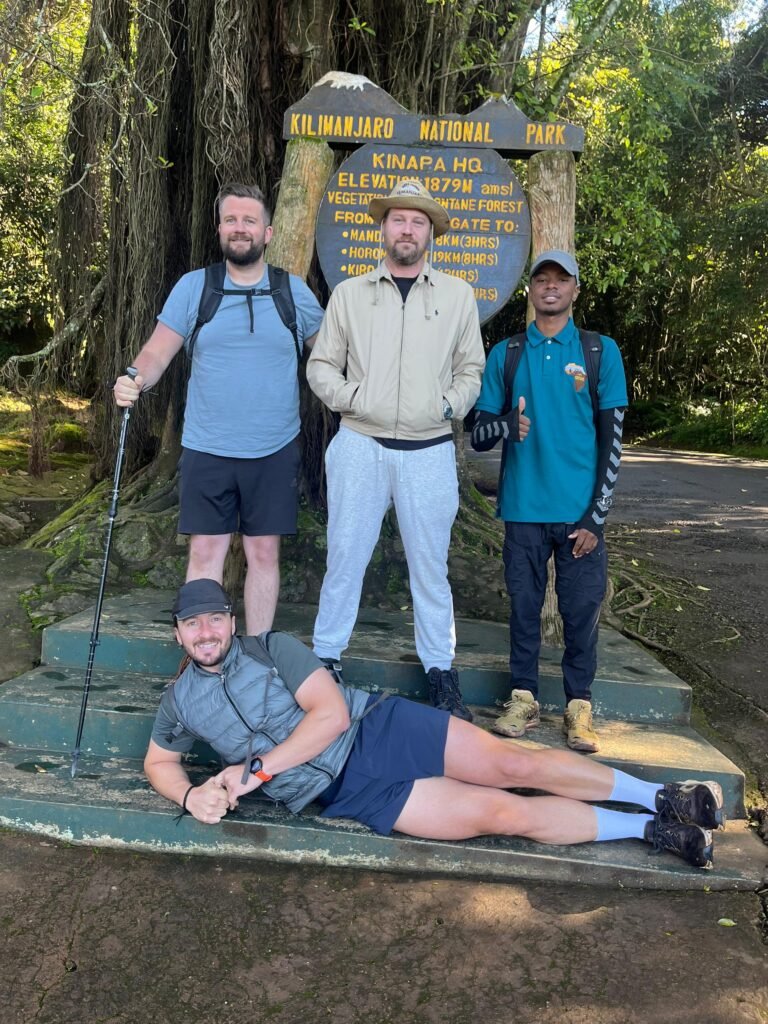
Are Porters Included In Kilimanjaro Package Costs? A Climb 4 Africa Guide
Understand the critical role of porters on Kilimanjaro and whether they are typically included in tour package costs. This guide from Climb 4 Africa provides essential details for planning...
View package details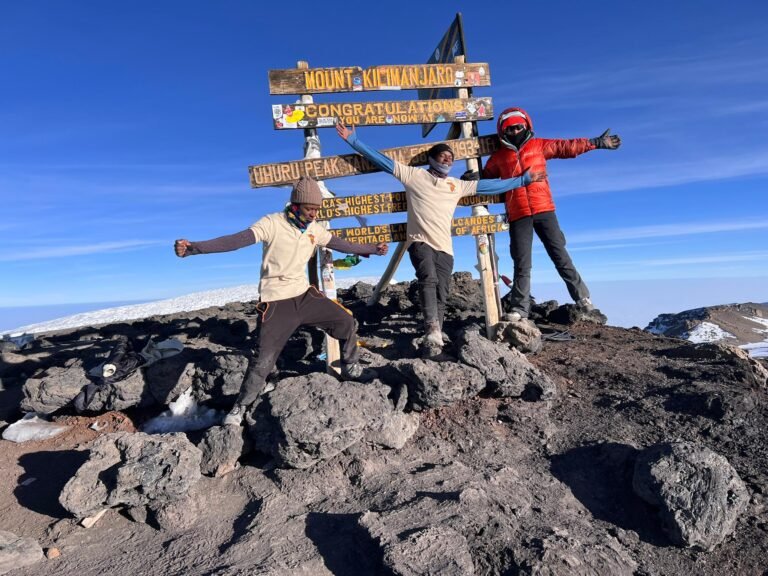
Is Travel Insurance Included In Kilimanjaro Packages? Expert Guide 2026-2027
Many Kilimanjaro packages do not automatically include comprehensive travel insurance. While some may offer basic medical evacuation coverage, it's crucial to understand what's typically...
View package details
Why Do Kilimanjaro Operators Charge Different Prices? 2026-2027
Why do Kilimanjaro operators charge different prices? is explained with current 2026-2027 planning, price, itinerary and booking information.
View package details
Does The Kilimanjaro Price Include Tips? Understanding Porter & Guide
Climbing Mount Kilimanjaro is a dream for many, but understanding the full cost, including essential tips for your support crew, is crucial for proper budgeting. This guide clarifies...
View package details
Does The Kilimanjaro Price Include Climbing Equipment? Your Guide 2026-2027
Your Kilimanjaro climb price may or may not include all essential climbing equipment. Understanding what's provided versus what you need to source yourself is crucial for a successful and...
View package detailsNo related package matches those filters. Clear one or more filters to see the other topic-matched options.



