Typically, the base price for a Kilimanjaro climb does not include tips for your guides, porters, and cooks. Gratuities are usually an additional expense that climbers need to budget for. While some operators might offer all-inclusive packages that do incorporate tips, it is essential to confirm this directly with your tour operator. For 2026 and 2027 climbs, expect to budget separately for these essential crew members, as this remains the industry standard.


Understanding the True Cost of Your Kilimanjaro Expedition: Beyond the Sticker Price
Embarking on a Kilimanjaro climb is a significant undertaking, both physically and financially. When researching prices for your 2026 or 2027 adventure, one of the most frequently asked questions, and often a point of confusion, is whether the quoted price includes tips for the dedicated team who will support you on the mountain. At Climb 4 Africa, we believe in transparent pricing and ensuring our clients are fully prepared for every aspect of their journey. This in-depth guide aims to demystify the practice of tipping on Kilimanjaro, providing clarity on what to expect and how to budget effectively.
The reality for most Kilimanjaro expeditions is that the advertised price covers the core services: park fees, park rescues fees, camping fees, transportation to and from the mountain, experienced guides, porters, cooks, food on the mountain, and essential equipment like tents and cooking gear. However, the gratuities for the mountain crew are almost universally an additional, separate cost. This is a critical distinction that can impact your overall budget significantly, especially when planning for 2026-2027 trips.
Why is tipping separate? It’s largely a cultural practice in Tanzania and a way to directly reward the crew for their hard work, dedication, and the crucial role they play in your safety and success. The wages for guides and porters, while fair, are often supplemented by tips, which can form a substantial part of their income. Therefore, understanding the tipping structure is not just about cost; it’s about respecting the local culture and ensuring your crew feels appreciated.
Kilimanjaro Tipping: What Does ‘Price’ Typically Cover?
When you receive a quote from a tour operator for your Kilimanjaro climb, it’s vital to scrutinize the inclusions list. A standard Kilimanjaro price typically encompasses:
- Park Entrance Fees: These are mandatory fees paid to the national park authority.
- Camping/Hut Fees: Costs for overnight stays within the park.
- Rescue Fees: A fee that contributes to emergency rescue services on the mountain.
- Salaries for Guides, Porters, and Cooks: The base wages paid to your support team.
- Food: All meals provided during the trek.
- Tents and Camping Equipment: Including sleeping tents, mess tents, and cooking gear.
- Ground Transportation: Transfers to and from Kilimanjaro International Airport (JRO) and the mountain gate.
- Expedition Crew: The provision of guides, porters, and cooks.
What is generally excluded from the base price and needs separate budgeting:
- Tips for the Mountain Crew: This is the primary focus of our discussion.
- Personal Climbing Gear: Such as boots, clothing, sleeping bags (though some operators offer rentals).
- Travel Insurance: Essential for any Kilimanjaro climb.
- Visas: For entry into Tanzania.
- Flights: International and domestic airfare.
- Personal Expenses: Souvenirs, drinks, extra snacks.
- Vaccinations and Medications: Pre-trip health preparations.
- Optional: Sleeping bag rental, extra nights in Moshi/Arusha before or after the climb.
The question of whether Kilimanjaro price includes tips is therefore a direct reflection of this common exclusion. It’s a significant part of the overall cost, and ignoring it can lead to unexpected financial stress during your trip.
Why Are Tips for Kilimanjaro Crew Usually Separate?
The practice of separating tips from the main tour price on Kilimanjaro has evolved over time and serves several purposes:
- Direct Reward and Motivation: Tipping allows climbers to directly reward the individuals who contribute most to their experience. It’s a tangible way to show appreciation for the porter carrying your main bag, the cook preparing delicious meals at altitude, and the guide ensuring your safety and making crucial decisions. This direct link can be a strong motivator for the crew to provide exceptional service.
- Fair Wage Supplementation: While tour operators pay their staff, the wages in the tourism sector in Tanzania, particularly for roles like porters, can be modest. Tips often form a significant portion of their overall earnings, enabling them to support their families. This is especially relevant for planning 2026-2027 trips, where economic conditions can fluctuate.
- Cultural Norms: Tipping is a well-established cultural practice in many parts of the world, including Tanzania’s tourism industry. It’s an accepted way for visitors to acknowledge and compensate for service.
- Flexibility for Operators: For tour operators, it allows them to offer competitive base prices while ensuring the crew is adequately compensated. It also provides flexibility in pricing different service levels or package types without altering the fundamental cost structure for crew wages.
- Transparency in Service: By keeping tips separate, operators can be clearer about what their base price covers. It encourages clients to understand the full scope of costs involved in a mountain expedition, promoting informed decision-making for 2026-2027 travel plans.
At Climb 4 Africa, we adhere to these industry standards. Our Kilimanjaro prices are designed to be competitive and transparent, clearly outlining what is included. We provide detailed guidance on recommended tipping amounts to help you budget accurately for your 2026 or 2027 climb.
How Much Should You Tip on Kilimanjaro? A Guide for 2026-2027 Climbs
Determining the correct tipping amount can feel daunting. The general recommendation for tipping on Kilimanjaro is based on a per-climber, per-day basis for each crew member. These amounts are guidelines, and you can adjust them based on the quality of service received. It’s important to note that these figures are subject to change, but the structure remains consistent. For 2026 and 2027 expeditions, these figures provide a solid starting point:
Recommended Tipping Amounts Per Climber, Per Day (USD)
| Role | Recommended Daily Tip (USD) | Total Tip Range (for a 7-day climb) |
|---|---|---|
| Lead Guide | $25 – $30 | $175 – $210 |
| Assistant Guide(s) | $20 – $25 (per assistant guide) | $140 – $175 (per assistant guide) |
| Cook | $15 – $20 | $105 – $140 |
| Porter | $10 – $15 (per porter) | $70 – $105 (per porter) |
Note: These are per-climber, per-day recommendations. The total number of porters can vary significantly based on the number of days and the amount of gear. A common ratio is one porter for every two climbers, but this can be higher for longer climbs or more equipment.
Let’s break down how these figures are typically calculated and what influences them:
Factors Influencing Tipping Amounts:
- Climb Duration: The longer your trek, the higher the total tip amount will be. A 5-day climb will naturally cost less in tips than an 8-day climb.
- Number of Crew Members: The number of assistant guides and porters assigned to your group is a key factor. Operators often assign more porters for larger groups or for routes requiring more equipment. For 2026-2027 climbs, ensure you understand the crew-to-climber ratio your operator provides.
- Quality of Service: While standard rates are recommended, you have the discretion to increase tips for exceptional service or slightly decrease them if there were significant issues (though this is rare with reputable operators).
- Route Difficulty: Some routes might require more porters due to terrain or logistics, increasing the total tip pool.
Example Calculation for a 7-Day Climb (per climber):
- Lead Guide: $25/day * 7 days = $175
- Assistant Guide (assuming 1): $20/day * 7 days = $140
- Cook: $15/day * 7 days = $105
- Porters (assuming 1 porter per 2 climbers, and 2 climbers share 3 porters for their gear): Let’s estimate 1.5 porters per climber on average. $10/day * 1.5 porters * 7 days = $105
Total estimated tips per climber for a 7-day climb: $175 + $140 + $105 + $105 = $525
This is a simplified example. The actual number of porters can fluctuate. Reputable operators like Climb 4 Africa will provide a more specific tipping guide tailored to the exact crew size for your chosen itinerary and duration, helping you budget for your 2026 or 2027 adventure.
How to Handle Tips: The Practicalities on Kilimanjaro
Once you’ve budgeted for tips, the next question is how and when to distribute them. The most common and recommended method is to tip your crew collectively at the end of the climb, usually at the last camp before descending or at the park gate upon completion. This approach ensures that the tips are distributed fairly among the entire team, including guides, cooks, and porters.
The Collective Tip System:
- Gather Your Tips: It’s advisable to collect the total tip amount from all members of your group beforehand. Prepare the money in US dollars (as it’s widely accepted and preferred for this purpose) and ideally in smaller denominations if you wish to distribute individual amounts, though a collective pool is more common.
- Designate a Tipping Representative: Often, one or two members of the climbing group will volunteer, or the guide will suggest someone, to handle the distribution. This person will liaise with the lead guide.
- Meet with the Lead Guide: Towards the end of the trek, usually on the final evening or the morning of descent, your lead guide will typically present a list of crew members and their roles. This serves as a reference for the collective tipping.
- The Distribution Ceremony: The designated representative(s) will present the collected tips to the lead guide, who then distributes them amongst the crew members in front of the group. This is often accompanied by words of thanks and sometimes a small celebration.
Why this method?
- Fairness: It ensures everyone on the crew receives a share, preventing any potential for unfairness or overlooking individuals.
- Efficiency: It’s more practical than trying to tip each person individually on the last day, especially when dealing with a large crew and the logistics of descending the mountain.
- Transparency: The presence of the group and the lead guide makes the process transparent.
Important Considerations:
- USD is Preferred: Always carry US dollars for tips. While Tanzanian Shillings are the local currency, USD is universally accepted and preferred by the crew for tipping. Ensure you have a good mix of smaller bills for the daily amounts.
- Individual Tipping: While less common, some climbers prefer to tip individuals directly for exceptional personal service. If you choose this, do so discreetly and inform the lead guide. However, the collective method is standard and recommended.
- Currency Exchange: If you need to convert local currency for any reason, do so in towns like Moshi or Arusha where exchange rates are generally better than at the airport.
For your 2026 or 2027 climb with Climb 4 Africa, we will provide you with a detailed tipping guide well in advance, outlining our recommended amounts and the best practice for distribution. This ensures you are fully prepared and can focus on enjoying your accomplishment.
Are There Operators Where Kilimanjaro Price Includes Tips?
While the vast majority of Kilimanjaro tour operators structure their pricing with tips as an additional cost, there are a few who may offer ‘all-inclusive’ packages that claim to cover gratuities. It is crucial to verify these claims very carefully.
What to look for if an operator claims to include tips:
- Explicit Statement: Does their quote or website explicitly state that tips for guides, porters, and cooks are included in the price?
- Detailed Breakdown: If tips are included, is there a breakdown of how much is allocated to each crew member? If not, it might be a general ‘pool’ of money that doesn’t necessarily reach the crew in the way direct tipping would.
- Operator’s Reputation: Research the operator’s reputation for ethical treatment of their staff. Some operators may include a nominal amount that doesn’t represent fair compensation.
- Potential for Underpayment: Be wary of extremely low prices that claim to include everything. This can sometimes indicate that the operator is underpaying their staff, and the ‘included tips’ are insufficient, forcing climbers to tip extra anyway to ensure fair treatment of the crew.
- Climb 4 Africa’s Approach: At Climb 4 Africa, we believe in transparency. Our standard pricing does not include tips, as we want you to have the agency to reward the crew directly based on your experience. We provide clear recommendations for tipping, ensuring that your generosity directly benefits the team. If you are looking for a quote for 2026 or 2027 that includes this level of detail and transparency, please contact us.
In summary, while ‘all-inclusive’ tip packages exist, they are not the norm. For most climbers planning their 2026-2027 expeditions, budgeting for tips separately is the standard practice. It’s always best to confirm directly with your chosen operator.
The Importance of Fair Wages and Ethical Climbing Practices
Beyond the direct question of whether Kilimanjaro price includes tips, it’s essential to consider the broader implications of ethical climbing practices and fair treatment of porters and guides. Organizations like the Kilimanjaro Porters Assistance Project (KPAP) work to ensure porters are treated ethically, paid fairly, and provided with proper equipment and food. While KPAP primarily focuses on porters, their work highlights the importance of responsible tour operators.
How to Choose an Ethical Operator:
- Look for KPAP Partnership: Many reputable operators partner with KPAP, which offers a tipping system that ensures porters receive fair tips. This system can be a reliable way to manage gratuities if your operator is a partner.
- Staff Welfare Policies: Inquire about the operator’s policies regarding staff welfare, including insurance, equipment provision, and working conditions.
- Crew Ratios: Operators committed to ethical practices often maintain better crew-to-climber ratios, ensuring porters are not overburdened.
- Transparency in Pricing: As discussed, transparent pricing that clearly states what is included and excluded (like tips) is a good sign.
- Reviews and Reputation: Check reviews on platforms like TripAdvisor, paying attention to comments about the crew and the overall experience.
Climb 4 Africa is committed to ethical climbing practices. We ensure our guides and porters are well-trained, well-equipped, and fairly compensated. While we provide recommendations for tipping, our base pricing reflects our commitment to fair wages and operational excellence. We encourage our clients to be informed about ethical tourism and to choose operators who prioritize the well-being of their staff.
When to Book Your 2026-2027 Kilimanjaro Climb and Budget for Tips
Planning your Kilimanjaro climb for 2026 or 2027 requires foresight, especially when it comes to budgeting. Given the need to budget separately for tips, here’s a timeline and some tips for financial planning:
Booking and Budgeting Timeline for Kilimanjaro 2026-2027
- 12-18 Months Before: Start researching tour operators. Compare itineraries, inclusions, safety records, and ethical practices. Consider the total cost, including estimated tips.
- 9-12 Months Before: Select your operator and book your climb. This secures your preferred dates, especially for peak seasons (January-March and June-October) in 2026 and 2027.
- 6-9 Months Before: Finalize your budget. Calculate the estimated tip amount based on your operator’s guidance and the duration of your climb. Start saving specifically for the tips.
- 3-6 Months Before: Purchase necessary gear. Ensure you have all personal equipment.
- 1-3 Months Before: Book flights and arrange travel insurance.
- 1-2 Weeks Before: Obtain USD cash for tipping. Ensure you have a range of denominations. Confirm the tipping procedure with your operator.
- During the Climb: Keep track of your expenses.
- End of Climb: Distribute tips as per the agreed-upon method.
By planning early, you can comfortably budget for all aspects of your climb, including the essential gratuities for your mountain crew. This proactive approach ensures a stress-free experience, allowing you to fully appreciate the majesty of Kilimanjaro during your 2026 or 2027 expedition.
Comparing Operators: Does Kilimanjaro Price Include Tips? A Crucial Question
When comparing different tour operators for your Kilimanjaro climb, the question of whether the Kilimanjaro price includes tips is a key differentiator. Here’s how to approach this comparison effectively:
- Request Detailed Quotes: Ensure you get a comprehensive quote from each operator, clearly listing all inclusions and exclusions.
- Clarify Tipping Policies: Directly ask each operator about their tipping policy. Are tips included? If so, how much? If not, what are their recommended amounts, and how is the distribution handled?
- Calculate Total Cost: Add the estimated tip amount to the base price quoted by operators who do not include tips. This gives you a more accurate comparison of the overall expense.
- Beware of Hidden Costs: Operators who claim to include tips might have a lower base price but a higher overall cost once all other potential add-ons are considered.
- Focus on Value, Not Just Price: The cheapest option is rarely the best. Consider the quality of guides, safety equipment, food, and ethical treatment of staff, alongside the tipping policy. A slightly higher price that includes fair compensation and clear tipping guidelines is often preferable.
For instance, when comparing operators for a 2026-2027 climb:
- Operator A: Base price $2,500. Excludes tips. Recommended tips: $500-$700. Total estimated cost: $3,000 – $3,200.
- Operator B: Base price $2,800. Includes tips. (Verify the actual amount allocated to tips and if it’s sufficient).
- Operator C (Climb 4 Africa): Base price $2,600. Excludes tips. Provides detailed tipping guide with recommended amounts (e.g., $550-$750 for a 7-day climb). Total estimated cost: $3,150 – $3,350. We focus on providing excellent service and clear guidance, empowering you to reward the crew fairly.
This comparison highlights that even when tips are excluded, the total outlay might be comparable. The key is understanding what you are paying for and ensuring fair compensation for the crew.
What If Your Kilimanjaro Price Doesn’t Include Tips? Making the Most of Your Budget
If your chosen operator, like Climb 4 Africa for most standard packages, clearly states that tips are not included in the Kilimanjaro price, don’t be discouraged. This is the standard practice and allows for direct appreciation. Here’s how to manage it:
- Budget Accordingly: As outlined, factor in approximately 10-15% of the tour cost for tips. For a $2,500 climb, this means budgeting an extra $250-$375 per person, though the per-day recommendations ($500-$750 for a 7-day climb) are more accurate.
- Communicate with Your Operator: Before your trip, ask for their specific tipping recommendations. Reputable operators will provide this information readily.
- Prepare Cash: Obtain US Dollars in smaller denominations before you leave home or upon arrival in Tanzania. ATMs are available in major towns, but carrying cash is essential for the mountain.
- Understand the Tipping Structure: Know who to tip – guides, assistant guides, cooks, and porters.
- Use a Tipping Envelope (Optional): Some climbers like to use small envelopes to put tips in, writing the crew member’s name on it. This can add a personal touch, but ensure it’s presented collectively.
Remember, the crew’s hard work, resilience, and expertise are fundamental to your Kilimanjaro success. Tipping is a crucial part of acknowledging their contribution. For your 2026-2027 adventures, planning for these additional costs ensures you can express your gratitude fully.
Common Misconceptions About Kilimanjaro Tipping
Several myths and misconceptions surround tipping on Kilimanjaro. Let’s clarify some of them:
- Myth: Tipping is Optional. While technically you can choose not to tip, it is highly customary and expected. Not tipping is considered very poor form and can negatively impact the crew who rely on it.
- Myth: Tips are included in the Base Price. As we’ve established, this is rarely the case. Always confirm.
- Myth: Only Tip the Guide. Tips should be distributed among the entire support crew: guides, assistant guides, cooks, and porters.
- Myth: Tipping in Local Currency is Fine. While appreciated, US Dollars are the preferred currency for tips.
- Myth: You Can Tip at the End of the Trek in Moshi. The customary time for tipping is at the last camp or park gate upon descent, before returning to town.
- Myth: All Operators Pay Fair Wages, So Tips Aren’t Necessary. Even with fair wages, tips are a significant and expected part of the income for mountain crew.
Being informed about these common misconceptions will help you navigate the tipping process smoothly for your 2026 or 2027 climb.
Final Thoughts on Kilimanjaro Pricing and Tips for 2026-2027 Climbers
The question, “Does the Kilimanjaro price include tips?” is fundamental to understanding the true cost of your expedition. For the overwhelming majority of operators, including Climb 4 Africa for our standard packages, the answer is no. Tips for guides, porters, and cooks are an additional expense that climbers must budget for.
This practice ensures that the crew receives direct recognition and reward for their immense efforts. It’s a cultural norm and a vital part of their income. When planning your 2026 or 2027 Kilimanjaro adventure, make sure to:
- Confirm Inclusions: Always verify what your tour package price covers.
- Budget Separately: Allocate funds for gratuities, using the recommended daily amounts per crew member.
- Prepare USD Cash: Have the necessary amount in US Dollars, preferably in smaller denominations.
- Follow Tipping Etiquette: Distribute tips collectively at the end of the climb.
- Choose Ethical Operators: Select companies that prioritize staff welfare and transparency.
Climb 4 Africa is dedicated to providing you with an unforgettable and safe Kilimanjaro experience. We offer competitive pricing that reflects the quality of our service and ethical commitment. While our base prices exclude tips, we provide comprehensive guidance to help you budget and manage gratuities for your 2026 or 2027 climb. We are here to answer all your questions and ensure your journey is as smooth and enjoyable as possible.
Ready to plan your 2026 or 2027 Kilimanjaro adventure with expert guidance and transparent pricing? Contact Climb 4 Africa today. You can reach us via WhatsApp at +255 747 477 898 or email at climb4africa@gmail.com. Let us help you conquer the Roof of Africa!
Check Availability for Does The Kilimanjaro Price Include Tips? Understanding Porter & Guide
Ready to compare dates, prices, and the best option for your group? Send the package name and travel month so the team can reply with a clear quote, availability, and what is included.

Does The Kilimanjaro Price Include Climbing Equipment? Your Guide 2026-2027
Your Kilimanjaro climb price may or may not include all essential climbing equipment. Understanding what's provided versus what you need to source yourself is crucial for a successful and...
View package details
Does The Kilimanjaro Price Include Meals? A Comprehensive Guide For Climbers
Climbers often ask if the price of a Kilimanjaro trek covers meals. This guide details what to expect, focusing on inclusions and exclusions to help you plan your 2026-2027 expedition.
View package details
Does The Kilimanjaro Price Include Hotel Accommodation? Your Guide 2026-2027
Clarifying whether your Kilimanjaro trek package price covers hotel stays is crucial for accurate budgeting and planning your adventure for 2026-2027. Most reputable operators include...
View package details
Does The Kilimanjaro Price Include Airport Transfers? Your Guide 2026-2027
Understand whether your Kilimanjaro climb price typically includes airport transfers. This guide breaks down common inclusions and what to expect from operators like Climb 4 Africa for your...
View package details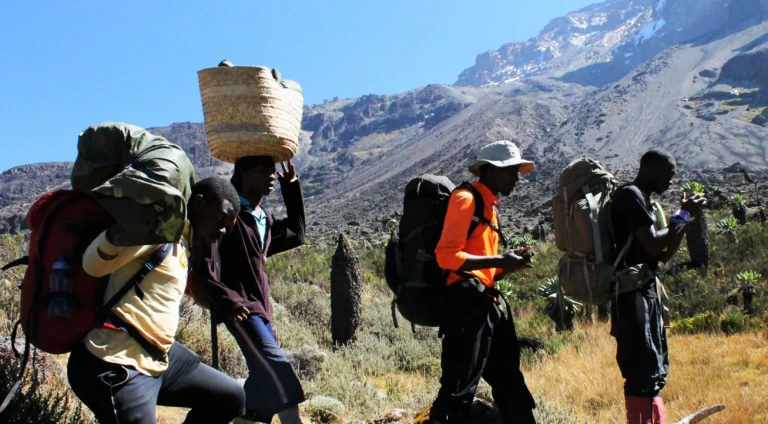
Is A Private Toilet Included In The Kilimanjaro Price? 2026-2027
Discover whether a private toilet is a standard inclusion in Kilimanjaro climbing package prices, the variations across routes and operators, and how Climb 4 Africa prioritizes your comfort...
View package details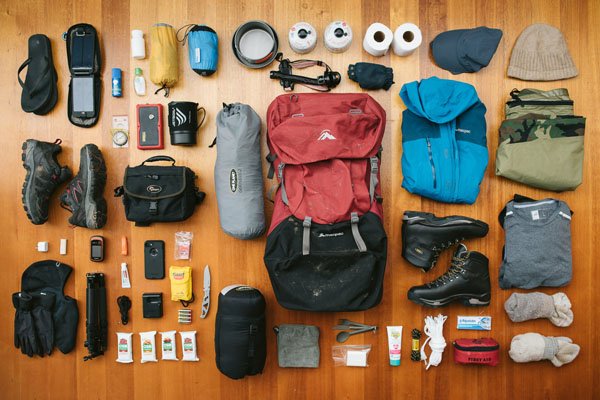
Is Emergency Oxygen Included In Kilimanjaro Climbing Price? Climb 4 Africa
Climb 4 Africa clarifies whether emergency oxygen is part of the standard Kilimanjaro climbing package price, detailing what's typically included and why it's crucial for safety on the...
View package details
Are Kilimanjaro Park Fees Included In The Package Price? Your Guide 2026-2027
Understand whether Kilimanjaro park fees are part of your climb package price. This guide provides essential details for trekkers planning their 2026-2027 adventure, covering what's...
View package details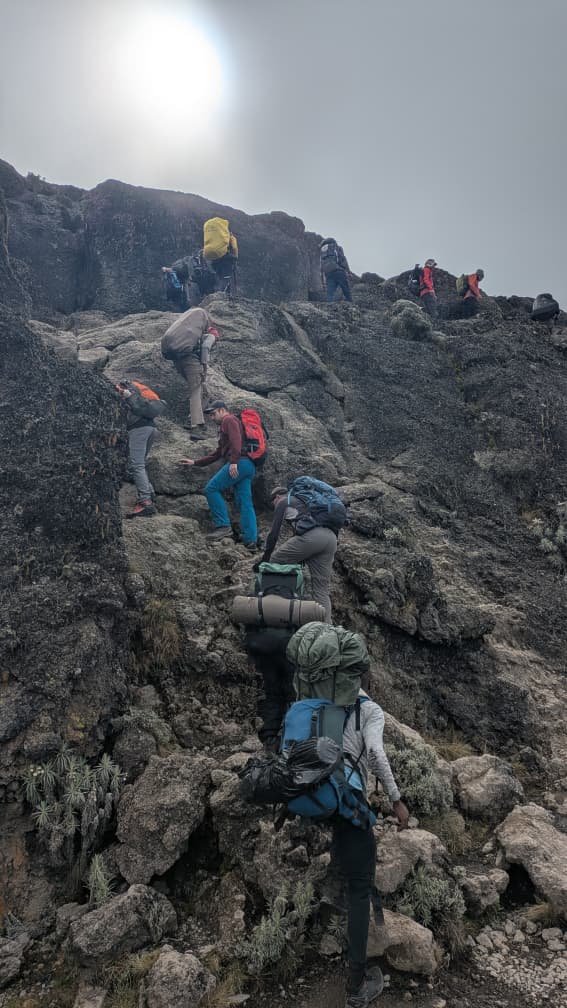
What Is Not Included In Most Kilimanjaro Climbing Prices? Guide 2026-2027
Many Kilimanjaro climbing packages seem all-inclusive, but several crucial items are often left out of the advertised price. This guide details what you should expect to pay extra for...
View package details
How Early Should I Book Kilimanjaro For The Best Price? Planning 2026-2027
Planning a Kilimanjaro climb for 2026 or 2027? Learn the optimal booking window to secure the best prices and availability. This guide covers everything from early bird specials to...
View package details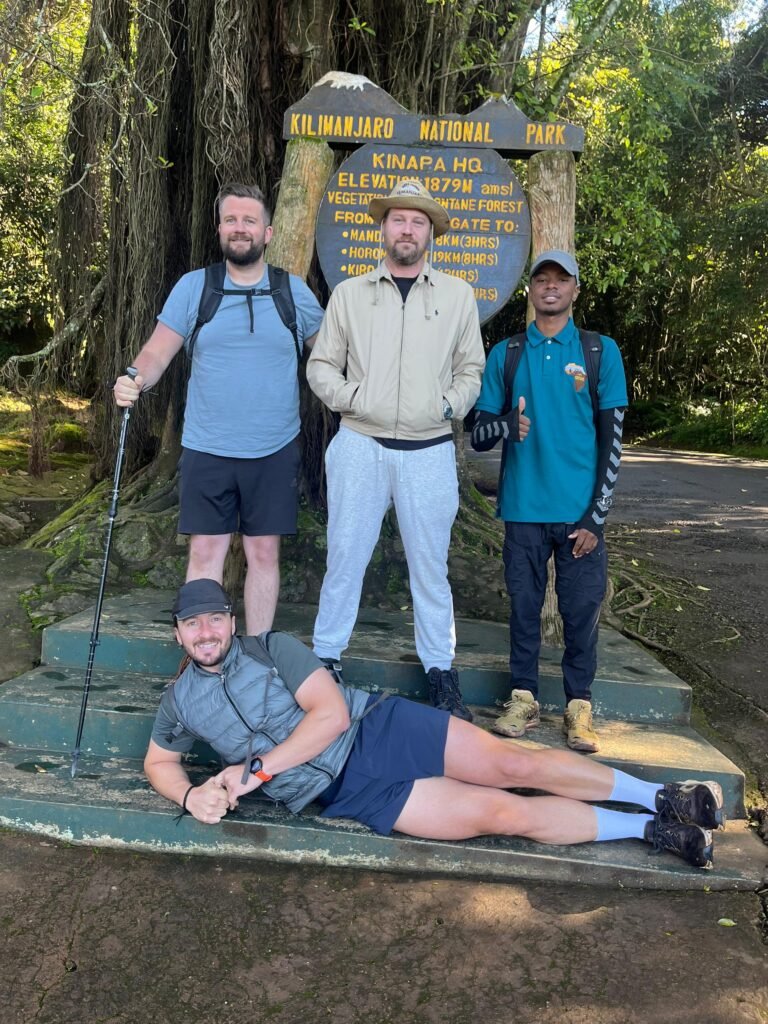
Are Porters Included In Kilimanjaro Package Costs? A Climb 4 Africa Guide
Understand the critical role of porters on Kilimanjaro and whether they are typically included in tour package costs. This guide from Climb 4 Africa provides essential details for planning...
View package detailsAre Rescue Fees Included In Kilimanjaro Park Fees? 2026-2027
Are rescue fees included in Kilimanjaro park fees? is explained with current 2026-2027 planning, price, itinerary and booking information.
View package details
Is Travel Insurance Included In Kilimanjaro Packages? Expert Guide 2026-2027
Many Kilimanjaro packages do not automatically include comprehensive travel insurance. While some may offer basic medical evacuation coverage, it's crucial to understand what's typically...
View package detailsNo related package matches those filters. Clear one or more filters to see the other topic-matched options.



