Kilimanjaro operators charge different prices primarily due to significant variations in the quality and quantity of services offered, operational costs, company ethics, and profit margins. Cheaper trips often cut corners on guide and porter wages, food quality, safety equipment, and support staff, potentially compromising your experience and safety. Conversely, higher prices typically reflect better-paid, experienced guides and porters, higher-grade equipment, more comprehensive safety protocols, superior food, and a commitment to ethical treatment of staff, which are crucial for a successful and safe 2026-2027 Kilimanjaro climb.
Understanding the Price Spectrum for Kilimanjaro Treks
So, you’re planning to conquer Kilimanjaro, Africa’s highest peak, and you’ve started researching tour operators. One of the first things that likely strikes you is the sheer range of prices quoted for what appears to be a similar trek. Why is it that one company might offer a 7-day Machame Route climb for $2,000, while another charges $3,500 or even $5,000 for the exact same itinerary? This isn’t just arbitrary pricing; it’s a reflection of fundamental differences in how these companies operate, what they prioritize, and the overall experience they deliver. For anyone planning a Kilimanjaro expedition in 2026 or 2027, understanding these price disparities is crucial for making an informed choice that balances budget with safety, comfort, and success.
As a company deeply rooted in Tanzania and dedicated to providing authentic, safe, and memorable Kilimanjaro experiences, Climb 4 Africa frequently encounters this question from prospective clients. We believe transparency is key. The cost of climbing Kilimanjaro is influenced by a complex web of factors, from the number of porters employed to the quality of the tents and the experience of your guides. Ignoring these differences can lead to disappointment, or worse, serious safety risks on the mountain.
The Foundation of Cost: Operational Expenses on Kilimanjaro
Before we dissect the variations, it’s essential to understand the baseline costs involved in operating a Kilimanjaro trek. These are non-negotiable expenses that every reputable operator must cover. Think of these as the minimum requirements for running a safe and responsible operation, setting the floor for what a Kilimanjaro climb should reasonably cost.
Park Fees and Government Royalties
Kilimanjaro National Park is a UNESCO World Heritage site, and its preservation comes at a cost. A significant portion of your trek fee goes directly to the Tanzanian government in the form of park entry fees, conservation fees, camping fees, and rescue fees. These fees are regulated and are the same for all operators. As of recent years, these fees can amount to several hundred dollars per climber, depending on the route and duration. Reputable operators ensure these are fully paid and accounted for, contributing to the park’s upkeep and the local economy. Operators who claim to offer significantly lower prices might be attempting to bypass some of these mandatory fees, which is illegal and extremely risky for the climber.
Wages and Welfare for Guides and Porters
This is perhaps the single biggest differentiator in pricing and ethical operation. The backbone of any Kilimanjaro expedition is its support crew: the guides, porters, and cooks. Responsible operators pay their staff fair wages, provide adequate food, shelter, and appropriate gear. They also adhere to regulations regarding porter weight limits (typically 15kg per porter, excluding their own gear) and ensure they have proper clothing and footwear. Sadly, some budget operators exploit their staff, paying poverty wages, overloading porters, and providing substandard equipment. This not only causes immense suffering to the crew but also increases the risk of altitude sickness, injury, and exhaustion for everyone on the mountain. Ethical operators, like Climb 4 Africa, are committed to the Kilimanjaro Porters Assistance Project (KPAP) guidelines or similar fair wage principles, which significantly impacts their operational costs but ensures the well-being of their team.
For a 7-day climb, a fair wage policy can add hundreds of dollars per trekker to the operator’s costs. This investment directly translates to a more motivated, healthier, and experienced support team, which is invaluable for your safety and success. When comparing prices for 2026-2027 treks, always inquire about staff welfare policies.
Food and Catering
Climbing Kilimanjaro is physically demanding, and proper nutrition is vital. Reputable operators provide three hearty, nutritious meals a day, plus snacks and hot drinks. This involves purchasing fresh ingredients, transporting them up the mountain (often by porters), and having skilled cooks prepare them. The quality of food can vary dramatically. Budget operators may opt for cheaper, processed foods, fewer meal options, or smaller portions. Higher-priced operators invest in better quality ingredients, more diverse menus, and employ experienced cooks who can prepare delicious and energizing meals at altitude. This also includes ensuring adequate hydration with plenty of purified water and hot beverages, which is critical for acclimatization and preventing altitude sickness.
Equipment and Logistics
A successful and safe climb requires high-quality equipment. This includes:
- Tents: Sturdy, waterproof, and wind-resistant tents for sleeping, dining, and toilets.
- Sleeping Mats: Comfortable and insulating mats.
- Cooking Gear: Efficient stoves and utensils.
- Safety Equipment: First-aid kits, portable oxygen bottles, and communication devices (like satellite phones or radios).
- Transportation: Reliable vehicles to transport clients and staff to the mountain gates.
Maintaining and replacing this equipment is an ongoing cost. Operators who invest in top-tier gear and ensure it’s well-maintained will naturally have higher operating expenses than those using older, cheaper equipment.
Key Factors Driving Price Differences: What You’re Actually Paying For
Beyond the fundamental operational costs, several key factors directly influence why Kilimanjaro operators charge different prices. These are the elements that often separate a truly exceptional, safe, and successful climb from a merely passable or even dangerous one.
1. Guide and Crew Experience & Training
The quality of your guides is paramount. Experienced Kilimanjaro guides are not just hikers; they are trained in wilderness first aid, altitude sickness management, navigation, meteorology, and local ecology. They know how to read the mountain, recognize symptoms of altitude sickness, and make critical decisions regarding safety. A guide who has summited Kilimanjaro hundreds of times is vastly more valuable than someone who has only done it a few dozen times. The same applies to porters; experienced porters are more efficient and understand the mountain’s demands better.
Higher prices often mean:
- Guides with extensive experience and advanced certifications (e.g., Wilderness First Responder).
- A higher guide-to-client ratio, ensuring more personalized attention and safety.
- Better pay and incentives for guides, attracting and retaining top talent.
Conversely, operators offering rock-bottom prices may hire less experienced guides, sometimes even trainees, to cut costs. This is a significant risk. A well-trained guide can be the difference between reaching the summit and a safe descent, or a serious medical emergency.
2. Safety Protocols and Equipment
Safety on Kilimanjaro is non-negotiable. Reputable operators invest heavily in safety measures:
- Comprehensive First-Aid Kits: Beyond basic bandages, these include essential medications and equipment for treating altitude-related illnesses.
- Portable Oxygen: Many high-end operators carry portable oxygen bottles for emergency use, a feature often omitted by budget companies.
- Pulse Oximeters: Used to monitor climbers’ oxygen saturation levels, providing early warnings of altitude sickness.
- Communication: Satellite phones or two-way radios for emergency contact.
- Emergency Evacuation Plans: Robust plans and often insurance coverage for evacuation.
- Dedicated Rescue Teams: Some operators have their own rescue teams or strong relationships with park rangers for rapid response.
Operators charging more are likely to provide:
- Higher Quality Safety Gear: Medical-grade equipment, well-maintained oxygen systems.
- More Rigorous Training for Guides: Ensuring they are adept at using safety equipment and responding to emergencies.
- More Staff per Client: This means more eyes watching for symptoms and more hands to assist if needed.
When researching for your 2026-2027 trek, ask direct questions about safety equipment and emergency procedures. The answers can reveal a lot about an operator’s priorities.
3. Group Size and Type (Shared vs. Private)
The price can differ based on whether you join a shared group or book a private climb. Shared groups are designed to be more affordable, as costs are spread among more participants. Private climbs offer flexibility and a more personalized experience but come at a higher individual cost, though the per-person price might decrease with larger private groups.
Even within shared groups, the size matters. Smaller groups often mean more personalized attention from guides and a more relaxed pace. Larger groups might be more cost-effective but can sometimes feel more rushed or less flexible. Operators who keep their groups intentionally small, even on advertised shared departures, might charge a premium for this enhanced experience.
4. Route Choice and Duration
While the base park fees are similar, different routes have varying lengths and logistical complexities, impacting the overall cost. Longer routes (e.g., 8-day Lemosho or Northern Circuit) inherently cost more due to more days of park fees, food, and staff wages. Shorter routes (e.g., 5-day Marangu) are typically cheaper but have lower success rates due to poorer acclimatization profiles.
Operators might also offer different tiers of service on the same route. For instance, a “budget” 7-day Machame might use basic tents, while a “premium” 7-day Machame might use higher-quality, expedition-grade tents and offer more elaborate meals. This is a key reason why prices for the same route can differ so widely.
5. Accommodation Standards (Pre and Post-Climb)
Most Kilimanjaro packages include accommodation for at least one night before and one night after the climb in Moshi or Arusha. The standard of these hotels can vary significantly. Budget operators might use very basic guesthouses, while mid-range and high-end operators partner with comfortable hotels offering amenities like hot showers, reliable electricity, and good restaurants. The quality of this pre- and post-climb accommodation is often reflected in the overall package price.
6. Company Reputation, Service Level, and Inclusions
Established companies with a strong reputation for excellent service, high success rates, and ethical practices often command higher prices. This reputation is built over years of consistently delivering high-quality experiences. They invest in marketing, customer service, and ensuring every detail is handled professionally.
Look closely at what is included:
- Pre- and Post-Climb Accommodation: Is it included, and what is the standard?
- Airport Transfers: Are these covered?
- Climbing Gear Rental: Some companies include essentials like waterproof jackets, warm trousers, or even sleeping bags, which can add significant cost if rented separately.
- Tips for Crew: Some operators include recommended tips in their price, while others leave this as an additional, often substantial, expense for the client.
- Travel Insurance: Is it part of the package, or do you need to arrange it yourself?
- Bottled Water vs. Purified Water: The cost of providing bottled water for the entire trek is substantial. Many operators now use purified water systems, which are more eco-friendly and cost-effective.
Companies that offer more comprehensive inclusions, higher service standards, and a proven track record will naturally charge more. This is often a wise investment for a smoother, more enjoyable experience.
7. Profit Margins and Business Model
Like any business, tour operators aim to make a profit. However, the size of that profit margin varies. Some operators, particularly those focused on high volume, may operate on slimmer margins, relying on a large number of clients. Others, focusing on a premium, personalized service, might have higher margins per client but cater to fewer groups. Additionally, some companies are non-profit organizations or social enterprises that reinvest profits into local communities or conservation efforts, which can sometimes influence their pricing structure.
The Hidden Costs of Cheap Kilimanjaro Treks
It’s tempting to opt for the cheapest Kilimanjaro trek you can find, especially when planning for future years like 2026 or 2027. However, the adage “you get what you pay for” is particularly relevant here. Significantly lower prices almost always indicate compromises that can negatively impact your climb:
- Compromised Safety: Inadequate safety equipment, less experienced guides, and poor emergency response plans.
- Poor Crew Welfare: Underpaid, overworked, and potentially mistreated guides and porters, leading to low morale and increased risk of errors.
- Substandard Food: Insufficient calories, poor quality, or lack of variety, leading to fatigue and weakened immune systems.
- Inferior Equipment: Tents that leak, sleeping bags that aren’t warm enough, and unreliable gear can make the trek miserable and dangerous.
- Lower Success Rates: Often due to inadequate acclimatization strategies, less experienced guides, or poor support.
- Environmental Impact: Budget operators may be less concerned with waste management and Leave No Trace principles.
For Kilimanjaro, safety and success are paramount. Choosing a budget operator that cuts corners on essential services is a gamble with your health, safety, and the overall enjoyment of your special adventure. We strongly advise against choosing an operator solely based on the lowest price, especially when planning for 2026 or 2027.
What to Look For in Different Price Tiers
To help you navigate the options for your 2026-2027 Kilimanjaro expedition, here’s a general breakdown of what you might expect at different price points. Remember, these are guidelines, and individual operators will vary.
Budget Operators (Typically under $1,800 for a 7-day trek)
What you might get:
- Basic park fees included.
- Minimum required number of guides and porters.
- Basic, often repetitive, meals.
- Standard quality tents and equipment.
- Limited safety equipment (e.g., basic first-aid kit, no supplemental oxygen).
- Minimal pre- or post-climb accommodation and transfers.
- Often rely on a high volume of clients.
Potential Downsides: Risky compromises on staff welfare, safety, food, and equipment. Lower success rates. Less comfortable experience.
Mid-Range Operators (Typically $1,800 – $2,800 for a 7-day trek)
What you might get:
- All park fees and mandatory government charges covered.
- Fair wages and good welfare for guides and porters (often adhering to KPAP standards).
- Nutritious and varied meals, prepared by cooks.
- Good quality, well-maintained tents and camping equipment.
- Standard safety equipment (first-aid, pulse oximeters). Some may offer supplemental oxygen.
- Included pre- and post-climb accommodation (often 3-star equivalent) and transfers.
- A balance between quality and cost.
Climb 4 Africa generally operates within this range, focusing on providing excellent value through ethical practices and high standards.
Premium/Luxury Operators (Typically $2,800+ for a 7-day trek)
What you might get:
- All of the mid-range inclusions, plus:
- Higher guide-to-client ratios.
- Expedition-grade, top-of-the-line equipment (e.g., spacious tents, high-performance sleeping bags).
- Gourmet meals and a wider variety of high-quality food.
- Comprehensive safety protocols, including readily available supplemental oxygen and advanced medical kits.
- Higher-standard pre- and post-climb accommodation (4-star equivalent).
- Dedicated support staff, sometimes including a dedicated assistant guide for smaller groups.
- More personalized service and attention to detail.
Potential Downsides: Significantly higher cost, which may not always translate to a proportionally better experience for everyone, especially if budget is a primary concern.
Key Question to Ask: What is the Porter Policy?
This is a critical question that reveals an operator’s ethical standards and impacts pricing. Ask: “What wages do you pay your porters? Do you adhere to KPAP guidelines? What is the maximum weight you assign to a porter?” A responsible operator will have clear, positive answers. A vague or evasive response is a red flag.
Comparing Operators for Your 2026-2027 Kilimanjaro Climb
When you’re comparing quotes for your 2026 or 2027 Kilimanjaro adventure, look beyond the final number. Here’s a structured approach:
- Inclusions List: Create a checklist of everything offered by each operator. Are park fees, meals, accommodation, transfers, gear rental, and crew tips included? The more comprehensive the inclusions, the more reliable the quoted price.
- Staff Welfare: Inquire about their porter and guide policies. Look for adherence to fair wage standards. This is a crucial ethical consideration and a significant cost factor.
- Safety Measures: Ask about their safety equipment, guide training, and emergency procedures. Do they carry oxygen? How do they handle medical emergencies?
- Group Size: Understand the typical or maximum group size for shared departures.
- Reviews and Reputation: Check independent review sites (like TripAdvisor) and ask for references. Look for consistent feedback on service, safety, and crew treatment.
- Success Rates: While no operator can guarantee a summit, ask about their historical success rates for specific routes and durations. While not directly a price factor, it reflects the quality of their operation.
- Company Experience: How long has the operator been running climbs? Established companies often have more refined processes and better logistical support.
For instance, when planning for a 2026 trek, you might find that Operator A (priced at $2,200) includes tips and uses a dedicated cook for every 6 climbers, while Operator B (priced at $2,000) does not include tips and has a less experienced kitchen crew. Operator A’s slightly higher price might offer better value and a more comfortable experience.
Example Comparison Snippet (Hypothetical 7-Day Machame for 2027)
| Feature | Operator X (Budget) | Operator Y (Mid-Range) | Operator Z (Premium) |
|---|---|---|---|
| Price (7-Day Machame) | $1,950 | $2,450 | $3,200 |
| Porter Wages | Basic, below KPAP | KPAP compliant | Above KPAP, bonuses |
| Guide Experience | Mixed, some new | Highly experienced, certified | Expert, extensive certifications |
| Food Quality | Basic, repetitive | Nutritious, varied menu | Gourmet, high-quality ingredients |
| Safety Gear | Basic first aid | First aid, pulse oximeter, optional O2 | Comprehensive medical kit, guaranteed O2 |
| Tips Included? | No | Yes (standard recommendation) | Yes (generous allowance) |
| Pre/Post Hotel | Basic Guesthouse | Comfortable 3-star | Luxury 4-star |
This table is illustrative. Always verify specific inclusions and policies directly with the operator for your 2026-2027 plans.
The Climb 4 Africa Approach: Value Through Quality and Ethics
At Climb 4 Africa, we are passionate about offering Kilimanjaro treks that are not only successful but also safe, ethical, and deeply rewarding. We understand why Kilimanjaro operators charge different prices, and we’ve chosen to position ourselves in the mid-range to premium sector by prioritizing the factors that truly matter for your climb:
- Fair Treatment of Staff: We are committed to paying our guides, porters, and cooks fair wages, providing them with proper gear, food, and accommodation. We adhere strictly to KPAP guidelines. This ensures a motivated, healthy, and experienced team supporting you.
- Experienced and Certified Guides: Our guides are among the most experienced on the mountain, with extensive training in wilderness medicine and altitude sickness management.
- High-Quality Equipment: We use durable, expedition-grade tents, comfortable sleeping mats, and reliable cooking gear.
- Comprehensive Safety: Safety is our utmost priority. We carry well-stocked first-aid kits, pulse oximeters, and have robust emergency protocols. We also ensure our guides are trained to use and manage oxygen systems when necessary.
- Nutritious and Delicious Food: Our cooks prepare a variety of wholesome meals designed to fuel your climb, using fresh ingredients.
- Transparent Pricing: Our prices clearly reflect the quality of service, ethical labor practices, and comprehensive inclusions. We aim to provide exceptional value, ensuring that your investment goes towards a safe, successful, and responsible climb.
We believe that a Kilimanjaro climb is a significant undertaking, and compromising on quality or ethics to save a few dollars is not a worthwhile risk. We want your 2026 or 2027 Kilimanjaro experience to be unforgettable for all the right reasons.
Planning Your 2026-2027 Kilimanjaro Climb: Final Thoughts on Price
The diverse pricing of Kilimanjaro operators is a direct consequence of their operational choices, ethical commitments, and the quality of the experience they deliver. When you see vastly different prices for seemingly identical treks, remember that the cheapest option often comes with hidden risks and compromises. A higher price is not always better, but a significantly low price should raise serious questions.
For your 2026-2027 Kilimanjaro adventure, prioritize:
- Safety: Ensure the operator has robust safety protocols and experienced guides.
- Staff Welfare: Choose an operator that treats its crew ethically and pays fair wages.
- Inclusions: Understand exactly what is covered in the price to avoid unexpected costs.
- Reputation: Look for reviews and testimonials that speak to the overall quality and reliability of the operator.
By carefully considering these factors and asking the right questions, you can find an operator that offers the best value for your budget, ensuring a safe, successful, and memorable ascent of Kilimanjaro. We invite you to reach out to Climb 4 Africa with any questions about our pricing, itineraries, or our commitment to responsible trekking for your 2026 or 2027 climb. You can contact us via WhatsApp at +255 747 477 898 or email at climb4africa@gmail.com.
“,
“faq_schema”: [
{
“question”: “Why is there such a big price difference between Kilimanjaro operators?”,
“answer”: “The price differences stem from variations in the quality of services, such as guide experience, porter wages, food standards, safety equipment, tent quality, and the overall level of support provided. Operators who invest more in these areas, particularly in ethical staff treatment and robust safety protocols, will naturally charge higher prices than those who cut costs in these critical aspects.”
},
{
“question”: “What are the main costs that make up a Kilimanjaro trek price?”,
“answer”: “The primary costs include mandatory park fees, conservation fees, rescue fees, wages and welfare for guides, porters, and cooks, food and catering, equipment purchase and maintenance, transportation, and the operator’s overheads and profit margin. Ethical operators also factor in fair wages and benefits for their crew.”
},
{
“question”: “What should I look out for if I choose a cheaper Kilimanjaro operator?”,
“answer”: “Choosing a cheaper operator often means compromises on safety equipment, guide experience, food quality, and crucially, the welfare and wages of porters and guides. This can lead to a less comfortable trek, lower success rates, and potentially serious safety risks.”
},
{
“question”: “Are park fees included in the price from all operators?”,
“answer”: “Reputable operators will always include mandatory park fees, conservation fees, camping fees, and rescue fees in their quotes. Significantly lower prices might indicate that some of these essential government charges have been excluded, which is a major red flag and potentially illegal.”
},
{
“question”: “How can I ensure I’m getting good value for my money on a Kilimanjaro climb in 2026-2027?”,
“answer”: “Focus on what’s included, the operator’s safety record, their staff welfare policies (especially for porters), the experience of their guides, and independent reviews. A mid-range price often represents a good balance between cost, quality, safety, and ethical operation. Don’t choose solely based on the lowest price.”
},
{
“question”: “Do private climbs cost more than group climbs on Kilimanjaro?”,
“answer”: “Generally, yes. Private climbs offer more flexibility and personalized attention but are priced higher per person than joining a scheduled group departure. However, for larger private groups, the per-person cost can sometimes be comparable to or even less than some mid-range shared tours.”
}
]
}
“`
Check Availability for Why Do Kilimanjaro Operators Charge Different Prices? 2026-2027
Ready to compare dates, prices, and the best option for your group? Send the package name and travel month so the team can reply with a clear quote, availability, and what is included.
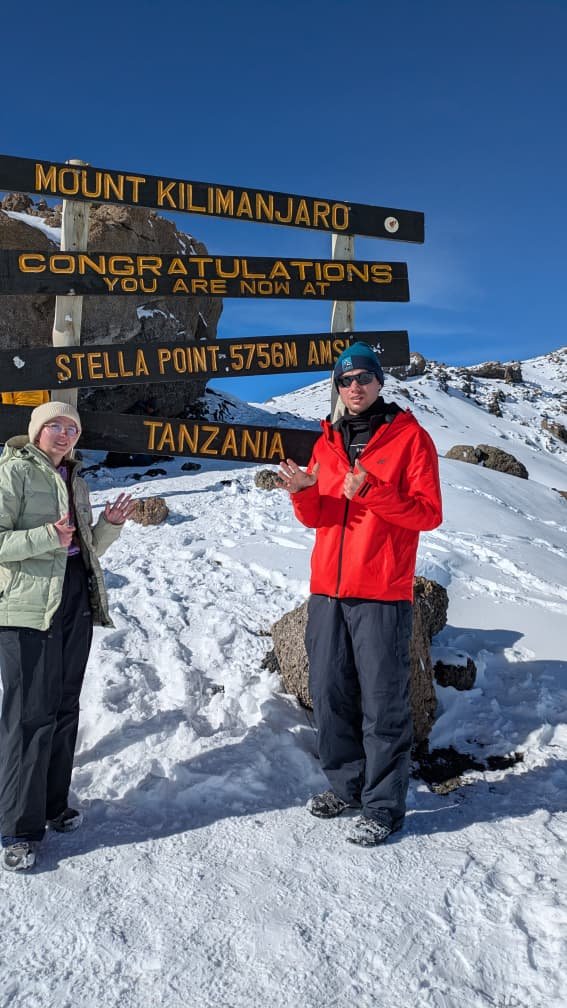
Are There Additional Charges After Booking Kilimanjaro? 2026-2027
Are there additional charges after booking Kilimanjaro? is explained with current 2026-2027 planning, price, itinerary and booking information.
View package details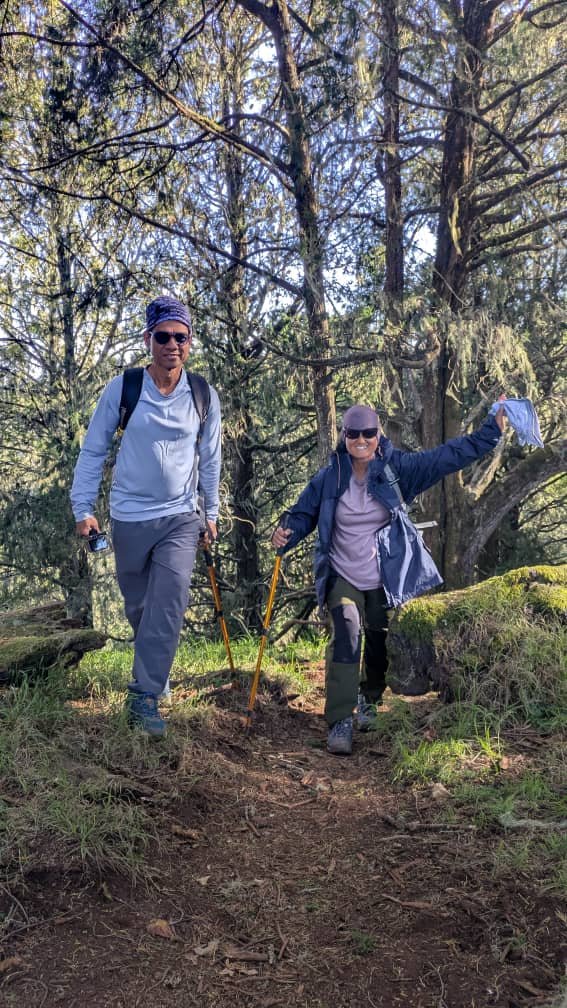
Cheap Vs Expensive Kilimanjaro Operators: What Is The Difference? ( Guide)
Choosing a Kilimanjaro tour operator significantly impacts your climb. This guide breaks down the crucial differences between cheap and expensive operators, covering safety, equipment...
View package details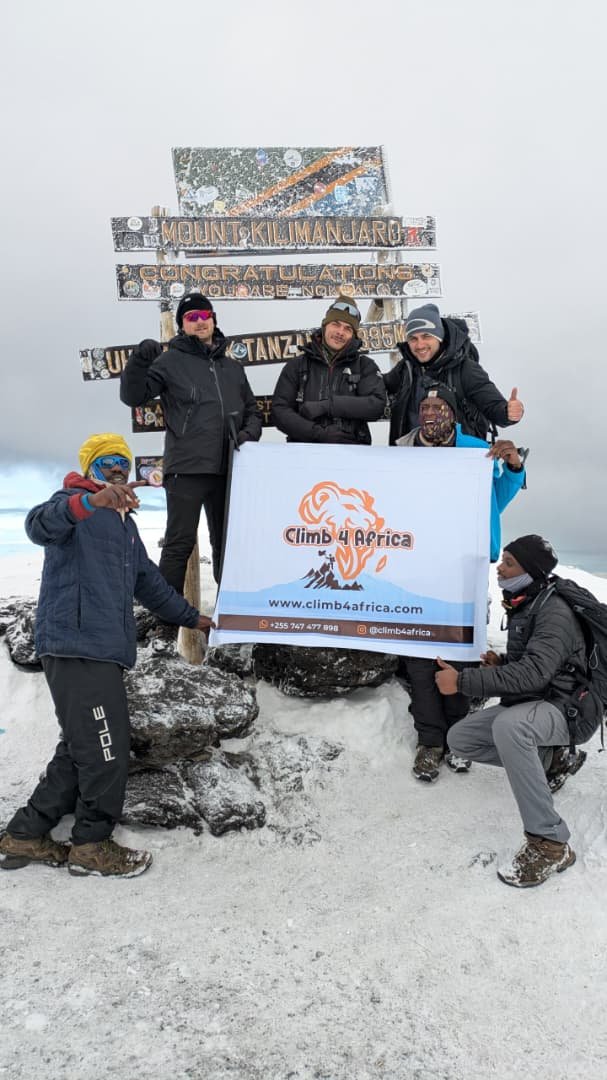
Local Vs International Kilimanjaro Operator Prices 2026-2027
Local vs International Kilimanjaro Operator Prices is explained with current 2026-2027 planning, price, itinerary and booking information.
View package details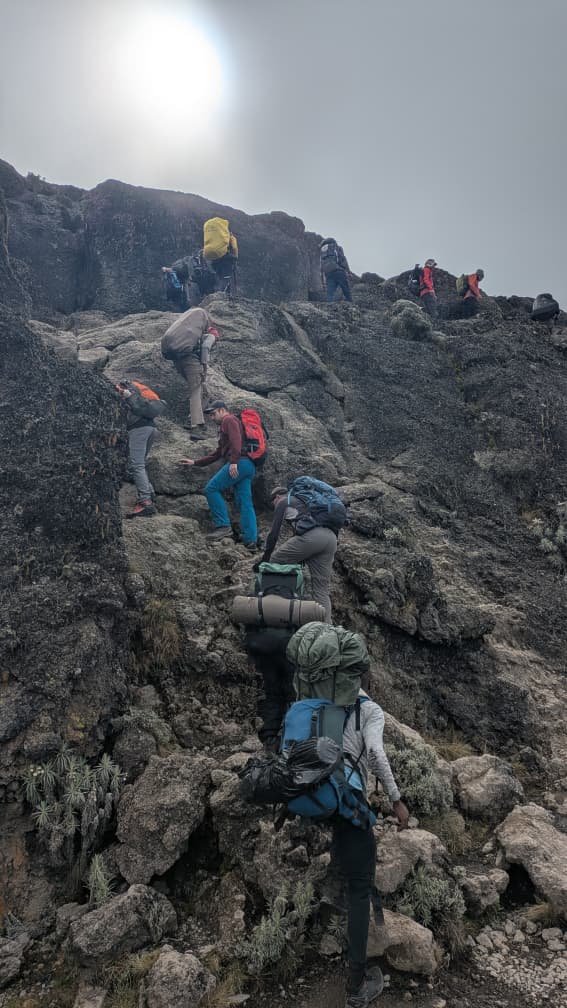
What Is Not Included In Most Kilimanjaro Climbing Prices? Guide 2026-2027
Many Kilimanjaro climbing packages seem all-inclusive, but several crucial items are often left out of the advertised price. This guide details what you should expect to pay extra for...
View package details
Climbing Kilimanjaro In December : Prices, Weather & Group Dates 2026-2027
Discover everything you need to know about climbing Kilimanjaro in December, including pricing, weather patterns for 2026-2027, and curated group departure dates. Climb 4 Africa provides...
View package details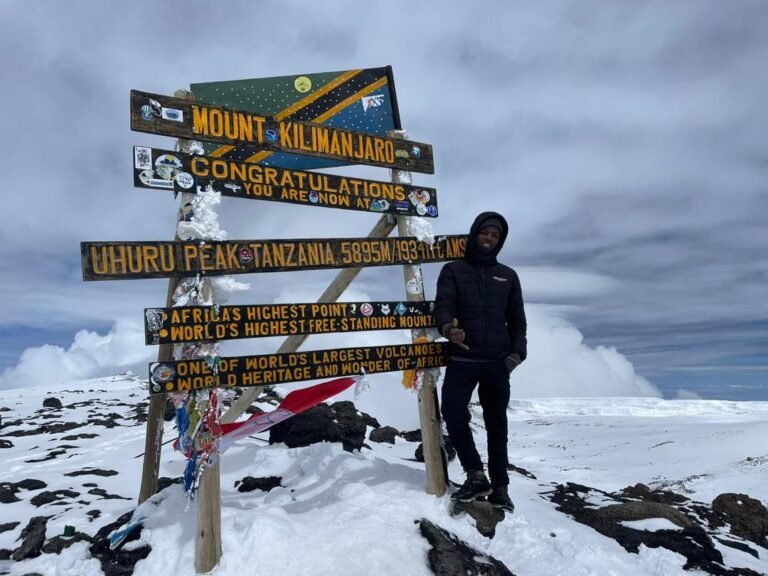
Climbing Kilimanjaro In October: Prices, Weather & Group Dates For 2026-2027
October offers a unique window for climbing Kilimanjaro, bridging the end of the dry season with the start of cooler temperatures. This guide details everything you need to know about...
View package details
Climbing Kilimanjaro In September : Prices, Weather & Group Dates 2026-2027
September offers a fantastic window for climbing Mount Kilimanjaro, blending dry weather with moderate temperatures. This guide covers everything you need to know about climbing Kilimanjaro...
View package details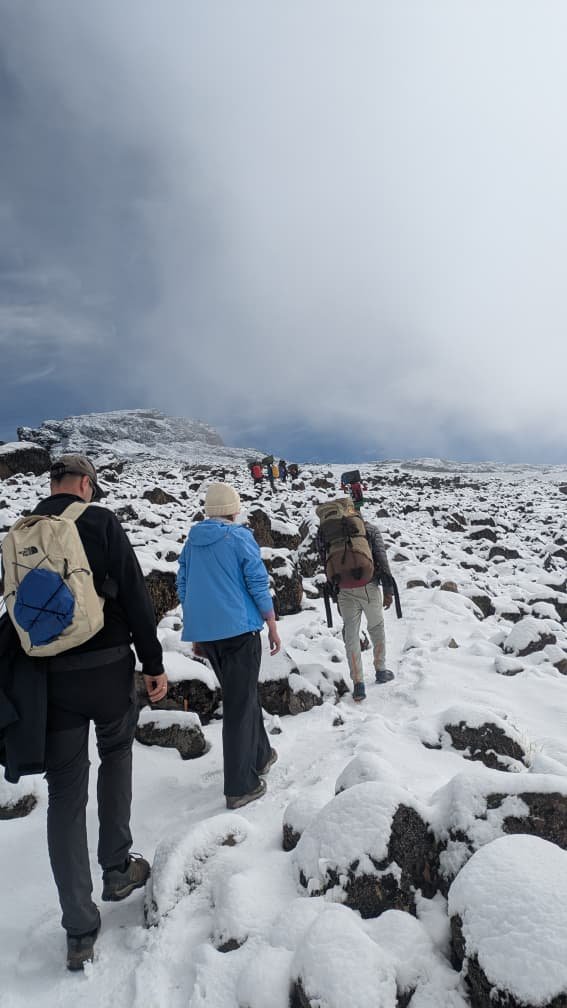
Climbing Kilimanjaro In August: Prices, Weather & Group Dates 2026-2027
Climbing Kilimanjaro in August: Prices, Weather & Group Dates is explained with current 2026-2027 planning, price, itinerary and booking information.
View package details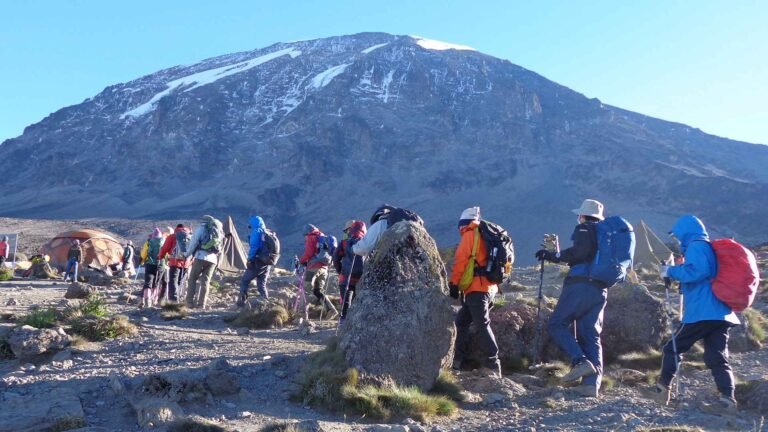
Climbing Kilimanjaro In July: Prices, Weather & Group Dates 2026-2027
Climbing Kilimanjaro in July: Prices, Weather & Group Dates is explained with current 2026-2027 planning, price, itinerary and booking information.
View package detailsClimbing Kilimanjaro In June: Prices, Weather & Group Dates 2026-2027
June offers a prime window for climbing Mount Kilimanjaro, balancing good weather with fewer crowds than the peak dry season. This guide details June's specific weather patterns, typical...
View package details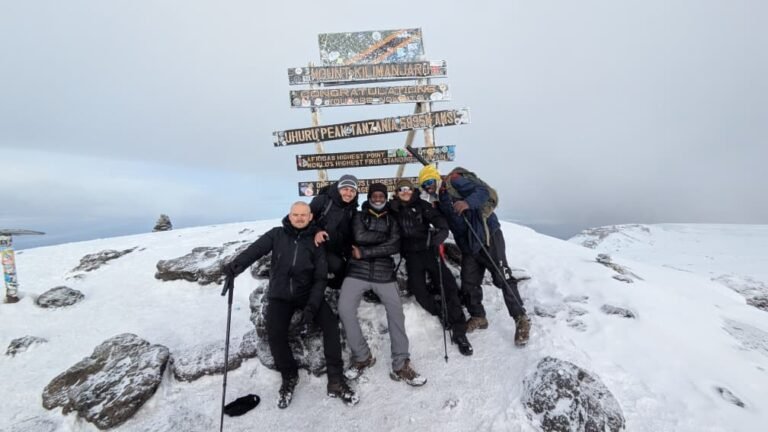
Climbing Kilimanjaro In February: Prices, Weather & Group Dates For 2026-2027
Discover everything you need to know about climbing Kilimanjaro in February, including expected weather patterns, typical costs for 2026-2027, and how to find suitable group departure...
View package details
Climbing Kilimanjaro In January: Prices, Weather & Group Dates 2026-2027
Climbing Kilimanjaro in January: Prices, Weather & Group Dates is explained with current 2026-2027 planning, price, itinerary and booking information.
View package detailsNo related package matches those filters. Clear one or more filters to see the other topic-matched options.



