
No, typically, standard Kilimanjaro park fees do not explicitly include rescue fees for emergencies. While park entry and conservation fees are mandatory and cover the general upkeep and management of the mountain’s ecosystem, specific rescue operations, particularly those requiring specialized teams or transport off the mountain, are usually handled by separate insurance policies or emergency funds arranged by your tour operator. It is crucial to confirm what your tour package covers regarding emergency rescue and to ensure you have adequate travel insurance for your 2026-2027 climb.
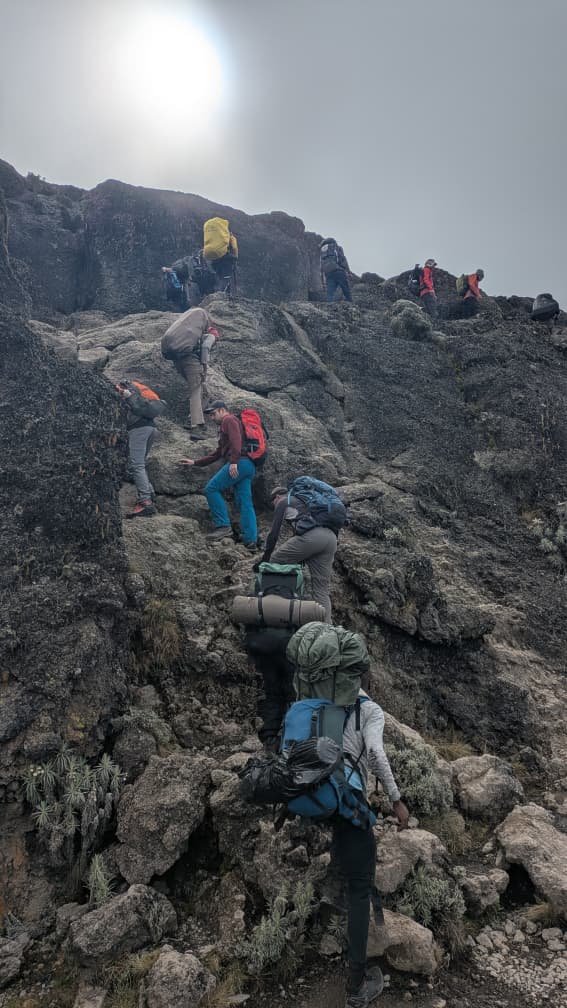
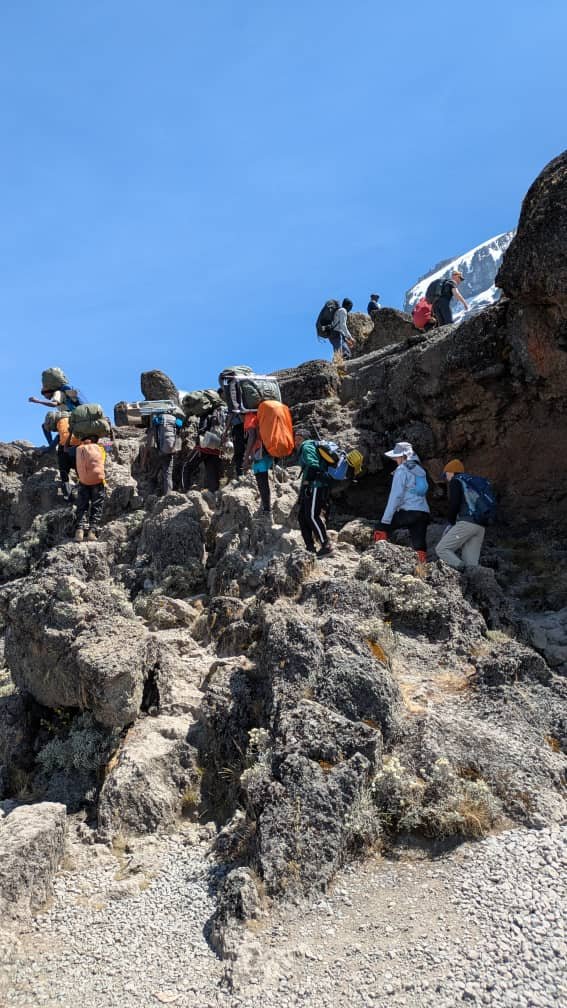
Understanding Kilimanjaro Park Fees: What They Cover
Climbing Mount Kilimanjaro is an extraordinary adventure, but it also involves significant logistical and financial considerations. One of the most common questions for prospective climbers, especially those planning for the 2026-2027 seasons, revolves around the costs involved, particularly regarding mandatory park fees and the extent of emergency services they provide. Understanding precisely what Kilimanjaro park fees entail is fundamental to budgeting for your expedition and ensuring you are adequately prepared for all eventualities. Climb 4 Africa, as an experienced Kilimanjaro tour operator, helps demystify these costs for you.
The Kilimanjaro National Park (KINAPA) fees are set by the Tanzanian government and are subject to change, though significant shifts are usually announced well in advance of the 2026-2027 climbing seasons. These fees are a vital source of funding for the park’s conservation efforts, infrastructure maintenance, and the employment of park rangers who protect the mountain’s natural resources and ensure a degree of safety for trekkers.
Generally, the park fees you pay are allocated towards:
- Park Entry Fees: A daily fee for each day spent within the national park boundaries. This is a primary component of the overall park fee structure.
- Camping Fees: If your chosen route involves camping, there are specific fees for utilizing designated campsites on the mountain. These vary depending on whether you are camping in a public campsite or a special campsite.
- Crater Fees: For routes that ascend to the crater rim or the summit (e.g., Stella Point or Uhuru Peak), an additional fee is often levied for accessing this higher, more sensitive zone.
- Rescue Fees (Indirectly): While not a direct payment for your personal rescue, a portion of the park fees contributes to the general operational capacity of the park rangers, which includes their ability to respond to basic emergencies. However, this does not cover extensive search and rescue operations.
- Road Fees: Fees associated with using the park’s access roads, typically at the Marangu or Machame gates.
- Conservation Fees: A broad category that supports the long-term preservation of Kilimanjaro’s unique biodiversity and fragile ecosystems.
It is important to note that these fees are typically calculated based on the number of days you spend on the mountain and the specific routes you take. For instance, a longer route like the 8-day Lemosho trek will naturally incur more daily park and camping fees than a shorter 5-day Marangu trek. These fees are non-negotiable and are a mandatory part of any Kilimanjaro climb, whether you are climbing in 2026, 2027, or any other year.
The Crucial Distinction: Park Fees vs. Rescue Services
The core of the question – are rescue fees included in Kilimanjaro park fees? – hinges on understanding the operational scope of the park authorities versus the specialized nature of mountain rescue. While park rangers are present on the mountain and can provide initial assistance in emergencies, their mandate and resources are primarily focused on park management and general safety, not comprehensive, dedicated mountain rescue operations.
Think of it this way: the park fees are like your entry ticket and general access pass to a national park. They ensure the park is maintained, rangers are employed for security and guidance, and basic infrastructure is available. However, if you were to get lost or injured in a remote area of a national park in your home country, the park service might be able to initiate a search, but a specialized, potentially costly, rescue operation involving helicopters or advanced medical teams would likely fall outside their standard service.
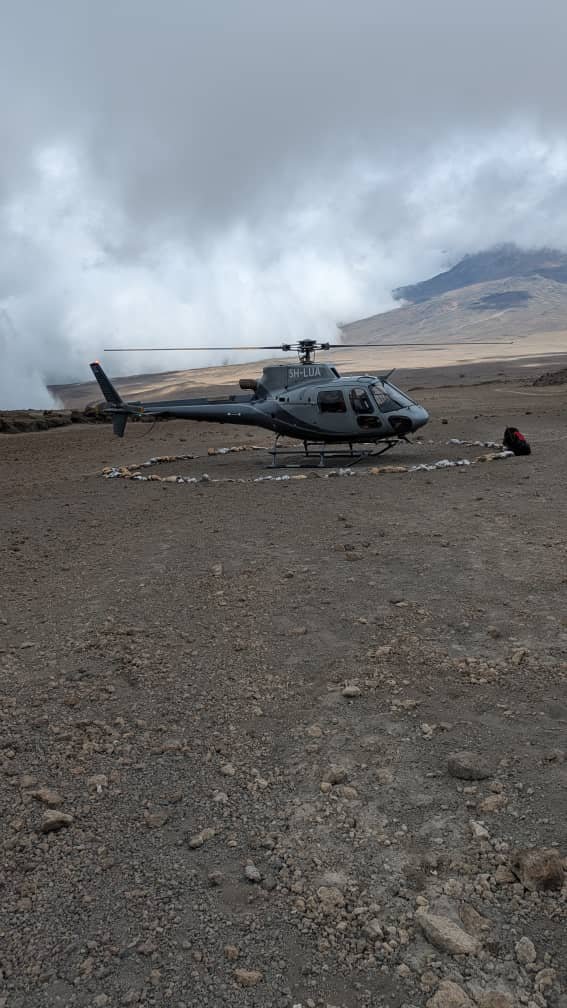
On Kilimanjaro, the situation is similar. Park rangers stationed at various camps can offer immediate first aid and help evacuate a climber to a lower altitude if they are suffering from altitude sickness or a minor injury. They can also report a serious situation to the park authorities. However, when a situation escalates – requiring a swift evacuation from a high-altitude, remote location, potentially involving specialized medical teams, stretchers, or even helicopter support (though helicopter rescues are extremely rare and costly on Kilimanjaro due to landing limitations) – these services are generally not covered by the standard park entry and camping fees.
This is where the role of your tour operator and your travel insurance becomes paramount. Reputable operators like Climb 4 Africa factor in the cost of basic emergency support and often have protocols in place to coordinate with park rangers and local medical services. However, the actual costs of a significant rescue operation are usually borne by the climber, either through a dedicated rescue insurance policy or their comprehensive travel insurance.
For climbers planning their Kilimanjaro adventure for 2026 or 2027, it is essential to:
- Clarify with your tour operator: Ask specifically what their packages include regarding emergency response and evacuation.
- Secure adequate travel insurance: Ensure your policy explicitly covers high-altitude trekking and includes provisions for emergency medical evacuation and repatriation.
- Understand the costs: Be aware that extensive rescue operations can incur substantial expenses.
What Does “Rescue” Entail on Kilimanjaro?
The term “rescue” on Kilimanjaro can encompass a range of scenarios, from minor assistance to life-threatening emergencies. Understanding these distinctions helps clarify why park fees alone are insufficient and why specialized insurance is necessary.
Types of Emergency Scenarios and Support Provided:
- Minor First Aid and Assistance: This is the most common form of assistance provided by guides and rangers. If a climber experiences a headache, nausea, or minor scrapes, the guides are trained to administer basic first aid, provide medication (like Diamox or painkillers), and offer advice. Rangers might assist in carrying lighter gear for a struggling climber for a short distance. This level of support is inherently part of the trekking experience and is facilitated by the presence of guides and rangers, whose salaries and operational costs are indirectly supported by park fees.
- Monitoring and Evacuation to a Lower Altitude: Guides are trained to recognize the symptoms of Acute Mountain Sickness (AMS). If a climber develops mild to moderate AMS, the primary response is to descend to a lower altitude. The guides will assist in this process, and rangers might help coordinate support if the descent is difficult. This is a critical safety measure, and the logistical support for this managed evacuation is generally included in the operational costs covered by the tour operator and, to some extent, the park’s general management.
- Serious Medical Emergencies: This includes severe altitude sickness (High Altitude Pulmonary Edema – HAPE, or High Altitude Cerebral Edema – HACE), severe injuries (like fractures or sprains), or critical medical conditions. In these cases, a more organized and often costly evacuation is required. This might involve:
- Assisted descent using stretchers, which requires multiple porters.
- Coordination with park authorities to potentially use park vehicles for transport from lower gates.
- In extremely rare and severe cases, discussion about helicopter evacuation (though practicalities and costs are immense).
It is these more complex and resource-intensive evacuation scenarios that are generally not covered by standard Kilimanjaro park fees. The costs associated with mobilizing a large team for a stretcher evacuation, or the astronomical fees for any potential helicopter involvement, far exceed the scope of general park management budgets.
The Role of the Kilimanjaro Park Rangers
Kilimanjaro National Park rangers play a crucial role in the safety of climbers. They are stationed at various points on the mountain, including gates and camps, and conduct patrols. Their duties include:
- Enforcing park rules and regulations.
- Monitoring climber progress and well-being.
- Providing basic medical assistance and advice.
- Assisting in evacuations when necessary, particularly in coordination with guides.
- Reporting any serious incidents to park headquarters.
While their presence is invaluable and contributes to the overall safety net, their capacity for large-scale rescue operations is limited. They are not a dedicated mountain rescue service in the way that might be found in the Alps or Rockies, equipped with specialized gear and personnel for complex aerial or technical rescues.
Why Separate Rescue Insurance is Essential for 2026-2027 Climbers
Given that Kilimanjaro park fees do not cover comprehensive rescue services, securing appropriate travel insurance is non-negotiable for anyone planning to climb the mountain, especially for the upcoming 2026 and 2027 seasons. Reputable tour operators will often require proof of such insurance as a condition of booking.
What to look for in your travel insurance policy:
- High-Altitude Trekking Coverage: Ensure the policy specifically covers trekking activities at altitudes exceeding 5,000 meters (which is Kilimanjaro’s summit). Many standard travel insurance policies exclude high-altitude activities.
- Emergency Medical Evacuation: This is the most critical component. The policy should cover the costs of transporting you from the mountain to the nearest appropriate medical facility if you suffer a serious illness or injury. This could include costs for guides, porters, stretchers, and ground transport.
- Repatriation: Covers the cost of returning you to your home country for further medical treatment if necessary.
- Medical Expenses: Covers the costs of medical treatment received at hospitals and clinics.
- Search and Rescue: Some policies may have specific clauses for search and rescue costs, which can be extremely high.
- Trip Cancellation/Interruption: While not directly related to rescue fees, this covers non-refundable costs if you have to cancel your trip before departure or cut it short due to unforeseen circumstances (like illness or injury).
Examples of potential rescue-related costs (illustrative, not exact quotes):
- Stretcher Evacuation: If a climber needs to be carried down on a stretcher, this requires a team of porters. The cost can range from several hundred to over a thousand US dollars, depending on the distance and number of people required.
- Helicopter Evacuation: While very rare and often not feasible due to altitude and terrain, if a helicopter were to be deployed (e.g., from Moshi or Arusha), costs could easily run into tens of thousands of US dollars. This is why insurance is vital.
- Emergency Medical Treatment: Costs for hospitalization, medication, and doctor’s fees in Tanzania can add up quickly.
Climb 4 Africa strongly advises all clients to secure comprehensive travel insurance that specifically covers high-altitude trekking and emergency medical evacuation. We can guide you on the types of policies that are generally suitable for Kilimanjaro climbs, but the responsibility for purchasing and verifying coverage lies with the individual climber. Always read the fine print carefully before purchasing any policy for your 2026-2027 expedition.
Key Takeaway for 2026-2027 Climbers
Kilimanjaro park fees are for park access, conservation, and basic ranger support. They DO NOT cover comprehensive emergency rescue operations. Always ensure you have dedicated travel insurance that includes high-altitude trekking and emergency medical evacuation for your 2026-2027 climb.
How Tour Operators Factor in Emergency Support
While park fees don’t cover extensive rescue, reputable tour operators like Climb 4 Africa play a critical role in managing emergency situations and ensuring climbers have the necessary support. Our operational protocols are designed with climber safety as the absolute priority, especially for climbs planned in 2026 and 2027.
What Climb 4 Africa provides and coordinates:
- Experienced Guides: Our guides are highly trained in wilderness first aid, altitude sickness recognition, and evacuation procedures. They are your first line of defense in any medical situation.
- Communication Systems: We ensure our guides have communication devices (like satellite phones or radios, depending on the route and park regulations) to contact park authorities or emergency services if needed.
- Oxygen Cylinders: For higher routes and as a precaution, we carry supplementary oxygen cylinders for emergency use in cases of severe altitude sickness.
- First Aid Kits: Comprehensive medical kits are carried by our guides.
- Coordination with Park Authorities: We have established relationships with Kilimanjaro National Park officials and rangers, allowing for efficient coordination during emergencies. This means we can quickly inform them of a situation and work together on the best course of action for evacuation.
- Emergency Evacuation Plans: For each route, we have pre-defined emergency evacuation plans. This includes identifying the nearest park exit points, potential vehicle access, and the logistics of organizing a stretcher team if required.
- Search Support: In the unlikely event a climber becomes separated, our team will initiate a search while simultaneously alerting park authorities.
However, it is vital to reiterate that while we facilitate and coordinate emergency responses, the direct costs associated with significant evacuations (e.g., hiring a large porter team for a stretcher carry, or transport off the mountain) are typically the responsibility of the climber, which is why comprehensive insurance is mandatory.
When you book with Climb 4 Africa for your 2026 or 2027 Kilimanjaro adventure, you are choosing a company that prioritizes your safety through experienced staff, proper equipment, and robust emergency protocols. We strive to make the trekking experience as safe and enjoyable as possible, but we also prepare our clients for the realities of mountain environments and the potential need for specialized emergency services.
Comparing Park Fees and Rescue Costs: A Practical Overview
To provide a clearer picture, let’s break down the typical cost components of a Kilimanjaro climb, highlighting where park fees fit and where rescue costs might arise. Please note that exact figures for park fees can change, and tour operators bundle these into their overall package prices. The figures below are illustrative for the 2026-2027 period and are based on general knowledge.
| Cost Component | Typical Inclusion (Tour Operator Package) | Is it part of Standard Park Fees? | Potential Additional Costs (Climber’s Responsibility) |
| Park Entry Fees (Daily) | Yes | Yes | N/A (covered by operator’s fee) |
| Camping Fees (Daily) | Yes | Yes | N/A (covered by operator’s fee) |
| Crater Fees (Summit) | Yes | Yes | N/A (covered by operator’s fee) |
| Route Fees (e.g., specific trails) | Yes | Yes | N/A (covered by operator’s fee) |
| Ranger Salaries & Park Operations | Indirectly Yes | Yes (partially) | N/A |
| Guide & Porter Salaries | Yes | No | Tips (mandatory for guides, optional for porters/cooks) |
| Food & Meals on the Mountain | Yes | No | N/A |
| Tents & Camping Equipment | Yes | No | N/A |
| Basic First Aid & Oxygen | Yes | No | N/A |
| Emergency Coordination & Planning | Yes | No | N/A |
| Specific Rescue Operation (e.g., Stretcher Evacuation) | Facilitated by operator | No | Potentially hundreds to thousands of USD (covered by insurance) |
| Helicopter Evacuation (Extremely Rare) | Facilitated by operator | No | Tens of thousands of USD (covered by insurance) |
| Travel Insurance (including high-altitude rescue) | Recommended / Often Required | No | Variable cost (e.g., $100 – $500+ USD depending on coverage and duration) |
As you can see from the table, the mandatory Kilimanjaro park fees are a significant component, but they cover the operational costs of the park itself. Your tour operator’s package bundles these fees with essential services like guides, porters, food, and equipment. However, the crucial distinction remains: the costs associated with a dedicated, emergency rescue operation are typically outside the scope of both park fees and standard tour operator inclusions, making specialized travel insurance indispensable for your 2026-2027 climb.
Choosing the Right Kilimanjaro Route for 2026-2027: Impact on Fees and Safety
The route you choose for your Kilimanjaro climb in 2026 or 2027 not only affects your acclimatization and chances of reaching the summit but also influences the total park fees you’ll pay and the potential logistical challenges in case of an emergency.
Routes and their implications:
- Marangu Route (5-6 days): The oldest and one of the most direct routes. It uses dormitory-style huts rather than camping. While it might have slightly different fee structures (no camping fees, but hut fees apply), its shorter duration generally means lower overall park fees compared to longer routes. However, its rapid ascent profile offers poorer acclimatization, potentially increasing the risk of AMS. Evacuation logistics are generally simpler due to its accessibility.
- Machame Route (6-7 days): A very popular route known for good acclimatization (“climb high, sleep low”). It involves camping. The longer duration means higher daily park and camping fees. Its popularity means more climbers and support staff on the mountain, potentially meaning quicker assistance from guides. However, it is also more remote in sections, and evacuation may require more logistical effort than Marangu. Check Machame Route group departures for 2026-2027.
- Lemosho Route (7-8 days): Generally considered one of the best routes for acclimatization and scenery. It’s longer, therefore incurring the highest daily park and camping fees. Its remoteness in the initial stages means fewer people, but guides are highly experienced in handling emergencies. Evacuation can be more complex due to the terrain and distance from main access points.
- Northern Circuit (9-10 days): The longest route, offering the best acclimatization and the highest summit success rates. This extended duration means the highest total park and camping fees. While very safe due to slow acclimatization, its length and remoteness mean that any emergency evacuation would be a significant undertaking, underscoring the need for insurance.
- Rongai Route (6-7 days): Approaches Kilimanjaro from the north, often a good option during rainy seasons. It involves camping and has fee structures similar to other camping routes. Its relative dryness can be an advantage, but evacuation logistics are comparable to other camping routes.
Impact on Rescue Logistics:
- Accessibility: Routes closer to main gates (like Marangu) may allow for quicker vehicle-assisted evacuations from lower points.
- Terrain: Steeper or more rugged sections on certain routes can make stretcher evacuations more challenging and time-consuming.
- Remoteness: Longer, more remote routes might require more time for emergency services or evacuation teams to reach the climber.
Regardless of the route chosen for your 2026-2027 climb, the principle remains the same: park fees cover the park, not your personal emergency rescue. Your tour operator’s expertise and your travel insurance are your primary safety nets for significant emergencies.
Frequently Asked Questions About Kilimanjaro Fees and Rescue
To further clarify common points of confusion, here are some frequently asked questions regarding Kilimanjaro park fees and rescue services for 2026-2027 expeditions.
Is there a specific “rescue fee” added to Kilimanjaro park fees?
No, there is no specific, itemized “rescue fee” directly added to the standard Kilimanjaro park fees charged by the Tanzanian government. The park fees cover park entry, camping, conservation, and general park management, which includes the presence of rangers who can provide initial emergency assistance. Comprehensive rescue operations are not covered.
What happens if I get sick or injured on Kilimanjaro?
Your guides will provide first aid and monitor your condition. If you develop moderate to severe altitude sickness or suffer an injury, the primary response is to descend. If a serious evacuation is needed, your guides will coordinate with park rangers and your tour operator to arrange assistance, which may involve porters for a stretcher carry. This is where your travel insurance is crucial to cover the costs.
Does my tour operator’s fee include rescue?
Tour operator fees include the mandatory park fees, plus services like guides, porters, food, and equipment. They also cover the coordination and facilitation of emergency responses. However, the actual costs of a significant rescue operation (like a stretcher evacuation) are generally not included in the tour package price and are typically covered by your travel insurance.
What kind of insurance is essential for Kilimanjaro?
You need travel insurance that specifically covers high-altitude trekking (above 5,000 meters) and includes emergency medical evacuation and repatriation. Ensure the policy has a sufficient coverage limit to cover potential rescue costs.
Are helicopter rescues common on Kilimanjaro?
Helicopter rescues are extremely rare on Kilimanjaro due to the challenging terrain, high altitude limitations for helicopter operations, and prohibitive costs. Most evacuations are conducted on foot, either with the climber walking (assisted) or being carried on a stretcher by a team of porters. Your insurance should cover ground evacuation primarily.
Can I pay for rescue services directly if needed?
In a dire emergency, the priority is getting you help. Your tour operator will initiate the rescue process. If you do not have insurance, you or your family would be liable for all costs incurred. It is far more practical and financially prudent to have adequate insurance in place before your climb.
How much does travel insurance typically cost for Kilimanjaro?
The cost varies significantly based on the provider, your age, the duration of your trip, and the level of coverage. For a typical 10-14 day trip to Tanzania including Kilimanjaro, expect to pay anywhere from $100 to $500 USD or more for a comprehensive policy covering high-altitude trekking and evacuation.
When should I buy my travel insurance for my 2026-2027 climb?
It is advisable to purchase your travel insurance as soon as you book your Kilimanjaro climb, especially if your booking is for the 2026 or 2027 seasons. This ensures coverage for potential trip cancellations or interruptions that might occur between booking and departure.
Planning Your 2026-2027 Kilimanjaro Expedition with Confidence
Climbing Mount Kilimanjaro is a significant undertaking, and meticulous planning is key to a successful and safe expedition. Understanding the cost structure, particularly the distinction between park fees and potential rescue expenses, is a critical part of this planning process for any climber targeting the 2026 or 2027 climbing seasons.
As detailed, the Kilimanjaro park fees are mandatory government charges that fund the park’s operations and conservation. They do not, however, extend to covering the substantial costs associated with specialized emergency rescue operations. These operations, while hopefully never needed, can involve significant logistical efforts and expenses, making them the responsibility of the individual climber.
This is why Climb 4 Africa emphasizes the absolute necessity of securing comprehensive travel insurance that explicitly covers high-altitude trekking and emergency medical evacuation. This insurance acts as your financial safety net, ensuring that should an emergency arise, the focus can remain on your well-being rather than the escalating costs of rescue and medical treatment.
When you choose Climb 4 Africa, you benefit from our extensive experience in organizing Kilimanjaro expeditions. We ensure that all mandatory park fees are correctly calculated and included in your climb package. Our team is dedicated to providing the highest standards of safety, with experienced guides, quality equipment, and robust emergency protocols in place to support you throughout your trek. We are committed to making your 2026-2027 Kilimanjaro dream a reality, safely and responsibly.
We encourage you to contact us directly with any further questions regarding climb costs, inclusions, safety procedures, or insurance recommendations. Our team is ready to assist you in planning an unforgettable Kilimanjaro adventure. Reach out via WhatsApp at +255 747 477 898 or email us at climb4africa@gmail.com. Let’s prepare for your climb together!
“,
“faq_schema”: [
{
“question”: “Are rescue fees included in Kilimanjaro park fees?”,
“answer”: “No, standard Kilimanjaro park fees do not typically include dedicated rescue fees for emergency operations. Park fees cover entry, camping, conservation, and general park management, including the presence of rangers for initial assistance. Comprehensive rescue services are usually covered by separate travel insurance.”
},
{
“question”: “What do Kilimanjaro park fees cover?”,
“answer”: “Kilimanjaro park fees cover daily park entry, camping or hut accommodation, conservation efforts, and the operational costs of the park, including ranger salaries. They are essential for maintaining the mountain’s environment and basic safety infrastructure.”
},
{
“question”: “What happens if I need to be rescued from Kilimanjaro?”,
“answer”: “If you require rescue, your guides will provide first aid and initiate evacuation procedures, usually by descending. For serious incidents, they coordinate with park authorities and your tour operator. Extensive evacuations, such as stretcher carries, are generally not covered by park fees and are expected to be covered by your travel insurance.”
},
{
“question”: “Do tour operators include rescue costs in their packages?”,
“answer”: “Tour operators like Climb 4 Africa include mandatory park fees and provide experienced guides, equipment, and emergency coordination. However, the direct costs of significant rescue operations (e.g., stretcher evacuations) are typically not included in the package price and must be covered by the climber’s travel insurance.”
},
{
“question”: “What kind of travel insurance do I need for Kilimanjaro?”,
“answer”: “You need travel insurance that specifically covers high-altitude trekking (above 5,000 meters) and includes emergency medical evacuation and repatriation. Ensure the policy has adequate coverage limits for potential rescue costs for your 2026-2027 climb.”
},
{
“question”: “Are helicopter rescues available on Kilimanjaro?”,
“answer”: “Helicopter rescues are extremely rare on Kilimanjaro due to terrain, altitude limitations, and high costs. Most evacuations are done on foot, often with a stretcher team. Your insurance should primarily cover ground evacuation.”
},
{
“question”: “How much does Kilimanjaro travel insurance cost?”,
“answer”: “The cost varies, but for a typical 10-14 day trip including Kilimanjaro, expect to pay between $100 to $500 USD or more for comprehensive coverage that includes high-altitude trekking and emergency evacuation for your 2026-2027 expedition.”
}
]
}
“`
Check Availability for Are Rescue Fees Included In Kilimanjaro Park Fees? 2026-2027
Ready to compare dates, prices, and the best option for your group? Send the package name and travel month so the team can reply with a clear quote, availability, and what is included.

Are Kilimanjaro Park Fees Included In The Package Price? Your Guide 2026-2027
Understand whether Kilimanjaro park fees are part of your climb package price. This guide provides essential details for trekkers planning their 2026-2027 adventure, covering what's...
View package details
How Much Are Kilimanjaro Park Fees For A 7-Day Climb In ? 2026-2027
Planning a 7-day Kilimanjaro climb in 2026 or 2027? This guide breaks down the essential park fees, understanding how they contribute to conservation and your trekking experience, and what...
View package details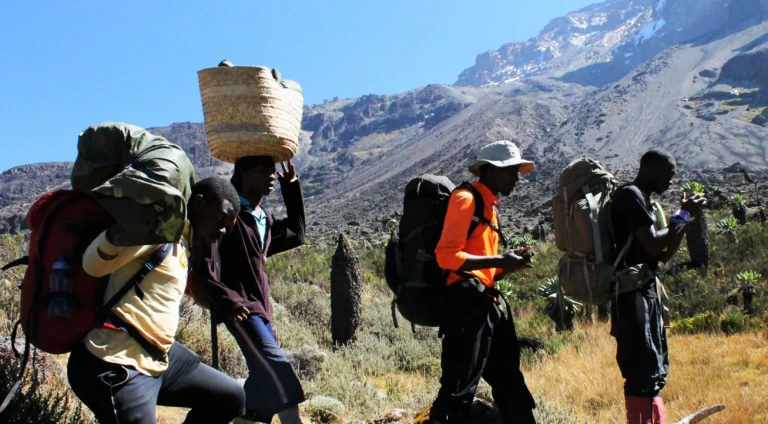
Is A Private Toilet Included In The Kilimanjaro Price? 2026-2027
Discover whether a private toilet is a standard inclusion in Kilimanjaro climbing package prices, the variations across routes and operators, and how Climb 4 Africa prioritizes your comfort...
View package details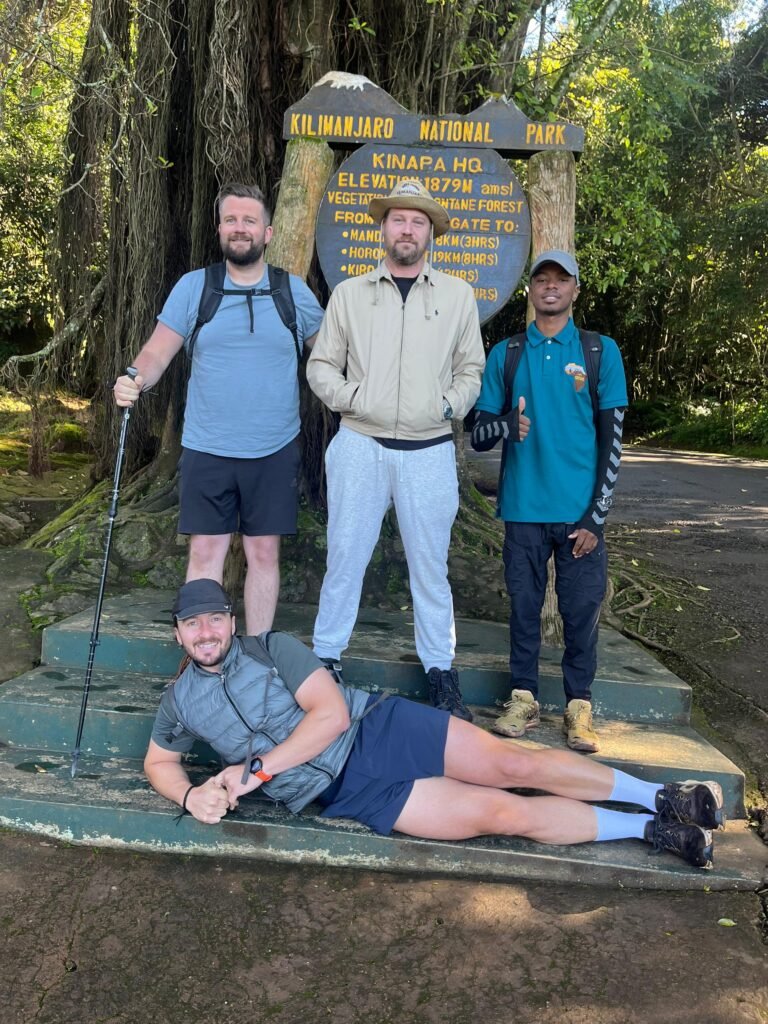
Are Porters Included In Kilimanjaro Package Costs? A Climb 4 Africa Guide
Understand the critical role of porters on Kilimanjaro and whether they are typically included in tour package costs. This guide from Climb 4 Africa provides essential details for planning...
View package details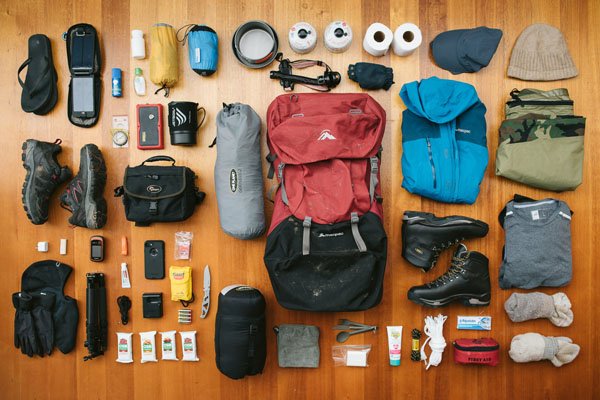
Is Emergency Oxygen Included In Kilimanjaro Climbing Price? Climb 4 Africa
Climb 4 Africa clarifies whether emergency oxygen is part of the standard Kilimanjaro climbing package price, detailing what's typically included and why it's crucial for safety on the...
View package details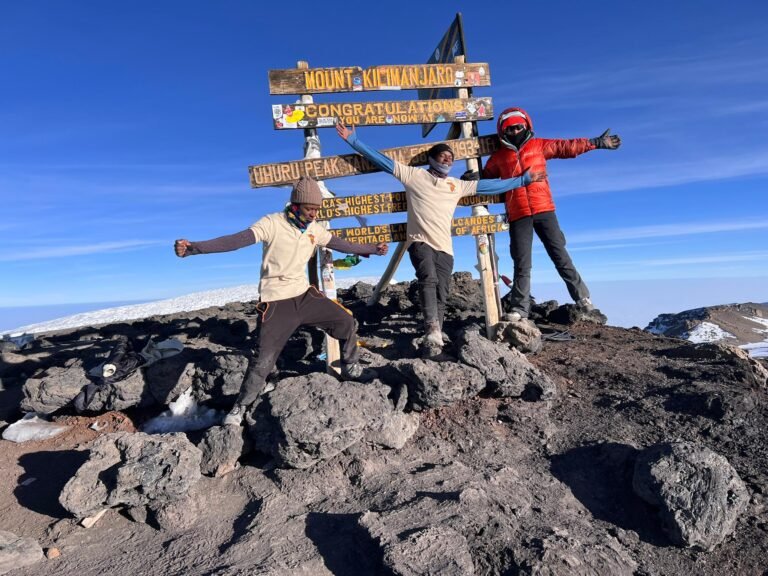
Is Travel Insurance Included In Kilimanjaro Packages? Expert Guide 2026-2027
Many Kilimanjaro packages do not automatically include comprehensive travel insurance. While some may offer basic medical evacuation coverage, it's crucial to understand what's typically...
View package detailsWhat Is Not Included In Most Kilimanjaro Climbing Prices? Guide 2026-2027
Many Kilimanjaro climbing packages seem all-inclusive, but several crucial items are often left out of the advertised price. This guide details what you should expect to pay extra for...
View package details
What Is Included In A Kilimanjaro Climbing Package? Guide
A detailed 2026-2027 guide to What Is Included in a Kilimanjaro Climbing Package?, with clear planning and booking information for travelers.
View package details
Kilimanjaro Crater Camp Cost: Prices, Fees & Itinerary For Climbs 2026-2027
Planning a Kilimanjaro climb to Crater Camp? This guide breaks down the 2026-2027 costs, including all associated fees and essential itinerary details. Learn what influences the price and...
View package detailsCan I Change My Kilimanjaro Climbing Date After Paying A Deposit? | Climb 4
Planning a Kilimanjaro climb is a significant undertaking, and sometimes life circumstances require adjusting your booked dates. If you've paid a deposit for your Kilimanjaro trek and need...
View package details
Which Kilimanjaro Route Offers The Best Value For Money? 2026-2027
Which Kilimanjaro route offers the best value for money? is explained with current 2026-2027 planning, price, itinerary and booking information.
View package details
How Early Should I Book Kilimanjaro For The Best Price? Planning 2026-2027
Planning a Kilimanjaro climb for 2026 or 2027? Learn the optimal booking window to secure the best prices and availability. This guide covers everything from early bird specials to...
View package detailsNo related package matches those filters. Clear one or more filters to see the other topic-matched options.



