
For a 7-day Kilimanjaro climb in 2026-2027, the park fees are a significant component of your total trek cost, typically ranging from $700 to $1000 per climber. These fees are non-negotiable and directly paid to the Tanzania National Parks Authority (TANAPA). They cover conservation, rescue services, and mountain infrastructure. The exact amount can vary slightly depending on the specific route chosen, as some routes have different daily conservation fees or camping charges. For a 7-day expedition, expect these fees to be a substantial portion of your overall budget, often comprising 30-50% of the package price from reputable operators like Climb 4 Africa.

Understanding Kilimanjaro Park Fees: The Essential Breakdown for 2026-2027 Climbers
Mount Kilimanjaro, a UNESCO World Heritage Site and Africa’s highest peak, is managed by the Tanzania National Parks Authority (TANAPA). As a climber, you are directly contributing to the preservation of this magnificent natural wonder through mandatory park fees. For those planning a 7-day ascent, understanding these costs is crucial for accurate budgeting and realistic trip planning. These fees are not a one-time payment but are calculated based on the number of days spent on the mountain and the specific zones you traverse. For the 2026 and 2027 climbing seasons, these rates are generally stable, though TANAPA may announce minor adjustments, which reputable tour operators will always reflect in their quotes.
The primary components of Kilimanjaro park fees for a 7-day climb typically include:
- Conservation Fees: This is the largest portion, usually charged per person per day.
- Camping Fees: For routes that involve camping, a daily fee is levied for each climber.
- Rescue Fees: A mandatory fee to ensure emergency services are available.
- Crater Fees: Applicable only if your itinerary includes visiting the crater rim, often a highlight for climbers on certain routes.
For a standard 7-day itinerary, the combined total of these fees will form a significant part of your overall Kilimanjaro package cost. It’s vital to ensure your chosen tour operator clearly itemizes these fees, as they are a fixed expense dictated by TANAPA, not the operator.
How Kilimanjaro Park Fees Are Structured for a 7-Day Trek
The park fees for Mount Kilimanjaro are calculated on a per-person, per-day basis, with specific rates for different activities and zones. For a 7-day climb, this means multiplying the daily rates by seven, plus any additional fees for specific locations like the crater.
Here’s a typical breakdown of how these fees are applied for a 7-day expedition:
- Daily Conservation Fee: This is the most substantial fee. For foreign non-residents, it is currently set at $70 USD per person per day. For a 7-day climb, this amounts to $490 USD per person.
- Daily Camping Fee: This fee applies to climbers using tents. It is $60 USD per person per night. For a 7-day trek, assuming 6 nights of camping, this totals $360 USD per person.
- Rescue Fee: A fixed fee of $10 USD per person.
- Crater Rim Fee: This is an additional fee of $30 USD per person, payable only if you ascend to the crater rim (e.g., Stella Point or Gilman’s Point) and often included in itineraries that reach Uhuru Peak.
Adding these up for a standard 7-day climb that reaches the crater rim gives us:
- Conservation Fees: $70/day * 7 days = $490
- Camping Fees: $60/night * 6 nights = $360
- Rescue Fee: $10
- Crater Rim Fee: $30
- Total Estimated Park Fees per person for a 7-day climb: $890 USD
It is important to note that these figures are based on current TANAPA regulations and are subject to change. Reputable operators like Climb 4 Africa will provide the most up-to-date fee structures in their quotes for 2026 and 2027 climbs. Some routes might have slightly different fee structures, particularly regarding hut fees versus camping fees, or variations in daily conservation charges for specific park areas.
Important Note on Fee Fluctuations
While TANAPA aims for consistency, park fee structures can be updated. Always confirm the exact fees with your tour operator for your chosen climbing season in 2026 or 2027. Operators committed to transparency, such as Climb 4 Africa, will clearly outline these costs in their proposals.
Comparing Park Fees Across Popular 7-Day Kilimanjaro Routes
While the core park fees (Conservation, Camping/Hut, Rescue) are largely standardized across Kilimanjaro, the duration of your climb on a specific route can influence the total. For a 7-day climb, the most popular routes are Machame, Lemosho, and Marangu. Each has a slightly different fee implication due to the number of days typically allocated and the type of accommodation used (camping vs. huts).
Machame Route (7 Days)
The Machame Route is a camping route, renowned for its scenic beauty and high success rates. A 7-day Machame climb involves 6 nights of camping.
- Daily Conservation Fee: $70 x 7 days = $490
- Daily Camping Fee: $60 x 6 nights = $360
- Rescue Fee: $10
- Crater Fee (if applicable): $30
- Estimated Total Park Fees for 7-Day Machame: ~$890 USD per person
Lemosho Route (7 Days)
The Lemosho Route is also a camping route and is often considered more scenic and less crowded than Machame. A 7-day Lemosho itinerary typically involves 6 nights of camping.
- Daily Conservation Fee: $70 x 7 days = $490
- Daily Camping Fee: $60 x 6 nights = $360
- Rescue Fee: $10
- Crater Fee (if applicable): $30
- Estimated Total Park Fees for 7-Day Lemosho: ~$890 USD per person
Marangu Route (7 Days)
The Marangu Route is unique as it offers dormitory-style hut accommodation rather than camping. A 7-day Marangu climb is less common; most opt for 5 or 6 days. However, if extended to 7 days, the fee structure changes slightly:
- Daily Conservation Fee: $70 x 7 days = $490
- Daily Hut Fee: $50 USD per person per night. For 6 nights: $50 x 6 nights = $300
- Rescue Fee: $10
- Crater Fee (if applicable): $30
- Estimated Total Park Fees for 7-Day Marangu: ~$830 USD per person
As you can see, the difference between camping and hut routes for a 7-day climb is relatively small in terms of total park fees. However, the overall package cost can differ significantly due to operational expenses associated with camping versus hut accommodation. For the 2026-2027 seasons, these fee structures are expected to remain largely consistent.
Key Takeaway: 7-Day Climb Park Fee Estimates
For a 7-day Kilimanjaro climb in 2026-2027, expect park fees to total approximately $830 – $890 USD per person, depending on whether you choose a camping route (like Machame or Lemosho) or a hut route (like Marangu), and whether the crater fee is included.
What Do Kilimanjaro Park Fees Cover?
The park fees you pay are not just arbitrary charges; they are essential contributions that fund the conservation and operational aspects of Mount Kilimanjaro National Park. Understanding what these fees support can offer a deeper appreciation for the experience and the importance of responsible tourism.
Conservation Efforts
A significant portion of the park fees goes directly into conservation initiatives. This includes:
- Habitat Preservation: Protecting the diverse ecosystems on the mountain’s slopes, from rainforests to alpine deserts.
- Anti-Poaching Patrols: Although Kilimanjaro is not a typical big-game park, efforts are made to protect wildlife within the lower forest zones.
- Research and Monitoring: Studying the impact of climate change on glaciers and biodiversity.
- Trail Maintenance: Ensuring the trekking routes are safe and well-maintained, which is crucial for climber safety and minimizing environmental impact.
Infrastructure and Operations
Your fees also support the day-to-day running of the park:
- Park Rangers and Staff: Salaries and equipment for the personnel who manage the park, including guides, porters, and rangers.
- Emergency and Rescue Services: The rescue fee specifically contributes to the mountain rescue team and the infrastructure required to respond to emergencies.
- Basic Facilities: Maintenance of toilets, rest stops, and information centers at the park gates.
Supporting Local Communities
While not directly itemized as a park fee, the revenue generated by tourism, including park fees, significantly benefits the local economy around Kilimanjaro. This includes employment for guides, porters, cooks, and support staff, as well as income for lodges and transport providers. Responsible operators ensure fair wages and good working conditions for their teams.
For climbers in 2026-2027, knowing that your park fees contribute to these vital areas adds value to the challenging yet rewarding experience of reaching Kilimanjaro’s summit.
Are Kilimanjaro Park Fees Included in Tour Operator Packages?
This is a critical question for anyone planning a Kilimanjaro climb. For reputable tour operators, especially those like Climb 4 Africa, the park fees are almost always included in the advertised package price. However, it is absolutely essential to verify this during your booking process.
Why Inclusion is Standard Practice
Park fees are a fixed, significant cost dictated by TANAPA. Operators build these costs into their pricing to provide clients with a clear, all-inclusive quote. Including them upfront prevents unexpected expenses for the climber once they are on the mountain or during the booking process.
What to Look For in a Quote
When comparing offers for your 7-day Kilimanjaro climb in 2026 or 2027, ensure the quote explicitly states:
- Inclusions: Look for line items such as ‘Kilimanjaro National Park Fees’, ‘Conservation Fees’, ‘Camping/Hut Fees’, and ‘Rescue Fees’.
- Exclusions: Be wary of operators who list park fees as an exclusion. This can lead to a significant increase in the final cost. Common exclusions are usually personal items, tips, travel insurance, and flights.
Climb 4 Africa’s Transparency
At Climb 4 Africa, we pride ourselves on transparent pricing. Our 7-day Kilimanjaro climb packages for 2026-2027 clearly detail all mandatory fees, including park fees, ensuring you know exactly what your investment covers. We believe in providing comprehensive support and eliminating hidden costs.
Potential for Additional Fees
While most fees are included, be aware of potential additions:
- Crater Fee: Some operators might list this separately if they offer flexible itineraries that don’t guarantee a crater rim visit. However, for summit attempts, it’s usually included.
- Park Fee Increases: If TANAPA announces a fee increase between the time of your booking and your climb date, a reputable operator will honor the quoted price if the increase occurs after your deposit is paid. If the increase happens before booking, it will be reflected in the updated quote for 2026-2027.
Factors Influencing the Total Cost of Your 7-Day Kilimanjaro Climb (Beyond Park Fees)
While Kilimanjaro park fees are a substantial part of the cost, they are not the entire picture. The total price for a 7-day climb in 2026-2027 is influenced by several other factors, which is why quotes can vary significantly between operators.
Operator Type and Service Level
- Budget Operators: Often use fewer guides per climber, basic equipment, and may cut corners on food or porter welfare. Park fees will still be high, but other costs are minimized.
- Mid-Range Operators (e.g., Climb 4 Africa): Offer a balance of quality, safety, and value. This includes adequate guide-to-client ratios, quality gear, good food, and ethical treatment of porters. Park fees are standard, but the overall package price reflects better service and safety standards.
- Luxury Operators: Provide premium equipment, higher guide ratios, gourmet food, and often extra comforts like private toilets. Park fees remain the same, but other operational costs are higher.
Route Choice
While park fees are similar for 7-day treks, longer routes or those requiring more complex logistics (like Lemosho’s remoteness) can sometimes command slightly higher prices due to operational costs, even if the daily park fees are the same.
Group Size and Type
- Private Climbs: Offer more flexibility and personalized attention but come at a higher cost per person than joining a group.
- Group Climbs: Joining a pre-scheduled group departure (like those offered by Climb 4 Africa) is often the most cost-effective way to climb, as costs are shared among more participants.
Inclusions and Exclusions
As mentioned, operators differ in what they include. Beyond park fees, consider:
- Porters: Number of porters, weight limits.
- Guides: Ratio of guides to clients (higher is safer).
- Food: Quality and quantity of meals.
- Accommodation: Quality of tents or huts.
- Oxygen: Availability of portable oxygen systems for emergencies.
- Pre- and Post-Climb Accommodation: Nights in hotels in Moshi or Arusha.
- Transfers: Airport and hotel transfers.
Timing and Season
While park fees are generally consistent year-round, climbing during peak seasons (January-March, June-October) might see slightly higher overall package prices due to demand for accommodation and services in Moshi/Arusha. However, the TANAPA park fees themselves do not typically fluctuate based on season.
For 2026-2027, planning your 7-day Kilimanjaro climb involves balancing these cost factors with your personal preferences for comfort, safety, and experience. Climb 4 Africa aims to provide excellent value across all these aspects.
Navigating TANAPA Regulations and Your 7-Day Climb
The Tanzania National Parks Authority (TANAPA) sets the rules and regulations for climbing Kilimanjaro. Adhering to these is essential for a smooth and legal ascent. Your tour operator acts as your liaison with TANAPA, ensuring all regulations are met, including the correct payment of park fees.
The Role of Your Licensed Guide
Every climbing group must be accompanied by licensed Kilimanjaro guides. These guides are employed by your tour operator but are certified by TANAPA. They are responsible for:
- Ensuring all park fees are paid and documented.
- Registering your group at each park gate.
- Monitoring your health and safety on the mountain.
- Adhering to park rules regarding waste disposal, camping locations, and environmental impact.
- Acting as the primary point of contact with park rangers.
Park Entry and Registration
Upon arrival at the park gate (e.g., Machame Gate, Marangu Gate), your guide will handle the registration process. This involves presenting your climbing permits and paying the relevant daily park fees. For a 7-day climb, this registration happens multiple times as you ascend and descend.
Importance of Rescue Fees
The mandatory rescue fee is crucial. It ensures that if a medical emergency occurs, the Kilimanjaro National Park Rangers’ Search and Rescue team can be mobilized. This team is equipped to handle evacuations from various points on the mountain. Climbers without this fee or whose operators haven’t paid it might face delays or complications in receiving urgent assistance.
Environmental Regulations
TANAPA has strict rules to protect Kilimanjaro’s fragile environment. These include:
- No Littering: All waste must be carried down the mountain.
- Designated Campsites: Camping is only permitted at designated sites.
- Sustainable Practices: Using designated toilets or portable toilets.
Violations can result in fines or expulsion from the park, impacting your climb and potentially incurring extra costs. Reputable operators like Climb 4 Africa strictly enforce these rules among their teams and clients.
Planning Your 2026-2027 Kilimanjaro Climb: Budgeting for Park Fees
When you begin planning your Kilimanjaro adventure for 2026 or 2027, treating the park fees as a fixed, non-negotiable cost is the best approach. Based on current rates, budget around $850 – $900 USD per person specifically for these fees for a 7-day climb.
Steps for Accurate Budgeting
- Get Detailed Quotes: Request quotes from multiple reputable operators. Ensure each quote clearly itemizes park fees, conservation fees, camping/hut fees, and rescue fees.
- Understand Inclusions: Confirm that these fees are included in the total package price.
- Factor in Contingency: While unlikely, minor fee adjustments by TANAPA can occur. It’s wise to have a small buffer in your budget.
- Compare Apples to Apples: When comparing prices, ensure you are comparing packages with similar inclusions. A cheaper quote might exclude crucial items like park fees or adequate guide ratios.
Saving Strategies (Where Possible)
Since park fees are fixed, savings must come from other areas:
- Join a Group Climb: Shared costs make group departures more economical than private climbs. Check Climb 4 Africa’s schedule for 2026-2027 group departures.
- Travel in Shoulder Seasons: While park fees remain the same, overall travel costs (flights, accommodation) might be lower outside of peak months.
- Choose a Reputable Mid-Range Operator: Avoids the pitfalls of budget operators while offering better value than luxury options.
Ultimately, prioritizing safety and a positive experience over the absolute lowest price is recommended. The park fees are a necessary investment in the mountain’s future and your safety.
Frequently Asked Questions About Kilimanjaro Park Fees for a 7-Day Climb
Q1: Are Kilimanjaro park fees different for Tanzanian citizens compared to foreigners?
A: Yes, the park fees are significantly lower for Tanzanian citizens and East African residents. The rates mentioned throughout this article (e.g., $70/day conservation fee) are specifically for foreign non-residents. Operators like Climb 4 Africa cater primarily to international climbers and price accordingly.
Q2: Can I pay Kilimanjaro park fees directly to TANAPA myself?
A: While theoretically possible, it is highly impractical and not recommended. Tour operators handle the logistics of permit acquisition and fee payments as part of their service. They have established relationships and processes with TANAPA. Attempting to do it yourself can lead to errors, delays, and potential denial of entry to the mountain.
Q3: What happens if my 7-day climb takes longer than planned due to weather or illness?
A: If your climb extends beyond the planned 7 days due to unforeseen circumstances requiring additional days on the mountain (e.g., waiting for weather, medical reasons requiring extended stay), you will be liable for the additional daily conservation and camping/hut fees for those extra days. Reputable operators will manage this and inform you of the additional costs, which are typically at the standard daily rates.
Q4: Do park fees change frequently for 2026-2027 climbs?
A: TANAPA typically reviews and adjusts park fees periodically, but usually not on a yearly basis. Major changes are often announced well in advance. For 2026-2027, the current rates are expected to be largely stable, but it’s always best to confirm with your operator closer to your climb date.
Q5: Is the Crater Fee always included in the park fees for a 7-day climb?
A: Not always explicitly. While most 7-day itineraries aiming for Uhuru Peak will include the crater fee, it’s wise to verify. If your operator offers a package that stops at Stella Point or Gilman’s Point without proceeding to Uhuru Peak, the crater fee might be optional or excluded. For a standard summit attempt, assume it should be included in a comprehensive package.
Conclusion: Investing in Your Kilimanjaro Dream with Confidence
The Kilimanjaro park fees for a 7-day climb in 2026-2027 represent a significant but essential investment. Totalling approximately $830 – $900 USD per person, these fees are vital for the conservation of Mount Kilimanjaro National Park, support crucial rescue services, and ensure the mountain’s infrastructure is maintained. For reputable operators like Climb 4 Africa, these fees are transparently included in your package price, allowing you to focus on the incredible journey ahead.
By understanding what these fees cover and how they are calculated, you can approach your Kilimanjaro climb with confidence, knowing you are contributing to the preservation of this iconic peak while embarking on an unforgettable adventure. When planning your expedition for 2026 or 2027, choose an operator that values transparency, safety, and ethical practices. For detailed quotes and personalized assistance with your 7-day Kilimanjaro climb, don’t hesitate to reach out to the experts at Climb 4 Africa. You can contact us via WhatsApp at +255 747 477 898 or email us at climb4africa@gmail.com. Let us help you make your Kilimanjaro dream a reality!
Check Availability for How Much Are Kilimanjaro Park Fees For A 7-Day Climb In ? 2026-2027
Ready to compare dates, prices, and the best option for your group? Send the package name and travel month so the team can reply with a clear quote, availability, and what is included.

How Much Does An 8-Day Kilimanjaro Climb Cost? A Guide 2026-2027
Planning an 8-day Kilimanjaro climb in 2026 or 2027? This comprehensive guide breaks down the expected costs, explaining what influences the price and what you get for your money. Learn...
View package details7-Day Vs 8-Day Kilimanjaro Climb: Cost & Success Benefits 2026-2027
7-Day vs 8-Day Kilimanjaro Climb: Cost & Success Benefits is explained with current 2026-2027 planning, price, itinerary and booking information.
View package details
How Much Does A Private Kilimanjaro Climb Cost In ? 2026-2027
Planning a private ascent of Mount Kilimanjaro? Understand the factors that influence the cost of a private climb, typical price ranges for 2026-2027, and what's usually included to help...
View package details
Are Kilimanjaro Park Fees Included In The Package Price? Your Guide 2026-2027
Understand whether Kilimanjaro park fees are part of your climb package price. This guide provides essential details for trekkers planning their 2026-2027 adventure, covering what's...
View package details
How Much Does It Cost To Climb Kilimanjaro Per Person? 2026-2027
How much does it cost to climb Kilimanjaro per person? is explained with current 2026-2027 planning, price, itinerary and booking information.
View package details
Kilimanjaro Crater Camp Cost: Prices, Fees & Itinerary For Climbs 2026-2027
Planning a Kilimanjaro climb to Crater Camp? This guide breaks down the 2026-2027 costs, including all associated fees and essential itinerary details. Learn what influences the price and...
View package details
8 Days Kilimanjaro + Zanzibar Package: Complete Holiday Cost For 2026-2027
Planning an epic 8-day adventure combining Mount Kilimanjaro and the tropical beaches of Zanzibar? This comprehensive guide details the complete holiday cost for 2026-2027, covering trek...
View package details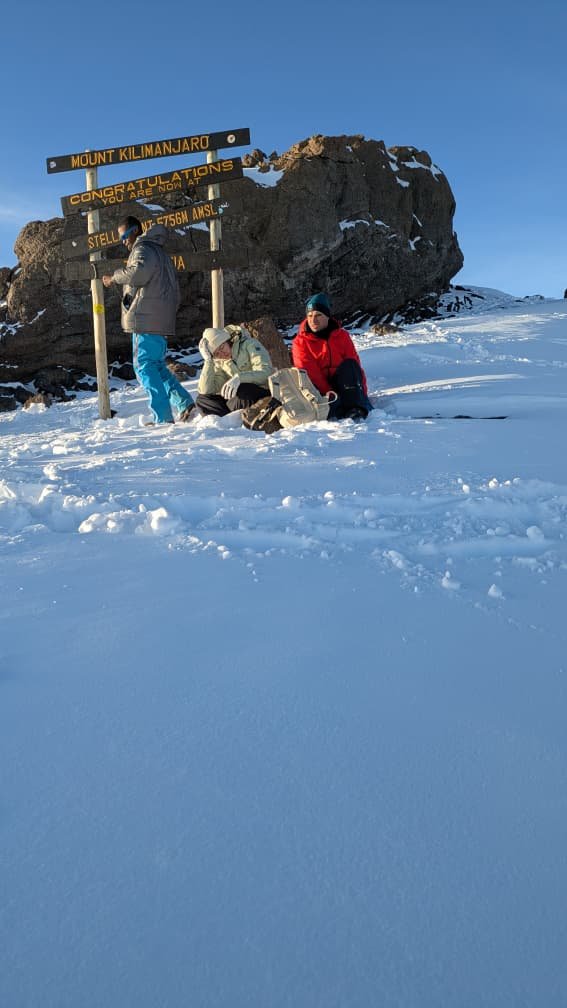
7 Days Rongai Route Kilimanjaro: Cost & Full Itinerary 2026-2027
Discover the best of Kilimanjaro's Rongai Route with a detailed 7-day itinerary, cost breakdown, and expert tips for your 2026-2027 climb. Learn why Rongai is a popular choice for trekkers...
View package details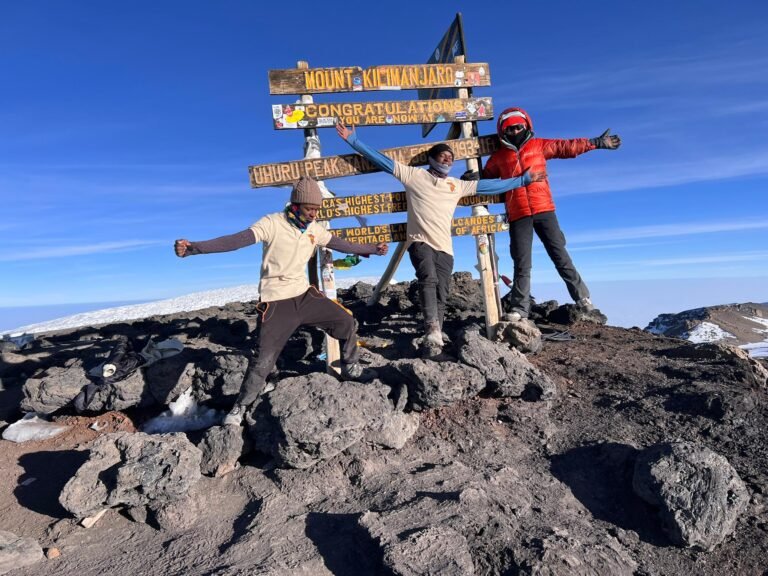
Can I Change My Kilimanjaro Climbing Date After Paying A Deposit? | Climb 4
Planning a Kilimanjaro climb is a significant undertaking, and sometimes life circumstances require adjusting your booked dates. If you've paid a deposit for your Kilimanjaro trek and need...
View package details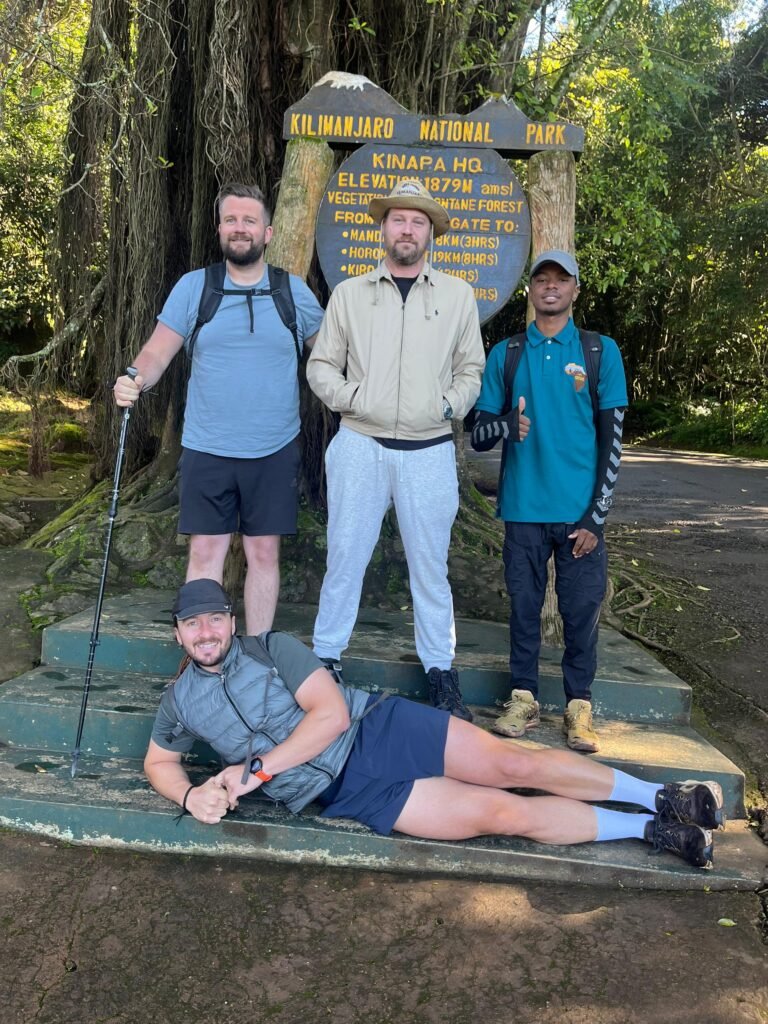
Are Porters Included In Kilimanjaro Package Costs? A Climb 4 Africa Guide
Understand the critical role of porters on Kilimanjaro and whether they are typically included in tour package costs. This guide from Climb 4 Africa provides essential details for planning...
View package detailsIs Emergency Oxygen Included In Kilimanjaro Climbing Price? Climb 4 Africa
Climb 4 Africa clarifies whether emergency oxygen is part of the standard Kilimanjaro climbing package price, detailing what's typically included and why it's crucial for safety on the...
View package details
Can I Climb Kilimanjaro On A Budget? 2026-2027
Can I climb Kilimanjaro on a budget? is explained with current 2026-2027 planning, price, itinerary and booking information.
View package detailsNo related package matches those filters. Clear one or more filters to see the other topic-matched options.



