The cost for a Kilimanjaro Crater Camp trek in 2026-2027 typically ranges from $3,500 to $6,000+ per person, depending on the route chosen (usually the Northern Circuit or the direct approach via Stella Point/Furtwangler Glacier), the duration of the climb, the operator’s service level, and the specific inclusions. This price generally covers park fees, camping fees, crew wages, meals, equipment, and accommodation, with a significant portion dedicated to the specialized logistics required for overnight stays at Crater Camp, including its higher altitude and remote access.


Understanding Kilimanjaro Crater Camp Cost: A Deep Dive for 2026-2027 Climbs
Reaching the summit of Kilimanjaro is a dream for many, but for the truly adventurous, the ultimate goal is to spend a night at Crater Camp (also known as Crater Hut or Reusch Crater Camp). This unique experience places you at the edge of the volcanic crater, offering an unparalleled perspective of the summit and a distinct advantage for a sunrise summit attempt. However, this exclusive opportunity comes with a specialized set of costs. Understanding the Kilimanjaro Crater Camp cost for 2026-2027 is crucial for accurate budgeting and planning your expedition.
Unlike standard treks that descend from the summit back to lower camps, a Crater Camp expedition requires specific logistics. This includes dedicated guides, porters, and camping equipment to establish a temporary base within the crater itself. These additional requirements, combined with the longer trek durations often associated with routes that facilitate Crater Camp stays, contribute to a higher overall price point compared to more conventional Kilimanjaro climbs. This comprehensive guide will break down what influences the Kilimanjaro Crater Camp prices, explore typical fee structures for 2026-2027, and outline sample itineraries that incorporate this extraordinary overnight stay.
Why Does Crater Camp Trekking Cost More? Key Factors Influencing Kilimanjaro Crater Camp Prices
The elevated Kilimanjaro Crater Camp cost is not arbitrary. Several critical factors contribute to the increased expenditure required to facilitate a safe and successful expedition that includes an overnight stay at the crater’s rim. Understanding these elements will help you appreciate the value and justify the investment for this unique trekking experience. For your 2026-2027 climb, these factors remain paramount.
1. Route Selection and Duration: Crater Camp is most commonly accessed via the Northern Circuit (9-10 days) or a direct approach on the Umbwe Route (7-8 days) or the Crater Excursion Route. These routes are inherently longer than standard treks like Machame or Marangu. Longer durations mean more days of park fees, guide and porter wages, food, and equipment usage. The Northern Circuit, in particular, is designed for acclimatization and offers the most gradual ascent, making it ideal for reaching Crater Camp comfortably. While shorter routes can be modified to include Crater Camp, they often involve a more strenuous direct ascent to the crater rim, increasing the risk and potentially requiring more specialized support, thus impacting the Kilimanjaro Crater Camp cost.
2. Specialized Logistics and Equipment: Camping within the crater requires more than just standard trekking gear. Operators must provide specialized tents capable of withstanding the harsh, windy, and cold conditions at over 5,700 meters (18,700 feet). This includes:
- High-altitude tents: Designed for extreme weather.
- Extra fuel: For cooking and melting snow, as water sources are non-existent at Crater Camp.
- Additional porters and guides: To carry the extra equipment and ensure safety at high altitude. This means more personnel to pay and support.
- Emergency equipment: Extra oxygen, comprehensive first-aid kits, and potentially hyperbaric chambers, which are standard for reputable operators but become even more critical for extended stays at extreme altitudes.
These specialized requirements significantly increase the operational costs for tour operators, directly affecting the Kilimanjaro Crater Camp prices.
3. Park and Camping Fees: While Kilimanjaro National Park fees are standard for all climbers, the duration of the trek directly impacts the total amount paid. Longer routes like the Northern Circuit, which are best suited for Crater Camp, incur more daily park fees and camping fees. Specific fees for camping within the crater area can also be higher due to the exclusive nature and logistical challenges.
4. Crew Support and Salaries: A larger crew is often needed for Crater Camp expeditions to manage the additional equipment and ensure client safety. This means higher overall wages for guides, cooks, and porters. Reputable operators pay their crews fair wages, provide adequate gear, and ensure they are well-fed and cared for, which is reflected in the total Kilimanjaro Crater Camp cost.
5. Acclimatization Focus: Routes that naturally lead to Crater Camp, like the Northern Circuit, are designed for superior acclimatization. This typically means a longer itinerary with more gradual ascents, which reduces the risk of altitude sickness but increases the overall cost due to more days on the mountain.
6. Operator’s Service Level: As with any Kilimanjaro climb, the level of service provided by the tour operator plays a significant role. This includes the quality of food, the comfort of tents, the experience and training of the guides, the ratio of guides to climbers, and the provision of extra amenities like hot water bottles, boiled water for washing, and comfortable dining tents. Higher service levels invariably lead to higher Kilimanjaro Crater Camp prices.
7. Private vs. Group Climbs: The Kilimanjaro Crater Camp cost will also differ significantly between a private climb and a spot on a group departure. Private climbs offer flexibility and dedicated support but come at a premium. Group climbs, especially on popular routes, can reduce the per-person cost by spreading fixed expenses across more participants.
Typical Kilimanjaro Crater Camp Cost Breakdown for 2026-2027
Pinpointing an exact figure for the Kilimanjaro Crater Camp cost is challenging without a specific itinerary and operator chosen. However, we can provide a realistic range and a breakdown of what you can expect to pay for a 2026-2027 expedition. Most reputable operators offer packages that include the majority of the essential components. For a 9-10 day Northern Circuit trek including a night at Crater Camp, or a 7-8 day direct Crater Camp approach, expect prices to fall within the following bracket:
Estimated Kilimanjaro Crater Camp Cost Range (2026-2027)
- Budget Operators: Generally not recommended for Crater Camp expeditions due to potential compromises on safety, crew welfare, and equipment quality. However, if found, prices might start around $3,000 – $3,800. Extreme caution and thorough research are advised.
- Mid-Range Operators (Recommended): Offer a good balance of quality, safety, and value. Expect prices from $3,500 to $5,000 per person for a 9-10 day Northern Circuit or similar Crater Camp itinerary. This is often the sweet spot for a well-supported climb.
- Premium/Luxury Operators: Provide superior comfort, higher guide-to-client ratios, better quality food, and often additional support services. Prices can range from $5,000 to $7,000+ per person.
Note: These are estimates for 2026-2027. Prices can fluctuate based on operator, specific inclusions, and time of booking. Always request a detailed quote.
What’s Typically Included in the Kilimanjaro Crater Camp Cost?
A comprehensive Kilimanjaro Crater Camp cost package should ideally include:
- Park Fees: All daily park entrance fees, camping/hut fees, and rescue fees for the duration of the trek.
- Crew Salaries: Wages for your guides, assistant guides, cook, and porters.
- Meals: All meals (breakfast, lunch, dinner) and snacks on the mountain, prepared by your dedicated cook. This includes purified drinking water.
- Accommodation: Tents for climbers and crew, including specialized high-altitude tents for Crater Camp.
- Equipment: Dining tent, table, chairs, cooking equipment, and sleeping mats. You may need to rent or bring your own sleeping bag and mat.
- Transfers: Round-trip transfers between Kilimanjaro International Airport (JRO) and your hotel in Moshi or Arusha, and transport to/from the mountain gate.
- Safety Equipment: First-aid kit, oxygen cylinders, and a portable evacuation sled (if applicable).
- Crater Camp Logistics: Specific provisions and support for the overnight stay at Crater Camp.
What’s Typically Excluded?
It’s equally important to know what is not included in the Kilimanjaro Crater Camp cost to avoid unexpected expenses:
- Flights: International airfare to Kilimanjaro.
- Visas: Tanzanian visa fees.
- Travel Insurance: Comprehensive travel and medical evacuation insurance (mandatory).
- Gear Rental: Sleeping bags, trekking poles, duffel bags, and sometimes sleeping pads are often rented separately.
- Tips for Crew: Gratuities for guides, porters, and cooks are customary and form a significant part of their income.
- Personal Expenses: Souvenirs, alcoholic beverages, bottled water (though purified water is provided), and snacks purchased outside of meals.
- Pre/Post-Climb Accommodation: Hotels before and after the trek, unless specified.
- Vaccinations: Costs associated with any required vaccinations or medications.
- Summit Bonus: Some operators might have a small bonus for reaching the summit, but this is rare and usually not part of the main package cost.
Itinerary Options for Crater Camp Treks & Their Cost Implications
The choice of itinerary is the most significant determinant of the Kilimanjaro Crater Camp cost, as it dictates the duration, route, and logistical complexity. Here are the most common itineraries that include an overnight stay at Crater Camp, with notes on their cost implications for 2026-2027.
1. Northern Circuit (9-10 Days)
The Northern Circuit is the longest and arguably the most scenic route on Kilimanjaro. It circles the mountain, offering excellent acclimatization and diverse landscapes. It’s the preferred route for those aiming for Crater Camp due to its gradual ascent.
Sample Northern Circuit Itinerary (10 Days) with Crater Camp
- Day 1: Arrive at Kilimanjaro Airport (JRO), transfer to hotel in Moshi/Arusha.
- Day 2: Drive to Lemosho Gate, trek to Mti Mkubwa Camp (3,100m).
- Day 3: Trek to Shira 1 Camp (3,600m).
- Day 4: Trek to Shira 2 Camp (3,850m).
- Day 5: Trek across the Shira Plateau to Lava Tower (4,600m), then descend to Barranco Camp (3,950m).
- Day 6: Climb the Barranco Wall, trek to Karanga Camp (4,000m).
- Day 7: Trek to Barafu Camp (4,600m).
- Day 8: Summit Day! Ascend to Stella Point (5,756m), then to Uhuru Peak (5,895m). Descend to Crater Camp (5,700m) for overnight.
- Day 9: Descend from Crater Camp via Mweka Route to Mweka Camp (3,100m).
- Day 10: Trek to Mweka Gate, transfer back to Moshi/Arusha.
Cost Implications: This is typically the most expensive option due to its 9-10 day duration. The extended time on the mountain means higher park fees, more food, and increased crew costs. However, the superior acclimatization significantly increases success rates and safety, making the higher Kilimanjaro Crater Camp cost justifiable.
2. Umbwe Route (7-8 Days) with Crater Camp
The Umbwe Route is the shortest and steepest route, known for its directness and challenging ascent. While typically a 6-7 day climb, it can be extended to 7-8 days to incorporate an overnight stay at Crater Camp, offering a more rapid but intense experience.
Sample Umbwe Route Itinerary (7 Days) with Crater Camp
- Day 1: Arrive at JRO, transfer to hotel.
- Day 2: Drive to Umbwe Gate, trek to Umbwe Camp (2,900m).
- Day 3: Trek to Barranco Camp (3,950m) via the Umbwe Ridge.
- Day 4: Climb the Barranco Wall, trek to Karanga Camp (4,000m).
- Day 5: Trek to Barafu Camp (4,600m).
- Day 6: Summit Day! Ascend to Stella Point (5,756m), then to Uhuru Peak (5,895m). Descend to Crater Camp (5,700m) for overnight.
- Day 7: Descend from Crater Camp via Mweka Route to Mweka Camp (3,100m).
- Day 8: Trek to Mweka Gate, transfer back to Moshi/Arusha.
Cost Implications: A 7-8 day Umbwe with Crater Camp will be less expensive than the Northern Circuit due to fewer days on the mountain. However, the steepness and rapid ascent require excellent physical condition and a strong ability to acclimatize. The Kilimanjaro Crater Camp cost here reflects the slightly shorter duration but still includes the specialized Crater Camp logistics.
3. Direct Crater Excursion (Often combined with other routes)
Some operators offer a direct route to Crater Camp, often as an add-on to a standard climb like Machame or Lemosho. This typically involves climbing to Barafu Camp and then proceeding directly to the crater rim via Stella Point or Gilman’s Point, with an overnight at Crater Camp, followed by a descent.
Cost Implications: This option might add a premium to a standard 7-day climb. The additional costs are mainly for the overnight Crater Camp logistics, including specialized gear and potentially an extra guide/porter for the ascent to the crater rim and the overnight stay. The Kilimanjaro Crater Camp cost for this modification would be less than a full Northern Circuit but more than a standard 7-day Machame climb.
Crater Camp Logistics: The Essential Difference
The most significant differentiator in Kilimanjaro Crater Camp cost is the specialized logistics required for an overnight stay within the crater. This is not simply camping at a higher altitude; it’s establishing a temporary base in an extreme environment. Here’s what makes it unique:
- Extreme Altitude: Crater Camp sits at approximately 5,700 meters (18,700 feet), just below Uhuru Peak. This altitude presents significant challenges, including extreme cold (often below -10°C / 14°F at night), strong winds, and the effects of severe altitude.
- Water Scarcity: There are no natural water sources within the crater. All water must be melted from snow or ice, which requires significant fuel and time from the cook. This adds to fuel costs and crew effort.
- Specialized Tents: Standard dome tents are inadequate. Operators must use robust, high-altitude tents designed to withstand high winds and extreme temperatures. These are more expensive to purchase and maintain.
- Dedicated Crew: A portion of the crew (often including at least one guide and the cook) may stay with the clients at Crater Camp, requiring them to carry additional supplies and equipment. This increases the overall crew size and associated costs.
- Food Preparation: Cooking at such extreme altitudes is challenging. The cook needs specialized equipment and the team needs to carry more fuel.
- Oxygen and Safety: While standard safety protocols are in place for all Kilimanjaro climbs, the higher risk associated with an overnight stay at Crater Camp means operators often carry more supplementary oxygen and ensure their guides are highly trained in high-altitude medicine.
These factors are directly translated into the Kilimanjaro Crater Camp cost. It’s an investment in an experience that few climbers undertake.
Comparing Operators for Your 2026-2027 Crater Camp Climb
Choosing the right operator is paramount when planning a Kilimanjaro climb, especially one involving Crater Camp. The Kilimanjaro Crater Camp cost can vary significantly between companies, and the cheapest option is rarely the best. Here’s what to look for when comparing operators for your 2026-2027 expedition:
Key Considerations When Comparing Operators:
- Safety Record & Certifications: Look for operators with a strong safety record, experienced guides certified in high-altitude medicine, and emergency protocols.
- Crew Welfare: Reputable companies pay their guides and porters fair wages, provide adequate food and gear, and have policies against porter mistreatment. This is often reflected in their pricing – low prices can mean exploited staff.
- Inclusions & Exclusions: Carefully review what is included in the Kilimanjaro Crater Camp cost. Are park fees, Crater Camp logistics, meals, and transfers all covered?
- Itinerary Length & Acclimatization: For Crater Camp, longer itineraries (9-10 days) are highly recommended for better acclimatization and higher success rates. Ensure the operator’s itinerary prioritizes this.
- Equipment Quality: Check if they provide high-quality tents, including appropriate ones for Crater Camp, and other essential gear.
- Reviews and Testimonials: Look for independent reviews on platforms like TripAdvisor. Pay attention to comments regarding safety, crew, food, and overall experience.
- Communication: A responsive and knowledgeable operator is a good sign. They should be able to answer all your questions about the Kilimanjaro Crater Camp cost and logistics clearly.
Climb 4 Africa is committed to providing safe, ethical, and unforgettable Kilimanjaro experiences. We understand the unique demands of a Crater Camp expedition and ensure all logistics, crew support, and safety measures are top-tier. For a personalized quote for your 2026-2027 climb to Crater Camp, feel free to reach out.
Factors Affecting 2026-2027 Pricing Fluctuations
While the core elements driving the Kilimanjaro Crater Camp cost remain consistent, certain factors can cause fluctuations in pricing year-on-year, including for the 2026-2027 seasons:
- Tanzania National Park (TANAPA) Fee Changes: Park fees are subject to revision by TANAPA. Any increases in park entry, camping, or conservation fees will directly impact the overall cost. Operators typically pass these changes onto the client.
- Inflation: General inflation rates can affect the cost of supplies, fuel, transportation, and crew wages in Tanzania.
- Exchange Rates: Fluctuations in currency exchange rates can influence the cost of imported goods and services, potentially affecting the final price.
- Demand: High demand during peak seasons (January-March, June-October) might lead some operators to adjust their pricing slightly, though most maintain fixed seasonal rates. Booking well in advance for 2026-2027 is advisable.
- Government Policies: Changes in tourism regulations or government policies could also impact operational costs.
It’s always best to confirm pricing with your chosen operator for your specific 2026-2027 travel dates.
Maximizing Your Chances of Summit Success at Crater Camp
Reaching Uhuru Peak is one thing; doing so after an overnight stay at Crater Camp is another level of achievement. To maximize your chances of success on your Crater Camp expedition in 2026-2027, consider these crucial points:
- Choose a Longer Route: As emphasized, routes like the Northern Circuit (9-10 days) offer the best acclimatization, significantly improving your odds. A shorter, steeper route increases the risk of altitude sickness.
- Listen to Your Body and Guide: Altitude sickness is a serious risk. Communicate any symptoms (headache, nausea, dizziness) to your guide immediately. They are trained to assess and manage these conditions.
- Hydrate and Eat Well: Drink plenty of water (3-4 liters per day) and eat all your meals. Your body needs fuel and hydration to function at altitude.
- Pace Yourself (Pole Pole): This Swahili phrase means “slowly, slowly.” Ascend at a pace that allows your body to acclimatize. Rushing is the fastest way to develop altitude sickness.
- Physical Preparation: Engage in regular cardiovascular exercise (hiking, running, cycling) in the months leading up to your climb. Focus on endurance training.
- Mental Preparation: Kilimanjaro is as much a mental challenge as a physical one. Be prepared for cold, discomfort, and fatigue. A positive mindset is invaluable.
- Proper Gear: Ensure you have high-quality, waterproof, and warm gear. Layering is key. This includes good hiking boots, thermal layers, a waterproof outer shell, warm gloves, and a warm hat.
- Acclimatization Hikes: If possible, spend a few days at a slightly higher altitude before your trek begins, or engage in day hikes at moderate altitudes.
The extra Kilimanjaro Crater Camp cost is an investment in an experience, but success ultimately depends on preparation, acclimatization, and smart decision-making on the mountain.
Booking Your 2026-2027 Crater Camp Expedition
When you’re ready to book your Kilimanjaro Crater Camp cost-effective and unforgettable adventure for 2026 or 2027, follow these steps:
- Research Operators: Identify reputable tour operators who specialize in Kilimanjaro climbs and specifically offer Crater Camp itineraries. Look for those with strong safety records, ethical crew treatment, and positive reviews.
- Request Detailed Quotes: Contact your shortlisted operators and request detailed quotes for your desired dates in 2026-2027. Ensure the quote clearly outlines all inclusions and exclusions, especially regarding Crater Camp logistics.
- Compare Inclusions: Don’t just compare the final price. Compare what’s included. A slightly higher Kilimanjaro Crater Camp cost might be justified if it includes more essential items or higher quality services.
- Ask Questions: Don’t hesitate to ask your operator about their safety procedures, crew welfare policies, and specific arrangements for Crater Camp.
- Secure Your Booking: Once you’ve chosen an operator, understand their booking process, deposit requirements, and payment schedule. Many operators require a deposit to confirm your spot, especially for specific itineraries like Crater Camp climbs. Booking early for 2026-2027 is highly recommended.
- Prepare for Your Climb: Begin your physical training and gear procurement well in advance.
Climb 4 Africa is dedicated to providing exceptional Kilimanjaro climbing experiences. We offer tailored itineraries, including options for Crater Camp, with a strong focus on safety, crew welfare, and client satisfaction. Our team is ready to help you plan your dream climb for 2026-2027. For inquiries regarding Kilimanjaro Crater Camp cost, availability, or to request a personalized quote, please contact us via WhatsApp at +255 747 477 898 or email us at climb4africa@gmail.com. You can also explore our range of Kilimanjaro treks and safari packages at climb4africa.com.
Check Availability for Kilimanjaro Crater Camp Cost: Prices, Fees & Itinerary For Climbs 2026-2027
Ready to compare dates, prices, and the best option for your group? Send the package name and travel month so the team can reply with a clear quote, availability, and what is included.

10 Days Northern Circuit With Crater Camp: Cost & Itinerary For Treks
Discover the ultimate 10-day Northern Circuit trek on Mount Kilimanjaro, including a memorable stay at Crater Camp. This guide covers detailed itineraries, cost considerations for...
View package details
Camping Vs Hut Kilimanjaro Routes: Cost Comparison Guide
Choosing between camping and hut routes on Kilimanjaro involves more than just preference; it significantly impacts your budget. This guide breaks down the cost differences for 2026-2027...
View package details
18 Days Kilimanjaro, Safari & Zanzibar Package: Cost & Itinerary 2026-2027
Discover the ultimate 18-day adventure combining Mount Kilimanjaro's summit, thrilling Tanzanian safaris, and the tropical paradise of Zanzibar. This comprehensive guide details sample...
View package details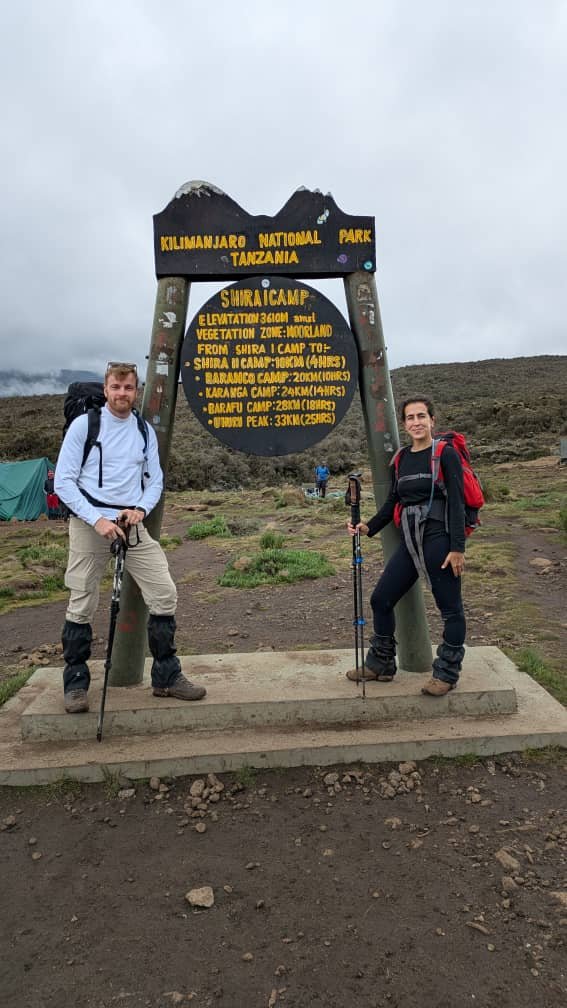
16 Days Kilimanjaro, Safari & Zanzibar Package: Cost & Itinerary Guide
Plan your ultimate 16-day adventure combining Mount Kilimanjaro's summit, a thrilling Tanzania safari, and the tropical paradise of Zanzibar. Discover detailed itineraries, cost breakdowns...
View package details
15 Days Kilimanjaro, Safari & Zanzibar Package: Cost & Itinerary 2026-2027
Discover the ultimate 15-day adventure combining Mount Kilimanjaro's summit, thrilling Tanzanian safaris, and the exotic beaches of Zanzibar. This comprehensive guide details the itinerary...
View package details
14 Days Kilimanjaro, Safari & Zanzibar Package: Cost & Itinerary 2026-2027
14 Days Kilimanjaro, Safari & Zanzibar Package: Cost & Itinerary is explained with current 2026-2027 planning, price, itinerary and booking information.
View package details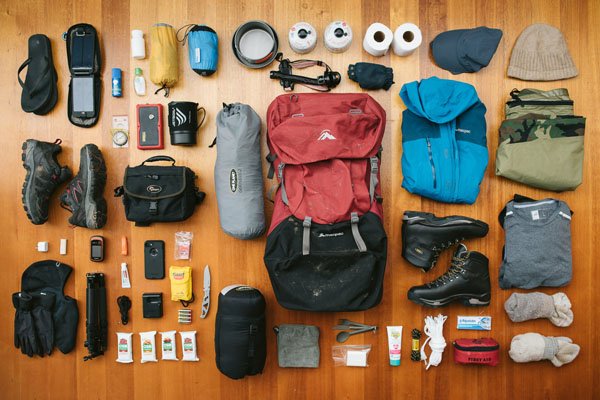
Kilimanjaro Honeymoon & Zanzibar Package: Prices, Itinerary & Guide 2026-2027
Combine the thrill of conquering Mount Kilimanjaro with the serene beauty of Zanzibar for an unforgettable honeymoon. This guide covers package details, pricing, itineraries, and planning...
View package details
Budget Kilimanjaro & Zanzibar Package: Prices & Itinerary Guide 2026-2027
Explore budget-friendly Kilimanjaro climbs combined with relaxing Zanzibar holidays. This guide details package prices, essential itinerary components, and tips for planning your 2026-2027...
View package detailsKilimanjaro Northern Circuit + 7 Days Safari: Cost, Itinerary & Expert
Combine the challenging Northern Circuit route on Kilimanjaro with an unforgettable 7-day Northern Circuit safari in Tanzania. This comprehensive guide details the costs, sample...
View package details
Kilimanjaro + Tarangire Safari Package: Cost & Itinerary For 2026-2027
Discover comprehensive details on Kilimanjaro and Tarangire safari packages, including cost breakdowns and sample itineraries for your 2026-2027 adventure. Climb 4 Africa provides expert...
View package details
Kilimanjaro + Ngorongoro Safari Package: Prices, Itinerary & Guide 2026-2027
Combine the iconic Kilimanjaro climb with an unforgettable Ngorongoro Crater safari. This guide details package prices, sample itineraries for 2026-2027, what's included, and how to choose...
View package details
Kilimanjaro Climb + Serengeti Safari Package: Cost, Itinerary & Best Options
Planning a Kilimanjaro climb and Serengeti safari is a dream for many. This guide breaks down package costs, typical itineraries, and essential planning tips for 2026-2027, offering...
View package detailsNo related package matches those filters. Clear one or more filters to see the other topic-matched options.



