Yes, porters are almost universally included in the package cost for Kilimanjaro climbs offered by reputable operators like Climb 4 Africa. This is standard practice because porters are essential members of the climbing team, carrying the majority of the equipment, food, and supplies, allowing climbers to focus on reaching the summit. Your package price reflects the cost of employing these vital crew members, ensuring fair wages, proper gear, and adequate food for them, in addition to your own trek experience for 2026-2027 expeditions.
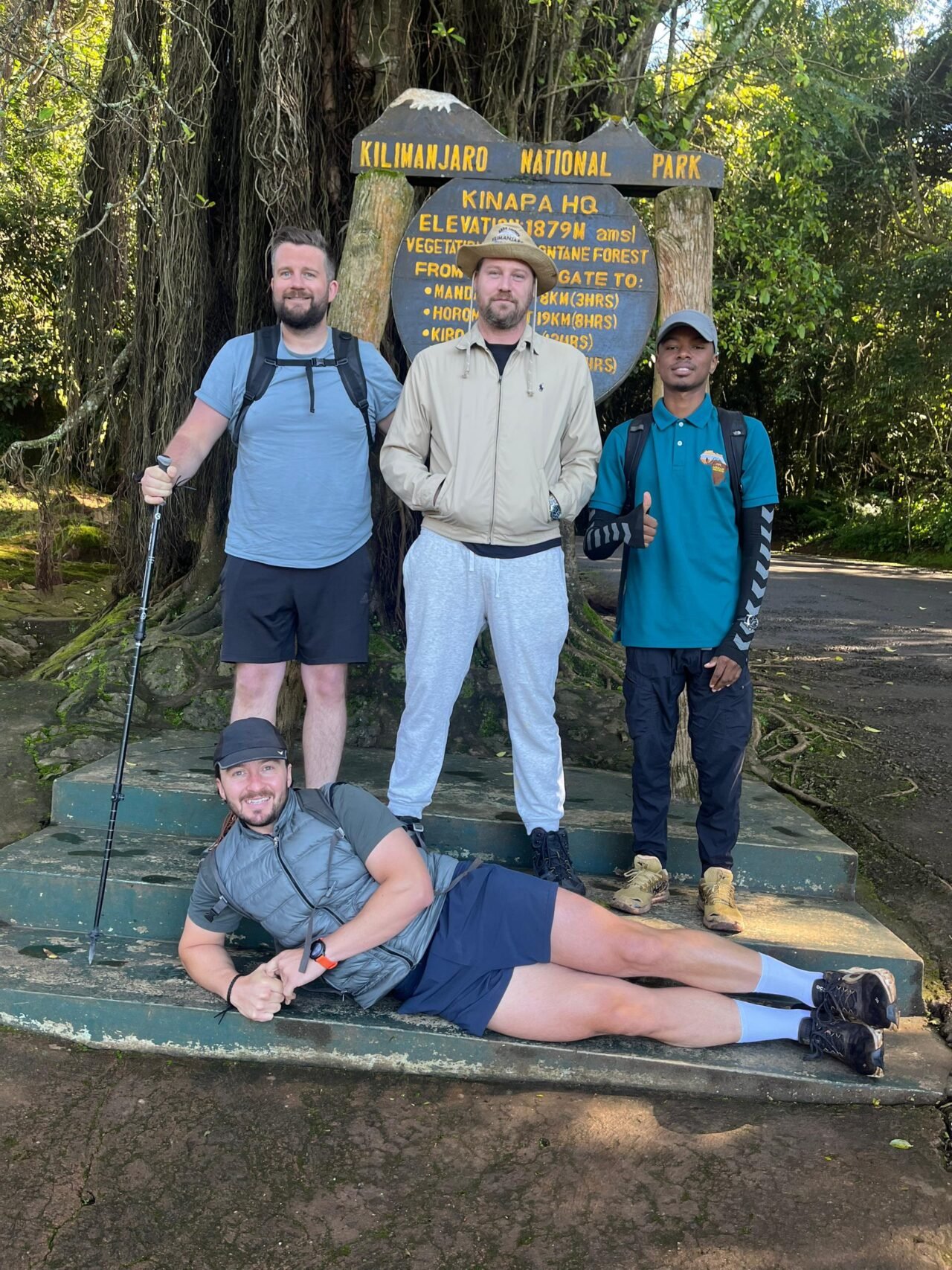


Understanding Porter Inclusion in Your Kilimanjaro Trek Cost
When you’re researching options for your Kilimanjaro adventure, especially for climbs planned for 2026 or 2027, one of the key components of the package price that might not be immediately obvious is the inclusion of porters. It’s a common and valid question: Are porters included in the Kilimanjaro package cost? The straightforward answer from experienced operators like Climb 4 Africa is a resounding yes. This isn’t an optional extra; it’s a fundamental part of how a Kilimanjaro climb operates, and therefore, it’s factored into the overall price you pay. Understanding what this inclusion means, why it’s so important, and what it covers will give you greater confidence as you plan your trek.
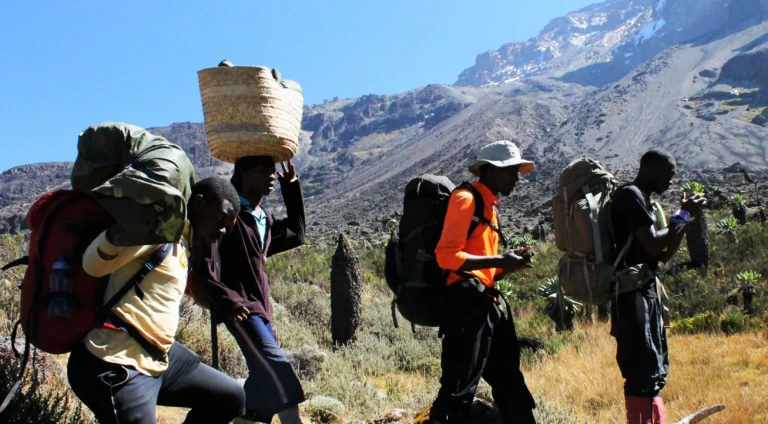
The cost of a Kilimanjaro climb is comprehensive, aiming to cover all logistical necessities for a safe and successful ascent. This includes not just your food, accommodation on the mountain (in tents), park fees, and guide services, but crucially, the support staff. Porters are the backbone of any Kilimanjaro expedition. They carry the bulk of the weight – tents, sleeping mats, cooking gear, food, water, and personal luggage for climbers (usually up to a certain limit). Without their strength and efficiency, climbing Kilimanjaro would be an entirely different, and significantly more challenging, undertaking for trekkers.
Reputable tour operators like Climb 4 Africa prioritize the welfare of their porters. This means the package cost covers not only their labor but also their food, accommodation (usually sharing tents with other crew members), essential clothing, and insurance. When you book with a responsible company, you’re not just paying for your own journey; you’re contributing to a fair and ethical treatment of the entire expedition team. This ethical consideration is a significant part of why porter inclusion is standard in package pricing.
Why Porters Are Essential to Your Kilimanjaro Experience
To fully appreciate why porters are included in the Kilimanjaro package cost, it’s vital to understand their indispensable role. Kilimanjaro is not a typical hike; it’s a high-altitude expedition where every ounce of energy counts. Porters make it feasible for the average trekker to reach Uhuru Peak by shouldering the majority of the load.
Consider the sheer volume of equipment required for a multi-day trek on Kilimanjaro:
- Tents: Separate tents for climbers, kitchen staff, and guides.
- Sleeping Gear: Sleeping mats and communal blankets.
- Kitchen Equipment: Stoves, fuel, pots, pans, utensils, and a portable toilet.
- Food and Water: Several days’ worth of provisions for the entire crew and clients.
- Climbing Gear: Emergency oxygen, first-aid kits, and sometimes climbing hardware.
- Personal Luggage: A duffel bag for each climber, typically up to 15 kg, containing their clothing and personal items.
Imagine carrying all of this yourself while also dealing with the physiological challenges of ascending to over 5,895 meters (19,341 feet). It would be virtually impossible for most people. Porters are highly skilled and experienced individuals who know the mountain intimately. They manage the logistics of camp setup, food preparation, and the movement of gear efficiently, allowing you, the climber, to travel lighter with just a daypack containing essentials like water, snacks, rain gear, and warm layers.
Their presence also significantly enhances safety. Guides and assistant guides focus on monitoring climbers’ health and acclimatization, while porters ensure that camp is always ready and supplies are available. This division of labor is critical for a successful and safe summit attempt. For any trek planned for 2026 or 2027, this support system is non-negotiable.
What “Included” Actually Means: Porter Welfare and Ethical Trekking
When Climb 4 Africa states that porters are included in your Kilimanjaro package cost, it signifies a commitment to ethical trekking practices. This goes beyond simply hiring labor; it encompasses ensuring the well-being of every member of the expedition team.
Here’s what the inclusion of porters in your package cost typically covers:
- Wages: Fair and competitive daily wages for the porters, as per the guidelines set by the Kilimanjaro National Park Authority (KINAPA) and porter unions.
- Food and Water: Nutritious meals and clean drinking water for the duration of the trek, equivalent to what the guides and climbers receive.
- Accommodation: Shelter, usually in tents shared with other crew members.
- Clothing and Equipment: Provision of appropriate gear, including sturdy boots, warm clothing, rain gear, gloves, and hats. Reputable operators ensure porters have adequate equipment to perform their duties safely.
- Insurance: Coverage for accidents and medical emergencies.
- Porters’ Salaries and Tips: While tips are often separate and voluntary, the base salary is part of the package. Some operators may include a base tip amount, but it’s crucial to clarify this.
Climb 4 Africa is dedicated to the ethical treatment of porters. We adhere to the guidelines set by organizations like the Kilimanjaro Porters Assistance Project (KPAP) to ensure our porters are treated with respect and dignity. This commitment is reflected in our pricing, which guarantees fair compensation and proper support for our entire crew. When you book with us for your 2026-2027 climb, you can be assured that your package cost contributes to a positive experience for everyone involved.
It’s important to distinguish between a legitimate, all-inclusive package and budget operators who might cut corners. Some less reputable companies may advertise lower prices by underpaying porters, providing inadequate gear, or skimping on their food. This not only compromises the porters’ welfare but also poses safety risks for the entire expedition. Always choose an operator that transparently outlines their porter welfare policies.
Factors Influencing Kilimanjaro Package Costs (Including Porters)
While the inclusion of porters is standard, the overall Kilimanjaro package cost can vary significantly. These variations are influenced by several factors, many of which relate to the quality and scope of services provided, including the porter support.
Route Choice
Different routes have varying durations and logistical complexities, directly impacting the number of days the crew, including porters, are employed. Longer routes like the Lemosho or Northern Circuit require more days on the mountain, hence more crew days and higher overall costs. Shorter routes like Marangu or Rongai might have slightly lower costs, though they often involve different camping setups or hut accommodations.
Duration of the Climb
As mentioned, longer climbs mean more days for the porters. A 7-day climb will naturally cost more than a 5-day climb because the crew is paid for more days of service. The extra days on longer routes also contribute to better acclimatization, increasing summit success rates.
Group Size
While most operators have a fixed crew-to-climber ratio to ensure adequate support and safety, climbing in a private group versus a shared or “group departure” can affect the per-person cost. Larger groups can sometimes achieve economies of scale, potentially lowering individual prices, but the number of porters required per climber often remains consistent.
Quality of Service and Equipment
This is where reputable operators like Climb 4 Africa stand out. Higher-quality packages include:
- Experienced Guides and Crew: Well-trained, certified guides and a sufficient number of porters and cooks.
- Better Equipment: High-quality tents, thicker sleeping mats, comfortable dining tents, and reliable cooking gear.
- Superior Food: More varied and nutritious meals prepared by dedicated cooks.
- Higher Safety Standards: Comprehensive first-aid kits, emergency oxygen, and potentially even portable altitude chambers.
- Porter Welfare Standards: Adherence to strict guidelines for porter treatment, wages, and provisions.
These elements contribute to a higher price point but significantly enhance your safety, comfort, and overall chances of success. The cost of ensuring porters are well-equipped and compensated is a crucial part of this.
Inclusions and Exclusions
While porters are standard, other inclusions can vary. Some packages might include:
- Pre- and Post-Climb Accommodation: Hotel stays in Moshi or Arusha.
- Airport Transfers.
- Climbing Gear Rental: Such as sleeping bags or trekking poles.
- Gratuities: Some operators include a pre-calculated tip amount for the crew.
Conversely, other packages might exclude these, leading to a lower advertised price but requiring you to budget separately for these items. Always check the detailed itinerary and inclusions list.
Climb 4 Africa’s Approach to Porter Inclusion and Pricing
At Climb 4 Africa, transparency and ethical practices are paramount. We ensure that our Kilimanjaro package costs are competitive while reflecting the true value of a safe, well-supported, and ethically managed climb. This means the cost of our dedicated porters is always factored in.
When you receive a quote from us for your 2026 or 2027 Kilimanjaro expedition, you can be confident that it includes:
- Adequate Porter Support: We adhere to the recommended crew-to-climber ratios to ensure efficient baggage transfer and camp management.
- Fair Wages and Conditions: We work closely with local partners who uphold strict standards for porter compensation, food, and accommodation.
- Proper Equipment: Our porters are provided with suitable gear to perform their duties safely and comfortably.
We believe that the success of your climb is intrinsically linked to the well-being of our entire team. By including porters in our package cost, we guarantee that they are properly compensated and cared for, allowing them to perform at their best. This commitment contributes to a more positive and safer climbing experience for you.
Sample Itinerary Consideration (e.g., Machame Route, 7 Days)
Let’s consider a popular route like the Machame Route, typically climbed over 7 days. On such a trek, the crew size would be substantial. For a group of, say, 6 climbers, you might have:
- 1 Lead Guide
- 2 Assistant Guides
- 1 Cook
- Approximately 18-24 Porters (carrying tents, food, luggage, etc.)
This ratio ensures that no single porter carries an excessive load (generally not exceeding 15-20kg of luggage plus their own gear) and that camp logistics run smoothly. The cost of employing this entire team for 7 days, covering their wages, food, and equipment, is a significant component of the total package price. Climb 4 Africa ensures this is properly accounted for in our quotes for 2026-2027 departures.
What to Look For in a Package Quote:
- Detailed Crew Ratios: Does the operator specify the number of guides, cooks, and porters per climber?
- Porter Load Limits: Are there clear limits on personal luggage weight?
- Porter Welfare Policy: Does the operator mention adherence to KPAP guidelines or similar ethical standards?
- Inclusions List: Does it explicitly state that porters are included, and what that entails (food, accommodation)?
Common Misconceptions About Porter Costs
It’s crucial to address some common misunderstandings regarding porter costs to avoid confusion when comparing quotes for your 2026-2027 Kilimanjaro climb.
Myth 1: Porters are hired independently and paid separately.
While it’s technically possible to hire porters independently, it’s highly discouraged for safety and ethical reasons. Reputable tour operators manage the entire crew. The cost of porters is integrated into your package. Trying to save money by hiring “unofficial” porters can lead to exploitation and safety issues.
Myth 2: Porters are only for carrying luggage.
Porters do much more than just carry your duffel bags. They are integral to setting up and breaking down camp, carrying shared equipment (tents, kitchen gear, food), and assisting guides in various logistical tasks. Their role is far more extensive than simple porterage.
Myth 3: All porters are treated equally.
Unfortunately, this isn’t always the case. Less ethical operators might differentiate between “porter” and “porter-guide” or “lead porter” in terms of pay and treatment. Climb 4 Africa ensures all members of our support crew receive fair compensation and respect for their vital contributions.
Myth 4: The cheapest package is the best value.
The cheapest Kilimanjaro package cost often comes at the expense of porter welfare. If a price seems too good to be true, it likely means corners are being cut, potentially affecting the quality of service, safety, and the ethical treatment of the crew. Prioritize operators who are transparent about their pricing and porter policies.
How to Verify Porter Inclusion and Quality
When evaluating different tour operators for your Kilimanjaro trek, especially if you’re planning for the 2026 or 2027 climbing seasons, here are practical steps to verify that porters are properly included and treated:
- Read the Inclusions List Carefully: Most reputable operators will clearly state that porters are included. Look for details about the crew ratio and what the porters carry.
- Ask Direct Questions: Don’t hesitate to contact the tour operator directly. Ask specifically: “Are porters included in your standard package cost?”, “What is your porter-to-climber ratio?”, “What are your porter welfare policies?”, and “Do you follow KPAP guidelines?”
- Check Reviews and Testimonials: Look for reviews that mention the crew, their support, and the overall experience. Websites like TripAdvisor often have detailed reviews. For example, reviews for operators like Climb 4 Africa (formerly Climb 4 Africa) often highlight the quality and dedication of the local crew.
- Look for KPAP Partnership: If an operator is a partner of the Kilimanjaro Porters Assistance Project (KPAP), it’s a strong indicator of ethical practices. KPAP works to ensure fair wages, proper gear, and adequate food for porters.
- Understand the Price Breakdown: While operators may not provide a line-item breakdown, they should be able to explain how their pricing reflects the costs of guides, porters, park fees, food, and safety measures.
Climb 4 Africa is proud to be a responsible operator. We welcome all questions regarding our crew, including our porters. We believe that understanding the full scope of what your Kilimanjaro package cost covers, particularly regarding the essential porters, is key to making an informed decision for your 2026-2027 adventure.
The Role of Guides, Porters, and Support Staff
A Kilimanjaro expedition is a team effort, and understanding the roles of each member is crucial. While the question is specifically about porters, their work is coordinated with guides and cooks to ensure a smooth operation.
Guides
Guides are the leaders of the expedition. They are responsible for navigation, monitoring climbers’ health and acclimatization, making critical decisions regarding the pace and safety of the climb, and ensuring adherence to park regulations. They are highly trained in first aid and high-altitude trekking.
Assistant Guides
For larger groups, assistant guides support the lead guide. They help monitor climbers, assist with pace-setting, and provide additional support to individuals who might be struggling.
Cooks
Dedicated cooks are responsible for preparing three nutritious meals a day, plus hot drinks and snacks. They work in the “kitchen tent,” managing fuel, food supplies, and ensuring hygienic food preparation. Their role is vital for maintaining climbers’ energy levels.
Porters
As discussed extensively, porters carry the majority of the equipment and supplies. They set up tents before climbers arrive at camp, and break them down after they depart. They also carry personal duffel bags (up to a specified weight limit, typically 15kg/33lbs) for each climber. Their speed and efficiency are remarkable, often reaching the next campsite well before the climbing group to prepare the camp.
The synergy between these roles is what makes a Kilimanjaro climb successful. The Kilimanjaro package cost reflects the employment, provision, and logistical management of this entire team. For 2026-2027 expeditions, this integrated support system is what you are investing in.
Key Takeaway: Porter Welfare = Your Safety & Success
A tour operator’s commitment to porter welfare is a strong indicator of their overall professionalism and dedication to safety. Well-fed, well-equipped, and fairly compensated porters are more motivated, more efficient, and less likely to suffer from illness or injury, contributing directly to a safer and more successful climb for you.
Budget vs. Premium Kilimanjaro Packages: The Porter Difference
When comparing Kilimanjaro package costs for 2026-2027, you’ll notice a wide range. This often boils down to the difference between budget operators and those offering premium, ethically-focused services. The treatment and inclusion of porters are a primary differentiator.
Budget Packages
Operators offering rock-bottom prices may:
- Employ fewer porters, leading to overloaded individuals.
- Provide inadequate food and shelter for the crew.
- Offer lower wages, sometimes below recommended rates.
- Use lower-quality equipment, increasing the risk of failure or injury.
- Lack proper insurance or support for the crew.
While the initial price might seem attractive, the risks associated with poor porter welfare – including safety hazards and potential ethical concerns – are significant.
Premium Packages (like Climb 4 Africa’s)
Operators focused on quality and ethics, such as Climb 4 Africa, invest more in their crew. This means:
- Adherence to recommended porter-to-climber ratios.
- Providing high-quality food and ensuring porters have adequate rest.
- Paying fair wages and adhering to porter union agreements.
- Supplying good quality tents, sleeping mats, and appropriate clothing.
- Partnering with organizations like KPAP to ensure best practices.
The slightly higher Kilimanjaro package cost for premium services translates directly into a safer, more comfortable, and ethically sound experience for both you and the entire expedition team. This is particularly important for planning successful climbs in 2026 and 2027.
What About Tipping Porters? Is it Included?
This is a critical point that often causes confusion. While the porters’ wages and provisions are included in your package cost, tips are typically NOT included in the initial price quoted by most operators, including Climb 4 Africa.
Tipping is a customary way to show appreciation for the hard work and dedication of the guides, porters, and cooks. The amount can vary, but operators usually provide recommended tipping guidelines based on the number of days and the crew size.
Why are tips usually separate?
- Variability: The level of service and individual effort can vary, and tips allow clients to reward exceptional performance.
- Cultural Norms: Tipping is a well-established practice in Tanzania for mountain crews.
- Transparency: Separating tips allows operators to be transparent about the base cost of the climb versus discretionary gratuities.
Climb 4 Africa’s Approach to Tipping:
We provide clear tipping guidelines to our clients before the trek. These guidelines are based on industry standards and ensure that the crew receives appropriate recognition for their efforts. While the tips are an additional cost, they are essential for supporting the livelihoods of these dedicated individuals. We recommend budgeting for tips for your 2026-2027 climb.
Example Tipping Structure (Guidelines, subject to change):
- Lead Guide: $20-25 per day
- Assistant Guide: $15-20 per day
- Cook: $15-20 per day
- Porter: $10-15 per day
These amounts are per crew member, per day. The total tip is usually collected by the lead guide on the final day of the trek and then distributed among the crew members. Some operators might suggest a total tip amount per climber for the entire crew, which simplifies the process.
It’s important to note that some budget operators might advertise “tips included.” Be cautious: this can sometimes mean they’ve inflated the overall price to cover a minimal, pre-determined tip, or that the “included” tip is significantly less than what is considered fair by the crew.
Planning Your 2026-2027 Kilimanjaro Climb: What to Budget For
When planning your Kilimanjaro expedition for the 2026 or 2027 seasons, understanding the full cost is crucial. Here’s a breakdown of what your Kilimanjaro package cost typically covers and what might be additional:
Included in Most Reputable Packages:
- Porterage: All necessary porters for carrying equipment, food, and luggage.
- Guides: Experienced lead and assistant guides.
- Cooks: Professional cooks for meal preparation.
- Food: Three nutritious meals per day on the mountain, plus snacks and purified water.
- Accommodation: Tents for climbers, dining tents, and kitchen tents.
- Park Fees: Kilimanjaro National Park entry fees, camping fees, and conservation fees.
- Rescue Fees: Fees associated with mountain rescue services.
- Emergency Equipment: First-aid kits and oxygen cylinders.
Potential Additional Costs:
- Flights: International flights to Kilimanjaro International Airport (JRO).
- Visas: Tanzania visa fees.
- Travel Insurance: Comprehensive travel and medical evacuation insurance (mandatory for most operators).
- Tipping: Gratuities for guides, porters, and cooks (as discussed above).
- Personal Gear: Sleeping bags, warm clothing, trekking poles, etc. (some operators offer rentals).
- Pre/Post-Climb Accommodation: Hotel stays before and after the trek, unless specified as included.
- Lunches/Dinners in Town: Meals eaten in Moshi or Arusha before and after the climb.
- Personal Expenses: Souvenirs, drinks, laundry, etc.
- Optional Tips for Local Staff: Such as hotel staff or drivers.
By carefully reviewing the inclusions and exclusions of any quote, you can accurately estimate your total expenditure for your 2026-2027 Kilimanjaro adventure. The inclusion of porters in the base package cost is a fundamental aspect of responsible trekking.
Choosing the Right Operator for Your Kilimanjaro Climb
Selecting the right tour operator is paramount for a safe, enjoyable, and ethical Kilimanjaro climb. When you ask, “Are porters included in the Kilimanjaro package cost?“, you’re also implicitly asking about the quality of support and the operator’s commitment to their crew.
Factors to Consider When Choosing an Operator:
- Safety Record and Protocols: Do they have experienced guides, emergency oxygen, and robust safety procedures?
- Porter Welfare Policies: Do they prioritize fair wages, adequate food, and proper gear for their porters? Partnering with KPAP is a good sign.
- Crew-to-Climber Ratios: Ensure sufficient guides and porters are allocated per climber.
- Quality of Equipment: Good quality tents, sleeping mats, and cooking gear enhance comfort and safety.
- Itinerary and Route Choice: Does the route and duration suit your fitness level and acclimatization needs? Longer routes generally offer higher success rates.
- Customer Reviews: Look for consistent positive feedback on service, safety, and crew treatment.
- Transparency in Pricing: Understand what is included and excluded in the package cost.
Climb 4 Africa is committed to providing an exceptional climbing experience that prioritizes safety, ethical treatment of our staff, and maximizing your chances of summit success. Our Kilimanjaro package costs are designed to reflect these high standards, ensuring that our dedicated porters and guides are well-supported for your 2026-2027 expeditions.
Final Thoughts on Porter Inclusion for Your Kilimanjaro Trek
The question of whether porters are included in the Kilimanjaro package cost is fundamental to understanding the true value and operational reality of climbing the Roof of Africa. For any reputable operator, the answer is a definitive yes. This inclusion is not merely a service; it’s a cornerstone of safe, efficient, and ethical mountain trekking.
When you book with Climb 4 Africa, you are investing in a comprehensive support system that includes skilled guides, dedicated cooks, and indispensable porters. Our pricing reflects our commitment to fair wages, proper equipment, and respectful treatment for every member of our team. This ensures that you can focus on your personal journey to the summit, knowing that the logistical and support aspects are handled by professionals who are valued and well-cared for.
Planning your Kilimanjaro adventure for 2026 or 2027 should be exciting, and clarity on costs and inclusions is key. We encourage you to reach out with any further questions. Our team is ready to provide detailed information and help you prepare for an unforgettable climb.
For inquiries about our Kilimanjaro packages, including detailed breakdowns of what’s included and our commitment to porter welfare, please do not hesitate to contact us:
WhatsApp: +255 747 477 898
Email: climb4africa@gmail.com
Let Climb 4 Africa be your trusted partner in making your Kilimanjaro dream a reality in 2026-2027.
Check Availability for Are Porters Included In Kilimanjaro Package Costs? A Climb 4 Africa Guide
Ready to compare dates, prices, and the best option for your group? Send the package name and travel month so the team can reply with a clear quote, availability, and what is included.
Is A Private Toilet Included In The Kilimanjaro Price? 2026-2027
Discover whether a private toilet is a standard inclusion in Kilimanjaro climbing package prices, the variations across routes and operators, and how Climb 4 Africa prioritizes your comfort...
View package details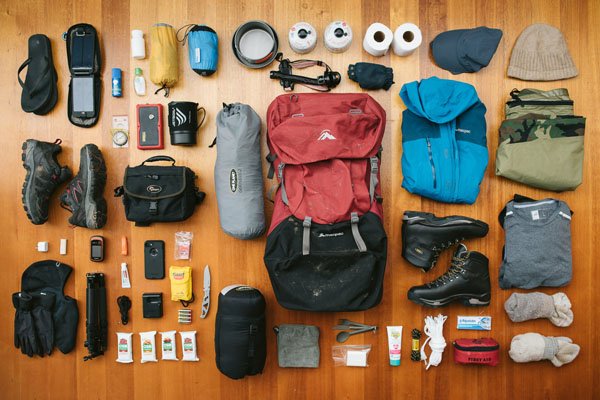
Is Emergency Oxygen Included In Kilimanjaro Climbing Price? Climb 4 Africa
Climb 4 Africa clarifies whether emergency oxygen is part of the standard Kilimanjaro climbing package price, detailing what's typically included and why it's crucial for safety on the...
View package details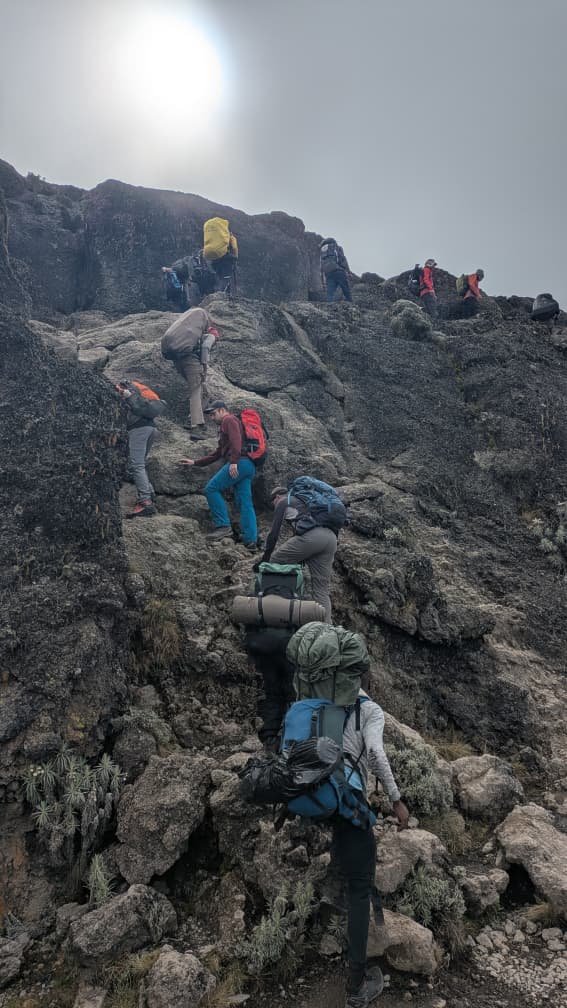
Are Rescue Fees Included In Kilimanjaro Park Fees? 2026-2027
Are rescue fees included in Kilimanjaro park fees? is explained with current 2026-2027 planning, price, itinerary and booking information.
View package details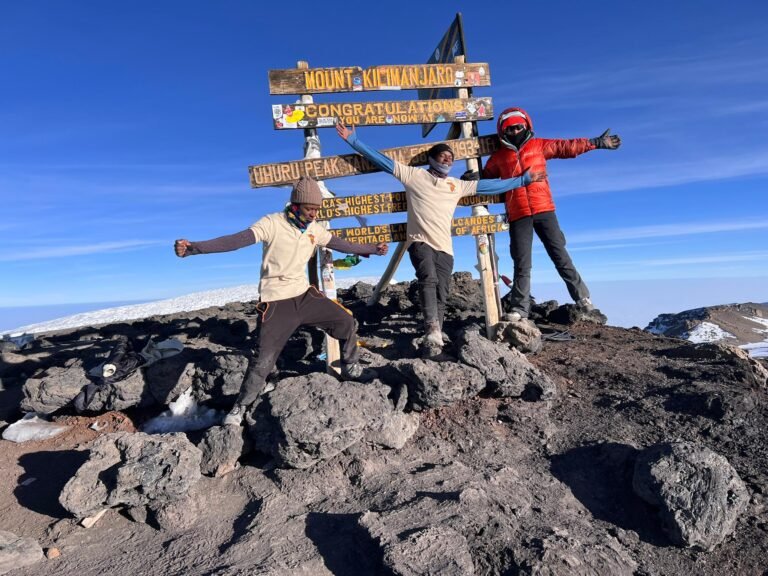
Is Travel Insurance Included In Kilimanjaro Packages? Expert Guide 2026-2027
Many Kilimanjaro packages do not automatically include comprehensive travel insurance. While some may offer basic medical evacuation coverage, it's crucial to understand what's typically...
View package details
How Much Does An 8-Day Kilimanjaro Climb Cost? A Guide 2026-2027
Planning an 8-day Kilimanjaro climb in 2026 or 2027? This comprehensive guide breaks down the expected costs, explaining what influences the price and what you get for your money. Learn...
View package details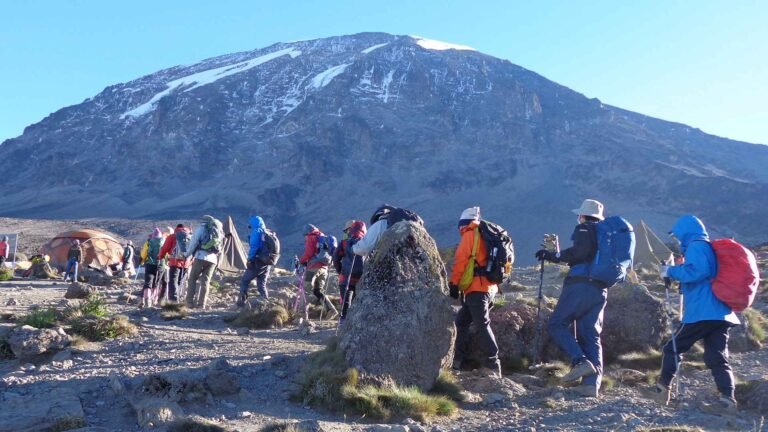
How Much Does Kilimanjaro Cost For A Family? 2026-2027
How much does Kilimanjaro cost for a family? is explained with current 2026-2027 planning, price, itinerary and booking information.
View package detailsHow Much Does Kilimanjaro Cost For Two People? A Guide 2026-2027
Planning a Kilimanjaro climb for two? This guide breaks down the costs for 2026-2027, covering route variations, essential inclusions, and factors that influence the final price for a...
View package detailsHow Much Does A Private Kilimanjaro Climb Cost In ? 2026-2027
Planning a private ascent of Mount Kilimanjaro? Understand the factors that influence the cost of a private climb, typical price ranges for 2026-2027, and what's usually included to help...
View package details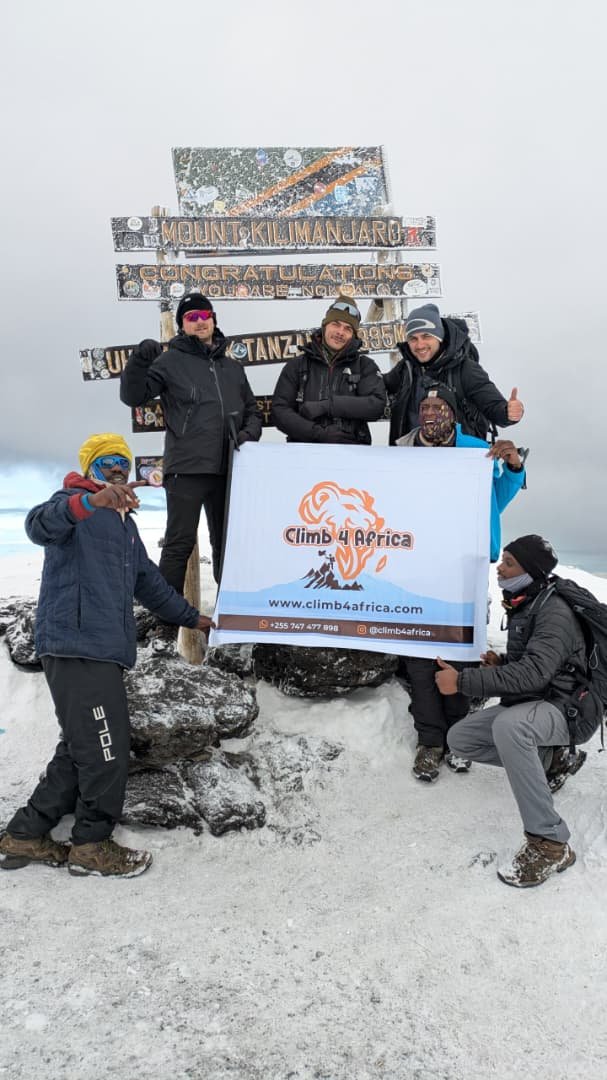
Does Kilimanjaro Cost More During Peak Season? Understanding Pricing 2026-2027
Climbing Mount Kilimanjaro involves varying costs, with peak season dates significantly impacting the overall price. This guide details why and when costs rise, helping you plan your...
View package detailsHow Much Does It Cost To Rent Kilimanjaro Gear In ? 2026-2027
Renting Kilimanjaro gear for your 2026-2027 expedition typically costs between $150 to $350 USD per person for a full set of essentials. This guide breaks down individual item costs, rental...
View package details
Are Kilimanjaro Park Fees Included In The Package Price? Your Guide 2026-2027
Understand whether Kilimanjaro park fees are part of your climb package price. This guide provides essential details for trekkers planning their 2026-2027 adventure, covering what's...
View package details
How Much Does It Cost To Climb Kilimanjaro Per Person? 2026-2027
How much does it cost to climb Kilimanjaro per person? is explained with current 2026-2027 planning, price, itinerary and booking information.
View package detailsNo related package matches those filters. Clear one or more filters to see the other topic-matched options.



