To secure the best price for a Kilimanjaro climb in 2026 or 2027, it is generally recommended to book at least 6 to 12 months in advance. This timeframe allows you to take advantage of early booking incentives, ensures availability on your preferred dates and routes, and gives you ample time to prepare physically and financially, potentially locking in current rates before potential price adjustments.


Understanding the Sweet Spot: When to Book Your Kilimanjaro Climb for Optimal Pricing in 2026-2027
The dream of standing on the roof of Africa, Mount Kilimanjaro, is a powerful one. For many, this ambition is coupled with a practical consideration: managing the cost. If you’re planning your expedition for the 2026 or 2027 climbing seasons, understanding the optimal booking window is crucial for getting the best price. It’s not just about finding a cheap deal; it’s about smart planning that balances cost-effectiveness with ensuring a high-quality, safe, and memorable experience. Booking too late can mean higher prices, limited availability, and rushed preparation, while booking excessively early might mean missing out on potential early-bird offers or facing price changes.
The general consensus among experienced tour operators like Climb 4 Africa is that a lead time of 6 to 12 months prior to your desired climb date provides the most strategic advantage. This period allows for several key benefits:
- Securing Early Booking Discounts: Many reputable operators offer incentives for booking well in advance. These can range from small percentage discounts to added inclusions, effectively lowering the overall cost of your climb.
- Ensuring Availability: Kilimanjaro is a popular destination, and the best dates, especially during peak seasons, fill up quickly. Booking early guarantees your spot on your preferred route and departure date for 2026 or 2027.
- Budgeting and Financial Planning: A longer lead time allows you to budget effectively. You can often pay a deposit to secure your booking and then pay the balance closer to the departure date, spreading the financial commitment over a more manageable period.
- Adequate Preparation: Climbing Kilimanjaro is a physical challenge. Booking 6-12 months ahead gives you ample time for a structured training program, ensuring you are physically prepared for the altitude and demands of the trek.
- Visa and Travel Document Processing: Early booking provides sufficient time to sort out visas, passport renewals, and any other necessary travel documentation without last-minute stress.
For those targeting the 2026-2027 seasons, now is the time to start seriously considering your options. The landscape of travel pricing is dynamic, influenced by inflation, park fee adjustments, and operational costs. Booking within this 6-12 month window is your best strategy to mitigate these fluctuations and secure a favorable rate.
Factors Influencing Kilimanjaro Climb Costs and Booking Timing
The price of a Kilimanjaro climb isn’t a single fixed number; it’s a complex equation influenced by numerous variables. Understanding these factors will help you appreciate why booking timing is so critical and how different choices impact your overall expenditure. For your 2026 or 2027 expedition, consider these key cost drivers:
1. Route Choice and Duration: The Foundation of Your Budget
Kilimanjaro can be climbed via several distinct routes, each varying in length, difficulty, scenery, and, importantly, cost. The longer the route and the more days you spend on the mountain, the higher the price will be. This is primarily due to increased park fees, higher crew wages (guides, porters, cooks), and more logistical requirements.
- Shorter Routes (e.g., Marangu, Rongai): Typically 5-6 days. While seemingly cheaper upfront due to fewer days, they have lower success rates due to rapid ascent and can sometimes feel rushed, potentially leading to less enjoyment. Their cost is generally lower.
- Mid-Length Routes (e.g., Machame, Lemosho): Usually 6-7 days. These are popular for their scenic beauty and better acclimatization profiles, leading to higher success rates. The cost reflects the increased duration and support. The Machame route, often cited for its excellent acclimatization and scenery, is a popular choice for 2026-2027 planning.
- Longer Routes (e.g., Lemosho, Northern Circuit): 7-9 days or more. These routes offer the best acclimatization and highest success rates, along with unparalleled views. The extended duration and extensive support make them the most expensive options, but often the most rewarding for serious trekkers aiming for 2026-2027. The Northern Circuit, being the longest, offers the highest success rates and is ideal for those who want to savor the experience and minimize altitude sickness.
When booking for 2026 or 2027, research which routes best suit your fitness, budget, and desired experience. A longer route might seem more expensive initially, but a higher success rate can save you the cost of a failed attempt and a subsequent trip.
2. Operator Tier and Inclusions: Quality vs. Cost
The tour operator you choose plays a significant role in pricing. Operators fall into different tiers based on their service quality, safety standards, crew welfare, and the level of inclusions.
- Budget Operators: Often the cheapest, these operators may cut corners on equipment, food quality, crew wages, and safety protocols. While tempting for price-sensitive travelers in 2026-2027, they can compromise the experience and safety.
- Mid-Range Operators: Offer a good balance of quality, safety, and price. They typically provide better equipment, well-trained guides, fair wages for porters, and comprehensive inclusions. Climb 4 Africa positions itself here, focusing on quality support without exorbitant luxury pricing.
- Luxury Operators: Provide premium services, including gourmet meals, private toilet tents, higher guide-to-client ratios, and often more comfortable camping gear. These come at a significantly higher price point.
Crucially, compare what is included. A lower price might look attractive, but if it excludes essential items like park fees, rescue fees, meals, or equipment rental, the final cost can escalate rapidly. Always check for:
- Park entrance fees
- Camping/hut fees
- Crew fees (guides, assistant guides, porters, cooks)
- All meals on the mountain
- Boiled drinking water
- Oxygen cylinders (for emergencies)
- Diamox (altitude sickness medication)
- Portable toilets
- Trekking poles and sleeping mats (sometimes extra)
- Transfers to and from Kilimanjaro National Park
- A comprehensive first-aid kit and trained guides
When comparing quotes for 2026-2027, ensure you’re comparing like-for-like inclusions. A slightly higher upfront price for a more comprehensive package can often be more economical and provide greater peace of mind.
3. Seasonality: When You Climb Matters
Kilimanjaro has distinct seasons, and climbing during peak times will generally be more expensive due to higher demand and potentially higher operational costs.
- Peak Seasons (Generally Jan-Mar, Jun-Oct): These months offer the clearest skies and driest conditions, making them the most popular times to climb. Expect higher prices and more crowded trails, especially on routes like Machame. Booking well in advance for 2026-2027 peak seasons is non-negotiable for the best rates.
- Shoulder Seasons (e.g., Nov, Apr-May): These months can offer a good compromise. Prices might be slightly lower, and crowds are thinner. However, April and May often bring the long rains, making climbing significantly more challenging and potentially dangerous. November can be wet but is often manageable. If you’re looking for a balance of cost and weather for 2026-2027, consider late November or early December, or even February/March which is often clear before the rains.
- Low Season (e.g., Apr-May): These are the wettest months. While prices might be at their lowest, the conditions can be very tough, with heavy rain, mud, and poor visibility. This is generally not recommended for most climbers, especially first-timers.
For 2026-2027, if you’re seeking the best price and don’t mind slightly cooler temperatures or a small chance of rain, consider climbing in the shoulder months of November or early December. You might find better deals and fewer people on the mountain.
4. Group Size and Private vs. Shared Climbs
The number of people climbing with you significantly impacts the per-person cost.
- Shared/Group Climbs: Joining a pre-scheduled group departure is often the most economical option. Costs are shared among more participants, lowering the individual price. Many operators, including Climb 4 Africa, offer fixed group departure dates for 2026-2027. These are excellent for solo travelers or small groups looking to save money.
- Private Climbs: If you prefer a personalized experience, a private climb offers flexibility and exclusivity. However, this comes at a higher per-person cost, as you bear the full operational expenses of the crew and logistics. The cost per person for a private climb is typically higher than for a shared climb, especially for smaller private groups (e.g., 2-3 people). The price difference narrows as the group size increases.
If price is a primary concern for your 2026-2027 Kilimanjaro adventure, opting for a shared group climb is the most effective way to reduce costs. Check operator websites for their group departure schedules.
The 6-12 Month Window: Maximizing Savings for 2026-2027
Let’s break down why the 6-12 month lead time is so effective for securing the best prices for your 2026 or 2027 Kilimanjaro climb.
6 Months Out: The Minimum for Smart Planning
Booking around 6 months before your intended climb date is the absolute minimum recommended timeframe if you’re aiming for the best prices and availability. By this point:
- Early Bird Offers May Still Apply: Some operators extend their early bird specials up to 6 months out. It’s worth inquiring specifically about these.
- Good Availability on Popular Routes: You’ll likely still find good availability for popular routes like Machame and Lemosho during the peak seasons of 2026 and 2027.
- Sufficient Time for Training: Six months provides a solid foundation for a good physical training regimen.
- Deposit Secured: You can secure your spot with a deposit, locking in the current price.
However, at the 6-month mark, some prime dates or specific group departures might already be fully booked. If you have very specific date requirements or are targeting a highly sought-after period in 2026 or 2027, aiming for earlier is safer.
9-12 Months Out: The Optimal Window for Price & Choice
This is often considered the ‘sweet spot’ for booking your Kilimanjaro climb. Booking 9 to 12 months in advance offers several significant advantages:
- Maximizing Early Bird Discounts: Most operators offer their best early booking discounts for bookings made 9-12 months out. These savings can be substantial.
- Full Availability: You’ll have access to the widest range of departure dates, routes, and group sizes for 2026 and 2027. Whether you want a specific Machame group climb or a private Northern Circuit expedition, you’re most likely to find it.
- Best Financial Planning: This timeframe provides ample opportunity to save up for the trip and make payments in installments without financial strain.
- Peace of Mind: Knowing your Kilimanjaro climb is booked and paid for well in advance significantly reduces pre-trip stress.
- Access to Peak Season Dates: If you’re set on climbing during the busiest, clearest months of 2026 or 2027, booking this far ahead is essential to secure your spot.
For instance, if you are planning a climb for July 2027, booking between July 2026 and October 2026 would put you firmly in this optimal window.
Beyond 12 Months: When It Makes Sense
While 6-12 months is the general guideline, booking more than 12 months in advance can be beneficial in specific scenarios:
- Very Specific Dates: If you have a non-negotiable date due to personal commitments (anniversary, birthday, specific holiday) in 2026 or 2027, booking over a year ahead is wise.
- Custom Itineraries: For highly customized trips, such as combining Kilimanjaro with extensive safaris or Zanzibar holidays, early planning allows for intricate logistical coordination and potentially better rates on combined packages.
- Operator Price Increases: If you know an operator is likely to implement significant price increases in the near future (e.g., due to anticipated inflation or park fee hikes for 2026-2027), booking early can lock in current, lower rates.
- High Demand for Specific Groups: If you want to join a particular group departure advertised by an operator for 2026 or 2027 that you know fills up exceptionally fast, booking as soon as it’s announced is recommended.
However, be aware that booking too far in advance (e.g., 18-24 months) might mean you miss out on newer pricing structures or promotions that emerge closer to the actual climb date. Always check the operator’s terms regarding price guarantees and booking flexibility.
What Happens if You Book Closer to the Date?
Life happens, and sometimes booking opportunities arise with less lead time. If you find yourself needing to book a Kilimanjaro climb for 2026 or 2027 with less than 6 months’ notice, here’s what you can expect:
- Potentially Higher Prices: You may miss out on early bird discounts. Some operators might even have surcharges for last-minute bookings, though this is less common for Kilimanjaro than for short-haul flights.
- Limited Availability: Popular dates, especially during peak seasons (e.g., August 2026, July 2027), might be fully booked. You may have to be flexible with your dates or routes.
- Rushed Preparation: This is the biggest concern. Insufficient time for physical training can significantly impact your enjoyment and success rate. It also leaves less time for mental preparation and acclimatization knowledge.
- Logistical Challenges: While operators are adept at handling last-minute requests, there’s a slightly higher chance of minor logistical hiccups compared to well-planned trips.
If you must book late for 2026-2027, prioritize finding a reputable operator with excellent safety standards and good reviews. Be prepared to be flexible with your dates and possibly your route choice. Ensure you communicate your situation clearly to the operator so they can advise on the best available options.
Tip for Late Bookers (Less than 6 Months)
If you’re booking a Kilimanjaro climb for 2026 or 2027 with less than 6 months to go, focus on operators that specialize in handling last-minute requests. Be upfront about your timeline. Climb 4 Africa can often accommodate shorter notice bookings, but availability for specific dates and group sizes will be the main factor. WhatsApp +255 747 477 898 for immediate inquiries.
How to Maximize Savings Even When Booking Early for 2026-2027
Booking early is the foundation for getting the best price, but you can enhance your savings further with these strategies:
- Travel in the Shoulder Seasons: As mentioned, climbing in November or early December for 2026 or 2027 can yield significant cost savings compared to peak months.
- Choose a Shared Group Departure: Opting for a pre-scheduled group climb is almost always cheaper than a private expedition. This is ideal for solo travelers or small groups looking to optimize their budget. Many operators, including Climb 4 Africa, have regular group departures listed for 2026 and 2027.
- Compare Inclusions Carefully: Don’t just look at the headline price. A slightly more expensive package that includes everything (park fees, meals, gear rental, rescue fees) can be cheaper than a lower-priced option where you have to pay for these items separately.
- Look for Package Deals: If you’re combining your Kilimanjaro climb with a safari or a Zanzibar holiday, ask operators if they offer package discounts for booking multiple components together. Climb 4 Africa specializes in creating these integrated African travel experiences for 2026-2027.
- Be Flexible with Dates: If your dates are flexible, you might be able to take advantage of off-peak pricing or fill a spot on a less popular departure date.
- Pack Smartly, Rent Wisely: While some gear might be included, you’ll need personal items. Researching and purchasing quality gear over time (rather than a last-minute expensive splurge) can save money. Similarly, understand what gear you can rent affordably on the ground versus what you need to buy.
The Role of Park Fees and Operator Costs in 2026-2027 Pricing
A significant portion of your Kilimanjaro climb cost is directly related to fees mandated by the Tanzanian government and the operational costs for the tour operator.
Kilimanjaro National Park Fees
These are non-negotiable and form a substantial part of the overall price. They are subject to change, often annually or biannually. For 2026-2027, it’s crucial to confirm the latest fee structure with your operator.
- Conservation Fees: Charged per person, per day.
- Camping Fees: Charged per person, per night, for camping routes.
- Rescue Fees: A mandatory fee to cover emergency rescue operations.
- Gate Fees: A one-time fee per person upon entering the park.
These fees are typically passed directly from the park authority to the tour operator and then to you. Operators that absorb these fees into a higher upfront price might seem more expensive, but they are often just factoring them in. Always ensure your quote clearly itemizes or includes these essential park fees.
Operational Costs for Tour Operators
Beyond park fees, operators incur substantial costs:
- Guide and Porter Wages: Fair wages and proper treatment of the mountain crew are paramount for safety and ethical tourism. Reputable operators pay well above the minimum required, ensuring experienced and motivated staff. This is a major cost factor.
- Food and Supplies: Providing high-quality, nutritious meals for climbers and crew for multiple days requires significant logistics and cost.
- Equipment: Tents, sleeping bags, cooking gear, first-aid supplies, and safety equipment need to be purchased, maintained, and transported.
- Logistics and Transportation: Transporting clients and crew to the mountain gate, and supplies up the mountain, involves vehicles, fuel, and driver costs.
- Insurance and Permits: Operators need various business licenses and insurances.
- Office Overhead: Staff, marketing, communication, and administrative costs.
Operators that offer significantly lower prices than the average may be cutting costs in areas like crew wages, food quality, or equipment safety. For 2026-2027, choosing an operator committed to ethical practices and safety will ensure a better experience, even if it means a slightly higher initial investment.
Planning Your 2026-2027 Kilimanjaro Climb: A Timeline for Booking
To make the booking process for your 2026 or 2027 Kilimanjaro climb as smooth and cost-effective as possible, consider this phased approach:
Your Kilimanjaro Booking Timeline (2026-2027)
- 12+ Months Out: Start researching routes, operators, and ideal climbing seasons. Identify potential early bird discounts. If you have very specific date requirements or complex itinerary needs, this is the time to inquire.
- 9-12 Months Out: This is the prime booking window. Compare quotes from 2-3 reputable operators (like Climb 4 Africa). Look for those offering the best value, comprehensive inclusions, and strong safety records. Secure your booking with a deposit to lock in the best prices and dates for 2026 or 2027.
- 6-9 Months Out: If you missed the earlier window, start booking now. You’ll still find good availability and potentially some remaining early bird offers. Begin your dedicated physical training program.
- 3-6 Months Out: Book if you haven’t already. Availability will be more limited, especially for peak season 2026-2027 dates. Focus on securing a spot with a reputable operator. Intensify your training.
- 1-3 Months Out: Last-minute bookings. Be prepared for higher prices and limited options. Prioritize safety and operator reputation over cost. Finalize visa and travel arrangements.
- Less than 1 Month: Highly challenging for booking a quality climb. Only consider if you are very flexible and working with an operator experienced in last-minute arrangements.
The Climb 4 Africa Approach to Value and Early Booking
At Climb 4 Africa, we understand that planning a Kilimanjaro expedition involves balancing the adventure with practical financial considerations. We aim to provide exceptional value for your investment, ensuring a safe, ethical, and unforgettable climb for 2026 and 2027.
We encourage clients to book at least 6 months in advance to take full advantage of our pricing and ensure the best availability. While we sometimes accommodate shorter notice bookings, doing so involves more complex logistics and may limit your options. Our pricing reflects a commitment to:
- Fair Wages for Our Crew: We believe in supporting our guides, porters, and cooks, ensuring they are well-compensated and equipped.
- Quality Equipment and Safety: We invest in reliable camping gear, communication devices, and comprehensive first-aid kits.
- Nutritious Meals: Providing delicious and energy-boosting food is vital for your climb.
- Expert Guidance: Our guides are highly experienced, certified, and possess extensive knowledge of Kilimanjaro and altitude management.
We often have early booking incentives for those planning their 2026 or 2027 climbs. Reach out to us to discuss your specific needs and dates. We can help you find the best route and timing to suit your budget and goals.
Ready to Plan Your 2026-2027 Kilimanjaro Climb?
Don’t leave your Kilimanjaro dream to chance. Booking early is the smartest way to get the best price and ensure a top-tier experience. Contact Climb 4 Africa today to discuss your expedition plans for 2026 or 2027. We offer expert advice, tailored itineraries, and a commitment to quality and safety.
WhatsApp us: +255 747 477 898
Email us: climb4africa@gmail.com
Let us help you craft an unforgettable adventure on Kilimanjaro.
Frequently Asked Questions About Booking Kilimanjaro Early
Q1: Is it possible to get discounts for booking Kilimanjaro far in advance?
A1: Yes, many reputable tour operators, including Climb 4 Africa, offer early bird discounts or special promotions for bookings made 6-12 months or more in advance. These savings can be significant and are a primary reason to book early for your 2026 or 2027 climb.
Q2: What if I need to change my dates after booking my Kilimanjaro climb?
A2: Most operators have change policies outlined in their terms and conditions. Booking early provides more flexibility. If you need to change your dates for a 2026 or 2027 climb, contact your operator as soon as possible. The sooner you inform them, the more likely they are to accommodate your request, potentially with fewer fees. Factors like how far in advance you notify them and whether the new dates are within peak season will influence the outcome.
Q3: Are there specific times of year that are cheaper to book Kilimanjaro?
A3: While the climb itself has peak and shoulder seasons that affect price, booking outside of peak seasons (like June-October) for your 2026 or 2027 climb can sometimes lead to lower overall trip costs. Climbing in months like November or March might offer slightly reduced operator costs and fewer crowds, although weather conditions should be carefully considered.
Q4: How does booking a private climb versus a group climb affect the price and timing?
A4: Private climbs are generally more expensive per person than group climbs because the operational costs are spread over fewer individuals. However, they offer more flexibility in scheduling. If you are looking for the best price for your 2026-2027 Kilimanjaro climb, joining a scheduled group departure is the most cost-effective strategy. You may need to book these group dates further in advance as they fill up quickly.
Q5: What are the risks of booking too close to the Kilimanjaro climb date?
A5: The main risks of booking too close to your 2026 or 2027 climb date include higher prices (missing early bird discounts), limited availability on preferred routes and dates, and insufficient time for adequate physical preparation, which can jeopardize your safety and success rate on the mountain.
Q6: When should I book my Kilimanjaro climb if I want to go in 2026?
A6: For a Kilimanjaro climb in 2026, the ideal time to book to get the best price and availability is between mid-2025 and late 2025. This 9-12 month window maximizes early booking benefits and ensures you can secure your preferred dates and routes.
Q7: How far in advance should I book for the 2027 season?
A7: To secure the best prices and ensure availability for a 2027 Kilimanjaro climb, you should aim to book between mid-2026 and late 2026. This provides ample time for planning, training, and taking advantage of any early booking incentives offered by operators.
Q8: Does booking early guarantee better weather on Kilimanjaro?
A8: No, booking early does not influence the weather. However, booking early allows you to choose the clearest and driest seasons (typically June-October and January-February) for your 2026 or 2027 climb, which are generally considered the best for trekking. It ensures you can secure a spot during these desirable periods.
Q9: What should I look for in an operator when comparing prices for 2026-2027?
A9: When comparing prices for your 2026-2027 Kilimanjaro climb, look beyond the headline figure. Ensure the price includes all mandatory fees (park, rescue, camping), comprehensive meals, quality equipment, experienced guides, and ethical treatment of porters. Reputable operators like Climb 4 Africa prioritize safety and crew welfare, which is reflected in their pricing and the quality of your experience.
Q10: Can I book my Kilimanjaro climb just a few months before?
A10: While possible, booking a Kilimanjaro climb with less than 6 months’ notice for 2026 or 2027 is not ideal. You risk higher costs and limited availability. Crucially, it leaves very little time for proper physical and mental preparation, which is essential for a safe and successful ascent. Always try to book further in advance if possible.
In conclusion, the question of how early to book Kilimanjaro for the best price is best answered by aiming for the 6 to 12-month window before your desired 2026 or 2027 climb date. This strategy allows you to benefit from early booking discounts, secure your preferred dates and routes, and adequately prepare for this incredible adventure. For tailored advice and to start planning your expedition with a trusted operator, reach out to Climb 4 Africa.
Check Availability for How Early Should I Book Kilimanjaro For The Best Price? Planning 2026-2027
Ready to compare dates, prices, and the best option for your group? Send the package name and travel month so the team can reply with a clear quote, availability, and what is included.
Is A Private Toilet Included In The Kilimanjaro Price? 2026-2027
Discover whether a private toilet is a standard inclusion in Kilimanjaro climbing package prices, the variations across routes and operators, and how Climb 4 Africa prioritizes your comfort...
View package details
Is Emergency Oxygen Included In Kilimanjaro Climbing Price? Climb 4 Africa
Climb 4 Africa clarifies whether emergency oxygen is part of the standard Kilimanjaro climbing package price, detailing what's typically included and why it's crucial for safety on the...
View package details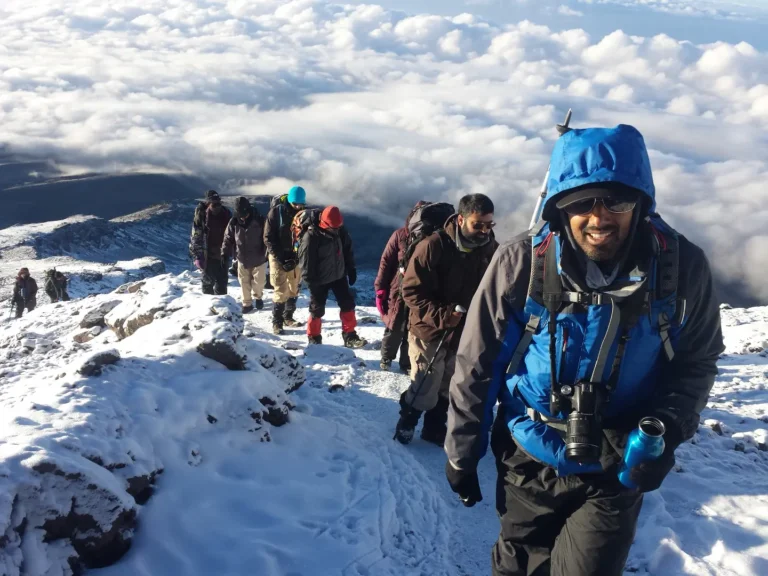
Why Do Kilimanjaro Operators Charge Different Prices? 2026-2027
Why do Kilimanjaro operators charge different prices? is explained with current 2026-2027 planning, price, itinerary and booking information.
View package details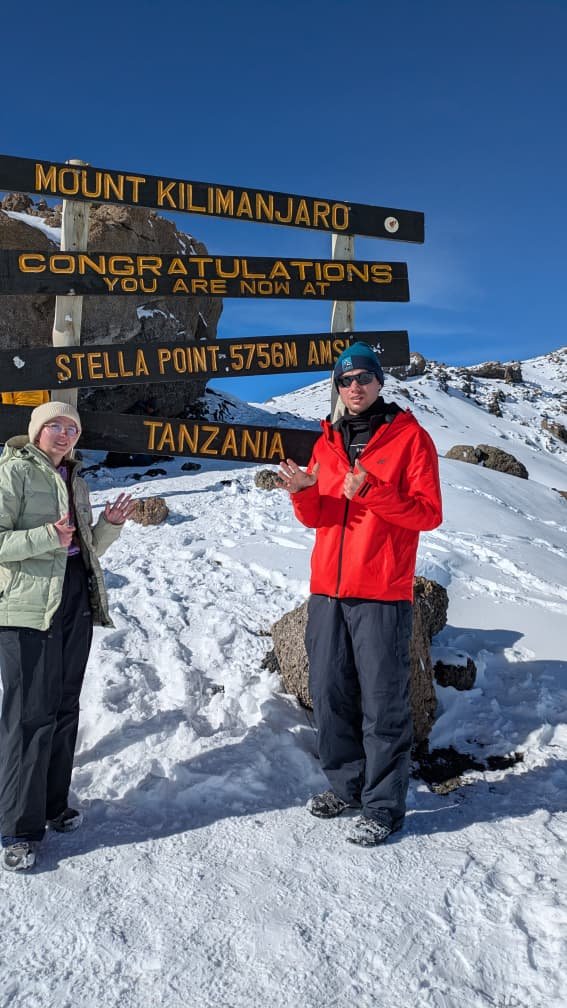
Are There Additional Charges After Booking Kilimanjaro? 2026-2027
Are there additional charges after booking Kilimanjaro? is explained with current 2026-2027 planning, price, itinerary and booking information.
View package details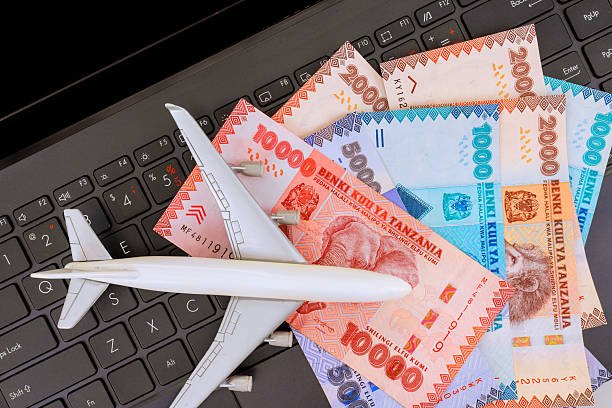
When Should I Pay The Kilimanjaro Balance? Your Payment Guide 2026-2027
Crucial information on when to pay your Kilimanjaro climb balance, covering deposit schedules, final payment deadlines, and factors influencing timing for your 2026-2027 adventure.
View package details
How Much Deposit Is Required To Book Kilimanjaro? 2026-2027
Planning your Kilimanjaro climb? This guide details the deposit required to book your trek, covering typical percentages, payment schedules, and what factors influence the deposit amount...
View package details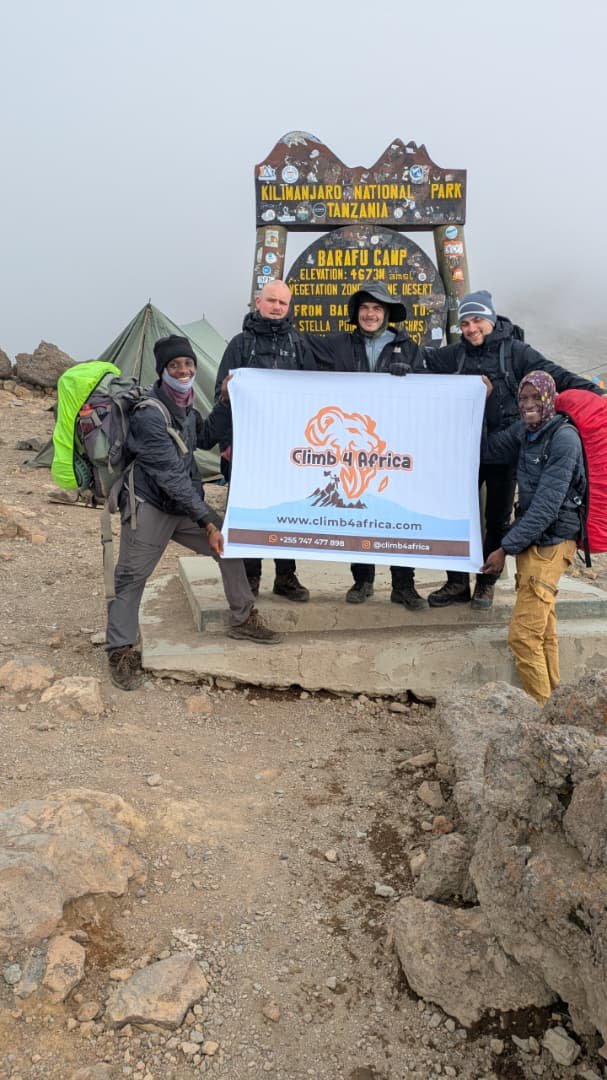
How Much Should I Tip My Kilimanjaro Crew In ? 2026-2027
Understand the essential tipping guidelines for your Kilimanjaro expedition. This guide provides clear recommendations for tipping your dedicated crew, ensuring fair compensation and...
View package details
Does The Kilimanjaro Price Include Tips? Understanding Porter & Guide
Climbing Mount Kilimanjaro is a dream for many, but understanding the full cost, including essential tips for your support crew, is crucial for proper budgeting. This guide clarifies...
View package details
Does The Kilimanjaro Price Include Climbing Equipment? Your Guide 2026-2027
Your Kilimanjaro climb price may or may not include all essential climbing equipment. Understanding what's provided versus what you need to source yourself is crucial for a successful and...
View package detailsDoes The Kilimanjaro Price Include Meals? A Comprehensive Guide For Climbers
Climbers often ask if the price of a Kilimanjaro trek covers meals. This guide details what to expect, focusing on inclusions and exclusions to help you plan your 2026-2027 expedition.
View package details
Does The Kilimanjaro Price Include Hotel Accommodation? Your Guide 2026-2027
Clarifying whether your Kilimanjaro trek package price covers hotel stays is crucial for accurate budgeting and planning your adventure for 2026-2027. Most reputable operators include...
View package details
Does The Kilimanjaro Price Include Airport Transfers? Your Guide 2026-2027
Understand whether your Kilimanjaro climb price typically includes airport transfers. This guide breaks down common inclusions and what to expect from operators like Climb 4 Africa for your...
View package detailsNo related package matches those filters. Clear one or more filters to see the other topic-matched options.



