Most Kilimanjaro climbing prices do not include international flights, visa fees, travel insurance, personal climbing gear, tips for guides and porters, vaccinations, and personal expenses like souvenirs or extra snacks. Understanding these common exclusions is vital for accurate budgeting for your 2026-2027 trek.
Understanding the True Cost of Climbing Kilimanjaro: Beyond the Package Price
Planning a Kilimanjaro climb is an exhilarating prospect, a bucket-list achievement for many adventurers. When you start researching tour operators for your 2026 or 2027 expedition, you’ll likely be presented with a range of prices. While many operators offer comprehensive packages designed to cover the essentials of the climb itself, it’s crucial to look beyond the headline figure. What is not included in most Kilimanjaro climbing prices can significantly impact your overall budget and preparation. Overlooking these common exclusions can lead to unexpected expenses and stress during your trip.
At Climb 4 Africa, we believe in transparency. We want you to have a clear picture of all potential costs involved in your Kilimanjaro adventure, from the moment you start planning until you descend the mountain. This detailed guide will break down the typical items that are frequently excluded from standard Kilimanjaro climbing packages, helping you make informed decisions for your 2026-2027 trek and ensuring you’re fully prepared.
International Flights: The First Major Exclusion
Perhaps the most significant and obvious item not included in most Kilimanjaro climbing prices is international airfare. Tour operators base their climbing package prices on services provided on the ground in Tanzania. This means the cost of your flight from your home country to Kilimanjaro International Airport (JRO) is almost universally an additional expense. This is logical, as flight prices vary dramatically based on your departure city, the time of year you book, airline choice, and how far in advance you secure your ticket. For 2026-2027 travel, booking flights well in advance is highly recommended to secure better fares.
When budgeting, consider that flights to Tanzania can range anywhere from $800 to $2,000+ USD, depending heavily on your origin. It’s essential to factor this into your total trip cost early in your planning process. Many travelers combine their Kilimanjaro climb with a safari or a Zanzibar beach holiday, and flight costs can sometimes be consolidated or influenced by multi-destination bookings.
Visa Requirements and Fees
Entry into Tanzania requires a visa for most nationalities. The cost and process for obtaining a visa are typically not included in Kilimanjaro climbing packages. Depending on your nationality and how you choose to obtain your visa (e.g., online in advance, on arrival), the fee can vary. As of recent information, a typical tourist visa for Tanzania costs around $50 – $100 USD. It is advisable to check the latest visa requirements and fees for your specific country of citizenship with the Tanzanian embassy or consulate in your home country well before your planned 2026-2027 climb.
Some operators might offer assistance with visa applications, but the fee itself is an out-of-pocket expense. Planning this early ensures you meet all entry requirements without last-minute complications.
Travel Insurance: A Non-Negotiable Exclusion
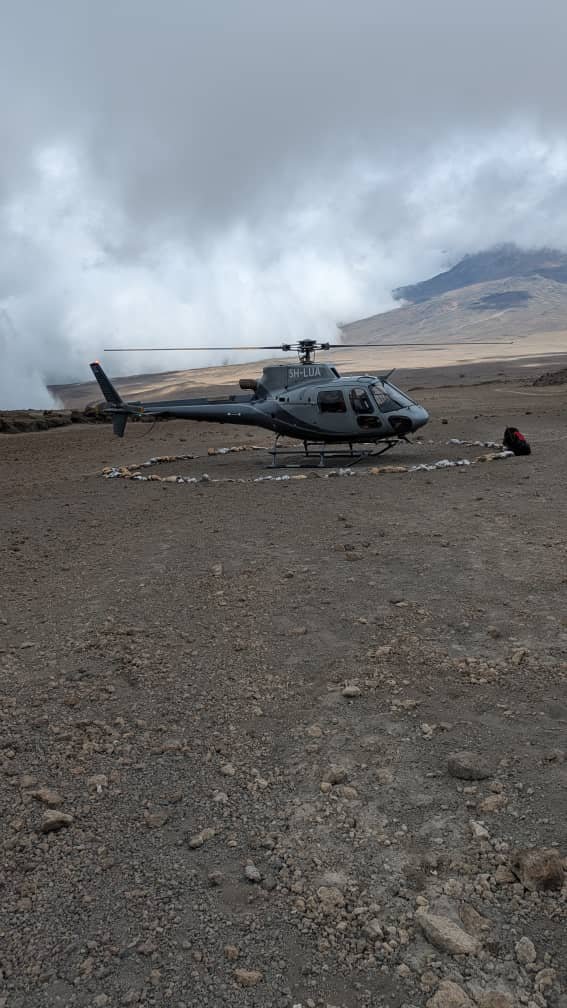
Comprehensive travel insurance is a critical component of any international trip, especially one involving high-altitude trekking like Kilimanjaro. However, it is almost never included in Kilimanjaro climbing prices. This type of insurance should cover medical emergencies, evacuation (including helicopter rescue if necessary), trip cancellation, lost luggage, and personal liability. The high altitude and remote nature of Kilimanjaro mean that evacuation can be a substantial cost, which is why robust insurance is paramount.
Expect to pay anywhere from $100 to $500+ USD for a suitable policy, depending on your age, the duration of your trip, the level of coverage, and the provider. Many operators will require proof of adequate travel insurance that specifically covers high-altitude trekking and emergency evacuation up to a certain elevation (often 6,000 meters, the summit of Kilimanjaro). Research and purchase your policy well in advance of your 2026-2027 climb.
Personal Climbing Gear: Equipping Yourself for the Summit
While tour operators provide essential safety equipment, tents, sleeping mats, cooking gear, and food, they do not supply your personal clothing and specialized equipment. This means you’ll need to purchase or rent items such as:
- High-quality waterproof and windproof outer layers (jacket and trousers)
- Insulated mid-layers (fleece or down jackets)
- Thermal base layers (merino wool or synthetic)
- Warm hat and gloves (multiple pairs, including waterproof and insulated options)
- Sun hat and sunglasses
- Sturdy, broken-in hiking boots
- Comfortable camp shoes or sandals
- High-altitude sleeping bag (rated to -10°C or -20°C)
- Headlamp with extra batteries
- Trekking poles
- Water bottles or hydration reservoir
- Sunscreen and lip balm (high SPF)
- Personal first-aid kit
The cost of acquiring this gear can range significantly. You might spend anywhere from $500 to $1,500+ USD if buying new. Many climbers opt to rent some of the more expensive items, like high-altitude sleeping bags or down jackets, from their tour operator or local rental shops in Moshi or Arusha. This can save money but requires careful selection to ensure quality and fit. Ensure any gear you plan to use for your 2026-2027 trek is tested and comfortable before you leave home.
Tipping Your Expedition Crew: A Significant Additional Cost
Tipping the guides, assistant guides, chef, and porters is a customary and essential part of the Kilimanjaro climbing culture. It forms a significant portion of their income. While some operators provide suggested tipping guidelines, the actual amount is not included in the initial climbing price. This is often one of the largest single additional costs for a climber.
Tipping is usually done in cash at the end of the trek in Moshi. The total amount can range from $250 to $400+ USD per climber, depending on the crew size, the length of the trek, and the generosity of the climber. Climb 4 Africa provides clear tipping guidelines to help you budget accurately for this important aspect of your expedition. These guidelines are typically calculated based on the number of days and the number of crew members.
Example Tipping Structure (Per Climber, per Day – check with operator for specifics):
Note on Tipping: These are estimates and can vary. Always confirm the recommended tipping amounts with your specific tour operator. Tipping is usually pooled and distributed amongst the crew.
| Crew Member | Suggested Daily Tip (USD) | Total for 7-Day Climb (Approx.) |
|---|---|---|
| Lead Guide | $20 – $25 | $140 – $175 |
| Assistant Guide(s) | $15 – $20 (per guide) | $105 – $140 (for 1-2 assistants) |
| Chef | $15 – $20 | $105 – $140 |
| Porters | $10 – $15 (per porter) | $100 – $200+ (for 2-3 porters per climber) |
| Total Estimated Range | $450 – $655+ (per climber) |
Please note: The above table is a general guideline. Exact amounts should be confirmed with your operator. The total cost for porters can be higher as there are often 2-3 porters for every climber to carry group gear and personal bags.
Vaccinations and Medications
Consulting a travel doctor or clinic for necessary vaccinations and malaria prophylaxis is essential before traveling to Tanzania. Costs for these medical preparations are not included in climbing prices. Depending on your home country and the specific recommendations, this could add $100 to $400+ USD to your expenses.
Commonly recommended vaccinations include Hepatitis A, Typhoid, Tetanus, and potentially Yellow Fever (depending on your travel itinerary and entry requirements). Malaria prevention medication is also frequently advised for the lower altitudes. Your doctor will provide personalized advice for your 2026-2027 trip.
Personal Expenses and Incidentals
Beyond the main costs, there are numerous personal expenses that are typically not covered. These can add up and should be factored into your budget:
- Snacks and extra drinks: While meals are provided on the mountain, you might want to purchase energy bars, chocolate, or electrolyte powders to supplement your diet. Bottled water at hotels or in towns is also an extra cost.
- Souvenirs: If you wish to buy local crafts, clothing, or gifts, this is a personal expense.
- Pre- and post-climb accommodation: While some packages might include a night or two before and after the climb, often this is an additional cost, especially if you extend your stay in Tanzania.
- Laundry services: If you need to wash clothes in towns or hotels.
- Communication costs: Purchasing a local SIM card or using hotel Wi-Fi for calls and data.
- Gratuities for hotel staff or drivers (if applicable outside the climb).
A reasonable estimate for personal expenses might be anywhere from $100 to $300+ USD, depending on your spending habits.
Park Entrance Fees and Rescue Fees (Sometimes Excluded)
This is a crucial point of variation between operators. While most reputable operators include all national park entrance fees, conservation fees, crater service fees (if applicable), and rescue fees in their quoted prices, some budget operators might list these separately. These fees are substantial, contributing significantly to the overall cost of the climb.
For a standard 7-day climb, these fees can amount to over $1,000 USD per person. Always verify if park fees are included in the price you are quoted for your 2026-2027 expedition. Climb 4 Africa ensures that all mandatory park fees and rescue fees are clearly itemized and included in our transparent pricing structure.
Emergency Fund / Contingency
It’s always wise to have a contingency fund for unforeseen circumstances. While not a direct exclusion from a package price, it’s an essential part of your overall budget. This could cover anything from lost items to unexpected medical needs not fully covered by insurance, or simply a desire for a more comfortable hotel room than originally planned.
A recommended buffer is an additional $200 – $500 USD.
What is Typically Included in Kilimanjaro Climbing Prices?
To provide a balanced view, it’s helpful to understand what you *can* expect to be included in a reputable Kilimanjaro climbing package for 2026-2027. This typically covers:
- Park Entrance Fees: As mentioned, usually included by good operators.
- Accommodation: Camping on the mountain in high-quality tents. Some packages might include a hotel night before and after the climb.
- Meals: All meals (breakfast, lunch, dinner) prepared by a dedicated chef on the mountain, often including snacks and purified water.
- Crew: Salaries for experienced, licensed guides, assistant guides, chefs, and porters.
- Equipment: Tents (sleeping and dining), sleeping mats, cooking equipment, tables, and chairs for dining.
- Safety Equipment: First-aid kits, oxygen cylinders (for emergencies), and communication equipment (like satellite phones or radios).
- Water: Purified drinking water throughout the trek.
- Transfers: Transportation from Moshi/Arusha to the park gate and back to Moshi/Arusha after the climb.
- Briefings: Pre-climb briefings in Moshi.
Comparing Operator Inclusions for 2026-2027 Treks
The differences in what is included (and excluded) are often how operators differentiate their pricing. Budget operators might cut costs by:
- Using fewer porters (leading to longer, more strenuous days for them and potentially impacting crew welfare).
- Providing lower-quality or less equipment.
- Having less experienced guides.
- Not including certain fees (like rescue fees or park fees, which should be clearly stated).
- Offering less food or lower-quality food.
When comparing quotes for your 2026 or 2027 Kilimanjaro climb, always ask for a detailed breakdown of inclusions and exclusions. Don’t just compare the final price. A slightly higher price that includes more essential services and better crew welfare standards is often a better investment for your safety and enjoyment.
Key Questions to Ask Your Kilimanjaro Operator:
- Are all national park fees, conservation fees, and rescue fees included?
- What is the ratio of guides to climbers? What about porters?
- What type of equipment is provided (tents, sleeping bags, mats)?
- What is the policy on emergency oxygen and medical support?
- Do you provide recommended tipping guidelines, and is there a suggested total amount?
- What meals are provided on the mountain? Are snacks included?
- What is the policy on pre- and post-climb accommodation?
- Are transfers to and from the mountain included?
- Do you offer gear rental? What is the cost and quality?
Route-Specific Exclusions and Considerations
While the general exclusions apply across all routes, specific routes might have additional considerations:
- Crater Camp: For routes like Stella Point or Gilman’s Point on Marangu, or for those who opt to stay overnight in the crater on other routes (a rare but possible add-on), there might be additional fees or specific gear requirements not covered in standard packages.
- Longer Treks: For routes like the Northern Circuit (9 days) or the Lemosho route (7-8 days), the overall park fees are higher due to the longer duration, and this cost is usually built into the package price. However, ensure this is clarified.
Budgeting for Your 2026-2027 Kilimanjaro Climb: A Summary
To help you visualize the potential additional costs beyond the advertised climbing price, here’s a summary:
Estimated Additional Costs for a Kilimanjaro Climb (Per Person):
- International Flights: $800 – $2,000+
- Tanzania Visa: $50 – $100
- Travel Insurance (with evacuation): $100 – $500+
- Personal Gear Purchase/Rental: $500 – $1,500+ (if buying new)
- Tips for Crew: $250 – $400+
- Vaccinations & Medications: $100 – $400+
- Personal Expenses (snacks, souvenirs, etc.): $100 – $300+
- Pre/Post-Climb Accommodation (if extra): $50 – $200+ (per night)
- Contingency Fund: $200 – $500+
Total Estimated Additional Costs: $2,150 – $5,700+ USD (excluding flights, which can be highly variable)
This breakdown illustrates why it’s crucial to get a full picture. A climb that appears to cost $2,000 might end up costing $4,500 or more once all these elements are factored in. At Climb 4 Africa, we strive to be upfront about what our prices include, ensuring you can plan your 2026-2027 Kilimanjaro adventure with confidence and clarity.
Making the Right Choice for Your 2026-2027 Kilimanjaro Expedition
Choosing a tour operator for your Kilimanjaro climb is a significant decision. While cost is a factor, it should not be the only one. Understanding what is not included in most Kilimanjaro climbing prices allows you to compare operators more effectively and ensures you select a company that prioritizes your safety, comfort, and the well-being of its crew.
Look for operators who:
- Provide detailed itineraries with clear inclusions and exclusions.
- Have a strong safety record and experienced guides.
- Demonstrate fair treatment and ethical employment practices for their crew (e.g., porter welfare policies).
- Offer good quality equipment and food.
- Are transparent about all potential costs, including recommended tipping amounts.
By carefully considering these factors and budgeting for the common exclusions, you can ensure your Kilimanjaro climb in 2026 or 2027 is a successful and memorable experience, without any unwelcome financial surprises.
For a detailed quote and to discuss your specific needs for a 2026-2027 Kilimanjaro climb, safari, or Zanzibar holiday, please contact Climb 4 Africa. We are dedicated to providing expert advice and practical local support for your African adventure. Reach us via WhatsApp at +255 747 477 898 or email us at climb4africa@gmail.com.
Check Availability for What Is Not Included In Most Kilimanjaro Climbing Prices? Guide 2026-2027
Ready to compare dates, prices, and the best option for your group? Send the package name and travel month so the team can reply with a clear quote, availability, and what is included.

What Is Included In A Kilimanjaro Climbing Package? Guide
A detailed 2026-2027 guide to What Is Included in a Kilimanjaro Climbing Package?, with clear planning and booking information for travelers.
View package details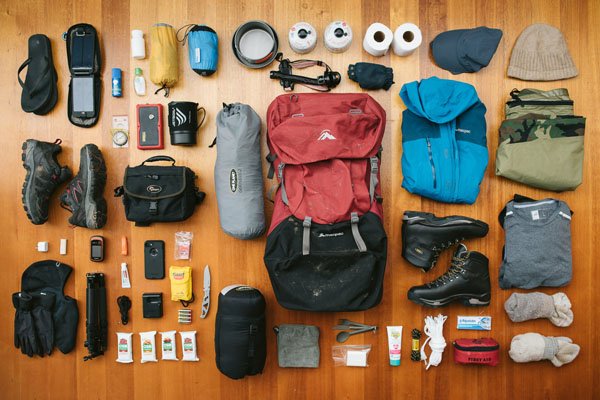
Is Emergency Oxygen Included In Kilimanjaro Climbing Price? Climb 4 Africa
Climb 4 Africa clarifies whether emergency oxygen is part of the standard Kilimanjaro climbing package price, detailing what's typically included and why it's crucial for safety on the...
View package detailsWhat Is The Cheapest Kilimanjaro Climbing Package? 2026-2027
What is the cheapest Kilimanjaro climbing package? is explained with current 2026-2027 planning, price, itinerary and booking information.
View package details
Climbing Kilimanjaro In December : Prices, Weather & Group Dates 2026-2027
Discover everything you need to know about climbing Kilimanjaro in December, including pricing, weather patterns for 2026-2027, and curated group departure dates. Climb 4 Africa provides...
View package details
Climbing Kilimanjaro In October: Prices, Weather & Group Dates For 2026-2027
October offers a unique window for climbing Kilimanjaro, bridging the end of the dry season with the start of cooler temperatures. This guide details everything you need to know about...
View package details
Climbing Kilimanjaro In September : Prices, Weather & Group Dates 2026-2027
September offers a fantastic window for climbing Mount Kilimanjaro, blending dry weather with moderate temperatures. This guide covers everything you need to know about climbing Kilimanjaro...
View package details
Climbing Kilimanjaro In August: Prices, Weather & Group Dates 2026-2027
Climbing Kilimanjaro in August: Prices, Weather & Group Dates is explained with current 2026-2027 planning, price, itinerary and booking information.
View package details
Climbing Kilimanjaro In July: Prices, Weather & Group Dates 2026-2027
Climbing Kilimanjaro in July: Prices, Weather & Group Dates is explained with current 2026-2027 planning, price, itinerary and booking information.
View package detailsClimbing Kilimanjaro In June: Prices, Weather & Group Dates 2026-2027
June offers a prime window for climbing Mount Kilimanjaro, balancing good weather with fewer crowds than the peak dry season. This guide details June's specific weather patterns, typical...
View package details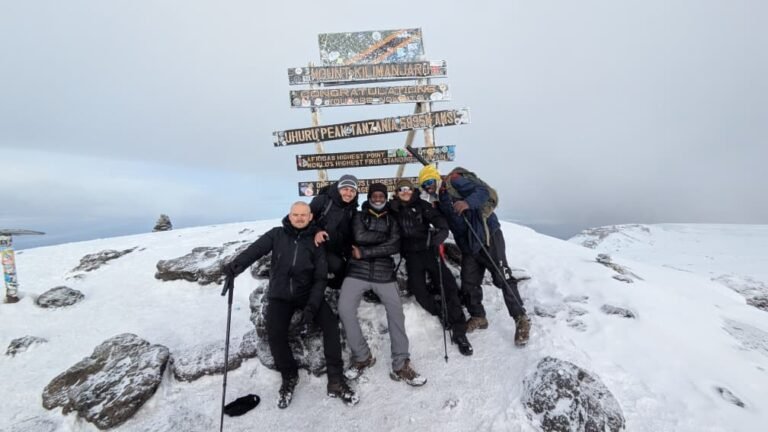
Climbing Kilimanjaro In February: Prices, Weather & Group Dates For 2026-2027
Discover everything you need to know about climbing Kilimanjaro in February, including expected weather patterns, typical costs for 2026-2027, and how to find suitable group departure...
View package details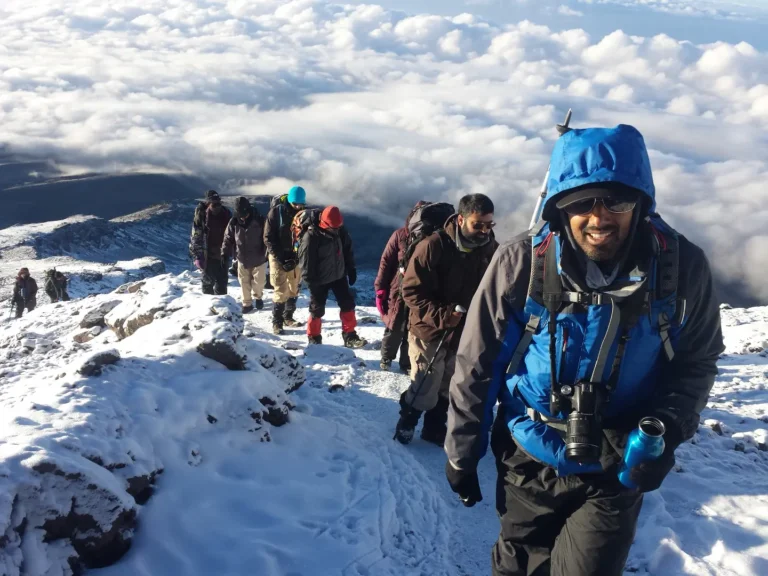
Climbing Kilimanjaro In January: Prices, Weather & Group Dates 2026-2027
Climbing Kilimanjaro in January: Prices, Weather & Group Dates is explained with current 2026-2027 planning, price, itinerary and booking information.
View package details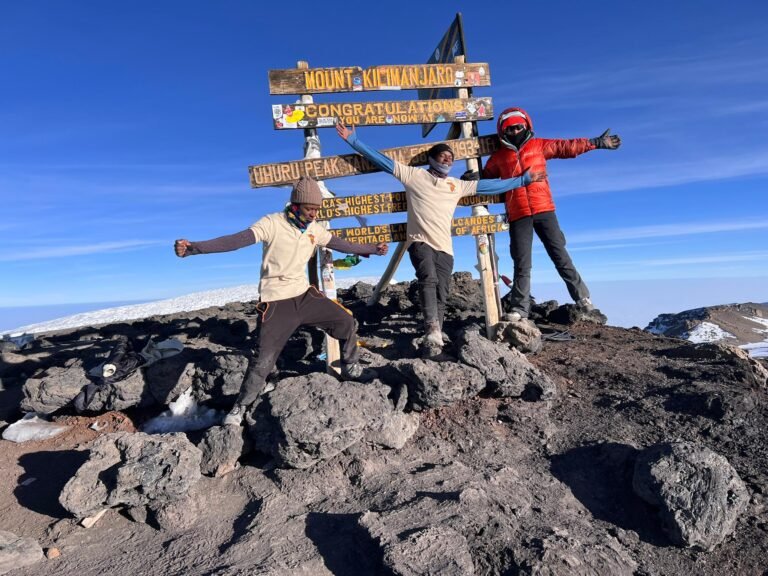
Can I Change My Kilimanjaro Climbing Date After Paying A Deposit? | Climb 4
Planning a Kilimanjaro climb is a significant undertaking, and sometimes life circumstances require adjusting your booked dates. If you've paid a deposit for your Kilimanjaro trek and need...
View package detailsNo related package matches those filters. Clear one or more filters to see the other topic-matched options.



