
The core difference between cheap and expensive Kilimanjaro operators lies in the quality of safety standards, guide and porter experience, equipment, food, and overall operational support, which directly impacts your health, safety, and chances of summit success. Cheaper operators often cut corners on essential aspects like adequate oxygen, medical kits, guide training, porter welfare, and reliable equipment, leading to increased risks. Conversely, more expensive operators invest in these critical areas, ensuring a safer, more comfortable, and ultimately more successful climb for trekkers planning their Kilimanjaro adventure in 2026 or 2027.
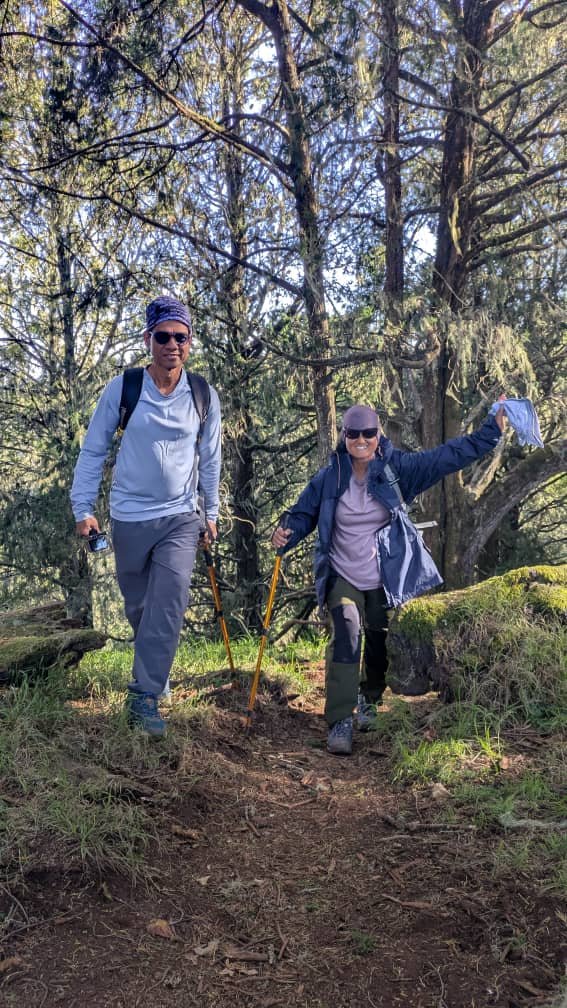
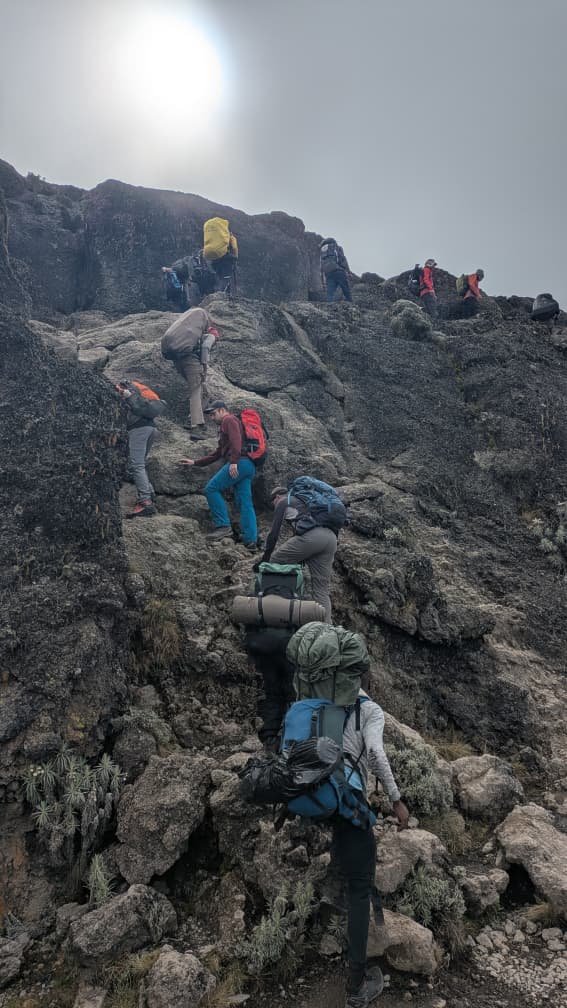
Understanding the Price Spectrum for Kilimanjaro Treks
Mount Kilimanjaro, the Roof of Africa, is a dream destination for many. However, the cost of reaching its summit can vary dramatically between tour operators. This significant price difference often leaves prospective climbers confused and concerned: what exactly are you paying for when you choose a premium operator over a budget option, and what are the true risks of opting for the cheapest deals for your 2026-2027 expedition?
The allure of a cheaper climb is undeniable. Many travelers look for ways to manage their adventure budgets, and Kilimanjaro is no exception. Yet, when it comes to a high-altitude trek like Kilimanjaro, the mantra “you get what you pay for” is particularly relevant, and often, critically so. Understanding the nuances between cheap and expensive Kilimanjaro operators is paramount for a safe, enjoyable, and successful ascent. This detailed guide aims to demystify these price discrepancies, helping you make an informed decision for your climb, whether you’re planning for late 2026 or early 2027.
The True Cost of “Cheap”: Where Corners Are Cut
When an operator offers a Kilimanjaro climb at a significantly lower price point than the industry average, it’s crucial to scrutinize where those savings are being made. These are not typically areas where cutting costs leads to minor inconveniences; instead, they often involve compromising on the very elements that ensure climber safety, well-being, and a higher probability of reaching the summit.
1. Safety Protocols and Medical Preparedness
Safety on Kilimanjaro is non-negotiable. High altitude presents significant physiological challenges, and being prepared for emergencies is vital. This is often the first area where budget operators economize.
- Oxygen Supply: Reputable operators carry supplementary oxygen for emergencies. Cheaper outfits might carry less, or none at all, seeing it as an unnecessary expense.
- Medical Kits: Comprehensive medical kits, including specific medications for altitude sickness (like Diamox) and first aid supplies, are standard for premium operators. Budget providers may have rudimentary kits, or rely solely on guides’ personal supplies.
- Emergency Evacuation: While not always included in the base price, established operators have robust relationships with evacuation services and understand the protocols. Budget operators might be less equipped to handle or coordinate rapid evacuations.
- Guide Training and Certification: Experienced guides are trained in high-altitude medicine, wilderness first aid, and rescue techniques. Cheaper operators might hire less experienced guides who lack formal certifications or sufficient training, increasing risk in critical situations.
2. Guide and Porter Welfare and Experience
The backbone of any Kilimanjaro climb is its support crew: the guides, assistant guides, and porters. Their well-being and expertise directly influence your experience and safety.
- Fair Wages and Working Conditions: Ethical operators pay their staff fair wages, provide adequate food, water, and shelter on the mountain, and ensure reasonable working hours. This is often a significant cost factor. Budget operators may exploit porters by underpaying them, providing insufficient food, or forcing them to carry excessively heavy loads, leading to exhaustion, poor morale, and increased accident risk.
- Guide-to-Client Ratios: Higher-priced operators often maintain lower client-to-guide ratios, ensuring more personalized attention and quicker response to any issues.
- Experience and Skill Level: Experienced guides know the mountain intimately, can read the signs of altitude sickness, manage pacing, and make critical decisions. Hiring less experienced staff is a common cost-saving measure for budget operators.
3. Equipment Quality and Maintenance
The gear used on Kilimanjaro must withstand harsh conditions, from freezing nights to unpredictable weather.
- Tents: High-quality, four-season tents are essential for comfort and protection. Budget operators might use older, less robust tents that offer less insulation and are more prone to damage.
- Sleeping Mats and Bags: Proper insulation is crucial. Cheaper operators might provide thinner mats or sleeping bags rated for milder temperatures, leading to uncomfortable, cold nights that can impact acclimatization.
- Cooking Equipment: Reliable stoves and cooking gear are necessary for preparing hot meals.
- General Gear: This includes everything from ropes and oxygen systems to first-aid equipment. Regular maintenance and replacement of worn-out gear are costly but vital for safety.
4. Food and Hydration
Proper nutrition and hydration are critical for energy and acclimatization on Kilimanjaro.
- Quality and Variety: Reputable operators provide nutritious, varied meals prepared by experienced cooks. They understand the caloric needs of climbers at altitude.
- Hygiene Standards: Maintaining high hygiene standards in food preparation is essential to prevent illness, which can be debilitating on the mountain.
- Quantity: Ensuring sufficient food and clean drinking water (often boiled or purified) is a priority for responsible operators. Budget operators may skimp on ingredients or fail to provide adequate quantities, impacting climber energy levels and recovery.
5. Route Choice and Itinerary Design
While all operators offer the main routes, the way they structure the itinerary and the specific route variations can impact success rates and experience.
- Acclimatization: Longer itineraries with more gradual ascents (e.g., 7-8 days on Lemosho or Machame) significantly increase summit success rates and reduce the risk of altitude sickness. Cheaper operators often push for shorter, faster itineraries (5-6 days) to reduce costs and turnaround time, which is riskier and less enjoyable.
- Park Fees and Permits: All operators must pay national park fees. Cheaper operators might try to circumvent these, or use older, less official campsites, which can lead to issues with park authorities.
What Expensive Kilimanjaro Operators Offer (and Why It Matters)
Higher-priced Kilimanjaro operators distinguish themselves by prioritizing the climber’s well-being, safety, and overall experience. Their investment in critical areas translates directly into a more reliable and enjoyable expedition. For your 2026-2027 climb, understanding these offerings can justify the additional cost.
1. Uncompromising Safety Standards
This is the cornerstone of premium operators. They invest heavily in:
- Mandatory Oxygen Systems: Carrying multiple portable oxygen cylinders for emergency use, along with trained personnel to administer them.
- Comprehensive Medical Kits and Training: Equipped with advanced medical supplies and ensuring all lead guides are certified in Wilderness First Responder (WFR) or equivalent, with regular refresher courses.
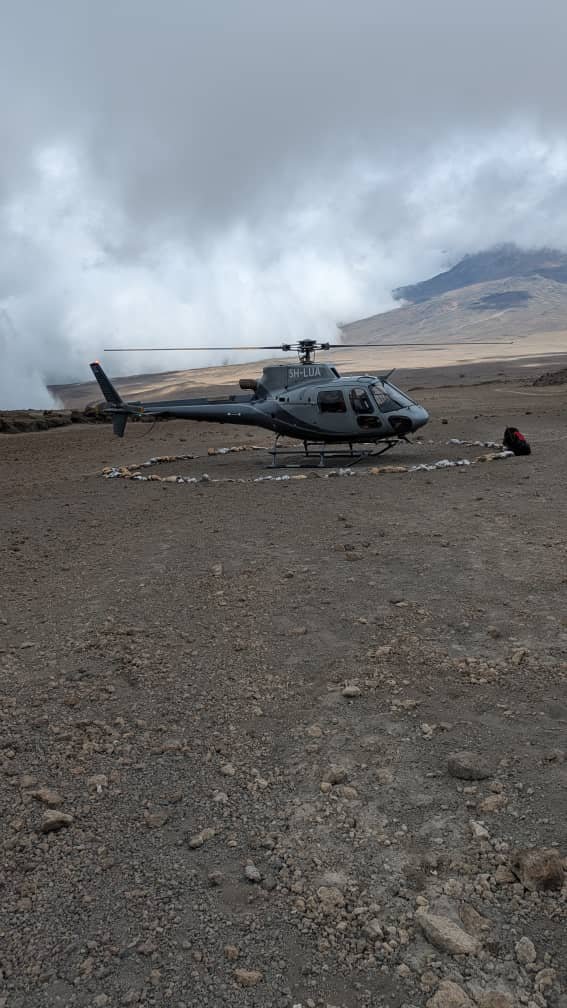
- Emergency Evacuation Plans: Pre-arranged contracts with reliable air evacuation services (like Kilimanjaro Rescue Services or Flying Doctors) and clear protocols for immediate response.
- Real-time Monitoring: Some operators use pulse oximeters and heart rate monitors to track climber vitals, allowing for early detection of altitude-related issues.
2. Professional, Well-Treated Crew
Ethical treatment and professional development of guides and porters are a hallmark of responsible, higher-cost operators.
- Fair Wages and Tips: Adherence to the Kilimanjaro Porters Assistance Project (KPAP) guidelines or similar ethical standards, ensuring porters are paid well and treated with respect. This includes providing them with adequate food, warm clothing, and proper shelter.
- Experienced and Certified Guides: Hiring guides with extensive experience on Kilimanjaro, advanced medical certifications, and strong leadership skills. They often have lower client-to-guide ratios.
- Porter Support and Weight Limits: Strictly adhering to weight limits for porters to prevent overexertion and ensure their health and safety.
3. High-Quality Equipment and Gear
Comfort and reliability on the mountain are significantly enhanced by superior equipment.
- Durable Tents: Using robust, four-season tents designed to withstand extreme weather, providing warmth and protection.
- Comfortable Sleeping Gear: Providing high-quality, temperature-rated sleeping bags and thick, insulated sleeping mats for a good night’s rest, crucial for recovery and acclimatization.
- Reliable Cooking Gear: Modern, efficient stoves and well-maintained cooking equipment ensure hot meals are prepared quickly and safely.
- Personal Gear Provision (Optional): Some operators may offer rental of high-quality gear like down jackets or sleeping bags, ensuring clients don’t have to purchase expensive items for a single trip.
4. Superior Food and Hydration
Nutrition is a key factor in maintaining energy and acclimatization.
- Nutritious and Varied Menus: Chefs trained in mountain cuisine prepare balanced, high-energy meals, often with options to cater to dietary needs (vegetarian, vegan, gluten-free, etc.).
- Generous Portions and Snacks: Ensuring climbers receive ample food and high-energy snacks throughout the day.
- Safe Water: Providing safe drinking water, typically through boiling or advanced purification methods, and ensuring constant availability.
5. Optimized Itineraries for Success
Premium operators design itineraries with acclimatization as the highest priority.
- Longer Routes: They strongly recommend and predominantly use longer routes (7-9 days) like Lemosho, Machame, or Northern Circuit, which offer better acclimatization profiles and significantly higher summit success rates.
- Flexibility: Being prepared to adjust the itinerary based on the group’s condition, rather than rigidly adhering to a schedule.
- Ethical Park Fee Payment: Ensuring all park fees and permits are paid correctly and promptly, guaranteeing a smooth experience with park authorities.
Key Takeaway: Safety vs. Savings
When comparing Kilimanjaro operators for your 2026-2027 climb, remember that the cheapest options often compromise on safety, crew welfare, and equipment quality. While the price tag is tempting, the potential risks to your health and success are substantial. A mid-range to higher-priced operator represents a significant investment in your well-being and the likelihood of achieving your summit goal.
Factors Influencing Kilimanjaro Operator Pricing
Several factors contribute to the cost differences between Kilimanjaro tour operators. Understanding these elements helps justify why some companies charge more than others, and why it’s often a reflection of the service quality provided.
1. Company Structure and Overhead
- Local vs. International Operators: International operators often have higher overheads due to marketing, office staff, and international payment processing fees. Local operators, when well-established and ethically run, can sometimes offer more competitive pricing while maintaining high standards. However, beware of very small, unregistered local outfits that may not have the necessary infrastructure or safety protocols.
- Staff-to-Client Ratio: Companies that employ more guides, assistant guides, cooks, and porters per client, or maintain a lower client-to-guide ratio, incur higher labor costs.
- Investment in Training and Certification: Ongoing training for guides and staff, maintaining certifications, and ensuring adherence to international safety standards all represent significant operational costs.
2. Staff Wages and Welfare
- Fair Labor Practices: As mentioned, paying fair wages, providing adequate food, and ensuring proper gear for guides and porters is a major cost. Ethical operators often work with organizations like KPAP to ensure these standards are met.
- Porter Weight Limits: Adhering to strict, safe weight limits for porters means more porters are needed for the same amount of gear, increasing labor costs.
3. Equipment and Infrastructure
- Quality of Gear: Investing in durable, high-quality tents, sleeping bags, mats, and cooking equipment that are regularly maintained or replaced is expensive.
- Logistics and Support: Maintaining a fleet of reliable vehicles for transfers, stocking adequate supplies of food and fuel, and having robust communication systems all add to operational costs.
4. Safety and Emergency Provisions
- Oxygen Systems: The cost of purchasing, maintaining, and stocking supplementary oxygen cylinders and regulators.
- Medical Supplies: Maintaining comprehensive, up-to-date medical kits and emergency pharmaceuticals.
- Insurance and Evacuation Contracts: The cost of comprehensive insurance for staff and securing reliable, potentially pre-paid, emergency evacuation services.
5. Itinerary Length and Route
- Days on the Mountain: Longer itineraries naturally cost more due to increased park fees, guide/porter wages, food, and logistics for each additional day. However, these longer routes are crucial for acclimatization and success.
- Route Popularity and Logistics: Some routes are more logistically complex or have higher park fees, influencing the overall cost.
6. Inclusions and Exclusions
What is included in the quoted price can drastically alter the final cost.
- Park Fees: These are mandatory and can be a significant portion of the total cost. Reputable operators will always include these.
- Accommodation: Pre- and post-climb hotel stays can be included or excluded.
- Gear Rental: Some operators include the rental of essential gear like sleeping bags or poles, while others charge extra.
- Tips: While not always included, some operators provide guidelines or even include a set amount for tips, which can be a substantial cost for climbers.
- Transfers: Airport and hotel transfers are usually included.
- Water and Meals: Ensuring sufficient, high-quality food and clean drinking water is covered.
Comparing Specific Cost Factors: A Deeper Dive
To truly understand the cheap vs. expensive Kilimanjaro operators dilemma, let’s break down specific components that contribute to the price difference. For planning your 2026-2027 trip, this granular view is essential.
Park Fees and Royalties
These are non-negotiable government charges for entering Kilimanjaro National Park. They are a substantial part of any operator’s cost. For 2026-2027, these fees are subject to change, but they typically include:
- Kilimanjaro National Park Entry Fee: Per person, per day.
- Crater Camp Fee: For routes that camp in the crater.
- Rescue Fee: A mandatory fee for emergency services.
- Camping/Hut Fees: Depending on the route and campsites used.
Reputable operators will always include these fees in their quotes. Very cheap operators might try to use cheaper, less official campsites or omit certain fees, which can lead to problems with park rangers and potential fines or expulsion from the mountain.
Guide and Porter Wages
The Kilimanjaro Porters Assistance Project (KPAP) has set standards for fair wages and working conditions for porters and guides. Adhering to these standards significantly increases an operator’s costs.
- KPAP Standards: This includes a minimum daily wage, provision of food, warm clothing, and ensuring porters are not overburdened (usually a maximum of 15kg of personal gear plus their share of group equipment).
- Non-KPAP Operators: Cheaper operators often do not follow KPAP guidelines, leading to lower wages, less food, and poorer conditions for their crew. This is an ethical concern and also impacts the crew’s morale and physical ability, indirectly affecting your climb.
Ethical operators will proudly state their adherence to KPAP or similar fair-wage policies.
Food Quality and Quantity
Nutritious food is fuel for the climb. Higher-priced operators invest in:
- Variety and Nutrition: Offering diverse, balanced meals prepared by trained cooks. Think hot breakfasts, packed lunches with substantial options, and multi-course dinners.
- Hygiene: Strict hygiene practices to prevent foodborne illnesses.
- Ample Supply: Ensuring there is always enough food and water for everyone.
Budget operators might opt for cheaper ingredients, simpler meals, and potentially less food, which can leave climbers feeling weak and struggling to acclimatize.
Equipment Standards
The difference in equipment quality can be stark:
- Tents: High-quality, 4-season tents vs. older, potentially leaky 3-season tents.
- Sleeping Bags: Bags rated for -10°C to -20°C vs. bags rated for 0°C or warmer.
- Sleeping Mats: Thick, insulated mats vs. thin foam pads.
- Cooking Gear: Efficient, reliable stoves vs. older, less reliable models.
Investing in good equipment is an investment in comfort and warmth, which are crucial for rest and recovery.
Safety Equipment and Training
This is where the stakes are highest.
- Oxygen: Carrying sufficient portable oxygen cylinders and regulators.
- Medical: Comprehensive medical kits, including prescription medications, and guides trained in high-altitude medicine.
- Communication: Reliable communication devices like satellite phones or radios for emergencies.
Operators who skimp here are gambling with climber lives.
Itinerary Length and Acclimatization
The most successful routes are longer, allowing for gradual acclimatization. These routes require more days, thus increasing costs.
- 5-6 Day Itineraries (e.g., Marangu, shorter Machame/Lemosho): These are often pushed by budget operators to cut costs. They have significantly lower summit success rates (often below 40-50%) and a higher risk of severe altitude sickness.
- 7-9 Day Itineraries (e.g., Machame, Lemosho, Northern Circuit): These routes offer a much better “climb high, sleep low” profile, allowing the body to acclimatize effectively. Success rates on these routes can be 80-90% or higher.
A longer itinerary for your 2026-2027 climb is a direct investment in your success and safety.
Route Choice: How It Affects Price and Experience
The route you choose on Kilimanjaro isn’t just about the scenery; it also impacts the cost and, critically, your acclimatization and chances of success. Cheaper operators might steer you towards shorter, less optimal routes to save money, while more expensive, ethical operators will guide you toward routes that prioritize safety and success.
Popular Routes and Their Cost Implications
- Marangu Route (Coca-Cola Route): Often the cheapest due to its shorter duration (5-6 days) and use of huts instead of tents. However, its rapid ascent profile leads to poor acclimatization and low summit success rates. Not recommended by quality operators for 2026-2027 climbs if success is a priority.
- Machame Route (Whiskey Route): A popular 6-7 day route. A 7-day Machame is significantly better for acclimatization than a 5-day Marangu. Higher-priced operators will almost exclusively offer the 7-day version.
- Lemosho Route: Generally considered one of the best routes, offering excellent acclimatization over 7-8 days. It’s more expensive due to its longer duration and the logistical complexity of reaching the starting point.
- Northern Circuit: The longest route (9-10 days), offering the best acclimatization and highest success rates. It’s typically the most expensive due to its duration and remote nature.
- Rongai Route: Approaches from the north, good for drier conditions. Usually offered as a 6-7 day option. A 7-day Rongai is a viable alternative, but Lemosho or Machame (7 days) are often preferred for acclimatization.
Cheaper operators often push 5-day options for Machame or Marangu. Expect reputable operators to strongly recommend 7-day Machame or Lemosho, or 8-9 day Northern Circuit for your 2026-2027 climb.
Private vs. Group Climbs
Another significant cost differentiator is whether you opt for a private climb or join a group departure.
- Group Climbs: These are typically more affordable as costs are shared among participants. Operators like Climb 4 Africa offer scheduled group departures for 2026 and 2027, providing an excellent way to experience Kilimanjaro at a lower price point per person while still receiving high-quality service.
- Private Climbs: You charter the entire crew and logistics for just your party. This offers maximum flexibility and privacy but comes at a higher individual cost. The price per person for a private climb is always higher than for a group climb, even with the same operator.
When comparing quotes, always clarify if you are looking at a group departure or a private climb.
Red Flags: Warning Signs of a “Too Cheap to Be True” Operator
When researching operators for your 2026-2027 Kilimanjaro adventure, be vigilant for these warning signs:
- Extremely Low Prices: If a quote is significantly lower than others from reputable companies, it’s a major red flag.
- Vague Inclusions: Lack of clear detail on what is included (e.g., “meals included” without specifying type or quantity, “park fees included” without breakdown).
- Short Itinerary Recommendations: Insistence on 5-day or 6-day itineraries for standard routes like Machame or Lemosho.
- Poor Online Reviews: Look for consistent negative feedback regarding safety, crew welfare, food, or equipment. While occasional complaints can happen, patterns of issues are telling.
- Lack of Transparency: Unwillingness to provide detailed information about their safety protocols, guide certifications, porter welfare policies, or equipment.
- No Mention of KPAP or Ethical Standards: If they don’t reference fair wages or ethical treatment of porters, it’s a strong indicator they are cutting costs in this area.
- Generic Website and Marketing: While not a definitive sign, very basic or unprofessional websites can sometimes indicate a less established or less serious operation.
- Pressure to Book Immediately: High-pressure sales tactics or claims of limited-time “discounts” can be a sign of a company trying to move bookings quickly without proper client education.
Your Safety is Worth More Than the Savings
A Kilimanjaro climb is a significant undertaking, both physically and financially. Prioritizing the lowest price over safety, ethical practices, and quality support is a risk that can have severe consequences. For your 2026-2027 climb, consider the total value proposition, not just the dollar amount.
Choosing the Right Operator: A Practical Approach for 2026-2027
Selecting an operator is one of the most critical decisions you’ll make for your Kilimanjaro trek. Here’s a step-by-step guide to help you navigate the options:
1. Research and Shortlist
Start by identifying a few operators that appeal to you. Look for companies with a strong reputation, positive reviews, and clear information on their websites regarding safety, itineraries, and crew welfare.
2. Compare Itineraries and Durations
Focus on routes that offer good acclimatization profiles (7-9 days). Compare the specific daily schedules, distances, and altitude gains for each day. Prioritize longer routes for your 2026-2027 climb.
3. Scrutinize Inclusions and Exclusions
Request detailed quotes and compare them line by line. Ensure you understand exactly what is covered:
- Park fees
- All meals on the mountain
- Tents, sleeping mats, sleeping bags (check quality)
- Porters and guides
- Emergency oxygen and medical kits
- Water and purification
- Transfers to/from the mountain
- Pre/post-climb accommodation (if specified)
- Emergency evacuation arrangements
4. Inquire About Safety Protocols
Don’t hesitate to ask direct questions:
- What are your guide-to-client ratios?
- What medical certifications do your lead guides hold?
- Do you carry supplementary oxygen? How much?
- What is your emergency evacuation procedure?
- Do you adhere to KPAP standards for porter welfare?
5. Read Reviews and Seek Recommendations
Look for reviews on independent platforms like TripAdvisor. Recommendations from friends or fellow travelers who have climbed Kilimanjaro can also be invaluable.
6. Consider Local vs. International Operators
Both can offer excellent service. Well-established local operators often have deep knowledge of the mountain and local conditions. Reputable international operators may offer more robust booking systems and customer support in your home country.
7. Understand the Price Point
As a general guideline for 2026-2027:
- Budget Operators: May start from $1200 – $1800 USD per person for a 6-day climb (often using shorter, riskier itineraries).
- Mid-Range Operators: Typically $1900 – $2800 USD per person for a 7-8 day climb, offering a good balance of quality, safety, and value.
- Premium/Luxury Operators: Can range from $2900 – $5000+ USD per person for 7-9 day climbs, offering the highest standards in service, equipment, food, and safety.
Climb 4 Africa operates in the mid-range to premium segment, focusing on safety, ethical treatment of staff, and high success rates for your 2026-2027 Kilimanjaro adventure. We believe that the experience of climbing Kilimanjaro should be safe, rewarding, and memorable for all the right reasons.
The Ethical Dimension: Porter Welfare
The debate between cheap and expensive Kilimanjaro operators often comes down to ethics, particularly concerning the treatment of porters. Porters are the unsung heroes of Kilimanjaro, carrying loads up to the highest point in Africa. Their well-being should be a top priority for any operator.
What Cheap Operators Often Get Wrong
- Underpayment: Paying below minimum wage, or relying on tips to supplement wages.
- Overloading: Forcing porters to carry loads exceeding safe limits (often over 20kg), increasing the risk of injury and exhaustion.
- Insufficient Food and Shelter: Providing meager rations and inadequate clothing or shelter on the mountain.
- Lack of Insurance: Not providing adequate insurance for porters in case of injury or illness.
The Role of KPAP
The Kilimanjaro Porters Assistance Project (KPAP) is a non-profit organization that works to improve the working conditions of porters on Kilimanjaro. They:
- Advocate for fair wages and proper treatment.
- Provide guidelines for operators on load limits, food, and gear.
- Monitor operations on the mountain.
- Offer resources and support to porters.
Choosing an operator that partners with KPAP or follows similar ethical guidelines is crucial. These companies understand that the true cost of a climb includes the fair treatment of every member of the support crew. This commitment naturally increases their operational costs, positioning them in the mid-range to premium price bracket.
Making Your Final Decision for 2026-2027
Deciding between cheap and expensive Kilimanjaro operators boils down to your priorities. If your primary goal is the lowest possible price, you might be tempted by budget options. However, this approach carries significant risks:
- Increased Risk of Altitude Sickness: Due to rushed itineraries and inadequate safety measures.
- Compromised Safety: Lack of proper medical equipment, oxygen, or trained staff.
- Poor Crew Welfare: Exploitation of guides and porters.
- Lower Summit Success Rates: Due to poor acclimatization and potential health issues.
- Uncomfortable Experience: Poor quality equipment leading to cold nights and difficult conditions.
Conversely, investing in a reputable, mid-range to premium operator for your 2026-2027 climb offers:
- Enhanced Safety: Comprehensive protocols, well-trained staff, and emergency provisions.
- Higher Success Rates: Through optimized, acclimatization-focused itineraries.
- Ethical Treatment of Crew: Ensuring guides and porters are well-cared for.
- Better Equipment and Comfort: Leading to a more enjoyable and restful experience.
- Professional Support: From booking to your return home.
At Climb 4 Africa, we are committed to providing safe, ethical, and successful Kilimanjaro climbs. We balance competitive pricing with uncompromising quality, ensuring our clients have the best possible experience on the mountain. We believe that the investment in a well-run, ethical operation is an investment in your dream.
For detailed itineraries, group departure dates for 2026 and 2027, and personalized quotes, please reach out to our expert team. We are here to help you plan an unforgettable Kilimanjaro adventure.
Contact us:
- WhatsApp: +255 747 477 898
- Email: climb4africa@gmail.com
- Website: Climb 4 Africa
Check Availability for Cheap Vs Expensive Kilimanjaro Operators: What Is The Difference? ( Guide)
Ready to compare dates, prices, and the best option for your group? Send the package name and travel month so the team can reply with a clear quote, availability, and what is included.
What Is The Cheapest Kilimanjaro Climbing Package? 2026-2027
What is the cheapest Kilimanjaro climbing package? is explained with current 2026-2027 planning, price, itinerary and booking information.
View package details
Which Kilimanjaro Route Is The Cheapest? A Guide 2026-2027
When planning a Kilimanjaro climb, cost is a significant factor for many adventurers. Understanding which routes offer the most budget-friendly options is crucial for making informed...
View package detailsWhat Is Not Included In Most Kilimanjaro Climbing Prices? Guide 2026-2027
Many Kilimanjaro climbing packages seem all-inclusive, but several crucial items are often left out of the advertised price. This guide details what you should expect to pay extra for...
View package details
Why Do Kilimanjaro Operators Charge Different Prices? 2026-2027
Why do Kilimanjaro operators charge different prices? is explained with current 2026-2027 planning, price, itinerary and booking information.
View package details
Are Kilimanjaro Group Climbs Cheaper Than Private Climbs? 2026-2027
Are Kilimanjaro group climbs cheaper than private climbs? is explained with current 2026-2027 planning, price, itinerary and booking information.
View package details
Kilimanjaro Group Climb Vs Solo Private Trek: Which Is Cheaper? 2026-2027
Kilimanjaro Group Climb vs Solo Private Trek: Which Is Cheaper? is explained with current 2026-2027 planning, price, itinerary and booking information.
View package details
Is Kilimanjaro Worth The Cost? What You Get For Your Money In 2026-2027
Climbing Mount Kilimanjaro is a significant investment, but the experience offers unparalleled rewards. This guide breaks down the costs, detailing what you receive for your money, helping...
View package details
Kilimanjaro Travel Insurance Cost: What Cover Do Climbers Need? 2026-2027
Kilimanjaro Travel Insurance Cost: What Cover Do Climbers Need? is explained with current 2026-2027 planning, price, itinerary and booking information.
View package details
What Is Included In A Kilimanjaro Climbing Package? Guide
A detailed 2026-2027 guide to What Is Included in a Kilimanjaro Climbing Package?, with clear planning and booking information for travelers.
View package detailsWhy Is Kilimanjaro So Expensive? Every Major Cost Explained 2026-2027
Why Is Kilimanjaro So Expensive? Every Major Cost Explained is explained with current 2026-2027 planning, price, itinerary and booking information.
View package details
Private Kilimanjaro Day Hike Cost Per Person : What To Expect 2026-2027
Planning a private Kilimanjaro day hike? Understand the cost per person for 2026-2027, factoring in route, duration, inclusions, and operator differences. Get a clear picture of your...
View package details
How Early Should I Book Kilimanjaro For The Best Price? Planning 2026-2027
Planning a Kilimanjaro climb for 2026 or 2027? Learn the optimal booking window to secure the best prices and availability. This guide covers everything from early bird specials to...
View package detailsNo related package matches those filters. Clear one or more filters to see the other topic-matched options.



