Generally, Kilimanjaro group climbs are cheaper than private climbs because the operational costs are spread across more trekkers. This allows operators to offer lower per-person prices, making group treks a more budget-friendly option for many adventurers planning their 2026 or 2027 ascent.
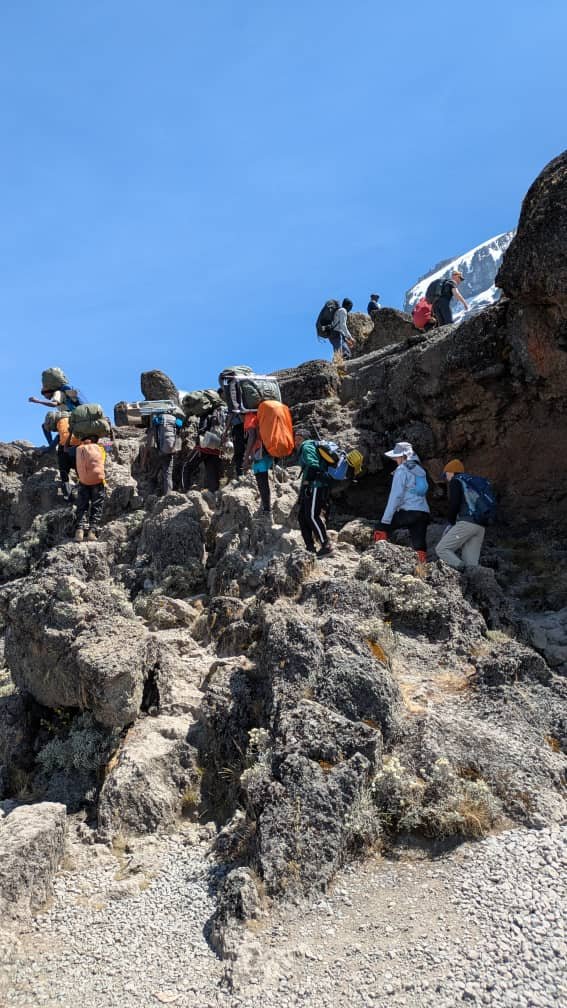


Understanding the Cost Dynamics: Group vs. Private Kilimanjaro Climbs
The decision to climb Kilimanjaro is monumental, and a significant factor influencing that decision is often cost. When comparing Kilimanjaro group climbs versus private climbs, the core question for most prospective trekkers is straightforward: are Kilimanjaro group climbs cheaper than private climbs? The answer is a resounding yes, but the reasons behind this price difference are nuanced and directly tied to how tour operators structure their expeditions. Understanding these dynamics is crucial for making an informed choice that aligns with your budget and travel preferences for a 2026 or 2027 expedition.
At Climb 4 Africa, we facilitate both group and private climbs, and we see firsthand how these choices affect our clients. While group departures offer a clear cost advantage, private climbs provide a unique level of flexibility and personalization that some trekkers prioritize. This extensive guide will explore every facet of this comparison, from the basic economics to the intangible benefits, ensuring you have all the information needed to plan your Kilimanjaro adventure for the upcoming seasons.
The Economics of Shared Expeditions: Why Group Climbs Cost Less
The fundamental principle behind the lower cost of group climbs is the concept of economies of scale. When a tour operator organizes a group departure, they are essentially distributing the fixed and semi-fixed costs of the expedition across a larger number of participants. This shared cost model is what makes Kilimanjaro group climbs cheaper than private climbs.
Consider the essential components of any Kilimanjaro climb:
- Guide and Porter Salaries: While the number of support staff is often determined by the number of climbers to ensure safety and efficiency, some roles might be essential regardless of group size (e.g., lead guide, head cook).
- Park Fees: These are generally charged per person, per day, and are a significant portion of the total cost. For a group, these fees are multiplied by the number of participants, but the operator’s overhead for managing these fees remains relatively constant.
- Camping/Hut Fees: Similar to park fees, these are usually per person.
- Food and Supplies: While food costs scale with the number of people, bulk purchasing for a larger group can lead to better pricing. The logistics of transporting food and cooking equipment remain a significant operational effort regardless of whether you have 6 people or 12.
- Logistics and Support: This includes vehicle hire for transfers, equipment rental (tents, cooking gear), communication equipment, and emergency medical supplies. Many of these costs are incurred regardless of the group size, within certain operational limits. A private climb for 2 people might still require the same base camp setup and kitchen staff as a group of 8, leading to a much higher per-person cost for the smaller private group.
- Overhead and Administration: Tour operators have fixed costs associated with running their business, including office staff, marketing, and licensing. These costs are absorbed into the price of each climb. A larger number of clients on group departures helps to offset these overheads more effectively per individual trekker.
Essentially, when you join a Kilimanjaro group climb, you are joining a pre-scheduled departure where the operator has already committed to these resources. Your contribution helps cover a portion of these costs, making the overall price per person significantly lower than if you were to charter the entire operation for a private expedition, especially for a small private group.
Comparing Inclusions: What Your Money Buys on Group vs. Private Treks
While the headline price is often the deciding factor, it’s crucial to compare what is actually included in both group and private climb packages. The goal is to understand the true value proposition for each option. At Climb 4 Africa, we strive for transparency in our inclusions to help you make the best decision for your 2026 or 2027 climb.
Standard Inclusions for Kilimanjaro Group Climbs
Group climbs typically offer a comprehensive package designed to cover all essential aspects of the trek. These often include:
- Return airport transfers
- Accommodation before and after the climb (often in a comfortable hotel in Moshi or Arusha)
- All park fees (conservation fees, camping fees, rescue fees)
- All meals on the mountain (prepared by a dedicated cook)
- Porters to carry group gear and personal luggage (within weight limits)
- Experienced, licensed guides (typically a ratio of 1:2 or 1:3 guides to clients)
- All necessary camping equipment (tents, sleeping mats, dining tent, toilet tent)
- Boiled water on the mountain
- First aid kit and oxygen (for emergencies)
- Climb certificate
The benefit of a group climb is that these costs are amortized over more people. For example, if a private climb for 2 people costs $4,000 per person, a group climb for 8 people might cost $2,000 per person. The total revenue for the operator is $8,000 in both cases, but the operational costs for the private climb are much higher on a per-person basis.
Standard Inclusions for Kilimanjaro Private Climbs
Private climbs offer the same core inclusions as group climbs but with added benefits related to customization and exclusivity. These often include:
- All standard inclusions as listed for group climbs.
- More flexible departure dates: You choose when you want to go, rather than joining a fixed schedule.
- Potentially higher guide-to-client ratio: For smaller groups, operators might offer a more favorable ratio for enhanced personal attention.
- Customized meal options: While cooks on group climbs are excellent, private groups might have more input into the menu.
- Option to choose specific routes or modify itineraries (within park regulations).
- Exclusive use of guides and porters: Your team is dedicated solely to your group.
The primary reason private climbs are more expensive is that the fixed costs of the expedition (guide salaries, vehicle hire, equipment, logistics) are spread over a smaller number of people. If a private climb is booked for just two people, the cost of employing a full support crew and covering all logistics must be borne by those two individuals, making the per-person price substantially higher than if those same resources were shared by a larger group of 8-12 trekkers.
Route Choice and its Impact on Group vs. Private Pricing
The route you choose for your Kilimanjaro climb also plays a role in the overall cost, and this can influence the comparison between group and private options. Some routes are longer, more scenic, and require more logistical support, thus commanding a higher price.
Common Routes and their Cost Implications
- Marangu Route: Often considered the cheapest route due to its shorter duration (5-6 days) and the availability of dormitory-style huts instead of camping. Group departures on Marangu are very common and generally the most budget-friendly way to summit.
- Machame Route: A popular camping route known for its scenic beauty and high success rates. It typically takes 6-7 days. Group departures are abundant, and it offers a good balance of cost and experience.
- Lemosho Route: A longer, more scenic, and remote route, usually taking 7-8 days. It offers excellent acclimatization. Group departures are available, but it’s also a popular choice for private climbs due to its rewarding experience. Its longer duration naturally increases the overall cost compared to shorter routes.
- Shira Route: Similar to Lemosho, offering great scenery and acclimatization, usually 7-8 days.
- Rongai Route: Approaches from the north, offering a different landscape and good success rates, typically 6-7 days.
- Northern Circuit: The longest route (9-10 days), offering the best acclimatization and highest success rates. Due to its duration and logistical complexity, it is often one of the more expensive routes.
How Route Affects Group vs. Private Cost Differences
When comparing group and private climbs, the route choice can amplify or diminish the price difference. For instance:
- Budget Routes (e.g., Marangu, shorter Machame): The price gap between group and private options might be less pronounced in absolute dollar terms because the base cost is lower. However, the percentage difference can still be significant. A private 5-day Marangu climb will always be more expensive per person than a group 5-day Marangu climb.
- Premium Routes (e.g., Lemosho, Northern Circuit): The longer duration and increased logistical needs of these routes mean higher overall costs. For private climbs on these routes, especially for small groups, the per-person price can become very substantial. Conversely, joining a group on a premium route still offers significant savings compared to a private version.
For those planning a 2026 or 2027 climb, selecting a route is a key decision. If budget is the primary concern, opting for a group departure on a shorter route like Marangu or Machame is the most cost-effective strategy. If you desire a longer, more scenic route but still want to manage costs, joining a group departure on Lemosho or the Northern Circuit is advisable. Private climbs on these premium routes offer unparalleled experience but come at a premium price point.
Factors Beyond the Sticker Price: Value and Experience
While Kilimanjaro group climbs are cheaper than private climbs, the decision shouldn’t be solely based on the initial price tag. The value and overall experience can differ, and what constitutes “better value” depends entirely on individual priorities.
The Experience of a Group Climb
Group climbs offer a vibrant social dynamic. You’ll meet like-minded individuals from various backgrounds, all sharing the common goal of summiting Kilimanjaro. This camaraderie can be a significant source of motivation and enjoyment.
- Social Interaction: You’ll share stories, meals, and the challenges of the trek with a group of fellow adventurers.
- Shared Motivation: The collective spirit can be incredibly uplifting during tough moments on the mountain.
- Built-in Companionship: Even if you join solo, you’re unlikely to feel alone.
- Established Itinerary: Group departures usually run on fixed dates and routes, simplifying planning for you.
The trade-off is less flexibility. You’ll adhere to the group’s pace and schedule. While guides are attentive to everyone’s needs, the focus is on the group’s overall progress and safety.
The Experience of a Private Climb
Private climbs offer unparalleled flexibility and personalization, which many find adds significant value, justifying the higher cost.
- Customized Pace: You set the pace, allowing for more breaks, more photos, or a faster ascent if desired.
- Flexible Dates: Choose your exact departure date to fit your schedule for 2026 or 2027.
- Personalized Attention: With a dedicated team, you receive more individualized care and attention from guides and support staff.
- Privacy: Enjoy the mountain experience without the dynamics of a larger group, ideal for families, couples, or those who prefer solitude.
- Tailored Itinerary: For those with specific interests or needs, private climbs allow for minor adjustments to the itinerary or even specialized focuses (e.g., photography).
The higher cost of a private climb is essentially paying for this bespoke experience, the flexibility, and the dedicated service. For some, the peace of mind and personalized care are well worth the investment.
Who Should Choose a Group Climb?
Kilimanjaro group climbs are an excellent choice for:
- Budget-conscious travelers: Those who want to summit Kilimanjaro but need to manage expenses carefully.
- Solo travelers: Individuals looking to join a group for companionship and safety.
- Social adventurers: People who enjoy meeting new people and thrive in a group dynamic.
- First-time Kilimanjaro climbers: Group climbs offer a structured and well-supported introduction to the mountain.
- Those flexible on dates: Travelers who can commit to pre-set departure dates for 2026 or 2027.
The primary advantage remains clear: group climbs offer the most affordable way to experience Kilimanjaro. By sharing operational costs, you get a professionally managed expedition at a fraction of the cost of a private tour.
Who Should Choose a Private Climb?
Private climbs are ideal for:
- Families or small groups of friends: Wanting a shared, exclusive experience.
- Couples: Seeking a more intimate and personalized adventure.
- Travelers with specific date requirements: Those who need to fix their departure for 2026 or 2027 far in advance or on a specific day.
- Experienced trekkers: Who may want to set their own pace or have specific logistical needs.
- Individuals seeking maximum comfort and personalization: Where the budget allows for a premium experience.
While more expensive, private climbs provide a level of control and customization that group tours cannot match. The cost reflects the dedicated resources and tailored service provided.
Cost Comparison Table: Group vs. Private Kilimanjaro Climbs (Illustrative)
To illustrate the price difference, let’s consider an example for a standard 7-day Machame Route climb for 2026. Please note these are illustrative prices and actual quotes may vary based on the operator, specific inclusions, and time of year. For precise pricing for your 2026 or 2027 expedition, please contact us at Climb 4 Africa.
| Feature | Group Climb (e.g., 8+ people) | Private Climb (e.g., 2 people) | Private Climb (e.g., 6 people) |
|---|---|---|---|
| Route | Machame (7 Days) | Machame (7 Days) | Machame (7 Days) |
| Estimated Price Per Person (USD) | $2,200 – $2,800 | $3,500 – $4,500 | $2,800 – $3,600 |
| Key Inclusions | Standard (Guides, porters, food, park fees, transfers, hotel nights) | Standard + Flexible Dates, Dedicated Team, Pace Control | Standard + Flexible Dates, Dedicated Team, Pace Control |
| Value Proposition | Most affordable, social, structured | Maximum flexibility, personalization, exclusivity | Balance of flexibility and cost-sharing |
As you can see from this illustrative table, the per-person cost for a private climb is significantly higher, especially for smaller groups. The cost difference narrows slightly as the private group size increases, but a group departure generally remains the most economical option. This highlights why Kilimanjaro group climbs are cheaper than private climbs for most individuals.
Hidden Costs and What to Budget For
Beyond the tour operator’s package price, there are other costs associated with climbing Kilimanjaro that you should factor into your budget for 2026 or 2027. These apply to both group and private climbs, though tips for the crew are a significant variable.
- Tipping: This is a customary and expected part of climbing Kilimanjaro. The total tip amount can be substantial, often ranging from $250 to $400+ per climber, depending on the group size and the quality of service. This amount is typically divided among guides, assistant guides, cook, and porters. Some operators provide tipping guidelines. For private climbs, the per-person tipping expectation might be similar, but the total amount distributed among a smaller crew might be calculated differently.
- Travel Insurance: Essential for any Kilimanjaro climb, covering medical emergencies, evacuation, and trip cancellation. Budget around $100 – $200.
- Flights to Kilimanjaro (JRO): International airfare can vary significantly based on your departure location and booking time. Expect to budget anywhere from $800 to $2,000+.
- Visas: For most nationalities, a visa is required for Tanzania. Check current requirements and costs (often around $50-$100).
- Gear Rental: While some items might be included, you’ll likely need to purchase or rent specific gear like a warm sleeping bag, down jacket, hiking boots, and trekking poles. Budget $100 – $300 for rentals or purchases.
- Personal Expenses: This includes souvenirs, extra snacks, bottled water (if preferred over boiled), and alcoholic beverages.
- Vaccinations and Medications: Consult your doctor for necessary travel health advice.
When comparing group and private climbs, remember that these additional costs are generally per person. Therefore, while the tour operator’s package price is lower for group climbs, the overall budget needs to account for these other essential expenses regardless of the climb type.
Choosing the Right Kilimanjaro Operator for 2026-2027
Regardless of whether you opt for a group or private climb, selecting a reputable and experienced tour operator is paramount for a safe and successful Kilimanjaro expedition. At Climb 4 Africa, we pride ourselves on our commitment to safety, ethical treatment of porters, and providing an exceptional client experience.
What to Look For in an Operator:
- Safety Record and Protocols: Do they have experienced guides trained in wilderness first aid? Do they carry emergency oxygen and communication devices?
- Guide and Porter Welfare: Are they members of KPAP (Kilimanjaro Porters Assistance Project) or adhere to similar ethical standards? This ensures fair wages, proper food, and adequate equipment for the support crew.
- Inclusions and Transparency: Are all fees, meals, and essential services clearly listed? Beware of suspiciously low prices that often hide significant extra costs.
- Reviews and Reputation: Check independent review sites like TripAdvisor for authentic client feedback.
- Experience and Local Knowledge: An operator with deep roots in Tanzania, like Climb 4 Africa, offers invaluable local support and understanding.
When planning for 2026 or 2027, remember that booking with a company that prioritizes safety and ethical practices is an investment in your well-being and the overall success of your climb. While Kilimanjaro group climbs are cheaper than private climbs, the quality of the operator is non-negotiable for either option.
Making Your Decision: Group vs. Private for Your Kilimanjaro Adventure
The question of whether Kilimanjaro group climbs are cheaper than private climbs has a clear answer: yes. However, the choice between the two hinges on your personal priorities, budget, and desired experience.
Key Considerations Summary:
- Budget: Group climbs offer significant cost savings per person.
- Flexibility: Private climbs allow for custom dates and pacing.
- Social Experience: Group climbs provide camaraderie; private climbs offer intimacy.
- Personalization: Private climbs allow for more tailored service and attention.
- Operator Quality: Always prioritize a reputable operator, regardless of group or private choice.
For many, the primary goal is to summit Kilimanjaro safely and memorably, and a group climb provides the most accessible pathway to achieving this. The shared experience, combined with the cost-effectiveness, makes it an incredibly popular choice for adventurers worldwide planning for 2026 and 2027.
However, if your budget allows and you value customization, privacy, and the ability to set your own pace, a private climb offers a distinct advantage. It transforms the expedition into a truly bespoke journey.
Ready to Plan Your Kilimanjaro Climb?
Whether you’re leaning towards the cost-effectiveness and camaraderie of a group climb or the personalized experience of a private expedition, Climb 4 Africa is here to help you plan the perfect Kilimanjaro adventure for 2026 or 2027. We offer a range of group departures on popular routes and specialize in crafting bespoke private itineraries tailored to your needs.
We understand that every trekker is unique, and we are committed to providing the highest standards of safety, support, and service. Our local expertise ensures a smooth and unforgettable journey from start to finish.
Contact us today to discuss your options:
- WhatsApp: +255 747 477 898
- Email: climb4africa@gmail.com
- Visit our website: Climb 4 Africa
Let us help you make your dream of climbing Kilimanjaro a reality, whether through one of our vibrant group treks or a meticulously planned private ascent. We look forward to assisting you with your 2026-2027 expedition plans!
“,
“faq_schema”: [
{
“question”: “Are Kilimanjaro group climbs always cheaper than private climbs?”,
“answer”: “Yes, generally Kilimanjaro group climbs are cheaper than private climbs because the operational costs (like guide salaries, park fees, food, and logistics) are shared among a larger number of participants. This economy of scale allows tour operators to offer a lower per-person price for group departures.”
},
{
“question”: “What is the typical price difference between a group and private Kilimanjaro climb?”,
“answer”: “The price difference can vary significantly, but a private climb can cost anywhere from 30% to 100% more per person than a group climb, especially for very small private groups (e.g., 2 people). As the private group size increases, the per-person cost decreases, but typically remains higher than a comparable group climb.”
},
{
“question”: “When should I consider a group climb for Kilimanjaro?”,
“answer”: “You should consider a group climb if you are budget-conscious, enjoy social interaction, are traveling solo and seeking companionship, or prefer a structured, pre-set itinerary. Group climbs are often the most economical way to summit Kilimanjaro.”
},
{
“question”: “When is a private Kilimanjaro climb a better option?”,
“answer”: “A private climb is ideal if you prioritize flexibility in your departure dates, want to set your own pace, are traveling with family or a close group of friends who want an exclusive experience, or desire a higher level of personalized attention from your guides and support crew. The higher cost is for this bespoke service.”
},
{
“question”: “Do group climbs have fixed departure dates for 2026-2027?”,
“answer”: “Yes, Kilimanjaro group climbs typically operate on fixed departure dates set by the tour operator. If your travel dates are flexible, joining a group is a great way to save money. If you need specific dates, a private climb offers that flexibility.”
},
{
“question”: “Are park fees different for group vs. private Kilimanjaro climbs?”,
“answer”: “No, park fees for Kilimanjaro are generally the same per person, per day, regardless of whether you are on a group or private climb. These fees are a significant component of the total cost for any Kilimanjaro expedition.”
},
{
“question”: “What are the benefits of joining a Kilimanjaro group climb?”,
“answer”: “The main benefits are cost savings, built-in companionship with fellow trekkers, a shared sense of motivation, and a well-organized, structured expedition managed by experienced guides and support staff. It’s a fantastic way to meet new people while achieving a common goal.”
},
{
“question”: “What are the benefits of a private Kilimanjaro climb?”,
“answer”: “Benefits include complete control over your departure date, the ability to set your own pace, more personalized attention from your dedicated crew, privacy, and the option for minor itinerary customizations. It offers a more exclusive and tailored mountain experience.”
}
]
}
“`
Check Availability for Are Kilimanjaro Group Climbs Cheaper Than Private Climbs? 2026-2027
Ready to compare dates, prices, and the best option for your group? Send the package name and travel month so the team can reply with a clear quote, availability, and what is included.

Kilimanjaro Group Climb Vs Solo Private Trek: Which Is Cheaper? 2026-2027
Kilimanjaro Group Climb vs Solo Private Trek: Which Is Cheaper? is explained with current 2026-2027 planning, price, itinerary and booking information.
View package details
How Group Size Affects Your Kilimanjaro Price | Climb 4 Africa 2026-2027
The size of your trekking group is a primary factor in determining the overall price of your Kilimanjaro expedition. Smaller groups often mean higher per-person costs due to fixed...
View package detailsClimbing Kilimanjaro In December : Prices, Weather & Group Dates 2026-2027
Discover everything you need to know about climbing Kilimanjaro in December, including pricing, weather patterns for 2026-2027, and curated group departure dates. Climb 4 Africa provides...
View package details
Climbing Kilimanjaro In October: Prices, Weather & Group Dates For 2026-2027
October offers a unique window for climbing Kilimanjaro, bridging the end of the dry season with the start of cooler temperatures. This guide details everything you need to know about...
View package details
Climbing Kilimanjaro In September : Prices, Weather & Group Dates 2026-2027
September offers a fantastic window for climbing Mount Kilimanjaro, blending dry weather with moderate temperatures. This guide covers everything you need to know about climbing Kilimanjaro...
View package details
Climbing Kilimanjaro In August: Prices, Weather & Group Dates 2026-2027
Climbing Kilimanjaro in August: Prices, Weather & Group Dates is explained with current 2026-2027 planning, price, itinerary and booking information.
View package details
Climbing Kilimanjaro In July: Prices, Weather & Group Dates 2026-2027
Climbing Kilimanjaro in July: Prices, Weather & Group Dates is explained with current 2026-2027 planning, price, itinerary and booking information.
View package detailsClimbing Kilimanjaro In June: Prices, Weather & Group Dates 2026-2027
June offers a prime window for climbing Mount Kilimanjaro, balancing good weather with fewer crowds than the peak dry season. This guide details June's specific weather patterns, typical...
View package details
Climbing Kilimanjaro In February: Prices, Weather & Group Dates For 2026-2027
Discover everything you need to know about climbing Kilimanjaro in February, including expected weather patterns, typical costs for 2026-2027, and how to find suitable group departure...
View package details
Climbing Kilimanjaro In January: Prices, Weather & Group Dates 2026-2027
Climbing Kilimanjaro in January: Prices, Weather & Group Dates is explained with current 2026-2027 planning, price, itinerary and booking information.
View package details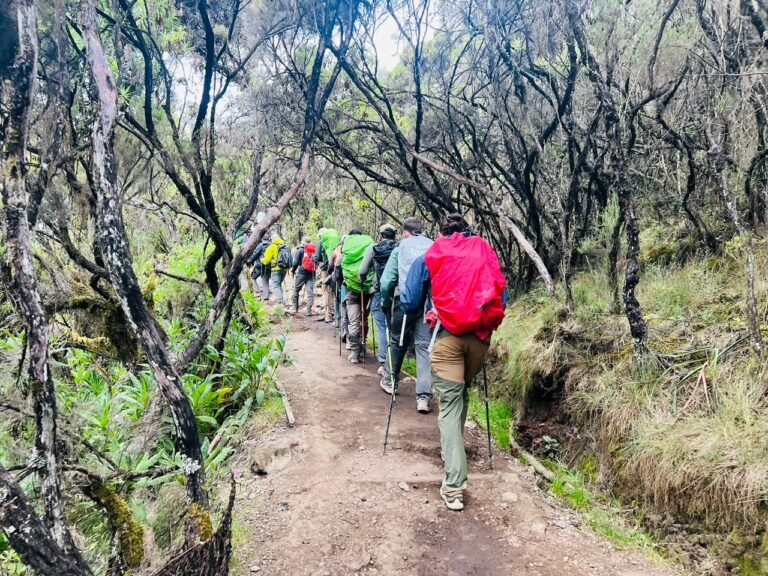
Last-Minute Kilimanjaro Group Joining: Available Dates & Prices For 2026-2027
Discover available last-minute Kilimanjaro group joining dates and pricing for 2026-2027. Climb 4 Africa offers shared expeditions on various routes, providing an economical and social way...
View package details
Kilimanjaro Group Tours For Solo Travelers: Dates & Costs 2026-2027
Kilimanjaro Group Tours for Solo Travelers: Dates & Costs is explained with current 2026-2027 planning, price, itinerary and booking information.
View package detailsNo related package matches those filters. Clear one or more filters to see the other topic-matched options.



