
For most travelers, a Kilimanjaro group climb is generally cheaper than a solo private trek due to the distribution of fixed costs like park fees, crew wages, and logistics among multiple participants. Solo treks incur these same fixed costs but spread them over just one person, significantly increasing the per-person price, especially for shorter expeditions or when factoring in the need for a dedicated support crew. However, the ultimate cost depends heavily on the specific operator, route, duration, and inclusions chosen for your 2026-2027 climb.

Understanding the Core Cost Differences: Group vs. Solo on Kilimanjaro
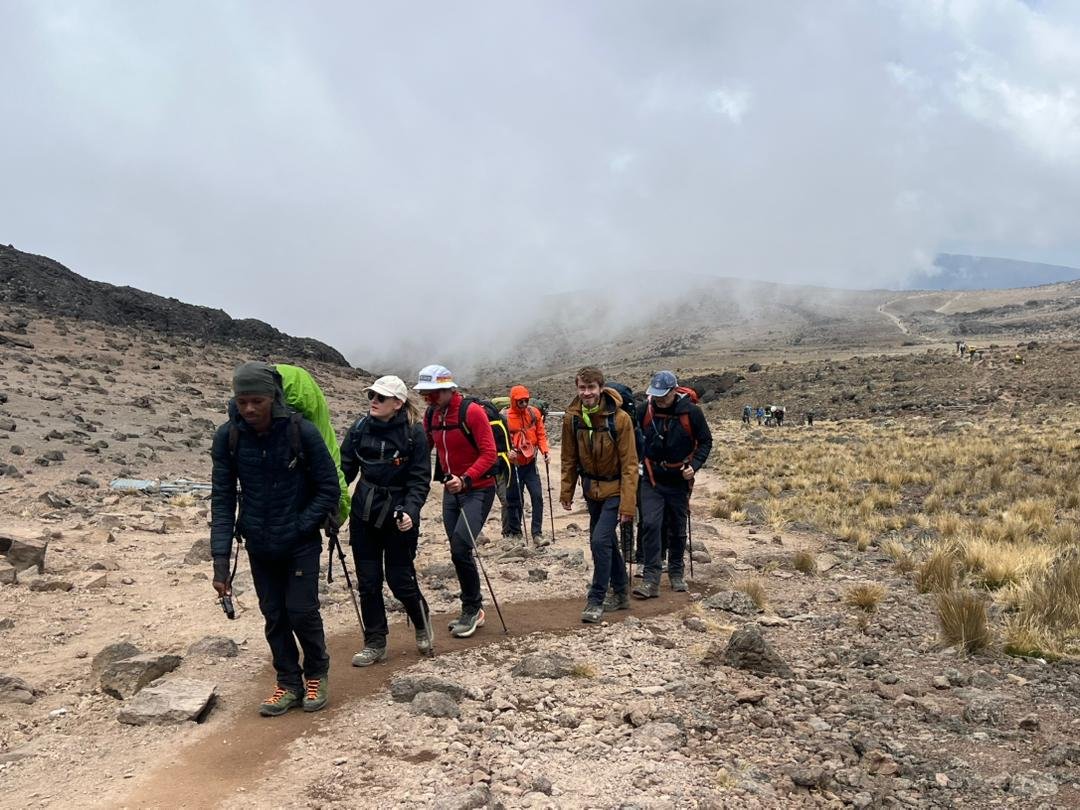
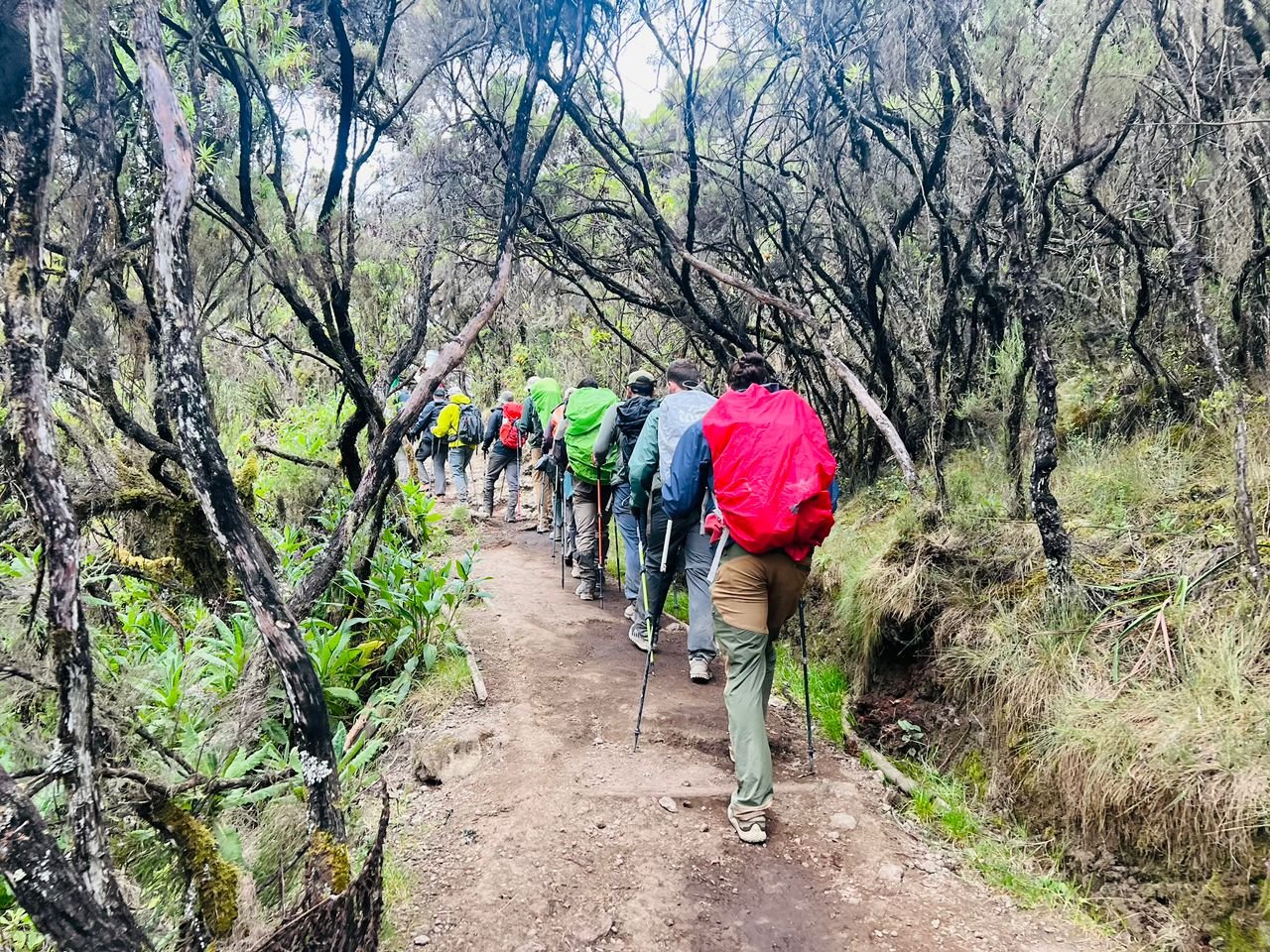
The decision between joining a Kilimanjaro group climb or opting for a solo private trek is a pivotal one for many aspiring mountaineers. While the dream of standing on Africa’s highest peak is universal, the path to achieving it can vary dramatically in both experience and, crucially, in cost. For travelers planning their 2026 or 2027 expedition, understanding these financial distinctions is paramount. At its heart, the question of which is cheaper—a group climb or a solo private trek—boils down to how fixed operational costs are distributed.
When you book a Kilimanjaro climb, a significant portion of the price is made up of non-negotiable expenses that an operator must cover regardless of how many people are on the mountain. These include:
- Park Fees: These are set by the Tanzanian government and are per person, per day.
- Crew Wages: Guides, cooks, and porters must be paid for their time and effort. Their salaries are largely fixed per trip, not per climber.
- Logistics: Transport to and from the mountain, food supplies, cooking equipment, tents, and other essential gear represent a substantial investment that must be accounted for, irrespective of group size.
In a group climb, these fixed costs are shared among all participants. If a group has 8 people, the cost of the crew, a portion of the park fees, and the overhead for logistics is divided by 8. This dilution of fixed expenses is what makes group treks inherently more budget-friendly on a per-person basis. The more people in the group, the lower the per-person cost typically becomes, up to the operator’s optimal group size for efficiency and safety.
Conversely, a solo private trek means you bear the full weight of these fixed costs yourself. If the operational cost for a specific route and duration is, say, $3,000, this cost is divided among the group members. For a group of 8, this might translate to $375 per person for these shared elements. For a solo trekker, that same $3,000 in fixed costs is borne entirely by you, making the base cost significantly higher, even before factoring in profit margins.
Therefore, the fundamental answer to “which is cheaper?” is almost always the group climb. However, the degree of cheapness and the value proposition can differ significantly. This article will dissect these differences in detail, helping you make an informed decision for your 2026-2027 Kilimanjaro adventure.
Deconstructing the Cost Components of a Kilimanjaro Expedition
To truly grasp why group treks are generally cheaper, it’s essential to break down what goes into the price tag of a Kilimanjaro climb. Tour operators, especially reputable ones like Climb 4 Africa, build their pricing around several key components. Understanding these will empower you to compare quotes more effectively for your 2026-2027 climb.
Mandatory Government and Park Fees (The Unavoidable Baseline)
These fees are non-negotiable and are set by the Tanzanian National Parks Authority (TANAPA). They form a substantial and fixed part of every climber’s expense. For a standard 7-day climb, these can add up significantly:
- Crater Camp Fee: Applicable if you choose a route that allows camping at the crater rim (e.g., some variations of Lemosho or Northern Circuit).
- Camping/Hut Fees: Charged per person, per night, depending on the route and accommodation type (tents vs. huts).
- Rescue Fee: A mandatory fee for emergency evacuation services.
- Entry Fee: A daily fee for accessing Kilimanjaro National Park.
These fees are levied per person, per day. For a 7-day climb, this means 7 days of entry and camping/hut fees per person. If you are a solo trekker, you pay the full amount for yourself. In a group of 8, the operator pays the same total amount for park fees, but it’s distributed across 8 individuals, making each person’s share much smaller. This is a critical factor that directly impacts the Kilimanjaro group climb vs solo private trek cost dynamic.
The Cost of the Expedition Crew: Guides, Cooks, and Porters
A well-equipped and experienced crew is vital for a safe and enjoyable Kilimanjaro ascent. Operators must hire and pay a team that typically includes:
- Lead Guide(s): Highly trained professionals responsible for the overall safety and success of the climb.
- Assistant Guide(s): Support for the lead guide, with a ratio often mandated by park regulations (e.g., 1 guide per 12 climbers, but reputable operators often maintain a 1:6 ratio for better safety).
- Cook(s): Prepare nutritious meals at designated campsites.
- Porters: Carry tents, food, cooking equipment, and personal luggage (usually up to 15kg per porter).
The number of crew members required is dictated by the number of climbers and the amount of gear. For a group of 8 people, you might need 2 lead guides, 2 assistant guides, 1 cook, and approximately 16-24 porters (depending on luggage weight and equipment). For a solo trekker, while the number of porters and cooks might be slightly reduced (e.g., one cook, fewer porters if luggage is minimal), you will still require at least one lead guide and often an assistant guide for safety. The wages for these individuals are paid for the duration of the trek. The cost of employing this team is a significant operational expense. In a group, this cost is shared. For a solo trekker, this entire crew cost is borne by them, leading to a substantially higher per-person price for the Kilimanjaro group climb vs solo private trek comparison.
Logistics, Food, and Equipment: The Operational Backbone
Beyond personnel and park fees, several other operational costs are involved:
- Food: Three substantial meals a day, plus snacks and hot drinks, are provided. The cost of purchasing and transporting this food is significant.
- Equipment: High-quality tents (sleeping tents, mess tent, toilet tent), sleeping bags, mattresses, cooking gear, fuel, and first-aid kits represent a considerable investment for tour operators. These need to be maintained, replaced, and transported.
- Transportation: Transfers from Kilimanjaro International Airport (JRO) to your hotel in Moshi or Arusha, and transport to and from the mountain gate.
- Accommodation: Pre- and post-climb hotel nights are often included, adding to the overall package cost.
These logistical elements are essential for any climb, whether solo or group. While a solo trekker might consume slightly less food, the core costs for equipment rental, transportation, and ensuring a safe base camp setup remain largely the same. This again highlights why solo treks are more expensive per person.
Operator’s Profit Margin and Overhead
Every business needs to make a profit to remain sustainable. Tour operators factor in their overhead (office costs, marketing, staff salaries, insurance) and a profit margin into their pricing. While this margin might be a percentage of the total cost, the absolute dollar amount of profit will be higher on a more expensive solo trek than on a cheaper group trek, even if the profit margin percentage is the same.
The “Cheaper” Argument: Group Climbs Demystified
When we say a Kilimanjaro group climb is cheaper, we’re referring to the typical per-person price point offered by most reputable tour operators. This is achieved through economies of scale. Let’s explore how this works in practice and the nuances involved for 2026-2027 planning.
Economies of Scale: The Power of Shared Costs
Imagine a tour operator has a fixed daily cost of $500 for a particular route, covering crew, park fees (averaged out), and basic logistics. For a group of 10 people, this cost is spread across 10 individuals, making it $50 per person for that day’s operational expenses. If a solo trekker undertakes the same climb, they bear the full $500, making it $500 per person. This stark difference illustrates the fundamental cost advantage of group travel.
Reputable operators often aim for optimal group sizes that balance cost-effectiveness with a quality experience. For Kilimanjaro, this might be anywhere from 6 to 12 trekkers. Larger groups can sometimes lead to slightly lower prices, but they can also impact the pace of the climb and the personalized attention each climber receives. Smaller groups might have slightly higher per-person costs than very large ones but offer a more intimate trekking experience.
What ‘Group Climb’ Usually Includes
When you book a group climb with a company like Climb 4 Africa, the package typically includes:
- All park fees, camping/hut fees, and rescue fees.
- Professional guides, cooks, and porters.
- All meals on the mountain.
- Tents (sleeping tents, mess tent, toilet tent).
- Sleeping bags and mattresses.
- Boiled drinking water.
- Portable toilet.
- Pre- and post-climb accommodation in a hotel.
- Airport transfers.
- Briefing before the climb.
The price you see for a group climb usually reflects all these essential inclusions, aiming for a transparent and comprehensive offering. This makes budgeting for your Kilimanjaro group climb vs solo private trek decision much simpler.
Potential Downsides of Group Climbs (Beyond Cost)
While cost-effective, group climbs aren’t for everyone. Some potential drawbacks include:
- Pace: You must adhere to the group’s pace, which might be slower or faster than you prefer.
- Personal Attention: While guides are attentive, the focus is shared among all group members.
- Group Dynamics: You’re traveling with strangers, and personalities can sometimes clash.
- Less Flexibility: It’s harder to make spontaneous changes or stop for extended periods for photos when part of a larger group.
These factors, while not directly cost-related, can influence the overall experience and are worth considering when comparing the value of a group trek against a private one, even if the latter is more expensive.
The “More Expensive” Argument: Solo Private Treks Explained
A solo private trek offers unparalleled flexibility and personalization but comes at a premium. Understanding why it’s more expensive is key to justifying the investment if this is your preferred way to climb Kilimanjaro in 2026 or 2027.
Bearing the Full Burden of Fixed Costs
As detailed earlier, the primary reason a solo private trek is more expensive is that you absorb all the fixed operational costs. If a trek’s total operational cost (excluding operator profit) is $4,000, a group of 8 might pay $500 each for these costs, plus profit. A solo trekker might pay $4,000 for these costs, plus a potentially higher profit margin (as the operator is dedicating more resources and management to a single client).
Consider the crew. While you might not need 2 lead guides, you will still need at least one highly experienced lead guide and potentially an assistant guide for safety, along with a cook and a team of porters. The wages for this entire team for the duration of the trek are your responsibility. This is often the largest single component of the cost difference.
Enhanced Personalization and Flexibility
The higher cost of a solo trek is directly linked to the benefits of personalization and flexibility:
- Customized Pace: You set the pace, allowing for acclimatization or faster movement as needed.
- Personalized Attention: Guides and crew focus entirely on your needs, safety, and comfort.
- Flexible Itinerary: You can choose to spend more time at scenic spots, take extra rest breaks, or adjust the schedule within operational limits.
- Privacy: The entire experience is yours alone, without the need to coordinate with other trekkers.
For some, this level of control and personalized service is well worth the additional expense. This is especially true for those who have specific acclimatization needs, enjoy a slower pace, or simply prefer the solitude and focus that a private expedition offers.
Potential for Higher Quality Service
While reputable operators maintain high standards for all their treks, private expeditions often allow for even greater attention to detail. This can manifest in:
- Superior Equipment: Access to the best available tents, sleeping bags, and gear.
- More Comfortable Campsites: Sometimes, private treks can secure slightly more secluded or desirable camping spots.
- Dietary Customization: More flexibility in accommodating specific dietary requests or preferences.
These enhancements contribute to the overall value proposition of a solo private trek, justifying its higher price point in the Kilimanjaro group climb vs solo private trek debate.
Comparing Specific Routes: How Route Choice Affects Cost
The route you choose for your Kilimanjaro climb significantly impacts both the duration and the overall cost, regardless of whether you opt for a group or private trek. Different routes have varying numbers of trekking days, which directly affects park fees and crew wages.
Shorter Routes (e.g., Marangu, Machame 6-day)
Routes like the 6-day Machame or the Marangu route (though generally not recommended by experts due to lower success rates and less scenic camping) are shorter. This means fewer days of park fees and crew payments.
- Group Climb: These shorter routes are often the most affordable group options. The reduced duration means lower overall costs that can be passed on to participants. For instance, a 6-day Machame group climb will be cheaper than a 7-day Machame group climb.
- Solo Private Trek: While still more expensive than a group climb of the same duration, a solo trek on a shorter route will naturally cost less than a solo trek on a longer route. The fixed costs are incurred for fewer days.
Longer Routes (e.g., Lemosho 8-day, Northern Circuit 9-day)
Longer routes, such as the 8-day Lemosho or the 9-day Northern Circuit, are generally recommended for better acclimatization and higher success rates. They also incur higher costs.
- Group Climb: These will be more expensive than shorter group treks due to the additional days of park fees and crew wages. However, the per-person cost is still distributed among the group.
- Solo Private Trek: The cost difference between a solo private trek on a longer route versus a shorter route is substantial. You are paying for every additional day of crew time, park fees, and logistics. This is where the price gap between solo and group options widens considerably. For example, a 9-day Northern Circuit solo private trek will be significantly more costly than a 6-day Machame group departure.
Example Scenario (Illustrative, Actual prices vary by operator and year):
| Route | Duration | Typical Group Price (per person) | Typical Solo Private Price (per person) | Cost Difference |
|---|---|---|---|---|
| Machame | 6 Days | $1,600 – $2,200 | $3,000 – $4,500 | $1,400 – $2,300 |
| Lemosho | 8 Days | $1,800 – $2,500 | $3,500 – $5,500 | $1,700 – $3,000 |
| Northern Circuit | 9 Days | $2,000 – $2,800 | $4,000 – $6,500 | $2,000 – $3,700 |
Note: These are indicative prices for 2026-2027 and vary greatly by operator quality, inclusions, and time of year. Always request a detailed quote.
As you can see, the Kilimanjaro group climb vs solo private trek cost difference is most pronounced on longer, more comprehensive routes where the extended duration magnifies the fixed costs for the solo trekker.
Beyond the Sticker Price: What’s Included Matters
Comparing prices between a group climb and a solo trek, or even between different operators, requires a close examination of what is actually included in the package. A lower price doesn’t always mean better value.
Group Climb Inclusions to Scrutinize
For group climbs, ensure the following are covered:
- Park Fees: Are they explicitly included, or are they a separate add-on?
- Crew Wages: Is there a fair wage policy for porters and guides? Reputable operators like Climb 4 Africa are members of organizations like KPAP (Kilimanjaro Porters Assistance Project) or follow similar ethical guidelines.
- Food Quality: What type of meals are provided? Are snacks included?
- Equipment Quality: Are tents, sleeping bags, and mattresses of good quality and condition?
- Accommodation: How many nights of hotel accommodation are included before and after the climb?
- Transfers: Are airport transfers and mountain gate transfers included?
- Emergency Support: What is the operator’s emergency protocol? Do they carry supplementary oxygen and a first-aid kit?
Solo Private Trek Inclusions and Customization
For solo private treks, the conversation often shifts towards customization and service level:
- Guide Ratio: Even on a solo trek, are you guaranteed an assistant guide for safety, or is it just one lead guide?
- Crew Size: While fewer climbers, is the crew size still adequate for safety and comfort?
- Meal Preferences: Can they cater to specific dietary needs or preferences beyond standard menus?
- Timing: Can you choose your exact start date?
- Route Variations: Can the operator accommodate specific route requests or modifications?
When comparing the Kilimanjaro group climb vs solo private trek, a $500 difference might seem significant, but if the group climb excludes essential items like hotel nights or airport transfers, or uses lower-quality gear, the solo trek might offer better overall value despite its higher price.
Hidden Costs and Additional Expenses to Consider
Regardless of whether you choose a group or solo trek, there are several additional expenses that can impact your total budget for a 2026-2027 Kilimanjaro climb.
- Flights: International flights to Kilimanjaro International Airport (JRO) are rarely included in trek packages.
- Visas: Tanzania requires a visa for many nationalities.
- Travel Insurance: Essential for any high-altitude trek, covering medical emergencies and evacuation. Ensure it covers high-altitude trekking above 6,000 meters.
- Vaccinations and Medications: Consult your doctor for recommended travel health precautions.
- Gear Rental: While some operators include sleeping bags and mattresses, you’ll likely need to rent or purchase other items like warm clothing, hiking poles, and waterproof jackets.
- Tips for Crew: This is a significant and expected expense. Tipping guidelines vary, but budget around $250-$350 per climber for the entire crew on a standard trek. For solo treks, this amount is still expected.
- Personal Expenses: Souvenirs, drinks at the hotel, and snacks not provided on the mountain.
- Gratuities for Hotel Staff: Small tips for hotel staff in Moshi/Arusha.
These costs can add several hundred to over a thousand dollars to your total expedition budget. It’s crucial to factor these into your Kilimanjaro group climb vs solo private trek cost analysis.
Factors Influencing Price Beyond Group vs. Solo
The choice between group and solo is a major price determinant, but several other factors play a role in the final cost of your Kilimanjaro climb for 2026-2027:
Operator Reputation and Quality
There’s a wide spectrum of tour operators for Kilimanjaro, from budget backpacker outfits to high-end luxury providers. Generally:
- Budget Operators: Often use smaller crews, lower-quality gear, and may cut corners on food or safety protocols. Their group treks will be the cheapest.
- Mid-Range Operators: Offer a good balance of quality, safety, and price. This is where most reputable companies like Climb 4 Africa fall. Group treks here are mid-priced, and solo treks are premium.
- Luxury Operators: Provide premium services, higher guide-to-climber ratios, better food, and more comfortable camping setups. Their group treks are expensive, and solo treks are very expensive.
Investing in a reputable operator, even if it means paying more, significantly increases your chances of a safe and successful climb. Safety should always be the priority over saving a few dollars when comparing the Kilimanjaro group climb vs solo private trek.
Time of Year (Seasonality)
Kilimanjaro has distinct climbing seasons. Prices can fluctuate slightly based on demand:
- Peak Seasons (January-March, June-October): Higher demand means prices might be slightly firmer.
- Shoulder Seasons (April-May, November-December): Often see slightly lower prices due to increased rainfall, though climbing is still possible with appropriate gear.
While the difference isn’t dramatic, booking during a shoulder season might offer marginal savings on both group and solo treks.
Inclusions and Exclusions
As previously mentioned, what’s included is critical. A company offering a cheaper group climb might exclude tips, hotel nights, or transfers, making a seemingly cheaper option more expensive in reality. Always compare detailed itineraries and inclusions lists.
Making the Decision: Group vs. Solo for Your 2026-2027 Climb
The choice between a Kilimanjaro group climb and a solo private trek hinges on your priorities, budget, and desired experience.
Who Should Choose a Group Climb?
- Budget-Conscious Travelers: If cost is a primary concern, a group climb is the clear winner.
- Social Trekkers: Those who enjoy meeting new people and sharing the adventure with a group.
- First-Time Kilimanjaro Climbers: A group offers a structured and supported environment.
- Travelers Seeking Simplicity: Most logistics are handled, and the price is often all-inclusive (except tips and personal expenses).
Who Should Choose a Solo Private Trek?
- Travelers Seeking Ultimate Control: Those who want to set their own pace, schedule, and enjoy a highly personalized experience.
- Those with Specific Acclimatization Needs: Individuals who require a slower pace or custom acclimatization schedules.
- Celebrity or High-Profile Individuals: Those who require absolute privacy.
- Families or Small Private Groups: While technically not solo, a private trek for a family or friends shares the same cost structure as a solo trek but distributes it among the members.
For the vast majority of travelers looking to climb Kilimanjaro in 2026 or 2027, a group climb offers the most cost-effective way to experience the mountain. It provides excellent value, safety, and a fantastic shared adventure. A solo private trek is a premium experience for those who value personalization and flexibility above all else and are willing to pay the higher price.
Choosing the Right Operator for Your Kilimanjaro Climb
Whether you lean towards a group or solo trek, selecting a reliable and ethical tour operator is crucial. Climb 4 Africa is committed to providing safe, memorable, and responsible Kilimanjaro climbs.
Why Choose Climb 4 Africa for Your Kilimanjaro Adventure?
At Climb 4 Africa, we understand that your Kilimanjaro climb is a significant undertaking. We offer a range of options to suit different preferences and budgets, including both shared group departures and private treks.
- Safety First: We adhere to strict safety protocols, utilize experienced guides, and carry essential safety equipment like supplementary oxygen and pulse oximeters.
- Ethical Porter Treatment: We are committed to fair wages and treatment for our porters, working closely with organizations that advocate for their welfare.
- Quality Inclusions: Our packages are comprehensive, covering park fees, quality equipment, nutritious meals, and comfortable accommodation.
- Experienced Local Team: We are a Tanzanian-based company with deep local knowledge and a dedicated team passionate about sharing the magic of Kilimanjaro.
- Flexibility: Whether you prefer the camaraderie of a group or the exclusivity of a private trek, we can tailor an experience for you.
When comparing the Kilimanjaro group climb vs solo private trek, consider the overall value and peace of mind that comes with a trusted operator. Our team is ready to help you plan your dream climb for 2026 or 2027.
Final Thoughts on Cost: Group vs. Solo
In conclusion, if your primary driver is minimizing cost, the Kilimanjaro group climb is undeniably cheaper than a solo private trek. The distribution of fixed operational costs across multiple participants makes it the most economical choice for reaching Uhuru Peak. A solo private trek offers a personalized, flexible, and exclusive experience, but this comes at a significantly higher per-person price because you bear the full weight of those fixed costs.
When planning your 2026-2027 Kilimanjaro adventure, evaluate your priorities:
- Budget: Group trek wins.
- Flexibility & Personalization: Solo private trek wins.
- Social Experience: Group trek wins.
- Privacy: Solo private trek wins.
- Safety: Both can be equally safe with a reputable operator like Climb 4 Africa, but the level of individual attention is higher on a private trek.
For detailed quotes and to discuss the best option for your specific needs, whether it’s a group departure or a custom solo private trek, reach out to our expert team at Climb 4 Africa. We can help you navigate the options and ensure your Kilimanjaro journey is both affordable and unforgettable.
Contact Climb 4 Africa today:
WhatsApp: +255 747 477 898
Email: climb4africa@gmail.com
“,
“faq_schema”: [
{
“question”: “Is a Kilimanjaro group climb always cheaper than a solo private trek?”,
“answer”: “Yes, generally, a Kilimanjaro group climb is significantly cheaper than a solo private trek. This is because the fixed costs, such as park fees, guide and porter wages, and logistics, are shared among multiple participants in a group, reducing the per-person cost. For a solo trek, these same fixed costs are borne entirely by one individual, making the price per person much higher.”
},
{
“question”: “What are the main cost components for a Kilimanjaro trek?”,
“answer”: “The main cost components include mandatory park fees (entry, camping/hut, rescue), crew wages (guides, cooks, porters), food and meals on the mountain, equipment rental/maintenance, transportation to/from the mountain, and the tour operator’s overhead and profit margin. Additional costs for travelers include flights, visas, travel insurance, gear, and tips.”
},
{
“question”: “Why are solo private treks on Kilimanjaro more expensive?”,
“answer”: “Solo private treks are more expensive because the trekker must cover all fixed operational costs themselves. This includes the full wages for the required crew (guides, cook, porters), park fees for the entire duration, and the logistics for a single person, which doesn’t offer the same economies of scale as a group.”
},
{
“question”: “Does the route choice affect the cost difference between group and solo treks?”,
“answer”: “Yes, the route choice significantly impacts the cost. Longer routes (like Lemosho 8-day or Northern Circuit 9-day) incur higher park fees and crew costs over more days. This difference is amplified for solo trekkers, making the cost gap between a solo and group trek wider on longer routes compared to shorter ones.”
},
{
“question”: “What additional expenses should I budget for my Kilimanjaro climb in 2026-2027?”,
“answer”: “Beyond the trek package price, budget for international flights to Tanzania, visa fees, comprehensive travel insurance (including high-altitude coverage), vaccinations, personal trekking gear, crew tips (typically $250-$350 per climber), and personal expenses like souvenirs or extra drinks.”
},
{
“question”: “When comparing prices, what ‘hidden costs’ should I watch out for?”,
“answer”: “Look out for exclusions like park fees, crew tips, pre/post-climb hotel nights, airport transfers, or meals not provided on the mountain. Some operators may advertise a lower price but require these as separate add-ons, increasing the final cost.”
},
{
“question”: “Is a group climb less safe than a solo private trek?”,
“answer”: “Not necessarily. Safety depends more on the operator’s standards, guide experience, crew-to-climber ratio, and adherence to safety protocols. Reputable operators like Climb 4 Africa maintain high safety standards for both group and private treks. Solo treks offer more personalized attention, which can be beneficial for acclimatization, but group treks with good operators are also very safe.”
},
{
“question”: “Can I choose my own dates for a group climb?”,
“answer”: “Scheduled group departures have fixed dates. If you need specific dates, you’ll likely need to opt for a private trek or inquire if an operator offers ‘guaranteed departure’ dates where a group forms around your chosen start date, though this might have a minimum participant requirement.”
},
{
“question”: “What is the typical price range for a Kilimanjaro group climb in 2026-2027?”,
“answer”: “For a reputable operator offering a standard 7-day climb with good inclusions, expect prices to range from approximately $1,800 to $2,800 per person in 2026-2027. This can vary based on the route, duration, and specific inclusions. Shorter or longer routes will be priced differently.”
},
{
“question”: “What is the typical price range for a solo private Kilimanjaro trek in 2026-2027?”,
“answer”: “For a solo private trek on a standard 7-day route with a reputable operator, expect prices to range from approximately $3,500 to $6,500 per person in 2026-2027. This price is highly dependent on the chosen route, duration, and the level of service provided.”
}
]
}
“`
Check Availability for Kilimanjaro Group Climb Vs Solo Private Trek: Which Is Cheaper? 2026-2027
Ready to compare dates, prices, and the best option for your group? Send the package name and travel month so the team can reply with a clear quote, availability, and what is included.
Are Kilimanjaro Group Climbs Cheaper Than Private Climbs? 2026-2027
Are Kilimanjaro group climbs cheaper than private climbs? is explained with current 2026-2027 planning, price, itinerary and booking information.
View package details
How Group Size Affects Your Kilimanjaro Price | Climb 4 Africa 2026-2027
The size of your trekking group is a primary factor in determining the overall price of your Kilimanjaro expedition. Smaller groups often mean higher per-person costs due to fixed...
View package details
Climbing Kilimanjaro In December : Prices, Weather & Group Dates 2026-2027
Discover everything you need to know about climbing Kilimanjaro in December, including pricing, weather patterns for 2026-2027, and curated group departure dates. Climb 4 Africa provides...
View package details
Climbing Kilimanjaro In September : Prices, Weather & Group Dates 2026-2027
September offers a fantastic window for climbing Mount Kilimanjaro, blending dry weather with moderate temperatures. This guide covers everything you need to know about climbing Kilimanjaro...
View package details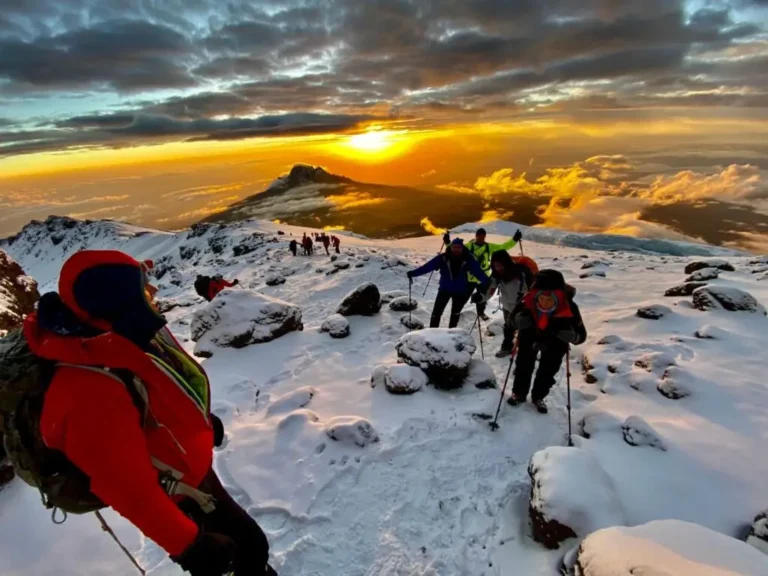
Kilimanjaro Group Departures 2028: Book Your Adventure Today With Climb 4
Planning to climb Kilimanjaro in 2028? Discover available group departure dates and learn how to book your adventure with Climb 4 Africa. We offer expert guidance, various routes, and...
View package details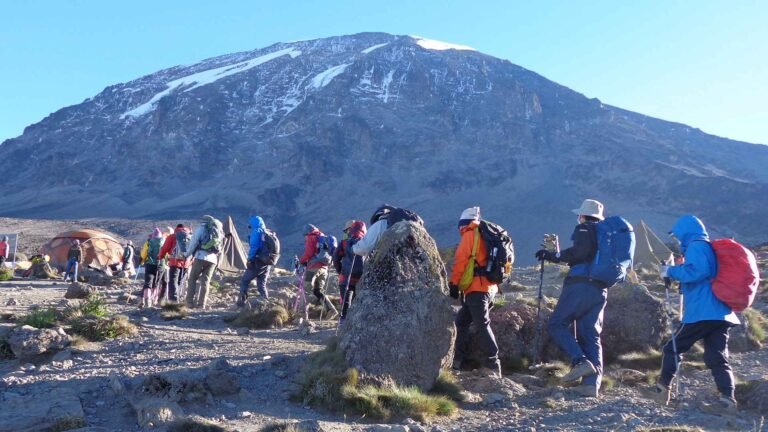
How Much Does A Private Kilimanjaro Climb Cost In ? 2026-2027
Planning a private ascent of Mount Kilimanjaro? Understand the factors that influence the cost of a private climb, typical price ranges for 2026-2027, and what's usually included to help...
View package details
Private Kilimanjaro & Serengeti Safari Cost Per Person | Climb 4 Africa
Planning a private Kilimanjaro and Serengeti safari is a significant investment. This guide details the estimated cost per person for 2026-2027, breaking down the factors that influence...
View package details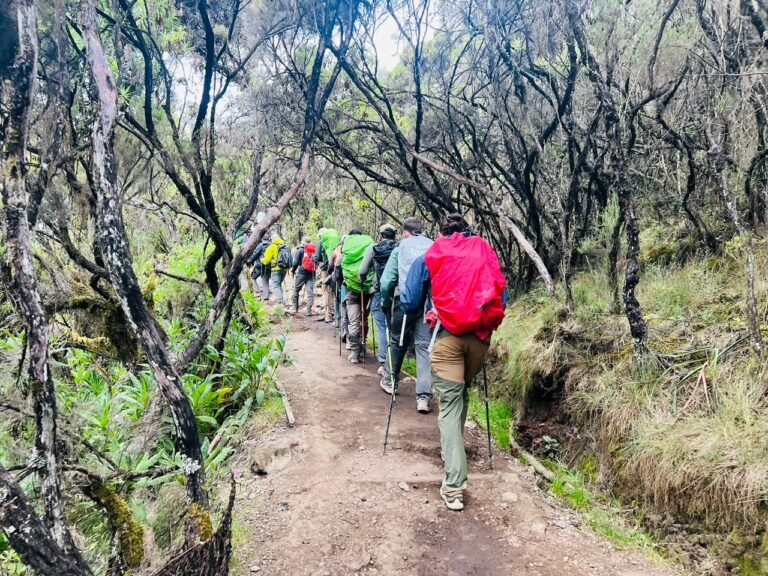
Last-Minute Kilimanjaro Group Joining: Available Dates & Prices For 2026-2027
Discover available last-minute Kilimanjaro group joining dates and pricing for 2026-2027. Climb 4 Africa offers shared expeditions on various routes, providing an economical and social way...
View package details
Kilimanjaro Group Tours For Solo Travelers: Dates & Costs 2026-2027
Kilimanjaro Group Tours for Solo Travelers: Dates & Costs is explained with current 2026-2027 planning, price, itinerary and booking information.
View package details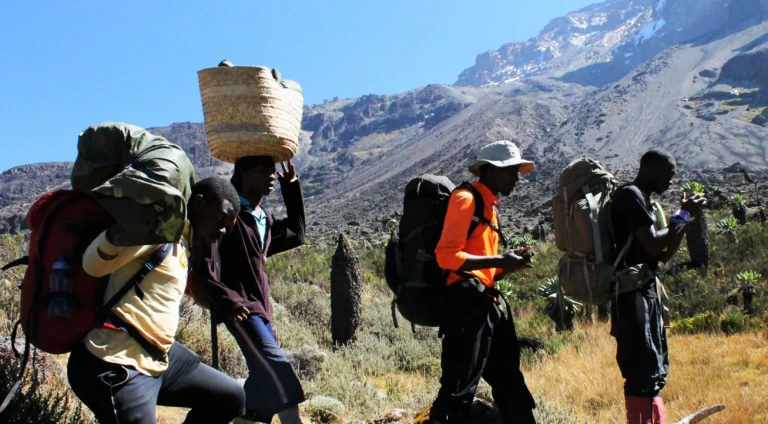
Is A Private Toilet Included In The Kilimanjaro Price? 2026-2027
Discover whether a private toilet is a standard inclusion in Kilimanjaro climbing package prices, the variations across routes and operators, and how Climb 4 Africa prioritizes your comfort...
View package details
Private Kilimanjaro Day Hike Cost Per Person : What To Expect 2026-2027
Planning a private Kilimanjaro day hike? Understand the cost per person for 2026-2027, factoring in route, duration, inclusions, and operator differences. Get a clear picture of your...
View package details
Private Northern Circuit Cost: Price Per Person For Your Kilimanjaro Adventure
Discover the factors influencing the price per person for a private Northern Circuit climb on Kilimanjaro. This guide details costs for 2026-2027, inclusions, and how to get a tailored...
View package detailsNo related package matches those filters. Clear one or more filters to see the other topic-matched options.



