The cheapest Kilimanjaro climbing packages typically range from $1,300 to $2,000 per person for standard treks (e.g., Machame or Marangu routes) lasting 6-7 days, often for group departures in the low season. These budget-friendly options usually include basic accommodation, park fees, guide and porter services, and group meals, but may exclude essential items like descent gear, tips, or higher quality equipment. When searching for the cheapest Kilimanjaro climb for 2026 or 2027, prioritize operators who are transparent about inclusions and exclusions, and who do not compromise on safety standards or guide experience to lower costs.

Understanding Value in the Cheapest Kilimanjaro Climbing Packages
The quest for the cheapest Kilimanjaro climbing package is a common starting point for many aspiring mountaineers. Kilimanjaro, the Roof of Africa, is an iconic destination, and understandably, budget is a significant consideration. However, it’s crucial to understand that ‘cheapest’ doesn’t always equate to ‘best value,’ and in the context of high-altitude trekking, it can sometimes even equate to ‘unsafe.’ Our goal at Climb 4 Africa is to help you find genuinely affordable Kilimanjaro climbs that still prioritize your safety, success rate, and overall experience. We’ll explore what makes a package cheap, what to look out for, and how to secure the best possible deal for your 2026 or 2027 adventure.
When we talk about the cheapest Kilimanjaro climbing packages, we’re generally referring to the lowest advertised prices. These often come with specific conditions and may differ significantly from premium offerings. It’s vital to dissect these offers to ensure you’re not overlooking hidden costs or compromising on essential services that directly impact your climb.
What Drives the Cost of a Kilimanjaro Climb?
Before diving into specific cheap packages, understanding the components that contribute to the overall cost of climbing Kilimanjaro is essential. This knowledge empowers you to evaluate different offers critically.
- Park Fees: These are fixed by the Tanzanian government and are a significant portion of any operator’s cost. They are non-negotiable and cover your entry into Kilimanjaro National Park, camping fees, and rescue fees. For 2026-2027, these fees remain substantial.
- Guide and Porter Wages: Fair wages for your trekking crew are a fundamental ethical consideration and a legal requirement. Reputable operators pay their staff well, which is reflected in the price. The cheapest packages might rely on underpaid staff, impacting morale and potentially safety.
- Food and Water: Providing three nutritious meals a day, plus adequate safe drinking water, requires logistical planning and resources. Budget operators may cut corners here, leading to less satisfying meals or insufficient hydration.
- Equipment: High-quality tents, sleeping bags, cooking gear, and first-aid supplies are crucial. Maintaining this equipment and ensuring it’s suitable for extreme conditions adds to the cost. Cheaper operators might use older or less robust gear.
- Logistics and Transport: Getting your crew and supplies to the mountain gate, and back, involves vehicle hire and fuel. This is a standard cost for all operators.
- Safety Equipment: Oxygen cylinders, pulse oximeters, and comprehensive first-aid kits are vital for high-altitude safety. Operators committed to safety invest in this equipment and training.
- Company Overheads: This includes office costs, marketing, staff salaries (office-based), and regulatory compliance. Smaller, more efficient operators might have lower overheads.
- Profit Margin: Every business needs to make a profit to sustain itself and invest in improvements. The size of this margin varies between operators.
Identifying the Cheapest Kilimanjaro Climbing Packages: Routes and Durations
The route you choose and the duration of your trek are primary factors influencing the price. Shorter, less scenic, or technically easier routes tend to be cheaper.
Route Options and Their Cost Implications
- Marangu Route (Coca-Cola Route): Often perceived as the cheapest due to its hut accommodation (no camping fees) and shorter duration (5 days). However, its lower acclimatization profile leads to lower success rates, making the 5-day option a false economy for many. The 6-day option is better but still less recommended than other routes for acclimatization.
- Machame Route: Popular for its scenic beauty and excellent acclimatization profile, typically done over 6 or 7 days. While not the absolute cheapest, it offers a good balance of value and success rate. A 6-day Machame climb is often the sweet spot for many budget-conscious trekkers seeking a good chance of reaching Uhuru Peak.
- Lemosho Route: Generally more expensive due to its longer duration (7-8 days) and more remote starting point, requiring additional transport. This longer duration significantly improves acclimatization and success rates.
- Shira Route: Similar to Lemosho in cost and duration, also offering good acclimatization.
- Rongai Route: A good option that approaches from the north. It can be slightly cheaper than Machame or Lemosho due to its drier approach and sometimes simpler logistics, often offered in 6 or 7 days.
- Northern Circuit and Umbwe Routes: These are typically the most expensive. The Northern Circuit is the longest (9 days) and offers the best acclimatization. The Umbwe route is the shortest and steepest, requiring significant experience and often an extra day for acclimatization, making it less suitable for a ‘cheapest’ search.
Duration: The Trade-off Between Cost and Success
The duration of your climb is directly linked to cost and, crucially, your success rate. Operators will offer cheaper packages for shorter durations.
- 5-Day Treks (e.g., Marangu): These are the cheapest due to fewer days of guide/porter fees, food, and park fees. However, they are notoriously difficult due to poor acclimatization, leading to very low success rates (often below 40%). The risk of altitude sickness is high, and the experience can be miserable.
- 6-Day Treks (e.g., Machame, Rongai): These offer a better balance. They are still relatively affordable and provide significantly improved acclimatization compared to 5-day treks, leading to higher success rates (often 60-70% for Machame). This is often where the ‘cheapest’ genuine value lies.
- 7-Day Treks (e.g., Machame, Lemosho, Rongai): These provide even better acclimatization and success rates (often 70-85%). While slightly more expensive than 6-day options, they represent excellent value for money given the increased likelihood of reaching the summit.
- 8+ Day Treks (e.g., Lemosho, Northern Circuit): These offer the highest acclimatization and success rates (often 85-95%) but come with a higher price tag due to more days on the mountain.
For 2026-2027, if your primary goal is the cheapest package, a 6-day Machame or Rongai route is likely your best bet for finding a balance between cost and a reasonable chance of success. However, seriously consider a 7-day trek for a much-improved experience.
Key Takeaway for Budget Trekkers
Avoid 5-day treks. The savings are minimal compared to the drastically reduced chance of summiting and the increased risk of altitude sickness. A 6-day trek is the absolute minimum for a reasonable experience on Kilimanjaro.
What’s Typically Included in a Cheap Kilimanjaro Package?
To understand why some packages are cheaper, you need to know what’s generally included versus what might be extra. The cheapest Kilimanjaro climbing packages often have a more limited list of inclusions.
Standard Inclusions (Likely in Budget Packages):
- Park entrance fees, camping/hut fees, and rescue fees.
- Salaries for guides, assistant guides, and porters.
- All meals while on the mountain (breakfast, lunch, dinner).
- Boiled or purified drinking water.
- Tents for camping (for routes that use them).
- Basic group cooking equipment.
- Transport from Moshi to the mountain gate and back.
- Government taxes.
Common Exclusions (Often in Cheaper Packages to Lower Price):
- Tips for Guides and Porters: This is a significant and expected expense, often ranging from $200-$400 per trekker for a 7-day climb. Some ultra-cheap operators might not mention this prominently.
- Personal Climbing Gear: This includes sleeping bags, trekking poles, warm clothing, waterproofs, and boots. Renting these can add $100-$300.
- Accommodation Before and After the Climb: Most cheap packages only cover the trek itself. You’ll need hotels in Moshi or Arusha.
- Travel Insurance: Essential for any trek, especially at altitude.
- Visas and Flights: These are always separate.
- Personal Expenses: Souvenirs, drinks at lodges, etc.
- Lunches on Trekking Days: Some very low-cost operators might only provide packed lunches for travel days, not daily meals on the mountain. (This is rare but possible).
- Sleeping Mats/Pads: Sometimes excluded, requiring rental.
- Trekking Poles: Often an add-on rental.
- Gratuities for Cooks and Support Staff: Beyond the main crew.
- Emergency Oxygen/Medical Kit Rental: While ethical operators include this, the absolute cheapest might try to charge extra for its use in an emergency.
When comparing the cheapest Kilimanjaro climbing packages for 2026-2027, meticulously check the inclusions list. A package that seems significantly cheaper might be so because it excludes critical items like porter tips or essential rental gear.
Finding Genuine Value: Beyond Just the Lowest Price
The cheapest Kilimanjaro climbing package isn’t always the best deal. True value lies in a combination of affordability, safety, ethical treatment of staff, and a reasonable chance of success. Here’s how to look beyond the sticker price:
Safety First: Non-Negotiables for Any Kilimanjaro Climb
This is where cutting costs can be dangerous. A cheap package must still adhere to stringent safety protocols.
- Experienced Guides: Look for guides with wilderness first aid certification and extensive experience on Kilimanjaro. They should know how to manage altitude sickness and lead a group safely.
- Adequate Staffing Ratios: Reputable operators maintain a good ratio of porters to climbers to carry the load effectively and ensure porters are not overworked. For every climber, there are typically 2-3 porters.
- Emergency Oxygen: A portable oxygen cylinder should be carried by the lead guide for emergency use.
- Pulse Oximeter: Used to monitor climbers’ oxygen saturation levels, a key indicator of acclimatization.
- Comprehensive First-Aid Kit: Well-stocked and carried by the guides.
- Emergency Evacuation Plan: The operator should have a clear plan in place, often involving the use of Kilimanjaro Porters Assistance Project (KPAP) or other rescue services.
If a package seems suspiciously cheap, question their safety provisions. Do they have oxygen? Are their guides certified? These are questions that must be answered satisfactorily, even for the cheapest Kilimanjaro climbing packages.
Ethical Treatment of Crew: The ‘Fair Trekking’ Standard
The welfare of the guides and porters is paramount. Organizations like KPAP advocate for fair wages, proper food, and humane treatment of trekking staff. Operators who adhere to these standards may have slightly higher prices but offer a more ethical and often more reliable service.
- Fair Wages: Porters should earn a living wage.
- Adequate Food and Shelter: Porters should receive the same quality of food as clients and have appropriate shelter.
- Weight Limits: Porters should not carry excessive loads (typically capped at 15-20kg per porter, excluding their own gear).
- Proper Tipping Guidelines: Ethical operators encourage fair tipping and provide clear guidelines.
The cheapest Kilimanjaro climbing packages might operate on a model that underpays or overburdens their crew. This can lead to poor service, low morale, and even safety risks. Always ask if the operator is a member of KPAP or follows similar ethical guidelines.
Inclusions and Transparency
As detailed earlier, transparency about what’s included is key. A package that lists everything – park fees, meals, guides, porters, oxygen, tents, transport, and even tips – might be more expensive upfront but offers better value and peace of mind than a cheaper package with many exclusions.
For 2026-2027 bookings, look for operators who provide detailed itineraries and clear lists of inclusions and exclusions. If a price seems too good to be true, it likely is, especially if key items are missing from the inclusions.
Group vs. Private Climbs
The cheapest Kilimanjaro climbing packages are almost always group departures. These allow operators to spread fixed costs (like guide fees) across multiple people, making the per-person price lower.
- Group Climbs: Best for solo travelers or small groups looking to save money. You’ll join other trekkers on a scheduled departure date. This is the most common way to find the cheapest Kilimanjaro package.
- Private Climbs: Offer flexibility in dates and a more personalized experience but come at a higher per-person cost, especially for small groups (1-3 people). The cost per person decreases as the group size increases.
If you are flexible with your dates for 2026 or 2027, joining a group departure on a popular route like Machame is your best strategy for securing the cheapest Kilimanjaro climbing package.
Budget Kilimanjaro Operators: What to Expect and How to Vet Them
Many operators market themselves as budget-friendly. While some offer excellent value, others may be cutting corners in critical areas. Here’s how to vet them:
Research and Reviews
Before committing to the cheapest Kilimanjaro climbing package, do your homework:
- Online Reviews: Check platforms like TripAdvisor, Google Reviews, and specialist trekking forums. Look for consistent feedback regarding safety, staff quality, and overall experience. Pay attention to reviews that mention specific issues related to budget operators.
- Operator Websites: A professional, informative website is a good sign. Look for detailed information about their safety procedures, crew welfare policies, and route descriptions.
- Years in Operation: While not always a guarantee, operators who have been in business for a while and have a solid track record are often more reliable.
Direct Communication: Ask the Right Questions
Engage directly with potential operators. The cheapest Kilimanjaro climbing package providers should still be willing and able to answer your questions clearly.
- What is the exact price breakdown? Ask for a detailed quote.
- What is your policy on altitude sickness management?
- Do you carry emergency oxygen and pulse oximeters?
- Are your guides certified in wilderness first aid?
- Are you a member of KPAP or follow similar ethical standards for porters?
- What is included in the price? (Get a written list).
- What is the average group size?
- What is your success rate for the specific route and duration? (Be wary of unrealistically high claims).
At Climb 4 Africa, we are committed to transparency. We can provide detailed breakdowns and answer all these questions to ensure you understand exactly what you’re getting with our packages, even our most affordable options for 2026-2027.
Beware of “Too Cheap to Be True” Deals
If a Kilimanjaro package is significantly cheaper than the average market price (e.g., under $1,000 for a 7-day trek), be extremely cautious. This often indicates compromises on guide qualifications, porter wages, food quality, or safety equipment. The potential consequences of such compromises on a high-altitude mountain can be severe.
For 2026-2027, the typical price range for a reputable 6-day trek is $1,500 – $2,000, and for a 7-day trek, $1,700 – $2,300. Prices below this range should be thoroughly investigated.
Average Price Ranges for Kilimanjaro Climbs (2026-2027 Estimates)
These are approximate ranges for standard 6-7 day climbs with reputable operators. The cheapest Kilimanjaro climbing packages will be at the lower end of these scales.
| Route | Duration | Approximate Price Range (USD) | Typical Inclusions |
|---|---|---|---|
| Marangu | 5 Days | $1,200 – $1,600 | Basic, hut accommodation, park fees, meals, crew. Lower success rate. |
| Marangu | 6 Days | $1,400 – $1,800 | Better success rate than 5-day, hut accommodation. |
| Machame | 6 Days | $1,500 – $2,000 | Camping, park fees, meals, crew, safety gear. Good balance of cost/success. |
| Rongai | 6 Days | $1,500 – $2,000 | Camping, park fees, meals, crew, safety gear. Good alternative to Machame. |
| Machame | 7 Days | $1,700 – $2,300 | Improved acclimatization, higher success rate. Excellent value. |
| Lemosho | 7 Days | $1,800 – $2,500 | More scenic, better acclimatization, higher success rate. |
Note: Prices are estimates for 2026-2027 and can vary based on operator, season, and specific inclusions. The cheapest Kilimanjaro climbing packages will be at the lower end of these ranges.
When is the Best Time to Find Cheap Kilimanjaro Packages?
Timing your climb can influence the price, with off-peak seasons offering the most budget-friendly options.
Seasons and Their Impact on Pricing
- Peak Seasons (Dry & Warm): June to October, and December to February. These periods offer the best weather for climbing, leading to higher demand and, consequently, higher prices. You’ll find fewer ‘cheap’ deals during these times.
- Shoulder Seasons: March, November. These months can offer a mix of weather and slightly lower prices.
- Low Seasons (Wet): April, May, and November. These are the wettest months, with lower demand. Operators may offer discounts to fill spots, making it the best time to find the cheapest Kilimanjaro climbing packages. However, be prepared for rain, mud, and potentially limited visibility.
If you are targeting 2026 or 2027 and your budget is a primary concern, consider climbing during the low season. However, be aware of the increased risk of rain and potentially colder conditions. Many trekkers opt for shoulder seasons for a balance of better weather and more competitive pricing.
Last-Minute Deals vs. Early Booking
While last-minute deals can sometimes exist, especially for group departures in the low season, booking well in advance is generally recommended for the cheapest Kilimanjaro climbing packages.
- Early Bird Discounts: Some operators offer discounts for booking 6-12 months in advance. This is common for 2026-2027 bookings made now.
- Securing Your Spot: Popular routes and dates, especially during peak season, fill up quickly. Booking early guarantees your preferred dates and route.
- Budgeting: Early booking allows you to budget more effectively for your trip, including flights and gear.
For the cheapest Kilimanjaro climbing package in 2026 or 2027, look for early bird specials or consider traveling during the low season. Operators like Climb 4 Africa often have flexible booking options and can advise on the best times to travel for value.
Comparing Different Types of Operators for the Cheapest Kilimanjaro Climb
The type of company you book with can also influence the price.
- Local Tanzanian Operators (e.g., Climb 4 Africa): Often offer the most competitive prices because they have lower overheads, direct control over logistics, and employ local staff. They understand the mountain intimately and can provide excellent value. They are often the best source for the cheapest Kilimanjaro climbing packages.
- International Operators (with local partners): These companies might have higher marketing costs and overheads. They often use local Tanzanian crews but add their own margin. Prices can be higher, though they may offer more comprehensive pre-trip support in your home country.
- Online Travel Agencies (OTAs): These platforms aggregate tours from various providers. While they might show very low prices, it’s crucial to verify the actual operator and their standards. Sometimes the ‘cheapest’ option listed is with a less reputable local operator.
For the cheapest Kilimanjaro climbing package, booking directly with a reputable local Tanzanian operator like Climb 4 Africa is usually the most cost-effective strategy. We can provide transparent pricing and ensure high standards of safety and crew welfare.
Making Your Booking for 2026-2027: Final Steps
Once you’ve identified potential operators and packages, here’s how to proceed with booking your cheapest Kilimanjaro climbing package for 2026 or 2027.
- Finalize Your Choice: Based on your research, communication, and understanding of inclusions, choose the operator and package that offers the best combination of price, safety, and ethics.
- Confirm Dates and Availability: Especially if you’re targeting a specific group departure for 2026 or 2027.
- Read the Contract Carefully: Understand the payment schedule, cancellation policy, and terms and conditions.
- Make Your Deposit: Most operators require a deposit to secure your booking.
- Start Planning Your Gear and Fitness: Once booked, you can focus on training and acquiring the necessary equipment.
The Climb 4 Africa Advantage for Budget Trekkers
At Climb 4 Africa, we specialize in providing high-quality Kilimanjaro climbing experiences at competitive prices. We understand the desire for the cheapest Kilimanjaro climbing package without compromising on safety or the well-being of our dedicated crew. For your 2026 or 2027 climb, we offer:
- Transparent Pricing: No hidden fees. We clearly outline what is included and what is not.
- Experienced, Certified Guides: Our guides are trained in wilderness first aid and have extensive mountain experience.
- Ethical Porter Treatment: We are committed to fair wages and excellent working conditions for our porters.
- Quality Equipment: We maintain well-equipped camps and provide reliable gear.
- Safety First Approach: We carry emergency oxygen and pulse oximeters on every climb.
We can help you find the perfect balance between cost and quality for your Kilimanjaro adventure. Whether you’re looking for a group departure in 2026 or planning ahead for 2027, we’re here to assist.
Common Pitfalls to Avoid When Seeking the Cheapest Kilimanjaro Package
To ensure your pursuit of a cheap Kilimanjaro climbing package doesn’t lead to disappointment or danger, be aware of these common pitfalls:
- Ignoring Safety Standards: The absolute cheapest operators might cut corners on safety equipment, guide training, or emergency protocols. This is the most dangerous mistake.
- Underestimating Porter Tips: These are a significant and expected cost. If an operator doesn’t mention them or makes them seem optional, be wary. They are a crucial part of the crew’s income.
- Choosing the Shortest Route/Duration: As discussed, 5-day treks are cheap but have a very low success rate and high risk of altitude sickness. A 6-day trek is the minimum recommended.
- Lack of Transparency: Operators who are vague about inclusions, exclusions, or their safety procedures are best avoided.
- Poor Food Quality: Budget operators might skimp on ingredients or variety, leading to less energy and enjoyment on the trek.
- Unrealistic Expectations: A cheap package might mean basic accommodations (e.g., older tents), simpler meals, and a less personalized service. Ensure your expectations align with the price.
- Booking with Unverified Operators: Especially through third-party sites, ensure you know who the actual mountain operator is and research them independently.
For your 2026-2027 Kilimanjaro climb, remember that the goal is to find the cheapest Kilimanjaro climbing package that still meets your fundamental needs for safety, adequate support, and a realistic chance of reaching the summit. It’s about value, not just the lowest number.
Preparing for Your Kilimanjaro Climb on a Budget
Even with the cheapest Kilimanjaro climbing package, good preparation can save you money and improve your experience.
Gear Rental vs. Purchase
Much of the essential gear can be rented in Moshi. This is often more cost-effective than buying everything new, especially for items like:
- Sleeping Bags: Good quality, 4-season bags are essential.
- Trekking Poles: Highly recommended for saving your knees.
- Waterproof Jackets and Trousers: Essential for unpredictable weather.
- Warm Parkas: Often available for rent, though owning one might be preferred if you plan future cold-weather trips.
Check with your operator if they offer gear rental and what the costs are. This can be a significant saving when securing the cheapest Kilimanjaro climbing package.
Fitness and Acclimatization Strategies
While you can’t “buy” acclimatization, good physical fitness significantly increases your chances of success and makes the trek more enjoyable, regardless of budget.
- Cardiovascular Fitness: Focus on hiking, running, cycling, or swimming.
- Strength Training: Legs and core strength are important.
- Practice Hikes: Simulate long days with a loaded backpack if possible.
- Mental Preparation: Understand the challenges of altitude and long trekking days.
Being fit means you’re less likely to struggle with the physical demands, allowing you to focus on acclimatization and enjoying the journey, even on a budget climb.
Kilimanjaro 2026-2027: Booking Your Affordable Adventure
Planning for a Kilimanjaro climb in 2026 or 2027 requires foresight, especially when seeking the cheapest Kilimanjaro climbing package. The earlier you start, the more options you’ll have, and the better you can manage your budget.
At Climb 4 Africa, we are ready to help you plan your dream climb. We offer a range of packages designed to provide excellent value, prioritizing your safety and the welfare of our mountain crew. Whether you’re looking for a group departure or a private climb, we can tailor an experience to fit your needs and budget for 2026 or 2027.
Don’t let budget be a barrier to your Kilimanjaro dream. By understanding what drives costs, choosing the right route and duration, and vetting your operator carefully, you can find the cheapest Kilimanjaro climbing package that offers genuine value and a safe, memorable journey to the summit. Contact us today to discuss your plans and find the best affordable option for your 2026-2027 adventure.
For inquiries or to get a personalized quote for the cheapest Kilimanjaro climbing package that meets your needs, please reach out:
WhatsApp: +255 747 477 898
Email: climb4africa@gmail.com
“,
“faq_schema”: [
{
“question”: “What is the typical price range for the cheapest Kilimanjaro climbing packages in 2026-2027?”,
“answer”: “The cheapest Kilimanjaro climbing packages for standard 6-7 day treks (like Machame or Marangu) in 2026-2027 typically range from $1,300 to $2,000 per person. These prices are usually for group departures and may exclude items like personal gear rental and tips.”
},
{
“question”: “Which Kilimanjaro routes are usually the cheapest to climb?”,
“answer”: “The Marangu Route (especially the 5-day option) is often advertised as the cheapest due to its hut accommodation and shorter duration. However, routes like the 6-day Machame or Rongai routes can offer better value and higher success rates for a similar or slightly higher budget.”
},
{
“question”: “What are the common exclusions in cheap Kilimanjaro climbing packages?”,
“answer”: “Common exclusions in cheaper packages often include porter and guide tips (a significant cost), personal climbing gear rental, accommodation before/after the climb, travel insurance, visa fees, and flights. Always check the detailed inclusions list.”
},
{
“question”: “Is a 5-day Kilimanjaro climb advisable if I’m looking for the cheapest option?”,
“answer”: “While a 5-day climb (typically Marangu) is one of the cheapest options, it is generally not advisable due to very poor acclimatization, leading to low success rates and a high risk of altitude sickness. A 6-day trek is the minimum recommended duration for a reasonable chance of success and a better experience.”
},
{
“question”: “When is the best time of year to find cheap Kilimanjaro climbing packages?”,
“answer”: “The best time to find cheaper packages is during the low seasons (April, May, and November) when weather conditions are less favorable, leading to lower demand and potential discounts. Shoulder seasons (March, November) can also offer a good balance of price and weather.”
},
{
“question”: “What safety aspects should I not compromise on, even when looking for the cheapest package?”,
“answer”: “Even with the cheapest Kilimanjaro climbing packages, never compromise on safety. Ensure the operator provides experienced, certified guides, carries emergency oxygen and a pulse oximeter, has a clear emergency evacuation plan, and adheres to ethical porter treatment standards. Safety is paramount.”
},
{
“question”: “Are local Tanzanian operators generally cheaper for Kilimanjaro climbs?”,
“answer”: “Yes, local Tanzanian operators like Climb 4 Africa often offer the most competitive prices for Kilimanjaro climbing packages. They typically have lower overheads, direct control over logistics, and employ local staff, which translates into better value for trekkers.”
}
]
}
“`
Check Availability for What Is The Cheapest Kilimanjaro Climbing Package? 2026-2027
Ready to compare dates, prices, and the best option for your group? Send the package name and travel month so the team can reply with a clear quote, availability, and what is included.
What Is Not Included In Most Kilimanjaro Climbing Prices? Guide 2026-2027
Many Kilimanjaro climbing packages seem all-inclusive, but several crucial items are often left out of the advertised price. This guide details what you should expect to pay extra for...
View package details
What Is Included In A Kilimanjaro Climbing Package? Guide
A detailed 2026-2027 guide to What Is Included in a Kilimanjaro Climbing Package?, with clear planning and booking information for travelers.
View package details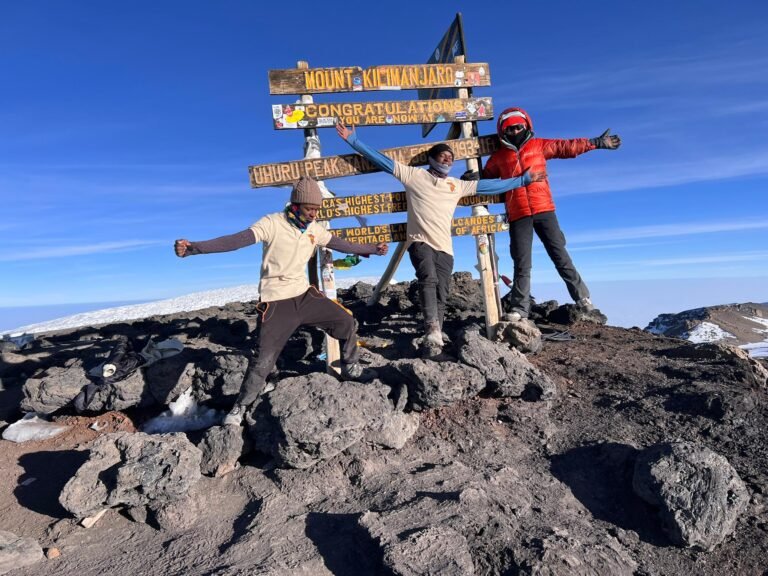
Can I Change My Kilimanjaro Climbing Date After Paying A Deposit? | Climb 4
Planning a Kilimanjaro climb is a significant undertaking, and sometimes life circumstances require adjusting your booked dates. If you've paid a deposit for your Kilimanjaro trek and need...
View package details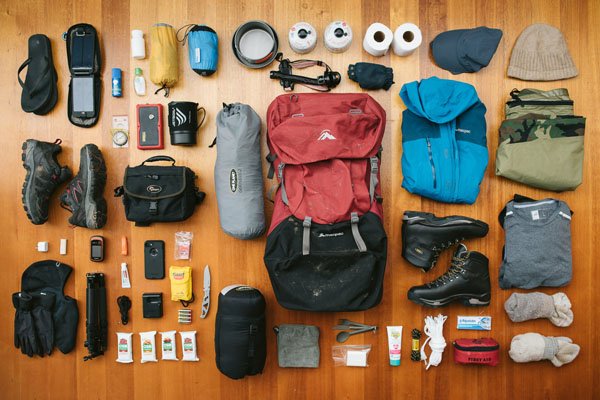
Is Emergency Oxygen Included In Kilimanjaro Climbing Price? Climb 4 Africa
Climb 4 Africa clarifies whether emergency oxygen is part of the standard Kilimanjaro climbing package price, detailing what's typically included and why it's crucial for safety on the...
View package details
Does The Kilimanjaro Price Include Climbing Equipment? Your Guide 2026-2027
Your Kilimanjaro climb price may or may not include all essential climbing equipment. Understanding what's provided versus what you need to source yourself is crucial for a successful and...
View package details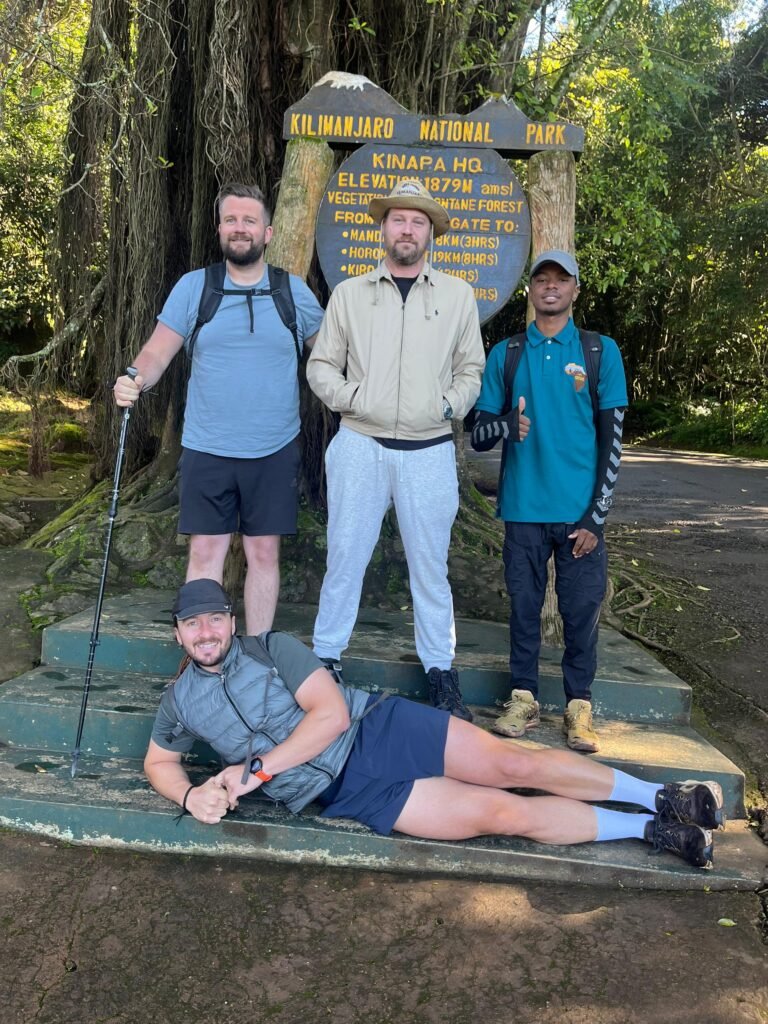
Which Kilimanjaro Route Is The Cheapest? A Guide 2026-2027
When planning a Kilimanjaro climb, cost is a significant factor for many adventurers. Understanding which routes offer the most budget-friendly options is crucial for making informed...
View package detailsKilimanjaro Vs Mount Meru: Climbing Cost & Difficulty Comparison 2026-2027
Kilimanjaro vs Mount Meru: Climbing Cost & Difficulty Comparison is explained with current 2026-2027 planning, price, itinerary and booking information.
View package details
Is Kilimanjaro Worth The Cost? What You Get For Your Money In 2026-2027
Climbing Mount Kilimanjaro is a significant investment, but the experience offers unparalleled rewards. This guide breaks down the costs, detailing what you receive for your money, helping...
View package details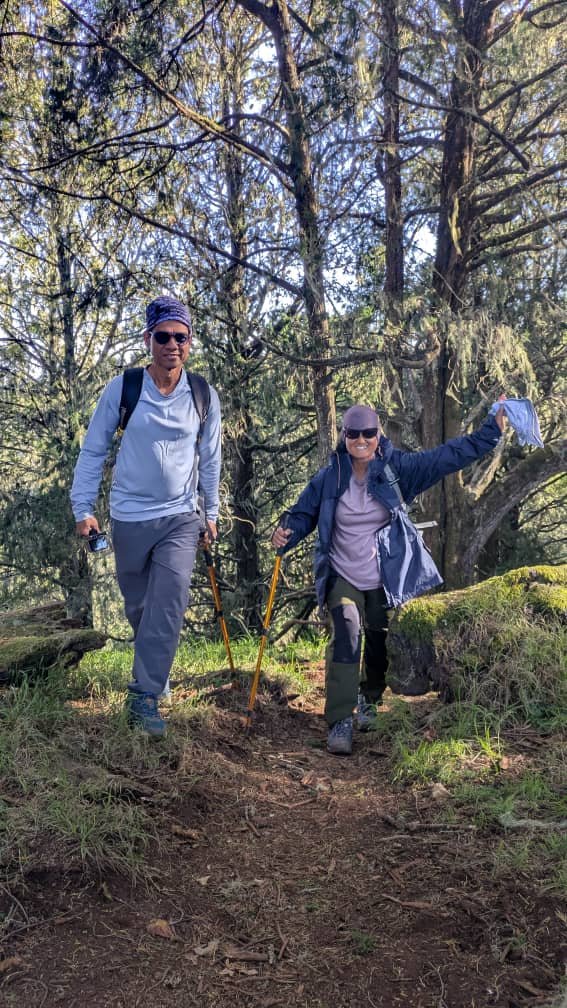
Cheap Vs Expensive Kilimanjaro Operators: What Is The Difference? ( Guide)
Choosing a Kilimanjaro tour operator significantly impacts your climb. This guide breaks down the crucial differences between cheap and expensive operators, covering safety, equipment...
View package detailsHotel Costs Before And After Climbing Kilimanjaro: Planning Your Stay
Planning a Kilimanjaro climb involves more than just the trek itself. Understanding the associated hotel costs before and after your ascent is crucial for budgeting and a smooth travel...
View package details
Kilimanjaro Travel Insurance Cost: What Cover Do Climbers Need? 2026-2027
Kilimanjaro Travel Insurance Cost: What Cover Do Climbers Need? is explained with current 2026-2027 planning, price, itinerary and booking information.
View package detailsClimbing Kilimanjaro In December : Prices, Weather & Group Dates 2026-2027
Discover everything you need to know about climbing Kilimanjaro in December, including pricing, weather patterns for 2026-2027, and curated group departure dates. Climb 4 Africa provides...
View package detailsNo related package matches those filters. Clear one or more filters to see the other topic-matched options.



