
A typical Kilimanjaro climbing package includes essential services for your trek: qualified guides, support crew (porters and cooks), all meals on the mountain, camping equipment (tents, sleeping mats), park entrance fees, rescue fees, and transport to and from the mountain’s base. Many packages also offer pre- and post-climb accommodation in Moshi. For 2026-2027 climbs, expect detailed itineraries and professional logistical support covering all these crucial elements.

Understanding Your Kilimanjaro Climbing Package Inclusions
Climbing Mount Kilimanjaro is a significant undertaking, and understanding precisely what your chosen tour operator provides is fundamental to a successful and enjoyable expedition. A well-structured Kilimanjaro climbing package is designed to handle all the logistical complexities, allowing you to focus on the challenge and the incredible scenery. For prospective climbers planning their 2026 or 2027 adventure, a clear grasp of inclusions is paramount. This guide details the core components typically found in a comprehensive Kilimanjaro climbing package, helping you make informed decisions.
The exact inclusions can vary between operators, so it’s crucial to compare packages carefully. However, most reputable companies, including Climb 4 Africa, adhere to a standard set of provisions that ensure safety, comfort, and a high probability of reaching Uhuru Peak.
Core Inclusions: The Pillars of Your Kilimanjaro Expedition
When you book a Kilimanjaro climbing package, certain elements are considered non-negotiable for a safe and well-supported climb. These are the bedrock of any reputable tour, ensuring you have the necessary resources and personnel to navigate Africa’s highest peak.
1. Expert Guides and Support Crew
This is arguably the most critical component of any Kilimanjaro climb. Your package will always include a team of professional guides, porters, and cooks.
- Lead Guides: Typically, you will have at least two lead guides for every climbing group. These individuals are highly experienced, certified in wilderness first aid, and possess extensive knowledge of Kilimanjaro’s routes, flora, fauna, and acclimatization principles. They are responsible for your safety, pacing the group, making critical decisions regarding your well-being, and ensuring adherence to climbing protocols.
- Assistant Guides: For larger groups, assistant guides are also provided to ensure adequate supervision and support for all climbers.
- Porters: These dedicated individuals carry the bulk of your equipment, including tents, food, cooking gear, and personal luggage (within weight limits). They are the backbone of the operation, ensuring that your campsite is set up and ready for you upon arrival and that you only need to carry your daypack. A good operator will employ porters ethically, ensuring fair wages and good working conditions.
- Cooks: A dedicated cook prepares all your meals on the mountain, from breakfast to dinner, often including hot drinks and snacks. They are skilled in preparing nutritious and energy-rich food suitable for high-altitude trekking.
The quality and experience of your guides and crew are paramount. Reputable operators like Climb 4 Africa invest in ongoing training and fair treatment for their staff, which directly translates to a safer and more pleasant climb for you. When planning for 2026-2027, inquire about the guide-to-client ratio and the experience level of the guiding team.
2. Mountain Meals and Hydration
Proper nutrition and hydration are vital for energy and acclimatization on Kilimanjaro. Your package will cover all meals served on the mountain.
- Breakfast: Typically includes porridge, eggs, toast, fruits, and hot beverages.
- Lunch: Often a packed lunch carried by guides or porters, consisting of sandwiches, fruits, biscuits, juice, and snacks, or a hot meal prepared at a designated lunch spot.
- Dinner: A substantial hot meal prepared by the cook, usually featuring soup, a main course (e.g., rice with chicken/vegetables, pasta), and dessert.
- Snacks: Energy bars, biscuits, fruits, and nuts are provided daily.
- Drinking Water: Boiled and cooled water is provided daily. You’ll need to carry your own water bottles or hydration reservoir.
- Hot Drinks: Tea, coffee, and hot chocolate are usually available at mealtimes.
Dietary restrictions (vegetarian, vegan, allergies) are usually accommodated with advance notice. Always inform your operator about any specific needs when booking your 2026-2027 climb.
3. Camping Equipment and Accommodation on the Mountain
Your package includes the necessary camping gear to ensure a comfortable and safe stay at the designated campsites.
- Tents: High-quality, four-season tents are provided for sleeping. These are typically spacious enough for two people and are designed to withstand mountain weather.
- Mess Tents: A separate tent is usually set up for dining, providing shelter from the elements during meals. This is especially important in inclement weather.
- Toilet Tents: A portable toilet tent is often provided for privacy and convenience, especially on higher camps. Basic pit latrines are available at some campsites.
- Sleeping Mats: Foam sleeping mats are usually provided. For added comfort, many climbers opt to bring their own inflatable sleeping pad.
- Campsite Fees: These are covered by your package.
Note that sleeping bags and trekking poles are often not included, as these are personal items. Check your operator’s specific list.
4. Park Entrance Fees and Permits
These are significant costs and are almost always included in a comprehensive Kilimanjaro climbing package.
- Kilimanjaro National Park Entrance Fees: These fees grant you access to the mountain and are substantial.
- Camping/Hut Fees: Depending on the route and your accommodation choice (camping or hut), these fees cover the use of designated campsites or basic huts.
- Rescue Fees: A mandatory fee that covers emergency rescue services in case of an accident or medical emergency. This is crucial for your safety.
These fees are subject to change, and operators will typically quote prices based on the current rates for 2026-2027 climbs. Always confirm that these are included to avoid unexpected expenses.
5. Transportation
Your package will cover transportation related to the climb.
- Airport Transfers: Often included for your arrival and departure from Kilimanjaro International Airport (JRO).
- Transfers to/from the Mountain: Transport from your hotel in Moshi or Arusha to the starting point of your chosen route and back to your hotel after the descent. This is typically in a private, comfortable vehicle.
6. Pre- and Post-Climb Accommodation (Often Included)
Many operators include one or two nights of accommodation before the climb briefing and after the descent, usually in a comfortable hotel or lodge in Moshi or Arusha. This provides a place to rest, clean up, and prepare for or recover from your trek.
- Briefing: A pre-climb briefing is essential for reviewing your itinerary, gear, and safety procedures.
- Rest and Recovery: Essential for acclimatizing to the local climate before the climb and recuperating afterwards.
This inclusion significantly adds to the convenience and overall experience of your Kilimanjaro adventure.
What Is Typically NOT Included in a Kilimanjaro Climbing Package?
While comprehensive, most packages have certain exclusions. Being aware of these will help you budget accurately for your 2026-2027 expedition.
1. Flights
International flights to and from Kilimanjaro International Airport (JRO) are almost never included in Kilimanjaro climbing packages. You will need to book these separately.
2. Visas and Passports
You are responsible for obtaining the necessary visa for Tanzania and ensuring your passport is valid for at least six months beyond your intended stay, with sufficient blank pages.
3. Travel Insurance
Comprehensive travel insurance is mandatory for all Kilimanjaro climbs. This insurance must cover:
- High-altitude trekking up to 5,895 meters (19,341 feet).
- Emergency medical evacuation and repatriation.
- Trip cancellation and interruption.
Your operator will require proof of this insurance before you begin your trek. It is a critical safety net for any expedition.
4. Personal Gear and Equipment
While communal camping gear is provided, personal trekking equipment is generally not included. This typically includes:
- Sleeping bag (rated to at least -10°C or -20°C).
- Trekking poles.
- Headlamp with extra batteries.
- Water bottles or hydration reservoir.
- Sunscreen, sunglasses, and hat.
- Personal toiletries.
- Appropriate clothing layers (base layers, mid-layers, outer shell).
- Waterproof and insulated trekking boots.
Many operators offer rental services for some items like sleeping bags and trekking poles, which can be a convenient option.
5. Tips for Guides and Crew
Tipping is customary and greatly appreciated in Tanzania. While not always explicitly stated as an inclusion, a budget for tipping your guides, porters, and cook is essential. Operators usually provide recommended tipping guidelines.
For 2026-2027 climbs, expect these guidelines to be updated annually. A typical range might be $20-30 per climber per day for the lead guide, $15-20 for assistant guides, $10-15 for the cook, and $8-10 for each porter. These amounts are pooled and distributed among the crew.
6. Personal Expenses
This includes items like:
- Snacks and drinks purchased outside of meals provided.
- Souvenirs.
- Laundry services.
- Extra drinks (e.g., alcoholic beverages) at hotels.
- Optional tips for hotel staff.
7. Vaccinations and Medications
You are responsible for consulting your doctor regarding necessary vaccinations (e.g., Yellow Fever, Hepatitis A) and malaria prophylaxis, as well as any personal medications you may need.
8. Gratuities for Hotel Staff
While crew tips are standard, tips for hotel staff before and after the climb are discretionary but appreciated.
Factors Influencing Kilimanjaro Package Inclusions and Costs
The price and specific inclusions of a Kilimanjaro climbing package can vary significantly based on several factors. Understanding these will help you navigate the market and choose the best option for your 2026-2027 expedition.
1. Operator Type (Local vs. International)
- Local Operators: Often based in Moshi or Arusha, these companies generally offer more competitive pricing. They have a direct understanding of local conditions and a vested interest in supporting the local economy. Climb 4 Africa is a prime example of a highly reputable local operator with extensive on-the-ground experience.
- International Operators: These companies may outsource operations to local partners or manage their own logistics. Their pricing can sometimes be higher due to overheads, marketing, and intermediary costs. However, they might offer more familiar booking processes or customer service styles for international clients.
2. Route Choice
Different routes have varying durations, complexities, and popularity, which impacts costs.
- Shorter Routes (e.g., Marangu, Rongai): May appear cheaper due to fewer days on the mountain, but often have lower success rates due to less gradual acclimatization.
- Longer Routes (e.g., Machame, Lemosho, Northern Circuit): Offer better acclimatization and higher success rates but involve more days, thus higher park fees and crew costs. The Northern Circuit, being the longest, is typically the most expensive.
3. Group Size and Type (Private vs. Group)
- Group Climbs: Joining a pre-scheduled group departure is usually the most economical option. You share costs with other climbers. Climb 4 Africa offers group departures for popular routes like Machame for 2026-2027.
- Private Climbs: Offer flexibility in dates and a more personalized experience but come at a higher cost per person. The cost per person decreases with more people in your private group.
4. Level of Service and Comfort
- Budget Operators: May cut costs on food quality, equipment, or crew numbers.
- Mid-Range Operators: Offer a good balance of quality, safety, and price, with reliable equipment, good food, and well-trained staff.
- Luxury Operators: Provide premium services, including gourmet meals, private toilet tents for every climber, oxygen systems, and higher guide-to-client ratios.
5. Inclusions Specifics
As detailed earlier, the more inclusions a package has (e.g., extra nights’ accommodation, gear rental, pre-climb meals), the higher the price will be. Always scrutinize the list of what is and isn’t included.
6. Time of Year (Peak vs. Shoulder Seasons)
Climbing during peak seasons (e.g., January-March, June-October) might sometimes command slightly higher prices due to demand, although park fees remain constant. Shoulder seasons can offer slightly better availability and potentially more flexibility.
Choosing the Right Kilimanjaro Climbing Package for 2026-2027
When selecting a package for your Kilimanjaro adventure in 2026 or 2027, consider the following:
1. Safety First
Prioritize operators with a strong safety record, certified guides, and emergency protocols. Ensure they carry oxygen and first-aid kits and have evacuation plans. Climb 4 Africa emphasizes safety as its top priority.
2. Crew Welfare and Ethics
Look for operators who are members of organizations like KPAP (Kilimanjaro Porters Assistance Project) or have transparent policies on fair wages, proper gear, and sufficient food for their porters and guides. This ensures a more ethical and sustainable climb.
3. Route and Duration
Choose a route that matches your fitness level and desired acclimatization profile. Longer routes generally offer better success rates. For 2026-2027, consider booking longer routes like Lemosho or Northern Circuit for optimal acclimatization.
4. Reviews and Reputation
Read independent reviews on platforms like TripAdvisor. Look for consistent feedback regarding guide quality, food, equipment, and overall organization. The TripAdvisor reviews for Climb 4 Africa highlight their commitment to client satisfaction.
5. Clear Inclusions List
Request a detailed list of inclusions and exclusions. Don’t hesitate to ask questions. A good operator will provide a comprehensive breakdown.
6. Communication and Support
The responsiveness and clarity of communication from the operator during the booking process are often indicative of their service quality throughout the expedition.
Example of a Comprehensive Kilimanjaro Package (Climb 4 Africa)
To illustrate, here’s what a typical comprehensive Kilimanjaro climbing package from a reputable local operator like Climb 4 Africa might include for a 2026-2027 trek:
Included in Your Climb 4 Africa Package:
- Professional Guides: Experienced, certified, English-speaking guides.
- Support Crew: Adequate number of porters and cooks trained in safety and hygiene.
- All Meals on the Mountain: High-quality, nutritious meals prepared by your cook.
- Drinking Water: Boiled and cooled water provided daily.
- Camping Equipment: Quality tents (sleeping, dining, toilet), sleeping mats.
- Park Fees: All Kilimanjaro National Park entry, camping/hut, and rescue fees.
- Accommodation: 2 nights’ accommodation in a comfortable hotel in Moshi (1 night pre-climb, 1 night post-climb).
- Transfers: Airport transfers on arrival/departure, and transport to/from the mountain gate.
- Briefing: Pre-climb briefing and gear check.
- Oxygen: Portable oxygen cylinders for emergency use.
- First Aid: Comprehensive first-aid kits and trained guides.
- Ethical Trekking: Commitment to fair porter treatment and wages.
- Group Departures: Options to join shared climbs for cost savings.
What’s Generally NOT Included:
- International flights.
- Tanzanian visa.
- Travel and medical insurance (mandatory).
- Personal climbing gear (sleeping bag, poles, etc. – rentals available).
- Tips for guides, porters, and cooks.
- Personal expenses (souvenirs, extra drinks).
- Vaccinations and medications.
Planning Your 2026-2027 Kilimanjaro Climb: What to Expect
As you plan your 2026 or 2027 Kilimanjaro expedition, remember that a well-defined climbing package is your blueprint for success. It ensures that the critical logistical elements are handled professionally, allowing you to focus on the physical and mental preparation required for the climb.
When comparing operators, look beyond just the price. Consider the quality of the guides, the crew’s welfare policies, the type and condition of the equipment, and the overall safety measures in place. A slightly higher price for a package that offers superior support, better acclimatization strategies, and ethical treatment of staff is often a worthwhile investment in your safety and overall experience.
For those looking at group departures in 2026-2027, routes like the Machame Route are very popular. These offer a good balance of scenic beauty, acclimatization, and a reasonable challenge. If you prefer more flexibility or are traveling with a specific group, private climbs can be arranged. Climb 4 Africa specializes in tailoring these experiences to individual needs.
Frequently Asked Questions About Kilimanjaro Package Inclusions
Here are some common questions regarding what’s included in a Kilimanjaro climbing package:
Q1: Are park fees always included in Kilimanjaro climbing packages?
A: Yes, for reputable operators, park entrance fees, camping/hut fees, and rescue fees are almost always included in a comprehensive Kilimanjaro climbing package. These are significant costs, and their inclusion is a standard practice for legitimate tour providers to ensure a complete and safe expedition. Always verify this in the contract or inclusions list.
Q2: What kind of food is served on Kilimanjaro?
A: You can expect three main meals a day prepared by a dedicated cook, plus snacks and hot drinks. Meals are designed to be nutritious and energy-dense, often including soups, stews, rice dishes, pasta, and fresh ingredients when available. Breakfast might feature porridge, eggs, and toast, while lunches can be packed or hot. Dietary requirements are usually accommodated with advance notice.
Q3: Do packages include sleeping bags and trekking poles?
A: Typically, no. Sleeping bags and trekking poles are considered personal gear. However, many operators, including Climb 4 Africa, offer rental services for these items. It’s advisable to bring your own sleeping bag if you have one that meets the required temperature rating (-10°C to -20°C recommended), but renting is a convenient option if you don’t.
Q4: What is the policy on tipping the crew?
A: Tipping is customary and expected in Tanzania. While the tips themselves are not usually part of the package price, reputable operators will provide clear guidelines on recommended tipping amounts for guides, porters, and cooks. These tips form a significant part of the crew’s income, so budgeting for them is essential. For 2026-2027 climbs, expect these guidelines to be available upon booking.
Q5: Does the package cover altitude sickness treatment?
A: While the package includes safety measures like guides trained in first aid, portable oxygen, and emergency evacuation coordination, it does not cover the cost of specific altitude sickness medication or treatment beyond immediate emergency response. Your travel insurance is crucial for covering medical expenses related to altitude sickness or any other medical emergency during the climb.
Q6: How many nights of accommodation are usually included?
A: Most comprehensive Kilimanjaro climbing packages include 2 nights of accommodation in a hotel or lodge in Moshi or Arusha: typically one night before the climb begins (for briefing and preparation) and one night after the descent (for rest and celebration). Additional nights can usually be added at an extra cost.
Q7: What if I need to cancel my 2026-2027 Kilimanjaro climb?
A: Cancellation policies vary significantly between operators. It’s vital to review the terms and conditions carefully before booking. Most operators have tiered refund policies based on how far in advance you cancel. Your travel insurance should also cover trip cancellation for specific covered reasons.
Q8: Is there a weight limit for my personal luggage carried by porters?
A: Yes, there is usually a weight limit for the duffel bag that porters will carry, typically around 15 kg (33 lbs). You will also have a daypack that you carry yourself, containing essentials like water, snacks, rain gear, and warm layers. Operators will provide specific details on luggage weight limits and requirements for your 2026-2027 climb.
Final Considerations for Your 2026-2027 Kilimanjaro Expedition
When you book your Kilimanjaro climbing package, you are investing in an experience that requires meticulous planning and execution. A comprehensive package, like those offered by experienced operators such as Climb 4 Africa, simplifies this process immensely. It ensures that the critical elements of safety, logistics, sustenance, and support are handled by professionals.
For your 2026 or 2027 climb, take the time to read through package details, compare options, and ask questions. Understanding what is included is not just about avoiding hidden costs; it’s about ensuring you are well-prepared for the adventure ahead. A great climbing package provides peace of mind, allowing you to focus on the awe-inspiring journey to the Roof of Africa.
Ready to plan your Kilimanjaro adventure for 2026-2027? Contact Climb 4 Africa for expert advice and tailor-made itineraries. Reach out via WhatsApp at +255 747 477 898 or email us at climb4africa@gmail.com. Let us help you achieve your dream of summiting Kilimanjaro.
Check Availability for What Is Included In A Kilimanjaro Climbing Package? Guide
Ready to compare dates, prices, and the best option for your group? Send the package name and travel month so the team can reply with a clear quote, availability, and what is included.
What Is Not Included In Most Kilimanjaro Climbing Prices? Guide 2026-2027
Many Kilimanjaro climbing packages seem all-inclusive, but several crucial items are often left out of the advertised price. This guide details what you should expect to pay extra for...
View package details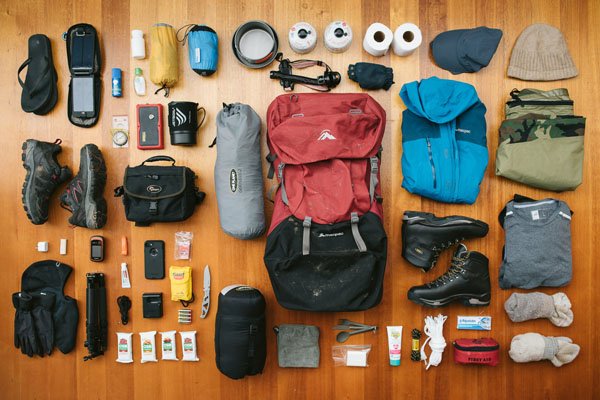
Is Emergency Oxygen Included In Kilimanjaro Climbing Price? Climb 4 Africa
Climb 4 Africa clarifies whether emergency oxygen is part of the standard Kilimanjaro climbing package price, detailing what's typically included and why it's crucial for safety on the...
View package details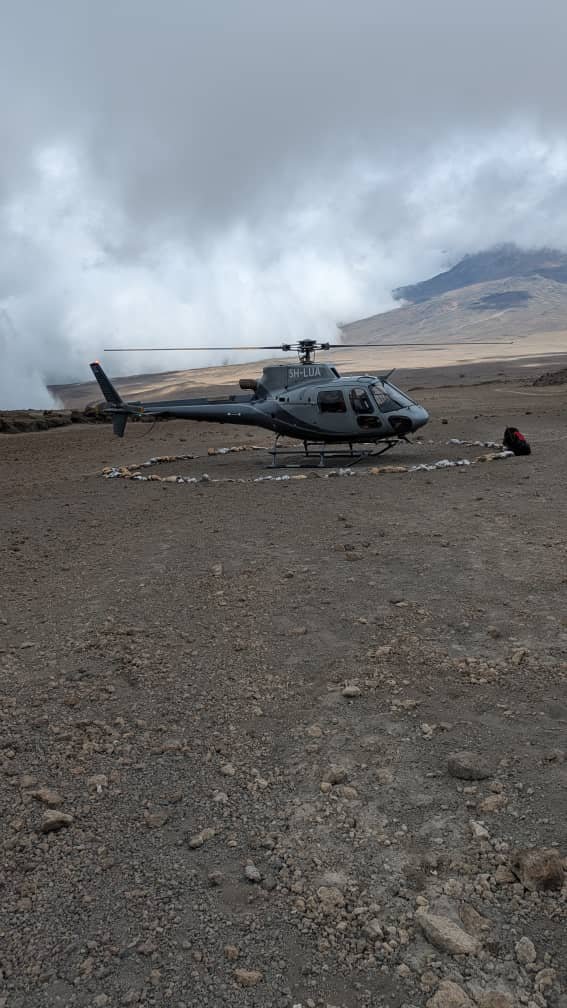
What Is The Cheapest Kilimanjaro Climbing Package? 2026-2027
What is the cheapest Kilimanjaro climbing package? is explained with current 2026-2027 planning, price, itinerary and booking information.
View package details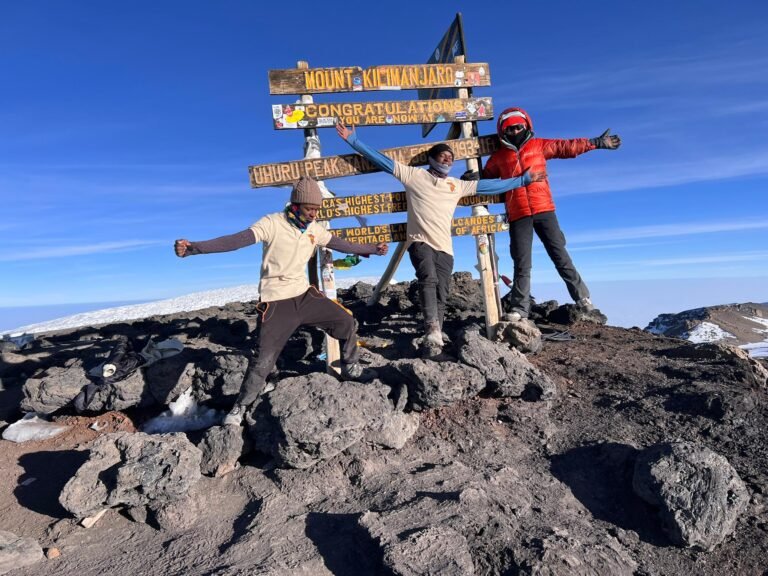
Can I Change My Kilimanjaro Climbing Date After Paying A Deposit? | Climb 4
Planning a Kilimanjaro climb is a significant undertaking, and sometimes life circumstances require adjusting your booked dates. If you've paid a deposit for your Kilimanjaro trek and need...
View package details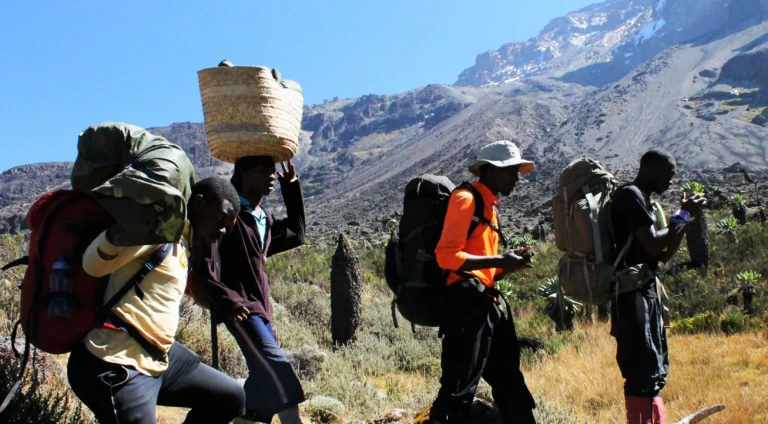
Is A Private Toilet Included In The Kilimanjaro Price? 2026-2027
Discover whether a private toilet is a standard inclusion in Kilimanjaro climbing package prices, the variations across routes and operators, and how Climb 4 Africa prioritizes your comfort...
View package details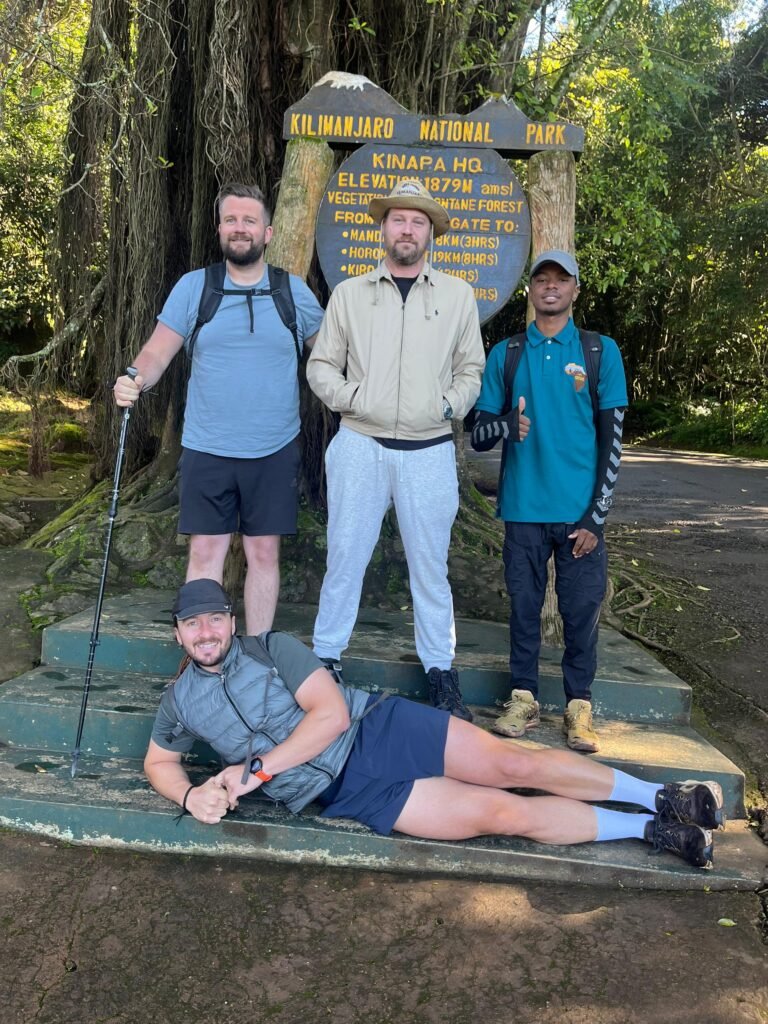
Are Porters Included In Kilimanjaro Package Costs? A Climb 4 Africa Guide
Understand the critical role of porters on Kilimanjaro and whether they are typically included in tour package costs. This guide from Climb 4 Africa provides essential details for planning...
View package detailsAre Rescue Fees Included In Kilimanjaro Park Fees? 2026-2027
Are rescue fees included in Kilimanjaro park fees? is explained with current 2026-2027 planning, price, itinerary and booking information.
View package detailsIs Travel Insurance Included In Kilimanjaro Packages? Expert Guide 2026-2027
Many Kilimanjaro packages do not automatically include comprehensive travel insurance. While some may offer basic medical evacuation coverage, it's crucial to understand what's typically...
View package details
Does The Kilimanjaro Price Include Climbing Equipment? Your Guide 2026-2027
Your Kilimanjaro climb price may or may not include all essential climbing equipment. Understanding what's provided versus what you need to source yourself is crucial for a successful and...
View package details
Are Kilimanjaro Park Fees Included In The Package Price? Your Guide 2026-2027
Understand whether Kilimanjaro park fees are part of your climb package price. This guide provides essential details for trekkers planning their 2026-2027 adventure, covering what's...
View package details
Kilimanjaro Vs Mount Meru: Climbing Cost & Difficulty Comparison 2026-2027
Kilimanjaro vs Mount Meru: Climbing Cost & Difficulty Comparison is explained with current 2026-2027 planning, price, itinerary and booking information.
View package details
Is Kilimanjaro Worth The Cost? What You Get For Your Money In 2026-2027
Climbing Mount Kilimanjaro is a significant investment, but the experience offers unparalleled rewards. This guide breaks down the costs, detailing what you receive for your money, helping...
View package detailsNo related package matches those filters. Clear one or more filters to see the other topic-matched options.



