
Climbing Mount Kilimanjaro is a significant financial undertaking, but it is overwhelmingly worth the cost for the unique experience it provides. Your investment typically covers essential services like park fees, experienced guides and porters, quality equipment, nutritious meals, accommodation before and after the climb, and crucial safety measures. For 2026-2027, expect costs to range from approximately $2,000 to $5,000+ per person, depending heavily on the chosen route, duration, operator, and level of service. This price point secures an unforgettable journey to Africa’s highest peak, offering immense personal achievement and incredible natural beauty.


Understanding the True Value of a Kilimanjaro Climb
The question of whether Kilimanjaro is worth the cost is one that every aspiring climber grapples with. It’s a substantial investment, not just in terms of money, but also time, training, and mental preparation. However, the rewards – the sense of accomplishment, the impressive vistas, the cultural immersion, and the sheer adventure – are often described as priceless. When you break down what goes into a Kilimanjaro expedition, you begin to see the considerable value packed into the price tag.
For 2026-2027, the pricing landscape for Kilimanjaro climbs remains competitive, but operators must balance affordability with the high operational costs and the critical need for safety and sustainability. Understanding these components is key to appreciating the value proposition. It’s not just about reaching the summit; it’s about the entire journey, the support system that gets you there safely, and the memories you create.
This article aims to demystify the costs associated with climbing Kilimanjaro, detailing precisely what you get for your money. We’ll explore the factors influencing price, the essential inclusions, and how different operators provide varying levels of service, ensuring you can make an informed decision for your expedition, whether you’re planning for 2026 or 2027.
Factors Influencing Kilimanjaro Climb Costs for 2026-2027
The price of a Kilimanjaro climb isn’t uniform. Several critical factors dictate the final cost, and understanding these will help you compare quotes and identify the best value for your budget. For planning your climb in 2026 or 2027, these elements are fundamental:
1. Route Selection: The Foundation of Cost
Different routes on Kilimanjaro vary significantly in length, difficulty, scenery, and, consequently, cost. Longer routes generally cost more due to more days of guide, porter, and chef services, increased food consumption, and more camping equipment usage. However, they also offer higher success rates and a more enjoyable acclimatization process.
- Marangu Route (Coca-Cola Route): Often the shortest and cheapest, typically 5-6 days. It’s the only route with hut accommodation. Its popularity and shorter duration make it less expensive but also lead to lower acclimatization and success rates.
- Machame Route (Whiskey Route): A popular 6-7 day trek known for its scenic beauty and good acclimatization profile. It’s a camping route and generally falls into the mid-range cost category. Many group departures for 2026 and 2027 are available on this route.
- Lemosho Route: Typically 7-8 days, Lemosho is highly scenic and offers excellent acclimatization, leading to higher success rates. It’s considered one of the most beautiful routes and comes with a higher price tag due to its duration and remote start.
- Shira Route: Similar to Lemosho but starts at a higher altitude, making acclimatization slightly more challenging for some. It’s also a longer, more expensive route.
- Rongai Route: The only route approaching from the north, Rongai is a good option during the rainy seasons. It’s typically 6-7 days and offers a less crowded experience, with costs comparable to Machame or Lemosho.
- Northern Circuit: The longest route (9-10 days), offering the best acclimatization and highest success rates. It circumnavigates the mountain, providing diverse views. Its extended duration makes it the most expensive option.
- Umbwe Route: The shortest and steepest route, demanding significant physical fitness. It’s not recommended for most climbers due to poor acclimatization and low success rates, and while shorter, its complexity doesn’t always translate to lower costs.
2. Duration of the Climb
As mentioned, longer routes mean more days on the mountain. This directly translates to increased costs for guide, porter, chef, and crew wages, food, fuel, and camping equipment. While a 5-day climb might seem cheaper initially, the lower success rate often means climbers have to return and pay again, making a longer, more expensive climb potentially more cost-effective in the long run for 2026-2027 expeditions.
3. Operator Type and Service Level
This is perhaps the most significant variable. Operators range from small local outfits to large international companies. The price reflects the quality of service, safety standards, guide-to-client ratios, porter welfare policies, and the overall experience provided.
- Budget Operators: These often offer the lowest prices. They may cut costs on crew wages, food quality, equipment maintenance, or safety protocols. While tempting, they carry higher risks.
- Mid-Range Operators: These strike a balance between cost and quality. They generally offer good food, reliable equipment, well-trained guides, and fair treatment of porters. This is often the sweet spot for value. Many reputable local operators like Climb 4 Africa fall into this category.
- Luxury Operators: These offer premium services, including higher-end camping gear, more spacious tents, gourmet meals, private toilet tents, and sometimes even oxygen cylinders as standard. Their prices are significantly higher.
4. Group Size vs. Private Climb
Climbing in a small group (often on scheduled departures) is generally cheaper per person than organizing a private climb. Private climbs offer flexibility in dates and pace but come at a premium, as the fixed costs (guide fees, park fees, etc.) are spread over fewer individuals.
5. Inclusions and Exclusions
What’s included in the quoted price varies wildly. Always scrutinize the details. Common inclusions are park fees, rescue fees, crew salaries, meals on the mountain, camping equipment, and accommodation before/after the trek. Common exclusions might be tips, personal gear, travel insurance, flights, visas, and items like sleeping bags or walking poles.
6. Seasonality
While Kilimanjaro can be climbed year-round, peak seasons (like January-March and June-October) might see slightly higher prices due to demand. Off-peak seasons (April-May, November) can sometimes offer better deals, but weather conditions are less predictable.
What Your Kilimanjaro Climb Cost Actually Covers: The Essentials
When you pay for a Kilimanjaro climb, a significant portion of your money goes towards ensuring a safe, successful, and relatively comfortable experience. Here’s a breakdown of the core components your fee typically covers, especially with reputable operators for 2026-2027 expeditions:
1. National Park Fees and Rescue Fees
These are mandatory government fees and form a substantial part of the total cost. For 2026-2027, these fees are set by the Tanzania National Parks Authority (TANAPA) and are non-negotiable. They include:
- Kilimanjaro National Park Entry Fees: Charged per person, per day.
- Camping Fees: Charged per person, per night, for camping sites.
- Crater Fees: Applicable if your route goes to the crater rim (e.g., some itineraries on Kibo).
- Rescue Fees: A mandatory fee to cover the cost of potential rescue operations. This is crucial for safety.
These fees alone can account for 30-50% of the total trip cost for budget operators, and a slightly lower percentage for premium operators who include more services. They are essential for park conservation and operational support.
2. Guide, Porter, and Chef Wages and Support
The backbone of any Kilimanjaro climb is the experienced local crew. Your cost covers:
- Salaries: Fair wages for guides, assistant guides, cooks, and porters. Reputable companies pay above the minimum, ensuring experienced staff are motivated and committed.
- Food and Water for Crew: The crew also needs to be fed and hydrated throughout the expedition.
- Equipment for Crew: Providing adequate clothing, sleeping bags, and tents for the entire team.
- Porter Protection Policies: Responsible operators adhere to weight limits for porters (typically 15kg of client luggage plus their own gear) and ensure they are treated with respect.
Paying for good staff is paramount. Experienced guides are vital for acclimatization monitoring, safety, and increasing summit success. Well-treated porters are essential for carrying your gear efficiently and safely.
3. Quality Camping Equipment
For routes other than Marangu, you’ll be camping. Your cost covers the provision and maintenance of:
- Tents: High-quality, waterproof, four-season tents for sleeping, dining, and toilets.
- Sleeping Mats: Comfortable mats for insulation and cushioning.
- Dining Tent: A spacious tent with tables and chairs for meals.
- Toilet Tent: A private space for a portable toilet.
- Cooking Equipment: Stoves, fuel, pots, pans, and utensils for the chef.
Good quality, well-maintained gear is crucial for comfort and protection against the elements, especially at higher altitudes.
4. Nutritious Meals and Hydration
Climbing Kilimanjaro is physically demanding, requiring substantial energy. Your fee includes:
- All Meals on the Mountain: Breakfast, lunch, and dinner, prepared by a dedicated cook. Meals are typically high-carbohydrate, designed for energy and easy digestion.
- Snacks: Biscuits, chocolate, fruit, and energy bars to keep you going between meals.
- Boiled Water: Safe drinking water provided daily.
The quality and quantity of food are significant differentiators between operators. Good food aids recovery and morale.
5. Pre- and Post-Climb Accommodation
Most reputable tour packages include one night of accommodation in a hotel or lodge in Moshi or Arusha before the climb and one night after. This is essential for rest, acclimatization to the local climate, and pre-climb briefings or post-climb celebrations.
6. Safety and Emergency Preparedness
This is a non-negotiable aspect and a major reason why skimping on cost can be dangerous. Your fee contributes to:
- Oxygen Saturation (SpO2) Monitors: Used by guides to track altitude sickness.
- First Aid Kits: Comprehensive kits carried by guides.
- Emergency Evacuation Procedures: Operators have established protocols, often working with local rescue services. The rescue fee covers basic evacuation.
- Experienced Medical Guides: Many guides have advanced first-aid training.
- Communication Devices: Satellite phones or radios for emergencies (though not always included in the price, it’s a service the operator provides).
7. Logistics and Transportation
This includes transport from the airport to your hotel, from the hotel to the mountain gate, and back from the gate to your hotel. It also covers the transportation of all crew and equipment.
Comparing Kilimanjaro Climb Costs: What Different Price Points Offer (2026-2027)
To truly understand if Kilimanjaro is worth the cost, it’s helpful to see what different budget levels typically provide. While exact prices vary, here’s a general guide for 2026-2027:
Budget Climbs ($1,800 – $2,500 per person)
What you might get:
- Shorter routes (e.g., 5-day Marangu) or longer routes with very basic service.
- Minimum required park fees.
- Basic quality tents and equipment, possibly showing wear.
- Standard meals, sometimes less variety or quantity.
- Lower guide-to-client ratios.
- Potentially less experienced guides or lower porter wages.
- Fewer inclusions (e.g., may exclude pre/post-climb hotel nights, or airport transfers).
- Emphasis on cost-cutting, which can impact safety or comfort.
Consider if: You are on a very tight budget and understand the associated risks. It’s crucial to vet these operators extremely carefully for safety standards and ethical treatment of staff. We do not recommend this level of service for a safe climb.
Mid-Range Climbs ($2,500 – $3,500 per person)
What you might get:
- A good balance of quality and affordability.
- Most popular routes (Machame, Lemosho) available in 6-8 days.
- All mandatory park and rescue fees.
- Good quality, well-maintained tents and camping equipment.
- Nutritious, varied meals, with options for dietary needs.
- Adequate guide-to-client ratios (e.g., 1:6 or better).
- Experienced guides with first-aid training.
- Fair wages and treatment for porters.
- Standard inclusions like pre/post-climb accommodation and transfers.
- Often run by reputable local operators with strong safety records.
Consider if: You want a reliable, safe, and enjoyable experience without the premium price tag. This is the most common and recommended tier for climbers planning for 2026 or 2027.
Premium/Luxury Climbs ($3,500 – $5,000+ per person)
What you might get:
- Higher-end, newer camping equipment.
- More spacious tents, possibly including private toilet tents.
- Gourmet meal options and higher food quality.
- Lower guide-to-client ratios (e.g., 1:4 or better).
- Extra guides or support crew.
- Portable oxygen systems for use during the climb.
- Often includes more pre/post-climb amenities or higher-rated hotels.
- Emphasis on comfort and personalized service.
Consider if: Comfort is a high priority, or if you have specific needs that require enhanced support. These climbs offer a more pampered experience but the core safety and success factors are similar to good mid-range operators.
The Unseen Value: Safety, Sustainability, and Local Impact
Beyond the tangible inclusions, responsible operators invest in aspects that contribute significantly to the overall value and ethical standing of your climb, even if not always explicitly itemized in the price:
1. Porter Welfare and Ethical Trekking
A climb on Kilimanjaro is only possible with the hard work of porters. Reputable companies are members of organizations like the Kilimanjaro Porters Assistance Project (KPAP) or have their own stringent porter welfare policies. This means fair wages, adequate food and shelter, and responsible load limits. While this might slightly increase the cost, it ensures ethical treatment and contributes to the local economy positively. For 2026-2027, choosing an operator committed to porter welfare is a mark of quality and responsibility.
2. Environmental Responsibility
Operating in a national park requires adherence to strict environmental guidelines. Responsible operators ensure:
- Proper waste disposal and packing out all rubbish.
- Minimizing impact on trails and campsites.
- Educating clients on Leave No Trace principles.
- Compliance with park regulations regarding camping sites and water usage.
These practices help preserve Kilimanjaro’s pristine environment for future generations, adding to the long-term value of the experience.
3. Experienced and Well-Trained Guides
The difference between a good climb and a great (or disastrous) one often comes down to the guides. High-quality operators invest in:
- Hiring guides with extensive experience on Kilimanjaro.
- Ensuring guides have advanced wilderness first-aid and CPR certifications.
- Providing ongoing training in altitude sickness management, navigation, and emergency procedures.
- Maintaining a low client-to-guide ratio for better personal attention and safety monitoring.
This expertise is invaluable, directly impacting your safety, acclimatization, and overall enjoyment.
4. Local Expertise and Support
Working with a local Tanzanian company like Climb 4 Africa offers unique advantages. You benefit from:
- Deep understanding of local conditions, regulations, and culture.
- Strong relationships with park authorities and rescue services.
- Direct contribution to the local economy.
- Authentic insights and support throughout your trip.
This local connection is a significant part of the value, ensuring smoother logistics and a more grounded experience.
Maximizing Value: Tips for Choosing an Operator for 2026-2027
To ensure you get the best value for your Kilimanjaro climb cost, consider these tips when selecting an operator for your 2026-2027 adventure:
- Read Reviews: Look beyond star ratings. Read detailed reviews on platforms like TripAdvisor, focusing on comments about safety, crew treatment, food quality, and guide competence.
- Check Inclusions Carefully: Create a checklist of what you expect to be included (e.g., tips, gear rental, transfers, meals) and compare it against operator itineraries.
- Ask About Porter Welfare: Inquire about their policies or membership in organizations like KPAP. This is a strong indicator of an ethical operator.
- Understand Safety Protocols: Ask about their procedures for altitude sickness, emergency communication, and guide training.
- Request Detailed Itineraries: A clear, day-by-day itinerary with distances, altitude gains, and camp locations is essential.
- Compare Apples to Apples: When comparing quotes, ensure you’re comparing the same route duration and level of service.
- Look for Local Expertise: Companies with a strong local presence often offer better value and support.
- Don’t Chase the Lowest Price: The cheapest option often comes with compromises that can put your safety and enjoyment at risk. Kilimanjaro is not the place to cut corners.
Beyond the Climb: Additional Costs to Consider
While the core climb cost is significant, there are other expenses associated with a Kilimanjaro expedition that you need to budget for, especially when planning for 2026-2027:
- International Flights: To Kilimanjaro International Airport (JRO).
- Tanzanian Visa: Obtainable online or on arrival.
- Travel Insurance: Comprehensive insurance covering high-altitude trekking and emergency evacuation is mandatory for most reputable operators.
- Vaccinations and Medications: Consult your doctor for recommended travel health advice.
- Personal Gear: This includes specialized clothing (layers, waterproofs), hiking boots, a warm sleeping bag, a headlamp, and a daypack. While some items might be rentable, you’ll likely need to purchase key pieces.
- Tips for the Crew: This is a significant cultural expectation and a vital part of the crew’s income. Budget around $250-$350 per climber for a standard 7-day climb, distributed among guides, porters, and cooks. Operators usually provide tipping guidelines.
- Optional Activities: Pre or post-climb safaris, Zanzibar holidays, or day tours will incur additional costs.
- Personal Expenses: Souvenirs, drinks, and snacks not provided on the mountain.
Is Kilimanjaro Worth It? The Ultimate ROI
The return on investment for a Kilimanjaro climb is measured not in dollars, but in personal growth, unforgettable memories, and a profound connection with nature. Reaching Uhuru Peak at 5,895 meters (19,341 feet) is a monumental achievement that instills a deep sense of confidence and resilience.
The journey itself is as rewarding as the summit. You’ll witness diverse ecosystems, from lush rainforests to alpine deserts and arctic zones, all on a single mountain. You’ll interact with experienced local guides and porters, gaining insights into their lives and culture. The camaraderie built within your climbing group, supporting each other through challenging moments, creates lasting bonds.
For many, the physical challenge is a catalyst for personal transformation. It pushes you beyond perceived limits, demonstrating what you are capable of with determination and preparation. The views from the summit, especially at sunrise, are legendary and often described as life-changing.
When considering the cost for 2026-2027, weigh it against the unparalleled experience. It’s an investment in an adventure that will shape your perspective and provide stories you’ll tell for a lifetime. The value lies in the challenge, the scenery, the accomplishment, and the deep personal satisfaction that far exceeds the financial outlay.
Planning Your 2026-2027 Kilimanjaro Adventure with Confidence
Choosing the right operator is crucial for a safe, enjoyable, and worthwhile Kilimanjaro experience. At Climb 4 Africa, we pride ourselves on offering exceptional value by balancing competitive pricing with a strong commitment to safety, porter welfare, and environmental responsibility. We understand that Kilimanjaro is more than just a mountain; it’s a life-changing journey.
Our team consists of experienced local guides and support staff dedicated to making your climb successful. We use quality equipment, provide nutritious meals, and adhere to strict safety protocols. We offer various routes, including the popular Machame and Lemosho, with flexible departure dates for 2026 and 2027. We believe in transparency, so you’ll find clear details about what’s included in our packages.
We encourage you to reach out with any questions. Understanding the cost of Kilimanjaro is the first step, but understanding the value and choosing a partner who prioritizes your experience is what truly makes the climb worthwhile. Let us help you plan your unforgettable ascent of Kilimanjaro.
For personalized advice on routes, itineraries, and pricing for your 2026-2027 climb, or to discuss your specific needs, please contact us:
- WhatsApp: +255 747 477 898
- Email: climb4africa@gmail.com
- Website: Climb 4 Africa
We look forward to helping you achieve your Kilimanjaro dream.
Check Availability for Is Kilimanjaro Worth The Cost? What You Get For Your Money In 2026-2027
Ready to compare dates, prices, and the best option for your group? Send the package name and travel month so the team can reply with a clear quote, availability, and what is included.

Kilimanjaro Portable Toilet Cost: Is It Worth Paying Extra? 2026-2027
Deciding whether to pay extra for a portable toilet on your Kilimanjaro climb is a key comfort consideration. This guide breaks down the Kilimanjaro portable toilet cost, its benefits, and...
View package details
Kilimanjaro Travel Insurance Cost: What Cover Do Climbers Need? 2026-2027
Kilimanjaro Travel Insurance Cost: What Cover Do Climbers Need? is explained with current 2026-2027 planning, price, itinerary and booking information.
View package details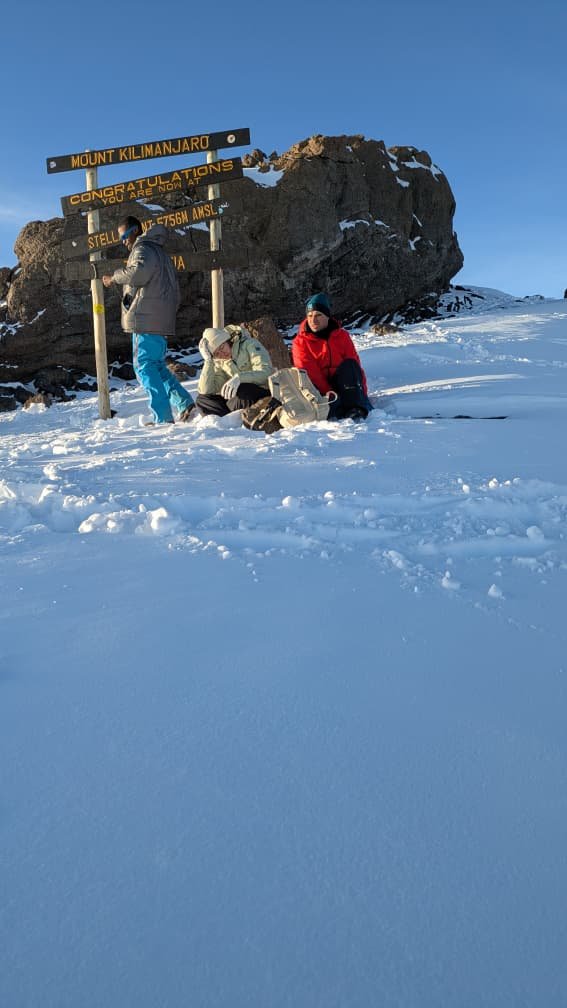
Private Kilimanjaro Day Hike Cost Per Person : What To Expect 2026-2027
Planning a private Kilimanjaro day hike? Understand the cost per person for 2026-2027, factoring in route, duration, inclusions, and operator differences. Get a clear picture of your...
View package details
Which Kilimanjaro Route Offers The Best Value For Money? 2026-2027
Which Kilimanjaro route offers the best value for money? is explained with current 2026-2027 planning, price, itinerary and booking information.
View package details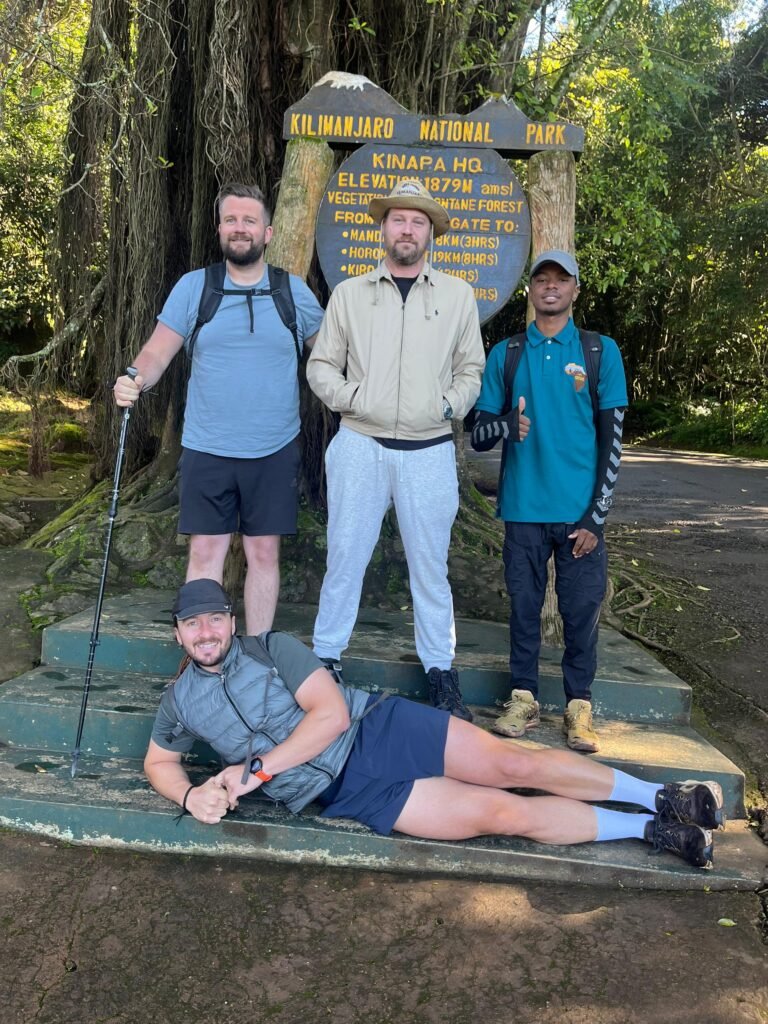
Are Porters Included In Kilimanjaro Package Costs? A Climb 4 Africa Guide
Understand the critical role of porters on Kilimanjaro and whether they are typically included in tour package costs. This guide from Climb 4 Africa provides essential details for planning...
View package details
How Much Does An 8-Day Kilimanjaro Climb Cost? A Guide 2026-2027
Planning an 8-day Kilimanjaro climb in 2026 or 2027? This comprehensive guide breaks down the expected costs, explaining what influences the price and what you get for your money. Learn...
View package details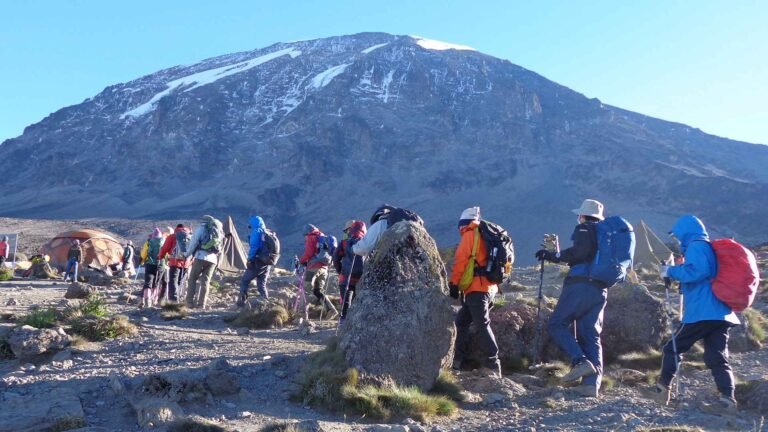
How Much Does Kilimanjaro Cost For A Family? 2026-2027
How much does Kilimanjaro cost for a family? is explained with current 2026-2027 planning, price, itinerary and booking information.
View package details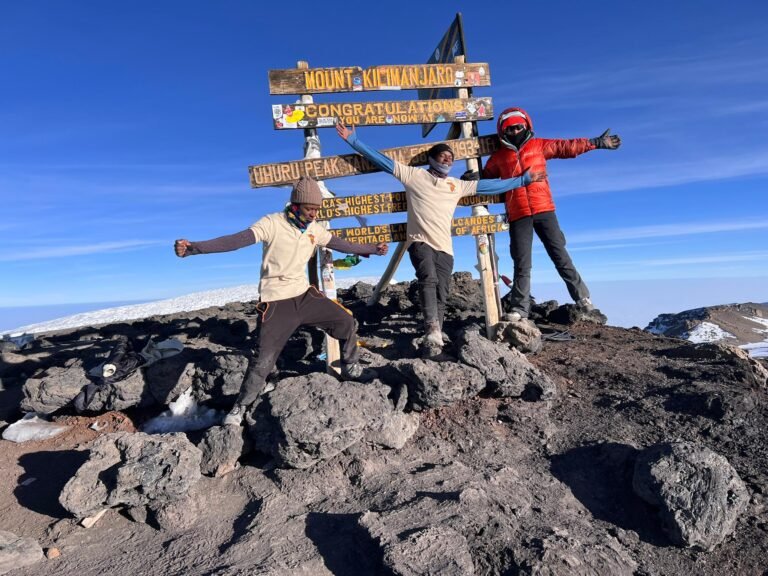
How Much Does Kilimanjaro Cost For Two People? A Guide 2026-2027
Planning a Kilimanjaro climb for two? This guide breaks down the costs for 2026-2027, covering route variations, essential inclusions, and factors that influence the final price for a...
View package detailsHow Much Does A Private Kilimanjaro Climb Cost In ? 2026-2027
Planning a private ascent of Mount Kilimanjaro? Understand the factors that influence the cost of a private climb, typical price ranges for 2026-2027, and what's usually included to help...
View package details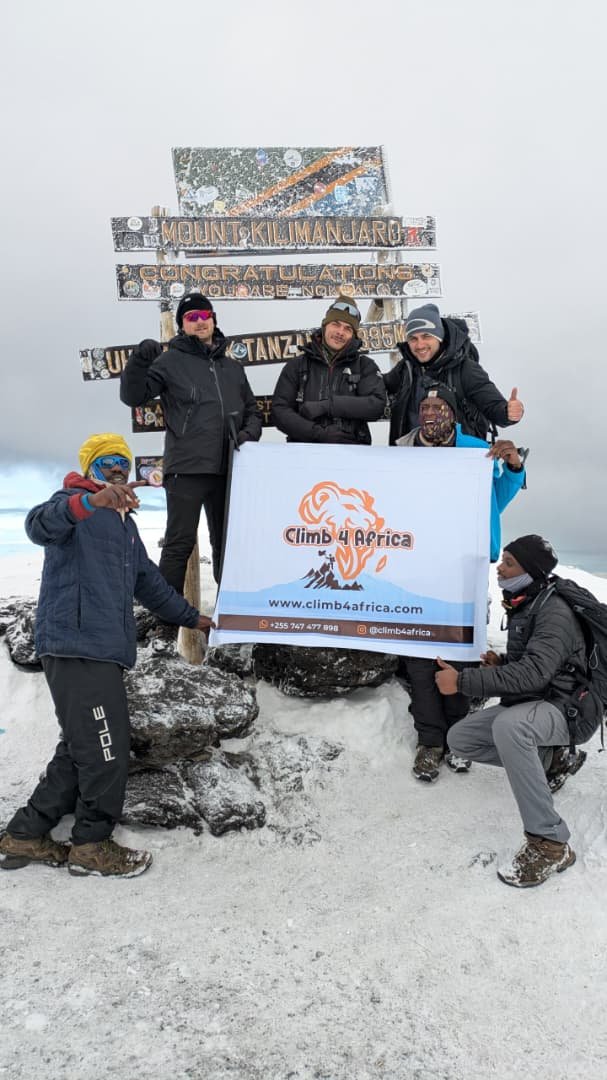
Does Kilimanjaro Cost More During Peak Season? Understanding Pricing 2026-2027
Climbing Mount Kilimanjaro involves varying costs, with peak season dates significantly impacting the overall price. This guide details why and when costs rise, helping you plan your...
View package detailsHow Much Does It Cost To Rent Kilimanjaro Gear In ? 2026-2027
Renting Kilimanjaro gear for your 2026-2027 expedition typically costs between $150 to $350 USD per person for a full set of essentials. This guide breaks down individual item costs, rental...
View package details
What Is The Cheapest Kilimanjaro Climbing Package? 2026-2027
What is the cheapest Kilimanjaro climbing package? is explained with current 2026-2027 planning, price, itinerary and booking information.
View package detailsNo related package matches those filters. Clear one or more filters to see the other topic-matched options.



