Climbing Mount Kilimanjaro is significantly more expensive and generally more difficult than climbing Mount Meru, primarily due to Kilimanjaro’s greater altitude, longer duration, and more complex logistical requirements. While a typical Kilimanjaro climb might range from $2,000 to $5,000+ per person for a 7-day trek, Mount Meru climbs typically cost $800 to $1,500 per person for a 3-4 day ascent. Kilimanjaro presents a greater challenge due to its extreme altitude, requiring more days for acclimatization and posing a higher risk of altitude sickness, whereas Meru is a more accessible, albeit still demanding, acclimatization climb for many adventurers planning for 2026 or 2027.


Kilimanjaro vs Mount Meru: Understanding the Core Differences for Your 2026-2027 Adventure
For many international travelers dreaming of conquering Africa’s highest peaks, the choice often narrows down to two iconic giants: Mount Kilimanjaro, the Roof of Africa, and Mount Meru, its less famous but equally majestic neighbor. Both offer incredible trekking experiences in Tanzania, but they cater to different levels of ambition, physical preparation, and budget. Understanding the nuances of Kilimanjaro vs Mount Meru, especially concerning climbing cost and difficulty, is crucial for making an informed decision for your 2026 or 2027 expedition.
This in-depth comparison will dissect every critical aspect, from the financial investment and physical demands to the logistical considerations and overall experience. Whether you’re a seasoned mountaineer or a determined first-time high-altitude trekker, this guide aims to provide the clarity needed to select the mountain that best aligns with your goals for your upcoming adventure.
Mount Kilimanjaro: The Ultimate African Summit Experience
Mount Kilimanjaro stands at an imposing 5,895 meters (19,341 feet), making it the highest free-standing mountain in the world and a bucket-list destination for trekkers globally. Its status as the highest peak in Africa and one of the Seven Summits draws thousands of climbers each year, all eager to stand on its Uhuru Peak. The allure lies not just in its height, but in the dramatic change of ecosystems encountered as you ascend, from lush rainforests at the base to alpine desert and finally, the arctic zone at the summit.
Kilimanjaro’s Climbing Difficulty: A Multi-Day Acclimatization Challenge
The primary factor contributing to Kilimanjaro’s difficulty is its extreme altitude. While the ascent is technically not challenging (no ropes or technical climbing gear are required on most standard routes), the sheer height demands significant physical and mental fortitude. The key to a successful summit bid on Kilimanjaro lies in proper acclimatization, which is why routes vary in length from 5 to 9 days. Longer routes allow the body more time to adjust to the decreasing oxygen levels, substantially increasing the chances of reaching the summit safely.
Key aspects of Kilimanjaro’s difficulty include:
- Altitude Sickness (AMS): This is the most significant risk. Symptoms can range from headaches and nausea to more severe conditions like HAPE (High Altitude Pulmonary Edema) and HACE (High Altitude Cerebral Edema). Proper pacing, hydration, and acclimatization are paramount.
- Physical Exertion: Trekkers walk for 5-8 hours daily, with summit night being the most grueling, often lasting 10-15 hours of continuous hiking in extreme cold and darkness.
- Temperature Extremes: Temperatures can drop well below freezing, especially at higher altitudes and during summit night. Proper gear is essential.
- Route Variations: Different routes (Marangu, Machame, Lemosho, Shira, Rongai, Northern Circuit) offer varying levels of difficulty, scenery, and acclimatization profiles. Shorter routes (like Marangu 5-day) have lower success rates due to inadequate acclimatization.
- Duration: Most successful climbs last 7-8 days, requiring a significant time commitment.
Kilimanjaro Climbing Cost: Factors Influencing Your Budget for 2026-2027
The cost of climbing Mount Kilimanjaro can vary widely, depending on the tour operator, the chosen route, the duration of the trek, the quality of service, and the number of people in your group. For 2026 and 2027, expect prices to reflect current market conditions, including park fees, porter wages, guide salaries, food, equipment, and transportation.
Generally, Kilimanjaro climbs fall into these price brackets:
- Budget Operators: These may offer basic services and can range from $1,500 to $2,200 per person. Be cautious with extremely low prices, as they might compromise safety standards, guide experience, or ethical treatment of porters.
- Mid-Range Operators: Offering a good balance of quality, safety, and comfort, these typically cost between $2,200 to $3,500 per person for a standard 7-day trek. This is a popular choice for many climbers.
- High-End/Luxury Operators: These provide superior accommodation, food, equipment, and a higher guide-to-client ratio, with prices ranging from $3,500 to $5,000+ per person.
Key Inclusions typically cover:
- Park entrance fees (significant portion of the cost)
- Taxes and conservation fees
- Experienced, licensed guides and assistant guides
- Porters to carry group gear and personal luggage
- All meals on the mountain
- Accommodation in mountain tents (except Marangu route’s huts)
- Camping equipment (tents, sleeping mats)
- Ground transportation to and from the mountain
- Boiled water on the mountain
- Emergency oxygen and first-aid kit
Exclusions often include:
- Flights to Tanzania
- Visa fees
- Travel and medical insurance (mandatory)
- Personal climbing gear (boots, clothing, sleeping bag)
- Tips for guides, porters, and cooks (a significant amount, often $300-$400 per climber)
- Lunches and dinners before and after the climb
- Personal expenses (souvenirs, drinks)
- Optional hot showers or sleeping bag liners (on some routes/operators)
Kilimanjaro Cost Breakdown: What You’re Paying For
A substantial portion of your Kilimanjaro climbing cost goes towards mandatory fees and fair wages. For 2026-2027, these include:
- Park Fees: These are set by the Tanzania National Parks Authority (TANAPA) and are considerable, often making up 40-50% of the total tour price.
- Guide and Porter Wages: Ethical operators pay fair wages, ensuring porters are well-compensated and treated with respect. This is a significant operational cost.
- Food and Provisions: Nutritious meals are essential for energy on the mountain.
- Equipment: High-quality tents, cooking gear, and safety equipment are vital.
- Logistics: Transportation, park clearances, and rescue coordination.
When comparing prices for Kilimanjaro vs Mount Meru costs, remember that Kilimanjaro’s longer duration and higher park fees inherently make it more expensive.
Mount Meru: The “Little Brother” with Big Challenges
Standing at 4,566 meters (14,980 feet), Mount Meru is often considered Kilimanjaro’s training ground. Located within Arusha National Park, it offers a stunning, rugged trekking experience characterized by diverse wildlife (including buffalo, giraffes, and monkeys), dramatic landscapes, and a challenging, steep ascent. It’s a fantastic option for those looking for a shorter, more intense climb or as a warm-up for Kilimanjaro.
Mount Meru’s Climbing Difficulty: Steep, Wild, and Rewarding
Despite being significantly shorter than Kilimanjaro, Mount Meru is often considered more technically demanding and steeper. The climb is typically completed in 3 to 4 days, which means acclimatization is still critical, but the shorter duration makes it more accessible for those with less time.
Key aspects of Meru’s difficulty:
- Steepness: The final ascent, particularly from the Saddle Hut to the summit via the crater rim, is very steep and can involve some scrambling. This section is often done in the dark.
- Altitude: While lower than Kilimanjaro, 4,566 meters is still high enough to cause altitude sickness. The rapid ascent in 3-4 days requires good personal acclimatization strategies.
- Wildlife Encounters: Meru is known for its abundant wildlife. Trekkers are often accompanied by an armed ranger, especially on the lower slopes, adding a unique element but also requiring vigilance.
- Colder Nights: Summit nights can be very cold, similar to Kilimanjaro’s lower reaches.
- Shorter Duration: While this makes it more accessible, it also means less time for the body to adapt to the altitude, potentially increasing AMS risk if not managed well.
The feeling of remoteness and the raw, untamed nature of Meru make it an exhilarating climb. The views of Kilimanjaro from Meru’s summit are also spectacular.
Mount Meru Climbing Cost: More Accessible Pricing for 2026-2027
The cost of climbing Mount Meru is considerably lower than Kilimanjaro, primarily due to shorter trek durations, lower park fees, and fewer logistical requirements.
For 2026 and 2027, typical costs for a Mount Meru climb range from $800 to $1,500 per person. This usually covers:
- Park entrance fees for Arusha National Park
- Mount Meru conservation fees and trekking permits
- Experienced guides and armed rangers (mandatory)
- Porters for carrying group gear and personal luggage
- All meals on the mountain
- Camping equipment (tents, sleeping mats)
- Ground transportation to and from the park
- Emergency equipment
Exclusions typically include:
- Flights to Tanzania
- Visa fees
- Travel and medical insurance
- Personal climbing gear
- Tips for guides, rangers, and porters (essential)
- Accommodation before and after the climb
- Personal expenses
Typical Cost Comparison: Kilimanjaro vs Mount Meru (per person, 2026-2027 estimates)
| Aspect | Mount Kilimanjaro (7-day trek) | Mount Meru (4-day trek) |
|---|---|---|
| Estimated Cost Range | $2,000 – $5,000+ | $800 – $1,500 |
| Duration | 5-9 days | 3-4 days |
| Altitude | 5,895m (19,341 ft) | 4,566m (14,980 ft) |
| Technical Difficulty | Low (hiking) | Moderate (steep sections, some scrambling) |
| AMS Risk | High | Moderate to High |
| Primary Cost Drivers | Park Fees, Duration, Logistics, Porter Wages | Park Fees, Guide/Ranger Fees, Duration |
Comparing Difficulty: Kilimanjaro vs Mount Meru
When directly comparing the difficulty of Kilimanjaro vs Mount Meru, it’s not a simple matter of height. While Kilimanjaro’s extreme altitude presents the most significant physiological challenge, Meru’s steepness and shorter acclimatization window can make it feel more demanding on a day-to-day basis for some.
Altitude as the Deciding Factor
Kilimanjaro’s 5,895 meters is in a different league for altitude. The risk of Acute Mountain Sickness (AMS) is substantially higher, and the success rate for summiting is directly correlated with the number of days spent on the mountain. Shorter routes (5-6 days) often see success rates below 60%, while longer routes (7-8 days) can push this to 80-90%. This emphasizes that Kilimanjaro’s primary difficulty is managing altitude over an extended period.
Mount Meru, at 4,566 meters, is still high enough to cause AMS. However, the typical 3-4 day ascent means the body has less time to adapt. Many climbers use Meru as a preparation climb for Kilimanjaro precisely because it offers a challenging altitude experience in a shorter timeframe, helping them gauge their body’s response.
Physical Demands: Steepness vs. Endurance
Mount Meru is known for its steep ascents. The trail can be relentless, with significant elevation gain each day. The final push to the summit is particularly challenging, involving a steep climb up scree and rock. This requires good leg strength and stamina.
Mount Kilimanjaro, while less steep on most routes, demands greater endurance due to its length. Summit night on Kilimanjaro is legendary for its difficulty – a long, cold, and exhausting trek in the dark. The cumulative effect of days of trekking at high altitude also takes a toll.
Technical Aspects
Neither mountain is technically difficult in the mountaineering sense. You won’t need ropes, harnesses, or ice axes on standard routes. However, the final ascent of Mount Meru involves some sections that could be described as light scrambling, requiring careful foot placement. Kilimanjaro’s summit day is primarily a long hike, but the conditions (darkness, cold, altitude, fatigue) make it mentally and physically taxing.
Wildlife and Scenery
Mount Meru offers a unique advantage with its abundant wildlife. Trekking with armed rangers adds an element of adventure and requires a different kind of awareness. The scenery is dramatic, with volcanic landscapes and dense forests.
Kilimanjaro offers a journey through distinct ecological zones, showcasing incredible biodiversity from the base to the summit. While wildlife is less common on the upper slopes, the changing vegetation and the sheer scale of the mountain are awe-inspiring.
Expert Tip for 2026-2027 Trekkers: Acclimatization is Key
Regardless of whether you choose Kilimanjaro or Meru for your 2026-2027 trek, proper acclimatization is the single most important factor for success and safety. On Kilimanjaro, this means choosing a longer route (7-8 days minimum). On Meru, it means taking the full 4 days and potentially spending a night at Miriakamba Hut or Saddle Hut to acclimatize before pushing for the summit.
Kilimanjaro vs Mount Meru: Cost Considerations for 2026-2027
The cost of climbing Kilimanjaro vs Mount Meru is a significant differentiator. As established, Kilimanjaro is substantially more expensive. Understanding why this is the case helps in budgeting and appreciating the value offered by tour operators.
Why Kilimanjaro is More Expensive
- Higher Park and Conservation Fees: TANAPA charges higher daily fees for Kilimanjaro National Park compared to Arusha National Park.
- Longer Trek Duration: More days on the mountain mean more staff (guides, porters, cooks), more food, and more camping equipment required.
- More Complex Logistics: Transporting a larger team and more supplies to multiple base camps requires more planning and resources.
- Higher Staff-to-Climber Ratio: For safety and support, operators often assign more porters and guides per climber on Kilimanjaro.
- Emergency Preparedness: While both have rescue protocols, Kilimanjaro’s scale necessitates more robust emergency support systems.
Budgeting for Meru as a Kilimanjaro Prep Climb
Many trekkers opt for Mount Meru as a preparatory climb before tackling Kilimanjaro. This is a wise strategy, as it allows you to:
- Test your body’s response to altitude: Gauge your susceptibility to AMS and practice acclimatization techniques.
- Test your gear: Ensure your clothing, boots, and sleeping bag are adequate for cold, high-altitude conditions.
- Build confidence: Successfully summiting Meru can provide a significant psychological boost for the greater challenge of Kilimanjaro.
- Save on overall trip cost: By combining both climbs, you can sometimes negotiate better package deals or simply spread the cost over two trips, potentially in different years. For example, a 2026 Meru climb could be followed by a 2027 Kilimanjaro expedition.
The combined cost for a Meru climb followed by a Kilimanjaro climb would still be dominated by the Kilimanjaro cost, but the Meru portion would add approximately $800-$1,500 to your overall adventure budget for 2026-2027.
Tips for Saving on Your 2026-2027 Kilimanjaro or Meru Climb
- Choose a Reputable Mid-Range Operator: Avoid the cheapest options, but also look for operators that offer good value without excessive luxury markups. Companies like Climb 4 Africa focus on providing excellent service, safety, and ethical treatment of staff, offering competitive pricing for both Kilimanjaro and Meru climbs.
- Travel in the Shoulder Season: While peak seasons (Jan-Mar, Jun-Oct) offer the best weather, shoulder seasons (e.g., Nov, Mar) might have slightly lower prices and fewer crowds. However, weather can be less predictable.
- Consider Group Travel: Traveling with a group can sometimes lead to slightly better per-person rates.
- Be Prepared for Tipping: Factor in the significant cost of tipping staff. This is a crucial part of the trekking economy in Tanzania.
- Book in Advance: Especially for 2026-2027, booking well in advance secures your preferred dates and operators.
Route Options and Their Impact on Cost and Difficulty
The choice of route significantly influences both the difficulty and the cost of climbing Kilimanjaro. Mount Meru has fewer route variations, making it simpler in this regard.
Kilimanjaro Routes: A Spectrum of Challenges and Costs
Marangu Route (Coca-Cola Route): The oldest and most direct route. It’s known for its hut accommodation, making it more comfortable. However, its shorter duration (5-6 days) leads to a lower acclimatization profile and success rate, making it arguably more difficult in terms of summit success. Cost: Generally in the lower to mid-range ($1,800 – $2,800).
Machame Route (Whiskey Route): The most popular route, known for its scenic beauty and excellent acclimatization profile due to its “climb high, sleep low” strategy. It’s a camping route and typically takes 6-7 days. Difficulty: Moderate to High due to altitude and length. Cost: Mid-range ($2,200 – $3,500).
Lemosho Route: Considered one of the most scenic routes, offering great acclimatization over 7-8 days. It starts in the west and crosses the Shira plateau. Difficulty: Moderate to High, similar to Machame but often longer. Cost: Mid to high-range ($2,500 – $4,000).
Shira Route: Similar to Lemosho but starts at a higher altitude on the Shira plateau, meaning less initial acclimatization time. It’s often combined with other routes. Difficulty: Moderate to High. Cost: Mid to high-range ($2,400 – $3,800).
Rongai Route: Approaches Kilimanjaro from the north, offering a different perspective and good acclimatization over 6-7 days. It’s often recommended during the rainy season as it’s drier. Difficulty: Moderate. Cost: Mid-range ($2,300 – $3,600).
Northern Circuit: The longest route (9-10 days), offering the best acclimatization profile and highest success rates. It circles the mountain, providing panoramic views. Difficulty: Moderate (due to length and altitude, but best acclimatization). Cost: Highest range ($2,800 – $4,500+).
For 2026-2027, longer routes like the Northern Circuit, Lemosho, and Machame (7-8 days) are highly recommended for better acclimatization and higher success rates on Kilimanjaro.**
Mount Meru Routes
Mount Meru typically has one main route, often broken down into daily stages:
- Day 1: Momella Gate to Miriakamba Hut (2,100m to 3,100m). A moderately steep hike through forests, with chances of seeing wildlife.
- Day 2: Miriakamba Hut to Saddle Hut (3,100m to 3,500m). A steeper climb through moorland, offering great views.
- Day 3: Saddle Hut to Summit (Rhino Point, Gillman’s Point, Uhuru Peak) and back to Miriakamba Hut (3,500m to 4,566m and down). This is the most challenging day, involving a very steep, often dark ascent, followed by a descent.
- Day 4: Miriakamba Hut to Momella Gate (3,100m to 2,100m). A relatively quick descent through the forest.
While there aren’t different ‘routes’ in the same way as Kilimanjaro, the choice of a 3-day vs. 4-day itinerary for Meru impacts acclimatization and difficulty. The 4-day option, including an extra night at Miriakamba or Saddle Hut, is strongly recommended for better acclimatization and a more enjoyable experience, making it closer to the difficulty level of a shorter Kilimanjaro climb but with better preparation.
Preparing for Kilimanjaro vs Mount Meru: What You Need to Know
Successful ascents of both mountains rely heavily on preparation. This includes physical training, mental readiness, and proper gear selection.
Physical Training
For Kilimanjaro: Focus on cardiovascular endurance. Long hikes with a weighted backpack (simulating your daypack), stair climbing, and activities like running, cycling, or swimming are beneficial. Strength training for your legs and core is also important. Aim for consistency in your training for at least 3-6 months prior to your 2026 or 2027 climb.
For Mount Meru: Similar training applies, but the emphasis might lean slightly more towards leg strength due to the steeper terrain. Since Meru is often a precursor to Kilimanjaro, the training for Kilimanjaro will adequately prepare you for Meru.
Mental Preparation
Both climbs require mental toughness. Kilimanjaro’s length and the challenge of summit night can be mentally draining. Meru’s steepness and the early starts can also test your resolve. Visualization, positive self-talk, and understanding the potential challenges can help immensely.
Gear Essentials
While detailed gear lists are extensive, key items for both mountains include:
- Layered Clothing: Base layers, mid-layers (fleece), and an outer waterproof/windproof shell.
- Insulated Jacket: A warm down or synthetic jacket is crucial for summit nights.
- Trekking Boots: Waterproof, broken-in hiking boots are non-negotiable.
- Sleeping Bag: Rated for sub-zero temperatures (e.g., -10°C to -20°C).
- Headlamp: Essential for night hiking.
- Sun Protection: Sunglasses, sunscreen, hat.
- Hydration System: Water bottles or a hydration reservoir (ensure it won’t freeze).
- Trekking Poles: Highly recommended for reducing strain on knees.
For Kilimanjaro, investing in high-quality, reliable gear is paramount due to the extended exposure to harsh conditions. For Meru, while good gear is still essential, you might get away with slightly less extreme specifications, though a sub-zero sleeping bag is still advisable for summit night.
Pre-Climb Checklist for 2026-2027 Trekkers
- Book with a Reputable Operator: Research and book your chosen operator well in advance (ideally 6-12 months for Kilimanjaro, 3-6 months for Meru). For expert advice and reliable service for both Kilimanjaro vs Mount Meru climbs, consider contacting Climb 4 Africa.
- Secure Flights and Visas: Book international flights to Kilimanjaro International Airport (JRO) and arrange your Tanzanian visa.
- Obtain Travel Insurance: Ensure your policy covers high-altitude trekking and emergency evacuation.
- Medical Check-up: Consult your doctor about altitude sickness medication (e.g., Diamox) and general fitness.
- Physical Training: Follow a consistent training program.
- Gear Acquisition: Purchase or rent all necessary clothing and equipment. Test your gear on training hikes.
- Acclimatization Strategy: Plan to arrive in Tanzania a few days early to acclimatize in Arusha or Moshi before your climb. Consider a Meru climb before Kilimanjaro.
Safety and Success Rates: Kilimanjaro vs Mount Meru
Safety is paramount on any high-altitude trek. Both mountains have established safety protocols, but the scale of operations on Kilimanjaro means more resources are dedicated to emergency response.
Kilimanjaro Safety and Success
Reputable Kilimanjaro operators adhere to strict safety guidelines:
- Mandatory Guides: All trekkers must be accompanied by licensed guides.
- Oxygen Cylinders: Most operators carry emergency oxygen.
- First-Aid Kits: Comprehensive kits are carried by guides.
- Communication: Satellite phones or radios are used for communication.
- Rescue Teams: Park rangers and operator-specific rescue teams are on standby.
- Success Rates: As mentioned, success rates vary greatly by route and duration. Longer routes (7-8 days) on Kilimanjaro typically see success rates of 80-90% for trekkers who train adequately and ascend slowly.
Mount Meru Safety and Success
Meru’s safety protocols include:
- Mandatory Armed Ranger: Essential for protection against wildlife, especially on lower slopes.
- Guides: Licensed guides lead the ascent.
- Emergency Procedures: Similar to Kilimanjaro, though the scale is smaller.
- Success Rates: Generally high for those who are well-prepared and acclimatize properly over 4 days. The steepness and altitude can still lead to summit failures, but it’s less common than on shorter Kilimanjaro routes.
The decision between Kilimanjaro vs Mount Meru often comes down to your personal goals. If summiting Africa’s highest peak is the ultimate aim, Kilimanjaro is the destination. If you seek a challenging, shorter trek with incredible scenery and wildlife, or a preparatory climb, Meru is an excellent choice. For many, a combination in 2026-2027 makes the most sense.
Making Your Choice for 2026-2027: Key Considerations
When deciding between Kilimanjaro vs Mount Meru for your 2026-2027 adventure, consider these points:
- Your Experience Level: Are you new to high-altitude trekking, or do you have prior experience?
- Time Commitment: How many days can you dedicate to the trek and travel?
- Budget: What is your financial capacity for the climb, gear, and associated costs?
- Physical Fitness: How prepared are you for sustained physical exertion at altitude?
- Goals: Is summiting the highest peak on the continent your primary objective, or are you looking for a challenging but more accessible trek?
For a true bucket-list achievement and the bragging rights of conquering the Roof of Africa, Kilimanjaro is the unparalleled choice. Be prepared for the higher cost and the significant physical and mental challenge. Choosing a 7 or 8-day route is crucial for safety and success in 2026-2027.
For a highly rewarding, challenging, and more budget-friendly trek, or as excellent preparation for Kilimanjaro, Mount Meru is an outstanding option. Its rugged beauty, wildlife encounters, and steep ascent offer a distinct and memorable mountain experience.
Planning Your 2026-2027 Tanzanian Mountain Adventure with Climb 4 Africa
At Climb 4 Africa, we specialize in creating unforgettable mountain experiences on both Kilimanjaro and Mount Meru. We understand the nuances of Kilimanjaro vs Mount Meru climbing cost and difficulty, and we are dedicated to providing safe, ethical, and expertly guided treks for 2026 and 2027.
Whether you’re aiming for the Roof of Africa or seeking the challenge of Mount Meru, our experienced team is here to help you plan every detail. We offer a range of itineraries tailored to different fitness levels and preferences, ensuring you have the best possible chance of success and an incredible adventure.
Contact us today to discuss your dream climb:
- WhatsApp: +255 747 477 898
- Email: climb4africa@gmail.com
Let us help you choose the right mountain, the right route, and prepare you for an epic journey in Tanzania. We look forward to assisting you with your Kilimanjaro vs Mount Meru decision and planning your unforgettable 2026-2027 expedition.
“,
“faq_schema”: [
{
“question”: “What is the main difference in climbing cost between Kilimanjaro and Mount Meru?”,
“answer”: “Mount Kilimanjaro is significantly more expensive to climb than Mount Meru. For 2026-2027, expect Kilimanjaro climbs to range from $2,000 to $5,000+ per person for a 7-day trek, while Mount Meru typically costs between $800 to $1,500 per person for a 3-4 day ascent. This difference is due to Kilimanjaro’s greater altitude, longer duration, higher park fees, and more complex logistics.”
},
{
“question”: “Which mountain is more difficult to climb: Kilimanjaro or Mount Meru?”,
“answer”: “Both mountains present significant challenges, but in different ways. Kilimanjaro’s primary difficulty stems from its extreme altitude (5,895m), increasing the risk of altitude sickness and requiring longer acclimatization. Mount Meru (4,566m) is often considered more technically demanding due to its steepness, especially the final ascent, and its shorter duration can make acclimatization more challenging if not managed carefully. Many consider Meru a tougher day-to-day climb, while Kilimanjaro is a tougher overall expedition due to altitude.”
},
{
“question”: “What is the typical duration for climbing Kilimanjaro versus Mount Meru?”,
“answer”: “A standard and recommended climb for Mount Kilimanjaro lasts between 7 to 8 days to ensure adequate acclimatization and a higher chance of summit success. Shorter routes are possible but carry higher risks. Mount Meru is typically climbed in 3 to 4 days, with the 4-day option providing better acclimatization.”
},
{
“question”: “Are there any specific health risks associated with climbing these mountains?”,
“answer”: “Yes, the primary health risk for both mountains is Acute Mountain Sickness (AMS) due to the high altitudes. Kilimanjaro poses a higher risk due to its extreme height. Other risks include fatigue, dehydration, hypothermia (especially on summit nights), and potential injuries from falls. It’s crucial to consult a doctor before your climb, consider altitude sickness medication, and listen to your guides.”
},
{
“question”: “Is Mount Meru a good preparation climb for Mount Kilimanjaro?”,
“answer”: “Absolutely. Mount Meru is an excellent preparation climb for Kilimanjaro. It allows you to test your body’s response to altitude, gauge your fitness, test your gear, and build confidence in a shorter, more accessible timeframe. Successfully summiting Meru can significantly boost your mental readiness for the greater challenge of Kilimanjaro, making it a strategic choice for 2026-2027 expeditions.”
},
{
“question”: “What are the recommended routes for Kilimanjaro in 2026-2027 for better success rates?”,
“answer”: “For the best acclimatization and highest success rates on Mount Kilimanjaro in 2026-2027, longer routes are highly recommended. These include the Northern Circuit (9-10 days), Lemosho (7-8 days), and Machame (7-8 days). These routes follow the ‘climb high, sleep low’ principle, allowing your body more time to adapt to the increasing altitude.”
},
{
“question”: “What factors influence the cost of climbing Kilimanjaro or Meru?”,
“answer”: “The main factors influencing cost are: park and conservation fees (significant for Kilimanjaro), duration of the trek, number of guides and porters, quality of food and equipment, operator’s overheads, and included services. For Kilimanjaro, longer routes and higher service levels increase the cost. For Meru, the cost is lower due to shorter duration and lower park fees, but mandatory ranger fees are a component.”
},
{
“question”: “Do I need special climbing gear for Kilimanjaro or Mount Meru?”,
“answer”: “Neither mountain requires technical mountaineering gear like ropes or harnesses on standard routes. However, you need specialized clothing for extreme cold, high-altitude trekking boots, a warm sleeping bag (rated for sub-zero temperatures), layered clothing, waterproof outerwear, and essential items like headlamps and trekking poles. High-quality gear is crucial for comfort and safety.”
}
]
}
“`
Check Availability for Kilimanjaro Vs Mount Meru: Climbing Cost & Difficulty Comparison 2026-2027
Ready to compare dates, prices, and the best option for your group? Send the package name and travel month so the team can reply with a clear quote, availability, and what is included.

Kilimanjaro Vs Mount Kenya: Trekking Cost & Experience Comparison 2026-2027
Kilimanjaro vs Mount Kenya: Trekking Cost & Experience Comparison is explained with current 2026-2027 planning, price, itinerary and booking information.
View package detailsCamping Vs Hut Kilimanjaro Routes: Cost Comparison Guide
Choosing between camping and hut routes on Kilimanjaro involves more than just preference; it significantly impacts your budget. This guide breaks down the cost differences for 2026-2027...
View package details
Rongai Vs Machame: Cost & Route Comparison For Kilimanjaro Climbs 2026-2027
Choosing between the Rongai and Machame routes for your Kilimanjaro climb in 2026 or 2027? This comprehensive comparison details route differences, scenery, acclimatization, success rates...
View package details
Hotel Costs Before And After Climbing Kilimanjaro: Planning Your Stay
Planning a Kilimanjaro climb involves more than just the trek itself. Understanding the associated hotel costs before and after your ascent is crucial for budgeting and a smooth travel...
View package details
Kilimanjaro Day Hike Vs. Full Climb: Cost, Experience, And Decision Guide
Choosing between a Kilimanjaro day hike and a full summit climb involves vastly different experiences, costs, and preparation. This guide breaks down the key differences to help you decide...
View package details
Kilimanjaro Route Cost Comparison: Lemosho, Machame, Marangu, Rongai &
Kilimanjaro Route Cost Comparison: Lemosho, Machame, Marangu, Rongai & Northern Circuit is explained with current 2026-2027 planning, price, itinerary and.
View package detailsNorthern Circuit Vs Lemosho: Cost, Days & Value Comparison For Kilimanjaro
Choosing between the Northern Circuit and Lemosho routes for your Kilimanjaro climb? This comprehensive comparison details cost, days, acclimatization, scenery, and value to help you decide...
View package details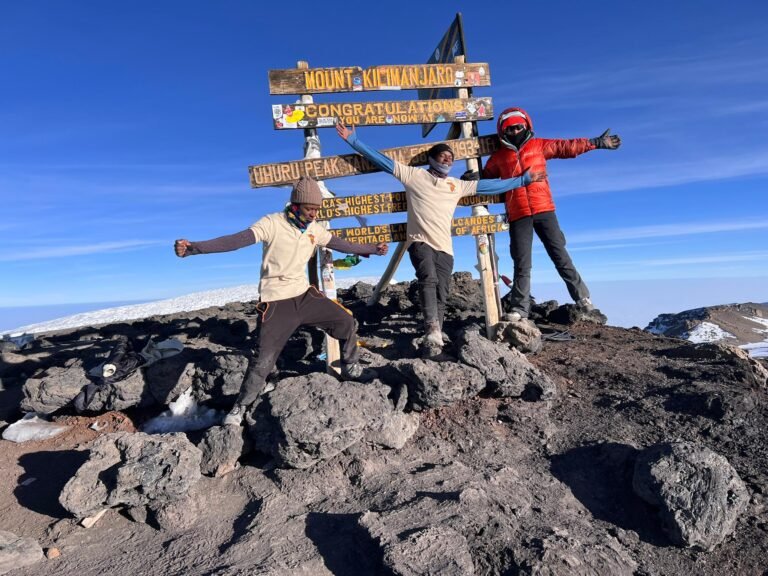
Can I Change My Kilimanjaro Climbing Date After Paying A Deposit? | Climb 4
Planning a Kilimanjaro climb is a significant undertaking, and sometimes life circumstances require adjusting your booked dates. If you've paid a deposit for your Kilimanjaro trek and need...
View package details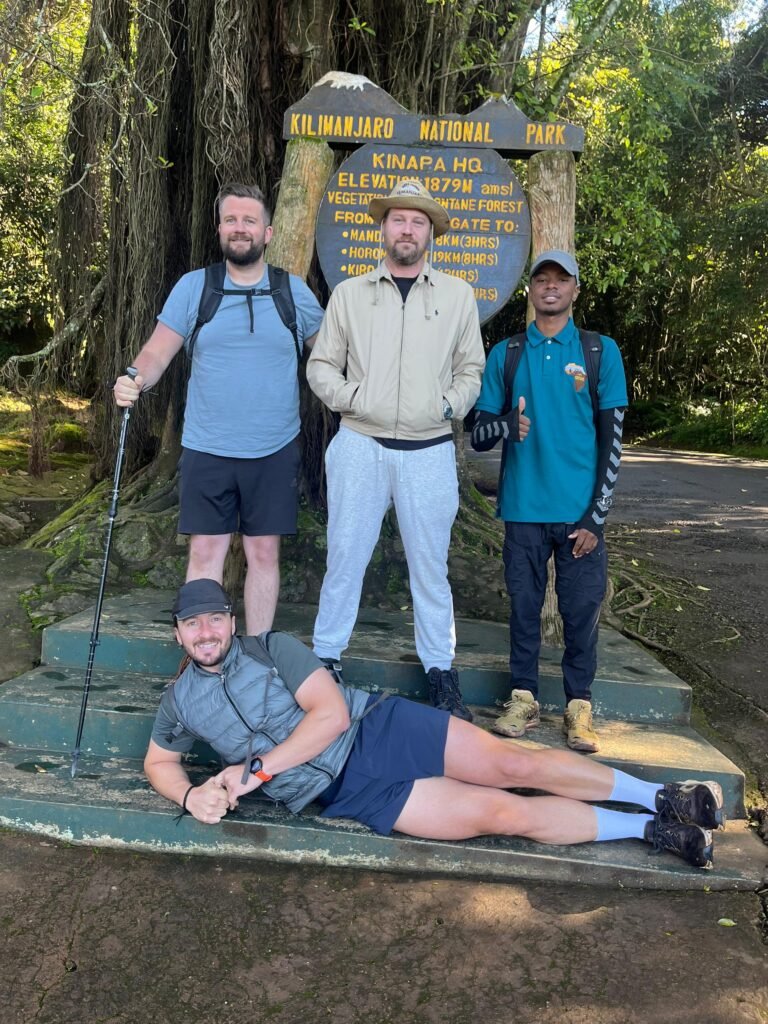
Are Porters Included In Kilimanjaro Package Costs? A Climb 4 Africa Guide
Understand the critical role of porters on Kilimanjaro and whether they are typically included in tour package costs. This guide from Climb 4 Africa provides essential details for planning...
View package details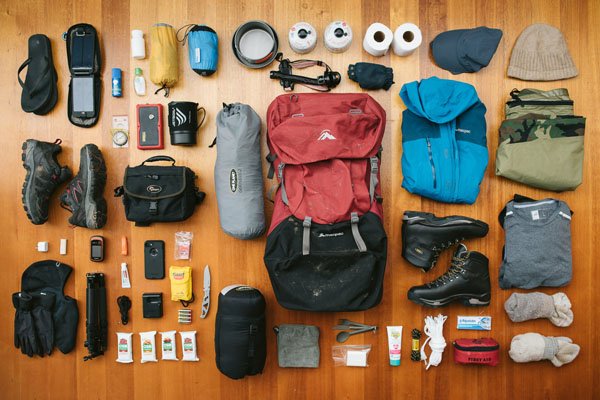
Is Emergency Oxygen Included In Kilimanjaro Climbing Price? Climb 4 Africa
Climb 4 Africa clarifies whether emergency oxygen is part of the standard Kilimanjaro climbing package price, detailing what's typically included and why it's crucial for safety on the...
View package details
How Much Does An 8-Day Kilimanjaro Climb Cost? A Guide 2026-2027
Planning an 8-day Kilimanjaro climb in 2026 or 2027? This comprehensive guide breaks down the expected costs, explaining what influences the price and what you get for your money. Learn...
View package details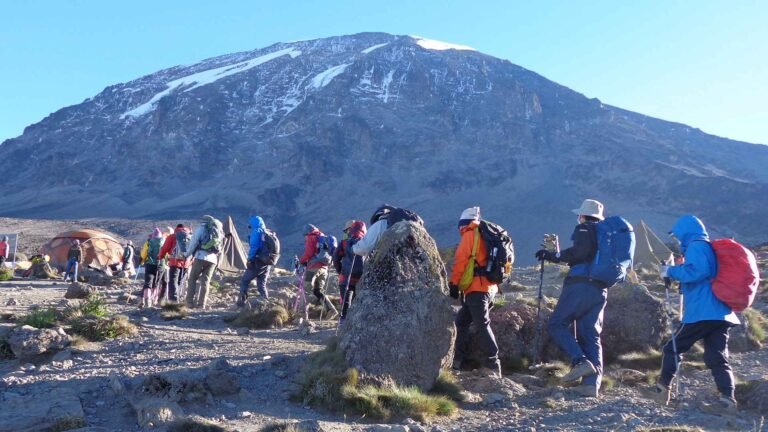
How Much Does Kilimanjaro Cost For A Family? 2026-2027
How much does Kilimanjaro cost for a family? is explained with current 2026-2027 planning, price, itinerary and booking information.
View package detailsNo related package matches those filters. Clear one or more filters to see the other topic-matched options.



