Hotel costs before and after climbing Kilimanjaro typically range from $30-$60 per night for budget-friendly guesthouses in towns like Moshi or Arusha, to $80-$200+ per night for mid-range to luxury hotels, with higher prices for premium amenities and services. These estimates are for 2026-2027 and can fluctuate based on season, specific hotel choices, and inclusions like meals or airport transfers.


Understanding Pre- and Post-Climb Accommodation Needs
Summiting Mount Kilimanjaro is an extraordinary adventure, but it’s only one part of your Tanzanian journey. Most climbers arrive a day or two before their trek begins and depart a day or two after they descend. This means you’ll need comfortable and convenient accommodation in the gateway towns of Moshi or Arusha. These pre- and post-climb stays are essential for acclimatization, final preparations, gear checks, rest, and recovery. Properly budgeting for these hotel costs is a vital component of planning your overall Kilimanjaro expedition for 2026 or 2027.
The choice of accommodation significantly impacts your budget and overall experience. Whether you’re looking for a simple, clean place to rest your head or a luxurious retreat to recover in style, understanding the different tiers of hotels and their associated costs is key. This guide will explore the typical hotel costs you can expect in Moshi and Arusha, helping you make informed decisions for your 2026-2027 adventure.
Why Moshi vs. Arusha for Pre/Post-Climb Stays?
When planning your Kilimanjaro climb, you’ll find that most tour operators and climbers base themselves in either Moshi or Arusha. Both towns serve as crucial hubs, but they offer slightly different experiences and can influence your accommodation choices and associated costs.
Moshi: The Closer Gateway
Moshi is geographically closer to Mount Kilimanjaro and is often considered the primary gateway for trekkers. Many tour operators have their offices here, and it’s a bustling town with a vibrant atmosphere directly connected to the climbing community. Staying in Moshi allows for quicker transfers to the mountain’s starting points and offers a more direct connection to the Kilimanjaro experience.
- Pros: Closer to Kilimanjaro, more climber-focused amenities, often slightly more affordable than Arusha.
- Cons: Can be less developed in terms of luxury hotel options compared to Arusha.
Arusha: The Larger Hub
Arusha is a larger city and the main safari gateway for Northern Tanzania. It boasts a wider range of hotels, restaurants, and shopping facilities, including more upscale options. If you plan to combine your Kilimanjaro climb with a safari in the Serengeti, Ngorongoro Crater, or other northern parks, Arusha might be a more convenient base for onward travel.
- Pros: Greater variety of hotels (including luxury), more amenities, ideal if combining with a safari.
- Cons: Slightly further from Kilimanjaro’s base camps, potentially higher hotel prices.
For the purpose of hotel costs before and after climbing Kilimanjaro, both towns offer a spectrum of options. The price differences between comparable hotels in Moshi and Arusha are often marginal, but it’s worth considering your overall itinerary when making your choice.
Budget-Friendly Accommodation Options (Guesthouses & Budget Hotels)
For travelers on a tighter budget, or those who prefer a more local and simple experience, Moshi and Arusha offer a good selection of guesthouses and budget hotels. These establishments provide essential comforts without the frills of higher-end hotels. Expect clean rooms, basic amenities, and often friendly service. This is a popular choice for many independent travelers and those prioritizing spending more on the climb itself.
Typical Costs for Budget Stays (2026-2027)
You can generally expect to pay between $30 and $60 per night for a decent budget guesthouse or hotel room. These prices usually include:
- A private room with an en-suite bathroom.
- Breakfast.
- Basic Wi-Fi (which can be unreliable in Tanzania).
- A clean and safe environment.
What to Expect from Budget Accommodation
Don’t expect air conditioning or swimming pools at this price point. Rooms will be clean and functional, often with ceiling fans. Hot water for showers is usually available, though sometimes it might be solar-powered and dependent on sunlight. Staff are typically local and helpful, able to assist with basic travel information or arranging local transport.
Examples of what you might find:
- Small, family-run guesthouses.
- Basic hotels catering to backpackers and local travelers.
- Rooms might be simpler in decor, with tiled floors and functional furniture.
Tips for Booking Budget Stays
- Read recent reviews: Look for comments on cleanliness, safety, and staff helpfulness.
- Book in advance, especially during peak season: While budget options have more availability, popular ones can fill up.
- Confirm inclusions: Ensure breakfast is included and clarify if Wi-Fi is available and reliable.
- Consider location: A central location can save on local transport costs.
These budget options are perfect for the night before your climb to get a good night’s rest and the night after to recuperate without breaking the bank. For your 2026-2027 Kilimanjaro adventure, these are a solid choice for cost-conscious travelers.
Example Budget Hotel Scenario:
You arrive in Moshi two days before your climb. You book a clean, simple guesthouse for two nights before the trek and one night after. At $45 per night, this adds $135 to your pre/post-climb accommodation budget. This leaves more funds for your climb package or other travel experiences.
Mid-Range Accommodation Options (Standard Hotels & Lodges)
Stepping up from budget guesthouses, mid-range hotels and lodges offer a significant increase in comfort, amenities, and service. These are often the sweet spot for many travelers, providing a balance between cost and quality. You’ll find more spacious rooms, better facilities, and often more professional service standards. This category is ideal for those who want a comfortable base without the premium price tag of luxury establishments.
Typical Costs for Mid-Range Stays (2026-2027)
Expect to pay between $80 and $150 per night for a mid-range hotel or lodge. These rates typically include:
- Comfortable, well-appointed rooms with air conditioning or fans.
- En-suite bathrooms with hot water.
- Daily housekeeping.
- Breakfast included, with options for other meals at the hotel restaurant.
- Reliable Wi-Fi in common areas, sometimes in rooms.
- On-site facilities like a restaurant, bar, and sometimes a garden or lounge area.
What to Expect from Mid-Range Accommodation
Mid-range hotels in Moshi and Arusha often feature more modern decor, better quality furnishings, and a higher level of service. Rooms are typically larger than in budget options, and you might find amenities like a mini-fridge, a TV, and more upscale toiletries. The common areas are usually well-maintained, offering pleasant spaces to relax.
Examples of what you might find:
- Established hotels with a good reputation for service.
- Lodges with attractive grounds and facilities.
- Hotels often catering to international tourists, tour groups, and business travelers.
Tips for Booking Mid-Range Stays
- Check recent reviews on platforms like TripAdvisor: Look for consistent feedback on service, cleanliness, and food quality.
- Consider proximity to tour operator offices: If your operator is in Moshi, staying nearby can be convenient.
- Inquire about package deals: Some hotels offer discounts for longer stays or packages that include airport transfers.
- Look for included amenities: Free Wi-Fi, breakfast, and potentially airport shuttle services can add value.
These mid-range options provide an excellent balance for travelers looking for comfort and convenience during their pre- and post-Kilimanjaro days in 2026 or 2027. They offer a pleasant environment to prepare for the physical challenge ahead and a comfortable place to recover afterwards.
Example Mid-Range Hotel Scenario:
For your 2026 climb, you opt for a well-regarded mid-range hotel in Arusha. You book 2 nights before and 1 night after the trek at $110 per night. This accounts for $330 in your pre/post-climb accommodation budget, offering a comfortable and reliable base.
Luxury Accommodation Options (High-End Hotels & Resorts)
For those seeking the utmost comfort, service, and amenities, Moshi and Arusha also offer a selection of luxury hotels and resorts. These establishments cater to travelers who want to indulge before or after their demanding Kilimanjaro climb, providing a premium experience with top-tier facilities and personalized service. This is the ideal choice for honeymooners, travelers celebrating special occasions, or anyone wanting to pamper themselves.
Typical Costs for Luxury Stays (2026-2027)
Luxury hotel rates in Tanzania can range from $150 to $300+ per night. The higher end of this spectrum will typically include:
- Spacious, elegantly designed suites or rooms.
- High-quality linens, premium toiletries, and often bathrobes/slippers.
- Air conditioning, flat-screen TVs, mini-bars, and secure safes.
- Fine dining restaurants and premium bars.
- Exceptional service, including concierge, 24-hour room service, and often butler services.
- Resort-style amenities such as swimming pools, spas, fitness centers, and beautifully landscaped gardens.
- Reliable high-speed Wi-Fi.
- Airport transfers may be included or available at an additional cost.
What to Expect from Luxury Accommodation
Luxury hotels in Tanzania aim to provide an oasis of calm and sophistication. Expect impeccable service, attention to detail, and a tranquil environment. Rooms are designed for maximum comfort, often featuring separate living areas, balconies with views, and luxurious bathrooms. The dining experiences are usually a highlight, with gourmet menus and extensive wine lists.
Examples of what you might find:
- Boutique luxury hotels known for their unique style and personalized service.
- Resorts offering a full range of amenities, including spa treatments perfect for post-climb recovery.
- Properties that often host international dignitaries and discerning travelers.
Tips for Booking Luxury Stays
- Book well in advance: Luxury properties have limited availability and are popular, especially during peak climbing seasons in 2026-2027.
- Check for packages: Look for deals that might include spa treatments, fine dining experiences, or airport transfers.
- Read reviews focusing on service quality: For luxury hotels, the level of service is paramount.
- Consider the location’s ambiance: Some luxury hotels are in quieter, more secluded areas, while others are closer to town centers.
Choosing a luxury hotel for your pre- and post-Kilimanjaro stays in 2026 or 2027 can significantly enhance your overall travel experience, providing a well-deserved pampering session after your incredible trek.
Example Luxury Hotel Scenario:
To celebrate a milestone achievement after your 2027 climb, you decide to splurge on a luxury hotel in Arusha for the night before and the night after the trek. At $250 per night, this adds $750 to your pre/post-climb accommodation budget, ensuring a truly indulgent end to your adventure.
Factors Influencing Hotel Costs Before and After Climbing Kilimanjaro
Several key factors can influence the exact hotel costs you’ll encounter in Moshi and Arusha for your 2026-2027 Kilimanjaro expedition. Understanding these variables will help you better estimate your budget and make informed booking decisions.
1. Seasonality
Like most travel destinations, Tanzania experiences peak and off-peak seasons, which directly affect accommodation prices. The best times to climb Kilimanjaro are generally during the dry seasons:
- Peak Seasons (Higher Prices): January-March and June-October. These months offer the clearest skies and most stable weather, making them the most popular for climbing. Hotels often increase their rates during these periods due to high demand.
- Shoulder Seasons (Moderate Prices): April-May and November-December. These months can be wetter, leading to fewer climbers and potentially lower hotel rates. However, weather can be unpredictable.
If your 2026 or 2027 climb falls within a peak season, expect to pay the higher end of the price ranges mentioned earlier. Traveling during shoulder or off-peak seasons might offer some savings on accommodation.
2. Location within Moshi or Arusha
While both towns are relatively compact, the specific location of a hotel can influence its price. Hotels situated in prime city center locations, offering easy access to restaurants, shops, and tour operator offices, might command slightly higher rates than those located on the outskirts. However, a slightly more remote location might offer more tranquility and potentially better views.
3. Included Amenities and Services
The more services and amenities a hotel offers, the higher its price will likely be. This includes:
- Meals: Hotels that include all meals (breakfast, lunch, and dinner) will naturally be more expensive than those offering only bed and breakfast.
- Airport Transfers: Complimentary or included airport shuttles can add value and are often found in mid-range to luxury hotels.
- Wi-Fi: While increasingly common, reliable and high-speed Wi-Fi might be a premium feature.
- Recreational Facilities: Swimming pools, gyms, spas, and lush gardens add to the hotel’s appeal and cost.
- Air Conditioning: In the tropical climate of Tanzania, AC is a sought-after amenity that can increase room rates.
4. Room Type and Size
Within any given hotel, different room types will have different prices. Standard rooms are usually the most affordable, while deluxe rooms, suites, or rooms with better views will cost more. For couples, a double or king-size bed room will be standard, while solo travelers might opt for a single room if available.
5. Tour Operator Inclusions
Some Kilimanjaro tour operators, like Climb 4 Africa, may include pre- and post-climb accommodation as part of their package deals. These packages often secure rooms at negotiated rates, which can sometimes be more cost-effective than booking independently. It’s always worth clarifying what your climb package includes regarding accommodation before and after the trek.
6. Booking Window
Booking your accommodation well in advance, especially for peak seasons in 2026 and 2027, is generally advisable. While last-minute deals can sometimes be found, popular hotels often fill up quickly. Booking early can sometimes secure better rates and ensure availability at your preferred choice.
By considering these factors, you can create a more accurate budget for your hotel costs before and after climbing Kilimanjaro.
Calculating Your Total Pre- and Post-Climb Hotel Budget
To get a realistic estimate for your 2026-2027 Kilimanjaro trip, let’s combine the typical number of nights needed with the cost ranges discussed.
Most climbers will need at least 1-2 nights of accommodation before the climb and 1-2 nights after the climb. This totals 2 to 4 nights of pre- and post-climb hotel stays.
Budget Traveler Example:
- Nights: 4 nights (2 before, 2 after)
- Average Cost per Night: $45
- Total Estimated Hotel Cost: 4 nights * $45/night = $180
Mid-Range Traveler Example:
- Nights: 4 nights (2 before, 2 after)
- Average Cost per Night: $115
- Total Estimated Hotel Cost: 4 nights * $115/night = $460
Luxury Traveler Example:
- Nights: 4 nights (2 before, 2 after)
- Average Cost per Night: $250
- Total Estimated Hotel Cost: 4 nights * $250/night = $1000
These are illustrative examples. Your actual costs will depend on your specific choices, the length of your stay, and the current rates for 2026-2027. Remember to factor in potential additional costs like meals (if not included), local transportation, and tips.
Budgeting Tip:
When comparing tour operator packages, always check if pre- and post-climb accommodation is included. If it is, understand the quality and location of the included hotels. If not, add these estimated costs to your overall trip budget for Kilimanjaro.
Accommodation Provided by Tour Operators
Many reputable Kilimanjaro tour operators, including Climb 4 Africa, understand the importance of comfortable pre- and post-climb stays. They often include accommodation in their package prices or offer it as an add-on service. This can simplify your planning significantly.
What’s Typically Included?
When accommodation is included in a Kilimanjaro package:
- Pre-Climb Night: Usually the night before your trek begins. This is crucial for the pre-climb briefing and ensures you’re well-rested.
- Post-Climb Night: Often the night immediately after you descend. This allows you to shower, relax, and celebrate your achievement before heading to your next destination or the airport.
- Quality of Hotels: Reputable operators partner with carefully selected hotels that meet certain standards of cleanliness, comfort, and service. These are often good mid-range options, though some luxury packages might offer higher-end choices.
- Location: Operators usually choose hotels that are conveniently located for pre-climb briefings and easy access to the mountain starting points.
Benefits of Booking Through Your Operator
- Convenience: One less thing to worry about when booking your entire Kilimanjaro trip.
- Negotiated Rates: Operators often secure bulk discounts, potentially making the included accommodation more cost-effective than booking independently.
- Reliability: You can trust that the operator will arrange accommodation that meets their standards and is suitable for trekkers.
- Logistics: Transfers between the airport, hotel, and the mountain can be seamlessly arranged.
When to Book Independently
You might choose to book your pre- and post-climb accommodation independently if:
- Your tour package doesn’t include it, and you prefer to select your own hotel.
- You want to extend your stay in Moshi or Arusha beyond the included nights.
- You have specific preferences for a luxury hotel or a particular boutique guesthouse not offered by the operator.
For travelers planning their 2026-2027 Kilimanjaro climb, checking the details of your chosen operator’s package is a crucial first step in understanding your total accommodation costs.
Essential Considerations for Pre- and Post-Climb Stays
Beyond the cost, several practical aspects of your pre- and post-climb accommodation need consideration to ensure a smooth and enjoyable experience.
1. Proximity to Tour Operator Offices
If your tour operator requires a pre-climb briefing or gear check at their office, staying nearby can save you time and transportation costs. Most operators are located in Moshi or Arusha, and they can usually advise on convenient hotels.
2. Airport Transfers
Kilimanjaro International Airport (JRO) is the main gateway. Depending on your flight arrival time, arranging a reliable airport transfer is essential. Many hotels offer this service, sometimes included in the room rate, or your tour operator can arrange it. Confirm this when booking to avoid unexpected charges or delays.
3. Pre-Climb Briefing and Gear Check
Your tour operator will likely schedule a briefing session the day before your trek. This is where you’ll receive final instructions, meet your guide, and have your gear checked. Staying at a hotel recommended or provided by your operator often makes attending these mandatory meetings much easier.
4. Rest and Recovery
The night before your climb is for rest. Choose a quiet hotel away from noisy main roads if possible. After the climb, you’ll likely be tired and sore. A comfortable bed, a hot shower, and perhaps a relaxing environment (like a hotel with a garden or pool) will be highly beneficial for recovery.
5. Meals and Hydration
Ensure your hotel provides or has easy access to food and drinks. Staying hydrated and eating well are crucial, especially in the days leading up to the climb. If your hotel doesn’t include dinner, know where you can get a good meal nearby.
6. Wi-Fi Availability
While not essential for the climb itself, reliable Wi-Fi can be useful for staying in touch with family and friends, checking travel details, or uploading photos. Be aware that Wi-Fi in Tanzania can sometimes be slow or intermittent, especially in budget accommodations.
7. Safety and Security
Choose reputable accommodations with good security measures. This is standard for most mid-range and luxury hotels, but it’s always worth checking reviews for any safety concerns, particularly in budget guesthouses.
Considering these practical points will help ensure your pre- and post-climb hotel stays contribute positively to your overall Kilimanjaro experience for 2026-2027.
Booking Your Kilimanjaro Hotel: Tips for 2026-2027
Planning your accommodation in advance is key to a smooth Kilimanjaro expedition. Here are some tips for booking your hotels in Moshi or Arusha for your 2026 or 2027 climb:
Booking Checklist:
- Confirm Dates: Pin down your exact climbing dates and add 1-2 nights before and 1-2 nights after.
- Choose Your Town: Decide between Moshi (closer to Kili) or Arusha (safari hub, more amenities).
- Determine Your Budget: Select from budget, mid-range, or luxury options based on your finances.
- Check Operator Inclusions: See if your tour package covers pre/post-climb accommodation.
- Research Hotels: Read recent reviews on platforms like TripAdvisor, Booking.com, or Google Reviews.
- Compare Prices: Look at direct hotel websites and booking platforms.
- Verify Inclusions: Confirm what’s included (breakfast, Wi-Fi, transfers, etc.).
- Book in Advance: Especially for peak seasons in 2026-2027, book at least 3-6 months ahead.
- Confirm Airport Transfers: Arrange how you’ll get from JRO airport to your hotel.
- Note Cancellation Policies: Understand the terms in case your plans change.
By following this checklist, you can confidently book your accommodation, ensuring comfort and convenience before and after your incredible Kilimanjaro adventure.
The Role of Climb 4 Africa in Your Accommodation Planning
At Climb 4 Africa, we understand that a successful Kilimanjaro climb begins with solid preparation. This includes ensuring you have comfortable and convenient accommodation before and after your trek. We aim to make your journey as smooth as possible, from the moment you land in Tanzania to the moment you depart.
How we can assist with your accommodation needs for 2026-2027:
- Included Accommodation: Our standard Kilimanjaro climb packages typically include accommodation for the night before your trek and the night after you descend. This is usually at a well-vetted, comfortable mid-range hotel in Moshi or Arusha, chosen for its quality and convenience.
- Extended Stays: If you wish to stay longer in Moshi or Arusha before your climb starts or after you’ve recovered, we can easily arrange additional nights at the same hotels or help you find alternative options that suit your preferences and budget.
- Recommendations: Even if you prefer to book your own accommodation, we are happy to provide recommendations based on our extensive local knowledge. We can suggest hotels and guesthouses that cater to different budgets and needs, ensuring you find the perfect fit.
- Logistical Coordination: When you book accommodation through Climb 4 Africa, we handle the logistics, including coordinating airport transfers and ensuring smooth transitions between your hotel and the mountain. This takes the stress out of planning.
- Expert Advice: Our team is always available to answer any questions you may have about accommodation options, costs, and the best towns to stay in for your pre- and post-climb needs.
We are committed to providing practical local support and ensuring every aspect of your trip, including your hotel stays before and after climbing Kilimanjaro, is well-organized and enjoyable. Feel free to reach out to us for personalized advice and to discuss your 2026-2027 travel plans.
Contact Climb 4 Africa via WhatsApp +255 747 477 898 or email us at climb4africa@gmail.com to discuss your Kilimanjaro climb and accommodation needs.
Conclusion: Planning Your Budget for Kilimanjaro Hotels
Understanding the hotel costs before and after climbing Kilimanjaro is an essential part of comprehensive trip planning. Whether you opt for budget-friendly guesthouses, comfortable mid-range hotels, or luxurious resorts, Moshi and Arusha offer a range of options to suit every traveler’s needs and budget for 2026 and 2027. By considering factors like seasonality, location, and included amenities, you can accurately estimate your expenses and make informed booking decisions.
Remember that many reputable operators, like Climb 4 Africa, include pre- and post-climb accommodation in their packages, simplifying the process and often providing excellent value. If booking independently, thorough research and early booking are recommended, especially for peak climbing seasons. Planning these stays ensures you have a comfortable base for preparation and a well-deserved rest upon your return, contributing significantly to a successful and memorable Kilimanjaro adventure.
Check Availability for Hotel Costs Before And After Climbing Kilimanjaro: Planning Your Stay
Ready to compare dates, prices, and the best option for your group? Send the package name and travel month so the team can reply with a clear quote, availability, and what is included.
Can I Change My Kilimanjaro Climbing Date After Paying A Deposit? | Climb 4
Planning a Kilimanjaro climb is a significant undertaking, and sometimes life circumstances require adjusting your booked dates. If you've paid a deposit for your Kilimanjaro trek and need...
View package details
Does The Kilimanjaro Price Include Hotel Accommodation? Your Guide 2026-2027
Clarifying whether your Kilimanjaro trek package price covers hotel stays is crucial for accurate budgeting and planning your adventure for 2026-2027. Most reputable operators include...
View package details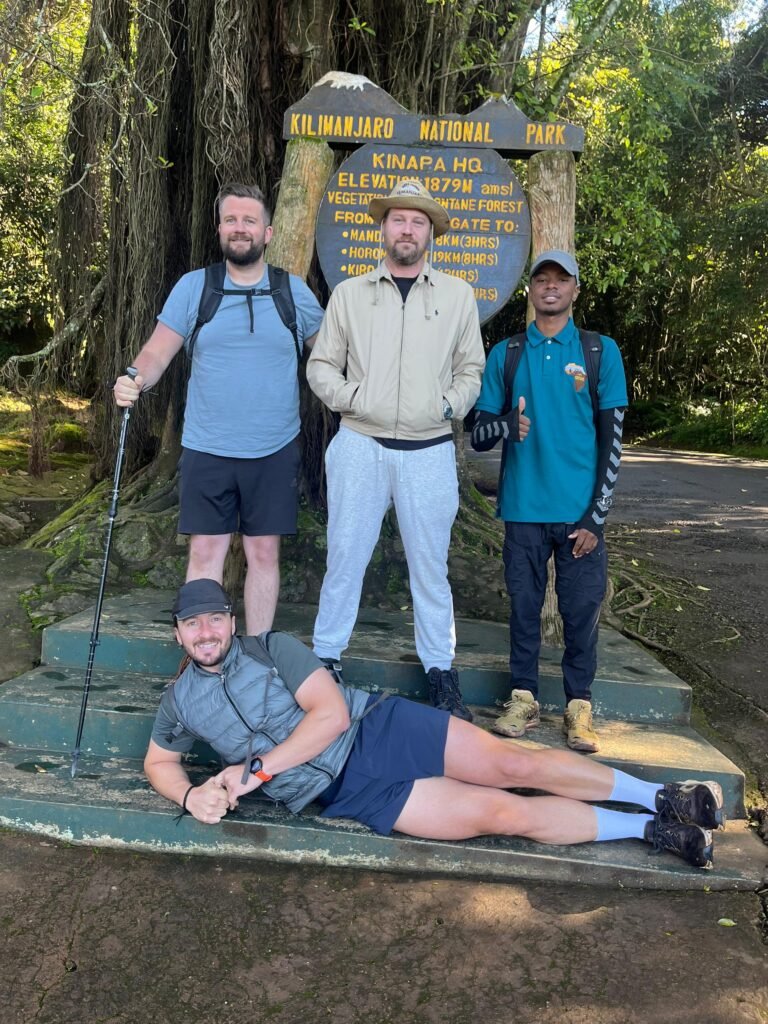
Are Porters Included In Kilimanjaro Package Costs? A Climb 4 Africa Guide
Understand the critical role of porters on Kilimanjaro and whether they are typically included in tour package costs. This guide from Climb 4 Africa provides essential details for planning...
View package details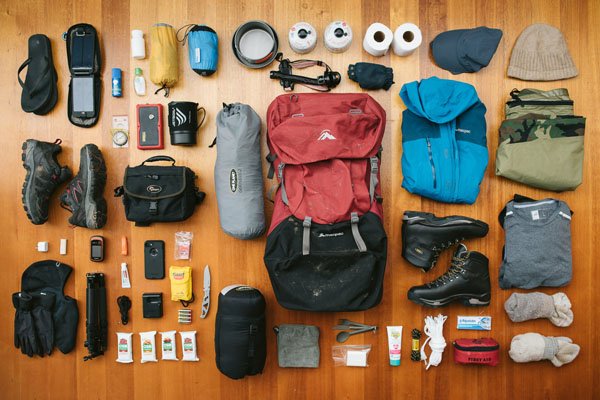
Is Emergency Oxygen Included In Kilimanjaro Climbing Price? Climb 4 Africa
Climb 4 Africa clarifies whether emergency oxygen is part of the standard Kilimanjaro climbing package price, detailing what's typically included and why it's crucial for safety on the...
View package details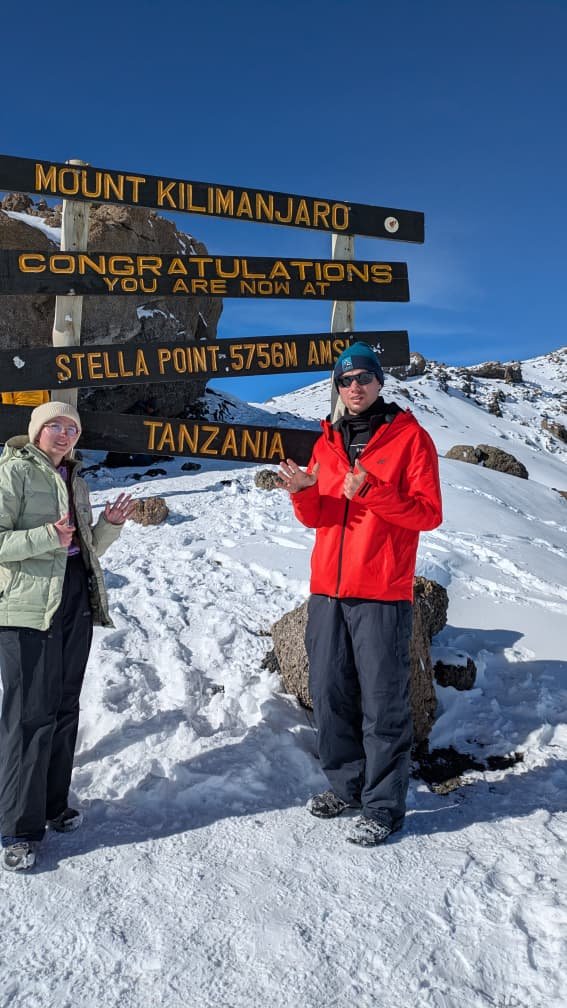
Are There Additional Charges After Booking Kilimanjaro? 2026-2027
Are there additional charges after booking Kilimanjaro? is explained with current 2026-2027 planning, price, itinerary and booking information.
View package detailsDoes The Kilimanjaro Price Include Climbing Equipment? Your Guide 2026-2027
Your Kilimanjaro climb price may or may not include all essential climbing equipment. Understanding what's provided versus what you need to source yourself is crucial for a successful and...
View package details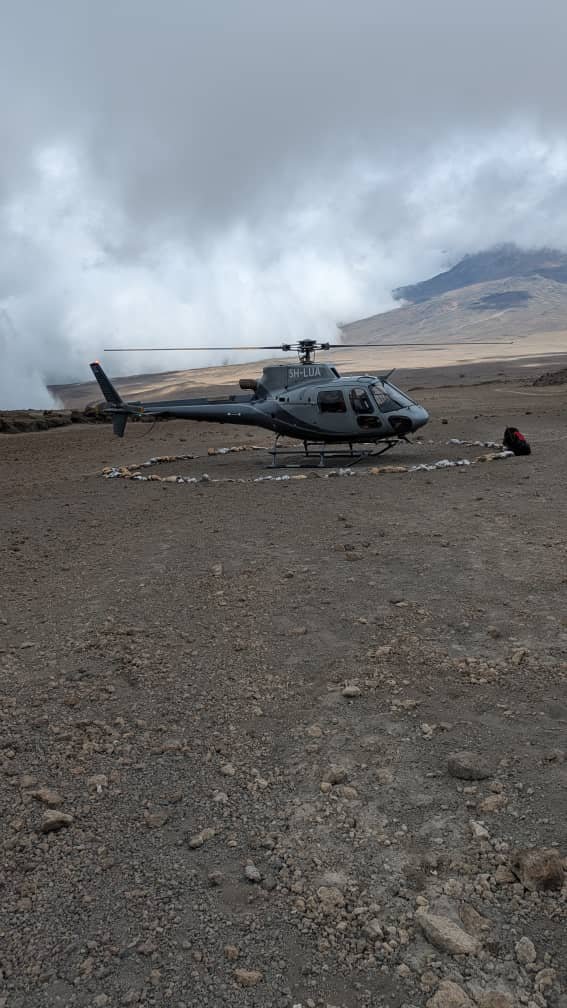
What Is The Cheapest Kilimanjaro Climbing Package? 2026-2027
What is the cheapest Kilimanjaro climbing package? is explained with current 2026-2027 planning, price, itinerary and booking information.
View package details
Kilimanjaro Vs Mount Meru: Climbing Cost & Difficulty Comparison 2026-2027
Kilimanjaro vs Mount Meru: Climbing Cost & Difficulty Comparison is explained with current 2026-2027 planning, price, itinerary and booking information.
View package details
Kilimanjaro Cancellation, Refund & Rescheduling Costs Explained 2026-2027
Kilimanjaro Cancellation, Refund & Rescheduling Costs Explained is explained with current 2026-2027 planning, price, itinerary and booking information.
View package details
Kilimanjaro Emergency Oxygen & Safety Costs Explained For Climbs 2026-2027
This comprehensive guide details the costs associated with emergency oxygen and essential safety equipment for climbing Mount Kilimanjaro, focusing on preparations for 2026-2027...
View package detailsHow Much Should You Budget For Food, Drinks & Extras Before Kilimanjaro?
Planning your Kilimanjaro adventure involves understanding all associated costs, including those for food, drinks, and personal extras before and after your trek. This guide breaks down the...
View package details
Kilimanjaro Guide & Porter Costs Explained For Climbs 2026-2027
Demystifying the costs associated with hiring guides and porters for your Kilimanjaro climb. This comprehensive guide breaks down expenses for 2026-2027, covering salaries, equipment, park...
View package detailsNo related package matches those filters. Clear one or more filters to see the other topic-matched options.



