The Rongai route is generally less crowded and offers a drier ascent, often with slightly lower costs, while the Machame route is more popular, scenic, and considered to have better acclimatization profiles, typically leading to higher success rates but at a mid-range cost for Kilimanjaro climbs in 2026-2027.
Rongai vs Machame: Deciding Your Kilimanjaro Path for 2026-2027
Embarking on a Kilimanjaro climb is a dream for many adventurers, and one of the first critical decisions is selecting the right route. Among the most popular choices are the Rongai route and the Machame route. While both routes lead to Uhuru Peak, they offer distinct experiences regarding scenery, acclimatization, crowds, and importantly, cost. Understanding these differences is crucial for planning your 2026 or 2027 Kilimanjaro expedition effectively. This detailed comparison will break down everything you need to know about the Rongai vs Machame routes, helping you make an informed decision for your unforgettable journey to the Roof of Africa.
At Climb 4 Africa, we understand that choosing a Kilimanjaro route is deeply personal. It’s not just about the summit; it’s about the journey. We’ve guided countless climbers on both Rongai and Machame, and we’re here to share our local expertise to ensure your climb aligns with your expectations, fitness, and budget for 2026-2027. Let’s look at the specifics of the Rongai vs Machame debate.
Understanding Kilimanjaro Route Basics
Before we dissect Rongai and Machame, it’s helpful to grasp a few fundamental aspects of Kilimanjaro routes:
- Duration: Most routes range from 5 to 9 days. Longer routes generally offer better acclimatization and higher success rates.
- Acclimatization: The gradual ascent, often referred to as “climb high, sleep low,” is vital for acclimatization. Routes vary in how well they facilitate this.
- Scenery: Kilimanjaro offers diverse landscapes, from rainforests to alpine deserts and glacial zones. Different routes showcase these in varying degrees.
- Crowds: Some routes are significantly more popular than others, especially during peak seasons in 2026 and 2027.
- Cost: While park fees are standard, operator costs vary based on route duration, service level, and inclusions.
Now, let’s focus on the Rongai vs Machame comparison.
The Rongai Route: A Unique Kilimanjaro Experience
The Rongai route is Kilimanjaro’s second most popular route after Machame, but it offers a distinct experience. It approaches Kilimanjaro from the north, near the Kenyan border, making it the only route that begins in a dry landscape.
Rongai Route Highlights
- Starting Point: Nareto Village in the north of Kilimanjaro.
- Scenery: Ascends through farmland and forest, then transitions to moorland and alpine desert. It offers unique views of the Kenyan plains. The northern side is drier, meaning less mud and often better conditions, especially during rainy seasons.
- Acclimatization: Rongai is typically offered as a 6 or 7-day climb. The 7-day option is highly recommended for better acclimatization. The route’s gradual ascent on the northern slopes aids acclimatization.
- Crowds: Significantly less crowded than the Machame route, offering a more serene trekking experience.
- Summit Night: The approach to Stella Point from the north side is less steep than from the south, which can be an advantage on summit night.
Rongai Route Itinerary (Typical 7-Day)
A typical 7-day Rongai itinerary looks like this:
Day 1: Marangu Gate to Rongai Camp
Distance: 7 km (4.3 miles)
Hiking Time: 3-4 hours
Altitude Gain: 600m (1968 ft)
Description: Drive to Nareto Village, then trek through coffee plantations and rainforest to the Rongai Campsite. You might spot colobus monkeys.
Day 2: Rongai Camp to Kikelewa Caves
Distance: 12 km (7.5 miles)
Hiking Time: 6-7 hours
Altitude Gain: 700m (2296 ft)
Description: Continue through forest and heather, ascending to Kikelewa Caves, a beautiful camping spot with great views.
Day 3: Kikelewa Caves to Mawenzi Tarn Camp
Distance: 7 km (4.3 miles)
Hiking Time: 4-5 hours
Altitude Gain: 600m (1968 ft)
Description: A short but steep climb into the alpine desert, reaching Mawenzi Tarn Camp, situated below the dramatic spires of Mawenzi Peak.
Day 4: Acclimatization Day (Mawenzi Tarn Camp)
Description: Rest and acclimatize. Optional short hikes around the camp to explore the unique lunar landscape.
Day 5: Mawenzi Tarn Camp to Kibo Camp
Distance: 10 km (6.2 miles)
Hiking Time: 5-6 hours
Altitude Gain: 900m (2952 ft)
Description: Traverse the saddle between Mawenzi and Kibo, a high-altitude desert, to reach Kibo Camp, the base for your summit attempt.
Day 6: Summit Day (Kibo Camp to Uhuru Peak and Descent to Horombo Camp)
Distance: 15 km (9.3 miles) ascent, 12 km (7.5 miles) descent
Hiking Time: 10-12 hours ascent, 4-6 hours descent
Altitude Loss: 2000m (6561 ft)
Description: Start around midnight for the challenging ascent to Stella Point (5756m) and then Uhuru Peak (5895m). Descend to Kibo Camp for a short rest before continuing down to Horombo Camp.
Day 7: Horombo Camp to Marangu Gate
Distance: 20 km (12.4 miles)
Hiking Time: 5-7 hours
Altitude Loss: 1800m (5905 ft)
Description: Descend through the moorland and forest back to Marangu Gate, where you’ll be met by your driver for the transfer back to your hotel.
Rongai Route Cost Considerations
The Rongai route is often perceived as slightly more budget-friendly than Machame, primarily due to its shorter duration options (though a 7-day climb is strongly recommended for success). Operators might offer Rongai at a slightly lower price point because it requires fewer days on the mountain, thus reducing logistics and porter costs. For 2026-2027, expect Rongai to be in the mid-to-lower end of mid-range pricing for reputable operators.
Key Cost Factors for Rongai:
- Duration: 6-day climbs are cheaper but carry higher risks. 7-day is recommended and more costly.
- Operator Service Level: Quality of food, accommodation (tents), guides, and support staff.
- Inclusions: What’s covered (e.g., park fees, rescue fees, meals, accommodation before/after, transfers, gear rental).
A 7-day Rongai climb with a reputable operator like Climb 4 Africa in 2026-2027 typically ranges from $1,800 to $2,800 per person, depending on the inclusions and service level. This price usually includes park fees, rescue fees, all meals on the mountain, experienced guides and porters, camping equipment, and airport transfers.
Pros and Cons of the Rongai Route
Rongai Route: Pros
- Less Crowded: Offers a more solitary trekking experience.
- Drier Conditions: Better for trekking during the rainy seasons (April-May and November).
- Unique Scenery: Different views, especially from the northern side.
- Gentle Summit Ascent: The approach to Stella Point from the north is less steep.
- Potentially Lower Cost: Can be slightly more affordable than Machame for shorter durations.
Rongai Route: Cons
- Less Scenic Variety: Does not pass through as many diverse ecological zones as Machame.
- Acclimatization: While good, some argue Machame’s “climb high, sleep low” profile is superior.
- Requires Transport to Start: The trailhead is further from Moshi/Arusha than other routes.
The Machame Route: The “Whiskey Route” of Kilimanjaro
The Machame route, often called the “Whiskey Route” (in contrast to the Marangu “Coca-Cola Route”), is the most popular route on Kilimanjaro. It’s renowned for its stunning scenery and excellent acclimatization profile, contributing to its high success rates.
Machame Route Highlights
- Starting Point: Machame Village in the south of Kilimanjaro.
- Scenery: Offers a spectacular journey through diverse ecological zones: rainforest, moorland, heath, alpine desert, and arctic summit. It’s considered one of the most beautiful routes.
- Acclimatization: The Machame route utilizes a “climb high, sleep low” strategy effectively, especially on the longer 6 and 7-day itineraries. This gradual ascent is key to successful acclimatization.
- Crowds: Being the most popular route, it can be quite crowded, especially during peak seasons in 2026-2027.
- Summit Night: The approach to Stella Point from Barafu Camp is steep and challenging, but the route design generally aids acclimatization leading up to it.
Machame Route Itinerary (Typical 7-Day)
A typical 7-day Machame itinerary provides excellent acclimatization:
Day 1: Machame Gate to Machame Camp
Distance: 11 km (6.8 miles)
Hiking Time: 5-6 hours
Altitude Gain: 1200m (3937 ft)
Description: Trek through the dense rainforest, a beautiful and often muddy start. Machame Camp is situated at the edge of the forest line.
Day 2: Machame Camp to Shira 2 Camp
Distance: 5 km (3.1 miles)
Hiking Time: 4-5 hours
Altitude Gain: 800m (2624 ft)
Description: Ascend steeply out of the forest onto moorland, offering panoramic views. Shira 2 Camp is on a plateau with great vistas.
Day 3: Shira 2 Camp to Barranco Camp (Climb High, Sleep Low)
Distance: 10 km (6.2 miles)
Hiking Time: 5-6 hours
Altitude Gain: 700m (2296 ft) to Lava Tower, then 400m (1312 ft) descent
Description: A challenging day ascending through alpine desert to Lava Tower (4640m), then descending to Barranco Camp. This “climb high, sleep low” day is crucial for acclimatization.
Day 4: Barranco Camp to Karanga Camp
Distance: 5 km (3.1 miles)
Hiking Time: 3-4 hours
Altitude Gain: 200m (656 ft)
Description: The famous Barranco Wall scramble (a short but steep climb) is the highlight. The day ends at Karanga Camp, offering stunning views.
Day 5: Karanga Camp to Barafu Camp
Distance: 4 km (2.5 miles)
Hiking Time: 3-4 hours
Altitude Gain: 600m (1968 ft)
Description: Ascend through alpine desert to Barafu Camp, the base for the summit push. You rest here for the remainder of the day before the midnight start.
Day 6: Summit Day (Barafu Camp to Uhuru Peak and Descent to Mweka Camp)
Distance: 5 km (3.1 miles) ascent, 12 km (7.5 miles) descent
Hiking Time: 7-9 hours ascent, 4-6 hours descent
Altitude Loss: 2475m (8120 ft)
Description: Start around midnight for the demanding climb to Stella Point (5756m) and then Uhuru Peak (5895m). Descend via Barafu Camp to Mweka Camp, located in the lower forest zone.
Day 7: Mweka Camp to Marangu Gate
Distance: 10 km (6.2 miles)
Hiking Time: 3-5 hours
Altitude Loss: 1400m (4593 ft)
Description: A relatively easy descent through the rainforest to Marangu Gate, where you’ll receive your summit certificate and transfer back to your hotel.
Machame Route Cost Considerations
The Machame route, due to its longer duration (typically 6 or 7 days) and higher popularity, often falls into the mid-to-upper range of mid-range pricing for Kilimanjaro climbs. The extended time on the mountain means more logistical costs for guides, porters, food, and equipment. Operators that offer Machame usually focus on providing a high level of service to cater to its popularity.
For 2026-2027, a 7-day Machame climb with a reputable company like Climb 4 Africa can range from $2,000 to $3,000 per person. This includes standard inclusions like park and rescue fees, meals, camping gear, guides, porters, and transfers. The 6-day Machame option is cheaper but significantly reduces acclimatization time and success chances, making the 7-day option the preferred choice for most.
Key Cost Factors for Machame:
- Duration: 7 days is strongly advised for acclimatization and success. 6 days is cheaper but riskier.
- Operator Quality: Higher standards of food, equipment, and guide expertise are common.
- Inclusions: Ensure park fees, rescue fees, meals, transfers, and quality gear are covered.
Pros and Cons of the Machame Route
Machame Route: Pros
- Excellent Scenery: Passes through all of Kilimanjaro’s ecological zones.
- Superb Acclimatization: The 7-day itinerary offers a “climb high, sleep low” profile.
- High Success Rates: Due to good acclimatization and route design.
- Well-trodden Path: Established infrastructure and support.
Machame Route: Cons
- Crowded: Can feel busy, especially during peak seasons.
- Steep Barranco Wall: Requires scrambling and can be challenging for some.
- Muddy Trails: The rainforest section can be very muddy, especially during rainy periods.
- Higher Cost: Generally more expensive than Rongai for equivalent service levels.
Direct Comparison: Rongai vs Machame
Let’s put the Rongai and Machame routes side-by-side for a clear comparison. This is crucial for making the best choice for your 2026-2027 Kilimanjaro adventure.
| Feature | Rongai Route | Machame Route |
|---|---|---|
| Start Point | Nareto Village (North) | Machame Village (South) |
| Scenery | Dry northern slopes, unique views of Kenyan plains. Less varied ecological zones. | Spectacular, passes through all 5 ecological zones (rainforest to arctic). Highly scenic. |
| Acclimatization Profile | Good, gradual ascent on the northern side. Typically 6 or 7 days. | Excellent, utilizes “climb high, sleep low” strategy on 6 or 7-day itineraries. |
| Crowds | Less crowded. | Most popular route, can be crowded. |
| Summit Night Approach | Gentler ascent to Stella Point from the north. | Steep and challenging ascent from Barafu Camp. |
| Duration Options | Typically 6 or 7 days. 7-day recommended. | Typically 6 or 7 days. 7-day strongly recommended. |
| Success Rate (7-Day) | Good, around 75-80%. | High, around 80-85% for 7-day. |
| Cost (Reputable Operator, 7-Day) | $1,800 – $2,800 (Mid-low to Mid-range) | $2,000 – $3,000 (Mid-range to Mid-high) |
| Best For | Climbers seeking fewer crowds, drier conditions, and potentially slightly lower costs. Good for those who have climbed other high-altitude peaks. | Climbers prioritizing scenery, robust acclimatization, and higher success rates. Good for first-time high-altitude trekkers. |
Cost Breakdown: What Influences Your Kilimanjaro Climb Price in 2026-2027?
The price difference between Rongai and Machame, while often present, is just one piece of the cost puzzle. When comparing quotes for your 2026 or 2027 climb, consider these factors:
Park and Camping Fees
These are fixed by Kilimanjaro National Park and are the same for all routes. For 2026-2027, these fees are substantial and form a significant portion of any operator’s cost. They include:
- Park Entrance Fees: Charged per person, per day.
- Camping Fees: Charged per person, per night, for designated campsites.
- Rescue Fees: Mandatory fees for emergency rescue services.
Reputable operators will always include these mandatory fees in their quotes. Be wary of prices that seem too low; they might be excluding these essential costs.
Operator Type and Service Level
This is where the bulk of the price variation comes from:
- Budget Operators: Often use more local guides, fewer porters per climber, basic equipment, and simpler meals. They might exclude some items to offer lower prices. Their Rongai vs Machame cost difference might be less pronounced, but the service level is lower.
- Mid-Range Operators (like Climb 4 Africa): Offer a balance of quality and value. They use experienced guides, sufficient porters, good quality tents and equipment, varied and nutritious meals, and provide excellent support. The Rongai vs Machame cost difference will be more apparent here, reflecting route duration and logistics.
- Luxury Operators: Provide higher-end equipment, gourmet meals, more guides per client, and sometimes even private toilets. They will likely charge a premium for both routes, but Machame might still command a slightly higher price due to its popularity and longer duration preference.
Route Duration
As highlighted, the 7-day Rongai and 7-day Machame climbs are generally recommended. A 6-day option on either route will be cheaper, but the reduced acclimatization significantly impacts success rates. The difference in cost between a 6-day and 7-day climb on the same route is usually around $100-$200 per person, reflecting the extra day’s logistics.
Inclusions and Exclusions
Always scrutinize what is included in the price. Common inclusions are:
- Park & Rescue Fees
- All meals on the mountain
- Tents, sleeping mats, cooking equipment
- Trained guides and porters
- Boiled water on the mountain
- Airport transfers
- Basic accommodation before/after the climb (sometimes)
Common exclusions:
- Tips for guides and porters (a significant amount)
- Personal gear (sleeping bags, clothing, boots)
- Travel insurance
- Visa fees
- Flights
- Gratuities for hotel staff
- Lunches and dinners in hotels (sometimes)
The Rongai vs Machame cost comparison should focus on identical inclusions. For example, comparing a 7-day Rongai with full board and transfers to a 7-day Machame that excludes hotel meals will not be an apples-to-apples comparison.
Who Should Choose Rongai?
The Rongai route is an excellent choice for specific types of climbers planning their expedition for 2026 or 2027:
- Climbers Seeking Solitude: If you prefer a quieter trek and want to avoid the crowds common on Machame, Rongai is ideal.
- Climbers Concerned About Rain: The northern side is significantly drier. If you’re climbing during the shoulder seasons or the main rainy months (April-May, November), Rongai offers a more comfortable experience with less mud.
- Experienced High-Altitude Trekkers: While suitable for beginners, its less dramatic acclimatization profile might be preferred by those who have already experienced high altitude and have a good understanding of their body’s response.
- Budget-Conscious Climbers: While not the cheapest route overall (as shorter durations are not recommended), Rongai can sometimes offer a slightly lower price point for a 7-day climb compared to Machame, depending on the operator.
- Those Who Appreciate Unique Vistas: The approach from the north provides different perspectives and a sense of remoteness.
For a 2026-2027 Rongai climb, ensure your chosen operator offers at least a 7-day itinerary. Shorter options, while cheaper, dramatically reduce your chances of reaching the summit safely.
Who Should Choose Machame?
The Machame route is a fantastic option for a broad range of climbers aiming for Kilimanjaro in 2026-2027:
- Scenery Enthusiasts: If you want to experience the full spectrum of Kilimanjaro’s diverse ecosystems, Machame is unparalleled.
- Climbers Prioritizing Acclimatization and Success: The 7-day Machame itinerary is one of the best for acclimatization, leading to very high success rates.
- First-Time High-Altitude Trekkers: Its well-designed acclimatization profile makes it suitable for those new to high-altitude trekking.
- Social Trekkers: If you enjoy the camaraderie and shared experience of climbing with more people, Machame’s popularity offers this.
- Those Who Don’t Mind Crowds: If the presence of other trekkers doesn’t detract from your experience, Machame is a great choice.
When booking a 2026 or 2027 Machame climb, always opt for the 7-day itinerary. The 6-day Machame is a false economy, significantly increasing the risk of altitude sickness and summit failure.
Rongai vs Machame: Success Rates and Altitude Sickness
Success rates on Kilimanjaro are influenced by many factors, including route choice, duration, operator quality, and individual climber preparation. However, certain routes and durations are statistically better:
- Duration is Key: Longer routes (7-day options) generally have higher success rates than shorter ones (5 or 6-day options) on any route. This is directly related to acclimatization.
- Machame’s Acclimatization Edge: The 7-day Machame route, with its effective “climb high, sleep low” strategy, is often cited as having slightly higher success rates (around 80-85%) than the 7-day Rongai (around 75-80%).
- Rongai’s Summit Approach: Some climbers find the less steep final ascent on Rongai to be an advantage, potentially reducing fatigue on summit night.
- Altitude Sickness: Acute Mountain Sickness (AMS) is a risk on all Kilimanjaro routes. Proper acclimatization, as facilitated by longer routes like 7-day Machame or 7-day Rongai, is the best preventative measure. Operators should have guides trained to recognize and manage AMS.
For your 2026 or 2027 climb, prioritizing a 7-day itinerary on either Rongai or Machame, with a reputable operator, is the best strategy for maximizing your chances of reaching Uhuru Peak safely.
When to Climb: Seasonality and Rongai vs Machame
Kilimanjaro has distinct wet and dry seasons. Your choice of route might be influenced by the time of year you plan to climb in 2026 or 2027.
- Dry Seasons (Best): January-March, June-October. These periods offer the clearest skies and most stable weather. Both Rongai and Machame are excellent choices.
- Wet Seasons (More Challenging): April-May (long rains), November (short rains). During these times, the rainforest sections of routes like Machame can become very muddy and slippery.
Rongai’s Advantage in Rainy Seasons: Because Rongai approaches from the north, it is significantly drier. If you are determined to climb during the wetter months of 2026 or 2027, Rongai offers a more comfortable trekking experience with less mud and potentially better trail conditions.
Machame in Rainy Seasons: While still possible, climbing Machame during the rains means dealing with muddy, slippery trails, especially in the rainforest. This can make the trek more challenging and increase the risk of minor slips or falls. However, the scenery can be incredibly lush and dramatic.
Choosing Your Operator: Climb 4 Africa’s Expertise
When comparing Rongai vs Machame costs and routes for 2026-2027, the operator you choose is paramount. At Climb 4 Africa, we pride ourselves on offering high-quality, safe, and memorable Kilimanjaro climbs.
Why Choose Climb 4 Africa for Your Rongai or Machame Climb?
- Experienced Local Guides: Our guides are highly trained, knowledgeable about the mountain, and certified in first aid.
- Safety First: We adhere to strict safety protocols, including carrying adequate medical supplies and oxygen.
- Quality Equipment: We use reliable, high-quality tents, sleeping bags, and cooking gear.
- Nutritious Meals: Our chefs prepare varied and delicious meals to keep you energized.
- Fair Porter Wages: We ensure our porters are treated ethically and paid fairly.
- Transparent Pricing: Our quotes for both Rongai and Machame in 2026-2027 are comprehensive, clearly outlining inclusions and exclusions.
- Personalized Support: We are here to answer all your questions and help you prepare for your climb.
We offer both the Rongai and Machame routes, typically with 7-day itineraries as our standard recommendation for optimal acclimatization and success. We can also customize itineraries based on your preferences and experience level for climbs planned for 2026 or 2027.
For a personalized quote and to discuss your Rongai vs Machame decision further, please reach out to us.
Ready to Climb Kilimanjaro in 2026-2027?
Let Climb 4 Africa guide you to the summit! Whether you choose the serene Rongai route or the scenic Machame route, we offer expert guidance, top-notch safety, and an unforgettable experience. Contact us today to plan your dream Kilimanjaro adventure.
WhatsApp: +255 747 477 898
Email: climb4africa@gmail.com
We look forward to helping you conquer Kilimanjaro!
Final Thoughts: Making Your Rongai vs Machame Choice
The choice between Rongai and Machame for your 2026-2027 Kilimanjaro climb ultimately depends on your priorities. There is no single “best” route; the best route is the one that best fits your individual needs and expectations.
- Choose Rongai if: You value fewer crowds, prefer drier conditions, and are comfortable with its slightly less varied scenery.
- Choose Machame if: You prioritize stunning scenery, want the best possible acclimatization profile for higher success rates, and don’t mind a busier trail.
Regardless of your choice, remember that a 7-day itinerary is crucial for success and safety on either route. Partnering with an experienced, reputable operator like Climb 4 Africa will ensure you have the support, guidance, and equipment necessary for a safe and rewarding journey. We are dedicated to providing exceptional Kilimanjaro experiences for 2026, 2027, and beyond.
Consider your personal preferences for scenery, crowd tolerance, and budget, but always prioritize safety and acclimatization. Both Rongai and Machame offer incredible paths to the Roof of Africa, and with careful planning, your climb will be a triumph.
Check Availability for Rongai Vs Machame: Cost & Route Comparison For Kilimanjaro Climbs 2026-2027
Ready to compare dates, prices, and the best option for your group? Send the package name and travel month so the team can reply with a clear quote, availability, and what is included.
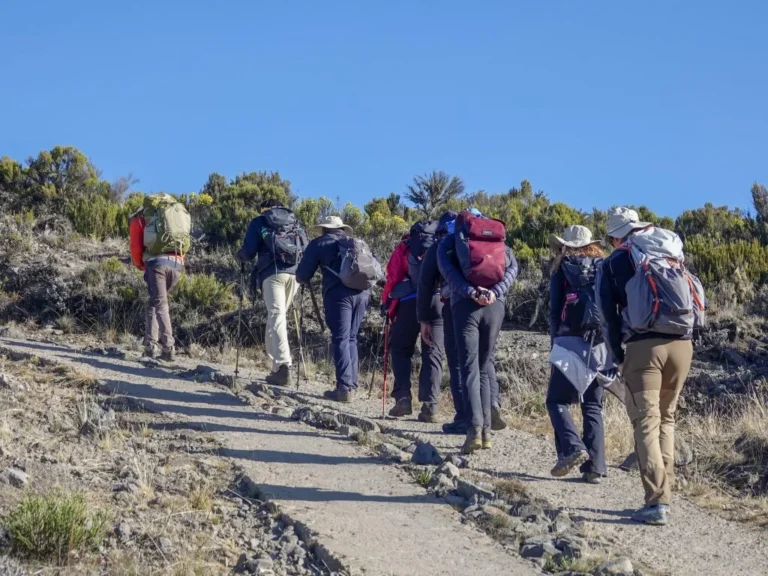
Kilimanjaro Route Cost Comparison: Lemosho, Machame, Marangu, Rongai &
Kilimanjaro Route Cost Comparison: Lemosho, Machame, Marangu, Rongai & Northern Circuit is explained with current 2026-2027 planning, price, itinerary and.
View package details
Camping Vs Hut Kilimanjaro Routes: Cost Comparison Guide
Choosing between camping and hut routes on Kilimanjaro involves more than just preference; it significantly impacts your budget. This guide breaks down the cost differences for 2026-2027...
View package details
Rongai Vs Lemosho: Price, Crowds & Route Comparison For Kilimanjaro Climbs
Choosing between the Rongai and Lemosho routes for your Kilimanjaro climb? This in-depth comparison covers everything you need to know about price, crowd levels, route profiles, scenery...
View package details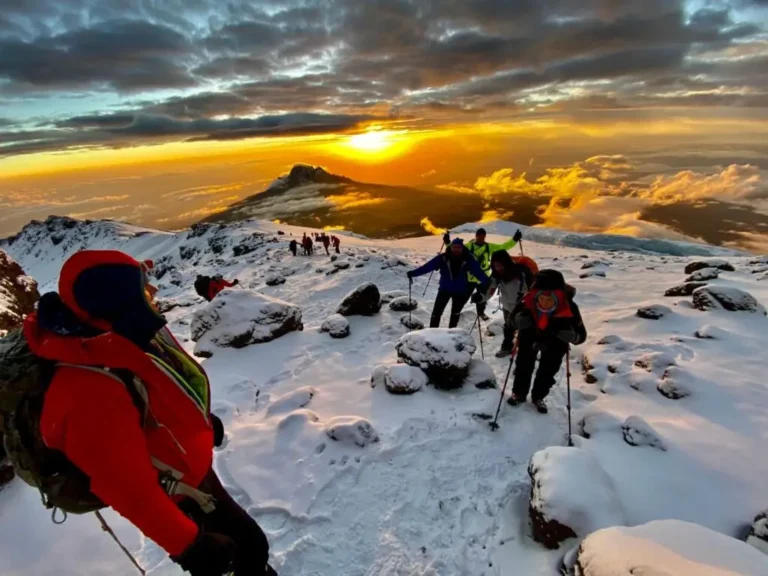
Lemosho Vs Machame: Cost, Itinerary & Which Route Is Better? 2026-2027
Lemosho vs Machame: Cost, Itinerary & Which Route Is Better? is explained with current 2026-2027 planning, price, itinerary and booking information.
View package details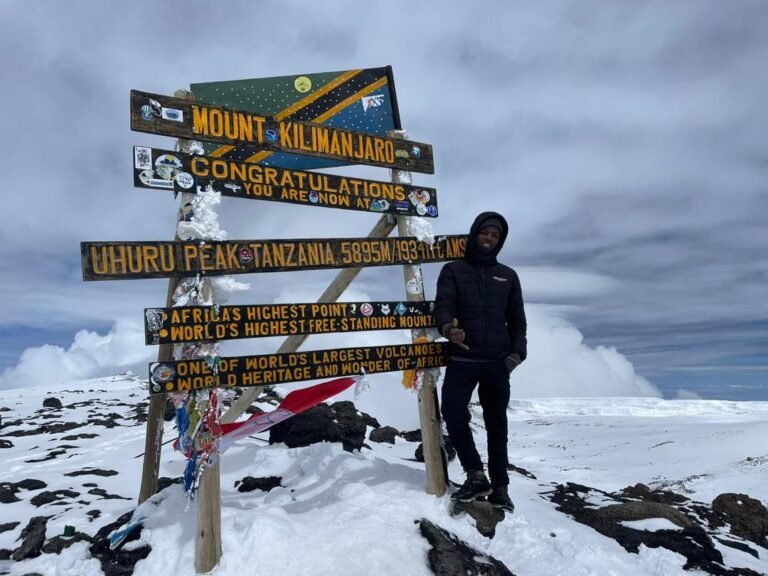
Rongai Vs Marangu Route Cost: Which Offers Better Value For Kilimanjaro
Comparing the Rongai and Marangu routes for Kilimanjaro climbs in 2026-2027 involves evaluating their distinct costs, scenery, acclimatization profiles, and overall value for trekkers...
View package details
Private Rongai Route Cost & Price Per Person For Climbs 2026-2027
Planning a private climb up Kilimanjaro via the Rongai Route in 2026 or 2027? This guide breaks down the private Rongai Route cost per person, detailing what influences the price, what's...
View package details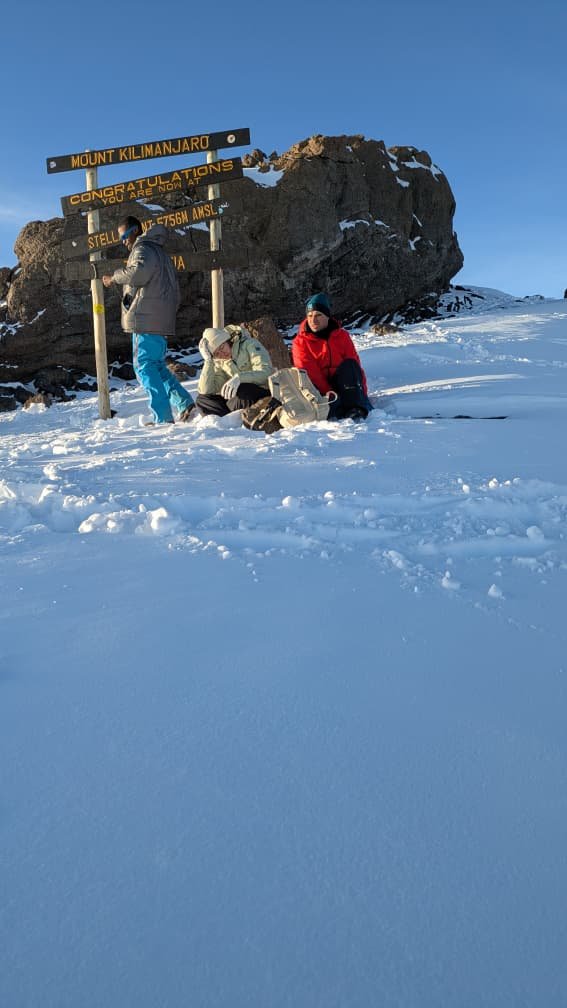
7 Days Rongai Route Kilimanjaro: Cost & Full Itinerary 2026-2027
Discover the best of Kilimanjaro's Rongai Route with a detailed 7-day itinerary, cost breakdown, and expert tips for your 2026-2027 climb. Learn why Rongai is a popular choice for trekkers...
View package details6 Days Rongai Route Kilimanjaro: Cost, Itinerary & Expert Guide For 2026-2027
The 6 Days Rongai Route offers a unique approach to climbing Kilimanjaro from the north. This guide details the itinerary, cost considerations for 2026-2027, and expert tips for a...
View package detailsRongai Route Cost /: Prices, Packages & Itinerary 2026-2027
Planning a Kilimanjaro climb via the Rongai Route in 2026 or 2027? This comprehensive guide details the Rongai Route cost, including typical prices, what's included in packages, and a...
View package detailsKilimanjaro Vs Mount Kenya: Trekking Cost & Experience Comparison 2026-2027
Kilimanjaro vs Mount Kenya: Trekking Cost & Experience Comparison is explained with current 2026-2027 planning, price, itinerary and booking information.
View package details
Kilimanjaro Vs Mount Meru: Climbing Cost & Difficulty Comparison 2026-2027
Kilimanjaro vs Mount Meru: Climbing Cost & Difficulty Comparison is explained with current 2026-2027 planning, price, itinerary and booking information.
View package details
Machame Vs Marangu: Price, Accommodation & Success Comparison For Kilimanjaro
Deciding between the Machame and Marangu routes for your Kilimanjaro climb? This comprehensive guide breaks down the key differences in price, accommodation, and success rates, helping you...
View package detailsNo related package matches those filters. Clear one or more filters to see the other topic-matched options.



