The 7-day Rongai Route Kilimanjaro climb offers a unique approach from the north, typically costing between $2,100 and $3,500 per person for a quality operator in 2026-2027, covering park fees, guides, porters, accommodation, meals, and transfers. This itinerary spans seven days, ascending gradually and descending via Marangu, providing an excellent acclimatization profile and a slightly drier trekking experience compared to southern routes.

Understanding the 7 Days Rongai Route Kilimanjaro Climb
The 7 Days Rongai Route is a fantastic choice for trekkers looking for a slightly less crowded ascent to Kilimanjaro’s summit, Uhuru Peak. This route approaches the mountain from the north, near the Kenyan border, offering a different perspective and a generally drier environment. While other routes might boast more scenic diversity, Rongai is highly regarded for its excellent acclimatization and a good success rate, especially over seven days. As you plan your adventure for 2026 or 2027, understanding the specifics of the 7-day Rongai Route is crucial for preparation and setting realistic expectations.
This route is particularly appealing for its gradual ascent, which significantly aids acclimatization. Unlike some of the shorter, more direct routes, the Rongai Route allows your body more time to adjust to the increasing altitude, reducing the risk of altitude sickness. The 7-day itinerary balances the ascent with sufficient rest and acclimatization days, making it a popular option for both first-time trekkers and those seeking a more comfortable climb.
Why Choose the 7-Day Rongai Route?
Several factors make the 7-day Rongai Route a compelling option for your Kilimanjaro expedition:
- Gradual Acclimatization: The route’s design, especially the 7-day version, emphasizes a slow and steady climb. This slow pace is key to successful acclimatization, allowing your body to produce more red blood cells to carry oxygen in the thinning air.
- Drier Climate: Approaching from the north, the Rongai Route traverses the drier side of Kilimanjaro. This means you’re less likely to encounter the heavy rains that can sometimes affect routes on the southern side, especially during certain times of the year.
- Fewer Crowds: Compared to the heavily trafficked Marangu and Machame routes, Rongai generally sees fewer trekkers. This offers a more serene and personal trekking experience, allowing for a deeper connection with the mountain environment.
- Unique Scenery: While perhaps not as lush as the rainforest sections on the southern side, Rongai offers unique views, including panoramic vistas of the Kenyan plains. The landscape changes dramatically as you ascend, from semi-arid scrubland to alpine desert and arctic zones.
- Good Success Rate: The combination of gradual ascent and sufficient time for acclimatization contributes to a higher success rate for reaching the summit. The 7-day itinerary is considered by many to be the optimal duration for Rongai to balance cost and acclimatization.
Rongai Route vs. Other Kilimanjaro Routes
When comparing the 7-day Rongai Route to other popular Kilimanjaro routes for 2026-2027, consider these points:
- Machame Route: Often called the ‘Whiskey Route’ due to its popularity and challenging ascent profile, Machame is known for its scenic beauty and dramatic “climb high, sleep low” acclimatization strategy. It’s generally more crowded than Rongai.
- Marangu Route: The “Coca-Cola Route,” Marangu is the only route offering hut accommodation instead of camping. It’s the shortest route, but its steep ascent profile can make acclimatization challenging, leading to lower success rates. The 7-day Rongai offers better acclimatization.
- Lemosho Route: A longer, more scenic, and generally more expensive route that also offers excellent acclimatization. It starts in the west and joins the Machame route.
- Northern Circuit: The longest route, offering the best acclimatization and highest success rates, but also the most expensive and time-consuming.
The 7-day Rongai Route strikes a balance between cost, acclimatization, and a less crowded experience, making it a solid choice for many trekkers in 2026-2027. It’s less demanding on the body than the steeper routes and more budget-friendly than the longer, more scenic options like Lemosho or Northern Circuit.
7 Days Rongai Route: The Full Itinerary Breakdown
This detailed itinerary for the 7-day Rongai Route Kilimanjaro climb is designed to maximize acclimatization and enjoyment. It includes daily distances, estimated trekking times, and altitude gains.
Day 1: Rongai Gate (1,990m/6,530ft) to Simba Camp (2,600m/8,530ft)
- Distance: Approximately 6-8 km (4-5 miles)
- Trekking Time: 3-4 hours
- Habitat: Cultivation, Rainforest
- Description: Your journey begins after a drive from Moshi to the Rongai Gate. After completing park formalities, you’ll start trekking through farmland and pine forests. The initial ascent is gentle, taking you into the Kilimanjaro rainforest. You’ll likely encounter local villagers and see evidence of farming. The camp is typically situated on the edge of the forest, offering a comfortable first night.
Day 2: Simba Camp (2,600m/8,530ft) to Kikelewa Cave (3,600m/11,810ft)
- Distance: Approximately 10-12 km (6-7 miles)
- Trekking Time: 6-7 hours
- Habitat: Heath and Moorland
- Description: Today’s trek takes you out of the rainforest and into the heather and moorland zone. The trail becomes more rugged as you gain altitude. You’ll experience the first significant altitude gain of the trek. The scenery starts to open up, with views of the surrounding plains becoming more prominent. Kikelewa Cave offers a basic but strategically located campsite, allowing for good acclimatization.
Day 3: Kikelewa Cave (3,600m/11,810ft) to Mawenzi Tarn Camp (4,300m/14,110ft)
- Distance: Approximately 7-9 km (4-5 miles)
- Trekking Time: 4-5 hours
- Habitat: Alpine Desert
- Description: This is a shorter but steeper day, focusing on acclimatization as you move into the alpine desert. You’ll trek towards Mawenzi Tarn Camp, a spectacular campsite situated in a cirque below the jagged peaks of Mawenzi, Kilimanjaro’s second-highest peak. The views here are dramatic. The camp provides a good base for exploring the area and further acclimatizing.
Day 4: Mawenzi Tarn Camp (4,300m/14,110ft) – Acclimatization Day
- Distance: Variable (optional short hikes)
- Trekking Time: 2-3 hours (optional)
- Habitat: Alpine Desert
- Description: This crucial acclimatization day allows your body to adjust to the higher altitude. You’ll have the option to undertake a short hike around the camp, perhaps towards Mawenzi Ridge, to further aid acclimatization. Resting at Mawenzi Tarn Camp is vital. Enjoy the stark beauty of the alpine desert and the impressive views of Mawenzi.
Day 5: Mawenzi Tarn Camp (4,300m/14,110ft) to Kibo Hut (4,700m/15,420ft)
- Distance: Approximately 10-12 km (6-7 miles)
- Trekking Time: 5-7 hours
- Habitat: Alpine Desert
- Description: Today, you cross the saddle between Mawenzi and Kibo, the two main peaks of Kilimanjaro. The landscape is barren and rocky, a true alpine desert. The trek to Kibo Hut is relatively gradual but can feel challenging due to the altitude. Kibo Hut is the base camp for the summit push. You’ll arrive in the afternoon, have an early dinner, and try to get some rest before the challenging summit night.
Day 6: Summit Night & Day: Kibo Hut (4,700m/15,420ft) to Uhuru Peak (5,895m/19,341ft) to Horombo Huts (3,700m/12,140ft)
- Distance: Approximately 15-17 km (9-10 miles)
- Trekking Time: 10-12 hours (to summit and down to Barafu/Horombo)
- Habitat: Arctic Zone
- Description: This is the most demanding day. You’ll start your ascent around midnight or 1 AM. The trek to Stella Point (5,756m/18,885ft) on the crater rim is steep and challenging, often done in the dark with headlamps. From Stella Point, you continue to Uhuru Peak, the highest point in Africa. The views at sunrise from the summit are legendary. After celebrating, you begin your descent, passing Kibo Hut and continuing down to Horombo Huts. This is a very long day, and descending significantly in altitude helps combat altitude sickness.
Day 7: Horombo Huts (3,700m/12,140ft) to Marangu Gate (1,800m/5,905ft) & Transfer to Moshi
- Distance: Approximately 20-22 km (12-14 miles)
- Trekking Time: 6-8 hours
- Habitat: Forest
- Description: Your final day involves descending through the moorland and forest zones. The trek from Horombo Huts to Marangu Gate is long but mostly downhill. You’ll pass Mandara Huts along the way. Upon reaching Marangu Gate, you’ll collect your climbing certificate and then be transferred back to your hotel in Moshi.
Cost of a 7 Days Rongai Route Kilimanjaro Climb in 2026-2027
The cost of climbing Kilimanjaro via the 7-day Rongai Route can vary significantly based on the tour operator, the level of service provided, and what is included. For 2026-2027, expect a range from approximately $2,100 to $3,500 per person for reputable operators offering comprehensive packages. It’s crucial to understand what your quoted price includes.
Typical Inclusions in a 7-Day Rongai Route Package:
- Kilimanjaro National Park entry fees (all necessary permits)
- All camping fees
- Experienced, licensed mountain guides
- Assistant guides
- Porters to carry all equipment and supplies
- Cook to prepare meals on the mountain
- All meals on the mountain (breakfast, lunch, dinner)
- Boiled water on the mountain
- Accommodation in tents on the mountain
- Portable toilet (VIP or standard chemical toilet)
- Government taxes
- Transfer from Moshi to Rongai Gate and back to Moshi
- Emergency oxygen and first-aid kit
Common Exclusions:
- International flights to/from Kilimanjaro International Airport (JRO)
- Visa fees
- Travel insurance (mandatory for Kilimanjaro climbs)
- Personal climbing gear (e.g., sleeping bag, warm clothing, hiking boots)
- Tips for guides, porters, and cook (a significant portion of the total cost)
- Personal expenses (e.g., souvenirs, extra snacks, alcoholic beverages)
- Gratuities for hotel staff
- Optional warm-up climbs or pre/post-climb accommodation
- Lunches and dinners in Moshi before and after the climb
Factors Influencing Cost:
- Operator Reputation and Quality: Higher-end operators with better safety records, more experienced guides, and higher crew-to-client ratios will typically charge more.
- Group Size: While most operators offer set prices, very large private groups might negotiate slightly, but typically, costs are per person. Shared group climbs can sometimes be more economical.
- Inclusions: A more inclusive package, such as including gratuities or providing sleeping bags, will naturally be more expensive.
- Time of Year: While Kilimanjaro doesn’t have drastic off-seasons like some destinations, peak seasons (e.g., January-March, June-October) might see slightly higher demand and potentially higher pricing from some operators.
- Accommodation in Moshi: The cost of pre- and post-climb accommodation in Moshi is not usually included in the trek price.
For the most accurate pricing for your 2026-2027 expedition, it is always best to request a detailed quote from your chosen operator. Climb 4 Africa provides transparent pricing, and we are happy to discuss your needs for a 2026 or 2027 climb.
Preparing for Your 7 Days Rongai Route Climb
Successful preparation is key to enjoying your 7-day Rongai Route Kilimanjaro trek and maximizing your chances of reaching the summit. This involves physical training, mental preparation, and appropriate gear.
Physical Training:
Your training should focus on cardiovascular fitness and leg strength. Aim to:
- Cardio: Engage in at least 3-4 sessions per week of activities like hiking, running, cycling, or swimming for at least 45-60 minutes.
- Hiking: Prioritize hiking with a backpack, especially on inclines. Simulate the conditions you’ll face on Kilimanjaro. Aim for longer hikes (4-6 hours) on weekends.
- Strength Training: Focus on leg muscles (quadriceps, hamstrings, calves) and core strength. Squats, lunges, and step-ups are beneficial.
- Stamina: Build up your endurance. The goal is to be able to trek for 6-8 hours a day for multiple consecutive days.
Start your training at least 2-3 months before your climb, ideally longer if you are new to hiking.
Mental Preparation:
Climbing Kilimanjaro is as much a mental challenge as a physical one. Altitude sickness can be disorienting, and the summit night is grueling. Prepare yourself by:
- Understanding Altitude Sickness: Educate yourself about the symptoms and how to manage it. Communicate any discomfort to your guide immediately.
- Positive Mindset: Focus on the experience and the accomplishment. Break down the climb into daily goals.
- Resilience: Be prepared for challenging conditions – cold, wind, fatigue, and potential discomfort.
Essential Gear for the 7-Day Rongai Route:
Proper gear is vital for comfort and safety. While operators provide tents and cooking equipment, you’ll need personal items.
Clothing:
- Base Layers: Moisture-wicking thermal tops and bottoms (merino wool or synthetic).
- Mid Layers: Fleece jackets or insulated vests for warmth.
- Outer Layer: Waterproof and windproof jacket and trousers (Gore-Tex or similar).
- Insulated Jacket: A warm down or synthetic insulated jacket for summit night and cold evenings.
- Trekking Trousers: Comfortable, quick-drying hiking trousers (avoid jeans).
- Shirts: Several short and long-sleeved moisture-wicking shirts.
Headwear & Handwear:
- Warm Hat: Wool or fleece hat that covers your ears.
- Sun Hat: Wide-brimmed hat or cap for sun protection.
- Balaclava/Neck Gaiter: For protection against wind and cold.
- Gloves: Lightweight liner gloves and warm, waterproof outer gloves or mittens.
Footwear:
- Hiking Boots: Broken-in, waterproof, sturdy hiking boots with good ankle support.
- Camp Shoes: Comfortable trainers or sandals for camp.
- Socks: Several pairs of warm, moisture-wicking hiking socks (wool or synthetic).
Sleeping Gear:
- Sleeping Bag: Rated to at least -15°C (0°F).
- Sleeping Bag Liner: For added warmth and hygiene.
- Sleeping Pad: (Often provided by operators, but check).
Equipment:
- Backpack: A comfortable daypack (30-40 liters) for daily essentials.
- Duffel Bag: A large, waterproof duffel bag (80-100 liters) for porters to carry.
- Headlamp: With extra batteries.
- Trekking Poles: Highly recommended for stability and reducing knee strain.
- Water Bottles/Hydration Reservoir: At least 3 liters capacity.
- Water Purification: Tablets or filter (though boiled water is usually provided).
- Sunscreen: High SPF.
- Lip Balm: With SPF.
- Sunglasses: UV protection.
- Personal First-Aid Kit: Including any personal medications, blister treatment, pain relievers.
- Toiletries: Biodegradable soap, toothbrush, toothpaste, wet wipes.
- Camera & Power Bank:
- Snacks: Energy bars, nuts, dried fruit.
Acclimatization Strategies:
Beyond the route’s design, employ these strategies:
- Hydrate: Drink at least 3-4 liters of water per day.
- Ascend Slowly: “Pole pole” (slowly, slowly) is the mantra.
- Avoid Overexertion: Listen to your body.
- Eat Well: Maintain energy levels with nutritious food.
- Avoid Alcohol and Smoking: These hinder acclimatization.
- Inform Your Guide: Report any symptoms of altitude sickness immediately.
Best Time to Climb Kilimanjaro via the 7 Days Rongai Route
Kilimanjaro is a year-round destination, but certain months offer more favorable weather conditions. For the 7-day Rongai Route, the best times to climb are during the dry seasons:
- January to March: Generally dry and clear, with good visibility. This period can be cold, especially at higher altitudes.
- June to October: This is the longest dry season, offering excellent trekking conditions. It can be cooler, especially in July and August, but the skies are usually clear.
The shoulder seasons can also be good, though you might encounter some rain:
- April and May: These are the wettest months, characterized by heavy rainfall. It’s generally advisable to avoid climbing during this period.
- November and December: The short rains occur during this period. While not as intense as the long rains, you can expect some precipitation and cloud cover.
For 2026 and 2027, planning your climb during the January-March or June-October windows will offer the best chance for clear skies and good trekking conditions on the Rongai Route.
Altitude Sickness on the Rongai Route
Altitude sickness (Acute Mountain Sickness – AMS) is the most significant risk when climbing Kilimanjaro. The 7-day Rongai Route is designed to mitigate this risk through gradual ascent, but it’s still essential to be aware and prepared.
Symptoms of AMS:
The most common symptoms are similar to a hangover:
- Headache
- Nausea and vomiting
- Dizziness and lightheadedness
- Fatigue and weakness
- Loss of appetite
- Difficulty sleeping
More severe forms, like High Altitude Cerebral Edema (HACE) and High Altitude Pulmonary Edema (HAPE), are medical emergencies and require immediate descent.
Managing and Preventing AMS:
- Ascend Slowly: The 7-day Rongai itinerary follows this principle.
- Hydrate: Drink plenty of water.
- Diamox (Acetazolamide): Consult your doctor about using Diamox as a preventative medication. It can help speed up acclimatization.
- Listen to Your Body: Do not ignore symptoms.
- Communicate: Inform your guide immediately if you feel unwell.
- Descend: If symptoms worsen or do not improve with rest, descent is the only cure. Your guide will make this decision based on your condition.
Your guides are trained to recognize and manage AMS. Trust their expertise. The 7-day Rongai Route’s itinerary, with its acclimatization day and gradual ascent, is well-suited for preventing severe altitude sickness.
What to Expect on Summit Night
Summit night on Kilimanjaro is the most challenging part of the trek. For the 7-day Rongai Route, this typically occurs on Day 6.
- Start Time: You will wake up around midnight or 1 AM.
- Conditions: It will be extremely cold (often -10°C to -20°C or colder with wind chill), dark, and windy.
- Pace: The pace is very slow, often described as a shuffle. Your guide will set a pace that conserves energy and aids acclimatization.
- Terrain: The path is steep, rocky, and can be covered in scree, making it slippery.
- Duration: The ascent to Stella Point on the crater rim can take 5-7 hours.
- Crater Rim to Uhuru Peak: From Stella Point, it’s another 1-2 hours to Uhuru Peak, traversing the rim.
- The Reward: Witnessing the sunrise from Uhuru Peak is an unforgettable experience, a highlight of the 7-day Rongai Route climb.
- Descent: The descent is just as important as the ascent. It’s long and can be hard on the knees. You’ll descend back to Kibo Hut for a short rest before continuing down to Horombo Huts.
It’s crucial to be well-prepared physically and mentally for summit night. Ensure you have all your warm layers, a good headlamp, and plenty of water. Eating and drinking during the ascent is vital to maintain energy.
Booking Your 7 Days Rongai Route Climb for 2026-2027
When booking your 7-day Rongai Route Kilimanjaro climb for 2026 or 2027, choose a reputable tour operator. Look for companies that prioritize safety, ethical treatment of porters, and have a strong track record.
Choosing a Reputable Operator:
- Safety Standards: Do they carry emergency oxygen and a full first-aid kit? Are guides trained in wilderness first aid?
- Guide Experience: How long have their guides been leading climbs? Are they certified?
- Porter Welfare: Do they adhere to fair wages and working conditions for porters? Look for KPAP (Kilimanjaro Porter Assistance Project) membership or similar ethical practices.
- Inclusions & Exclusions: A clear breakdown of what’s covered in the price is essential.
- Reviews & Testimonials: Check independent review sites like TripAdvisor.
- Communication: How responsive and helpful are they during the booking process?
Booking with Climb 4 Africa:
Climb 4 Africa specializes in Kilimanjaro climbs, including the 7-day Rongai Route. We are committed to providing safe, ethical, and unforgettable experiences for trekkers planning their adventures for 2026 and 2027. We offer:
- Experienced and certified guides.
- A strong focus on safety and acclimatization.
- Fair treatment and wages for our mountain crew.
- Comprehensive packages that clearly outline inclusions and exclusions.
- Personalized support throughout your planning process.
Contact us to discuss your 2026-2027 7 Days Rongai Route Kilimanjaro climb. You can reach us via WhatsApp at +255 747 477 898 or email at climb4africa@gmail.com.
Frequently Asked Questions about the 7 Days Rongai Route
Is the 7-day Rongai Route suitable for beginners?
Yes, the 7-day Rongai Route is often considered one of the more beginner-friendly routes due to its gradual ascent and good acclimatization profile. However, it still requires good physical fitness and proper preparation.
What is the success rate for the 7-day Rongai Route?
While success rates vary by operator and individual fitness, the 7-day Rongai Route generally has a good success rate, often reported between 70-85%, thanks to its excellent acclimatization strategy.
How cold does it get on the 7-day Rongai Route?
Temperatures can drop significantly, especially on summit night, ranging from below freezing during the day to -15°C to -20°C (or colder with wind chill) at night and on the summit. Proper layering is essential.
What kind of food is served on the Rongai Route?
Your cook will prepare a variety of nutritious meals, typically including porridge, eggs, and toast for breakfast; soups, rice, pasta, and stews for lunch; and similar hearty meals for dinner. Fresh fruit and vegetables are provided as available.
Do I need travel insurance for the 7-day Rongai Route climb?
Yes, travel insurance is mandatory for all Kilimanjaro climbs. Ensure your policy covers high-altitude trekking and emergency medical evacuation.
When is the best time to book my 2026-2027 Rongai Route climb?
It’s advisable to book at least 6-12 months in advance, especially if you are planning to climb during the peak seasons of 2026 or 2027 (January-March, June-October) to secure your preferred dates and operator.
Conclusion: Your 7 Days Rongai Route Kilimanjaro Adventure Awaits
The 7 Days Rongai Route offers a compelling blend of gradual acclimatization, a unique approach, and a less crowded trekking experience on Mount Kilimanjaro. For those planning their climb in 2026 or 2027, this route provides an excellent opportunity to witness the diverse landscapes of Africa’s highest peak while prioritizing safety and success. Understanding the itinerary, the associated costs, and the essential preparation steps is vital for a rewarding adventure. Whether you are a seasoned trekker or a first-time mountaineer, the 7-day Rongai Route offers a memorable journey to the Roof of Africa.
To start planning your personalized 7 Days Rongai Route Kilimanjaro climb for 2026 or 2027, or to get a detailed quote, please do not hesitate to contact Climb 4 Africa. We are passionate about creating exceptional Kilimanjaro climbing experiences and can be reached via WhatsApp at +255 747 477 898 or email at climb4africa@gmail.com. Let us help you make your dream of climbing Kilimanjaro a reality.
Check Availability for 7 Days Rongai Route Kilimanjaro: Cost & Full Itinerary 2026-2027
Ready to compare dates, prices, and the best option for your group? Send the package name and travel month so the team can reply with a clear quote, availability, and what is included.

6 Days Rongai Route Kilimanjaro: Cost, Itinerary & Expert Guide For 2026-2027
The 6 Days Rongai Route offers a unique approach to climbing Kilimanjaro from the north. This guide details the itinerary, cost considerations for 2026-2027, and expert tips for a...
View package details
6 Days Umbwe Route: Cost, Price & Full Itinerary For Climbs 2026-2027
Planning a Kilimanjaro climb via the challenging Umbwe Route in 6 days? This guide breaks down the costs, essential inclusions, and a comprehensive day-by-day itinerary to help you prepare...
View package detailsRongai Route Cost /: Prices, Packages & Itinerary 2026-2027
Planning a Kilimanjaro climb via the Rongai Route in 2026 or 2027? This comprehensive guide details the Rongai Route cost, including typical prices, what's included in packages, and a...
View package details
Kilimanjaro Northern Circuit + 7 Days Safari: Cost, Itinerary & Expert
Combine the challenging Northern Circuit route on Kilimanjaro with an unforgettable 7-day Northern Circuit safari in Tanzania. This comprehensive guide details the costs, sample...
View package details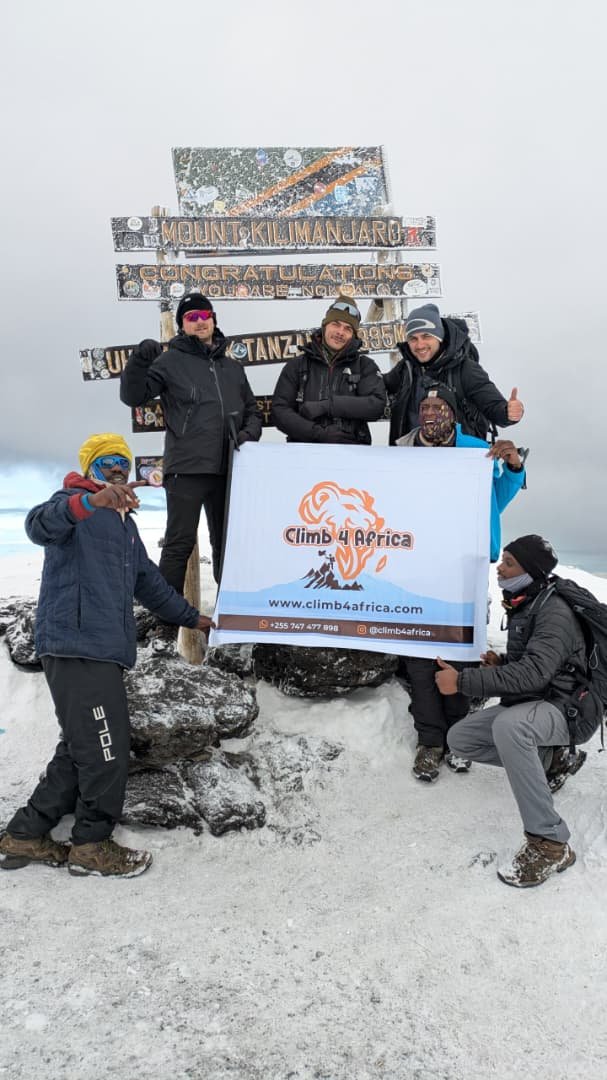
Rongai Vs Machame: Cost & Route Comparison For Kilimanjaro Climbs 2026-2027
Choosing between the Rongai and Machame routes for your Kilimanjaro climb in 2026 or 2027? This comprehensive comparison details route differences, scenery, acclimatization, success rates...
View package details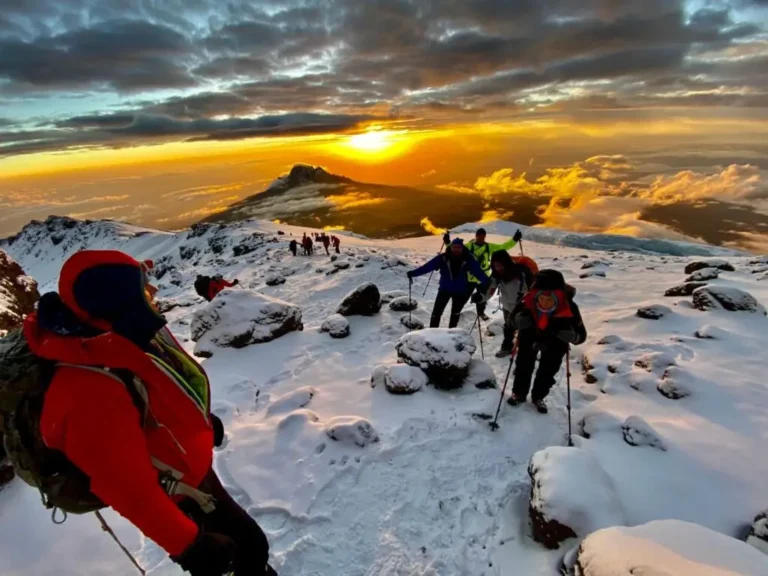
Lemosho Vs Machame: Cost, Itinerary & Which Route Is Better? 2026-2027
Lemosho vs Machame: Cost, Itinerary & Which Route Is Better? is explained with current 2026-2027 planning, price, itinerary and booking information.
View package details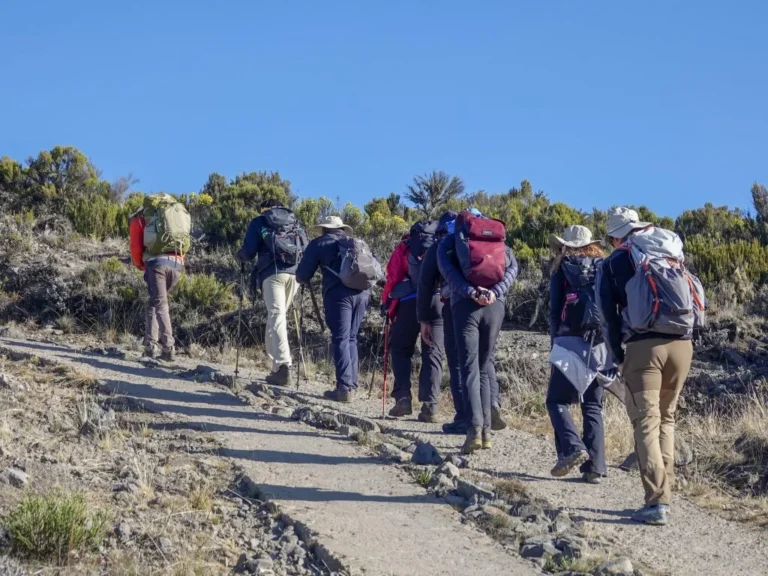
Kilimanjaro Route Cost Comparison: Lemosho, Machame, Marangu, Rongai &
Kilimanjaro Route Cost Comparison: Lemosho, Machame, Marangu, Rongai & Northern Circuit is explained with current 2026-2027 planning, price, itinerary and.
View package detailsUmbwe Route Cost /: Prices, Itinerary & Expert Guide 2026-2027
Planning a Kilimanjaro climb via the Umbwe Route for 2026 or 2027? This comprehensive guide details the expected Umbwe Route cost, including itinerary options, what's included, and factors...
View package details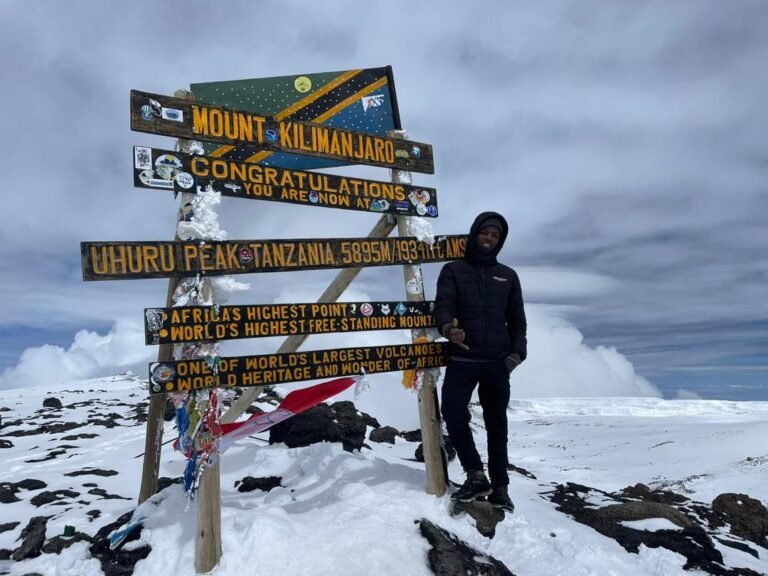
Rongai Vs Marangu Route Cost: Which Offers Better Value For Kilimanjaro
Comparing the Rongai and Marangu routes for Kilimanjaro climbs in 2026-2027 involves evaluating their distinct costs, scenery, acclimatization profiles, and overall value for trekkers...
View package details
Private Rongai Route Cost & Price Per Person For Climbs 2026-2027
Planning a private climb up Kilimanjaro via the Rongai Route in 2026 or 2027? This guide breaks down the private Rongai Route cost per person, detailing what influences the price, what's...
View package details
How Much Does An 8-Day Kilimanjaro Climb Cost? A Guide 2026-2027
Planning an 8-day Kilimanjaro climb in 2026 or 2027? This comprehensive guide breaks down the expected costs, explaining what influences the price and what you get for your money. Learn...
View package details
7-Day Vs 8-Day Kilimanjaro Climb: Cost & Success Benefits 2026-2027
7-Day vs 8-Day Kilimanjaro Climb: Cost & Success Benefits is explained with current 2026-2027 planning, price, itinerary and booking information.
View package detailsNo related package matches those filters. Clear one or more filters to see the other topic-matched options.



