
The estimated Rongai Route cost for 2026/2027 typically ranges from $1,800 to $3,500 per person for standard packages, with variations based on trek duration (usually 6-7 days), group size, and the level of inclusions. This price generally covers essential services like park fees, camping equipment, meals, experienced guides and porters, and basic accommodation before and after the climb. More inclusive packages or private climbs will be at the higher end of this spectrum.


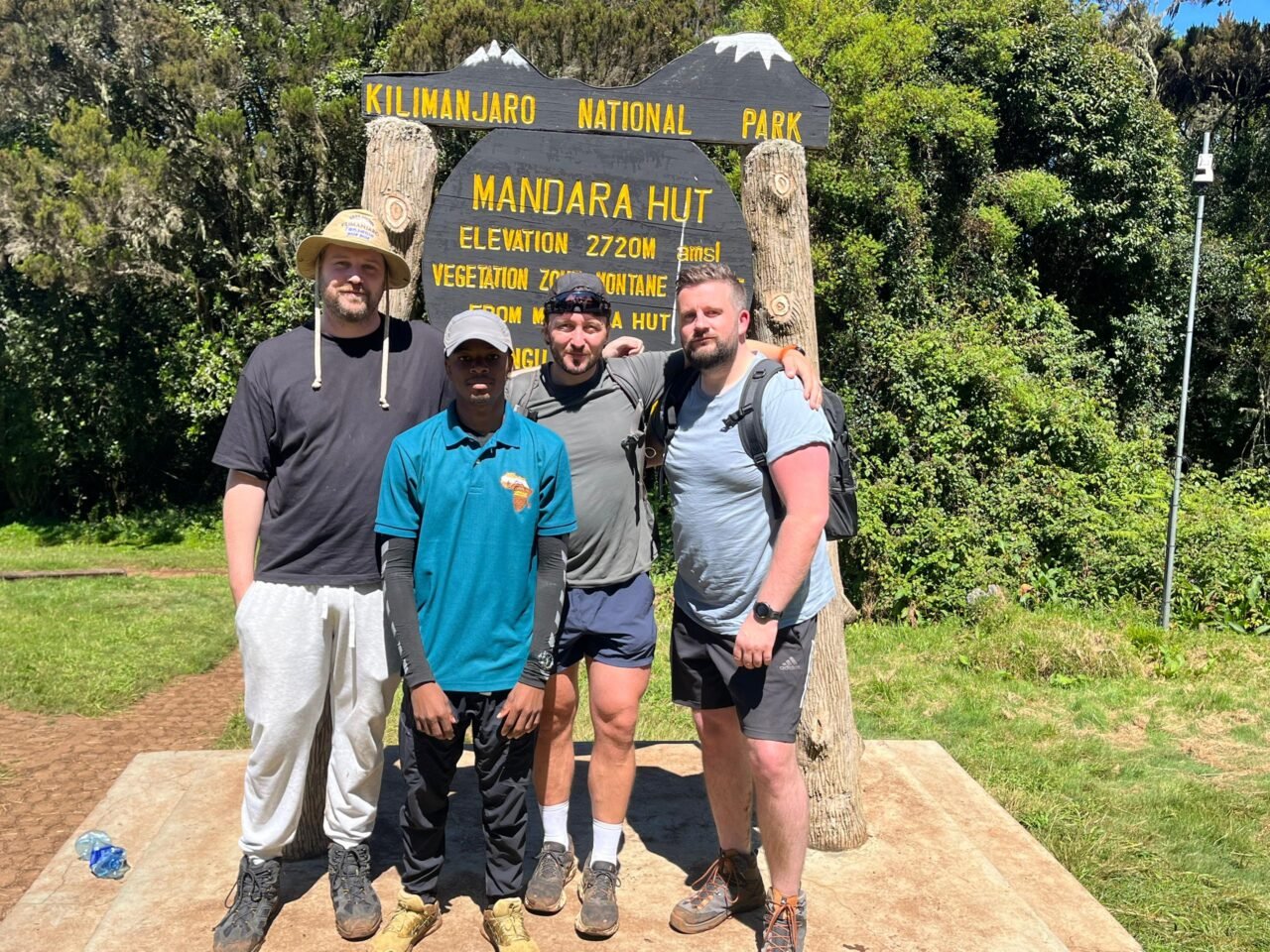
Understanding Rongai Route Costs for 2026/2027
The journey to the roof of Africa via the Rongai Route is an unparalleled adventure, and understanding the associated costs is a crucial part of your preparation. For trekkers planning their expedition in the 2026/2027 seasons, anticipating these expenses accurately will help you budget effectively and choose the right tour operator. At Climb 4 Africa, we aim to provide transparent pricing and exceptional value, ensuring your Kilimanjaro climb is both memorable and achievable.
The Rongai Route is distinct among Kilimanjaro treks for its approach from the north, offering a different perspective and often a drier ascent compared to its southern counterparts. This unique characteristic, combined with its gradual acclimatization profile, makes it a popular choice. When looking at the Rongai Route cost for 2026/2027, it’s essential to break down what influences these figures and what you can expect to be included in a typical package.
Factors Influencing Rongai Route Pricing in 2026/2027
Several key elements contribute to the overall price of a Rongai Route climb. Recognizing these will help you compare offers from different operators and make an informed decision:
- Trek Duration: The most common Rongai Route itineraries are 6 or 7 days. Longer treks allow for better acclimatization, potentially increasing success rates, but also incur higher park fees and operational costs. A 7-day Rongai climb will generally be more expensive than a 6-day one.
- Operator Type: Prices vary significantly between local Tanzanian operators like Climb 4 Africa, international operators, and budget providers. Local operators often offer competitive pricing while providing direct support to the local economy and ensuring experienced guides.
- Inclusions: What is included in your package is a major cost determinant. Essential inclusions typically are park fees, rescue fees, camping gear, meals on the mountain, experienced guides, porters, and sometimes pre- and post-climb accommodation. Some operators might include extras like bottled water, oxygen, or porter tips, which can increase the overall price but also convenience.
- Group Size: Climbing in a private group versus a shared or joining group can affect the per-person cost. Joining a group departure for the Rongai Route in 2026/2027 can often be more economical.
- Accommodation Standards: The quality of pre- and post-climb accommodation in Moshi or Arusha can also influence the total package price.
- Time of Year: While the Rongai Route is accessible year-round and less affected by rain than southern routes, peak climbing seasons (like June-October and December-March) might see slightly higher demand and thus potentially adjusted pricing, though this is less pronounced than on other routes.
Typical Rongai Route Package Costs for 2026/2027
Based on current industry standards and anticipating market trends for 2026/2027, here’s a general breakdown of expected costs for the Rongai Route:
Estimated Rongai Route Cost Breakdown (2026/2027)
These figures are estimates and can vary based on the operator and specific inclusions.
- Budget Operators: $1,600 – $2,200 per person. These packages focus on core services, often with basic gear and potentially larger group sizes.
- Mid-Range Operators (e.g., Climb 4 Africa): $1,900 – $2,800 per person. These offer a balance of quality services, good equipment, experienced guides, and comfortable pre/post-climb accommodation. This is where most reputable local operators fall.
- High-End/Premium Operators: $2,800 – $4,000+ per person. These often include more personalized services, higher-end equipment, smaller group sizes, additional support staff, and potentially more luxurious pre/post-climb stays.
Note: These estimates typically exclude flights, visas, travel insurance, personal gear, tips for guides and porters, and personal expenses.
What’s Typically Included in a 2026/2027 Rongai Route Package?
When evaluating the Rongai Route cost for 2026/2027, scrutinize the inclusions. Reputable operators will clearly list these. For a mid-range package from Climb 4 Africa, you can expect:
- Park Fees: All Kilimanjaro National Park entry, camping, and conservation fees. These are substantial and a significant part of the overall cost.
- Rescue Fees: Mandatory fees for emergency rescue services.
- Guides and Porters: Salaries, food, and accommodation for your professional mountain crew.
- Camping Equipment: High-quality tents (sleeping tents, mess tent, toilet tent), sleeping mats, and cooking equipment.
- Meals: All meals on the mountain (breakfast, lunch, dinner), prepared by a dedicated cook.
- Water: Boiled or purified water provided daily on the trek.
- Accommodation: 1-2 nights’ accommodation in a comfortable hotel/lodge in Moshi or Arusha before and after the climb.
- Transfers: All necessary transfers, including airport pick-up and drop-off, and transport to/from the Rongai Gate and back to Moshi.
- Briefings: Pre-climb briefings and gear checks.
What’s Typically Excluded?
To avoid surprises, be aware of common exclusions:
- International Flights: Airfare to and from Kilimanjaro International Airport (JRO).
- Visa Fees: Tanzania visa costs.
- Travel Insurance: Comprehensive travel and medical evacuation insurance is mandatory.
- Personal Gear: Sleeping bag, hiking boots, warm clothing, backpack, etc.
- Tips: Gratuities for guides, porters, and cooks. This is a significant cultural practice and a vital part of the crew’s income.
- Personal Expenses: Drinks (other than water), snacks, souvenirs, laundry.
- Optional: Oxygen cylinders, battery charging, bottled drinks.
Rongai Route Itinerary Options for 2026/2027
The Rongai Route can be climbed over 5, 7, or 6 days, with the 6-day and 7-day options being the most popular for adequate acclimatization. The 5-day itinerary is generally discouraged due to lower success rates. For your 2026/2027 Rongai Route cost planning, consider these itinerary lengths:
6-Day Rongai Route Itinerary
This is a popular choice, offering a good balance of acclimatization and efficiency.
- Day 1: Marangu Gate to Simba Camp (2,110m / 6,925ft)
- Drive from Moshi to Rongai Gate (approx. 1-2 hours).
- Registration and final preparations.
- Begin trek through coffee plantations and maize fields, entering the rainforest zone.
- Trek: 4-5 hours, 11 km / 6.8 miles.
- Camp: Simba Camp (near cave).
- Day 2: Simba Camp to Kikelewa Caves (3,600m / 11,810ft)
- Trek through moorland and heather zones.
- The landscape becomes more open and rugged.
- Trek: 6-7 hours, 11 km / 6.8 miles.
- Camp: Kikelewa Caves.
- Day 3: Kikelewa Caves to Mawenzi Tarn Hut (4,310m / 14,140ft)
- A shorter, steeper day leading to the picturesque Mawenzi Tarn.
- Enjoy stunning views of Kibo peak and surrounding landscapes.
- Trek: 4-5 hours, 7 km / 4.3 miles.
- Camp: Mawenzi Tarn Hut.
- Day 4: Mawenzi Tarn Hut to Kibo Hut (4,720m / 15,485ft)
- Cross the saddle between Mawenzi and Kibo peaks.
- This is a long, relatively flat day across an alpine desert.
- Trek: 4-5 hours, 10 km / 6.2 miles.
- Camp: Kibo Hut. Prepare for summit night.
- Day 5: Kibo Hut to Uhuru Peak (5,895m / 19,341ft) to Horombo Hut (3,720m / 12,205ft)
- Start summit attempt around midnight.
- Ascend via Stella Point and continue to Uhuru Peak, the highest point in Africa.
- Descend past Kibo Hut to Horombo Hut.
- Trek: 10-12 hours to Uhuru Peak, then 5-6 hours to Horombo Hut.
- Camp: Horombo Hut.
- Day 6: Horombo Hut to Marangu Gate (1,860m / 6,100ft)
- Descend through moorland and rainforest.
- Reach Marangu Gate, receive your certificates.
- Transfer back to Moshi/Arusha.
- Trek: 5-6 hours, 20 km / 12.4 miles.
7-Day Rongai Route Itinerary
This option adds an extra day for better acclimatization, increasing your chances of summit success and providing a more relaxed pace.
- Day 1: Marangu Gate to Simba Camp (2,110m / 6,925ft)
- Same as 6-day itinerary.
- Day 2: Simba Camp to Second Cave (3,450m / 11,320ft)
- A slightly shorter day than the 6-day route, allowing for better acclimatization.
- Trek: 4-5 hours, 7 km / 4.3 miles.
- Camp: Second Cave.
- Day 3: Second Cave to Kikelewa Caves (3,600m / 11,810ft)
- Continue through moorland.
- Trek: 4-5 hours, 6 km / 3.7 miles.
- Camp: Kikelewa Caves.
- Day 4: Kikelewa Caves to Mawenzi Tarn Hut (4,310m / 14,140ft)
- Similar to Day 3 of the 6-day itinerary.
- Trek: 4-5 hours, 7 km / 4.3 miles.
- Camp: Mawenzi Tarn Hut.
- Day 5: Mawenzi Tarn Hut to Kibo Hut (4,720m / 15,485ft)
- Similar to Day 4 of the 6-day itinerary.
- Trek: 4-5 hours, 10 km / 6.2 miles.
- Camp: Kibo Hut.
- Day 6: Kibo Hut to Uhuru Peak (5,895m / 19,341ft) to Horombo Hut (3,720m / 12,205ft)
- Summit day.
- Trek: 10-12 hours to Uhuru Peak, then 5-6 hours to Horombo Hut.
- Camp: Horombo Hut.
- Day 7: Horombo Hut to Marangu Gate (1,860m / 6,100ft)
- Final descent.
- Trek: 5-6 hours, 20 km / 12.4 miles.
Comparing Rongai Route Costs: What to Look For in 2026/2027
When comparing prices for your Rongai Route climb in 2026/2027, don’t just look at the bottom line. A lower price might mean compromising on safety, guide experience, or essential equipment. Here’s a checklist of what to scrutinize:
Your Rongai Route Cost Comparison Checklist (2026/2027)
- Operator Reputation: Check reviews on platforms like TripAdvisor. Look for consistent positive feedback regarding safety, crew professionalism, and overall experience.
- Guide Qualifications: Ensure guides are certified and have extensive experience on Kilimanjaro, particularly on the Rongai Route. Ask about their training in first aid and high-altitude management.
- Crew-to-Client Ratio: A good ratio ensures adequate support. Generally, 1 guide per 6-8 clients is standard, with a generous number of porters (approx. 1 porter per 2 clients) to carry gear and ensure safety.
- Safety Equipment: Does the package include a comprehensive first-aid kit, emergency oxygen, and communication devices? Does the operator have a clear emergency evacuation plan?
- Quality of Gear: Are the tents sturdy and waterproof? Is the mess tent comfortable? Are sleeping mats provided?
- Food Quality: Reputable operators provide varied, nutritious, and well-prepared meals. Ask for a sample menu.
- Pre- and Post-Climb Accommodation: What standard of hotel is included? Is it clean, comfortable, and well-located?
- Transparency in Pricing: Are all mandatory fees included? Are there any hidden costs?
- Sustainability Practices: Does the operator adhere to Leave No Trace principles and support local communities?
The Value of Choosing a Local Operator for Rongai Route 2026/2027
Choosing a local Tanzanian operator like Climb 4 Africa for your Rongai Route cost 2026/2027 plan often provides significant advantages:
- Cost-Effectiveness: Local operators typically have lower overheads than international companies, allowing for more competitive pricing without compromising on quality.
- Local Expertise: They possess deep knowledge of Kilimanjaro, its routes, weather patterns, and the local culture. Their guides and porters are often from the communities surrounding the mountain, providing authentic insights.
- Direct Economic Impact: Your booking directly supports the local economy, providing employment and fair wages to guides, porters, cooks, and support staff.
- Flexibility and Responsiveness: Local teams can often be more agile and responsive to specific needs or last-minute adjustments.
At Climb 4 Africa, we pride ourselves on combining this local expertise with international safety standards and a commitment to exceptional client care. We understand that the Rongai Route cost is an investment, and we strive to make it a worthwhile one.
Additional Costs to Factor into Your 2026/2027 Rongai Budget
Beyond the package price, several other expenses are crucial for your Rongai Route budget 2026/2027. These can add up, so it’s wise to budget for them separately.
Tipping Your Mountain Crew
This is a significant and expected part of climbing Kilimanjaro. Tips form a substantial portion of the income for guides, porters, and cooks. While amounts can vary, a general guideline for 2026/2027 is:
- Lead Guide: $20 – $30 per day
- Assistant Guide: $15 – $20 per day
- Cook: $10 – $15 per day
- Porter: $8 – $12 per day
For a 6-day Rongai climb, this could amount to approximately $200 – $350 per trekker. It’s best to carry cash in USD or Tanzanian Shillings for tipping at the end of the trek. Your operator will provide specific recommendations.
Gear Rental
If you don’t own all the necessary high-altitude gear, renting is a cost-effective option. Items commonly rented include:
- High-altitude sleeping bags
- Trekking poles
- Waterproof jackets and trousers
- Warm jackets
Rental costs vary but expect to budget around $100 – $200 for a comprehensive set for your Rongai Route expedition.
Travel Insurance and Evacuation Cover
This is non-negotiable. Ensure your policy covers high-altitude trekking up to 6,000 meters and includes emergency medical evacuation. Budget approximately $100 – $300 depending on your coverage needs and provider.
Pre- and Post-Climb Expenses
While some accommodation is included, you might need extra nights. Budget for:
- Additional hotel nights in Moshi/Arusha.
- Meals not included in your hotel stay or on the mountain.
- Souvenirs and personal shopping.
- Optional activities like visiting local markets or cultural tours.
Planning Your 2026/2027 Rongai Route Climb: Key Considerations
Booking your Rongai Route climb for 2026/2027 requires planning well in advance, especially if you have specific dates in mind. Here are some tips:
- Book Early: Reputable operators, particularly those offering group departures, can fill up. Booking 6-12 months in advance is recommended for popular dates.
- Best Time to Climb: While Rongai is climbable year-round, the dry seasons (June to October and December to March) are generally preferred for clearer skies and less precipitation. Avoid the main rainy seasons (April-May and November).
- Physical Preparation: Start a training program at least 3-6 months before your climb. Focus on cardiovascular fitness, strength training (especially legs), and hiking with a weighted backpack.
- Acclimatization: The Rongai Route’s gradual ascent is beneficial. The 7-day itinerary further enhances this. Listen to your body and communicate any symptoms of altitude sickness to your guide.
- Visa and Vaccinations: Check visa requirements for Tanzania and consult your doctor about recommended vaccinations well in advance.
Why Choose Climb 4 Africa for Your 2026/2027 Rongai Route Expedition?
When you decide to tackle Kilimanjaro via the Rongai Route, partnering with the right tour operator is paramount. Climb 4 Africa is dedicated to providing an exceptional Kilimanjaro climbing experience, focusing on safety, client satisfaction, and responsible tourism.
Our Commitment to Your Rongai Route Climb
- Experienced & Certified Guides: Our guides are highly trained, with extensive experience on Kilimanjaro, prioritizing your safety and well-being.
- Quality Equipment: We provide robust, high-quality camping gear designed for mountain conditions.
- Fair Treatment of Crew: We ensure our guides, porters, and cooks are well-paid, well-fed, and treated with respect, adhering to Kilimanjaro Porter Assistance Project (KPAP) standards.
- Transparent Pricing: Our Rongai Route cost 2026/2027 packages are clearly detailed, with no hidden fees. We aim to offer excellent value for the services provided.
- Safety First: We carry comprehensive medical kits and emergency oxygen, and our crew is trained in high-altitude emergency procedures.
- Tailored Experiences: Whether you prefer a group departure or a private climb, we can customize itineraries to suit your needs.
We understand that climbing Kilimanjaro is a significant undertaking, both physically and financially. Our goal is to make your Rongai Route adventure in 2026/2027 a success, providing the support and expertise you need every step of the way. We believe our commitment to quality and responsible tourism offers the best value for your investment.
Frequently Asked Questions About Rongai Route Costs & Planning
Is the Rongai Route more expensive than other Kilimanjaro routes?
Generally, the Rongai Route cost is comparable to other routes like Machame or Lemosho for similar durations (6-7 days). The price is primarily driven by park fees and operational costs, which are consistent across most routes. The Rongai’s unique approach and often longer duration for acclimatization (7 days) might slightly influence pricing, but it’s not inherently the most expensive. Budget operators exist for all routes.
What is the best time of year to climb the Rongai Route in 2026/2027?
The Rongai Route is known for being climbable year-round due to its northern position, which makes it drier. However, the most favorable times are during the dry seasons: June to October and December to March. These periods offer clearer skies and less rain, improving the trekking experience. Avoid the main rainy seasons (April-May and November) if possible.
How much should I budget for tips for the Rongai Route crew in 2026/2027?
Tipping is a significant part of the crew’s income. For a standard 6-7 day Rongai climb, budget approximately $200 to $350 per trekker. This is usually divided among the lead guide, assistant guides, cook, and porters. Your tour operator will provide specific recommended tipping guidelines, which are crucial to follow.
Are park fees included in the Rongai Route cost?
Yes, reputable tour operators will always include Kilimanjaro National Park fees in their package price. These fees are substantial and constitute a significant portion of the total Rongai Route cost. Always confirm this is explicitly stated in the package inclusions.
What is the success rate on the Rongai Route?
The Rongai Route generally has a high success rate, often attributed to its gradual acclimatization profile and drier conditions. Success rates are typically higher on longer itineraries (7 days) compared to shorter ones (5-6 days). A well-prepared climber using a reputable operator has a very good chance of reaching Uhuru Peak, especially in the 2026/2027 seasons.
Ready to Plan Your 2026/2027 Rongai Route Climb?
Planning your Kilimanjaro adventure via the Rongai Route for 2026 or 2027 is an exciting prospect. Understanding the costs, itineraries, and what to expect is the first step towards a successful expedition. Climb 4 Africa is here to guide you through every stage, from initial inquiry to summit celebration.
We offer competitive pricing for the Rongai Route cost 2026/2027, ensuring you receive excellent value, experienced guides, quality equipment, and unwavering support. Our commitment is to provide a safe, enjoyable, and memorable Kilimanjaro climbing experience.
For a personalized quote, to discuss package options, or to ask any further questions about climbing Kilimanjaro via the Rongai Route in 2026/2027, please do not hesitate to contact us. We’re ready to help you achieve your dream of standing on the roof of Africa.
Contact Climb 4 Africa:
WhatsApp: +255 747 477 898
Email: climb4africa@gmail.com
Let’s make your Rongai Route 2026/2027 journey a reality!
Check Availability for Rongai Route Cost /: Prices, Packages & Itinerary 2026-2027
Ready to compare dates, prices, and the best option for your group? Send the package name and travel month so the team can reply with a clear quote, availability, and what is included.
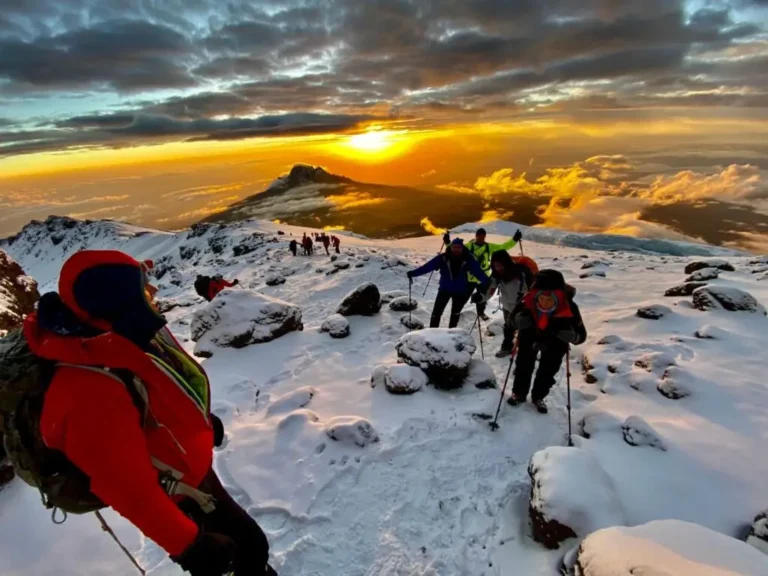
Umbwe Route Cost /: Prices, Itinerary & Expert Guide 2026-2027
Planning a Kilimanjaro climb via the Umbwe Route for 2026 or 2027? This comprehensive guide details the expected Umbwe Route cost, including itinerary options, what's included, and factors...
View package details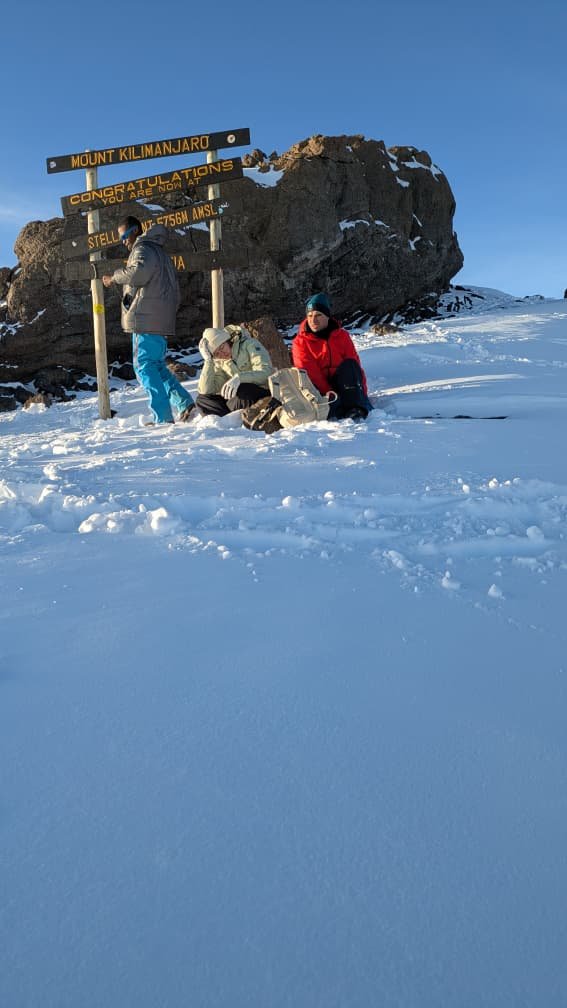
7 Days Rongai Route Kilimanjaro: Cost & Full Itinerary 2026-2027
Discover the best of Kilimanjaro's Rongai Route with a detailed 7-day itinerary, cost breakdown, and expert tips for your 2026-2027 climb. Learn why Rongai is a popular choice for trekkers...
View package details
6 Days Rongai Route Kilimanjaro: Cost, Itinerary & Expert Guide For 2026-2027
The 6 Days Rongai Route offers a unique approach to climbing Kilimanjaro from the north. This guide details the itinerary, cost considerations for 2026-2027, and expert tips for a...
View package details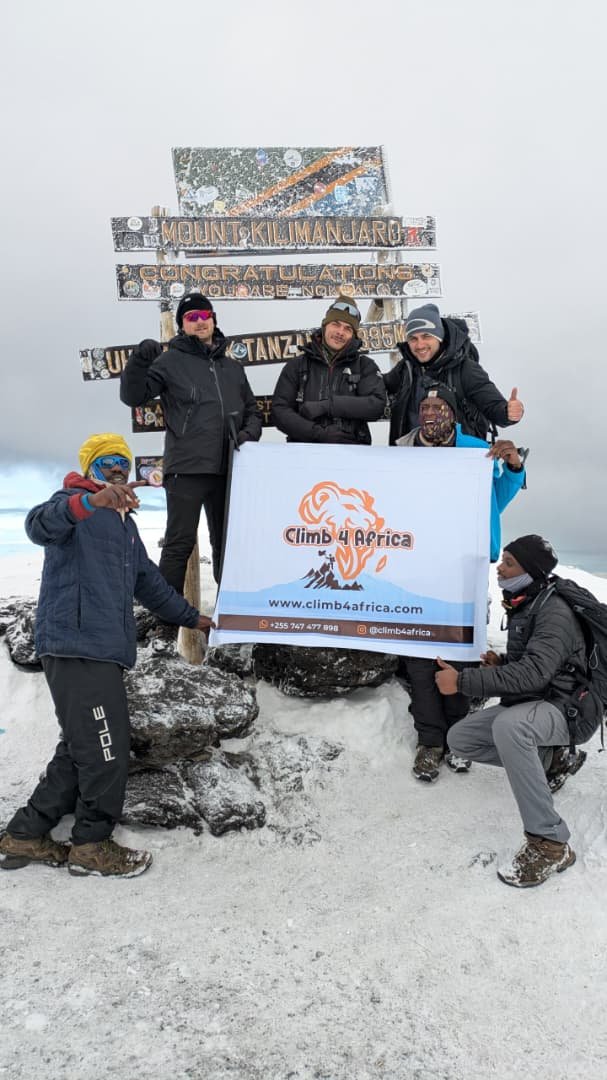
Rongai Vs Machame: Cost & Route Comparison For Kilimanjaro Climbs 2026-2027
Choosing between the Rongai and Machame routes for your Kilimanjaro climb in 2026 or 2027? This comprehensive comparison details route differences, scenery, acclimatization, success rates...
View package detailsLemosho Vs Machame: Cost, Itinerary & Which Route Is Better? 2026-2027
Lemosho vs Machame: Cost, Itinerary & Which Route Is Better? is explained with current 2026-2027 planning, price, itinerary and booking information.
View package details
Kilimanjaro Day Hike Cost /: Prices & Best Routes 2026-2027
Kilimanjaro Day Hike Cost 2026/2027: Prices & Best Routes is explained with current 2026-2027 planning, price, itinerary and booking information.
View package details
Kilimanjaro Route Cost Comparison: Lemosho, Machame, Marangu, Rongai &
Kilimanjaro Route Cost Comparison: Lemosho, Machame, Marangu, Rongai & Northern Circuit is explained with current 2026-2027 planning, price, itinerary and.
View package details
Kilimanjaro Crater Camp Cost: Prices, Fees & Itinerary For Climbs 2026-2027
Planning a Kilimanjaro climb to Crater Camp? This guide breaks down the 2026-2027 costs, including all associated fees and essential itinerary details. Learn what influences the price and...
View package detailsShira Route Cost /: Prices & Packages For Kilimanjaro Climbs 2026-2027
Understand the estimated costs and package details for climbing Kilimanjaro via the Shira Route in 2026 and 2027. This guide covers pricing, what's included, and how to choose the right...
View package details
6 Days Umbwe Route: Cost, Price & Full Itinerary For Climbs 2026-2027
Planning a Kilimanjaro climb via the challenging Umbwe Route in 6 days? This guide breaks down the costs, essential inclusions, and a comprehensive day-by-day itinerary to help you prepare...
View package details
Rongai Vs Marangu Route Cost: Which Offers Better Value For Kilimanjaro
Comparing the Rongai and Marangu routes for Kilimanjaro climbs in 2026-2027 involves evaluating their distinct costs, scenery, acclimatization profiles, and overall value for trekkers...
View package details
Private Rongai Route Cost & Price Per Person For Climbs 2026-2027
Planning a private climb up Kilimanjaro via the Rongai Route in 2026 or 2027? This guide breaks down the private Rongai Route cost per person, detailing what influences the price, what's...
View package detailsNo related package matches those filters. Clear one or more filters to see the other topic-matched options.



