
The private Rongai Route cost per person for a Kilimanjaro climb in 2026-2027 typically ranges from $2,200 to $4,500 USD, depending heavily on the operator, duration of the trek (usually 6-7 days), level of service, and specific inclusions. This price reflects a private group booking, offering more flexibility and personalized support than a shared tour, and covers essential services like park fees, crew wages, accommodation, meals on the mountain, and safety equipment.
Understanding Private Rongai Route Pricing for 2026-2027
The allure of Kilimanjaro, Africa’s highest peak, draws adventurers from across the globe. For those seeking a more exclusive and personalized experience, a private climb on the Rongai Route is an excellent choice. Unlike group departures, a private trek allows you to set your own pace, travel with your chosen companions, and receive dedicated attention from your guide and support crew. However, understanding the private Rongai Route cost per person for 2026-2027 climbs is crucial for effective planning and budgeting. This detailed guide aims to demystify these costs, explore the factors that influence them, and help you make an informed decision for your Kilimanjaro adventure.
Climbing Kilimanjaro is a significant undertaking, and the Rongai Route offers a unique perspective, approaching the mountain from the north, in Kenya. This route is known for its drier conditions and higher success rates, making it a popular choice for many. When opting for a private climb, the price per person can vary substantially. It’s not just about the summit; it’s about the entire journey, and the quality of that journey is directly tied to the services provided, which in turn, dictates the cost.
### Key Factors Influencing Private Rongai Route Cost Per Person (2026-2027)
Several elements combine to determine the final price you’ll pay for a private Rongai Route trek. Recognizing these factors will empower you to compare different operators and understand what constitutes good value. For 2026-2027 climbs, these core components remain consistent:
* Operator’s Reputation and Service Level: Established operators with a strong safety record, experienced guides, and a commitment to ethical treatment of porters often command higher prices. This is an investment in your safety and overall experience. Lower prices might indicate compromises in crew welfare, equipment quality, or support staff expertise.
* Trek Duration: While the Rongai Route is typically completed in 6 or 7 days, choosing a longer duration (e.g., 7 days instead of 6) allows for better acclimatization, significantly increasing your chances of reaching Uhuru Peak. Longer treks involve more days of park fees, crew wages, and supplies, thus increasing the overall cost per person.
* Group Size: Even for a ‘private’ climb, the number of people in your group impacts the per-person cost. A larger private group will generally have a lower per-person price than a very small private group (e.g., two people), as fixed costs (like guide fees) are spread over more individuals.
* Inclusions and Exclusions: This is perhaps the most critical factor. Does the price include flights to Kilimanjaro (usually not), airport transfers, pre/post-climb accommodation in Moshi, meals in town, tips for the crew, travel insurance, personal climbing gear rental, or bottled water? A comprehensive package will naturally cost more but offers greater convenience and fewer hidden expenses.
* Accommodation Standards: While on the mountain, accommodation is in tents. However, the quality of tents, sleeping mats, mess tents, and toilet facilities can vary. Pre- and post-climb accommodation in Moshi also differs in standard and price.
* Quality of Equipment: High-quality tents, sleeping bags, cooking equipment, and safety gear (like oxygen cylinders and first-aid kits) are essential. Reputable operators invest in well-maintained, durable equipment, which is reflected in their pricing.
* Crew Welfare and Wages: Ethical operators pay their guides, cooks, and porters fair wages, provide them with adequate food and gear, and ensure they are not overburdened. This commitment to porter welfare is a significant ethical consideration and contributes to the cost.
* Time of Year: While the Rongai Route is less affected by weather than other routes, peak climbing seasons (like January-March and June-October) may see slightly higher prices due to increased demand.
* Park Fees: Kilimanjaro National Park fees are substantial and set by the Tanzanian government. All legitimate operators must pay these fees, and they are a significant component of the total cost.
### Typical Inclusions in a Private Rongai Route Package
When budgeting for your 2026-2027 private Rongai Route climb, it’s essential to know what is typically covered. A well-priced package should ideally include:
* Park Entrance Fees: All required fees for Kilimanjaro National Park.
* Camping/Hut Fees: Fees for overnight stays on the mountain.
* Rescue Fees: Mandatory fees for mountain rescue services.
* Experienced Guides: Licensed, knowledgeable, and certified guides, often with wilderness first responder training.
* Support Crew: Professional cooks and adequate numbers of porters to carry gear and set up camp.
* Meals on the Mountain: Nutritious and varied meals prepared by your cook (breakfast, lunch, dinner).
* Accommodation on the Mountain: High-quality tents, mess tent for dining, and a toilet tent.
* Boiled Water: Safe drinking water provided on the trek.
* Oxygen Cylinders: Carried by guides for emergency use.
* First-Aid Kit: Comprehensive kit carried by guides.
* Briefings: Pre-climb briefings in Moshi.
* Transfer: Transportation from Moshi to the Rongai Gate and back to Moshi after the climb.
### Potential Exclusions to Watch For
Be aware of what might *not* be included to avoid unexpected expenses:
* International Flights: Flights to and from Kilimanjaro International Airport (JRO).
* Visa Fees: For Tanzania.
* Travel Insurance: Comprehensive travel and medical evacuation insurance is mandatory.
* Personal Climbing Gear: Such as waterproof jackets and trousers, warm layers, boots, sleeping bags, and trekking poles (some operators offer rentals).
* Tips for Crew: This is a significant expense and a customary practice. Budget around $250-$350 USD per climber for guides, cooks, and porters.
* Meals and Drinks in Town: Lunches, dinners, and drinks in Moshi before and after the climb.
* Personal Expenses: Souvenirs, laundry, etc.
* Gratuities for hotel staff (if applicable).
* Vaccinations and medications.**
## Rongai Route: A Closer Look for 2026-2027 Trekkers
The Rongai Route is the only route that approaches Kilimanjaro from the north. This offers a distinct trekking experience, often characterized by drier weather and less crowded trails compared to the more popular southern routes. Its gradual ascent profile makes it an excellent choice for those concerned about acclimatization.
### Rongai Route Itinerary Options & Cost Implications
The Rongai Route can be climbed in varying durations, typically 5, 6, or 7 days. For a private climb, 6 or 7 days are highly recommended for better acclimatization and a more enjoyable experience.
* 5-Day Rongai Route: This is the fastest option and is generally discouraged due to poor acclimatization. It can lead to a higher chance of altitude sickness and a lower summit success rate. The private Rongai Route cost per person for 5 days will be lower, but the risks are significantly higher.
* 6-Day Rongai Route: This is a popular choice, offering a balance between time and acclimatization. It allows for a more steady ascent. A 6-day private Rongai Route package is a common offering, with prices reflecting the inclusion of an extra day on the mountain compared to a 5-day trek.
* 7-Day Rongai Route: This is the most recommended option for the Rongai Route. The additional day provides crucial time for acclimatization, significantly improving your chances of reaching the summit comfortably and safely. The private Rongai Route cost per person for a 7-day trek will be the highest among the standard Rongai options, due to the extended duration and additional services required.
### Why Choose a Private Rongai Route Climb?
Opting for a private climb, especially on the Rongai Route, offers distinct advantages:
* Flexibility: You control the pace of your trek. This is invaluable for acclimatization and allows you to take breaks when needed, enjoy the scenery, and avoid feeling rushed.
* Personalized Attention: Your guides and crew can focus entirely on your group’s needs, ensuring safety, comfort, and a positive experience.
* Privacy: You share the experience only with your chosen companions, making it ideal for families, friends, or couples seeking a shared adventure.
* Customization: While standard itineraries exist, private climbs can sometimes be tailored to specific needs or preferences.
### Comparing Private Rongai Route Costs: What to Look For
When comparing quotes for your 2026-2027 private Rongai Route climb, use the following checklist to ensure you’re comparing like-for-like:
- Route: Ensure it’s the Rongai Route and the stated duration (e.g., 6 or 7 days).
- Inclusions: Verify what’s covered – park fees, rescue fees, meals, crew wages, transfers, accommodation.
- Crew Ratios: Look for a good guide-to-client ratio (e.g., 1:6 or better) and sufficient porters.
- Porter Welfare: Inquire about the operator’s porter protection policy (e.g., KPAP membership or equivalent).
- Safety Equipment: Confirm availability of oxygen, pulse oximeters, and comprehensive first-aid kits.
- Accommodation: Check the quality of tents and mess tents.
- Food: Ask for sample menus to gauge variety and quality.
- Pre- and Post-Climb Services: Clarify what’s included in Moshi.
- Emergency Support: Understand their emergency procedures and evacuation capabilities.
- Reviews: Check independent reviews on platforms like TripAdvisor.
### Budgeting for Your Private Rongai Route Trek in 2026-2027
To provide a clearer picture, let’s break down the typical cost components:
Estimated Cost Breakdown (Per Person) for a Private 7-Day Rongai Route Climb:
- Park Fees & Government Levies: $700 – $900 USD (This is a fixed cost set by the park authorities and is a significant portion of the total price).
- Crew Wages & Welfare: $400 – $600 USD (Ensuring fair pay and good conditions for guides, cooks, and porters).
- Food & Supplies on Mountain: $250 – $400 USD (Nutritious meals, snacks, and safe drinking water).
- Equipment & Logistics: $300 – $500 USD (High-quality tents, mess tents, cooking gear, safety equipment, vehicle transport).
- Operator’s Margin & Support: $550 – $1100 USD (Covers office operations, marketing, pre- and post-climb support, profit).
- Total Estimated Range: $2,200 – $3,500 USD (This is a baseline for a reputable operator, not including tips or personal gear).
Note: This is an illustrative breakdown. Exact figures vary significantly between operators. Some operators may include a higher base price to incorporate more services like tips or gear rental, while others offer a lower base price with more exclusions.
### The Impact of Operator Choice on Private Rongai Route Cost
Choosing your tour operator is paramount. Here’s how different types of operators might affect your private Rongai Route cost per person for 2026-2027:
* Budget Operators: These may offer the lowest prices but often cut corners on safety, crew welfare, equipment quality, and food. While tempting, they can lead to a compromised or even dangerous experience.
* Mid-Range Operators: These strike a balance, offering good quality services, fair crew treatment, reliable equipment, and professional guides at a competitive price. This is often where the best value lies for private Rongai Route climbs.
* Premium/Luxury Operators: These operators offer the highest level of service, often including extras like private toilets, hot showers at the start/end of the trek, gourmet meals, private sleeping tents, and higher guide-to-client ratios. Their private Rongai Route cost per person will be at the higher end of the spectrum.
### 2026-2027 Planning Considerations for Private Rongai Route Treks
Planning ahead is key for a successful and well-budgeted Kilimanjaro climb. For 2026-2027, consider the following:
* Booking Window: Book your private Rongai Route climb at least 6-12 months in advance, especially if you have specific dates or a group that needs coordination. This allows operators to secure permits and prepare logistics effectively.
* Peak Seasons: The main climbing seasons for 2026-2027 are January-March and June-October. Prices might be slightly higher during these periods due to demand. Shoulder seasons (April-May and November-December) can offer lower prices but might have less predictable weather.
* Flexibility with Dates: If your dates are flexible, you might be able to secure better pricing or availability, particularly outside the absolute peak times.
* Group Size Dynamics: If you are a group of 4-6 people, the private Rongai Route cost per person will likely fall within the mid-to-upper range of our estimates. For smaller groups (2-3 people), the per-person cost will be higher as fixed costs are spread over fewer individuals.
### Frequently Asked Questions About Private Rongai Route Pricing
What is the minimum group size for a private Rongai Route climb?
Most operators will consider a climb private for groups as small as two people. However, the private Rongai Route cost per person will be significantly higher for a group of two compared to a group of four or more, as park fees, guide salaries, and other fixed costs are divided among fewer participants.
Are Rongai Route climbs cheaper than other routes?
Generally, the Rongai Route’s cost is comparable to other routes like Machame or Lemosho for the same duration and service level. The primary cost drivers are park fees and duration, not the route itself. However, sometimes 5-day Rongai climbs might appear cheaper due to their shorter duration, but these are not recommended for acclimatization.
How much should I budget for crew tips on the Rongai Route in 2026-2027?
A widely accepted tipping guideline for a 7-day Rongai Route climb is approximately $250 – $350 USD per climber. This is typically divided among the lead guide, assistant guides, cook, and porters. Always confirm the recommended tipping structure with your operator.
Can I negotiate the price for a private Rongai Route climb?
While some operators might offer slight flexibility, especially for larger private groups or off-season travel in 2026-2027, significant negotiation is unlikely with reputable companies. Their pricing reflects the true cost of providing a safe, ethical, and high-quality climb. Focus on value and inclusions rather than just the lowest price.
What is the difference in cost between a 6-day and a 7-day private Rongai Route?
A 7-day Rongai Route climb will typically cost 10-15% more per person than a 6-day climb. This additional cost covers an extra day of park fees, food, and crew wages, but it provides a significant benefit in terms of acclimatization and overall climbing success.
Does the price include accommodation in Moshi?
Some packages include one night of accommodation in Moshi before the climb and potentially one night after. Others exclude it. Always check your operator’s itinerary and inclusions list. If not included, budget an additional $50-$150 USD per night for mid-range hotel accommodation.
What is the impact of using a local Tanzanian operator versus an international one?
Using a reputable local operator like Climb 4 Africa can often provide better value and ensures that more of your money directly supports the local economy and crew. International operators may have higher overheads. Ensure any operator, local or international, has a strong track record, ethical practices, and comprehensive safety protocols.
## Making Your Booking Decision for a Private Rongai Route Climb in 2026-2027
Choosing the right operator for your private Rongai Route climb is as important as choosing the route itself. It’s about ensuring your safety, comfort, and the success of your summit attempt. When you receive quotes for your 2026 or 2027 adventure, scrutinize them carefully. Don’t be swayed solely by the lowest price. A slightly higher cost for a reputable operator who prioritizes safety, crew welfare, and quality equipment is an investment that pays dividends in peace of mind and a more rewarding climb.
Consider Climb 4 Africa as your trusted partner for your Kilimanjaro adventure. We specialize in creating memorable and safe climbing experiences, offering private Rongai Route treks with a strong emphasis on quality, ethical practices, and client satisfaction. Our team is dedicated to providing practical local support and ensuring your journey is as smooth as possible, from initial inquiry to summit celebration and beyond.
For personalized advice on tailoring a private Rongai Route climb to your specific needs and budget for 2026-2027, or to receive a detailed quote, please do not hesitate to reach out. We are here to help you plan the Kilimanjaro expedition of a lifetime.
Contact Climb 4 Africa:
- WhatsApp: +255 747 477 898
- Email: climb4africa@gmail.com
- Website: climb4africa.com
By understanding the nuances of private Rongai Route cost per person, you can confidently select an operator and package that aligns with your expectations and budget for your 2026-2027 Kilimanjaro adventure. Remember, a well-planned climb is a successful climb.
Check Availability for Private Rongai Route Cost & Price Per Person For Climbs 2026-2027
Ready to compare dates, prices, and the best option for your group? Send the package name and travel month so the team can reply with a clear quote, availability, and what is included.
Private Northern Circuit Cost: Price Per Person For Your Kilimanjaro Adventure
Discover the factors influencing the price per person for a private Northern Circuit climb on Kilimanjaro. This guide details costs for 2026-2027, inclusions, and how to get a tailored...
View package details
Private Kilimanjaro & Serengeti Safari Cost Per Person | Climb 4 Africa
Planning a private Kilimanjaro and Serengeti safari is a significant investment. This guide details the estimated cost per person for 2026-2027, breaking down the factors that influence...
View package details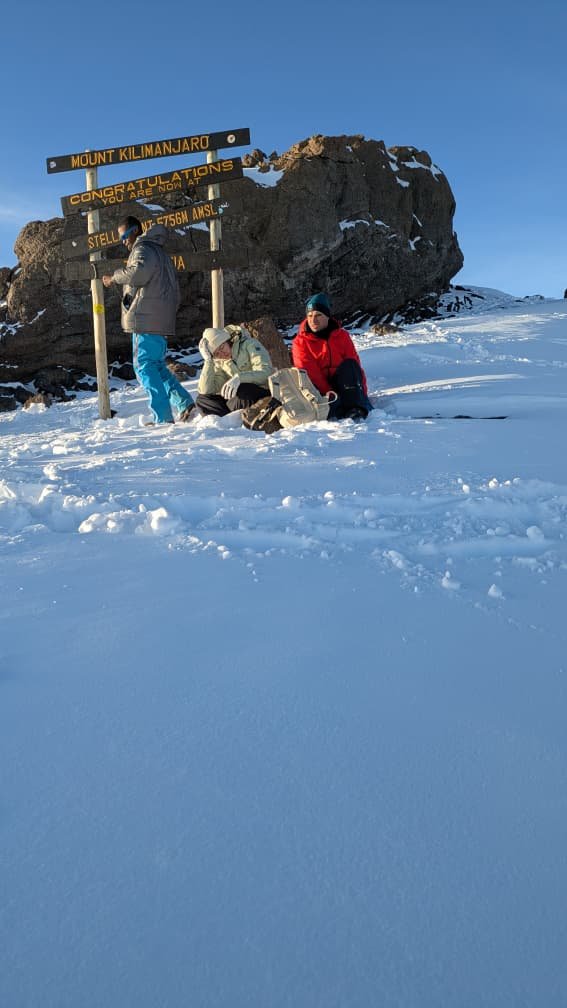
Private Kilimanjaro Day Hike Cost Per Person : What To Expect 2026-2027
Planning a private Kilimanjaro day hike? Understand the cost per person for 2026-2027, factoring in route, duration, inclusions, and operator differences. Get a clear picture of your...
View package details
Rongai Route Cost /: Prices, Packages & Itinerary 2026-2027
Planning a Kilimanjaro climb via the Rongai Route in 2026 or 2027? This comprehensive guide details the Rongai Route cost, including typical prices, what's included in packages, and a...
View package details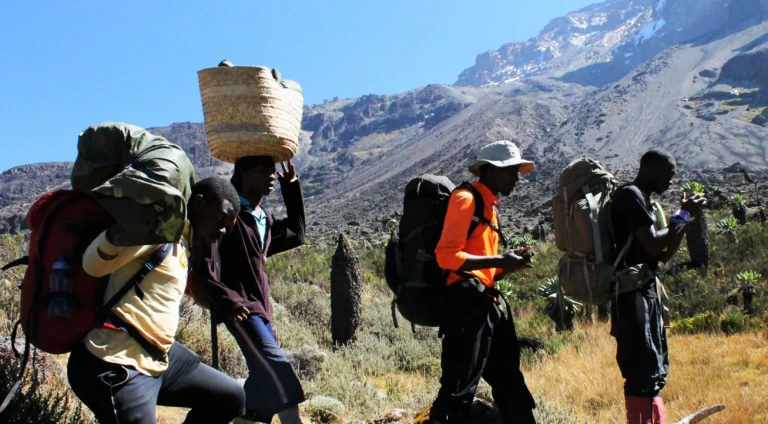
Is A Private Toilet Included In The Kilimanjaro Price? 2026-2027
Discover whether a private toilet is a standard inclusion in Kilimanjaro climbing package prices, the variations across routes and operators, and how Climb 4 Africa prioritizes your comfort...
View package details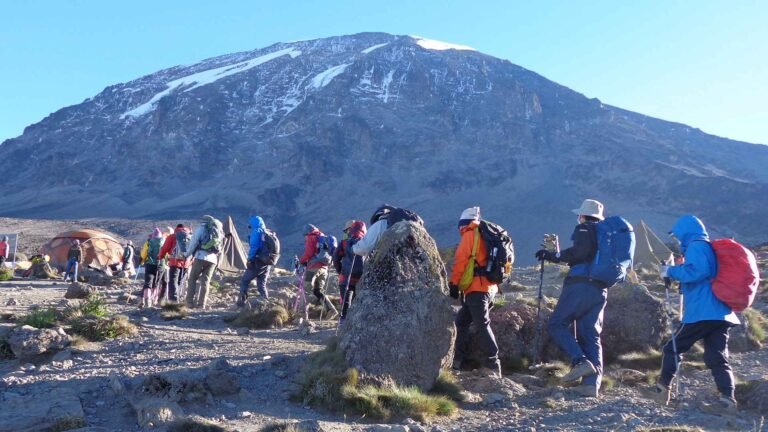
How Much Does A Private Kilimanjaro Climb Cost In ? 2026-2027
Planning a private ascent of Mount Kilimanjaro? Understand the factors that influence the cost of a private climb, typical price ranges for 2026-2027, and what's usually included to help...
View package details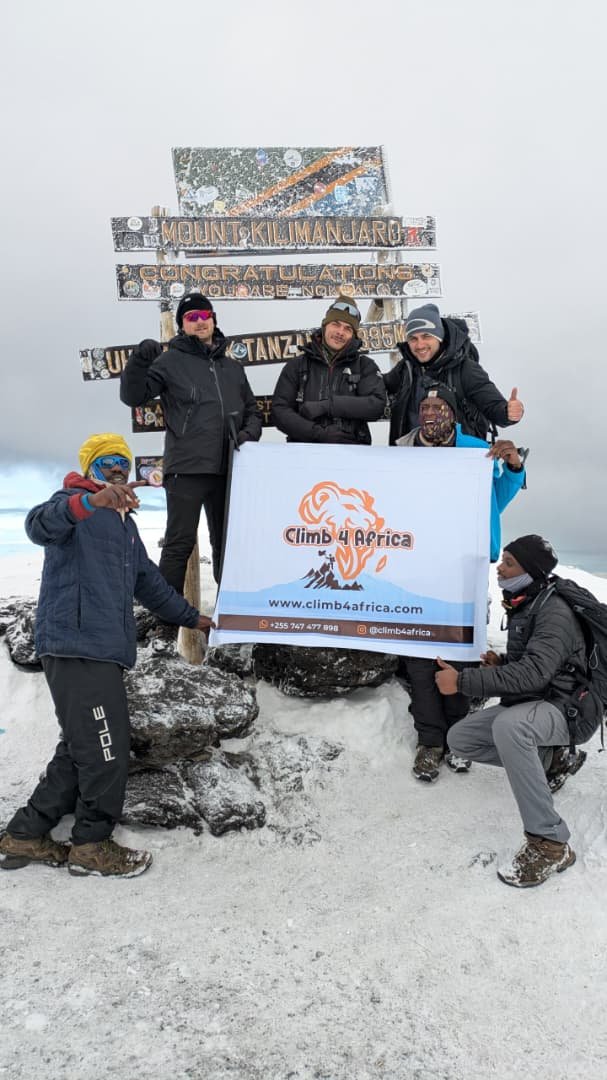
Rongai Vs Machame: Cost & Route Comparison For Kilimanjaro Climbs 2026-2027
Choosing between the Rongai and Machame routes for your Kilimanjaro climb in 2026 or 2027? This comprehensive comparison details route differences, scenery, acclimatization, success rates...
View package detailsRongai Vs Lemosho: Price, Crowds & Route Comparison For Kilimanjaro Climbs
Choosing between the Rongai and Lemosho routes for your Kilimanjaro climb? This in-depth comparison covers everything you need to know about price, crowd levels, route profiles, scenery...
View package details
Kilimanjaro Day Hike Cost /: Prices & Best Routes 2026-2027
Kilimanjaro Day Hike Cost 2026/2027: Prices & Best Routes is explained with current 2026-2027 planning, price, itinerary and booking information.
View package details
Kilimanjaro Route Cost Comparison: Lemosho, Machame, Marangu, Rongai &
Kilimanjaro Route Cost Comparison: Lemosho, Machame, Marangu, Rongai & Northern Circuit is explained with current 2026-2027 planning, price, itinerary and.
View package detailsShira Route Cost /: Prices & Packages For Kilimanjaro Climbs 2026-2027
Understand the estimated costs and package details for climbing Kilimanjaro via the Shira Route in 2026 and 2027. This guide covers pricing, what's included, and how to choose the right...
View package details
6 Days Umbwe Route: Cost, Price & Full Itinerary For Climbs 2026-2027
Planning a Kilimanjaro climb via the challenging Umbwe Route in 6 days? This guide breaks down the costs, essential inclusions, and a comprehensive day-by-day itinerary to help you prepare...
View package detailsNo related package matches those filters. Clear one or more filters to see the other topic-matched options.



