
When comparing Kilimanjaro versus Mount Kenya for a trek in 2026-2027, Kilimanjaro typically offers a higher altitude challenge with a greater sense of accomplishment due to its status as Africa’s highest peak, but often comes with a higher overall cost and more commercialized trekking experience. Mount Kenya, while lower, presents a more technically challenging climb with varied routes, often less crowded trails, and a potentially lower cost, providing a more rugged and wild trekking adventure.

Kilimanjaro vs Mount Kenya: An Expert Comparison for Your 2026-2027 Climb
The dream of conquering an iconic East African peak draws many adventurers. Two of the most prominent giants, Mount Kilimanjaro and Mount Kenya, stand as formidable yet achievable goals. While both offer unparalleled trekking experiences, they differ significantly in terms of altitude, technicality, cost, and the overall journey. For those planning their expedition for 2026 or 2027, understanding these distinctions is crucial for selecting the adventure that best suits your aspirations, fitness, and budget. This detailed comparison aims to provide a clear picture, helping you make an informed decision between these two magnificent mountains.
At Climb 4 Africa, we specialize in crafting unforgettable mountain experiences. We understand the nuances that differentiate a Kilimanjaro climb from a Mount Kenya trek, and we are here to guide you through every aspect. From the sheer scale of Kilimanjaro’s summit to the rugged beauty of Mount Kenya’s alpine zone, your choice will shape your adventure profoundly.
Understanding the Giants: Key Differences at a Glance
Before diving deep into costs and experiences, let’s establish the fundamental differences between Kilimanjaro and Mount Kenya:
- Altitude: Kilimanjaro (5,895m / 19,341 ft) is significantly higher than Mount Kenya (5,199m / 17,057 ft for Batian, its highest peak).
- Summit Accessibility: Kilimanjaro’s summit, Uhuru Peak, is a non-technical walk-up, accessible to most fit trekkers with proper acclimatization. Mount Kenya’s highest peaks (Batian and Nelion) require technical rock climbing skills, while Point Lenana (4,985m / 16,355 ft) is the trekking summit, accessible via several routes.
- Terrain: Kilimanjaro transitions through distinct ecological zones from rainforest to alpine desert to arctic summit. Mount Kenya’s terrain is generally more rugged and rocky, especially in the higher alpine and glacial zones.
- Crowds: Kilimanjaro is a much busier mountain, especially on popular routes like Marangu and Machame. Mount Kenya, particularly the trekking routes to Point Lenana, is generally less crowded, offering a more serene experience.
- Permits & Regulations: Both mountains have national park regulations and require permits, but the specifics and costs vary. Kilimanjaro is managed by park authorities with a strict guide-to-climber ratio. Mount Kenya’s trekking routes are managed by Kenya Wildlife Service (KWS) and local county councils.
Trekking Cost Comparison: Kilimanjaro vs Mount Kenya for 2026-2027
The cost is often a significant factor in choosing an expedition. While exact prices for 2026-2027 climbs will depend on the operator, route, duration, and specific inclusions, we can outline the general cost structures and factors for both mountains.
Mount Kilimanjaro Trekking Costs (2026-2027 Estimates)
Kilimanjaro climbs are typically priced as all-inclusive packages, covering park fees, crew wages, food, accommodation (on the mountain), and transport. The primary drivers of cost are the route chosen, the number of days on the mountain, and the operator’s service level.
Key Cost Components for Kilimanjaro:
- Park Fees: These are substantial and mandated by Kilimanjaro National Park. For 2026-2027, expect these to be a significant portion of the total cost.
- Crew Wages: Porters, guides, and cooks are well-trained professionals. Their wages, equipment, and welfare are factored in. Reputable operators pay fair wages and provide adequate gear and food for their crew, which influences pricing.
- Accommodation: Camping fees (for most routes) or hut fees (Marangu route).
- Food: Nutritious meals prepared on the mountain.
- Equipment: Tents, cooking equipment, and often emergency oxygen.
- Transport: Transfers from Kilimanjaro International Airport (JRO) to your hotel and from Moshi/Arusha to the mountain gate and back.
- Operator’s Margin & Support: This includes logistics, communication, office overhead, and profit. Higher-end operators invest more in safety, better equipment, and higher crew-to-client ratios.
Estimated Price Ranges for Kilimanjaro (2026-2027):
Based on typical operator pricing for a standard 7-day climb (a common duration for good acclimatization on routes like Machame or Lemosho), you can expect the following:
- Budget Operators: $1,500 – $2,200 USD per person. These often have fewer inclusions, potentially lower quality gear, and may use less experienced crew. It’s crucial to research thoroughly if considering this tier.
- Mid-Range Operators: $2,300 – $3,500 USD per person. This is where most reputable operators fall. They offer a good balance of quality, safety, and service, including well-trained guides, good food, and quality camping equipment. This is the recommended range for a safe and enjoyable climb.
- Premium/Luxury Operators: $3,800 – $6,000+ USD per person. These operators offer enhanced services, such as private toilets, higher guide-to-client ratios, superior equipment, more comfortable accommodations before and after the climb, and sometimes extra amenities.
Factors Affecting Kilimanjaro Cost:
- Route: Longer routes like Lemosho or Northern Circuit are more expensive due to more days on the mountain and higher park fees. Shorter routes like Marangu (5-day option) are cheaper but offer poorer acclimatization.
- Duration: Every extra day on the mountain adds to park fees, crew wages, and food costs. We strongly recommend 7-8 days for Kilimanjaro for better success rates.
- Group Size: Private climbs are more expensive per person than joining a group.
- Time of Year: Peak seasons (Jan-Mar, Jun-Oct) may see slightly higher prices from some operators, though park fees remain constant.
- Inclusions: Always check what’s included. Some budget operators might exclude items like descent gear, emergency oxygen, or even meals at the hotel.
Mount Kenya Trekking Costs (2026-2027 Estimates)
Mount Kenya treks, especially those aiming for the trekking summit Point Lenana, are generally more affordable than Kilimanjaro. The costs are also driven by route, duration, and operator, but the park fees are typically lower.
Key Cost Components for Mount Kenya:
- Park Fees: Kenya Wildlife Service (KWS) park entry fees and camping/hut fees. These are usually lower than Kilimanjaro’s.
- Guide & Porter Wages: Essential for safety and support.
- Accommodation: Basic huts or camping on the mountain.
- Food: Meals provided during the trek.
- Transport: Transfers from Nairobi to the mountain and back.
- Logistics & Operator Fees.
Estimated Price Ranges for Mount Kenya (2026-2027):
For a typical 5-7 day trek to Point Lenana:
- Budget Operators: $800 – $1,400 USD per person. Similar caveats apply as with Kilimanjaro; thorough research is vital.
- Mid-Range Operators: $1,500 – $2,500 USD per person. This range generally offers reliable service, experienced guides, and adequate equipment for a safe and enjoyable trek. This is the recommended tier for most climbers.
- Higher-End Operators: $2,600+ USD per person. These might offer more comfortable accommodation before/after, specialized guides for technical routes (if applicable), or higher service levels.
Factors Affecting Mount Kenya Cost:
- Route: Naro Moru, Sirimon, and Chogoria routes have different lengths and complexities, impacting duration and cost.
- Duration: Longer treks allow for better acclimatization and exploration but increase overall cost.
- Summit Attempt: Reaching Point Lenana is standard for trekkers. Attempting Batian or Nelion would involve technical climbing costs, significantly higher, and require specialized guides and equipment.
- Group Size: Private treks are more expensive per person.
- Inclusions: Check for transport from Nairobi, meals, park fees, and equipment rental.
Cost Summary: Kilimanjaro vs Mount Kenya
Generally, a comparable mid-range trek to the highest point accessible by trekking (Uhuru Peak on Kilimanjaro, Point Lenana on Mount Kenya) will see Kilimanjaro costing approximately 50-100% more than Mount Kenya. This difference is largely due to Kilimanjaro’s higher park fees and the longer durations typically recommended for a safe ascent.
Important Note on 2026-2027 Pricing: While these ranges are based on current trends, expect potential minor increases for 2026-2027 due to inflation, currency fluctuations, and potential adjustments in park fees or operator costs. Always request a detailed, up-to-date quote from your chosen operator.
The Trekking Experience: Kilimanjaro vs Mount Kenya
Beyond the price tag, the actual trekking experience on each mountain is vastly different. This is where personal preference and your definition of an ‘adventure’ come into play.
Mount Kilimanjaro: The Roof of Africa Experience
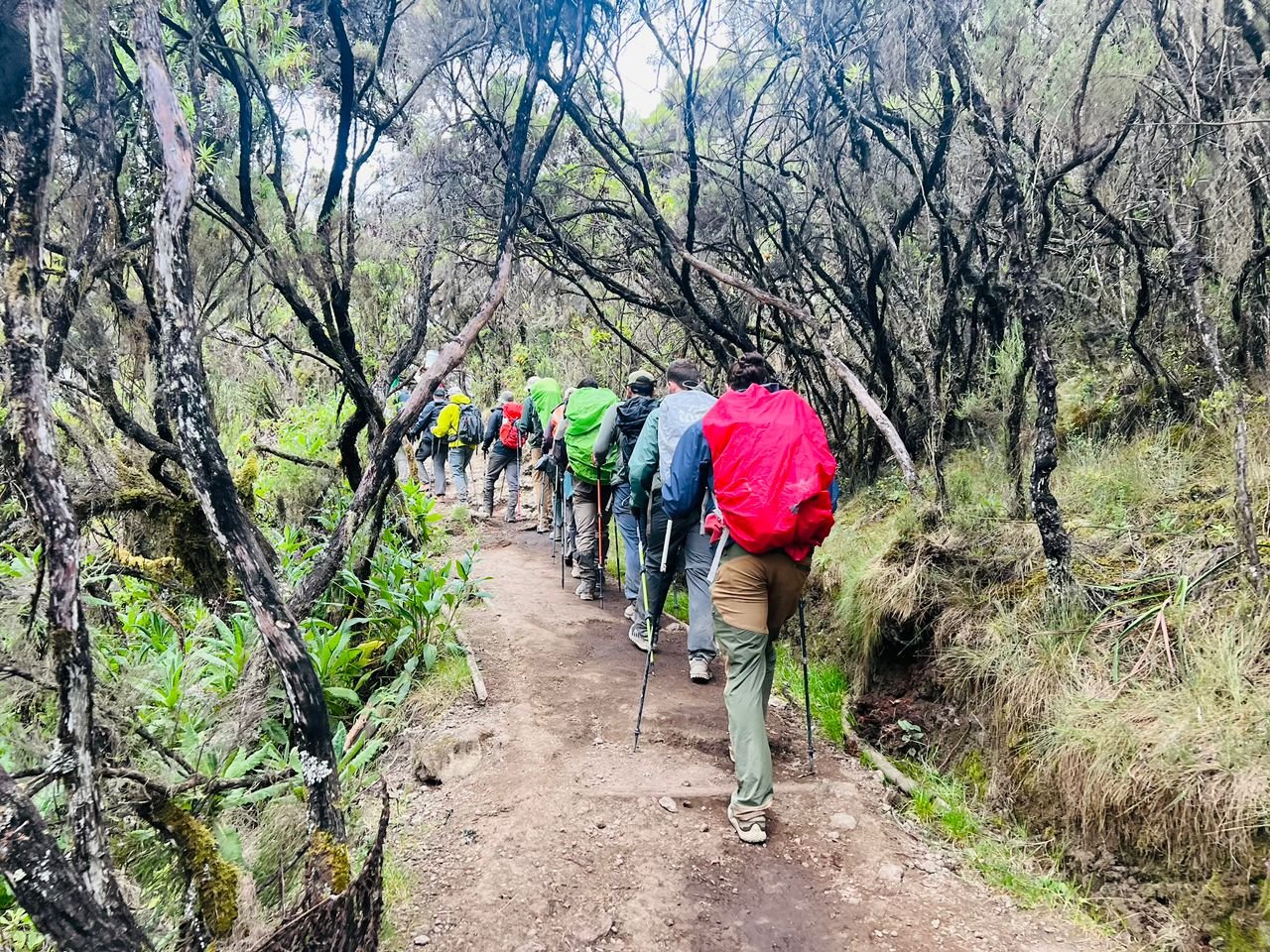
Climbing Kilimanjaro is a journey through diverse ecosystems, a true ‘walk in the clouds’. The experience is defined by its scale, the camaraderie of fellow climbers, and the ultimate achievement of standing on the continent’s highest point.
- Ecological Zones: You’ll trek through lush rainforests, heather and moorlands, alpine desert, and finally the arctic summit zone. Each zone offers unique flora and fauna.
- Routes: Several routes are available, each offering a different perspective and challenge:
- Marangu (Coca-Cola Route): The oldest and only route with hut accommodation. It’s the shortest but has a low success rate due to poor acclimatization.
- Machame (Whiskey Route): Popular for its scenic beauty and good acclimatization profile, making it one of the most successful routes. It’s a camping route.
- Lemosho: Longer and more scenic, offering excellent acclimatization and fewer crowds initially. It’s a camping route.
- Shira: Similar to Lemosho but starts at a higher altitude.
- Rongai: Approaches from the drier northern side, good during rainy seasons. It’s a camping route.
- Northern Circuit: The longest route, offering the best acclimatization and highest success rates, with stunning panoramic views. It’s a camping route.
- Summit Night: This is the most challenging part. Starting around midnight, you ascend steeply over scree in the dark, aiming to reach Uhuru Peak by sunrise. It’s physically and mentally demanding.
- Crowds: Be prepared for busy trails and campsites, especially on Machame and Marangu. This can be a pro or con depending on your preference.
- Support: You are accompanied by a large team of guides, porters, and cooks. The support system is well-established.
- Success Rate: While often quoted low, success rates for reputable operators on longer routes (7+ days) can be 80-90% or higher. This is heavily dependent on acclimatization and personal effort.
Mount Kenya: The Rugged Alpine Adventure
Mount Kenya offers a different kind of challenge. It’s a more rugged, wilder mountain with spectacular scenery, glacial features, and a sense of remoteness. The trekking summit, Point Lenana, provides a rewarding high-altitude experience without the technical demands of the main peaks.
- Terrain: Expect rocky paths, moorlands, and dramatic alpine landscapes. The higher you go, the more glacial and barren it becomes.
- Routes to Point Lenana:
- Naro Moru: The most direct and popular route, known for its steep sections and challenging “vertical bog.”
- Sirimon: Considered the most scenic route, offering gradual ascent and beautiful landscapes.
- Chogoria: Another very scenic route, traversing a high moorland plateau and offering stunning views of the peaks and tarns. Often combined with Naro Moru or Sirimon for a traverse.
- Summit Day: Reaching Point Lenana involves a challenging ascent, often starting in the pre-dawn darkness. The views of the surrounding peaks and glaciers are phenomenal.
- Technical Peaks (Batian & Nelion): For experienced climbers only, these require advanced rock and ice climbing skills. The experience here is entirely different and significantly more expensive and demanding.
- Remoteness & Serenity: Mount Kenya is generally less crowded than Kilimanjaro, offering a more intimate connection with nature.
- Wildlife: You are more likely to encounter wildlife, including various antelope species, monkeys, and even elephants or buffalo in the lower forest zones.
- Acclimatization: While not as critical as Kilimanjaro’s extreme altitude, proper acclimatization is still vital for success on Mount Kenya. The routes are designed to facilitate this.
Choosing Your Route: Impact on Cost and Experience
The choice of route significantly influences both the cost and the overall trekking experience for both mountains. Understanding these differences is key to planning your 2026-2027 expedition.
Kilimanjaro Route Considerations
For 2026-2027, consider these routes based on your priorities:
- Best Acclimatization & Success Rate: Northern Circuit (9 days) and Lemosho (8 days). These longer routes offer a slower ascent, more time to adapt to altitude, and are thus more expensive but provide the best chance of reaching Uhuru Peak safely.
- Best Scenery: Lemosho and Shira routes are renowned for their stunning views and diverse landscapes. The Northern Circuit also offers incredible vistas.
- Most Popular (and potentially crowded): Machame (7 days). A good balance of scenery, acclimatization, and cost.
- Budget-Friendly (but lower success): Marangu (5-6 days) or Rongai (6-7 days). Marangu’s hut system is unique but the short duration is a major drawback. Rongai offers a different approach and can be good in wetter seasons.
Cost Implication: Longer routes like the Northern Circuit or Lemosho will naturally cost more due to the additional days on the mountain (more park fees, crew costs, food).
Mount Kenya Route Considerations
For 2026-2027, focus on these for trekking to Point Lenana:
- Most Scenic: Sirimon and Chogoria routes are consistently rated highest for their impressive landscapes, including lakes, tarns, and unique flora. A Sirimon-Chogoria traverse is a popular and highly recommended option for its varied scenery.
- Most Direct: Naro Moru route is the quickest way to reach the alpine zone and offers a challenging climb.
- Best for Acclimatization: Longer routes (6-7 days) incorporating elements of Sirimon and Chogoria, or a traverse, generally offer better acclimatization than a quick 4-5 day Naro Moru trek.
Cost Implication: Most standard treks to Point Lenana are similar in duration (5-7 days). The primary cost differentiator will be the operator and inclusions, rather than the route itself, although some routes may require more logistical support.
Difficulty and Fitness Requirements
Both mountains demand a good level of physical fitness, but the nature of the difficulty differs.
Mount Kilimanjaro: The Altitude Challenge
Kilimanjaro’s primary difficulty lies in its extreme altitude. While the climb itself is technically a walk-up, the thin air at nearly 6,000 meters poses a significant physiological challenge. Acute Mountain Sickness (AMS) is the biggest risk.
- Fitness: You need excellent cardiovascular fitness. Regular hiking, running, cycling, or swimming for several months leading up to your climb is recommended. The ability to hike for 6-8 hours a day with a daypack is essential.
- Mental Fortitude: Summit night is gruelling. You need the mental strength to push through discomfort and fatigue in extreme cold and darkness.
- Acclimatization Strategy: This is paramount. Choosing a longer route (7+ days for Kilimanjaro) significantly increases your chances of success and reduces the risk of severe AMS.
Mount Kenya: The Technical and Rugged Challenge
Mount Kenya’s difficulty is more varied. The trek to Point Lenana is strenuous and involves higher altitudes than most European or North American mountains, but it is generally considered less demanding in terms of pure altitude sickness risk than Kilimanjaro. However, the terrain is more rugged, and the routes can be steeper and rockier.
- Fitness: Good cardiovascular fitness is required, similar to Kilimanjaro. You should be comfortable hiking for several hours daily over uneven, rocky terrain.
- Technical Skills (for Batian/Nelion): If you aim for the true summits, advanced rock climbing and mountaineering skills are non-negotiable. This is a completely different ballgame.
- Route-Specific Challenges: The Naro Moru route’s steep scree slopes and the “vertical bog” can be challenging. Other routes involve navigating rocky sections and potentially crossing small streams.
- Weather: Weather on Mount Kenya can change rapidly, with potential for snow, ice, and strong winds, especially at higher elevations.
Fitness Summary: For trekking to Uhuru Peak (Kilimanjaro) vs. Point Lenana (Mount Kenya), the primary difference is the altitude factor. Kilimanjaro pushes you to the absolute limit of human altitude tolerance. Mount Kenya offers a strenuous trek on rugged terrain with less extreme altitude, making it more accessible for those who might struggle with extreme altitude but are fit and enjoy challenging hikes.
When to Climb: Best Seasons for Kilimanjaro and Mount Kenya (2026-2027)
Timing your climb is crucial for the best weather conditions and the most enjoyable experience. Both mountains have distinct dry and wet seasons.
Kilimanjaro’s Climbing Seasons
Kilimanjaro has two main dry seasons, which are the most popular times to climb:
- January to March: Generally clear skies, cold temperatures. Good visibility.
- June to October: The longest dry season, with cooler temperatures and clear skies. This is peak season.
The wet seasons are:
- April to May: Long rains, often heavy. Trails can be muddy and slippery.
- November to December: Short rains, less intense but can bring showers.
For 2026-2027: Expect these patterns to continue. January-March and June-October will be the most sought-after periods, potentially leading to busier trails. If you prefer fewer crowds and don’t mind a chance of rain, the shoulder months (late December, early November) can be viable.
Mount Kenya’s Climbing Seasons
Mount Kenya’s weather is also influenced by seasons, but it’s generally considered climbable year-round, though conditions vary.
- Dry Seasons:
- January to March: Clear skies, cold nights.
- July to October: Another dry spell, often considered the best time with stable weather.
- Wet Seasons:
- April to June: Long rains, can make trekking difficult and less scenic.
- November to December: Short rains, often afternoon showers.
For 2026-2027: Similar to Kilimanjaro, January-March and July-October are the prime windows. The higher altitude of Mount Kenya means even in dry seasons, temperatures will be cold, and snow/ice are possible, especially near the summits.
Seasonal Comparison for 2026-2027: Both mountains are best climbed during their respective dry seasons. If you are climbing during a shoulder season or a wet season, be prepared for challenging conditions, especially on Mount Kenya where the terrain can become very slippery.
Logistics and Support: What to Expect
The logistical support and on-mountain experience are critical for safety and enjoyment.
Kilimanjaro Logistics
- Guides: You’ll have lead guides, assistant guides, and porters. Reputable operators ensure guides are trained in wilderness first aid and altitude management.
- Porters: They carry the bulk of your gear (sleeping bag, clothes, toiletries) in a duffel bag, as well as all group equipment (tents, food, cooking gear).
- Food: Expect three hot meals a day, plus snacks. Meals are surprisingly varied and nutritious, designed to provide energy.
- Accommodation: Mostly 3-person tents for clients, with separate tents for guides and cooks. Marangu uses basic mountain huts.
- Safety: Emergency oxygen, extensive medical kits, and communication devices (satellite phones or walkie-talkies) are standard for good operators. A strict guide-to-client ratio is enforced by park regulations.
- Pre- and Post-Climb: Most packages include airport transfers and overnight stays in hotels in Moshi or Arusha before and after the climb.
Mount Kenya Logistics
- Guides: Lead guides and assistant guides are essential, especially for navigation on the more complex terrain.
- Porters: Used to carry camping gear, food, and personal items. The number of porters might be less than on Kilimanjaro, depending on the route and operator.
- Food: Similar to Kilimanjaro, expect three meals a day.
- Accommodation: Primarily camping, though some routes have basic huts available (e.g., Naro Moru’s Teleki Valley huts).
- Safety: While emergency oxygen might be less common than on Kilimanjaro (due to lower peak altitude), good operators will carry comprehensive medical kits and communication devices.
- Pre- and Post-Climb: Typically includes transport from Nairobi to the mountain gate and back, and potentially overnight stays in Nairobi or Nanyuki.
Logistics Comparison: Kilimanjaro has a more established, albeit busier, logistical infrastructure due to its popularity. Mount Kenya offers a more wild experience, with logistics potentially feeling more basic but still robust with a reputable operator.
Making Your Decision: Kilimanjaro or Mount Kenya for 2026-2027?
The choice hinges on what you prioritize for your African mountain adventure:
Choose Mount Kilimanjaro If:
- You want to stand on the highest point in Africa and achieve the “Seven Summits” goal.
- You are seeking a significant altitude challenge and are prepared for the physiological demands of extreme heights.
- You don’t mind a more organized, potentially busier trekking environment.
- Your budget allows for a higher overall cost for a non-technical, high-altitude climb.
- You want to experience diverse ecological zones in a single trek.
Choose Mount Kenya If:
- You are looking for a challenging trek with more rugged, varied terrain and less extreme altitude.
- You prefer a quieter, more remote, and wilder mountain experience.
- You are interested in technical climbing (for Batian/Nelion) or want a taste of true alpine trekking.
- You are on a tighter budget but still want an incredible mountain adventure.
- You want to witness dramatic glacial landscapes and unique alpine flora.
Planning Your 2026-2027 Climb with Climb 4 Africa
Whether you’re drawn to the sheer height of Kilimanjaro or the rugged beauty of Mount Kenya, Climb 4 Africa is your trusted partner. We are committed to providing safe, ethical, and memorable climbing experiences. Our team of local experts ensures you receive practical support and authentic insights.
For Kilimanjaro: We offer various routes, with a strong emphasis on longer, safer itineraries like the 8-day Lemosho or the 9-day Northern Circuit, designed for optimal acclimatization and success. Our pricing reflects fair wages for our dedicated crew, quality equipment, and comprehensive support.
For Mount Kenya: We guide you on the most scenic routes to Point Lenana, ensuring you experience the best of Kenya’s second-highest mountain. We can also assist with arrangements for technical ascents if you have the requisite experience.
Why Choose Climb 4 Africa for your 2026-2027 expedition?
- Local Expertise: We are based in Tanzania and have deep knowledge of the mountains and local conditions.
- Safety First: Our guides are highly trained, and we adhere to strict safety protocols.
- Fair Treatment of Crew: We believe in ethical tourism, ensuring our porters and guides are well-compensated and looked after.
- Tailored Experiences: We can customize itineraries to suit your needs and preferences.
- Competitive Pricing: We offer excellent value for money, with transparent pricing for all inclusions.
Ready to plan your 2026 or 2027 mountain adventure? Whether it’s Kilimanjaro or Mount Kenya, we’re here to help. Get in touch with our team to discuss your options, get a personalized quote, and start preparing for an unforgettable journey.
Contact us today:
- WhatsApp: +255 747 477 898
- Email: climb4africa@gmail.com
We look forward to helping you reach new heights in East Africa!
Frequently Asked Questions: Kilimanjaro vs Mount Kenya
Is Mount Kenya harder than Kilimanjaro?
For the trekking summits (Uhuru Peak on Kilimanjaro and Point Lenana on Mount Kenya), Mount Kenya is generally considered less demanding in terms of extreme altitude, but its terrain is often more rugged and technical. Kilimanjaro’s primary challenge is its extreme altitude (5,895m), which leads to a higher risk of Acute Mountain Sickness (AMS). If you are considering the true summits of Mount Kenya (Batian and Nelion), then yes, it is significantly harder as it requires technical rock climbing skills.
Which mountain is more expensive to climb?
Mount Kilimanjaro is generally more expensive to climb than Mount Kenya. This is primarily due to higher park fees and the longer durations typically recommended for a safe ascent of Kilimanjaro (7-9 days) compared to Mount Kenya treks to Point Lenana (5-7 days). For a comparable mid-range operator, expect Kilimanjaro to cost roughly 50-100% more.
Which mountain offers better views?
Both mountains offer spectacular views, but in different ways. Kilimanjaro provides impressive panoramic views from its summit, showcasing the vast plains of Tanzania and Kenya. Mount Kenya offers more varied and dramatic alpine scenery, including views of glaciers, volcanic rock formations, crater lakes (tarns), and surrounding peaks. Routes like Sirimon and Chogoria on Mount Kenya are particularly famed for their scenic beauty.
Can I climb both mountains on the same trip?
Yes, it is possible to climb both Mount Kilimanjaro and Mount Kenya on the same trip, but it requires careful planning and sufficient time. You would typically need at least 10-14 days for the two climbs, plus travel time between the mountains and acclimatization periods. Many adventurers choose to climb Kilimanjaro first, then Mount Kenya, using the lower altitude trek on Mount Kenya as a way to potentially aid in recovery or as a less altitude-intensive follow-up adventure.
What is the best route for beginners on Kilimanjaro?
For beginners aiming for Kilimanjaro in 2026-2027, the Machame route (7 days) or the Lemosho route (8 days) are highly recommended. These routes offer a good balance of scenery, climbing success rates due to better acclimatization profiles, and are well-supported. While Marangu is shorter, its poor acclimatization makes it less suitable for beginners despite being non-technical.
What is the best route for beginners on Mount Kenya?
For beginners aiming for Point Lenana on Mount Kenya, the Sirimon route (6 days) or a combination like the Sirimon-Chogoria traverse (6-7 days) are excellent choices. These routes offer a more gradual ascent and spectacular scenery, making the experience more enjoyable and less intimidating than the steeper Naro Moru route.
Do I need climbing experience for Kilimanjaro?
No, technical climbing experience is not required for Mount Kilimanjaro’s Uhuru Peak. It is a non-technical trek, meaning you walk to the summit. However, you need excellent physical fitness and mental determination to cope with the altitude. For the highest peaks of Mount Kenya (Batian and Nelion), extensive technical climbing experience is mandatory.
Do I need climbing experience for Mount Kenya’s Point Lenana?
Similar to Kilimanjaro, technical climbing experience is not required to reach Point Lenana, the trekking summit of Mount Kenya. It involves strenuous hiking over challenging terrain. However, if you intend to climb Batian or Nelion, you will need advanced rock and ice climbing skills.
Which mountain is more likely to cause altitude sickness?
Mount Kilimanjaro, due to its extreme altitude of 5,895 meters (19,341 feet), is significantly more likely to cause altitude sickness than Mount Kenya’s trekking summit, Point Lenana (4,985 meters / 16,355 feet). Proper acclimatization, hydration, and choosing longer routes are crucial for mitigating AMS risk on Kilimanjaro.
How many days does it typically take to climb each mountain?
For Mount Kilimanjaro, the most recommended durations for a safe ascent are 7 to 9 days. Shorter climbs (5-6 days) have much lower success rates due to inadequate acclimatization. For Mount Kenya, treks to Point Lenana typically take 5 to 7 days, allowing for good acclimatization and enjoyment of the scenery.
What gear do I need for Kilimanjaro vs Mount Kenya?
The gear requirements are similar for both climbs, focusing on layers for cold weather, sturdy hiking boots, waterproof outer shells, and warm accessories. However, Mount Kenya might require slightly more robust gear for navigating potentially icy or slippery terrain, especially during certain times of the year. Both require high-quality sleeping bags, thermal wear, and sun protection. Your operator will provide a detailed packing list.
Is Mount Kenya a national park?
Yes, Mount Kenya is a national park and a UNESCO World Heritage Site. It is managed by the Kenya Wildlife Service (KWS). Climbing requires permits and adherence to park regulations. Kilimanjaro is also a National Park, managed by the Tanzania National Parks Authority (TANAPA).
Final Thoughts for Your 2026-2027 Expedition Decision
The choice between Kilimanjaro and Mount Kenya is a deeply personal one, hinging on your definition of adventure, your physical capabilities, and your budget. Kilimanjaro offers the ultimate high-altitude challenge and the prestige of reaching Africa’s highest point, making it a bucket-list item for many. Mount Kenya, while lower, provides a more rugged, technical, and often more serene trekking experience, with its own unique brand of alpine majesty.
For your 2026-2027 plans, consider what truly excites you. Do you dream of conquering extreme altitude, or are you drawn to challenging, wilder landscapes? Whichever you choose, thorough preparation, choosing a reputable operator like Climb 4 Africa, and respecting the mountain environment are key to a successful and rewarding expedition.
We encourage you to reach out to us with any further questions. Our expertise in Kilimanjaro and Mount Kenya climbs means we can provide tailored advice and craft the perfect itinerary for your 2026 or 2027 adventure. Let’s make your East African mountain dream a reality.
Connect with Climb 4 Africa:
- WhatsApp: +255 747 477 898
- Email: climb4africa@gmail.com
- Website: Climb 4 Africa
”
}
“`
Check Availability for Kilimanjaro Vs Mount Kenya: Trekking Cost & Experience Comparison 2026-2027
Ready to compare dates, prices, and the best option for your group? Send the package name and travel month so the team can reply with a clear quote, availability, and what is included.

Kilimanjaro Day Hike Vs. Full Climb: Cost, Experience, And Decision Guide
Choosing between a Kilimanjaro day hike and a full summit climb involves vastly different experiences, costs, and preparation. This guide breaks down the key differences to help you decide...
View package details
Camping Vs Hut Kilimanjaro Routes: Cost Comparison Guide
Choosing between camping and hut routes on Kilimanjaro involves more than just preference; it significantly impacts your budget. This guide breaks down the cost differences for 2026-2027...
View package details
Rongai Vs Machame: Cost & Route Comparison For Kilimanjaro Climbs 2026-2027
Choosing between the Rongai and Machame routes for your Kilimanjaro climb in 2026 or 2027? This comprehensive comparison details route differences, scenery, acclimatization, success rates...
View package details
Northern Circuit Vs Lemosho: Cost, Days & Value Comparison For Kilimanjaro
Choosing between the Northern Circuit and Lemosho routes for your Kilimanjaro climb? This comprehensive comparison details cost, days, acclimatization, scenery, and value to help you decide...
View package details
Are Porters Included In Kilimanjaro Package Costs? A Climb 4 Africa Guide
Understand the critical role of porters on Kilimanjaro and whether they are typically included in tour package costs. This guide from Climb 4 Africa provides essential details for planning...
View package details
How Much Does An 8-Day Kilimanjaro Climb Cost? A Guide 2026-2027
Planning an 8-day Kilimanjaro climb in 2026 or 2027? This comprehensive guide breaks down the expected costs, explaining what influences the price and what you get for your money. Learn...
View package details
How Much Does Kilimanjaro Cost For Two People? A Guide 2026-2027
Planning a Kilimanjaro climb for two? This guide breaks down the costs for 2026-2027, covering route variations, essential inclusions, and factors that influence the final price for a...
View package details
How Much Does A Private Kilimanjaro Climb Cost In ? 2026-2027
Planning a private ascent of Mount Kilimanjaro? Understand the factors that influence the cost of a private climb, typical price ranges for 2026-2027, and what's usually included to help...
View package detailsHow Much Does It Cost To Rent Kilimanjaro Gear In ? 2026-2027
Renting Kilimanjaro gear for your 2026-2027 expedition typically costs between $150 to $350 USD per person for a full set of essentials. This guide breaks down individual item costs, rental...
View package details
How Much Does It Cost To Climb Kilimanjaro Per Person? 2026-2027
How much does it cost to climb Kilimanjaro per person? is explained with current 2026-2027 planning, price, itinerary and booking information.
View package details
7-Day Vs 8-Day Kilimanjaro Climb: Cost & Success Benefits 2026-2027
7-Day vs 8-Day Kilimanjaro Climb: Cost & Success Benefits is explained with current 2026-2027 planning, price, itinerary and booking information.
View package details
Rongai Vs Lemosho: Price, Crowds & Route Comparison For Kilimanjaro Climbs
Choosing between the Rongai and Lemosho routes for your Kilimanjaro climb? This in-depth comparison covers everything you need to know about price, crowd levels, route profiles, scenery...
View package detailsNo related package matches those filters. Clear one or more filters to see the other topic-matched options.



