
The Lemosho route is generally considered better for acclimatization and scenery, offering higher success rates, while the Machame route is often more popular due to its affordability and directness, though both are excellent choices for climbing Kilimanjaro in 2026-2027. The Lemosho route typically costs more due to its longer duration (7-8 days) and remote starting point, whereas the Machame route, often done in 6-7 days, provides a more budget-friendly option. Your choice depends on prioritizing acclimatization and views (Lemosho) versus cost and a slightly more challenging ascent (Machame).
Lemosho vs Machame: Deciding Your Kilimanjaro Ascent Path
Mount Kilimanjaro, the Roof of Africa, calls to adventurers worldwide. For many, the dream of standing on Uhuru Peak is a lifelong ambition. But before the boots hit the trail, a critical decision awaits: which route to take? Among the most popular and highly recommended paths are the Lemosho and Machame routes. Both offer incredible experiences and a chance to conquer Africa’s highest peak, but they differ significantly in cost, itinerary, scenery, and acclimatization profiles. Understanding these differences is key to choosing the right Kilimanjaro route for your 2026 or 2027 expedition.
At Climb 4 Africa, we specialize in crafting unforgettable Kilimanjaro experiences. We understand that selecting the right route is paramount to your success and enjoyment. This in-depth comparison of Lemosho vs Machame aims to provide you with all the information needed to make an informed decision, ensuring your 2026-2027 Kilimanjaro climb is everything you hope for and more.
Understanding Kilimanjaro Route Fundamentals
Before diving into the specifics of Lemosho vs Machame, it’s essential to grasp what makes a Kilimanjaro route ‘good.’ Several factors contribute to a successful and enjoyable climb:
- Acclimatization: The rate at which you gain altitude. Slower ascent over more days is crucial for the body to adapt to lower oxygen levels, significantly increasing your success rate and reducing the risk of altitude sickness.
- Scenery: Kilimanjaro’s diverse ecosystems offer stunning landscapes, from lush rainforests to alpine deserts and arctic summits. Different routes traverse distinct environments.
- Scenery: Kilimanjaro’s diverse ecosystems offer stunning landscapes, from lush rainforests to alpine deserts and arctic summits. Different routes traverse distinct environments.
- Crowds: Some routes are more popular than others, leading to busier trails, especially during peak seasons in 2026 and 2027.
- Cost: The price of a Kilimanjaro climb varies based on route duration, operator, inclusions, and group size. Longer routes generally cost more.
- Success Rate: While no operator can guarantee success, routes that offer better acclimatization over more days generally have higher summit success rates.
Both Lemosho and Machame are generally considered ‘popular’ routes, meaning they have well-established infrastructure and guides. However, their approaches and daily progressions differ, impacting the overall experience.
The Lemosho Route: A Scenic and Gradual Ascent
The Lemosho route is often praised for its beauty and excellent acclimatization profile. It is one of the longer routes, typically taking 7 to 8 days to complete, which is a significant advantage for adapting to the altitude.
Lemosho Route Itinerary: A Day-by-Day Breakdown
A standard 7-day Lemosho itinerary looks something like this, though variations exist. Longer 8-day itineraries offer even better acclimatization.
Typical 7-Day Lemosho Route Itinerary
- Day 1: Londorossi Gate to Mti Mkubwa Camp. After a drive to Londorossi Gate, a short trek through the rainforest brings you to your first camp. Altitude: approx. 2,100m (6,890ft).
- Day 2: Mti Mkubwa Camp to Shira 1 Camp. The trail ascends through the moorland zone, offering the first expansive views. Altitude: approx. 3,500m (11,480ft).
- Day 3: Shira 1 Camp to Shira 2 Camp. A relatively short day, allowing further acclimatization as you traverse the Shira Plateau. Altitude: approx. 3,850m (12,630ft).
- Day 4: Shira 2 Camp to Barranco Camp. This day involves crossing the Lava Tower (a significant acclimatization point) and then descending to Barranco Camp. Altitude: approx. 3,950m (12,960ft).
- Day 5: Barranco Camp to Karanga Camp. The infamous Barranco Wall scramble is a highlight, followed by a steady climb to Karanga. Altitude: approx. 3,930m (12,890ft).
- Day 6: Karanga Camp to Barafu Camp. A challenging day climbing through alpine desert towards the base camp for the summit push. Altitude: approx. 4,650m (15,250ft).
- Day 7: Barafu Camp to Uhuru Peak & Descent to Mweka Camp. Summit night! An early start to reach Uhuru Peak (5,895m / 19,341ft) by sunrise, then descend to Mweka Camp. Altitude: approx. 3,100m (10,170ft) at Mweka.
- Day 8: Mweka Camp to Mweka Gate. A final descent through the forest to the gate and transfer back to your hotel.
An 8-day itinerary typically adds an extra day around Shira Plateau or Karanga, further enhancing acclimatization and reducing the daily ascent. This extended duration is a major factor when comparing Lemosho vs Machame.
Lemosho Route Pros and Cons
Pros:
- Excellent Acclimatization: The longer duration (7-8 days) allows the body more time to adjust to altitude, significantly increasing summit success rates and reducing sickness.
- Stunning Scenery: Lemosho offers arguably the most varied and beautiful scenery, starting in dense rainforest and progressing through diverse ecological zones, with dramatic views of the Shira Plateau and the Western Breach.
- Less Crowded Start: The initial days on Lemosho are on a less-trafficked path, offering a more remote and wild trekking experience. It eventually merges with the Machame route.
- Higher Success Rates: Due to its gradual ascent and longer duration, Lemosho generally boasts higher summit success rates compared to shorter routes.
Cons:
- Higher Cost: The longer duration means more days with guides, porters, park fees, and accommodation, making Lemosho one of the more expensive routes.
- Longer Trip Duration: Requires more vacation time, which might not be feasible for everyone planning a climb in 2026 or 2027.
- Remote Starting Point: Requires a longer drive to the trailhead compared to Machame.
The Machame Route: The “Whiskey” Route
The Machame route, often nicknamed the “Whiskey Route,” is one of the most popular routes on Kilimanjaro. It’s known for its scenic beauty, good acclimatization profile (especially when done over 7 days), and relatively direct path to the summit. It is often a more budget-friendly option compared to Lemosho.
Machame Route Itinerary: A Day-by-Day Comparison
Machame is typically offered as a 6 or 7-day climb. While 6 days is possible, a 7-day itinerary is strongly recommended for better acclimatization and success rates, making it more competitive with Lemosho.
Typical 7-Day Machame Route Itinerary
- Day 1: Machame Gate to Machame Camp. Trek through the rainforest to your first camp. Altitude: approx. 3,050m (10,000ft).
- Day 2: Machame Camp to Shira 2 Camp. Ascend through moorland, passing Shira 1 Camp, to reach Shira 2 Camp on the Shira Plateau. Altitude: approx. 3,850m (12,630ft).
- Day 3: Shira 2 Camp to Barranco Camp. This day involves climbing up to the Lava Tower (a key acclimatization point) and then descending to Barranco Camp. Altitude: approx. 3,950m (12,960ft).
- Day 4: Barranco Camp to Karanga Camp. Navigate the challenging but rewarding Barranco Wall, then proceed to Karanga Camp. Altitude: approx. 3,930m (12,890ft).
- Day 5: Karanga Camp to Barafu Camp. A steady climb through alpine desert towards Barafu Camp, the base for the summit attempt. Altitude: approx. 4,650m (15,250ft).
- Day 6: Barafu Camp to Uhuru Peak & Descent to Mweka Camp. The summit night! An early start to reach Uhuru Peak (5,895m / 19,341ft) for sunrise, followed by a descent to Mweka Camp. Altitude: approx. 3,100m (10,170ft) at Mweka.
- Day 7: Mweka Camp to Mweka Gate. The final descent through the forest to the Mweka Gate, then transfer to your hotel.
Notice how Day 3 onwards mirrors the Lemosho route. The primary difference lies in the initial approach. A 6-day Machame itinerary skips Karanga Camp, descending directly from the Lava Tower area to Barafu Camp, which significantly compromises acclimatization and is not recommended for most climbers planning for 2026-2027.
Machame Route Pros and Cons
Pros:
- Good Scenery: Machame offers beautiful and varied scenery, passing through rainforest, moorland, and alpine desert zones.
- Excellent Acclimatization (7-Day): When trekked over 7 days, Machame provides a good acclimatization profile, comparable to Lemosho.
- Popularity & Infrastructure: Being a popular route means well-trodden paths, experienced guides, and good campsite facilities.
- Cost-Effective: Generally more affordable than Lemosho due to its shorter typical duration and slightly less remote start.
- Higher Success Rate (7-Day): The 7-day version offers a good balance of cost and acclimatization, leading to respectable success rates.
Cons:
- Crowded: Due to its popularity, the Machame route can be quite crowded, especially during peak climbing seasons in 2026 and 2027.
- Steeper Ascent: Some sections are steeper than Lemosho, and the 6-day itinerary is notoriously rushed, leading to lower success rates and higher risk of altitude sickness.
- Less Remote Start: The initial days are on a busier trail compared to Lemosho.
Lemosho vs Machame: Direct Comparison
Now, let’s directly compare the key aspects of Lemosho vs Machame to help you decide.
Key Comparison Points: Lemosho vs Machame
- Duration: Lemosho is typically 7-8 days; Machame is typically 6-7 days. For optimal acclimatization and success, we highly recommend the 7-day Machame or 8-day Lemosho.
- Acclimatization: Lemosho (7-8 days) offers superior acclimatization due to its longer duration and gradual ascent. Machame (7 days) offers good acclimatization, but the 6-day version is considered risky.
- Scenery: Lemosho is often cited as having more varied and dramatic scenery, especially in the initial days. Machame is also very scenic.
- Crowds: Lemosho starts less crowded but merges with Machame. Machame is generally busier throughout.
- Cost: Lemosho is generally more expensive due to its longer duration. Machame (especially the 6-day) can be more budget-friendly, though a 7-day Machame will be closer in price to a 7-day Lemosho.
- Success Rate: Lemosho (7-8 days) typically has higher success rates due to better acclimatization. Machame’s success rate is good on the 7-day itinerary but significantly lower on the 6-day.
- Difficulty: Both are challenging. Machame can feel steeper in parts, while Lemosho’s challenge often comes from its length. Summit night is equally demanding on both.
Cost Comparison: Lemosho vs Machame in 2026-2027
The cost of climbing Kilimanjaro is a major consideration for most trekkers. When comparing Lemosho vs Machame, the primary cost driver is the number of days. Longer treks require more park fees, more food, and more staff days.
General Cost Factors:
- Park Fees: These are fixed by Kilimanjaro National Park and are the same for all routes of the same duration.
- Operator Costs: This includes guide and porter salaries, equipment, food, transport, and accommodation. Different operators have different pricing structures based on service levels (budget, mid-range, luxury).
- Route Duration: As mentioned, longer routes cost more. A 7-day Lemosho will be more expensive than a 6-day Machame. A 7-day Lemosho and a 7-day Machame will have a more comparable price, with Lemosho likely still being slightly higher due to its more remote start and logistical complexities.
For 2026-2027 climbs, you can expect:
- 6-Day Machame: Typically the most budget-friendly option, ranging from $1,500 to $2,500 USD per person for a reputable operator. However, we strongly advise against this duration due to acclimatization concerns.
- 7-Day Machame: A much better option, usually ranging from $1,700 to $2,800 USD per person. This offers a good balance of cost and safety.
- 7-Day Lemosho: More expensive due to its longer duration and logistics, typically ranging from $2,000 to $3,200 USD per person.
- 8-Day Lemosho: The most comprehensive Lemosho option, offering the best acclimatization. Expect costs from $2,200 to $3,500 USD per person.
These are approximate ranges for reputable, mid-range operators like Climb 4 Africa. Budget operators may offer lower prices but often cut corners on safety, equipment, and porter welfare. Luxury operators will charge significantly more.
Budgeting for Your Lemosho vs Machame Climb (2026-2027)
When comparing Lemosho vs Machame costs for your 2026-2027 climb:
- Machame (7-Day): $1,700 – $2,800 USD (Good value, good acclimatization)
- Lemosho (7-Day): $2,000 – $3,200 USD (Higher cost for better scenery and start)
- Lemosho (8-Day): $2,200 – $3,500 USD (Highest cost, best acclimatization)
Remember to factor in costs not always included: flights, visas, travel insurance, tips for guides and porters, personal gear, and pre/post-climb accommodation and activities in Tanzania.
Itinerary Differences: Crucial for Acclimatization
The subtle differences in daily ascents and descents between Lemosho and Machame are critical for acclimatization. Both routes utilize the “climb high, sleep low” principle, particularly from Day 3 onwards when they converge. However, Lemosho’s longer initial approach means it takes longer to reach higher altitudes.
For example, on a 7-day Machame, you reach Shira 2 Camp (3,850m) on Day 2. On a 7-day Lemosho, you reach Shira 1 Camp (3,500m) on Day 2 and Shira 2 Camp (3,850m) on Day 3. This extra day at lower altitudes on Lemosho provides a significant acclimatization advantage.
The descent profile also plays a role. Both routes descend steeply after the summit, which can be hard on the knees but helps the body adjust to lower altitudes more quickly. The key difference lies in the preparation phase, where Lemosho’s longer duration allows for a more gentle introduction to altitude.
Scenery and Scenery: Which Offers More?
Both routes traverse Kilimanjaro’s five distinct climate zones, offering spectacular views. However, many climbers and guides feel Lemosho offers a slight edge in terms of visual diversity and dramatic landscapes, particularly in the initial stages.
Lemosho Route Scenery Highlights:
- Rainforest: Lush, vibrant, and often misty.
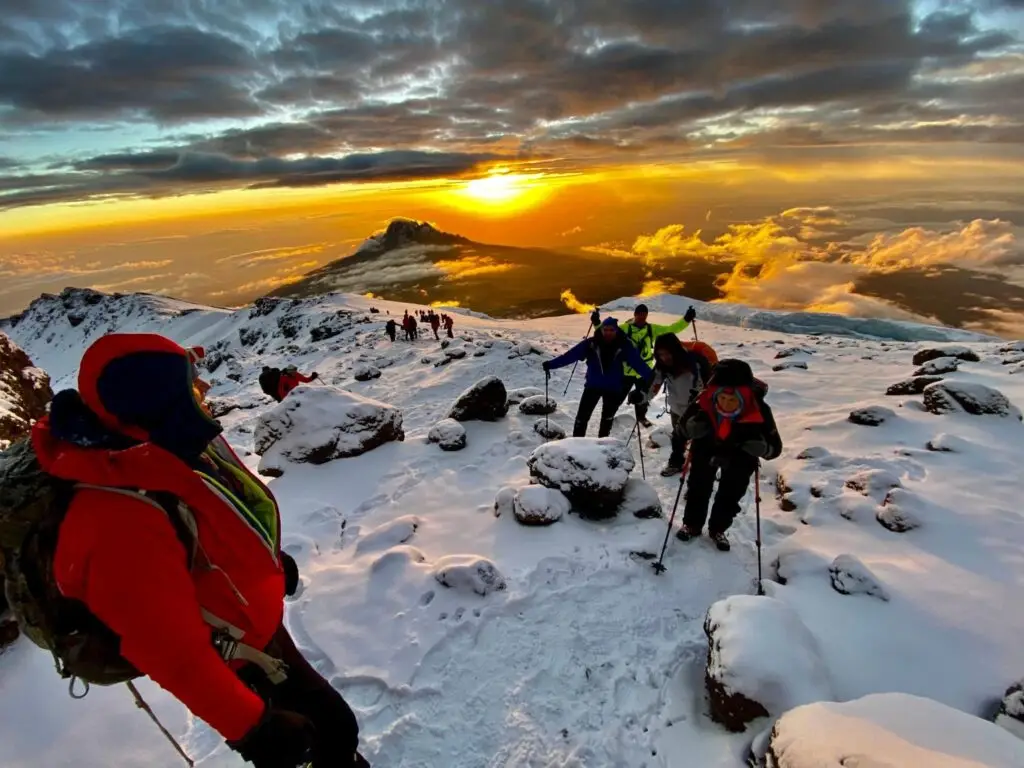
- Shira Plateau: Vast, open moorland with incredible views of the Western Breach and Kibo massif.
- Crater Highlands: Unique volcanic landscapes.
- Alpine Desert: Stark, dramatic terrain leading towards the summit zone.
Machame Route Scenery Highlights:
- Rainforest: Similar to Lemosho, dense and beautiful.
- Moorland and Heath: Rolling hills with giant heathers and groundsels.
- Alpine Desert: Increasingly barren and rocky as you ascend.
- Summit Views: Dramatic vistas as you approach the crater rim.
While Lemosho’s initial days on the western side of the mountain are often considered more visually striking and less disturbed by other trekkers, Machame’s progression through the moorland and alpine zones is equally impressive. The choice often comes down to personal preference and whether the slightly more remote and varied start of Lemosho appeals more.
Crowds: Navigating the Trails
Kilimanjaro is a popular mountain, and queues can form, especially at park gates and on the summit trail. Comparing Lemosho vs Machame regarding crowds:
- Lemosho: The first 2-3 days are on a relatively quiet, less-used trail. Once it merges with Machame (around Shira Camp), it becomes significantly busier.
- Machame: This is one of the busiest routes on Kilimanjaro. Expect to encounter many other trekkers, particularly from Day 2 onwards.
If minimizing crowds is a high priority, Lemosho’s quieter start offers a more serene experience for the initial days. However, both routes converge on the popular southern circuit, meaning summit night and the approach to Barafu Camp will likely be busy regardless of your chosen route. For 2026-2027, booking during shoulder seasons (e.g., March-May, November) might help mitigate crowds on any route.
Which Route Is Better: Lemosho or Machame?
The question of which route is “better” is subjective and depends entirely on your priorities. Here’s a summary to help you decide:
Choose Lemosho If:
- Your top priority is acclimatization and maximizing your summit success rate. The longer duration (7-8 days) is ideal for this.
- You value spectacular and diverse scenery, especially in the initial days. The western approach offers unique vistas.
- You prefer a quieter, more remote trekking experience for the first few days.
- Budget is less of a concern, and you have the time for a longer trek (7-8 days).
Choose Machame If:
- You are looking for a good balance between cost, scenery, and acclimatization (when choosing the 7-day option).
- You don’t mind encountering more trekkers on the trail.
- You have 7 days available for the climb and want a route with a strong reputation for success on that duration. (Avoid the 6-day Machame).
- You are looking for a slightly more direct path with a challenging ascent profile.
The Case for a 7-Day Machame vs. a 7-Day Lemosho
For many climbers in 2026-2027, the choice often comes down to a 7-day Machame versus a 7-day Lemosho. Both offer excellent acclimatization and scenery.
- 7-Day Lemosho: Offers slightly better acclimatization due to its longer initial approach and more remote start. It’s a fantastic all-around route if budget and time allow.
- 7-Day Machame: Provides very good acclimatization and scenery at a potentially lower cost and with a slightly more direct path. It’s incredibly popular for a reason.
If your budget is tighter but you still want a highly recommended route, the 7-day Machame is an excellent choice. If you have a bit more to spend and want to maximize your chances and enjoy a more secluded start, the 7-day Lemosho is superb.
The 8-Day Lemosho Advantage
While 7-day itineraries are common for both routes, the 8-day Lemosho truly shines for acclimatization. Adding an extra day, often on the Shira Plateau or around Karanga Valley, significantly slows the ascent rate, allowing the body more time to adapt. This is particularly beneficial for those with less experience at high altitudes or those concerned about altitude sickness. For 2026-2027, if time and budget permit, the 8-day Lemosho is hard to beat for a comfortable and successful climb.
Beyond the Route: Other Factors for Your 2026-2027 Climb
While the Lemosho vs Machame debate is central, other factors influence your Kilimanjaro experience:
Operator Choice: The Most Critical Decision
The route is important, but the choice of tour operator is arguably even more critical. A reputable operator ensures:
- Experienced and Certified Guides: Essential for safety, navigation, and acclimatization management.
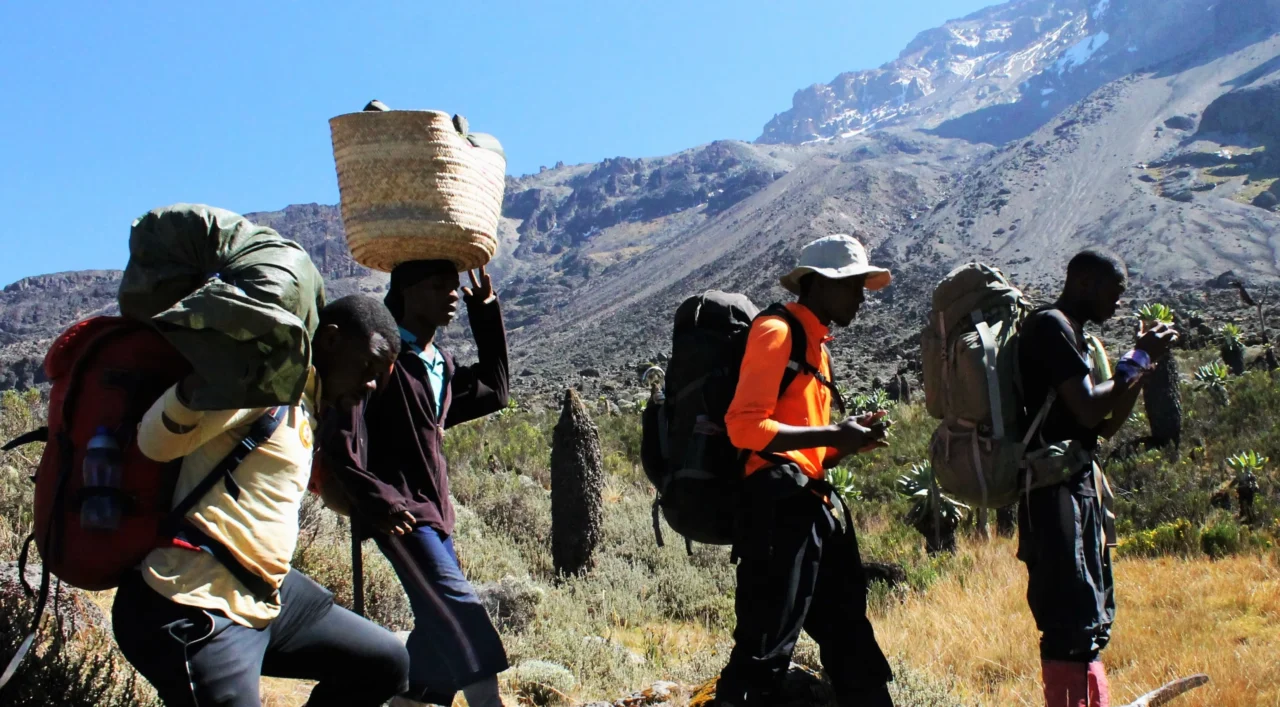
- Adequate Porter Support: Proper treatment and fair wages for porters are vital.
- Quality Equipment: Good tents, sleeping bags, and cooking gear make a difference.
- Safety Protocols: Including emergency oxygen, first-aid kits, and evacuation plans.
- Nutritious Food: Well-prepared meals provide the energy needed for the climb.
At Climb 4 Africa, we pride ourselves on our commitment to safety, ethical treatment of our crew, and providing an exceptional client experience. We offer both Lemosho and Machame routes, tailored to ensure your 2026-2027 climb is safe and memorable. Don’t compromise on operator quality to save a few dollars; it could jeopardize your climb and safety.
When to Climb Kilimanjaro in 2026-2027
The best times to climb Kilimanjaro are during the dry seasons:
- January to March: Generally clear skies, but can be cold, especially at higher altitudes.
- June to October: Considered the peak season. Clear skies, moderate temperatures, but can be busier and colder.
The rainy seasons (April-May and November-December) are less ideal due to muddy trails and reduced visibility, though they offer fewer crowds and lower prices. For 2026-2027, booking well in advance for peak seasons is recommended.
Training and Preparation
Regardless of whether you choose Lemosho or Machame, proper physical and mental preparation is key. Focus on cardiovascular fitness, strength training (especially legs and core), and hiking with a weighted backpack. Mental resilience is also crucial for summit night.
Packing Essentials
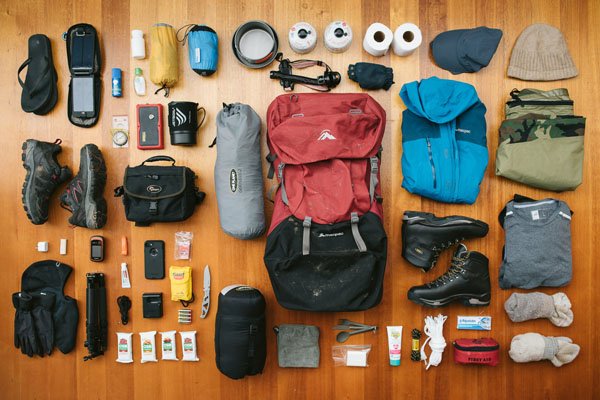
Packing correctly is vital for comfort and safety. Key items include:
- Layered clothing (base, mid, and outer layers)
- Waterproof and windproof outer shell
- Warm hat and gloves
- Sun hat and sunglasses
- High SPF sunscreen
- Sturdy hiking boots (broken in!)
- Headlamp with extra batteries
- Water bottles or hydration reservoir
- Trekking poles
- Personal first-aid kit
Your tour operator will provide a detailed packing list.
Making Your Final Decision: Lemosho vs Machame for 2026-2027
Choosing between Lemosho and Machame for your 2026-2027 Kilimanjaro adventure is a significant step. Both are fantastic routes, offering a challenging yet rewarding journey to the summit.
- If you prioritize the best possible acclimatization, stunning and varied scenery from the outset, and a more serene beginning to your trek, the Lemosho route (ideally 8 days) is likely your best bet. It comes with a higher price tag but offers a premium experience.
- If you seek a highly popular, scenic route with good acclimatization (on the 7-day itinerary), a more direct path, and potentially a more budget-friendly option, the Machame route (7 days recommended) is an excellent choice. It is busier but delivers a classic Kilimanjaro experience.
Ultimately, the “better” route is the one that aligns best with your personal preferences, physical condition, time constraints, and budget for your 2026 or 2027 climb.
Ready to Climb Kilimanjaro with Climb 4 Africa?
Deciding between Lemosho vs Machame is just the first step. Let Climb 4 Africa guide you through the rest of your Kilimanjaro journey. We offer expertly guided climbs on both the Lemosho and Machame routes, along with a range of other Kilimanjaro treks, Tanzania safaris, and Zanzibar holidays. Our team of local experts is dedicated to providing a safe, ethical, and unforgettable African adventure for your 2026-2027 travels.
Contact us today to discuss your Kilimanjaro dreams:
- WhatsApp: +255 747 477 898
- Email: climb4africa@gmail.com
Explore our Kilimanjaro climbs and Tanzania safaris to plan your complete African adventure.
“,
“faq_schema”: [
{
“question”: “Which route, Lemosho or Machame, is better for acclimatization on Kilimanjaro?”,
“answer”: “The Lemosho route is generally considered better for acclimatization, especially when taken over 7 or 8 days. Its longer duration allows for a more gradual ascent, giving the body more time to adjust to the decreasing oxygen levels at higher altitudes. While the 7-day Machame route also offers good acclimatization, the 6-day version is often too fast and increases the risk of altitude sickness.”
},
{
“question”: “Is the Lemosho or Machame route more expensive for climbing Kilimanjaro?”,
“answer”: “The Lemosho route is typically more expensive than the Machame route, primarily because it is longer (usually 7-8 days compared to Machame’s 6-7 days). The additional days mean higher park fees, more food, and more crew days. However, a 7-day Machame and a 7-day Lemosho will have a more comparable cost, with Lemosho usually still being slightly higher.”
},
{
“question”: “Which route, Lemosho or Machame, has better scenery on Kilimanjaro?”,
“answer”: “Both routes offer spectacular and varied scenery, traversing Kilimanjaro’s ecological zones. However, many climbers and guides believe the Lemosho route offers slightly more dramatic and diverse views, particularly in its initial days on the western side, including the beautiful Shira Plateau. Machame is also very scenic, offering classic Kilimanjaro landscapes.”
},
{
“question”: “Which route is less crowded, Lemosho or Machame?”,
“answer”: “The Lemosho route starts on a less-trafficked trail for the first 2-3 days, offering a more remote experience. It eventually merges with the Machame route, becoming busier. The Machame route is one of the most popular on Kilimanjaro and can be quite crowded from the second day onwards, especially during peak seasons.”
},
{
“question”: “What is the recommended duration for the Machame route to ensure a good success rate?”,
“answer”: “For a good balance of acclimatization, scenery, and a higher chance of summit success, the 7-day Machame route is strongly recommended. The 6-day Machame itinerary is often too rushed, compromising acclimatization and significantly lowering success rates. For 2026-2027 climbs, opting for 7 days on Machame is crucial.”
},
{
“question”: “Are Lemosho and Machame routes safe for climbing Kilimanjaro in 2026-2027?”,
“answer”: “Yes, both Lemosho and Machame are considered safe routes when climbed with a reputable and experienced tour operator. Safety depends more on the operator’s quality, guide expertise, safety protocols (like emergency oxygen), and proper acclimatization management than the route itself. Choosing a 7 or 8-day itinerary on either route enhances safety.”
},
{
“question”: “Which route is better for first-time Kilimanjaro climbers: Lemosho or Machame?”,
“answer”: “Both Lemosho and Machame (especially the 7-day version) are suitable for first-time climbers. The Lemosho route, with its longer duration and better acclimatization, might offer a slightly more comfortable introduction to high-altitude trekking. However, the Machame route is also very popular among beginners who choose the 7-day option and are well-prepared.”
}
]
}
“`
Check Availability for Lemosho Vs Machame: Cost, Itinerary & Which Route Is Better? 2026-2027
Ready to compare dates, prices, and the best option for your group? Send the package name and travel month so the team can reply with a clear quote, availability, and what is included.
Kilimanjaro Route Cost Comparison: Lemosho, Machame, Marangu, Rongai &
Kilimanjaro Route Cost Comparison: Lemosho, Machame, Marangu, Rongai & Northern Circuit is explained with current 2026-2027 planning, price, itinerary and.
View package details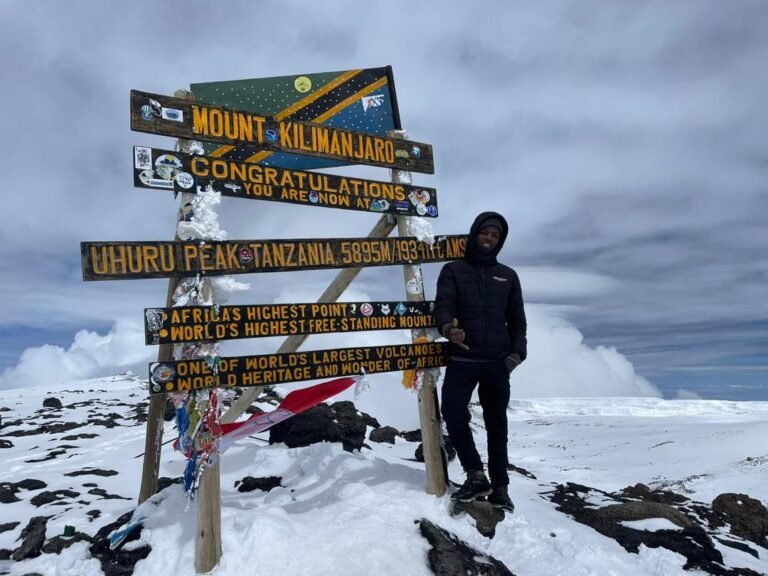
Rongai Vs Marangu Route Cost: Which Offers Better Value For Kilimanjaro
Comparing the Rongai and Marangu routes for Kilimanjaro climbs in 2026-2027 involves evaluating their distinct costs, scenery, acclimatization profiles, and overall value for trekkers...
View package details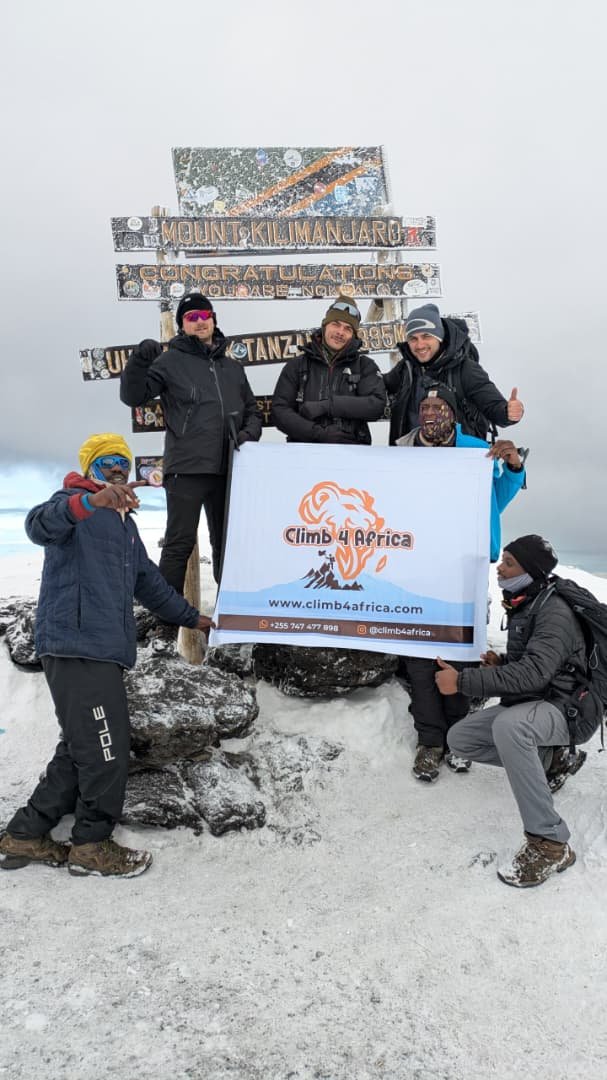
Rongai Vs Machame: Cost & Route Comparison For Kilimanjaro Climbs 2026-2027
Choosing between the Rongai and Machame routes for your Kilimanjaro climb in 2026 or 2027? This comprehensive comparison details route differences, scenery, acclimatization, success rates...
View package details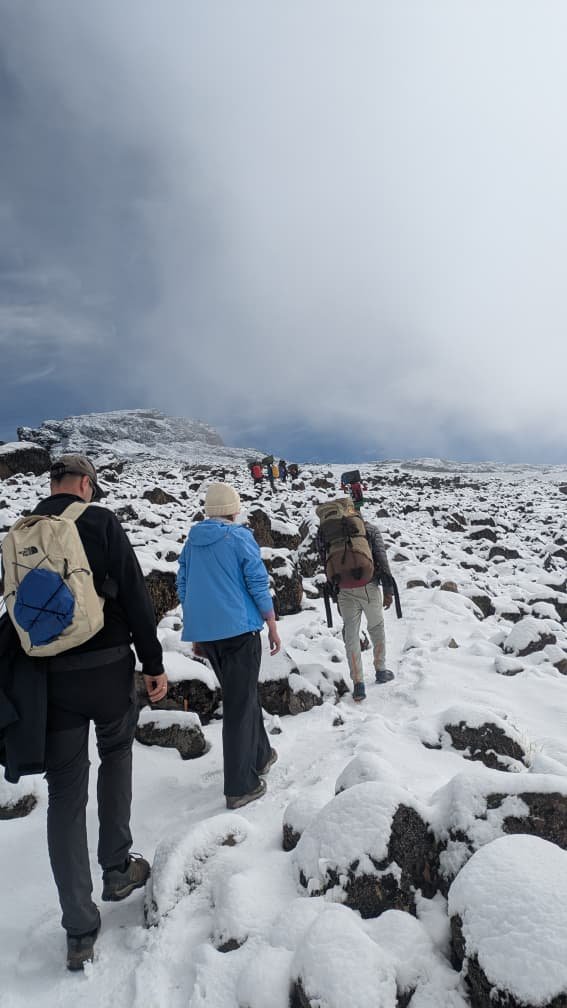
6 Days Umbwe Route: Cost, Price & Full Itinerary For Climbs 2026-2027
Planning a Kilimanjaro climb via the challenging Umbwe Route in 6 days? This guide breaks down the costs, essential inclusions, and a comprehensive day-by-day itinerary to help you prepare...
View package details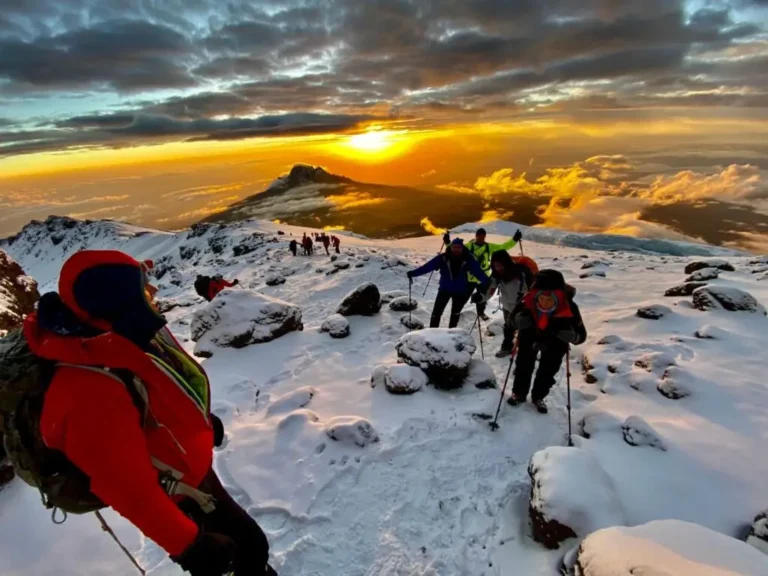
Umbwe Route Cost /: Prices, Itinerary & Expert Guide 2026-2027
Planning a Kilimanjaro climb via the Umbwe Route for 2026 or 2027? This comprehensive guide details the expected Umbwe Route cost, including itinerary options, what's included, and factors...
View package details
7 Days Rongai Route Kilimanjaro: Cost & Full Itinerary 2026-2027
Discover the best of Kilimanjaro's Rongai Route with a detailed 7-day itinerary, cost breakdown, and expert tips for your 2026-2027 climb. Learn why Rongai is a popular choice for trekkers...
View package details
6 Days Rongai Route Kilimanjaro: Cost, Itinerary & Expert Guide For 2026-2027
The 6 Days Rongai Route offers a unique approach to climbing Kilimanjaro from the north. This guide details the itinerary, cost considerations for 2026-2027, and expert tips for a...
View package detailsRongai Route Cost /: Prices, Packages & Itinerary 2026-2027
Planning a Kilimanjaro climb via the Rongai Route in 2026 or 2027? This comprehensive guide details the Rongai Route cost, including typical prices, what's included in packages, and a...
View package details
Which Kilimanjaro Route Offers The Best Value For Money? 2026-2027
Which Kilimanjaro route offers the best value for money? is explained with current 2026-2027 planning, price, itinerary and booking information.
View package details
Which Kilimanjaro Route Is The Cheapest? A Guide 2026-2027
When planning a Kilimanjaro climb, cost is a significant factor for many adventurers. Understanding which routes offer the most budget-friendly options is crucial for making informed...
View package details
Camping Vs Hut Kilimanjaro Routes: Cost Comparison Guide
Choosing between camping and hut routes on Kilimanjaro involves more than just preference; it significantly impacts your budget. This guide breaks down the cost differences for 2026-2027...
View package detailsRongai Vs Lemosho: Price, Crowds & Route Comparison For Kilimanjaro Climbs
Choosing between the Rongai and Lemosho routes for your Kilimanjaro climb? This in-depth comparison covers everything you need to know about price, crowd levels, route profiles, scenery...
View package detailsNo related package matches those filters. Clear one or more filters to see the other topic-matched options.



