
Kilimanjaro cancellation, refund, and rescheduling costs are typically determined by how close you are to your departure date, the specific tour operator’s terms and conditions, and the nature of the cancellation. Generally, earlier cancellations incur lower or no fees, while last-minute changes can result in forfeiting a significant portion or all of your deposit and final payment. Understanding these policies well in advance, especially when planning for 2026 or 2027 climbs, is essential to manage expectations and potential financial implications.

Navigating Kilimanjaro Climb Changes: Understanding Cancellation, Refund, and Rescheduling Policies
The dream of standing atop Africa’s highest peak, Mount Kilimanjaro, often involves meticulous planning, saving, and anticipation. For many, this journey is scheduled for the upcoming seasons of 2026 and 2027. However, life is unpredictable, and sometimes circumstances change, forcing a reconsideration of travel plans. For aspiring climbers preparing for their Kilimanjaro adventure, understanding the nuances of Kilimanjaro cancellation, refund, and rescheduling costs is not just a matter of financial prudence but also of managing expectations and ensuring a smooth process should the need arise.
At Climb 4 Africa, we recognize that flexibility is key when planning significant international expeditions like a Kilimanjaro climb. While we strive to offer the most accommodating policies possible, it’s vital for every climber to be fully informed about the potential financial implications of altering their booking. This comprehensive guide aims to demystify these policies, providing clarity on what to expect regarding Kilimanjaro cancellation fees, refund eligibility, and the costs associated with rescheduling your trek for 2026-2027 or beyond.
The Core Factors Influencing Kilimanjaro Change Costs
When a Kilimanjaro cancellation, refund, or rescheduling is necessary, several key factors come into play that dictate the associated costs. These aren’t arbitrary charges; they are designed to cover the operational expenses and commitments made by the tour operator on your behalf.
Timing of the Change: The Most Critical Element
The single most significant determinant of cancellation or rescheduling costs is when you notify your tour operator of the change. This is because operators make significant upfront investments and commitments based on your booking, which become increasingly difficult and expensive to recoup as the trek date approaches.
- More than 90 days before departure: This is typically the window where you will see the lowest fees, often limited to administrative costs or a portion of the initial deposit. Many operators will allow a full transfer of funds to a new booking for 2026 or 2027 with minimal penalty.
- Between 60 and 90 days before departure: Fees will usually increase. You might forfeit your initial deposit, and a percentage of the remaining balance could be charged as a cancellation fee. Rescheduling might still be possible, but with a deduction from the original payment.
- Between 30 and 60 days before departure: Costs escalate considerably. A larger percentage of the total trip cost might be non-refundable, reflecting costs already incurred for park permits, guide and porter arrangements, and potentially pre-booked accommodation.
- Less than 30 days before departure: In most cases, cancellations within this period result in the forfeiture of the entire trip cost. This is because all permits are finalized, staff are fully booked, and logistical arrangements are irreversible. Rescheduling at this late stage is often impossible without incurring a near-total loss and rebooking as a new client.
Tour Operator’s Terms and Conditions: Your Contractual Basis
Every tour operator, including Climb 4 Africa, will have a specific set of terms and conditions that govern cancellations, refunds, and rescheduling. These are legally binding documents that you agree to upon booking. It is imperative to read and understand these terms thoroughly before confirming your Kilimanjaro climb for 2026 or 2027.
Key clauses to look for include:
- Specific timelines for fee-free cancellations or changes.
- The exact percentage of the deposit or total cost that is non-refundable at different stages.
- Any administrative fees charged for processing changes.
- Provisions for force majeure events (e.g., natural disasters, pandemics) which may have different rules.
- Whether the operator offers travel insurance or recommends specific providers.
Climb 4 Africa’s terms are designed to be fair while covering our operational commitments. We encourage all clients to review our detailed terms and conditions available on our website or to contact us directly for clarification.
Nature of the Cancellation: Voluntary vs. Involuntary
While most policies apply equally to voluntary cancellations (e.g., change of mind, work commitments), some operators may have specific clauses for involuntary cancellations due to unforeseen circumstances like serious illness or bereavement. However, these often require official documentation (e.g., doctor’s notes, death certificates) and may still be subject to certain fees, especially if these circumstances arise close to the departure date.
It’s crucial to differentiate between the tour operator’s policy and what your travel insurance might cover. Comprehensive travel insurance is highly recommended for any Kilimanjaro climb, as it can often reimburse you for non-refundable trip costs in cases of involuntary cancellation, subject to the policy’s terms.
Specific Costs Incurred by the Operator
Tour operators face tangible costs from the moment you book a Kilimanjaro climb. These costs are what they aim to recoup through cancellation fees when a booking is altered or cancelled late in the process.
- Park Entry Fees and Permits: Kilimanjaro National Park fees and climbing permits are often non-refundable and non-transferable once purchased, typically months in advance of the climb date. These are a significant component of the overall cost. For 2026-2027 climbs, these are secured well ahead of time.
- Guide and Porter Salaries/Bookings: Local guides, porters, and cooks are booked and often paid in advance or have their schedules fixed. Last-minute cancellations mean these skilled individuals may lose income.
- Logistics and Transportation: Pre-booked transport, accommodation in Arusha or Moshi before and after the climb, and other logistical arrangements are made based on confirmed bookings.
- Administrative Costs: Processing bookings, managing communications, and handling changes all incur administrative overhead.
Understanding Kilimanjaro Cancellation Fees
Cancellation fees are the monetary charges levied by a tour operator when a booked trip is cancelled. These fees are directly tied to the factors mentioned above, primarily the timing of the cancellation.
Deposit Forfeiture: The First Line of Cost
Most tour operators require a non-refundable deposit to secure your spot on a Kilimanjaro climb. This deposit serves as an initial commitment and helps the operator cover immediate expenses. If you cancel your trip, especially within the 60-90 day window, you will almost certainly forfeit your deposit. This is often the minimum financial loss you can expect.
For example, if a Kilimanjaro climb costs $2,500 and the deposit is $500, cancelling between 60 and 90 days out might mean losing that $500, even if you opt to reschedule for a different date in 2027.
Percentage-Based Cancellation Charges
Beyond the deposit, cancellation fees are often calculated as a percentage of the total trip cost. These percentages increase as the departure date nears:
- 90+ days out: Often a small administrative fee (e.g., $50-$100) or the deposit itself.
- 60-90 days out: Typically 25-50% of the total trip cost, which may include the deposit.
- 30-60 days out: Commonly 50-75% of the total trip cost.
- Less than 30 days out: Usually 100% of the total trip cost, meaning no refund is possible.
These percentages are illustrative and can vary significantly between operators. Always refer to the specific operator’s policy for exact figures. For a Kilimanjaro cancellation in 2026, these figures will apply based on the date you cancel relative to your booked climb date.
Administrative Fees for Processing Changes
Even in cases where a significant portion of your payment might be refundable or transferable, some operators charge a small administrative fee to cover the costs of processing the cancellation or rescheduling request. This fee is usually modest, perhaps $50 to $150, and is intended to cover the paperwork and communication involved.
Potential for Full Forfeiture
As highlighted, cancellations made very close to the departure date (typically within 14-30 days, but sometimes up to 30 days) often result in complete forfeiture of the entire trip cost. This is because the operator has incurred nearly all possible expenses and has little to no chance of filling your spot.
Kilimanjaro Refund Policies: What to Expect
Refunds are the financial return you can expect after cancelling a booking. Eligibility and the amount refunded are directly dictated by the cancellation fees and the operator’s policy.
Refund Eligibility Based on Cancellation Timeline
Your eligibility for a refund, and the amount you’ll receive, is primarily determined by the cancellation window:
- Full Refund (Rare): Only possible if the operator cancels the trip due to unforeseen circumstances (e.g., insufficient bookings, safety concerns) and you choose not to reschedule. Some policies might offer a full refund if you cancel very far in advance, but this is uncommon.
- Partial Refund: This is the most common type of refund for cancellations made within the 30-90 day window. The refund amount is the total cost paid minus the applicable cancellation fees (which can include the deposit and percentage-based charges).
- No Refund: Typically applies to cancellations made less than 30 days before the trek date, or if the booking was non-refundable from the outset (e.g., heavily discounted, last-minute deals).
How Refunds are Processed
If you are eligible for a refund, the process usually involves:
- Formal Notification: You must formally notify your tour operator in writing of your cancellation.
- Confirmation of Fees: The operator will confirm the cancellation fees applicable based on the date of notification and their terms.
- Calculation of Refund: They will calculate the amount to be refunded.
- Processing Time: Refunds are typically processed within a specified timeframe, often 30-60 days after the cancellation date, depending on the operator’s financial processes and bank transfer times.
- Method of Refund: Refunds are usually issued via the original payment method (e.g., bank transfer, credit card). Be aware that currency exchange rates and bank fees might affect the final amount received if paid in a different currency.
The Role of Travel Insurance in Refunds
For Kilimanjaro refunds, especially when significant amounts are at stake due to late cancellations, comprehensive travel insurance is your best financial safeguard. If you have to cancel for a covered reason (e.g., illness, injury, family emergency), your insurance policy can reimburse you for non-refundable costs, including:
- The full trip cost if you cancel before departure.
- Lost deposits.
- Cancellation fees charged by the tour operator.
Always ensure your policy explicitly covers trip cancellation and interruption for reasons relevant to your situation. For 2026-2027 trips, securing appropriate insurance well in advance is a critical planning step.
Kilimanjaro Rescheduling: Options and Associated Costs
Rescheduling your Kilimanjaro climb allows you to move your trek to a different date rather than cancelling outright. This is often a preferred option for those who are still committed to the climb but face unavoidable conflicts with their original dates.
When is Rescheduling Possible?
Rescheduling is generally more feasible than a full cancellation, especially if done with ample notice. Most operators will allow rescheduling if you provide sufficient notice, typically 60 days or more before your original departure date.
Some operators might permit rescheduling closer to the date, but this is less common and may be subject to higher fees or the condition that your original booking was non-refundable anyway.
Costs Associated with Rescheduling
The costs involved in rescheduling a Kilimanjaro climb can include:
- Administrative Fees: A nominal fee might be charged for the paperwork and rebooking process.
- Difference in Trip Cost: If you reschedule to a different season (e.g., moving from a shoulder season to peak season), a different route, or a trip with different inclusions, you will likely have to pay the difference in cost for the new itinerary. Peak seasons (e.g., January-March, June-October) often have higher prices than shoulder seasons.
- Permit Re-validation/New Permits: Depending on how far in advance permits are secured and the operator’s policy, you might need to pay for new permits if the old ones cannot be transferred or are season-specific. Park fees can change year-on-year, so a rescheduled trip for 2027 might incur higher permit costs than originally planned for 2026.
- Price Increases: If you reschedule for a later year (e.g., moving from 2026 to 2027), you will be subject to the pricing structure in effect for the new year. Tour operators typically adjust their prices annually to account for inflation, increased operational costs, and changes in park fees. So, a Kilimanjaro reschedule from 2026 to 2027 could mean paying a higher overall price.
For example, if you booked a $2,800 climb for September 2026 and need to reschedule to September 2027, the price for 2027 might be $3,000. You would pay the difference of $200, plus any administrative fees. If you booked a less popular route and switch to a more popular one, or add extra services, the cost will also increase.
Transferring Deposits and Payments
When rescheduling, your previously paid deposit and any subsequent payments are typically transferred to the new booking. This is one of the main advantages of rescheduling over cancelling. However, if the new climb date or itinerary is more expensive, you will need to pay the difference. If it’s cheaper, the operator may not refund the difference, or they might offer a partial refund depending on their policy.
Limitations on Rescheduling
There are often limitations on how many times you can reschedule, or deadlines by which you must choose new dates. Some operators might only allow one reschedule per booking. Furthermore, if you reschedule very close to the original departure date, you might be treated as a cancellation and incur significant fees, or be unable to reschedule at all.
It’s also important to note that if you reschedule multiple times, you might lose the benefit of early booking discounts or preferential pricing that was available for your original 2026 date.
Comparing Operator Policies: A Crucial Step for 2026-2027 Climbers
Given the varying policies, it’s essential to compare different tour operators when considering a Kilimanjaro climb, especially concerning their cancellation, refund, and rescheduling costs.
Key Comparison Points for Policies:
- Deposit Amount: Some operators ask for a lower deposit, which means less money is at immediate risk if you need to cancel.
- Cancellation Fee Structure: Compare the percentage-based fees and the timelines at which they apply. Some might be more lenient than others.
- Rescheduling Flexibility: Look for operators who are flexible with rescheduling, especially if you anticipate potential date conflicts.
- Force Majeure Clauses: Understand how the operator handles cancellations due to events outside your or their control.
- Inclusions: Ensure that what is included in the price (permits, gear, meals, transfers) is comparable, as this affects the overall value and the potential loss upon cancellation.
When evaluating operators for your 2026 Kilimanjaro climb or 2027 expedition, always request their full terms and conditions. Don’t hesitate to ask clarifying questions about specific scenarios that concern you. For instance, ask directly: “What would be the exact cost if I had to cancel 45 days before my departure date for a 2027 climb?”
Climb 4 Africa’s Approach to Flexibility
At Climb 4 Africa, we aim to provide a balance between protecting our operational integrity and offering flexibility to our clients. Our policies are designed to be transparent and fair. We understand that plans can change, and we work with our clients to find the best possible solutions, whether that involves rescheduling or exploring refund options within the framework of our terms. Our team is always available to discuss individual circumstances and provide clear guidance on potential Kilimanjaro cancellation costs for your planned 2026 or 2027 trek.
Factors Beyond Operator Policies: Travel Insurance and Personal Circumstances
While the tour operator’s policy is paramount, other factors significantly influence the financial outcome of a Kilimanjaro cancellation or rescheduling.
The Indispensable Role of Travel Insurance
We cannot overstate the importance of comprehensive travel insurance for a Kilimanjaro climb. It acts as a financial safety net, covering non-refundable expenses if you need to cancel or cut short your trip for a covered reason. For your 2026-2027 Kilimanjaro adventure, ensure your policy includes:
- Trip Cancellation: Covers non-refundable costs if you cannot travel before departure.
- Trip Interruption: Covers costs if you must leave your trip early.
- Medical Evacuation: Essential for remote locations like Kilimanjaro.
- High Altitude Trekking Coverage: Some policies may have specific exclusions or require add-ons for high-altitude activities.
Always check the policy’s maximum coverage limits and deductible amounts. Understand the specific reasons for cancellation that are covered – typically these include unforeseen illness, injury, or serious family emergencies. Standard “change of mind” or “work conflicts” are rarely covered.
Visa, Flights, and Pre-Trip Expenses
Remember that your tour operator’s cancellation policy usually only covers the cost of the climb itself. Other pre-trip expenses are often subject to their own cancellation terms:
- International Flights: Airlines have their own change and cancellation fees, which can be substantial. Book flights with flexible terms if possible.
- Visas: Visa fees are generally non-refundable.
- Travel Insurance Premiums: The cost of the insurance policy itself is usually non-refundable once purchased.
- Vaccinations and Medications: Costs associated with these are non-refundable.
- Gear Purchases: Any equipment you buy is non-refundable unless the retailer has a specific policy.
These additional costs can significantly increase the total financial exposure if a cancellation occurs. Travel insurance may cover some of these if they are part of your overall trip cost.
Impact of Group Bookings vs. Private Climbs
If you are part of a group booking or a scheduled group departure for 2026-2027, the cancellation or rescheduling of one individual might have minimal impact on the overall group’s arrangements, beyond the individual’s financial loss. However, if you have booked a private Kilimanjaro climb, your cancellation or rescheduling directly affects the operator’s ability to fill that slot, potentially leading to higher fees or stricter conditions.
For group departures, if your cancellation means the group size drops below a minimum threshold, the operator might decide to cancel the entire group trip. In such a scenario, all participants would typically receive a full refund or the option to transfer to another departure.
Planning for 2026-2027: Proactive Steps to Minimize Change Costs
The best way to manage Kilimanjaro cancellation, refund, and rescheduling costs is to be proactive in your planning and booking.
Pre-Booking Checklist for Minimizing Future Costs:
- Read All Terms and Conditions: Before paying any deposit, thoroughly read and understand the cancellation, refund, and rescheduling policies of your chosen operator.
- Assess Your Commitment: Honestly evaluate your likelihood of needing to change plans. If your schedule is uncertain, consider booking further in advance for 2027 rather than 2026 to allow more flexibility.
- Secure Comprehensive Travel Insurance: Purchase a robust policy immediately after booking your climb. Ensure it covers trip cancellation and interruption for a wide range of unforeseen events.
- Understand Payment Schedules: Be aware of when subsequent payments are due. Missing a payment deadline can sometimes be treated as a cancellation.
- Communicate Early: If you foresee a potential issue, contact your tour operator as soon as possible. Early communication often leads to more flexible solutions.
- Consider Flexible Booking Options: Some operators might offer more flexible booking terms for an additional fee, or have specific policies for rescheduling.
The Importance of Booking Directly with Operators
Booking directly with a reputable local operator like Climb 4 Africa often provides more direct communication and potentially more flexibility compared to booking through a large international agent. Local operators have a vested interest in providing excellent service and can often adapt more readily to individual client needs. For your 2026 or 2027 Kilimanjaro climb, direct booking ensures clarity on all aspects, including cancellation policies.
Choosing the Right Time to Book
While booking early is generally recommended to secure your preferred dates and potentially better prices, consider your personal circumstances. If your work schedule or family commitments are volatile, it might be wiser to book closer to the date, accepting the potential for higher prices but potentially reducing the risk of needing to cancel or reschedule due to unavoidable conflicts. However, this must be balanced against availability, especially for peak seasons in 2026 and 2027.
Specific Scenarios and Their Cost Implications
Let’s consider a few practical scenarios to illustrate how Kilimanjaro cancellation, refund, and rescheduling costs might play out.
Scenario 1: Early Cancellation for a 2026 Climb
Situation: Sarah booked a Kilimanjaro climb for September 2026. In January 2026 (8 months prior), she faces an unexpected job relocation to another continent and must cancel.
Likely Outcome: Sarah notifies Climb 4 Africa immediately. Assuming Climb 4 Africa’s policy allows for cancellations more than 90 days out with minimal fees, Sarah would likely forfeit only her initial deposit (e.g., $500) or perhaps pay a small administrative fee. The majority of her payment would be refunded. She might also be offered to transfer the full amount to a new booking for 2027 with no additional cost, barring any price difference for a later date.
Scenario 2: Mid-Range Cancellation for a 2027 Climb
Situation: John booked a climb for March 2027. In December 2026 (3 months prior, approx. 90 days), he unfortunately breaks his leg skiing and cannot travel.
Likely Outcome: John’s travel insurance should cover this. If he doesn’t have insurance, or if the insurance doesn’t cover it fully, he would likely forfeit his deposit. Depending on the operator’s policy, he might also face a cancellation fee of 25-50% of the total trip cost. If the total trip cost is $2,800 and the deposit was $500, he might lose between $500 and $1,400. If his insurance is comprehensive, he should be reimbursed for these non-refundable amounts.
Scenario 3: Late Rescheduling for a 2026 Climb
Situation: Maria booked a climb for October 2026. In August 2026 (2 months prior), a critical family event requires her presence. She wants to reschedule for June 2027.
Likely Outcome: Maria contacts Climb 4 Africa. As this is within the 60-day window, rescheduling might incur fees. She might have to pay an administrative fee. More importantly, she will need to pay the difference between her original booking cost and the cost of the climb in June 2027. If the 2026 price was $2,500 and the 2027 price for the same route and season is $2,800, she’ll pay an additional $300. If the operator’s policy dictates a cancellation fee for changes within 60 days, this might also apply, though often it’s waived or reduced if the booking is immediately rescheduled.
Scenario 4: Last-Minute Cancellation for a 2027 Climb
Situation: David booked a climb for April 2027. In March 2027 (less than 30 days prior), he receives a mandatory work assignment abroad that starts immediately.
Likely Outcome: This is considered a last-minute cancellation. David will almost certainly forfeit 100% of his trip cost. His only recourse for financial recovery would be through travel insurance, provided his work assignment is a covered reason (which is unlikely unless it’s due to a family emergency related to the assignment).
The Financial Reality of Kilimanjaro’s Operational Costs
To truly understand Kilimanjaro cancellation, refund, and rescheduling costs, it’s helpful to appreciate the operational expenses involved in running a Kilimanjaro climb. These costs are significant and non-negotiable for reputable operators who prioritize safety and quality.
- Park Fees: These are set by the Tanzanian government and are a substantial part of the cost. For 2026-2027, expect these to remain a significant factor.
- Crew Wages: Fair wages for guides, assistant guides, cooks, and porters are essential. This includes ensuring they are well-equipped and fed.
- Food and Supplies: High-quality food is crucial for energy and acclimatization on the mountain.
- Equipment: Tents, sleeping mats, cooking gear, and first-aid equipment need to be maintained or replaced.
- Transportation: Transfers to and from the mountain gate and airport.
- Logistics and Administration: Permits, park clearances, communication, and office overhead.
- Emergency Support: Having access to oxygen, satellite phones, and established emergency protocols.
When a client cancels late, the operator has already committed to paying many of these costs, or they face penalties for breaking arrangements with service providers. This is why late cancellations result in higher fees.
Conclusion: Informed Planning for Your Kilimanjaro Expedition
Planning a Kilimanjaro climb for 2026 or 2027 is an exciting prospect. While the dream of reaching the summit is paramount, understanding the practicalities of Kilimanjaro cancellation, refund, and rescheduling costs is equally important. By thoroughly reviewing your tour operator’s terms and conditions, securing comprehensive travel insurance, and communicating any potential changes as early as possible, you can mitigate potential financial losses and ensure a smoother journey, regardless of unforeseen circumstances.
Climb 4 Africa is committed to helping you achieve your Kilimanjaro dream. We encourage you to discuss any concerns regarding booking flexibility, cancellation policies, or rescheduling options with our expert team. We are here to provide the clarity and support you need for a successful and memorable expedition.
For personalized advice on your 2026-2027 Kilimanjaro climb and detailed information on our policies, please do not hesitate to contact us:
- WhatsApp: +255 747 477 898
- Email: climb4africa@gmail.com
We look forward to helping you plan your unforgettable African adventure.
“,
“faq_schema”: [
{
“question”: “What is the typical cost of cancelling a Kilimanjaro climb?”,
“answer”: “Kilimanjaro cancellation costs vary greatly depending on how far in advance you cancel. Early cancellations (over 90 days out) might only incur a small administrative fee or forfeiture of the deposit. Cancellations within 30 days of departure often result in forfeiting 100% of the trip cost.”
},
{
“question”: “Can I get a refund if I cancel my Kilimanjaro trip?”,
“answer”: “Refund eligibility and amount depend on the cancellation timeline and the tour operator’s policy. Partial refunds are common for cancellations made between 30-90 days before departure, minus applicable fees. Last-minute cancellations typically receive no refund.”
},
{
“question”: “How much does it cost to reschedule a Kilimanjaro climb?”,
“answer”: “Rescheduling a Kilimanjaro climb usually involves administrative fees and potentially the difference in cost if you move to a more expensive season or route. If rescheduling for a later year (e.g., 2027 from 2026), you’ll likely pay the updated price for the new year. Significant fees can apply if rescheduling is done very close to the original departure date.”
},
{
“question”: “What are the main factors affecting Kilimanjaro cancellation costs?”,
“answer”: “The primary factors influencing costs are the timing of your cancellation, the specific tour operator’s terms and conditions, and the non-refundable expenses already incurred by the operator (like park permits and guide bookings).”
},
{
“question”: “Is travel insurance recommended for Kilimanjaro climbs in 2026-2027?”,
“answer”: “Yes, comprehensive travel insurance is highly recommended. It can cover non-refundable trip costs if you need to cancel or interrupt your climb due to unforeseen covered reasons, such as illness or injury, and can also provide medical evacuation coverage.”
},
{
“question”: “What happens to my deposit if I cancel my Kilimanjaro climb?”,
“answer”: “Your deposit is typically non-refundable. If you cancel outside the penalty-free window, you will almost certainly forfeit your deposit as the minimum cancellation cost. This deposit helps the operator cover initial arrangements.”
},
{
“question”: “Can I reschedule my Kilimanjaro climb from 2026 to 2027?”,
“answer”: “Yes, rescheduling from 2026 to 2027 is often possible, especially with advance notice. You will likely need to pay the difference in cost between the two years, as prices generally increase annually. Administrative fees may also apply.”
}
]
}
“`
Check Availability for Kilimanjaro Cancellation, Refund & Rescheduling Costs Explained 2026-2027
Ready to compare dates, prices, and the best option for your group? Send the package name and travel month so the team can reply with a clear quote, availability, and what is included.
Kilimanjaro Emergency Oxygen & Safety Costs Explained For Climbs 2026-2027
This comprehensive guide details the costs associated with emergency oxygen and essential safety equipment for climbing Mount Kilimanjaro, focusing on preparations for 2026-2027...
View package details
Kilimanjaro Guide & Porter Costs Explained For Climbs 2026-2027
Demystifying the costs associated with hiring guides and porters for your Kilimanjaro climb. This comprehensive guide breaks down expenses for 2026-2027, covering salaries, equipment, park...
View package details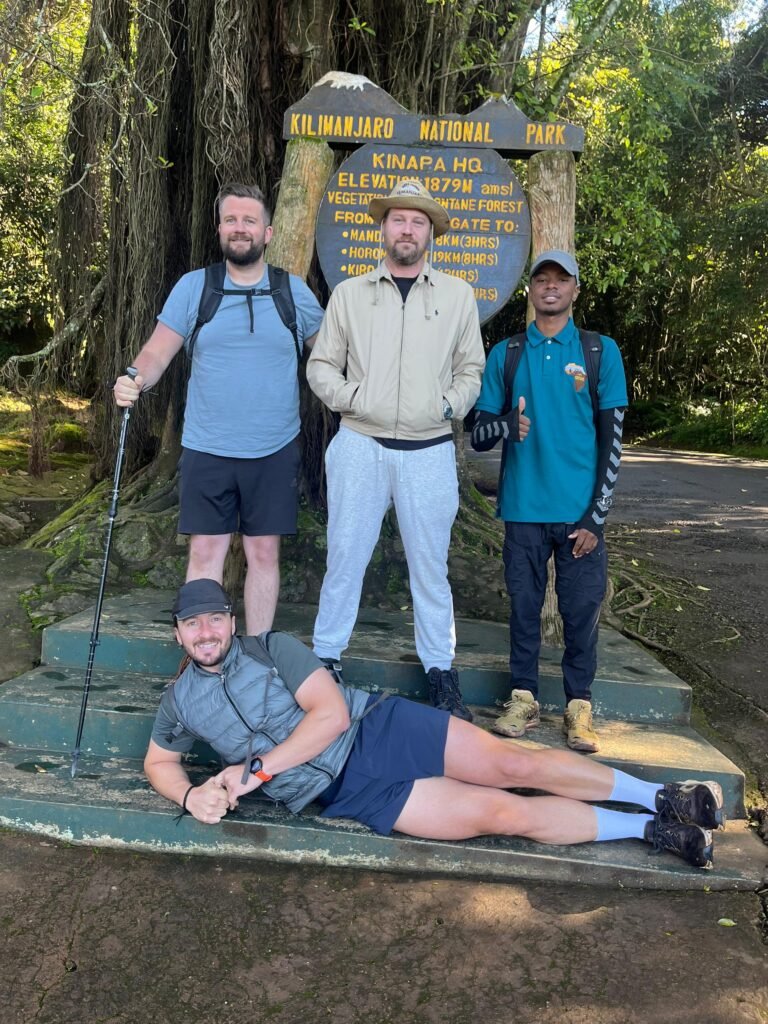
Are Porters Included In Kilimanjaro Package Costs? A Climb 4 Africa Guide
Understand the critical role of porters on Kilimanjaro and whether they are typically included in tour package costs. This guide from Climb 4 Africa provides essential details for planning...
View package details
Hotel Costs Before And After Climbing Kilimanjaro: Planning Your Stay
Planning a Kilimanjaro climb involves more than just the trek itself. Understanding the associated hotel costs before and after your ascent is crucial for budgeting and a smooth travel...
View package details
Why Is Kilimanjaro So Expensive? Every Major Cost Explained 2026-2027
Why Is Kilimanjaro So Expensive? Every Major Cost Explained is explained with current 2026-2027 planning, price, itinerary and booking information.
View package details
Kilimanjaro Group Tours For Solo Travelers: Dates & Costs 2026-2027
Kilimanjaro Group Tours for Solo Travelers: Dates & Costs is explained with current 2026-2027 planning, price, itinerary and booking information.
View package details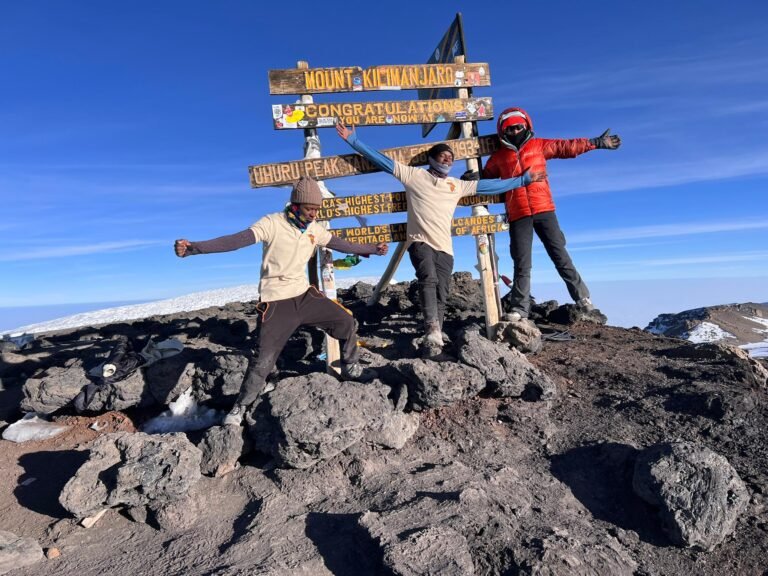
Can I Change My Kilimanjaro Climbing Date After Paying A Deposit? | Climb 4
Planning a Kilimanjaro climb is a significant undertaking, and sometimes life circumstances require adjusting your booked dates. If you've paid a deposit for your Kilimanjaro trek and need...
View package detailsWhich Kilimanjaro Route Offers The Best Value For Money? 2026-2027
Which Kilimanjaro route offers the best value for money? is explained with current 2026-2027 planning, price, itinerary and booking information.
View package details
How Early Should I Book Kilimanjaro For The Best Price? Planning 2026-2027
Planning a Kilimanjaro climb for 2026 or 2027? Learn the optimal booking window to secure the best prices and availability. This guide covers everything from early bird specials to...
View package details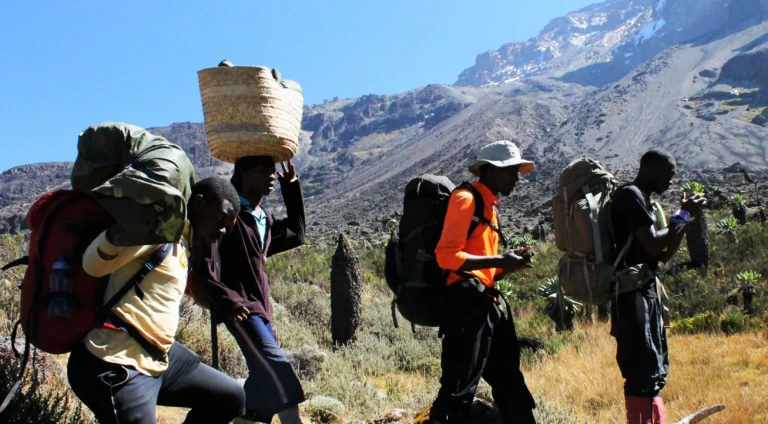
Is A Private Toilet Included In The Kilimanjaro Price? 2026-2027
Discover whether a private toilet is a standard inclusion in Kilimanjaro climbing package prices, the variations across routes and operators, and how Climb 4 Africa prioritizes your comfort...
View package details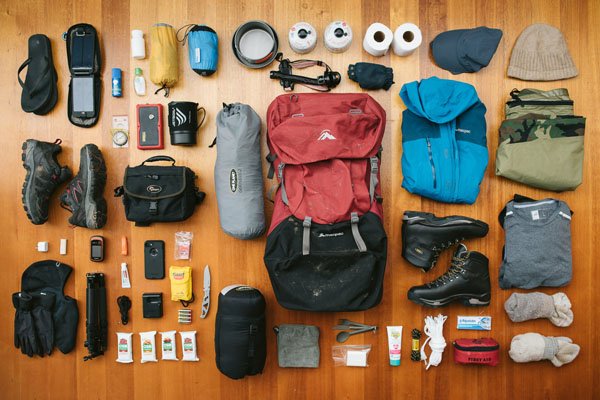
Is Emergency Oxygen Included In Kilimanjaro Climbing Price? Climb 4 Africa
Climb 4 Africa clarifies whether emergency oxygen is part of the standard Kilimanjaro climbing package price, detailing what's typically included and why it's crucial for safety on the...
View package details
Are Rescue Fees Included In Kilimanjaro Park Fees? 2026-2027
Are rescue fees included in Kilimanjaro park fees? is explained with current 2026-2027 planning, price, itinerary and booking information.
View package detailsNo related package matches those filters. Clear one or more filters to see the other topic-matched options.



