
Kilimanjaro group tours for solo travelers in 2026-2027 typically range from $1,800 to $3,500 USD per person, depending on the route, duration, and operator. These tours offer a structured way for individuals to climb Mount Kilimanjaro, providing camaraderie, shared costs, and expert support. Key dates for group departures are usually spread throughout the year, with popular climbing seasons often filling up months in advance for 2026 and 2027.


Planning Your Kilimanjaro Group Tour as a Solo Traveler in 2026-2027
Climbing Mount Kilimanjaro is a significant achievement, and for solo travelers, joining a group tour presents a compelling option. It transforms a potentially solitary endeavor into a shared adventure, fostering a sense of community and mutual support that can be invaluable on the mountain. This approach not only enhances the experience but also often proves more economical. For those planning their ascent in 2026 or 2027, understanding the nuances of group tours, including available dates and associated costs, is crucial for effective planning and a successful climb.
At Climb 4 Africa, we specialize in creating memorable Kilimanjaro experiences tailored to various traveler needs, including those who are traveling alone. Our group tours are designed to be inclusive, safe, and enjoyable, bringing together like-minded individuals from around the globe. We focus on providing excellent support from experienced guides and porters, ensuring that every climber, regardless of their group size, feels well-cared for. This guide will walk you through everything you need to know about Kilimanjaro group tours for solo travelers, covering everything from selecting the best route and departure dates for 2026-2027 to understanding what influences the costs and what is typically included in a tour package.
Why Choose a Group Tour for Your Solo Kilimanjaro Climb?
Traveling solo doesn’t mean you have to climb Kilimanjaro alone. Group tours offer a unique blend of independence and companionship, making them an ideal choice for many individuals. Here’s why:
- Companionship and Shared Experience: You’ll meet fellow adventurers from diverse backgrounds, creating a supportive atmosphere. Sharing the challenges and triumphs of the climb with others can significantly enhance the journey.
- Cost-Effectiveness: Group tours allow for the sharing of essential costs, such as park fees, guide and porter wages, and equipment, making the overall price more affordable compared to a private climb. This is especially beneficial for solo travelers looking to manage their budget.
- Safety and Support: Kilimanjaro is a serious mountain, and safety is paramount. Group tours are led by experienced, certified guides who are trained in high-altitude trekking and emergency response. Having a team of guides and porters ensures you have constant support.
- Logistical Simplicity: All major logistics, including permits, meals, accommodation on the mountain, and transfers, are handled by the tour operator. This frees you to focus entirely on the climb itself.
- Structured Itinerary: Group tours follow well-established routes with acclimatization days built-in, designed to maximize your chances of reaching the summit safely.
Kilimanjaro Group Tour Dates for Solo Travelers (2026-2027)
Finding the right dates is essential for a successful Kilimanjaro climb. The mountain has distinct climbing seasons, influenced by weather patterns. While climbs can occur year-round, certain periods offer more favorable conditions.
Prime Climbing Seasons
The best times to climb Kilimanjaro are generally during the dry seasons:
- January to March: This period is characterized by clear skies and good visibility. It’s a popular time, especially around the festive season.
- June to October: This is another dry season, often considered the peak season due to pleasant temperatures and minimal rainfall.
Shoulder Seasons
These periods can also be good, with fewer crowds, though there’s a slightly higher chance of rain:
- April and May: These months mark the end of the long rainy season. While still possible, the weather can be unpredictable.
- November and December: The short rainy season typically occurs here. It’s less predictable, but often consists of brief showers followed by clear periods.
Typical Group Departure Schedules for 2026 and 2027
Tour operators like Climb 4 Africa schedule group departures throughout the year, often aligning with these favorable seasons. While specific dates can vary, you can expect:
- Fixed Departures: Many operators offer pre-set group departure dates, especially during peak seasons. Booking these well in advance, ideally 6-12 months ahead for 2026 and 2027, is recommended, as they are often popular and fill up quickly.
- Flexible Grouping: Some operators, including Climb 4 Africa, can group solo travelers together on their desired dates, even if it’s not a pre-set departure. This offers more flexibility. If you have a specific date in mind for 2026 or 2027, contacting the operator directly is the best approach.
- Open Group Dates: You’ll find schedules listing available group climbs for various routes throughout 2026 and 2027. These often highlight specific weeks or months.
For 2026-2027, the most sought-after dates for group departures will likely be in:
- January 2026 & 2027
- February 2026 & 2027
- June 2026 & 2027
- July 2026 & 2027
- August 2026 & 2027
- September 2026 & 2027
- October 2026 & 2027
It’s advisable to check specific operator schedules as soon as possible. For example, Climb 4 Africa’s upcoming 2026 and 2027 group departure calendars are available on our website. Booking at least 6 months in advance is highly recommended for popular dates in 2026 and 2027 to secure your spot and potentially benefit from earlier booking incentives.
Tip for Solo Travelers:
If you have a specific date or timeframe in mind for 2026 or 2027, contact tour operators directly. They can often match you with an existing group or help form a new one if enough solo travelers express interest for that period.
Understanding Kilimanjaro Group Tour Costs for Solo Travelers (2026-2027)
The cost of a Kilimanjaro group tour can vary significantly. For solo travelers, understanding these cost factors is key to budgeting effectively for their 2026-2027 adventure.
Factors Influencing Cost
- Route Choice: Longer routes with more acclimatization days (e.g., Lemosho, Machame) generally cost more than shorter ones (e.g., Marangu, Rongai) due to additional days of park fees, food, and porter support.
- Duration of Climb: The number of days spent on the mountain directly impacts costs. A 7-day climb will be more expensive than a 5-day climb on the same route.
- Operator Type: Local operators often offer more competitive pricing than international ones. However, it’s crucial to ensure they maintain high standards of safety, equipment, and crew welfare. Climb 4 Africa, as a local expert operator, provides excellent value and quality.
- Inclusions: What’s included in the price varies. Some packages are comprehensive, covering almost everything, while others might exclude items like gear rental, tips, or flights.
- Season: While less impactful than other factors, climbing during the absolute peak season might sometimes see slightly higher prices due to demand.
- Group Size: While you are a solo traveler, the overall group size can influence per-person costs. Larger groups often lead to lower individual expenses.
Typical Cost Breakdown for 2026-2027 Group Tours
As a general guideline for 2026-2027, expect the following price ranges for a standard group tour (excluding flights to/from Tanzania):
- Budget-Friendly Operators: $1,800 – $2,300 USD per person. These may have fewer inclusions or use basic accommodations before/after the climb.
- Mid-Range Operators (like Climb 4 Africa): $2,400 – $3,000 USD per person. These typically offer a good balance of quality, inclusions, safety standards, and experienced crew.
- Premium Operators: $3,100 – $3,500+ USD per person. These often boast smaller group sizes, higher guide-to-client ratios, more comfortable pre/post-climb lodging, and extensive gear provision.
Key cost components usually covered by these prices include:
- Park entrance fees (significant cost)
- Camping fees
- Mount Kilimanjaro National Park Authority (KINAPA) rescue fees
- Salaries for guides, assistant guides, and porters
- Food and cooking equipment for the duration of the climb
- Tents, sleeping mats, and mess tents
- Climbing permits
- Ground transportation to/from the mountain
- Accommodation in Moshi/Arusha before and after the climb (often 2 nights)
- Emergency oxygen and first-aid kit
Additional costs to budget for:
- Tips for guides and porters: This is a significant and customary expense, typically ranging from $250-$350 USD per climber for a standard 7-day climb. Operators usually provide a tipping guide.
- Personal gear rental: Sleeping bags, trekking poles, waterproof jackets, etc., if you don’t own them. This can add $100-$200 USD.
- Travel insurance: Essential, covering high-altitude trekking and medical evacuation.
- Flights to/from Kilimanjaro International Airport (JRO).
- Visa fees for Tanzania.
- Personal expenses: Souvenirs, extra snacks, alcoholic beverages.
- Pre/post-climb accommodation beyond what’s included.
- Vaccinations and medications.
Solo Traveler Cost Example (7-Day Machame Route)
Estimated Total Cost: $2,600 – $3,300 USD per person (excluding international flights)
- Tour Package: $2,400 – $2,800 (includes route, guides, porters, food, park fees, accommodation in Moshi)
- Tips: $300 (guideline)
- Gear Rental: $150 (estimate)
- Insurance: $100 – $200 (estimate)
- Miscellaneous: $50 – $100
Choosing the Right Kilimanjaro Route for Solo Travelers
With six main routes to the summit, selecting the right one is critical for success and enjoyment, especially for solo travelers. Factors like acclimatization profile, scenery, difficulty, and crowd levels should be considered.
Popular Routes for Group Tours
Group tours are most commonly offered on the following routes:
Machame Route: The “Whiskey” Route
Duration: 6-7 days (7 days recommended for solo travelers for better acclimatization)
Difficulty: Moderate to difficult
Scenery: Excellent, diverse landscapes
Acclimatization: Good, especially on the 7-day itinerary, utilizing the “climb high, sleep low” principle.
Crowds: Can be busy, especially in peak season.
The Machame route is the most popular for group tours due to its good success rates, beautiful scenery, and excellent acclimatization profile when done over 7 days. It involves significant “ups and downs” which aid acclimatization. The 7-day option is highly recommended for solo travelers as it provides an extra day for the body to adjust to the altitude, significantly increasing summit chances.
Marangu Route: The “Coca-Cola” Route
Duration: 5-6 days (5 days is very rushed and not recommended; 6 days is better)
Difficulty: Moderate
Scenery: Less varied than other routes, but still beautiful.
Acclimatization: Poor on the 5-day option, leading to lower success rates. The 6-day option is slightly better.
Crowds: Can be busy.
Marangu is the oldest route and the only one offering hut accommodation instead of camping. It’s often perceived as the easiest due to its gradual slope, but the lack of proper acclimatization on the 5-day version makes it less suitable for solo travelers aiming for success. The 6-day option improves this, but still has a lower success rate than Machame or Lemosho.
Lemosho Route: The Scenic Route
Duration: 7-8 days (8 days recommended)
Difficulty: Moderate to difficult
Scenery: Arguably the most beautiful, starting in the rainforest and traversing diverse zones.
Acclimatization: Excellent, particularly on the 8-day itinerary, offering a slower ascent.
Crowds: Less crowded initially, merging with the Shira route and then the Machame route.
Lemosho is a fantastic choice for solo travelers seeking stunning scenery and a high success rate due to its excellent acclimatization. It’s generally more expensive than Machame due to its longer duration and remote starting point. It’s a strong contender for those prioritizing the journey’s visual appeal and a comfortable climb.
Rongai Route: The Northern Approach
Duration: 6-7 days (7 days recommended)
Difficulty: Moderate
Scenery: Less varied initially, opening up later.
Acclimatization: Good, especially on the 7-day itinerary.
Crowds: Least crowded route.
Rongai approaches from the north, making it a good option during the rainy seasons as it’s on the dry side of the mountain. It offers a different perspective and is generally less crowded than Machame or Marangu. It’s a reliable route with good acclimatization, especially over 7 days.
Other Routes (Less Common for Standard Groups)
Shira Route: Similar to Lemosho but starts at a higher altitude. Often combined with Lemosho.
Northern Circuit: Longest route (9 days), offering the best acclimatization and highest success rates, but also the most expensive. Not typically offered as standard group departures due to length.
Solo Traveler Route Recommendation for 2026-2027:
For a balance of success rate, scenery, and group availability, the 7-day Machame Route or the 8-day Lemosho Route are highly recommended for solo travelers planning their climb in 2026 or 2027. These routes provide the best acclimatization, crucial for individual success on the mountain.
What’s Included in a Typical Kilimanjaro Group Tour Package?
Understanding inclusions is vital for comparing different tour operators and budgeting. While packages vary, a comprehensive group tour for solo travelers from a reputable operator like Climb 4 Africa typically includes:
Mandatory Inclusions (Usually Covered)
- Park Fees: All Kilimanjaro National Park entrance fees, camping/hut fees, and conservation fees. These are substantial costs set by the park authorities.
- Rescue Fees: Mandatory fees for rescue services in case of an emergency.
- Guides & Porters: Salaries, food, and equipment for your professional climbing guides and the support crew (porters). Fair wages and good treatment of crew are ethical considerations and indicators of a responsible operator.
- Food: Nutritious meals prepared by cook(s) on the mountain. This includes breakfast, lunch, and dinner, often with hot drinks.
- Camping Equipment: High-quality tents (4-season for summit night), mess tents with tables and chairs, and cooking gear.
- Water: Boiled or purified drinking water provided daily.
- Accommodation: Typically 2 nights’ accommodation in a hotel/lodge in Moshi or Arusha before and after the climb.
- Ground Transportation: Transfers to and from Kilimanjaro International Airport (JRO) and transport to/from the mountain gate.
- Briefing: Pre-climb briefing and gear check.
- Emergency Support: Use of emergency oxygen, a comprehensive first-aid kit, and communication devices (satellite phones may be an extra charge or included).
Optional Inclusions (May Vary)
- Gear Rental: Some operators include basic gear like sleeping bags and trekking poles, while others rent them out separately.
- Oxygen Systems: While emergency oxygen is standard, some premium tours might offer personal oxygen systems (rare and expensive).
- Satellite Phone: For personal use beyond emergency communication.
What’s Typically Excluded?
- International Flights: Flights to and from Kilimanjaro International Airport (JRO).
- Visa Fees: Tanzanian visa costs.
- Travel Insurance: Comprehensive insurance covering high-altitude trekking and emergency evacuation is mandatory.
- Tips for Crew: A significant, customary expense.
- Personal Gear: Clothing, boots, backpack, sleeping bag liner, etc.
- Meals and Drinks: Outside of those provided on the mountain and at the hotel (e.g., lunches/dinners in town, alcoholic beverages).
- Vaccinations and Medications.
- Optional activities: Pre- or post-climb tours, hot springs visits, etc.
Checklist for Inclusions:
- Park Fees: Yes/No
- Guide & Porter Salaries/Support: Yes/No
- All Meals on Mountain: Yes/No
- Accommodation (Pre/Post Climb): Yes/No (Specify nights)
- Airport Transfers: Yes/No
- Emergency Oxygen/First Aid: Yes/No
- Gear Rental (Specify items): Yes/No
- Climbing Permits: Yes/No
Always request a detailed itinerary and inclusions list from your chosen operator for 2026-2027 departures.
Preparing for Your Kilimanjaro Group Tour as a Solo Traveler
A successful climb hinges on preparation. For solo travelers, this means being extra diligent about your physical and mental readiness.
Physical Training
Kilimanjaro is a demanding trek. Focus on cardiovascular fitness and strength training:
- Cardio: Aim for at least 3-4 sessions per week. Hiking with a weighted backpack is ideal. If hiking isn’t accessible, opt for running, cycling, or stair climbing.
- Strength: Focus on leg and core strength. Squats, lunges, step-ups, and planks are beneficial.
- Endurance: Long hikes (4-6 hours) on consecutive days, ideally with significant elevation gain, will simulate mountain conditions.
- Altitude Acclimatization: While no training can fully replicate high altitude, consistent cardio and strength work will improve your body’s efficiency.
Gear and Equipment
Proper gear is essential for comfort and safety. For group tours, check what’s included and what you need to rent or buy.
- Layering System: Base layers (moisture-wicking), mid-layers (fleece/down), and outer layers (waterproof and windproof jacket and pants).
- Footwear: Broken-in, waterproof hiking boots are non-negotiable.
- Headwear: Warm hat, sun hat, balaclava/neck gaiter.
- Gloves: Warm, waterproof gloves and liner gloves.
- Accessories: Trekking poles, headlamp, sunglasses, sunscreen, lip balm.
- Backpack: A comfortable daypack (20-30L) and a larger duffel bag (80-100L) for porters.
- Sleeping Bag: Rated to at least -10°C (0°F).
Solo Traveler Gear Tip:
Invest in quality essentials like good boots and a waterproof outer layer. For items like sleeping bags or trekking poles, renting from your operator is often a cost-effective solution for 2026-2027 climbs.
Mental Preparation
Climbing Kilimanjaro is as much a mental challenge as a physical one. Solo travelers often find the mental aspect particularly rewarding.
- Set Realistic Expectations: Understand that summit day is extremely tough.
- Embrace the Challenge: Be prepared for discomfort, cold, and fatigue.
- Positive Mindset: Focus on small victories, enjoy the journey, and support your fellow climbers.
- Trust Your Guides: Follow their instructions implicitly, especially regarding pace and hydration.
Travel Logistics
- Visas: Obtain your Tanzanian visa in advance or upon arrival.
- Flights: Book flights to Kilimanjaro International Airport (JRO).
- Vaccinations: Consult your doctor about recommended vaccinations (e.g., Yellow Fever, Hepatitis A/B) and malaria prophylaxis.
- Travel Insurance: Ensure it covers high-altitude trekking up to 5,895 meters and includes emergency medical evacuation.
Comparing Kilimanjaro Group Tour Operators for Solo Travelers
When choosing an operator for your 2026-2027 Kilimanjaro group tour, especially as a solo traveler, look beyond just the price. Safety, crew welfare, and overall experience are paramount.
Key Comparison Points
- Safety Record and Procedures: Do they have certified guides? What are their emergency protocols? Do they carry adequate medical supplies and oxygen?
- Crew Welfare: Do they pay fair wages? Do porters have adequate gear and food? Responsible tourism practices are crucial. Check reviews for comments on crew treatment.
- Group Size: Smaller groups (e.g., 8-12 climbers) often offer a more intimate experience than very large groups (20+).
- Inclusions & Exclusions: A detailed list helps compare apples to apples. Be wary of surprisingly low prices that omit essential components like park fees or adequate crew support.
- Route Options & Itineraries: Do they offer the recommended longer itineraries for better acclimatization?
- Reviews and Testimonials: Look for reviews specifically from solo travelers. Reputable sites like TripAdvisor can be valuable. (e.g., Climb 4 Africa reviews on TripAdvisor)
- Communication: How responsive and helpful is the operator during the booking process?
Climb 4 Africa: Your Partner for Solo Kilimanjaro Adventures
Climb 4 Africa is a locally owned and operated company committed to providing exceptional Kilimanjaro climbing experiences. We understand the needs of solo travelers and focus on:
- Safety First: Highly trained guides, well-maintained equipment, and robust emergency procedures.
- Ethical Crew Treatment: We are proud partners of the Kilimanjaro Porters Assistance Project (KPAP) and ensure our crew is treated with respect and fairness.
- Value for Money: Offering competitive pricing for 2026-2027 group tours without compromising on quality or safety. Our packages are comprehensive, minimizing hidden costs.
- Tailored Support: We can help match solo travelers with compatible groups or advise on the best routes and dates for their individual needs.
- Local Expertise: Deep knowledge of Kilimanjaro and the surrounding region.
We offer group departures on popular routes like Machame and Lemosho, designed to maximize acclimatization and success rates. Feel free to contact us to discuss your specific plans for a 2026 or 2027 climb.
Frequently Asked Questions for Solo Travelers on Kilimanjaro Group Tours
Here are some common questions solo travelers have when considering a Kilimanjaro group tour:
Will I be the only solo traveler?
Not necessarily. Many of our group departures have a mix of solo travelers, couples, and friends. It’s common for solo travelers to form strong bonds during the climb.
What if I’m slower or faster than the group?
Your guides are experienced in managing group pace. They will ensure you maintain a comfortable speed, and there will be assistant guides to support slower climbers. If you’re faster, you’ll typically wait at scenic spots or with an assistant guide.
What are the accommodation arrangements on the mountain?
On most routes (except Marangu), you’ll be camping. Tents are usually 2-person or 3-person tents shared with another climber of the same gender if you are a solo traveler. Operators like Climb 4 Africa will ensure comfortable and safe camping setups with mess tents for dining.
Is it safe to climb Kilimanjaro alone in a group?
Yes. You are never truly alone. You are part of a support team with guides and porters, and you are with fellow climbers. The primary risks are altitude sickness and falls, which are mitigated by experienced guides and proper acclimatization.
What is the summit night like?
Summit night is the most challenging part. You start very early (around midnight), climbing in the dark, often in cold and windy conditions. The pace is slow and steady (“pole pole”). Reaching Stella Point and then Uhuru Peak (the summit) is an incredible achievement, often at sunrise.
What is the typical age range for Kilimanjaro group tours?
The age range can be broad, from late teens to 70s. The key factors are good physical health and proper acclimatization, not age itself. Most participants are between 25 and 60.
Booking Your Kilimanjaro Group Tour for 2026-2027
Ready to plan your Kilimanjaro adventure? Here’s how to proceed:
- Choose Your Operator: Research and select a reputable operator that aligns with your budget, safety standards, and ethical considerations. For reliable Kilimanjaro group tours for solo travelers in 2026-2027, consider Climb 4 Africa.
- Select Your Route and Dates: Decide on the route that best suits your fitness, desired experience, and budget. Check available group departure dates for 2026 and 2027, or contact the operator to arrange a custom group date.
- Review Inclusions and Costs: Carefully examine what is included in the price and what additional costs you need to budget for (tips, gear rental, insurance).
- Book Your Tour: Contact the operator to confirm availability and make your deposit. For 2026-2027 climbs, booking 6-12 months in advance is highly recommended.
- Prepare for Your Climb: Begin your physical training, arrange your travel insurance, and start gathering your gear.
Joining a Kilimanjaro group tour as a solo traveler is an incredibly rewarding way to experience one of the world’s most iconic mountains. It offers a unique blend of personal challenge, shared camaraderie, and expert support. With careful planning, selecting the right route, dates for 2026-2027, and a trusted operator, your solo Kilimanjaro adventure will be an unforgettable achievement.
For personalized assistance with Kilimanjaro group tours for solo travelers, including specific dates and cost details for 2026 and 2027, please reach out to Climb 4 Africa. You can contact us via WhatsApp at +255 747 477 898 or email us at climb4africa@gmail.com. We are here to help you plan your dream climb!
“,
“faq_schema”: [
{
“question”: “What is the average cost of a Kilimanjaro group tour for solo travelers in 2026-2027?”,
“answer”: “The average cost for a Kilimanjaro group tour for solo travelers in 2026-2027 typically ranges from $1,800 to $3,500 USD per person, excluding international flights. This price depends on the chosen route, duration, operator, and what is included in the package.”
},
{
“question”: “When are the best dates to join a Kilimanjaro group tour as a solo traveler in 2026-2027?”,
“answer”: “The best dates are during the dry seasons: January to March and June to October. For 2026 and 2027, booking well in advance for these periods is recommended, especially for popular fixed departure dates. Shoulder seasons (April-May, November-December) are also options but may have more unpredictable weather.”
},
{
“question”: “Which Kilimanjaro route is best for solo travelers on a group tour?”,
“answer”: “For solo travelers, the 7-day Machame Route or the 8-day Lemosho Route are highly recommended. These routes offer excellent acclimatization profiles, diverse scenery, and good success rates, which are crucial for individual achievement on the mountain.”
},
{
“question”: “What is typically included in a Kilimanjaro group tour package for solo travelers?”,
“answer”: “A comprehensive package usually includes park fees, rescue fees, salaries for guides and porters, all meals on the mountain, camping equipment, water, accommodation in Moshi/Arusha (2 nights), and ground transportation. Mandatory extras like tips and travel insurance, and optional gear rental, are usually excluded.”
},
{
“question”: “How do I find a group to join as a solo traveler?”,
“answer”: “Reputable tour operators like Climb 4 Africa offer scheduled group departures throughout the year. You can also contact them directly to inquire about matching you with an existing group or forming a new one if there’s sufficient interest for your desired dates in 2026 or 2027.”
},
{
“question”: “Are Kilimanjaro group tours safe for solo travelers?”,
“answer”: “Yes, Kilimanjaro group tours are considered safe for solo travelers. You are supported by a professional team of guides and porters, and you are part of a group of fellow climbers. Safety protocols and emergency procedures are standard practice for reputable operators.”
}
]
}
“`
Check Availability for Kilimanjaro Group Tours For Solo Travelers: Dates & Costs 2026-2027
Ready to compare dates, prices, and the best option for your group? Send the package name and travel month so the team can reply with a clear quote, availability, and what is included.

Kilimanjaro Group Climb Vs Solo Private Trek: Which Is Cheaper? 2026-2027
Kilimanjaro Group Climb vs Solo Private Trek: Which Is Cheaper? is explained with current 2026-2027 planning, price, itinerary and booking information.
View package details
Climbing Kilimanjaro In December : Prices, Weather & Group Dates 2026-2027
Discover everything you need to know about climbing Kilimanjaro in December, including pricing, weather patterns for 2026-2027, and curated group departure dates. Climb 4 Africa provides...
View package details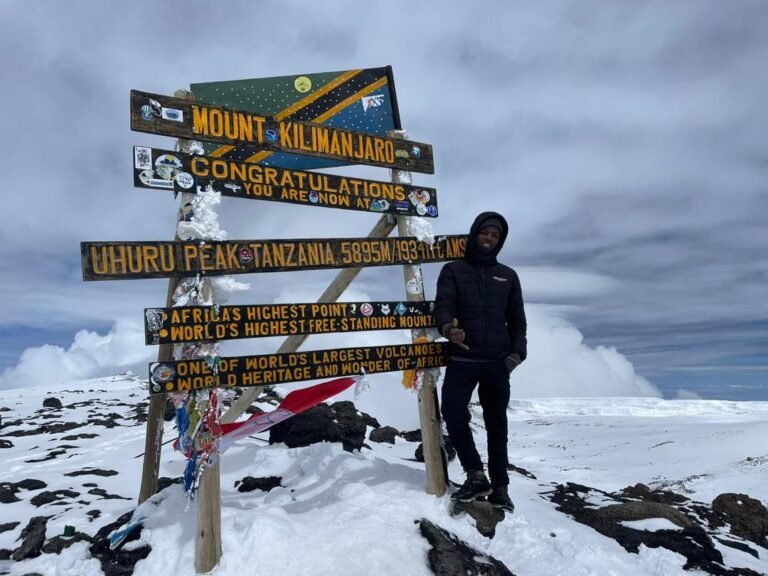
Climbing Kilimanjaro In October: Prices, Weather & Group Dates For 2026-2027
October offers a unique window for climbing Kilimanjaro, bridging the end of the dry season with the start of cooler temperatures. This guide details everything you need to know about...
View package detailsClimbing Kilimanjaro In September : Prices, Weather & Group Dates 2026-2027
September offers a fantastic window for climbing Mount Kilimanjaro, blending dry weather with moderate temperatures. This guide covers everything you need to know about climbing Kilimanjaro...
View package details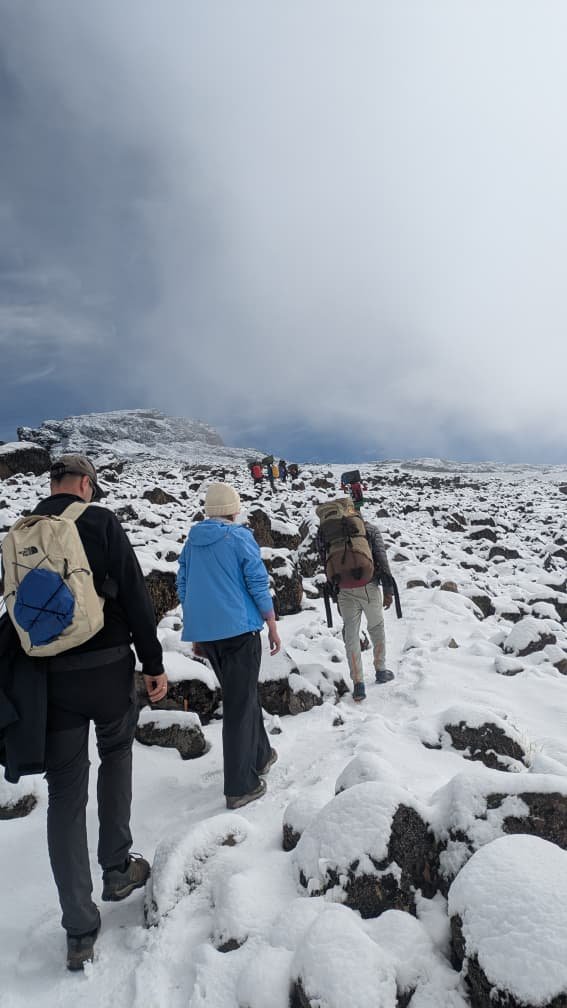
Climbing Kilimanjaro In August: Prices, Weather & Group Dates 2026-2027
Climbing Kilimanjaro in August: Prices, Weather & Group Dates is explained with current 2026-2027 planning, price, itinerary and booking information.
View package details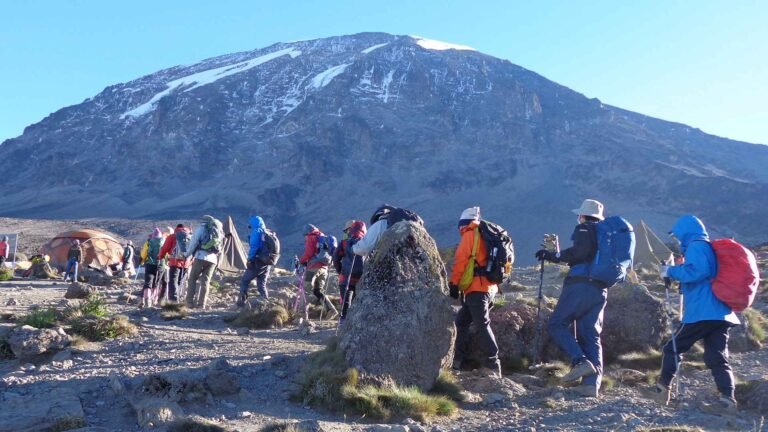
Climbing Kilimanjaro In July: Prices, Weather & Group Dates 2026-2027
Climbing Kilimanjaro in July: Prices, Weather & Group Dates is explained with current 2026-2027 planning, price, itinerary and booking information.
View package detailsClimbing Kilimanjaro In June: Prices, Weather & Group Dates 2026-2027
June offers a prime window for climbing Mount Kilimanjaro, balancing good weather with fewer crowds than the peak dry season. This guide details June's specific weather patterns, typical...
View package details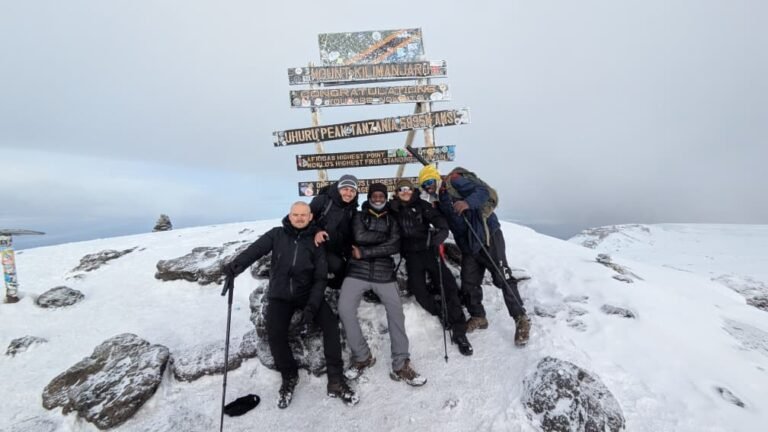
Climbing Kilimanjaro In February: Prices, Weather & Group Dates For 2026-2027
Discover everything you need to know about climbing Kilimanjaro in February, including expected weather patterns, typical costs for 2026-2027, and how to find suitable group departure...
View package details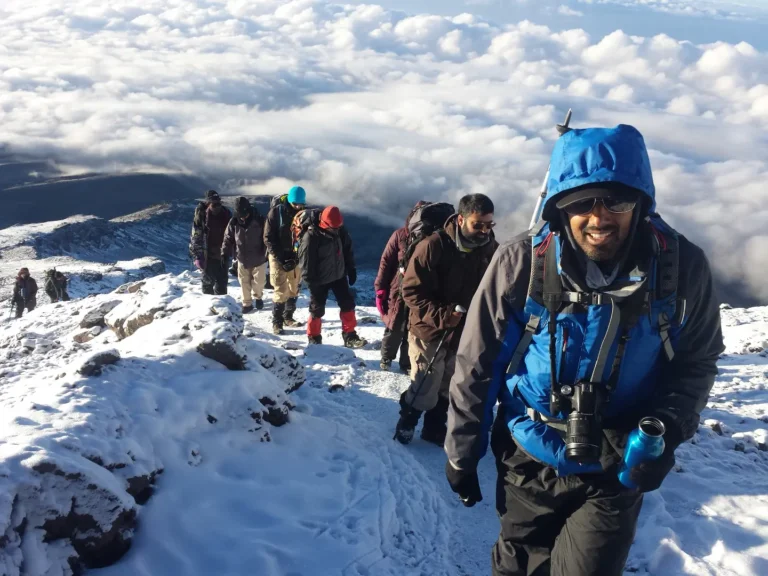
Climbing Kilimanjaro In January: Prices, Weather & Group Dates 2026-2027
Climbing Kilimanjaro in January: Prices, Weather & Group Dates is explained with current 2026-2027 planning, price, itinerary and booking information.
View package details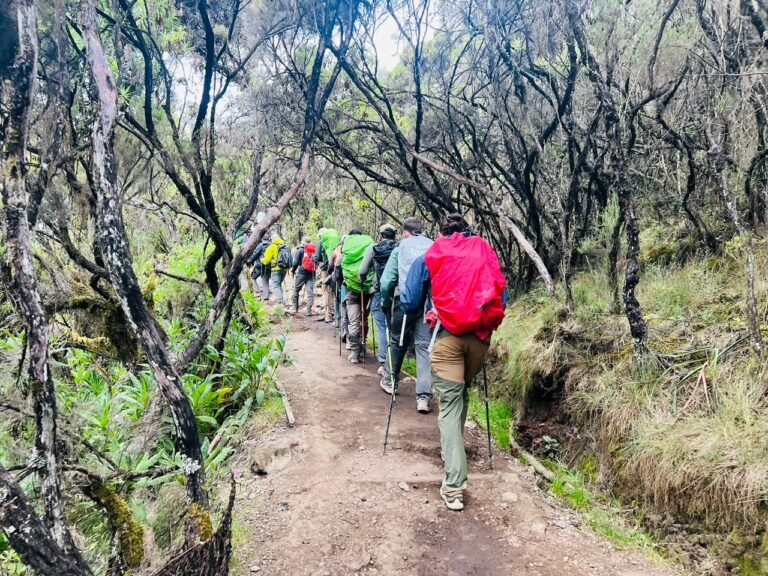
Last-Minute Kilimanjaro Group Joining: Available Dates & Prices For 2026-2027
Discover available last-minute Kilimanjaro group joining dates and pricing for 2026-2027. Climb 4 Africa offers shared expeditions on various routes, providing an economical and social way...
View package details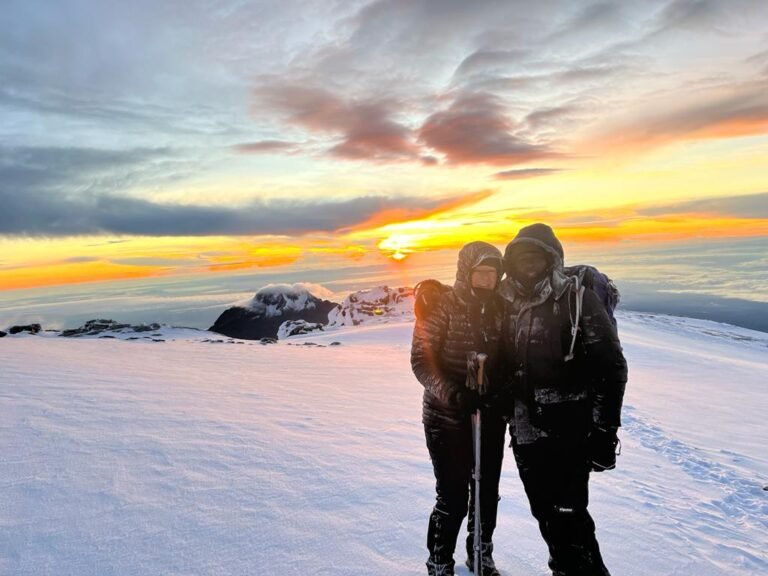
Kilimanjaro Group Departures : Dates, Routes & Prices 2026-2027
Kilimanjaro Group Departures 2026: Dates, Routes & Prices is explained with current 2026-2027 planning, price, itinerary and booking information.
View package details
Rongai Route Kilimanjaro Group Joining Prices & Departure Dates 2026-2027
Discover the best prices and confirmed departure dates for group joining climbs on Kilimanjaro's Rongai Route for 2026 and 2027. This guide details costs, what's included, and how to book...
View package detailsNo related package matches those filters. Clear one or more filters to see the other topic-matched options.



