Generally, a private toilet is not a standard inclusion in the base price for most Kilimanjaro climbs. While some high-end or specialized packages might offer it, the typical Kilimanjaro price covers basic camping equipment, park fees, guides, porters, food, and accommodation in shared tents. Operators like Climb 4 Africa often provide options for private toilet tents as an add-on, allowing climbers to enhance their comfort on the mountain, especially for 2026 and 2027 expeditions.
Understanding What Your Kilimanjaro Price Typically Covers
When you look at the price for climbing Mount Kilimanjaro, it’s essential to understand what’s included and what isn’t. Tour operators structure their packages differently, but a few core components are almost always part of the quoted price. These usually consist of:
- Park Entrance Fees: These are significant and mandated by Kilimanjaro National Park.
- Camping Fees: For overnight stays within the park boundaries.
- Rescue Fees: Essential for your safety on the mountain.
- Guide and Porter Salaries: Experienced local professionals who ensure your climb is safe and successful.
- Food and Water: Nutritious meals prepared by your crew during the trek.
- Tents: Usually, this means a shared sleeping tent for climbers and separate tents for guides and cooks.
- Cooking Equipment: Everything needed to prepare your meals.
- Oxygen Cylinders: For emergency use, carried by guides.
- Transport: To and from the mountain gate and your accommodation in Moshi or Arusha.
What often falls outside this standard inclusion, and where the question of a private toilet arises, relates to creature comforts and optional upgrades. For many trekkers planning their 2026 or 2027 climb, comfort becomes a significant consideration as the climb progresses, particularly during multi-day treks.
The Reality of Toilets on Kilimanjaro
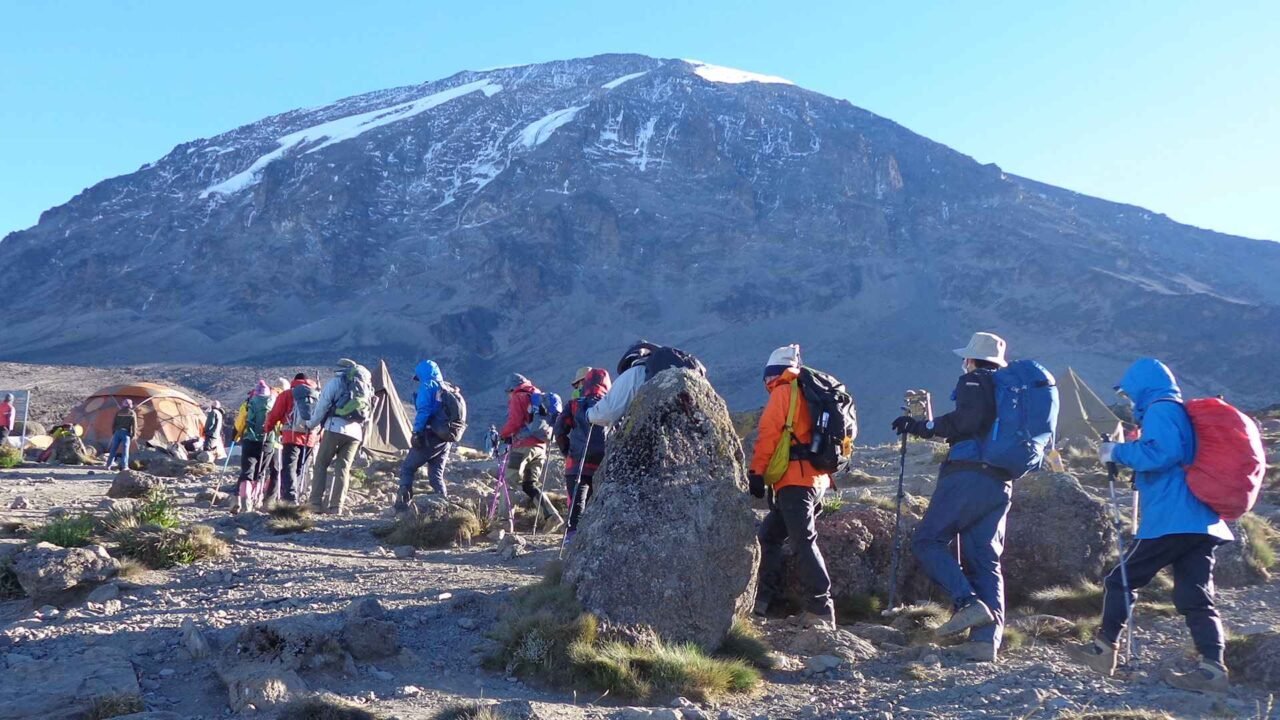
Kilimanjaro is a national park, not a resort. Facilities on the mountain are basic, designed for functionality and safety rather than luxury. As you ascend, the camping sites become more primitive. On most routes, especially during the initial days, you’ll encounter shared pit latrines or long drops at designated campsites. These are often basic structures, sometimes just a hole in the ground with a simple enclosure for privacy.
As you climb higher, even these designated toilet facilities can become scarce or non-existent. This is where the need for personal facilities becomes apparent. Many climbers find the communal toilets unappealing due to hygiene concerns, lack of privacy, or simply their basic nature. This is precisely why the option for a private toilet, often in the form of a portable toilet tent, is so sought after.
Route Variations and Toilet Facilities
The availability and condition of toilets can vary slightly depending on the route you choose:
- Marangu Route: This route is unique as it uses dormitory-style huts for accommodation. While not private toilets in the camping sense, the huts do have basic toilet facilities, often shared among climbers in the same hut. Some huts might have squat toilets or basic flush systems, but again, expectations should be managed regarding cleanliness and modernity.
- Machame, Lemosho, Shira, Rongai, Northern Circuit, and Umbwe Routes: These routes involve camping. Initially, you might find communal pit latrines at the lower, more established campsites. However, as you move higher and camp in more remote areas, these facilities disappear. Porters typically dig a hole for waste disposal away from the campsite, and climbers are expected to use this or carry their own waste out. This is where a private toilet tent becomes invaluable.
For trekkers who have booked a standard package for their 2026 or 2027 Kilimanjaro adventure, understanding these route-specific differences is crucial for planning their comfort needs.
What Exactly is a ‘Private Toilet’ on Kilimanjaro?
When tour operators offer a ‘private toilet’ as an option or sometimes as part of a premium package, they are typically referring to a portable toilet tent. This is a separate, small tent set up exclusively for your use at the campsite. Inside, a portable chemical toilet or a simple bucket system is placed, providing a private and more hygienic solution than the communal facilities.
The setup usually includes:
- The Tent: A free-standing, pop-up tent that offers good privacy and protection from the elements.
- The Toilet Unit: This can be a chemical toilet (like those used in RVs) that holds waste and uses chemicals to break it down and reduce odor, or a more basic system involving a sturdy bucket with a lid and biodegradable bags.
- Hygiene Supplies: While not always included, climbers are often advised to carry their own toilet paper, hand sanitizer, and wet wipes. Some operators might provide a small supply.
This arrangement significantly enhances the trekking experience for those who value privacy and a higher standard of sanitation, especially during the demanding ascents planned for 2026 and 2027.
Is a Private Toilet an Add-On or Included?
This is where the core of the question, “Is a private toilet included in the Kilimanjaro price?” is answered: most often, it is an add-on service. Operators understand that not every climber requires or wants this extra comfort, and it does come with an additional cost. This cost covers the rental of the portable toilet unit and the extra porter required to carry it, along with the tent and associated supplies.
For operators like Climb 4 Africa, transparency is key. They clearly outline what is included in their standard packages and what can be added. A private toilet is typically listed as an optional extra, allowing you to customize your climb to your specific needs and budget for your 2026 or 2027 expedition.
When comparing quotes from different operators, always scrutinize the inclusions list. Some companies might bundle it into a ‘luxury’ or ‘comfort’ package, while others will itemize it. Understanding this distinction is vital to avoid surprises and to accurately budget for your climb.
Factors Influencing the Cost of a Private Toilet
The additional cost for a private toilet isn’t arbitrary. It’s driven by several practical factors related to logistics on Kilimanjaro:
- Equipment Rental: The portable toilet unit itself needs to be sourced, maintained, and transported.
- Extra Porterage: The toilet tent and the toilet unit are bulky and heavy. They require an additional porter to carry them up the mountain. Porters are a significant part of the operational cost of any Kilimanjaro climb, covering their wages, food, gear, and insurance.
- Logistical Complexity: Managing the setup and breakdown of a private toilet tent at each campsite adds a layer of complexity for the support crew.
Therefore, expecting a private toilet to be automatically included in a standard Kilimanjaro price is generally unrealistic. The additional fee reflects the real costs associated with providing this amenity. For climbs scheduled for 2026 and 2027, budgeting an extra $100-$200 (USD) for a private toilet is a reasonable estimate, though actual prices will vary by operator.
Climb 4 Africa’s Approach to Comfort and Inclusions
At Climb 4 Africa, we aim to provide a comfortable and memorable Kilimanjaro experience without compromising safety or the integrity of the trek. We understand that personal comfort plays a significant role in overall enjoyment and success on the mountain.
For our standard Kilimanjaro packages, a private toilet is offered as an optional upgrade. This allows our clients to make an informed decision based on their preferences and budget for their 2026 or 2027 climbs. When you inquire about a climb, our team will clearly explain the cost of adding a private toilet facility.
We believe in transparency and ensuring our clients know exactly what to expect. Our standard inclusions are comprehensive, covering all the essentials for a safe and successful climb. The decision to add a private toilet is a personal one, and we are here to facilitate it if desired.
Important Note on Private Toilets
Even with a private toilet tent, remember that waste disposal on Kilimanjaro is strictly regulated. All human waste must be disposed of properly. Our crews are trained to manage this, either by using designated waste pits or by carrying out solid waste, depending on park regulations and campsite facilities. The private toilet unit itself will be emptied and cleaned by the crew.
Comparing Operators: Is a Private Toilet a Dealbreaker?
When you’re comparing prices and packages from different Kilimanjaro operators for your 2026 or 2027 trek, the inclusion or exclusion of a private toilet is a key point of differentiation. It’s not just about the presence of the facility, but also how it’s priced and presented.
Some operators might advertise lower base prices by excluding the private toilet, expecting climbers to use the basic park facilities. Others might include it as part of a premium package, justifying a higher overall cost. Neither approach is inherently better; it depends on your priorities.
Questions to ask when comparing:
- Is a private toilet included in the base price?
- If not, what is the additional cost for a private toilet tent and unit?
- What type of toilet unit is provided (chemical, bucket)?
- Are hygiene supplies like toilet paper and sanitizer included?
- How is waste managed and disposed of?
By asking these questions, you can ensure you’re making a like-for-like comparison and choosing an operator that aligns with your expectations for comfort and service. For instance, Climb 4 Africa provides clear breakdowns, allowing you to make an informed choice.
Choosing Your Kilimanjaro Route with Comfort in Mind
The route you select for your Kilimanjaro climb in 2026 or 2027 can also influence your decision regarding a private toilet. As mentioned, the Marangu route offers hut accommodations with basic toilet facilities, which might suffice for some. However, for the camping routes (Machame, Lemosho, etc.), the difference a private toilet makes can be substantial, especially on longer treks like the Northern Circuit.
Consider the duration:
- Shorter Climbs (5-6 days): Some trekkers might manage with communal facilities, especially if they are accustomed to basic camping.
- Longer Climbs (7-9 days): On extended treks, the cumulative effect of basic facilities can lead to discomfort or even hygiene issues. A private toilet can significantly improve the quality of life during these longer expeditions.
If you are planning a longer climb in 2026 or 2027 and prioritize comfort, budgeting for a private toilet is highly recommended. It’s a small investment for a significant improvement in your daily experience on the mountain.
The Practicalities of Using a Private Toilet on Kilimanjaro
Using a private toilet tent on Kilimanjaro is straightforward but requires a bit of mindfulness. Here’s what to expect:
- Setup: Your crew will set up the tent at each campsite. It’s usually placed conveniently near your sleeping tent.
- Usage: Simply enter the tent and use the portable toilet. If it’s a chemical toilet, the chemicals help manage odor and break down waste. If it’s a bucket system, you might use biodegradable bags.
- Hygiene: Always use hand sanitizer or wash your hands thoroughly after each use. Carry your own supply of toilet paper and wet wipes.
- Maintenance: The crew is responsible for emptying and cleaning the toilet unit, usually at the end of each day or morning, and preparing it for the next use. They will also ensure the tent is packed away each morning.
- Waste Disposal: The collected waste is transported down the mountain by the crew and disposed of according to park regulations, typically at designated waste management points in Moshi.
It’s a service that allows you to maintain a level of privacy and hygiene that the standard mountain facilities simply cannot offer. For many, especially those less accustomed to rugged camping or with specific hygiene needs, this makes a world of difference to their Kilimanjaro experience in 2026 or 2027.
When Might You Skip the Private Toilet?
While a private toilet offers significant benefits, it’s not essential for everyone. Here are scenarios where you might decide against it:
- Budget Constraints: If you are on a very tight budget, the additional cost might be better allocated elsewhere, such as higher quality gear rental or extra snacks.
- Minimalist Approach: Some trekkers embrace the ruggedness of the mountain and are comfortable using basic facilities or digging their own ‘cat holes’ (where permitted and appropriate).
- Short Climbs: For a 5-day climb, the duration might not feel long enough to warrant the extra expense for the limited time you’ll be using it.
- Marangu Route: As it uses huts with some toilet facilities, the need for a private toilet might be less pressing compared to camping routes.
Ultimately, the decision is personal. Climb 4 Africa provides the choice, empowering you to tailor your trek.
The Role of Porters in Providing Private Toilets
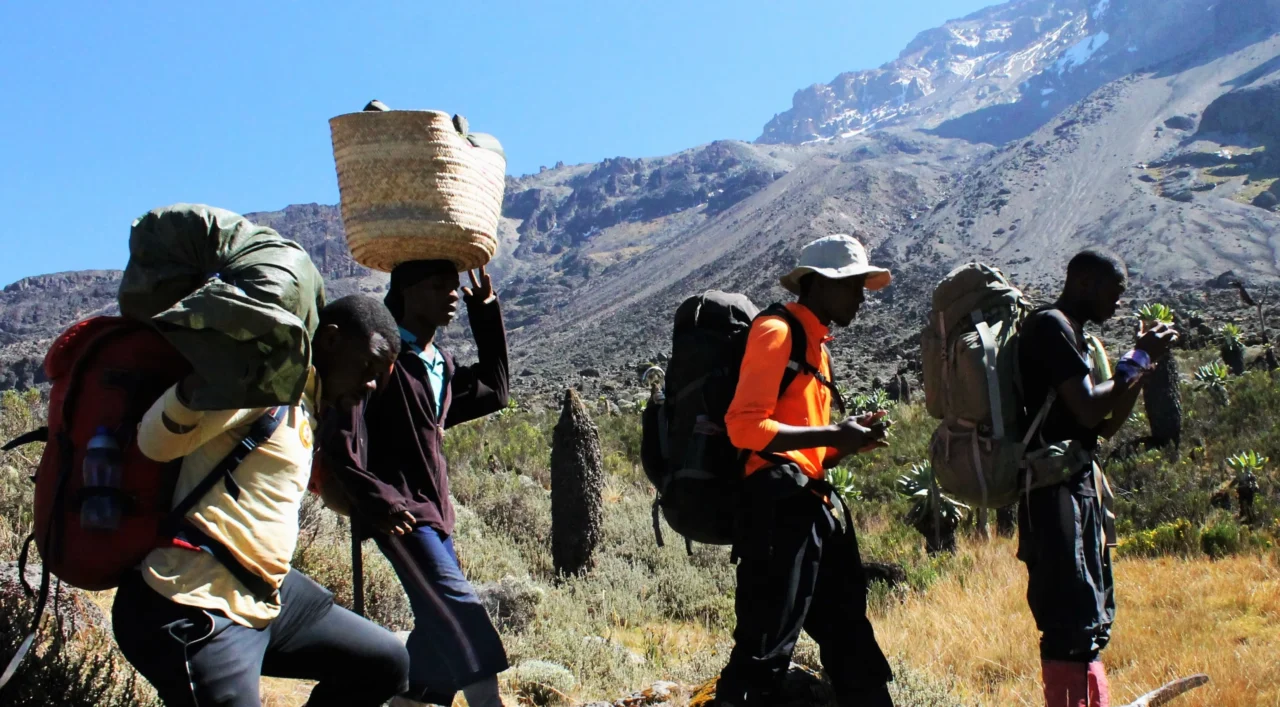
It’s crucial to recognize the significant role porters play in enabling the ‘private toilet’ service. These individuals are the backbone of Kilimanjaro expeditions. When you opt for a private toilet, you are essentially adding to their load and workload.
The portable toilet unit and the tent are bulky items. A porter dedicated to carrying this equipment will have a different daily routine compared to those carrying tents, food, and cooking gear. They must ensure the toilet is set up correctly at each campsite and packed away efficiently the next morning.
This highlights why the additional cost is necessary. It directly compensates the porter for the extra effort and responsibility. When considering if a private toilet is included in your Kilimanjaro price, remember that it involves specialized logistics and dedicated personnel, which naturally incurs extra charges.
Ethical Porter Care and Pricing
At Climb 4 Africa, we are committed to ethical treatment of our mountain crew. This means fair wages, adequate food, proper gear, and appropriate insurance for all our guides and porters. The pricing for optional extras like private toilets reflects not only the equipment but also ensures our crew is fairly compensated for the added work.
When you choose an operator, inquire about their porter welfare policies. A company that prioritizes ethical treatment is more likely to provide a reliable and high-quality service overall, including the provision of comforts like private toilets if you choose them for your 2026 or 2027 climb.
Maximizing Comfort on Your Kilimanjaro Climb (Beyond Toilets)
While a private toilet significantly boosts comfort, it’s just one aspect of a well-managed Kilimanjaro trek. For your 2026 or 2027 expedition, consider these other factors:
- Quality of Tents: Ensure your operator provides good quality, waterproof sleeping tents with adequate space.
- Sleeping Mats: Comfortable sleeping mats are crucial for a good night’s rest. Some operators provide basic mats, while others recommend bringing your own inflatable one.
- Food Quality: Nutritious and varied meals are vital for energy and morale. Look for operators who emphasize this.
- Guide Experience: Experienced guides are not only safer but also better at managing the group’s pace, acclimatization, and overall well-being.
- Porter Support Ratio: A good ratio ensures that porters are not overburdened and can focus on their tasks efficiently.
By focusing on these elements alongside the comfort of a private toilet, you can ensure a more enjoyable and successful climb.
Preparing for Basic Facilities
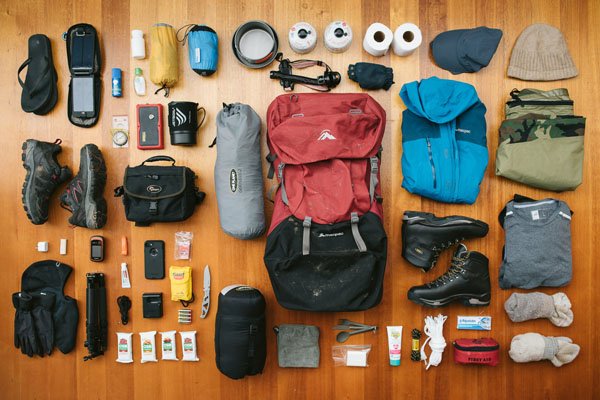
Even if you opt for a private toilet, it’s wise to be mentally prepared for basic facilities. There might be days when the private toilet isn’t immediately available due to logistical challenges, or you might need to use a communal toilet at a busy park gate or ranger station. Packing essentials can help:
- Hand Sanitizer: Keep a small bottle readily accessible in your daypack.
- Wet Wipes: Excellent for personal hygiene when water is scarce.
- Toilet Paper: Always carry your own supply.
- Small Bag for ‘Pack It Out’: For any personal hygiene products you use, to be packed out and disposed of properly.
This preparedness ensures you can handle any situation comfortably during your 2026 or 2027 Kilimanjaro climb.
Is a Private Toilet Included in the Kilimanjaro Price for 2026-2027? Final Thoughts
To reiterate the core question: Is a private toilet included in the Kilimanjaro price? The answer is typically no, not in the standard, budget-friendly packages. However, it is a widely available and highly recommended optional upgrade for those seeking greater comfort and privacy on their trek.
When planning your Kilimanjaro adventure for 2026 or 2027, carefully review the inclusions of any package you consider. Understand that the base price covers the essential operational costs of the climb. Enhancements like private toilets, which require additional equipment and porterage, are usually itemized separately.
Climb 4 Africa is dedicated to helping you plan the perfect Kilimanjaro climb. We provide clear information on all inclusions and optional extras, including private toilet facilities. Our goal is to ensure you have all the necessary information to make informed decisions, budget effectively, and prepare for a safe, enjoyable, and comfortable expedition to the Roof of Africa.
For personalized advice on packages, inclusions, and the benefits of a private toilet for your specific climb dates in 2026 or 2027, please do not hesitate to contact us. We are here to make your dream climb a reality.
Contact Climb 4 Africa:
- WhatsApp: +255 747 477 898
- Email: climb4africa@gmail.com
- Website: climb4africa.com
We look forward to helping you plan an unforgettable Kilimanjaro experience in 2026 or 2027!
Check Availability for Is A Private Toilet Included In The Kilimanjaro Price? 2026-2027
Ready to compare dates, prices, and the best option for your group? Send the package name and travel month so the team can reply with a clear quote, availability, and what is included.
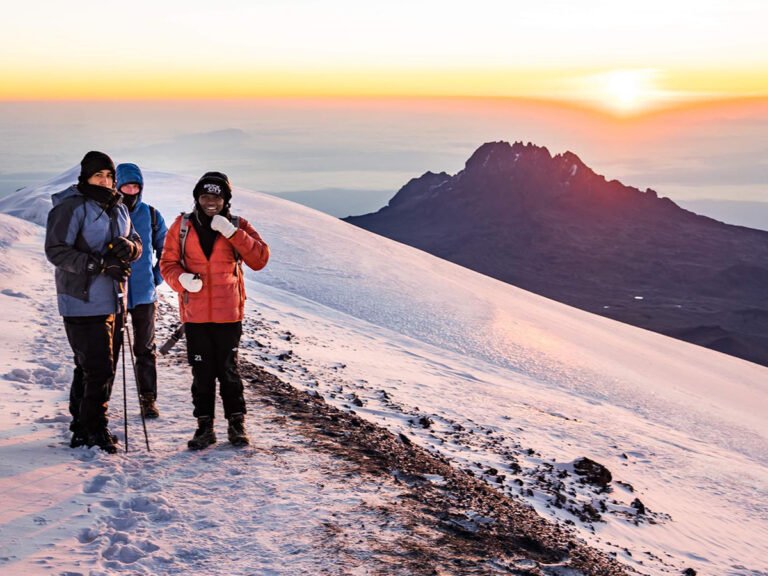
Private Northern Circuit Cost: Price Per Person For Your Kilimanjaro Adventure
Discover the factors influencing the price per person for a private Northern Circuit climb on Kilimanjaro. This guide details costs for 2026-2027, inclusions, and how to get a tailored...
View package details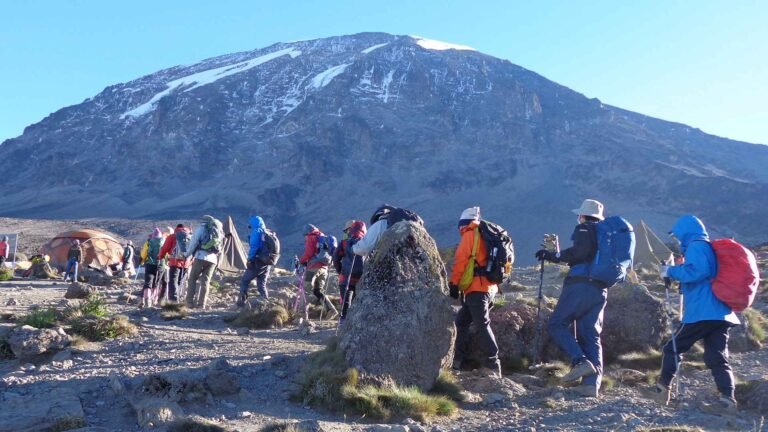
How Much Does A Private Kilimanjaro Climb Cost In ? 2026-2027
Planning a private ascent of Mount Kilimanjaro? Understand the factors that influence the cost of a private climb, typical price ranges for 2026-2027, and what's usually included to help...
View package details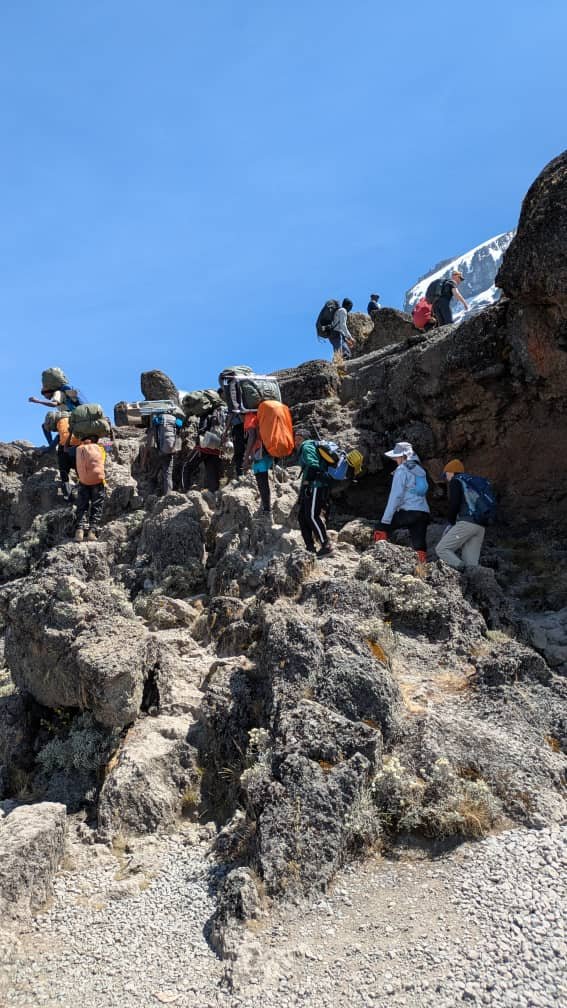
Are Kilimanjaro Group Climbs Cheaper Than Private Climbs? 2026-2027
Are Kilimanjaro group climbs cheaper than private climbs? is explained with current 2026-2027 planning, price, itinerary and booking information.
View package details
Kilimanjaro Group Climb Vs Solo Private Trek: Which Is Cheaper? 2026-2027
Kilimanjaro Group Climb vs Solo Private Trek: Which Is Cheaper? is explained with current 2026-2027 planning, price, itinerary and booking information.
View package details
Private Kilimanjaro & Serengeti Safari Cost Per Person | Climb 4 Africa
Planning a private Kilimanjaro and Serengeti safari is a significant investment. This guide details the estimated cost per person for 2026-2027, breaking down the factors that influence...
View package details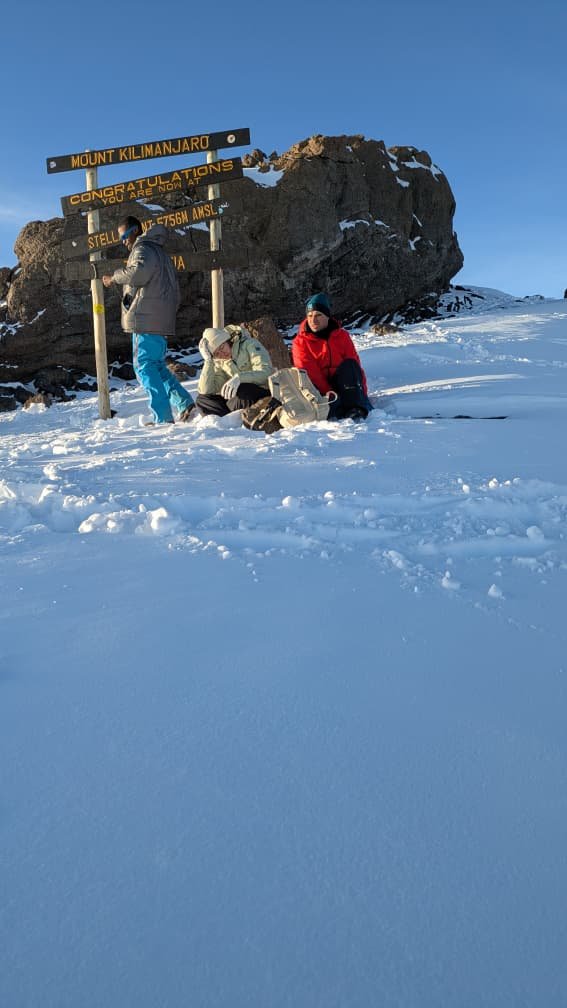
Private Kilimanjaro Day Hike Cost Per Person : What To Expect 2026-2027
Planning a private Kilimanjaro day hike? Understand the cost per person for 2026-2027, factoring in route, duration, inclusions, and operator differences. Get a clear picture of your...
View package details
Private Rongai Route Cost & Price Per Person For Climbs 2026-2027
Planning a private climb up Kilimanjaro via the Rongai Route in 2026 or 2027? This guide breaks down the private Rongai Route cost per person, detailing what influences the price, what's...
View package detailsIs Emergency Oxygen Included In Kilimanjaro Climbing Price? Climb 4 Africa
Climb 4 Africa clarifies whether emergency oxygen is part of the standard Kilimanjaro climbing package price, detailing what's typically included and why it's crucial for safety on the...
View package details
Are Kilimanjaro Park Fees Included In The Package Price? Your Guide 2026-2027
Understand whether Kilimanjaro park fees are part of your climb package price. This guide provides essential details for trekkers planning their 2026-2027 adventure, covering what's...
View package details
What Is Not Included In Most Kilimanjaro Climbing Prices? Guide 2026-2027
Many Kilimanjaro climbing packages seem all-inclusive, but several crucial items are often left out of the advertised price. This guide details what you should expect to pay extra for...
View package details
How Early Should I Book Kilimanjaro For The Best Price? Planning 2026-2027
Planning a Kilimanjaro climb for 2026 or 2027? Learn the optimal booking window to secure the best prices and availability. This guide covers everything from early bird specials to...
View package details
Are Porters Included In Kilimanjaro Package Costs? A Climb 4 Africa Guide
Understand the critical role of porters on Kilimanjaro and whether they are typically included in tour package costs. This guide from Climb 4 Africa provides essential details for planning...
View package detailsNo related package matches those filters. Clear one or more filters to see the other topic-matched options.



