Understanding Kilimanjaro guide and porter costs for 2026-2027 is crucial for budget planning, involving daily wages, equipment provision, food, park fees, and operator overheads. Expect to pay approximately $20-$40 per day for a lead guide, $15-$30 per day for an assistant guide, and $10-$20 per day for a porter, though these figures are often bundled into your overall trek package, with operators bearing the direct payment responsibility. The final cost is influenced by the trek duration, route, operator’s ethical standards, and the quality of support provided to your climbing crew.

The True Cost of Kilimanjaro Crew: Beyond Daily Wages
When planning your ascent of Kilimanjaro, the spotlight often falls on your personal expenses: flights, gear, and the tour operator’s package price. However, a significant portion of your trek cost directly supports the dedicated individuals who make your climb possible – your guides and porters. While you typically pay a single package fee to your tour operator, understanding the breakdown of Kilimanjaro guide and porter costs is essential for appreciating the value you receive and for ensuring you choose an operator committed to ethical treatment and fair compensation. This deep dive will explore the components that constitute these costs for climbs planned for 2026 and 2027, helping you make informed decisions.
It’s vital to recognize that the stated daily wages are just one piece of the puzzle. Responsible tour operators go far beyond simply paying a salary. They are responsible for providing essential equipment, ensuring adequate food and water, covering park entry and camping fees for their crew, and offering medical support. Furthermore, they invest in training, insurance, and ensuring that their staff are treated with respect and dignity throughout the expedition. This comprehensive approach is reflected in the overall price of a Kilimanjaro climb and is a key differentiator between budget operators and those committed to high standards of safety and crew welfare.
Understanding the Roles: Guides vs. Porters on Kilimanjaro
Before dissecting the costs, let’s clarify the distinct roles of guides and porters on Mount Kilimanjaro. This distinction is important, as their responsibilities and, consequently, their compensation structures can differ.
Lead Guides & Assistant Guides: The Expedition Leaders
Your guiding team is responsible for the overall success and safety of your trek. They are highly experienced mountaineers with intimate knowledge of Kilimanjaro’s routes, weather patterns, and altitude-related illnesses. Their duties include:
- Route Navigation: Ensuring you stay on the correct path, especially in challenging conditions.
- Pace Management: Setting a sustainable pace for the group to aid acclimatization.
- Health Monitoring: Constantly assessing climbers for signs of altitude sickness and other health issues.
- Decision Making: Making critical decisions regarding safety, such as turning back if conditions deteriorate or a climber’s health is compromised.
- Team Coordination: Managing the entire team, including porters, cooks, and fellow guides.
- Morale Boosting: Providing encouragement and support to keep spirits high.
Lead guides typically have more experience and may hold advanced certifications. Assistant guides work under the lead guide, providing additional support and supervision, particularly for larger groups. The ratio of guides to clients is usually 1:1 or 1:2 for lead guides and 1:3 or 1:4 for assistant guides, depending on the operator and route.
Porters: The Backbone of the Expedition
Porters are indispensable members of the climbing team. Their primary role is to carry the bulk of the equipment, including tents, food, cooking supplies, water, and communal gear. They also often carry personal items for clients, up to a specified weight limit. Their responsibilities include:
- Gear Transport: Carrying heavy loads efficiently and safely up the mountain.
- Campsite Setup: Assisting in setting up tents and establishing the campsite each day.
- Water Carrying: Transporting water from sources to the campsite.
- Trail Maintenance: Sometimes helping to clear minor obstructions on the path.
- Client Support: Providing general assistance to climbers when needed.
A common ratio is one porter for every two climbers, although some operators may assign one porter per climber for heavier loads or more challenging routes. The Kilimanjaro National Park Authority (KINAPA) has regulations regarding porter loads to ensure their safety and well-being.
Direct Costs: Daily Wages for Kilimanjaro Crew
The most straightforward component of Kilimanjaro guide and porter costs is their daily wage. These wages are paid by the tour operator for each day the crew member works on the mountain, typically from the start of the trek until completion.
For treks planned in 2026 and 2027, you can expect the following approximate daily wages, though these are subject to change based on inflation, operator policies, and park regulations:
- Lead Guide: $25 – $40 USD per day. This reflects their extensive experience, responsibility, and training.
- Assistant Guide: $18 – $30 USD per day. Slightly lower than lead guides, but still a significant wage for their crucial role.
- Porter: $12 – $20 USD per day. While the lowest daily wage, porters are the most numerous, making their collective wages a substantial part of the operational cost.
Important Note: These are direct wages paid by the operator. They do not include the tips you will give them at the end of the climb, which are a separate and essential part of their overall income. We will discuss tipping in detail later.
The duration of the trek significantly impacts the total wage bill. A 7-day Lemosho climb will incur more in daily wages for the crew than a 5-day Marangu climb, assuming the same crew size and daily rates.
Indirect Costs: Essential Provisions and Support
Beyond the daily wages, responsible operators incur substantial costs to ensure the well-being and effectiveness of their Kilimanjaro guide and porter teams. These indirect costs are often overlooked but are critical for a safe and ethical climb.
1. Food and Nutrition
Feeding the entire crew for the duration of the trek is a significant expense. Guides, porters, and cooks are provided with three main meals a day, plus snacks and hot drinks. The quality and quantity of food are crucial for maintaining energy levels and morale. Operators must source fresh produce, grains, and other supplies, which involves logistical challenges and costs, especially at higher altitudes.
- Sourcing: Purchasing food from local markets and suppliers, supporting the local economy.
- Logistics: Transporting food to the mountain gate and then up to the campsites.
- Cooking: Employing dedicated cooks who prepare meals using portable stoves and equipment.
- Dietary Needs: Catering to any specific dietary requirements within the crew.
The cost of food per crew member per day can range from $10 to $20 USD, depending on the quality and type of meals provided.
2. Equipment Provision and Maintenance
Tour operators are responsible for providing essential equipment for their crew, which includes:
- Tents: High-quality, four-season tents suitable for extreme mountain conditions.
- Sleeping Bags: Warm sleeping bags rated for sub-zero temperatures.
- Sleeping Mats: Insulated mats for comfort and warmth.
- Cooking Gear: Stoves, fuel, pots, pans, and utensils.
- First-Aid Kits: Comprehensive medical supplies for the crew.
- Communication Devices: Radios or satellite phones for emergency communication.
- Clothing: Often, operators provide specific items like waterproof jackets or boots, or ensure their crew has adequate personal gear.
The cost of purchasing, maintaining, and replacing this equipment represents a significant investment. A single four-season tent can cost several hundred dollars, and a full set of gear for a large crew represents a substantial capital outlay.
3. Park Fees and Permits for Crew
While climbers pay their own park entrance fees, camping fees, and rescue fees, responsible operators also cover these costs for their guides and porters. These fees are set by Kilimanjaro National Park (KINAPA) and can add up significantly for a large crew over multiple days.
For 2026-2027 climbs, these fees are substantial and are a mandatory part of the operational cost for any legitimate operator. They are essential for park conservation and infrastructure.
4. Transportation
Getting the crew, equipment, and supplies to the mountain gate requires transportation. This includes vehicles to transport the team from Moshi or Arusha to the various park gates (e.g., Marangu Gate, Machame Gate, Lemosho Gate). The cost of fuel, vehicle maintenance, and driver’s wages are all factored into the overall operational expenses.
5. Insurance and Worker’s Compensation
Ethical operators provide insurance for their guides and porters, covering accidents, injuries, and medical emergencies on the mountain. This is a critical aspect of responsible trekking. While not always explicitly detailed in package prices, the cost of ensuring adequate coverage is borne by the operator. This might include covering medical evacuation and treatment costs for their staff.
6. Training and Development
Reputable companies invest in the continuous training and professional development of their guides. This can include wilderness first aid courses, advanced mountaineering techniques, and environmental awareness training. While this is an investment in human capital, it contributes to the overall quality and safety of the service provided.
The Impact of Operator Choice on Kilimanjaro Guide & Porter Costs
The choice of tour operator has a profound impact on the actual costs incurred for your Kilimanjaro guide and porter teams, even if these costs are bundled into your package price. Operators differ significantly in their approach to crew welfare, which directly influences their operational expenses and, consequently, their pricing.
Budget Operators vs. Mid-Range/Premium Operators
Budget Operators:
- May offer lower daily wages to their crew.
- May cut corners on the quality and quantity of food provided to the crew.
- Might provide less comprehensive or lower-quality equipment.
- Could have higher porter-to-client ratios to reduce overall wage costs.
- May not provide adequate insurance or medical support for their staff.
- Often operate with minimal overheads, potentially leading to less experienced guiding staff or less robust safety protocols.
Mid-Range & Premium Operators:
- Pay wages that meet or exceed industry standards and park regulations.
- Provide high-quality, nutritious meals for the entire crew.
- Invest in durable, well-maintained equipment for staff.
- Maintain appropriate and safe crew-to-client ratios, often prioritizing climber safety and comfort.
- Offer comprehensive insurance and medical support for guides and porters.
- Invest in training and professional development for their staff.
- Ensure adherence to ethical climbing guidelines, such as those promoted by KPAP (Kilimanjaro Porters Assistance Project).
Consequently, while a budget operator might advertise a significantly lower trek price, a substantial portion of that saving often comes at the expense of the crew’s well-being. For a 2026 or 2027 climb, choosing a reputable operator that prioritizes ethical treatment means investing in a safer, more enjoyable, and socially responsible experience. The Kilimanjaro guide and porter costs, when managed ethically, are a significant factor in the overall tour price.
Ethical Trekking and Crew Welfare
Organizations like the Kilimanjaro Porters Assistance Project (KPAP) work to ensure that porters are treated fairly. Reputable tour operators often partner with or follow the guidelines set by KPAP. This includes ensuring proper wages, adequate food, appropriate clothing and shelter, and reasonable load limits. When selecting an operator for your 2026-2027 Kilimanjaro climb, look for those who are transparent about their crew welfare policies and ideally are KPAP partners. This commitment is a key indicator of responsible Kilimanjaro guide and porter costs management.
Kilimanjaro Tipping: A Crucial Part of Crew Income
Tipping your Kilimanjaro guides, porters, and cooks is a customary and expected practice. It forms a significant portion of their overall earnings, often exceeding their base wages. While the tour operator covers the direct costs of their employment, tips are a direct expression of gratitude from the climber for their hard work and dedication.
Understanding the tipping structure is vital for budgeting your climb. For 2026-2027 treks, the recommended tipping guidelines are as follows. These are based on figures often suggested by KPAP and reputable operators. Always check with your specific operator for their recommendations.
Recommended Tipping Guidelines (Per Climber, Per Day)
These figures are approximate and can vary. It’s generally recommended to tip the crew in USD.
| Role | Recommended Tip Range (USD per day) | Total for a 7-Day Trek (Approx.) |
|---|---|---|
| Lead Guide | $25 – $35 | $175 – $245 |
| Assistant Guide | $18 – $25 | $126 – $175 |
| Cook | $15 – $20 | $105 – $140 |
| Porter | $12 – $18 | $84 – $126 |
Total Recommended Tips for a 7-Day Trek: Approximately $490 – $686 USD per climber.
For longer treks (e.g., 8-9 days), these amounts will naturally increase. For example, on a 9-day trek, the total tips could range from approximately $650 – $900 USD per climber.
How to Distribute Tips
Tips are usually pooled and distributed at the end of the trek at Mweka Gate or the hotel. Your lead guide will typically manage this process, ensuring fair distribution among the crew members. It’s common practice to:
- Tip as a group: It’s often easier and more equitable for climbers to contribute to a collective tip pool, managed by a group representative or the lead guide.
- Individual tokens of appreciation: While the main tips are pooled, some climbers may choose to give a small, personal tip to a specific crew member who provided exceptional service.
- Separate envelopes: Sometimes, tips are placed in individual envelopes for each crew member to ensure they receive them directly.
Crucially, tips should be given in USD, as this is the most widely accepted currency and easiest for the crew to manage. Ensure you carry enough cash in smaller denominations for tipping.
What Your Tips Cover
Your tips contribute directly to the crew’s income, helping them support their families and communities. They are a recognition of their hard work, resilience, and the vital role they play in your Kilimanjaro adventure. The Kilimanjaro guide and porter costs are significantly augmented by these tips, making them a critical part of the overall financial ecosystem of the climb.
Factors Influencing Kilimanjaro Guide & Porter Costs
Several variables can influence the overall costs associated with hiring guides and porters for your Kilimanjaro climb. Understanding these factors will help you better interpret pricing from different operators for your 2026-2027 expedition.
1. Route Choice
Different routes have varying durations and logistical complexities, which affect crew costs:
- Shorter Routes (e.g., Marangu, Rongai): Typically 5-6 days. These require fewer days of crew employment, potentially lowering overall costs.
- Longer Routes (e.g., Lemosho, Machame, Northern Circuit): Typically 7-9+ days. These routes require more days on the mountain, increasing the total wages, food, and equipment costs for the crew. However, longer routes generally offer better acclimatization profiles, leading to higher success rates.
2. Number of Crew Members (Crew-to-Client Ratio)
A higher ratio of guides and porters to clients generally means more crew members per climber. This increases the total daily wage bill and the amount of food and equipment needed. While this might seem more expensive, a better ratio often translates to:
- Enhanced Safety: More eyes watching for signs of altitude sickness.
- Improved Comfort: Less load per porter, meaning they are less fatigued and can move more safely.
- Better Support: More personal attention for climbers.
Reputable operators maintain optimal ratios, which are reflected in their pricing. For instance, a 1:1 guide-to-client ratio and a 1:2 porter-to-client ratio are common for quality operators.
3. Operator’s Ethical Standards and Reputation
As discussed, operators committed to fair wages, proper gear, adequate food, and insurance for their crew will naturally have higher operational costs. This directly influences the Kilimanjaro guide and porter costs embedded within their package prices. A higher price from a reputable operator often signifies better crew welfare and a more reliable, safer expedition.
4. Inclusions in the Package
What is included in your tour package can affect the perceived cost. Some operators might have lower base prices but charge extra for:
- Park fees (though usually included for crew by responsible operators).
- Accommodation before and after the climb.
- Airport transfers.
- Group equipment rental (e.g., duffel bags, waterproof ponchos).
Ensure you compare what is included in the total price when evaluating different operators for your 2026-2027 climb.
5. Seasonality
While Kilimanjaro doesn’t have extreme off-seasons like some destinations, there are peak climbing periods (e.g., January-March, June-October) and shoulder/rainy seasons (April-May, November-December). During peak seasons, demand is higher, and operators might adjust pricing slightly, although daily crew wages typically remain stable. The primary impact of season on crew costs is usually related to the overall demand and availability of experienced staff.
Calculating Your Total Kilimanjaro Trek Budget (Including Crew Costs)
To create a realistic budget for your Kilimanjaro climb in 2026 or 2027, you need to consider all potential expenses, not just the operator’s package price. The Kilimanjaro guide and porter costs are largely embedded within the package, but tipping is a separate, significant expense.
Estimated Cost Breakdown (Per Person for a 7-Day Trek)
- Tour Operator Package: $1,800 – $4,500+ USD (Varies widely based on operator, route, and inclusions). This covers your guides, porters, food, accommodation on the mountain, park fees, and logistics.
- Tipping: $500 – $700 USD (Recommended minimum for a 7-day trek). This is a crucial part of the crew’s income.
- Flights: Variable, depending on origin.
- Visas: Approx. $50-$100 USD for Tanzania.
- Travel Insurance: Approx. $100 – $300 USD (Must cover high-altitude trekking and emergency evacuation).
- Gear Rental/Purchase: $200 – $800+ USD (If you need to buy or rent significant items like boots, sleeping bags, jackets).
- Vaccinations & Medications: Variable.
- Spending Money: For souvenirs, drinks, etc.
Total Estimated Cost (Excluding Flights): $2,650 – $6,300+ USD
The Kilimanjaro guide and porter costs are a substantial component of the operator’s package price, often accounting for 40-60% of the total cost. When you add the essential tipping component, the investment in the crew becomes even more apparent. Prioritizing operators who are transparent about their crew welfare ensures that this significant portion of your budget is used ethically and contributes positively to the local community.
Frequently Asked Questions About Kilimanjaro Crew Costs
Here are answers to common questions regarding the costs associated with Kilimanjaro guides and porters.
Q1: Do I pay the guides and porters directly, or does the operator handle it?
You typically pay the full tour package price to your chosen operator. The operator then handles the direct payment of wages, provision of food, equipment, and other expenses for the guides and porters. Your tips, however, are given directly to the crew at the end of the climb as a personal thank you.
Q2: Are park fees included for guides and porters in the package price?
Reputable and ethical tour operators always include park fees, camping fees, and rescue fees for their entire crew in the package price. This is a non-negotiable aspect of responsible trekking. Always confirm this with your operator.
Q3: How much should I budget for tips for my Kilimanjaro crew in 2026-2027?
For a standard 7-day trek, budget approximately $500 – $700 USD per person for tips. This is a guideline, and actual amounts can vary based on trek duration, crew size, and your satisfaction with the service. For longer treks, this amount will increase proportionally.
Q4: Can I negotiate the cost of the trek or the crew’s wages?
You should not attempt to negotiate the package price with reputable operators, as their pricing reflects fair wages and ethical treatment for their crew. Negotiating directly with guides or porters for lower wages is unethical and undermines the efforts of organizations working to improve porter welfare.
Q5: What happens if a guide or porter gets sick or injured?
Responsible operators provide medical support and insurance for their crew. This includes first aid on the mountain and arrangements for evacuation and treatment if necessary. These costs are covered by the operator and are factored into their pricing. Ensure your operator has clear protocols for crew medical emergencies.
Q6: Is it cheaper to hire guides and porters independently?
While it might seem cheaper on the surface, hiring independently often bypasses established safety protocols, insurance, and ethical wage structures. It can be risky and is generally not recommended. Relying on established, reputable tour operators ensures that the Kilimanjaro guide and porter costs are managed professionally and ethically, providing a safer and more reliable experience.
Planning Your 2026-2027 Kilimanjaro Climb with Confidence
Climbing Kilimanjaro is a significant undertaking, and understanding the costs associated with the expedition, particularly those related to your invaluable support crew, is paramount. The Kilimanjaro guide and porter costs are not just line items; they represent the investment in the safety, expertise, and well-being of the people who will guide you to the Roof of Africa.
For your 2026 or 2027 climb, prioritize operators who are transparent about their pricing, crew welfare policies, and tipping guidelines. Look for partners of organizations like KPAP, and read reviews that specifically mention crew treatment and support.
At Climb 4 Africa, we are committed to ethical trekking practices. We ensure our guides and porters receive fair wages, are well-equipped, properly fed, and treated with the respect they deserve. We believe that a successful climb is a partnership, and the well-being of our crew is fundamental to that success.
To discuss your Kilimanjaro adventure, inquire about specific itineraries for 2026-2027, or get a detailed quote that reflects ethical crew costs and inclusions, please reach out to us. We are here to help you plan a memorable and responsible journey.
Contact us via WhatsApp at +255 747 477 898 or email us at climb4africa@gmail.com. Let’s make your Kilimanjaro dream a reality.
Check Availability for Kilimanjaro Guide & Porter Costs Explained For Climbs 2026-2027
Ready to compare dates, prices, and the best option for your group? Send the package name and travel month so the team can reply with a clear quote, availability, and what is included.
Are Porters Included In Kilimanjaro Package Costs? A Climb 4 Africa Guide
Understand the critical role of porters on Kilimanjaro and whether they are typically included in tour package costs. This guide from Climb 4 Africa provides essential details for planning...
View package details
Kilimanjaro Cancellation, Refund & Rescheduling Costs Explained 2026-2027
Kilimanjaro Cancellation, Refund & Rescheduling Costs Explained is explained with current 2026-2027 planning, price, itinerary and booking information.
View package details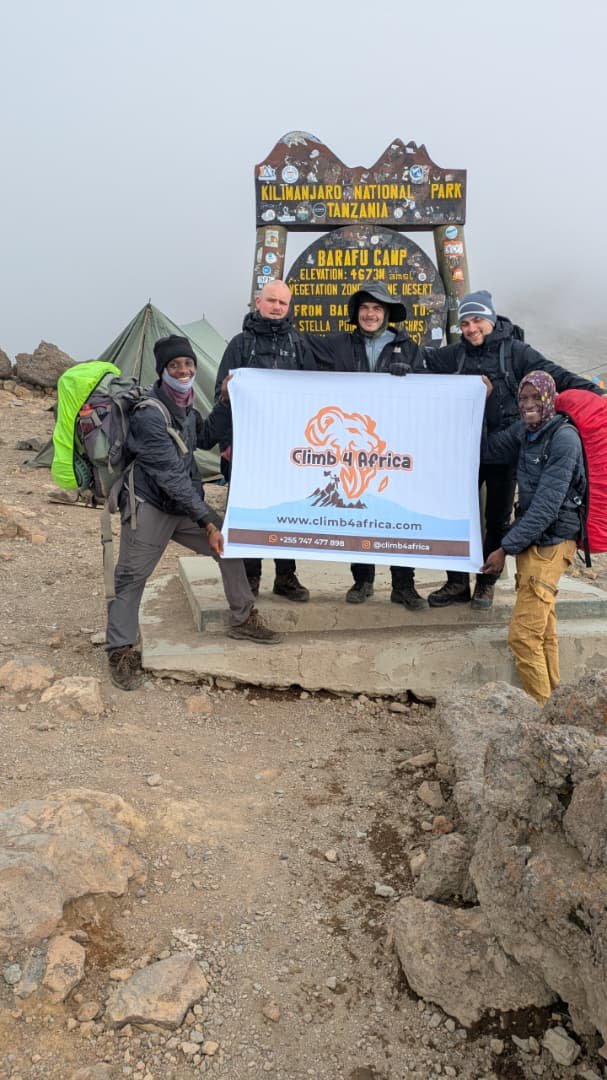
Kilimanjaro Emergency Oxygen & Safety Costs Explained For Climbs 2026-2027
This comprehensive guide details the costs associated with emergency oxygen and essential safety equipment for climbing Mount Kilimanjaro, focusing on preparations for 2026-2027...
View package details
Does The Kilimanjaro Price Include Tips? Understanding Porter & Guide
Climbing Mount Kilimanjaro is a dream for many, but understanding the full cost, including essential tips for your support crew, is crucial for proper budgeting. This guide clarifies...
View package details
Hotel Costs Before And After Climbing Kilimanjaro: Planning Your Stay
Planning a Kilimanjaro climb involves more than just the trek itself. Understanding the associated hotel costs before and after your ascent is crucial for budgeting and a smooth travel...
View package details
Why Is Kilimanjaro So Expensive? Every Major Cost Explained 2026-2027
Why Is Kilimanjaro So Expensive? Every Major Cost Explained is explained with current 2026-2027 planning, price, itinerary and booking information.
View package details
Kilimanjaro Group Tours For Solo Travelers: Dates & Costs 2026-2027
Kilimanjaro Group Tours for Solo Travelers: Dates & Costs is explained with current 2026-2027 planning, price, itinerary and booking information.
View package details
Can I Change My Kilimanjaro Climbing Date After Paying A Deposit? | Climb 4
Planning a Kilimanjaro climb is a significant undertaking, and sometimes life circumstances require adjusting your booked dates. If you've paid a deposit for your Kilimanjaro trek and need...
View package detailsWhich Kilimanjaro Route Offers The Best Value For Money? 2026-2027
Which Kilimanjaro route offers the best value for money? is explained with current 2026-2027 planning, price, itinerary and booking information.
View package details
How Early Should I Book Kilimanjaro For The Best Price? Planning 2026-2027
Planning a Kilimanjaro climb for 2026 or 2027? Learn the optimal booking window to secure the best prices and availability. This guide covers everything from early bird specials to...
View package details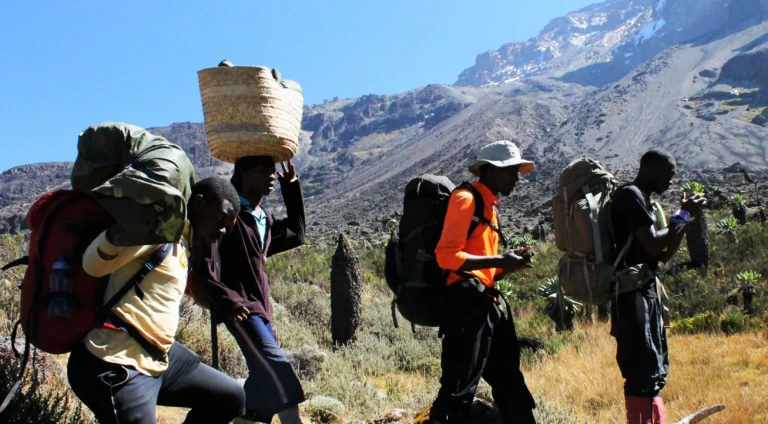
Is A Private Toilet Included In The Kilimanjaro Price? 2026-2027
Discover whether a private toilet is a standard inclusion in Kilimanjaro climbing package prices, the variations across routes and operators, and how Climb 4 Africa prioritizes your comfort...
View package details
Is Emergency Oxygen Included In Kilimanjaro Climbing Price? Climb 4 Africa
Climb 4 Africa clarifies whether emergency oxygen is part of the standard Kilimanjaro climbing package price, detailing what's typically included and why it's crucial for safety on the...
View package detailsNo related package matches those filters. Clear one or more filters to see the other topic-matched options.



