
For most trekkers aiming for Kilimanjaro in 2026 or 2027, an 8-day climb generally offers a higher success rate and a more comfortable acclimatization experience compared to a 7-day climb, though it typically comes with a slightly higher cost. The additional day allows for slower ascent, better rest, and more gradual adaptation to altitude, directly boosting the chances of reaching Uhuru Peak while mitigating the risks of altitude sickness. The 7-day option is more budget-friendly and quicker but demands excellent physical condition and a good capacity for altitude adjustment.


Understanding the Core Difference: An Extra Day Matters
When planning your ascent of Mount Kilimanjaro, one of the most significant decisions you’ll face is the duration of your trek. The choice often boils down to a 7-day itinerary versus an 8-day itinerary. While seemingly a minor difference, this extra day profoundly influences your acclimatization, your body’s ability to cope with extreme altitude, and ultimately, your success rate in reaching the summit. For trekkers targeting the mountain in the 2026-2027 seasons, understanding these nuances is crucial for making an informed choice that aligns with your physical capabilities, budget, and expedition goals.
At Climb 4 Africa, we’ve guided thousands of adventurers up Kilimanjaro. Our experience consistently shows that while a 7-day climb is achievable and popular for those with limited time or a tighter budget, the 8-day option provides a significant advantage in terms of physiological adaptation and overall trekking comfort. This guide will explore the 7-day vs 8-day Kilimanjaro climb, dissecting the cost implications, success rate benefits, and helping you determine the best fit for your 2026-2027 expedition.
The Altitude Challenge: Why Acclimatization is Key
Mount Kilimanjaro, standing at 5,895 meters (19,341 feet), presents a formidable challenge primarily due to its extreme altitude. The air pressure at the summit is about half that at sea level, meaning there’s significantly less oxygen available for your body to use. Altitude sickness, or Acute Mountain Sickness (AMS), is a serious risk for anyone ascending rapidly. Symptoms can range from mild headaches and nausea to severe, life-threatening conditions like High Altitude Pulmonary Edema (HAPE) and High Altitude Cerebral Edema (HACE).
Effective acclimatization is the cornerstone of a successful and safe Kilimanjaro climb. It involves ascending slowly enough to allow your body to adapt to the lower oxygen levels. This adaptation includes producing more red blood cells to carry oxygen more efficiently. The general rule of thumb in mountaineering is to ascend gradually, sleep at lower altitudes when possible, and ascend no more than 300-500 meters (1,000-1,600 feet) per day once above 3,000 meters (9,800 feet), with a rest day or a day spent at the same altitude every 1,000 meters (3,280 feet) gained. This is where the difference between a 7-day and an 8-day itinerary becomes critically important.
The 7-Day Itinerary: A Race Against Time?
A 7-day Kilimanjaro climb, while popular, often compresses the acclimatization schedule. Routes like Machame or Lemosho are frequently offered in 7-day versions. These itineraries typically involve reaching higher altitudes more quickly and may have fewer opportunities for rest days or for sleeping at significantly lower elevations after reaching higher camps. For instance, a 7-day Machame climb might involve ascending from Barranco Camp (3,950m) to Karanga Camp (4,035m) on Day 4, then to Barafu Camp (4,640m) on Day 5, and attempting the summit that same night. This rapid progression can be challenging for many bodies.
The primary benefit of a 7-day trek is its shorter duration, which appeals to individuals with limited vacation time or a desire for a more intense, shorter challenge. It can also be slightly more economical, as fewer days mean fewer operational costs for the guiding company (though the difference is not always substantial).
The 8-Day Itinerary: The Acclimatization Advantage
An 8-day Kilimanjaro climb, often utilizing the same routes (Machame, Lemosho, or Northern Circuit) but with an added day, significantly enhances the acclimatization process. This extra day is typically inserted as a rest day at a higher camp or used to break down a longer ascent into smaller, more manageable segments. For example, an 8-day Machame climb might include an extra night at Karanga Camp or push the summit attempt back by a day, allowing for more rest and better adaptation before the demanding final push. The 8-day Lemosho route, in particular, is highly recommended for its superior acclimatization profile.
The key advantage of an 8-day itinerary is the reduced physiological stress. This slower pace allows your body more time to adjust to the thinning air, lessening the likelihood and severity of AMS symptoms. Trekkers often report feeling stronger, more energetic, and more prepared for the summit night on an 8-day trek. This increased comfort and reduced risk directly translate into a higher probability of success.
Cost Comparison: 7-Day vs 8-Day Kilimanjaro Climb
When comparing the cost of a 7-day vs 8-day Kilimanjaro climb, the difference is usually not as dramatic as one might expect, especially when comparing similar quality operators and routes. However, the 8-day trek is consistently priced higher due to the additional day of guiding services, park fees, porterage, food, and accommodation on the mountain.
Factors Influencing Cost
Several factors contribute to the overall cost of a Kilimanjaro climb, regardless of its duration:
- Operator Quality: Reputable operators like Climb 4 Africa invest in experienced guides, well-trained cooks, sufficient porters (ensuring fair wages and ethical treatment), quality equipment, and comprehensive safety protocols. This higher standard of service comes at a price.
- Route Choice: Some routes are inherently longer and more expensive due to their remoteness and the longer operational time required (e.g., the Northern Circuit is typically longer and pricier than Machame).
- Group Size: Private climbs are always more expensive per person than joining a group.
- Inclusions: What is included in the package (e.g., pre/post-climb accommodation, airport transfers, parkas, duffel bags, oxygen cylinders, emergency evacuation insurance)?
- Season: Peak seasons (January-March, June-October) may see slightly higher prices than the shoulder or low seasons.
- Park Fees: These are fixed by the Tanzanian government and are a significant component of the total cost, regardless of the operator.
Price Differences Between 7 and 8 Days
Generally, you can expect an 8-day itinerary to be approximately 5-15% more expensive than an equivalent 7-day itinerary from the same operator. For a mid-range to premium operator in 2026-2027, this might translate to an additional $100-$400 per person. While this seems like a small percentage, it represents real value in terms of added acclimatization and a higher chance of summit success.
For example, if a 7-day Machame climb is priced at $2,000, an 8-day Machame climb from the same company might be around $2,150-$2,300. The incremental cost for the extra day is often well worth the investment for the benefits it provides.
It’s crucial to compare detailed inclusions. Sometimes, a seemingly cheaper 7-day option might exclude items that a slightly more expensive 8-day package includes, making the value proposition of the longer trek even stronger.
Cost Considerations for 2026-2027 Treks
When budgeting for your Kilimanjaro expedition in 2026 or 2027, remember to factor in:
- Operator Package: Typically covers mountain crew, food, tents, and park fees.
- Tips for Crew: A significant and customary expense.
- Gear Rental: If you don’t own your own.
- Visa Fees: For Tanzania.
- Flights: To Kilimanjaro International Airport (JRO).
- Pre/Post-Climb Accommodation: Often not included in basic packages.
- Personal Expenses: Souvenirs, extra snacks, etc.
- Travel Insurance: Essential for high-altitude trekking and evacuation.
The 7-day vs 8-day Kilimanjaro climb cost difference is often the most justifiable upgrade for enhanced safety and success.
Success Rates: The Proven Benefit of Extra Time
This is arguably the most compelling reason to choose an 8-day itinerary. Summit success rates for Kilimanjaro vary widely depending on the operator, route, and individual climber’s preparation. However, studies and operator data consistently show that longer routes with better acclimatization profiles yield higher success rates.
Statistics and Observations
While exact, universally agreed-upon statistics are hard to pin down due to varying definitions of “success” (e.g., reaching the crater rim vs. Uhuru Peak) and reporting methods, general trends are clear:
- 7-Day Climbs: Success rates can range from 60% to 75%, depending heavily on the route and operator. For routes like Machame, which are often done in 7 days, the success rate might be on the higher end of this range for well-prepared individuals with good operators.
- 8-Day Climbs: Success rates typically climb to 75% to 85% or even higher, especially on routes like Lemosho or Machame extended to 8 days. The Northern Circuit, being 9-10 days, boasts the highest success rates, often exceeding 90%.
The difference of 10-25% in success rates is substantial. For many, Kilimanjaro is a special achievement, and investing in a longer trek to maximize the chances of reaching the summit is a wise decision. The extra day allows for a more relaxed pace, better hydration and nutrition intake due to reduced fatigue, and crucially, more time for the body to adapt to the severe altitude.
Why the 8-Day Advantage Works
The physiological benefits of the extra day are multifaceted:
- Slower Ascent Profile: Allows for more gradual acclimatization, reducing the risk of altitude sickness.
- More Rest: Essential for recovery and energy conservation, especially before the grueling summit night.
- Better Hydration and Nutrition: When you’re less exhausted and nauseated, you tend to eat and drink more, which are vital for altitude adaptation and energy.
- Reduced Risk of AMS: By ascending slower and sleeping lower when possible, the body has a better chance to adjust, minimizing symptoms that could force a descent.
For your 2026-2027 Kilimanjaro climb, prioritizing acclimatization through an 8-day itinerary is a strategic move towards summit success.
Route Suitability: 7-Day vs 8-Day Options
The choice between a 7-day and 8-day itinerary is also tied to specific routes. Some routes are better suited to shorter durations than others, while some are almost exclusively offered in longer formats to maximize success.
Popular Routes and Their Typical Durations
- Marangu Route: Often called the “Coca-Cola” route, it’s the only one with dormitory-style huts. It’s typically offered in 5 or 6 days. While shorter, its acclimatization profile is poor, leading to lower success rates compared to longer routes. A 7-day option is rare and not recommended for acclimatization.
- Machame Route: Known as the “Whiskey” route, it’s the most popular route. It’s commonly offered in 6 or 7 days. However, extending it to 8 days significantly improves acclimatization and success rates, making the 8-day Machame route a superior choice for many.
- Lemosho Route: This route is renowned for its scenic beauty and excellent acclimatization profile. It is typically offered in 7 or 8 days. The 8-day Lemosho route is highly recommended by operators like Climb 4 Africa as it provides ample time for the body to adapt, offering one of the best chances of success.
- Northern Circuit: The longest route, usually 9 or 10 days. It offers the best acclimatization and highest success rates, circling the mountain for a more comprehensive experience. While not a 7 or 8-day option, it serves as the benchmark for optimal acclimatization.
- Rongai Route: Approaches from the north, drier side. Typically offered in 6 or 7 days. While decent, it doesn’t offer the same acclimatization advantages as Lemosho or an extended Machame.
Choosing the Right Route for Your Duration
For a 7-day Kilimanjaro climb, the Machame or Lemosho routes are the most common choices. However, be aware that these 7-day versions are already pushing the limits of good acclimatization. If you have the time and budget, opting for the 8-day version of these routes is strongly advised.
For an 8-day Kilimanjaro climb, the Lemosho route is often considered the premier choice due to its gradual ascent and stunning scenery. The 8-day Machame route is also an excellent option, offering a good balance of challenge, scenery, and acclimatization. If you are looking for the absolute best acclimatization and a more relaxed pace, consider the 9 or 10-day Northern Circuit, even though it extends beyond the 7-day vs 8-day comparison.
Recommendation for 2026-2027 Trekkers
For trekkers prioritizing success and a more comfortable experience, the 8-day Lemosho or 8-day Machame routes are the top recommendations. While a 7-day climb is possible, it carries a higher risk of altitude sickness and failure to summit due to compromised acclimatization. The marginal increase in cost for an 8-day trek is a small price to pay for a significantly higher chance of achieving your summit goal.
Physical Demands and Preparation: 7-Day vs 8-Day
Both 7-day and 8-day Kilimanjaro climbs are physically demanding. However, the intensity and recovery differ significantly.
The 7-Day Climb: Higher Intensity, Less Recovery
A 7-day itinerary requires a higher level of cardiovascular fitness and resilience. Trekkers need to be able to push harder for longer periods, often with less rest. The faster ascent means the body experiences more rapid changes in altitude, demanding quicker physiological adjustments. This can lead to:
- Increased likelihood of experiencing mild AMS symptoms.
- Greater fatigue, especially leading up to summit night.
- Less time to enjoy the scenery and the trekking experience due to the focus on moving quickly.
Preparation for a 7-day climb should focus on building excellent aerobic endurance, strength training (especially for legs and core), and practicing hiking with a weighted pack. Mental preparation to push through discomfort is also paramount.
The 8-Day Climb: More Sustainable Pace, Better Recovery
The 8-day itinerary allows for a more sustainable and enjoyable pace. The extra day provides crucial recovery time, allowing muscles to rest and the body to better adapt to altitude. Trekkers often feel:
- Less fatigued throughout the trek.
- More capable of eating and drinking adequately.
- More energetic and mentally prepared for summit night.
- More opportunities to appreciate the diverse landscapes of Kilimanjaro.
Preparation for an 8-day climb is similar to the 7-day version but can focus slightly more on endurance and mental fortitude for sustained effort rather than sheer speed. Even with better acclimatization, a high level of fitness is still essential for any Kilimanjaro trek.
Essential Preparation for Your 2026-2027 Climb
Regardless of choosing a 7-day or 8-day itinerary, comprehensive preparation is key:
- Cardiovascular Fitness: Aim for at least 3-4 days of aerobic exercise per week (running, cycling, swimming) for several months prior.
- Strength Training: Focus on legs (squats, lunges) and core strength.
- Hiking Practice: Undertake long hikes (4-8 hours) with a weighted backpack, ideally on varied terrain, simulating trek conditions.
- Altitude Acclimatization (if possible): Spending time at moderate altitudes (e.g., 2,000-3,000m) before your climb can be beneficial.
- Mental Preparedness: Understand the challenges and commit to the journey.
- Gear: Ensure you have appropriate, high-quality gear.
What ‘Success’ Really Means on Kilimanjaro
It’s important to define what “success” means when climbing Kilimanjaro. For most, it means reaching Uhuru Peak, the highest point on the continent. However, the journey itself is a significant achievement.
Reaching Uhuru Peak
The summit bid typically begins around midnight on summit night. Climbers ascend through the night, often in cold, windy conditions, reaching Stella Point on the crater rim at sunrise, and then continuing the final 1-2 hours to Uhuru Peak. This is the most physically and mentally demanding part of the trek.
The 7-day vs 8-day Kilimanjaro climb decision directly impacts your ability to tackle this final push. With better acclimatization from an 8-day trek, climbers are generally stronger, less affected by altitude, and more likely to have the energy and clarity of mind to complete the summit ascent. A 7-day climb, while possible, puts more pressure on the body to perform at its peak after a rapid ascent.
The Value of the Journey
Even if the summit isn’t reached, the experience of trekking on Kilimanjaro is profound. The diverse ecosystems, the camaraderie with the crew and fellow climbers, and the personal challenge are all rewarding. However, for those who have invested significant time, money, and effort, reaching the summit is the ultimate goal. Choosing an 8-day itinerary is a strategic investment in achieving that goal.
Choosing the Right Operator for Your 2026-2027 Climb
Selecting a reputable tour operator is as critical as choosing the length of your trek. For your 2026-2027 Kilimanjaro climb, ensure your operator:
- Prioritizes safety with experienced guides trained in wilderness first aid and altitude management.
- Employs sufficient porters and cooks, adhering to fair wage and ethical treatment standards (KPAP or similar).
- Provides quality food and equipment (tents, sleeping mats).
- Offers comprehensive safety measures, including oxygen cylinders and emergency evacuation plans.
- Has a proven track record of high success rates, particularly on longer itineraries.
Climb 4 Africa is committed to these principles, ensuring a safe, ethical, and memorable Kilimanjaro experience. We strongly advocate for longer itineraries like our 8-day Machame or 8-day Lemosho routes to maximize your chances of summit success.
Why Climb with Climb 4 Africa?
We specialize in Kilimanjaro treks and Tanzania safaris, offering:
- Expert Local Guides: Deep knowledge of the mountain and safety protocols.
- Ethical Porter Treatment: We are proud members of the Kilimanjaro Porters Assistance Project (KPAP) or follow similar strict ethical guidelines, ensuring our porters are well-paid, well-fed, and properly equipped.
- Safety First: Comprehensive safety equipment including medical kits, oxygen, and pulse oximeters.
- Tailored Itineraries: We recommend 8-day and longer treks for optimal acclimatization and success.
- Inclusions: Transparent packages covering most on-mountain essentials.
Contact us today to plan your 2026-2027 Kilimanjaro adventure!
WhatsApp: +255 747 477 898
Email: climb4africa@gmail.com
Making Your Decision: 7-Day vs 8-Day Kilimanjaro Climb Summary
The decision between a 7-day and an 8-day Kilimanjaro climb hinges on balancing time, budget, and your priority for summit success and comfort. For the vast majority of trekkers planning their expedition for 2026 or 2027, the 8-day itinerary emerges as the superior choice.
Choose a 7-Day Kilimanjaro Climb if:
- You have very limited time.
- You are on a stricter budget and the cost difference is prohibitive.
- You have significant prior experience with high-altitude trekking and are confident in your body’s ability to acclimatize quickly.
- You are undertaking a route that is less demanding in terms of acclimatization, though for Kilimanjaro, longer is almost always better.
Choose an 8-Day Kilimanjaro Climb if:
- Your primary goal is to maximize your chances of reaching Uhuru Peak.
- You want a more comfortable and less physiologically stressful experience.
- You have the time available and can accommodate the slightly higher cost.
- You want to fully appreciate the diverse scenery and the trekking journey.
- You have little to no prior high-altitude experience.
Ultimately, the 7-day vs 8-day Kilimanjaro climb debate is often settled by prioritizing safety and success. The extra day provides a tangible benefit that significantly enhances both. For trekkers looking for the best possible experience and the highest probability of summit success in 2026-2027, the 8-day itinerary, particularly on routes like Lemosho or Machame, is the clear winner.
Ready to plan your Kilimanjaro adventure? Contact Climb 4 Africa today to discuss the best itinerary for your goals. We’re here to help you prepare for an unforgettable climb.
WhatsApp: +255 747 477 898
Email: climb4africa@gmail.com
“,
“faq_schema”: [
{
“question”: “What is the main difference between a 7-day and 8-day Kilimanjaro climb?”,
“answer”: “The primary difference is the additional day for acclimatization on the 8-day climb. This slower pace allows your body to adjust more effectively to the decreasing oxygen levels at higher altitudes, significantly reducing the risk of altitude sickness and increasing the chances of reaching the summit.”
},
{
“question”: “Which duration offers a higher success rate for reaching Kilimanjaro’s summit?”,
“answer”: “An 8-day Kilimanjaro climb generally offers a higher success rate, often estimated to be 10-25% higher than a 7-day climb. The extra day for acclimatization is crucial for physiological adaptation, leading to climbers feeling stronger and better prepared for the demanding summit night.”
},
{
“question”: “How does the cost compare between a 7-day and 8-day Kilimanjaro climb for 2026-2027?”,
“answer”: “An 8-day climb is typically 5-15% more expensive than a 7-day climb from the same operator. This additional cost covers an extra day of guiding services, park fees, food, and porterage, representing a valuable investment in safety and success.”
},
{
“question”: “Are 7-day or 8-day itineraries better for acclimatization on Kilimanjaro?”,
“answer”: “8-day itineraries are significantly better for acclimatization. They allow for a more gradual ascent and more rest days, adhering more closely to recommended acclimatization principles. 7-day climbs can feel rushed and put more physiological stress on the body.”
},
{
“question”: “Which routes are commonly offered in 7-day and 8-day options?”,
“answer”: “The Machame and Lemosho routes are commonly offered in both 7-day and 8-day versions. While 7-day options exist, the 8-day versions of these routes are highly recommended by experts for better acclimatization and success rates.”
},
{
“question”: “Is a 7-day Kilimanjaro climb suitable for first-time high-altitude trekkers?”,
“answer”: “While possible, a 7-day climb is more challenging for first-time high-altitude trekkers due to the faster pace and reduced acclimatization time. An 8-day climb offers a more comfortable and forgiving experience for those new to altitude trekking.”
},
{
“question”: “What are the physical demands of a 7-day versus an 8-day climb?”,
“answer”: “Both are physically demanding, but a 7-day climb requires a higher level of sustained intensity and quicker adaptation. An 8-day climb allows for a more sustainable pace, better recovery between days, and less overall fatigue, especially before the summit push.”
},
{
“question”: “When is the best time to book a 2026-2027 Kilimanjaro climb?”,
“answer”: “It’s advisable to book your 2026-2027 Kilimanjaro climb at least 6-12 months in advance, especially if you are aiming for peak seasons (January-March, June-October) or wish to secure specific dates or group departures. Early booking ensures availability and allows ample time for preparation.”
}
]
}
“`
Check Availability for 7-Day Vs 8-Day Kilimanjaro Climb: Cost & Success Benefits 2026-2027
Ready to compare dates, prices, and the best option for your group? Send the package name and travel month so the team can reply with a clear quote, availability, and what is included.

How Much Does An 8-Day Kilimanjaro Climb Cost? A Guide 2026-2027
Planning an 8-day Kilimanjaro climb in 2026 or 2027? This comprehensive guide breaks down the expected costs, explaining what influences the price and what you get for your money. Learn...
View package details
How Much Are Kilimanjaro Park Fees For A 7-Day Climb In ? 2026-2027
Planning a 7-day Kilimanjaro climb in 2026 or 2027? This guide breaks down the essential park fees, understanding how they contribute to conservation and your trekking experience, and what...
View package details
8 Days Kilimanjaro + Zanzibar Package: Complete Holiday Cost For 2026-2027
Planning an epic 8-day adventure combining Mount Kilimanjaro and the tropical beaches of Zanzibar? This comprehensive guide details the complete holiday cost for 2026-2027, covering trek...
View package details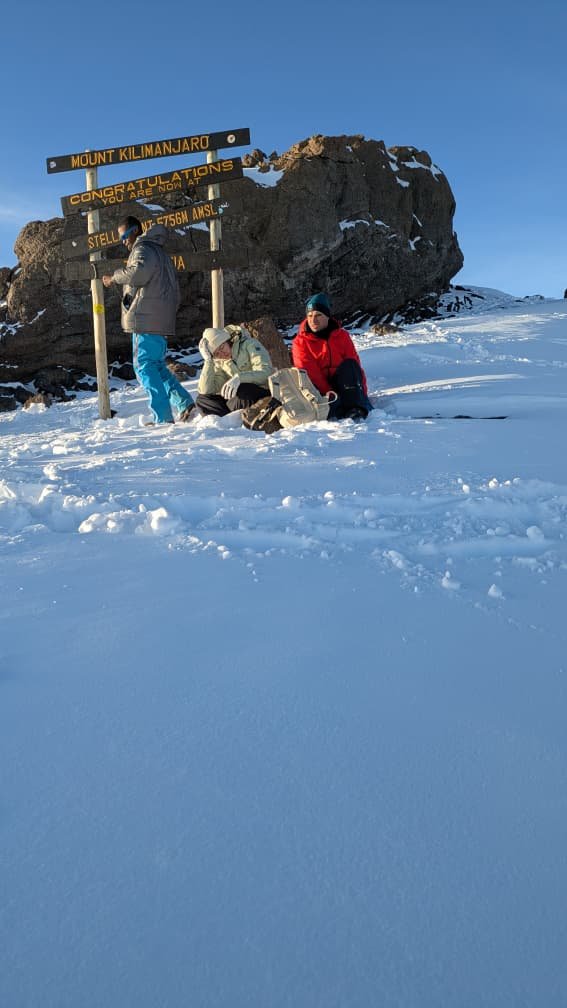
7 Days Rongai Route Kilimanjaro: Cost & Full Itinerary 2026-2027
Discover the best of Kilimanjaro's Rongai Route with a detailed 7-day itinerary, cost breakdown, and expert tips for your 2026-2027 climb. Learn why Rongai is a popular choice for trekkers...
View package details
Are Porters Included In Kilimanjaro Package Costs? A Climb 4 Africa Guide
Understand the critical role of porters on Kilimanjaro and whether they are typically included in tour package costs. This guide from Climb 4 Africa provides essential details for planning...
View package details
How Much Does A Private Kilimanjaro Climb Cost In ? 2026-2027
Planning a private ascent of Mount Kilimanjaro? Understand the factors that influence the cost of a private climb, typical price ranges for 2026-2027, and what's usually included to help...
View package details
How Much Does It Cost To Climb Kilimanjaro Per Person? 2026-2027
How much does it cost to climb Kilimanjaro per person? is explained with current 2026-2027 planning, price, itinerary and booking information.
View package details
Rongai Vs Machame: Cost & Route Comparison For Kilimanjaro Climbs 2026-2027
Choosing between the Rongai and Machame routes for your Kilimanjaro climb in 2026 or 2027? This comprehensive comparison details route differences, scenery, acclimatization, success rates...
View package detailsKilimanjaro Guide & Porter Costs Explained For Climbs 2026-2027
Demystifying the costs associated with hiring guides and porters for your Kilimanjaro climb. This comprehensive guide breaks down expenses for 2026-2027, covering salaries, equipment, park...
View package detailsHotel Costs Before And After Climbing Kilimanjaro: Planning Your Stay
Planning a Kilimanjaro climb involves more than just the trek itself. Understanding the associated hotel costs before and after your ascent is crucial for budgeting and a smooth travel...
View package details
Tanzania Visa Cost For Kilimanjaro Climbers In 2026-2027
Planning your Kilimanjaro climb for 2026 or 2027? This guide breaks down the exact Tanzania visa cost, application process, and essential tips for climbers to ensure a hassle-free entry.
View package details
Kilimanjaro Climb + Zanzibar Beach Holiday: Total Trip Cost Guide
Planning a dream trip combining a challenging Kilimanjaro ascent with a relaxing Zanzibar beach holiday? Understand the total estimated cost for your 2026-2027 adventure, from trekking...
View package detailsNo related package matches those filters. Clear one or more filters to see the other topic-matched options.



