For most trekkers aiming for a higher success rate and a more comfortable ascent of Kilimanjaro, the 7-day climb is generally worth the extra cost compared to a 6-day climb. The additional day allows for significantly better acclimatization, reducing the risk of altitude sickness and increasing your chances of reaching the summit, especially when considering climbs in 2026 and 2027. While a 6-day climb is possible, it pushes the body harder and is typically recommended for those with prior high-altitude experience or who are exceptionally well-acclimatized.
Understanding the Core Difference: Acclimatization on Kilimanjaro
The most significant factor distinguishing a 6-day from a 7-day Kilimanjaro climb is the pace of ascent and, consequently, the body’s ability to acclimatize to the rapidly increasing altitude. Kilimanjaro, at 5,895 meters (19,341 feet), presents a substantial challenge due to its height. Altitude sickness is a real risk, and how well your body adjusts is paramount to a safe and successful climb. The principle of ‘pole pole’ (slowly, slowly) is central to Kilimanjaro climbing, and this is where the extra day makes a crucial difference.
The 6-Day Kilimanjaro Climb: A Faster Pace
A 6-day itinerary on Kilimanjaro typically covers the same distance as a 7-day climb but compresses it into one less day. This means longer hiking days, steeper ascents in shorter periods, and less rest time at higher altitudes. The common routes for a 6-day trek are usually the Marangu Route (though often criticized for lower success rates due to its rapid ascent) and shorter versions of the Machame or Lemosho routes.
Routes like Machame or Lemosho are often adapted for 6 days by combining stages that would typically be spread over two days on a 7-day itinerary. For instance, the trek from Barranco Camp to Karanga Camp, which is a relatively short distance but involves a significant altitude gain and the famous Barranco Wall climb, might be combined with the onward journey to Barafu Camp (the base camp for the summit push) on a 6-day schedule. This can lead to very long and exhausting days, particularly the summit night.
Key characteristics of a 6-day climb:
- Faster Ascent: The body has less time to adapt to the thinning air.
- Longer Hiking Days: Expect more hours on the trail each day.
- Higher Risk of Altitude Sickness: Due to reduced acclimatization time.
- Potentially Lower Success Rate: Especially for inexperienced high-altitude trekkers.
- More Economical: Generally cheaper due to fewer days of logistics and support.
The 7-Day Kilimanjaro Climb: Prioritizing Acclimatization
Opting for a 7-day itinerary on Kilimanjaro provides a more gradual ascent, allowing your body more time to adjust to the decreasing oxygen levels. This is the cornerstone of successful high-altitude trekking. Routes like the Machame, Lemosho, and Rongai are commonly offered as 7-day treks, and they are designed with acclimatization in mind. These itineraries often include a ‘climb high, sleep low’ strategy, where trekkers ascend to a higher altitude during the day and then descend to a lower camp to sleep, which aids acclimatization significantly.
For example, on a 7-day Machame Route, the trek from Barranco Camp to Karanga Camp is a distinct day, allowing trekkers to navigate the Barranco Wall at a more relaxed pace and then settle into Karanga Camp. The following day, they ascend to Barafu Camp. This separation of challenging segments and strategic resting points is crucial. The summit night is still demanding, but the preceding days’ acclimatization make it more manageable.
Key characteristics of a 7-day climb:
- Slower, More Gradual Ascent: Allows for better acclimatization.
- More Balanced Hiking Days: Shorter daily hiking distances or less elevation gain per day.
- Reduced Risk of Altitude Sickness: Significantly improves your chances of feeling well.
- Higher Success Rate: Generally considered more reliable for reaching the summit.
- More Enjoyable Experience: Less physical strain and more time to appreciate the scenery.
The “Extra Day”: Quantifying the Value
The “extra day” isn’t just about adding 24 hours to your trip; it’s about strategically altering the ascent profile to enhance your body’s adaptation to altitude.
Acclimatization Benefits of a 7-Day Climb
Physiologically, the human body needs time to respond to reduced oxygen. When you ascend rapidly, your body doesn’t have sufficient time to produce more red blood cells, which carry oxygen. This can lead to symptoms of Acute Mountain Sickness (AMS), including headaches, nausea, dizziness, and fatigue. In severe cases, AMS can progress to life-threatening conditions like High Altitude Pulmonary Edema (HAPE) or High Altitude Cerebral Edema (HACE).
A 7-day itinerary typically adheres to the recommended acclimatization guidelines, which suggest ascending no more than 300-500 meters (1,000-1,600 feet) per day above 3,000 meters (9,800 feet), with a rest day or a day involving a lower sleep altitude every 1,000 meters (3,280 feet) gained. The extra day allows for this crucial rest and slow gain, particularly in the critical higher camps.
Summit Success Rates: 6-Day vs. 7-Day
While exact figures can vary by route, operator, and individual trekkers, general consensus and operator data consistently show that 7-day climbs (and longer) have significantly higher summit success rates than 6-day climbs. For instance, on routes like Machame or Lemosho, success rates for 7-day treks are often cited as being in the range of 70-85%, whereas 6-day treks on the same routes might see rates closer to 50-60%. The Marangu route, often done in 5 or 6 days, is known for having lower success rates overall, partly due to its steep ascent profile.
For trekkers planning their expedition for 2026 or 2027, understanding these success rates is vital. If reaching Uhuru Peak is your primary goal, choosing an itinerary that maximizes your chances is a wise investment.
Cost Comparison: Is the Extra Day Worth the Price?
Naturally, adding a day to your Kilimanjaro climb increases the overall cost. This is due to additional days of porter wages, guide fees, park entry fees (though often calculated per day, so the marginal increase might be less than a full day’s rate), food, and campsite expenses. A 7-day climb will typically be 10-15% more expensive than an equivalent 6-day climb.
However, when you consider the value of:
- Increased likelihood of summiting.
- A more comfortable and enjoyable trekking experience.
- Reduced risk of severe altitude sickness and associated medical emergencies.
- More time to appreciate the stunning landscapes.
The marginal increase in cost for the extra day often represents excellent value for money. For many, the dream of standing on the Roof of Africa is a special achievement. Spending a little more to significantly improve the chances of realizing that dream is a sound decision. For those booking for 2026 or 2027, factoring this into your budget planning is essential.
Route Specific Comparisons: How 6-Day vs. 7-Day Impacts Itineraries
While the principle of acclimatization applies universally, the specific routes chosen for 6-day and 7-day climbs can differ, further influencing the experience.
Machame Route: 6-Day vs. 7-Day
The Machame Route is one of Kilimanjaro’s most popular and scenic routes, known for its excellent acclimatization profile when done over 7 days.
Machame 7-Day Itinerary (Typical):
- Day 1: Machame Gate to Machame Camp
- Day 2: Machame Camp to Shira 2 Camp
- Day 3: Shira 2 Camp to Barranco Camp (via Lava Tower)
- Day 4: Barranco Camp to Karanga Camp
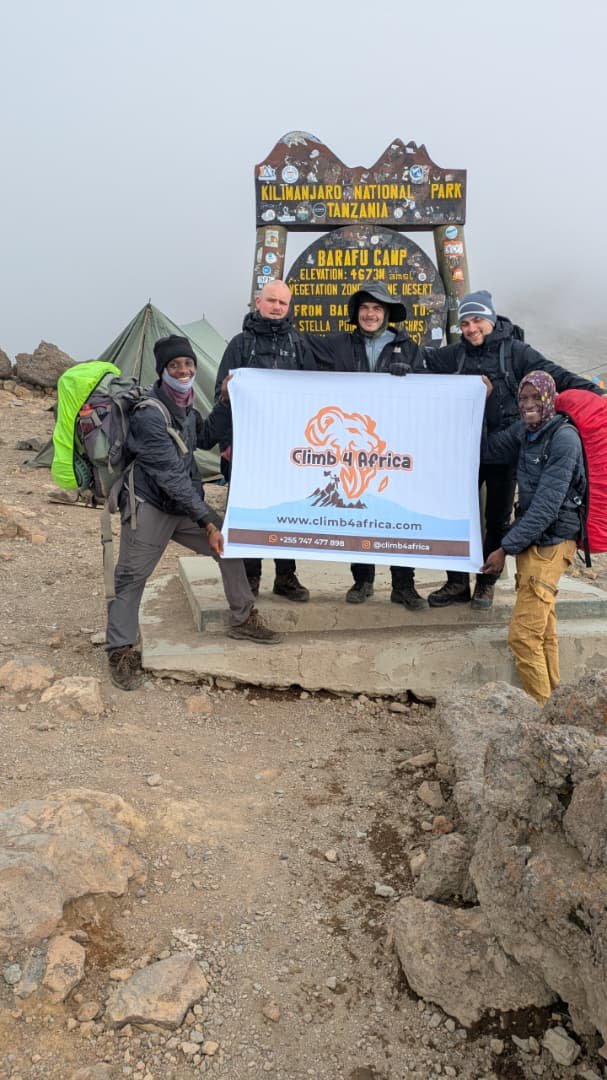
- Day 5: Karanga Camp to Barafu Camp
- Day 6: Barafu Camp to Summit (Uhuru Peak) & Descent to Mweka Camp
- Day 7: Mweka Camp to Mweka Gate
Machame 6-Day Itinerary (Typical):
- Day 1: Machame Gate to Machame Camp
- Day 2: Machame Camp to Shira 2 Camp
- Day 3: Shira 2 Camp to Barranco Camp
- Day 4: Barranco Camp to Barafu Camp (combining Barranco Wall and Karanga segment)
- Day 5: Barafu Camp to Summit & Descent to Mweka Camp
- Day 6: Mweka Camp to Mweka Gate
The key difference is Day 4 on the 6-day itinerary, which is significantly longer and more challenging, often involving a very early start after a short night to tackle the Barranco Wall and then continue climbing to Barafu Camp. This is a crucial day where the lack of a dedicated rest/acclimatization day at Karanga Camp is felt.
Lemosho Route: 6-Day vs. 7-Day
The Lemosho Route is renowned for its beauty and high success rates, especially when trekked over 7 or 8 days. The 6-day Lemosho is a condensed version.
Lemosho 7-Day Itinerary (Typical):
- Day 1: M Londorossi Gate to Mti Mkubwa Camp
- Day 2: Mti Mkubwa Camp to Shira 1 Camp
- Day 3: Shira 1 Camp to Shira 2 Camp
- Day 4: Shira 2 Camp to Barranco Camp (via Lava Tower)
- Day 5: Barranco Camp to Karanga Camp
- Day 6: Karanga Camp to Barafu Camp
- Day 7: Barafu Camp to Summit & Descent to Mweka Camp
- Day 8: Mweka Camp to Mweka Gate
(Note: An 8-day Lemosho is even better for acclimatization, but we are focusing on 6 vs 7 days here.)
Lemosho 6-Day Itinerary (Typical):
- Day 1: M Londorossi Gate to Mti Mkubwa Camp
- Day 2: Mti Mkubwa Camp to Shira 1 Camp
- Day 3: Shira 1 Camp to Barranco Camp (combining Shira 2 and Lava Tower stages)
- Day 4: Barranco Camp to Karanga Camp
- Day 5: Karanga Camp to Barafu Camp
- Day 6: Barafu Camp to Summit & Descent to Mweka Camp
- Day 7: Mweka Camp to Mweka Gate
In a 6-day Lemosho, Day 3 is significantly more demanding than on the 7-day version. It skips Shira 2 Camp, meaning a longer trek and a higher altitude sleep on Day 3. This is a critical trade-off for acclimatization.
Marangu Route: 5-Day vs. 6-Day
The Marangu Route is the “Coca-Cola” route, known for its hut accommodation and relatively gentle slope. However, its direct ascent profile means it’s less ideal for acclimatization.
Marangu 6-Day Itinerary:
- Day 1: Marangu Gate to Mandara Huts
- Day 2: Mandara Huts to Horombo Huts
- Day 3: Horombo Huts to Mawenzi Ridge and back to Horombo Huts (Acclimatization Day)
- Day 4: Horombo Huts to Kibo Huts
- Day 5: Kibo Huts to Summit & Descent to Horombo Huts
- Day 6: Horombo Huts to Marangu Gate
Marangu 5-Day Itinerary:
- Day 1: Marangu Gate to Mandara Huts
- Day 2: Mandara Huts to Horombo Huts
- Day 3: Horombo Huts to Kibo Huts
- Day 4: Kibo Huts to Summit & Descent to Horombo Huts
- Day 5: Horombo Huts to Marangu Gate
On the 5-day Marangu, Day 3 is a direct push from Horombo Huts to Kibo Huts, skipping the crucial acclimatization day at Horombo Huts and the scenic detour to Mawenzi Ridge. This makes the 5-day Marangu the most challenging in terms of acclimatization and generally has the lowest success rates.
For those considering Marangu for 2026 or 2027, the 6-day option is strongly preferred over the 5-day if a 6-day climb is being considered at all, due to the added acclimatization day.
Who Should Consider a 6-Day Kilimanjaro Climb?
While the 7-day climb is recommended for most, a 6-day itinerary might be suitable for a select group of trekkers:
- Experienced High-Altitude Trekkers: Individuals who have successfully climbed peaks of 5,000 meters or higher and know how their bodies react to altitude.
- Those with Exceptional Fitness and Acclimatization Ability: Some people naturally acclimatize better than others. However, this is difficult to predict and should not be the sole basis for choosing a shorter climb.
- Budget-Conscious Trekkers (with caveats): If the budget is the absolute primary constraint, a 6-day climb is cheaper. However, the potential cost of a failed summit attempt (travel, permits, etc.) can make this a false economy.
- Time-Constrained Trekkers: If a 7-day climb simply doesn’t fit a strict travel schedule, a 6-day climb is the only option for certain routes.
Even for these individuals, it’s crucial to understand the increased risks and potential discomfort. The decision should not be taken lightly. For 2026-2027 bookings, if you fall into this category, discuss your experience frankly with your tour operator.
Who Should Definitely Choose a 7-Day Kilimanjaro Climb?
The vast majority of Kilimanjaro trekkers will benefit immensely from a 7-day itinerary. This includes:
- First-Time High-Altitude Trekkers: If you have no prior experience with high altitudes, a 7-day climb is the safest and most recommended option.
- Anyone Prioritizing Summit Success: If reaching the summit is the main goal, the extra day significantly boosts your chances.
- Trekkers Seeking a More Comfortable Experience: A slower pace means less physical exhaustion each day, allowing for more enjoyment of the journey.
- Those Prone to Altitude Sickness: If you’ve experienced altitude sickness before, or are concerned about it, the extra day is invaluable.
- Anyone Wanting to Enjoy the Scenery: A more relaxed pace allows for better observation and appreciation of Kilimanjaro’s diverse ecosystems.
For most travelers planning their Kilimanjaro adventure in 2026 or 2027, the 7-day option is the prudent and rewarding choice.
What Does the “Extra Day” Actually Involve Logistically?
It’s not just about an extra day on the mountain; it’s about how that day is structured within the itinerary.
Daily Hiking Distances and Times
A 7-day itinerary generally breaks down the ascent into more manageable daily segments. This means shorter hiking distances and fewer hours on the trail each day compared to a 6-day climb. For example, a day that might be 8-10 hours on a 6-day climb could be 4-6 hours on a 7-day climb, with more time spent resting at camps or enjoying lunch breaks.
Camp Locations and Altitude Profiles
As seen in the route examples, the extra day often means an additional camp stop. This allows trekkers to sleep at a lower altitude after a higher day’s trek, or simply to break up a long ascent into two shorter, more manageable days. The Karanga Camp stop on the Machame and Lemosho routes, which is often skipped or combined with the push to Barafu on a 6-day climb, is a prime example of how the extra day is utilized for better acclimatization.
Summit Night Preparation
Summit night is the most challenging part of any Kilimanjaro climb. It typically starts around midnight and involves hiking for 6-8 hours in the dark, cold, and thin air to reach the summit for sunrise, followed by a long descent. On a 6-day climb, trekkers often arrive at Barafu Camp (the base camp) more fatigued due to the preceding days’ longer hikes. On a 7-day climb, arriving at Barafu Camp after a more moderate day’s trek means you are likely to be better rested, which can make a significant difference in your ability to tackle the summit push.
The Cost Factor: Breaking Down the Price Difference
Let’s look at how the cost difference between a 6-day and 7-day Kilimanjaro climb typically breaks down. While exact prices vary significantly by tour operator, the level of service, and the season (e.g., 2026 peak season vs. shoulder season), the core components that increase with an extra day are:
- Park Fees: Kilimanjaro National Park fees are charged per day. An extra day means one additional day of park fees.
- Crew Wages: Guides, porters, and cooks are paid for each day of the trek. An extra day means paying the entire crew for one more day.
- Food and Supplies: More days on the mountain require more food and fuel.
- Logistics: Transportation to and from the mountain gate, campsite setup, etc., all extend by one day.
Estimated Cost Difference (for 2026-2027)
While we cannot provide exact quotes without specific dates and group sizes, a general estimate for the price difference between a 6-day and 7-day climb with a reputable operator like Climb 4 Africa typically falls between $150 and $300 USD per person. This is often around 10-15% of the total climb cost.
For example, if a 6-day climb costs $2,000 USD, a comparable 7-day climb might be $2,150 – $2,300 USD.
Consider the value: For this relatively small additional investment, you gain:
- A significant increase in summit success probability.
- A more comfortable and enjoyable trek.
- Reduced risk of debilitating altitude sickness.
### Value Proposition: Why the Extra Day is Often “Worth It”
When you frame the cost difference against the potential benefits, the extra day becomes a clear value proposition:
- Higher Chance of Achieving Your Goal: The primary reason people climb Kilimanjaro is to reach the summit. The extra day directly addresses the biggest obstacle: altitude.
- Enhanced Experience: A less rushed trek allows for better enjoyment of the diverse landscapes, flora, and fauna. It’s not just about the summit; it’s about the journey.
- Safety First: Prioritizing acclimatization is a matter of safety. The extra day helps mitigate the risks associated with high-altitude trekking.
For those planning their 2026 or 2027 Kilimanjaro expedition, this cost-benefit analysis is crucial. Investing a little more upfront can lead to a much more rewarding and successful experience.
Beyond the Days: Other Factors Influencing Success and Cost
While the 6-day vs. 7-day debate is central, several other factors play a role in your Kilimanjaro climb’s success and cost.
Route Choice
As discussed, some routes are inherently better suited for longer itineraries due to their acclimatization profiles. The 7-day Machame, Lemosho, and even the less common Northern Circuit (8+ days) are generally considered superior for acclimatization and success rates compared to shorter options on the same routes or the Marangu route.
Operator Quality and Support
This is arguably more important than the number of days. A high-quality operator will:
- Employ experienced, certified guides trained in high-altitude medicine.
- Provide adequate food and equipment.
- Ensure a good guide-to-client ratio.
- Have robust emergency protocols in place.
- Offer appropriate acclimatization strategies within the chosen itinerary length.
Choosing a budget operator might offer a cheaper 6-day climb, but potentially at the cost of safety, comfort, and success. For 2026-2027, research operators thoroughly.
Group Size
Climbing in a private group versus a shared group can affect cost and experience. Shared group departures, often available on specific dates for 2026 and 2027, can reduce the per-person cost. Private climbs offer more flexibility but come at a premium.
Inclusions and Exclusions
Carefully review what is included in the price. Common inclusions are park fees, crew wages, meals, tents, and transfers. Common exclusions are flights, visa fees, travel insurance, tips for the crew, personal gear, and drinks. A seemingly cheaper 6-day climb might end up costing more if key items are excluded.
### Personal Preparation
Your physical fitness and mental preparation are critical, regardless of the itinerary length. Training for Kilimanjaro should include cardiovascular exercise, strength training, and hiking with a weighted backpack. Mental resilience is also key for summit night.
Making Your Decision for 2026-2027
When planning your Kilimanjaro adventure for 2026 or 2027, the decision between a 6-day and 7-day climb boils down to a balance of budget, time, and priorities.
- Prioritize Summit Success and Well-being: If reaching the summit and enjoying the experience without severe altitude sickness are your top priorities, the 7-day climb is the clear winner. The added cost is a small price to pay for a significantly higher chance of achieving your dream and a more comfortable journey.
- Assess Your Experience Level Honestly: If you are an experienced high-altitude trekker with a proven track record of acclimatizing well, a 6-day climb might be feasible. However, even then, the benefits of a 7-day itinerary are substantial.
- Consider the Operator’s Recommendation: Reputable operators like Climb 4 Africa will guide you based on your experience and goals. They will usually recommend a 7-day or longer itinerary for most clients for the best chance of success and safety.
The bottom line for 2026-2027 Kilimanjaro climbs: While a 6-day climb is technically possible and cheaper, the 7-day climb offers a superior balance of acclimatization, comfort, and summit success probability. The extra day is a strategic investment in your adventure.
Ready to Plan Your Kilimanjaro Climb?
Deciding on the right itinerary length is a crucial first step. Whether you lean towards a 6-day or 7-day climb, Climb 4 Africa is here to help you plan an unforgettable Kilimanjaro expedition. We specialize in creating safe, successful, and memorable treks, offering expert guidance and practical local support for your 2026 or 2027 adventure. We can help you choose the best route, itinerary, and understand all the inclusions to make your climb a reality.
Contact us today to discuss your Kilimanjaro dreams:
- WhatsApp: +255 747 477 898
- Email: climb4africa@gmail.com
Let’s make your climb to the Roof of Africa a success. Explore our Kilimanjaro climb options and find departure dates for 2026 and 2027: Climb 4 Africa.
Check Availability for 6-Day Vs 7-Day Kilimanjaro Climb: Is The Extra Day Worth Price? 2026-2027
Ready to compare dates, prices, and the best option for your group? Send the package name and travel month so the team can reply with a clear quote, availability, and what is included.
Kilimanjaro + 4 Days Tanzania Safari Package & Price | Climb 4 Africa
Discover the ultimate adventure: combining a Kilimanjaro climb with a thrilling 4-day Tanzania safari. This comprehensive guide details package options, pricing considerations for...
View package details
6 Days Umbwe Route: Cost, Price & Full Itinerary For Climbs 2026-2027
Planning a Kilimanjaro climb via the challenging Umbwe Route in 6 days? This guide breaks down the costs, essential inclusions, and a comprehensive day-by-day itinerary to help you prepare...
View package detailsIs Emergency Oxygen Included In Kilimanjaro Climbing Price? Climb 4 Africa
Climb 4 Africa clarifies whether emergency oxygen is part of the standard Kilimanjaro climbing package price, detailing what's typically included and why it's crucial for safety on the...
View package details
Does The Kilimanjaro Price Include Climbing Equipment? Your Guide 2026-2027
Your Kilimanjaro climb price may or may not include all essential climbing equipment. Understanding what's provided versus what you need to source yourself is crucial for a successful and...
View package detailsDoes The Kilimanjaro Price Include Meals? A Comprehensive Guide For Climbers
Climbers often ask if the price of a Kilimanjaro trek covers meals. This guide details what to expect, focusing on inclusions and exclusions to help you plan your 2026-2027 expedition.
View package details
Rongai Vs Lemosho: Price, Crowds & Route Comparison For Kilimanjaro Climbs
Choosing between the Rongai and Lemosho routes for your Kilimanjaro climb? This in-depth comparison covers everything you need to know about price, crowd levels, route profiles, scenery...
View package details
How Group Size Affects Your Kilimanjaro Price | Climb 4 Africa 2026-2027
The size of your trekking group is a primary factor in determining the overall price of your Kilimanjaro expedition. Smaller groups often mean higher per-person costs due to fixed...
View package details
Kilimanjaro Portable Toilet Cost: Is It Worth Paying Extra? 2026-2027
Deciding whether to pay extra for a portable toilet on your Kilimanjaro climb is a key comfort consideration. This guide breaks down the Kilimanjaro portable toilet cost, its benefits, and...
View package details
Climbing Kilimanjaro In December : Prices, Weather & Group Dates 2026-2027
Discover everything you need to know about climbing Kilimanjaro in December, including pricing, weather patterns for 2026-2027, and curated group departure dates. Climb 4 Africa provides...
View package detailsClimbing Kilimanjaro In September : Prices, Weather & Group Dates 2026-2027
September offers a fantastic window for climbing Mount Kilimanjaro, blending dry weather with moderate temperatures. This guide covers everything you need to know about climbing Kilimanjaro...
View package details
Kilimanjaro Crater Camp Cost: Prices, Fees & Itinerary For Climbs 2026-2027
Planning a Kilimanjaro climb to Crater Camp? This guide breaks down the 2026-2027 costs, including all associated fees and essential itinerary details. Learn what influences the price and...
View package details
Can I Change My Kilimanjaro Climbing Date After Paying A Deposit? | Climb 4
Planning a Kilimanjaro climb is a significant undertaking, and sometimes life circumstances require adjusting your booked dates. If you've paid a deposit for your Kilimanjaro trek and need...
View package detailsNo related package matches those filters. Clear one or more filters to see the other topic-matched options.



