The 6 Days Umbwe Route on Kilimanjaro typically costs between $1,500 to $2,500 per person for a private climb, with shared options potentially reducing this. This price generally covers essential services like park fees, accommodation, meals, guides, porters, and transfers. The full itinerary involves a steep ascent through diverse ecosystems, starting from the Umbwe Gate, aiming for a successful summit via the Barranco and Barafu Camps, and descending via Mweka Camp, offering a demanding yet rewarding challenge for experienced trekkers in 2026-2027.
Understanding the 6 Days Umbwe Route: A High-Level Overview
The Umbwe Route is renowned as one of Kilimanjaro’s most challenging and direct paths. Its steep gradient and rapid ascent mean it offers less time for acclimatization, making it suitable for experienced hikers with excellent physical fitness and prior high-altitude trekking experience. A 6-day itinerary on the Umbwe Route is the shortest possible duration for this path, pushing climbers to reach the summit quickly. This rapid ascent requires a strong focus on acclimatization strategies and a high level of personal preparedness.
For those considering a climb in the 2026-2027 seasons, understanding the unique characteristics of the Umbwe Route is paramount. It traverses a less-trafficked southern side of the mountain, offering a more remote and wild trekking experience compared to busier routes like Machame or Marangu. The beauty of Umbwe lies in its dramatic scenery, moving from dense rainforest to alpine desert and eventually to the arctic zone of the summit. However, the trade-off for this directness is a higher risk of altitude sickness due to the fast acclimatization schedule inherent in a 6-day trek.
When planning your 6 Days Umbwe Route Kilimanjaro adventure, it’s crucial to choose a reputable operator. Climb 4 Africa specializes in Kilimanjaro climbs and offers expert guidance, ensuring safety and maximizing your chances of summit success. We understand the nuances of each route and can help tailor your experience, even on a challenging path like Umbwe.
Why Choose the 6-Day Umbwe Route?
Climbers opt for the 6 Days Umbwe Route for several compelling reasons:
- Directness and Speed: It’s the quickest way to summit Kilimanjaro via a route that offers significant acclimatization opportunities (though still limited).
- Remote Experience: The path is less crowded, offering a more solitary and wild mountain experience.
- Dramatic Scenery: It passes through diverse and striking ecological zones, showcasing the mountain’s varied landscapes.
- Challenge: For seasoned trekkers, it presents a significant physical and mental challenge.
However, it’s vital to reiterate that the 6-day option is the least recommended for acclimatization on the Umbwe route. Many operators, including Climb 4 Africa, strongly advise a minimum of 7 days on Umbwe, or suggest alternative routes like Machame or Lemosho for those with less high-altitude experience. If the 6-day Umbwe is your firm choice, thorough preparation and a clear understanding of its demands are non-negotiable.
Cost and Price Factors for the 6 Days Umbwe Route in 2026-2027
The price of the 6 Days Umbwe Route Kilimanjaro climb can vary significantly based on several factors. Understanding these elements will help you budget effectively for your 2026-2027 expedition.
Typical Price Range
For a private 6-day Umbwe Route climb with a reputable operator like Climb 4 Africa, expect prices to range from approximately $1,500 to $2,500 per person. Shared group departures might be slightly lower, but the Umbwe Route is less commonly offered as a standard shared departure due to its demanding nature.
Key Inclusions (What Your Price Usually Covers)
Reputable tour operators typically include the following in their 6 Days Umbwe Route package prices:
- Park Fees: All entry fees for Kilimanjaro National Park, including camping fees and crater fees (if applicable to the itinerary). These are a significant portion of the total cost.
- Accommodation: Camping fees and the provision of quality tents.
- Guides and Porters: Salaries, food, and equipment for your professional mountain guides and support crew. The ratio of guides to climbers is crucial for safety.
- Meals: All meals prepared on the mountain (breakfast, lunch, dinner) by a dedicated cook.
- Water: Boiled or purified drinking water throughout the trek.
- Equipment: Tents (sleeping, mess, toilet), cooking equipment, and sometimes sleeping mats.
- Transfers: Transportation from Kilimanjaro International Airport (JRO) to your hotel in Moshi/Arusha and back, as well as transfers to and from the Umbwe Gate and Mweka Gate.
- First Aid: Comprehensive first-aid kits and emergency oxygen cylinders.
Key Exclusions (What You’ll Likely Pay Extra For)
It’s equally important to know what is usually *not* included:
- Flights: International airfare to Kilimanjaro International Airport (JRO).
- Visas: Tanzanian visa fees.
- Travel Insurance: Comprehensive travel and medical insurance, including high-altitude trekking and emergency evacuation. This is mandatory.
- Personal Gear: Sleeping bag, hiking boots, clothing, trekking poles, etc.
- Tips: Gratuities for guides, porters, and the cook. This is a significant cultural expectation and a vital part of the crew’s income.
- Personal Expenses: Drinks (apart from water), snacks, souvenirs, laundry, and any costs incurred in towns.
- Pre/Post Climb Accommodation: Hotel stays before and after the trek (unless specified).
- Climbing Permit: Sometimes, if not explicitly stated, this might be separate, but usually included.
Factors Influencing Price for 2026-2027 Climbs
- Operator Reputation and Quality: Established companies with proven safety records, experienced guides, and better equipment generally charge more.
- Group Size: Private climbs are more expensive per person than shared treks, but offer more flexibility.
- Season: Peak seasons (June-October, December-February) might see slightly higher prices due to demand, though the Umbwe route’s difficulty often means it’s less affected by seasonal price fluctuations than other routes.
- Inclusions: The more services included (e.g., pre-climb gear rental, hotel nights), the higher the price.
- Accommodation Style: While Umbwe is a camping route, some operators might offer slightly more comfortable mess tents or higher quality camping gear.
Budgeting for Tips
Tipping is a significant part of the overall cost. A common guideline for 2026-2027 climbs is around $250-$350 per climber for the entire crew (guides, assistant guides, cook, porters). Discuss specific tipping guidelines with your operator before your climb.
The Detailed 6 Days Umbwe Route Itinerary
The 6 Days Umbwe Route is a rapid ascent. While it offers a direct path, it significantly compromises acclimatization time. Climb 4 Africa often recommends a minimum of 7 days on Umbwe for better success rates, but if a 6-day trek is your chosen path, here is a typical itinerary. Remember, this is a demanding schedule.
Day 1: Arrival in Moshi and Preparation
- Arrive at Kilimanjaro International Airport (JRO).
- You will be met by a Climb 4 Africa representative and transferred to your hotel in Moshi or Arusha.
- Rest, relax, and prepare for your upcoming climb.
- Attend a pre-climb briefing with your lead guide to discuss the itinerary, gear, and answer any last-minute questions.
- Ensure all your gear is packed and ready for the next morning.
Day 2: Umbwe Gate (1,800m / 5,905ft) to Umbwe Cave Camp (2,940m / 9,645ft)
- After breakfast, you’ll be driven to the Umbwe Gate (approx. 1,800m).
- Complete park registration formalities.
- Begin your trek through the dense montane rainforest. The path is steep and often muddy.
- The initial part of the trail follows a ridge, offering glimpses of the surrounding landscape through the trees.
- You’ll hike for approximately 5-7 hours, gaining significant altitude.
- Reach Umbwe Cave Camp, situated at 2,940m. This camp is known for its atmospheric setting within the forest.
- Distance: ~11 km / 7 miles
- Trekking Time: 6-7 hours
- Altitude Gain: ~1,140m / 3,740ft
Day 3: Umbwe Cave Camp (2,940m) to Barranco Camp (3,950m / 12,960ft) via Lava Tower
- Today involves a significant altitude gain and a challenging day of trekking.
- The trail continues steeply upwards, leaving the forest behind and entering the moorland zone.
- You will pass by Lava Tower (approx. 4,630m), a prominent landmark. This is a good spot for lunch and a brief rest.
- This day is crucial for acclimatization, as you will ascend to a high altitude and then descend slightly to Barranco Camp. This ‘climb high, sleep low’ principle is vital.
- Barranco Camp is known for its stunning views and dramatic setting at the base of the Great Barranco Wall.
- Distance: ~7 km / 4.3 miles
- Trekking Time: 7-8 hours
- Altitude Gain: ~1,010m / 3,315ft (to Lava Tower) then descend to Barranco
Day 4: Barranco Camp (3,950m) to Barafu Camp (4,640m / 15,220ft)
- This is another challenging day, focused on ascending higher towards the summit.
- The morning starts with the famous Barranco Wall scramble. It’s not technically difficult climbing but requires sure-footedness and is done at altitude.
- After descending into the Karanga Valley, the trail then begins a steady climb towards Barafu Camp.
- Barafu Camp is situated on a rocky ridge and offers little shelter. It is your base for the summit push.
- You’ll likely arrive at Barafu Camp in the afternoon, giving you time to rest and prepare for the summit attempt which begins late in the evening.
- Distance: ~10 km / 6.2 miles
- Trekking Time: 8-10 hours
- Altitude Gain: ~690m / 2,260ft
Day 5: Summit Day! Barafu Camp (4,640m) to Uhuru Peak (5,895m / 19,341ft) and Descend to Mweka Camp (3,100m / 10,170ft)
- The summit attempt begins around midnight.
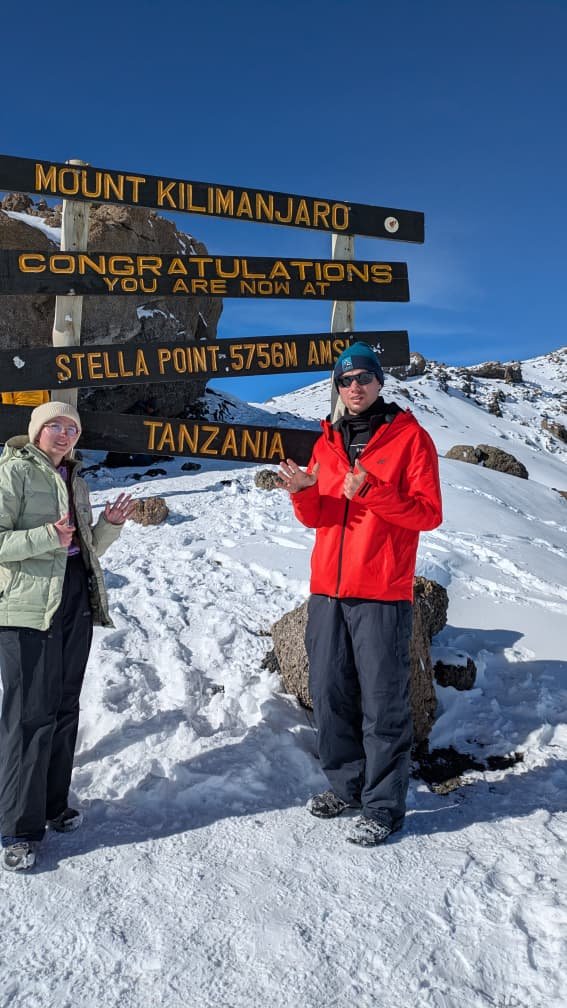
- You’ll trek in the dark, guided by headlamps, ascending switchbacks over scree towards Stella Point (5,756m).
- Reaching Stella Point is a significant achievement, marking the edge of the crater rim.
- From Stella Point, you’ll trek along the crater rim for approximately 1-2 hours to Uhuru Peak, the highest point in Africa.
- Enjoy the incredible sunrise and panoramic views from the summit.
- Begin your descent back to Barafu Camp for a short rest and lunch.
- Continue descending to Mweka Camp (3,100m) through the alpine desert and moorland zones. This is a long descent day.
- Distance: ~15 km / 9.3 miles (Summit) + ~12 km / 7.5 miles (Descent to Mweka)
- Trekking Time: 10-14 hours (Summit) + 4-6 hours (Descent)
- Altitude Gain: ~1,255m / 4,101ft (to Uhuru) then descent ~2,795m / 9,171ft
Day 6: Mweka Camp (3,100m) to Mweka Gate (1,640m / 5,380ft) and Departure
- After breakfast, you’ll make the final descent from Mweka Camp to Mweka Gate.
- The trail is steep and passes through the lower forest zone.
- At Mweka Gate, you’ll have a small celebration and receive your climbing certificates.
- Meet your vehicle for the transfer back to Moshi or Arusha.
- Depending on your flight schedule, you might head directly to the airport or spend another night in town.
- Distance: ~8 km / 5 miles
- Trekking Time: 3-4 hours
- Altitude Loss: ~1,460m / 4,790ft
Important Note on the 6-Day Umbwe Itinerary
This 6-day itinerary is extremely aggressive. The rapid ascent significantly increases the risk of altitude sickness. For a safer and more enjoyable experience, especially for those not fully acclimatized to high altitudes, Climb 4 Africa strongly recommends considering a 7-day Umbwe Route itinerary or opting for a longer, more gradual route like Machame (7 days), Lemosho (7 or 8 days), or Northern Circuit (9 days). These longer itineraries provide better acclimatization, leading to higher summit success rates and a more comfortable trek.
Acclimatization and Safety on the 6 Days Umbwe Route
The most critical factor for success on any Kilimanjaro climb, and especially on the rapid 6 Days Umbwe Route, is proper acclimatization. Altitude sickness (Acute Mountain Sickness – AMS) is a serious risk.
Understanding Altitude Sickness
AMS can affect anyone, regardless of fitness level. Symptoms include headaches, nausea, dizziness, fatigue, and shortness of breath. If symptoms worsen, it can progress to more severe forms like High Altitude Cerebral Edema (HACE) or High Altitude Pulmonary Edema (HAPE), which are life-threatening.
Why 6 Days is Risky
The standard recommendation for acclimatization is to ascend slowly, allowing your body to adapt to the lower oxygen levels at higher altitudes. The 6 Days Umbwe Route compresses this process significantly. You gain a lot of altitude very quickly, leaving insufficient time for your body to adjust.
Strategies for Better Acclimatization on Umbwe
- Choose a Reputable Operator: Companies like Climb 4 Africa prioritize safety. They ensure guides are trained in altitude sickness recognition and management, carry emergency oxygen, and follow safety protocols.
- Hydration: Drink plenty of water (3-4 liters per day). Dehydration can mimic AMS symptoms.
- Pace Yourself: “Pole pole” (slowly, slowly) is the mantra on Kilimanjaro. Go at a pace that allows you to breathe comfortably.
- Avoid Alcohol and Smoking: These hinder acclimatization.
- Eat Well: Consume high-carbohydrate meals to provide energy.
- Consider Diamox: Consult your doctor about prescription medication like Acetazolamide (Diamox), which can aid acclimatization.
- Listen to Your Body and Guide: Never ignore symptoms. Your guide’s primary responsibility is your safety. They may advise you to descend if symptoms are severe.
Climb 4 Africa’s Safety Commitment
At Climb 4 Africa, your safety is our top priority. Our guides are highly experienced and certified in wilderness first aid and altitude management. We carry comprehensive medical kits, including supplementary oxygen, and our itineraries are designed with acclimatization in mind. While we can operate the 6 Days Umbwe Route, we strongly advise clients to consider longer itineraries for a safer and more successful climb. Feel free to discuss your concerns and options with us via WhatsApp +255 747 477 898 or Email climb4africa@gmail.com.
Comparing Umbwe to Other Kilimanjaro Routes
To fully appreciate the 6 Days Umbwe Route, it’s helpful to compare it with other popular Kilimanjaro treks.
Umbwe vs. Machame Route
- Duration: Machame is typically 6-7 days, with 7 days being the standard for better acclimatization. Umbwe is shortest at 6 days.
- Scenery: Both offer diverse scenery. Machame is often called the “Whiskey Route” for its popularity and scenic beauty, traversing varied zones. Umbwe is wilder and more direct.
- Difficulty: Umbwe is significantly steeper and more challenging than Machame. Machame is considered moderately difficult and offers better acclimatization profiles.
- Crowds: Machame is one of the busiest routes. Umbwe is much less crowded.
- Cost: Prices can be similar, but Umbwe might be slightly higher due to fewer operators offering it and the need for more experienced guides.
Umbwe vs. Lemosho Route
- Duration: Lemosho is typically 7-8 days, offering excellent acclimatization.
- Scenery: Lemosho is widely considered the most scenic route, starting in lush rainforests and offering panoramic views.
- Difficulty: Lemosho is a moderately difficult route with a gradual ascent, making it ideal for acclimatization.
- Crowds: Lemosho is less crowded than Machame, especially in the first few days.
- Cost: Lemosho is generally more expensive than Umbwe, primarily due to its longer duration and higher success rates.
Umbwe vs. Marangu Route
- Duration: Marangu is the only route with dormitory-style huts, typically offered in 5 or 6 days.
- Scenery: Marangu is less scenic than other routes, and the 5-day option has very poor acclimatization.
- Difficulty: Marangu’s 5-day option is very challenging due to rapid ascent. The 6-day option is slightly better.
- Crowds: Marangu is popular and can be crowded.
- Cost: Marangu is often the cheapest option, especially the 5-day package, but this comes at the expense of acclimatization and success rates.
When to Choose the 6 Days Umbwe Route
The 6 Days Umbwe Route is best suited for individuals who:
- Are highly experienced trekkers with a proven history of high-altitude ascents.
- Have excellent physical fitness and are comfortable with steep, challenging terrain.
- Understand and accept the increased risk of altitude sickness due to the rapid ascent.
- Prioritize a direct and challenging climb over a leisurely acclimatization process.
- Are looking for a less crowded route experience.
For most climbers, especially those new to high altitude or seeking a more comfortable experience, longer routes like Machame (7 days), Lemosho (7-8 days), or the Northern Circuit (9 days) are recommended for 2026-2027 climbs.
Preparing for Your 6 Days Umbwe Climb
Success on the Umbwe Route, especially in just 6 days, hinges on meticulous preparation. This includes physical training, gear selection, and mental readiness.
Physical Training
Your training should focus on cardiovascular endurance and strength, particularly for your legs and core.
- Cardiovascular Training: Aim for at least 3-4 sessions per week. Activities like running, cycling, swimming, and hiking with a weighted pack are excellent.
- Hiking: The most important training is hiking, ideally on steep, uneven terrain. Simulate your trek by hiking uphill for extended periods with a backpack weighing 10-15 kg (20-30 lbs).
- Strength Training: Focus on exercises like squats, lunges, step-ups, and core strengthening.
- Altitude Training (If Possible): If you live near mountains, train at higher altitudes. If not, focus on maximizing your cardiovascular fitness.
Essential Gear Checklist
Proper gear is crucial for comfort and safety. Here’s a general list:
- Clothing: Layering is key.
- Base Layers: Moisture-wicking thermal underwear (synthetic or merino wool).
- Mid Layers: Fleece jacket or pullover.
- Outer Layer: Waterproof and windproof jacket and trousers (Gore-Tex or similar).
- Insulation Layer: Warm down or synthetic jacket for evenings and summit night.
- Headwear: Warm woolen hat, sun hat, balaclava.
- Handwear: Warm gloves and liner gloves.
- Footwear: Broken-in waterproof hiking boots, camp shoes/sandals, warm socks (wool).
- Sleeping Gear: 4-season sleeping bag (rated to -15°C / 0°F or lower), sleeping mat.
- Trekking Gear: Backpack (50-70 liters), daypack (20-30 liters), trekking poles, headlamp with extra batteries.
- Other: Sunglasses, sunscreen (SPF 30+), lip balm, water bottles/hydration reservoir (at least 3 liters capacity), water purification tablets/filter, personal first-aid kit, toiletries, camera, power bank.
Pre-Climb Checklist for 2026-2027
- Book with a Reputable Operator: Secure your spot with Climb 4 Africa well in advance, especially for 2026-2027.
- Medical Check-up: Consult your doctor about high-altitude travel and vaccinations.
- Travel Insurance: Ensure it covers high-altitude trekking and emergency evacuation.
- Visa: Obtain your Tanzanian visa if required.
- Flights: Book international flights to JRO.
- Gear Purchase/Rental: Acquire or rent necessary equipment.
- Pack Smart: Pack according to the weather conditions and the layering principle.
When to Climb: Best Seasons for 6 Days Umbwe Route
While the Umbwe Route can technically be climbed year-round, certain periods offer better weather conditions, increasing your chances of summit success and comfort.
Ideal Climbing Seasons
- Dry Seasons:
- January to March: Generally warm and dry, though it can be very cold at the summit. This is a popular time.
- June to October: Cooler but also dry. This is the peak season, offering the most stable weather.
Challenging Seasons
- Rainy Seasons:
- April and May: The main rainy season. Expect heavy rainfall, mist, and muddy trails, making the climb significantly more difficult and less scenic.
- November: A short rainy season. Can be unpredictable, with rain showers possible.
Even during the dry seasons, weather on Kilimanjaro can change rapidly. Be prepared for cold temperatures, wind, and potential precipitation, especially on summit night. For 2026-2027 climbs, booking during the dry seasons is highly recommended for the 6 Days Umbwe Route to mitigate the added challenges of this demanding path.
Frequently Asked Questions (FAQs) about the 6 Days Umbwe Route
Is the 6 Days Umbwe Route suitable for beginners?
No, absolutely not. The 6 Days Umbwe Route is one of the most challenging Kilimanjaro treks due to its steep ascent and rapid acclimatization. It is only recommended for experienced trekkers with a strong fitness base and prior high-altitude trekking experience. For beginners, routes like Machame (7 days) or Lemosho (7-8 days) are far more suitable.
What is the success rate for the 6 Days Umbwe Route?
The success rate for the 6 Days Umbwe Route is generally lower than for longer itineraries, often estimated between 50-70%. This is primarily due to the insufficient acclimatization time. Longer routes (7-9 days) typically boast success rates of 85-95%.
What are the main differences between Umbwe and Machame?
The Umbwe Route is steeper, more direct, and significantly less crowded than the Machame Route. Machame is more popular, offers better acclimatization over 6-7 days, and is considered moderately difficult. Umbwe is a challenging route for experienced climbers seeking solitude.
Do I need to tip my guides and porters?
Yes, tipping is a standard practice and a crucial part of the crew’s income. It’s customary to tip your guides, assistant guides, cook, and porters at the end of the trek. Operators provide guidelines, typically amounting to $250-$350 per climber for the entire team for a 6-day climb.
What is the cost of park fees for Kilimanjaro?
Kilimanjaro National Park fees are substantial and are usually included in the operator’s price. These fees cover daily park entry, camping/hut fees, and rescue fees. For 2026-2027, expect these fees to constitute a significant portion of your total climb cost.
How much water should I drink on Kilimanjaro?
It is recommended to drink 3-4 liters of water per day. Your guides and porters will ensure you have access to boiled or purified water. Staying well-hydrated is critical for acclimatization and preventing altitude sickness.
Finalizing Your 2026-2027 Kilimanjaro Climb with Climb 4 Africa
Choosing the right route and operator is the most important decision for your Kilimanjaro adventure. The 6 Days Umbwe Route offers a unique, challenging experience for the most seasoned high-altitude trekkers. However, for the majority of climbers aiming for summit success and a memorable journey in 2026 or 2027, longer itineraries with better acclimatization profiles are generally advisable.
Climb 4 Africa is dedicated to providing safe, responsible, and unforgettable Kilimanjaro climbs. We have extensive experience with all major routes and can offer expert advice tailored to your fitness level, experience, and goals. Whether you are drawn to the raw challenge of Umbwe or prefer a more gradual ascent on Machame, Lemosho, or the Northern Circuit, we are here to guide you.
Don’t leave your dream climb to chance. Let our expert team help you plan the perfect Kilimanjaro expedition for 2026-2027. We offer personalized itineraries, competitive pricing, and an unwavering commitment to your safety and enjoyment.
Ready to plan your climb? Contact us today for a personalized quote and expert advice:
- WhatsApp: +255 747 477 898
- Email: climb4africa@gmail.com
- Website: Climb 4 Africa
We look forward to helping you conquer Kilimanjaro!
Check Availability for 6 Days Umbwe Route: Cost, Price & Full Itinerary For Climbs 2026-2027
Ready to compare dates, prices, and the best option for your group? Send the package name and travel month so the team can reply with a clear quote, availability, and what is included.

6 Days Rongai Route Kilimanjaro: Cost, Itinerary & Expert Guide For 2026-2027
The 6 Days Rongai Route offers a unique approach to climbing Kilimanjaro from the north. This guide details the itinerary, cost considerations for 2026-2027, and expert tips for a...
View package details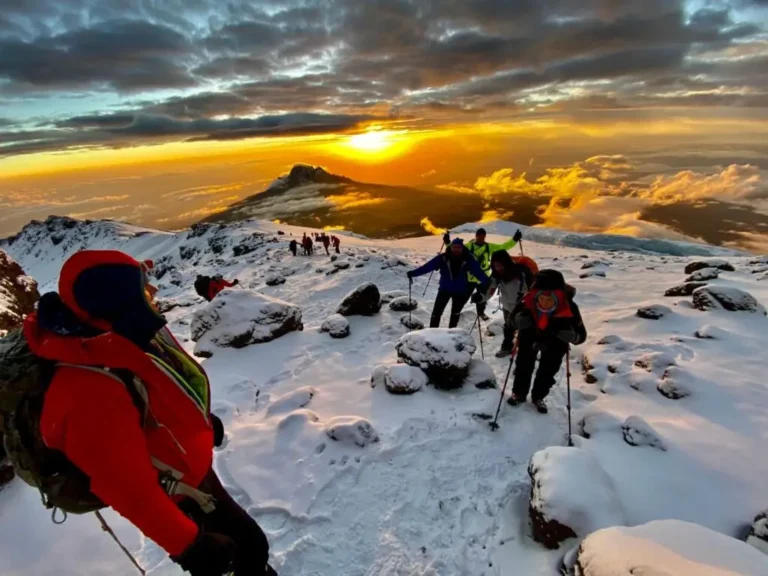
Umbwe Route Cost /: Prices, Itinerary & Expert Guide 2026-2027
Planning a Kilimanjaro climb via the Umbwe Route for 2026 or 2027? This comprehensive guide details the expected Umbwe Route cost, including itinerary options, what's included, and factors...
View package details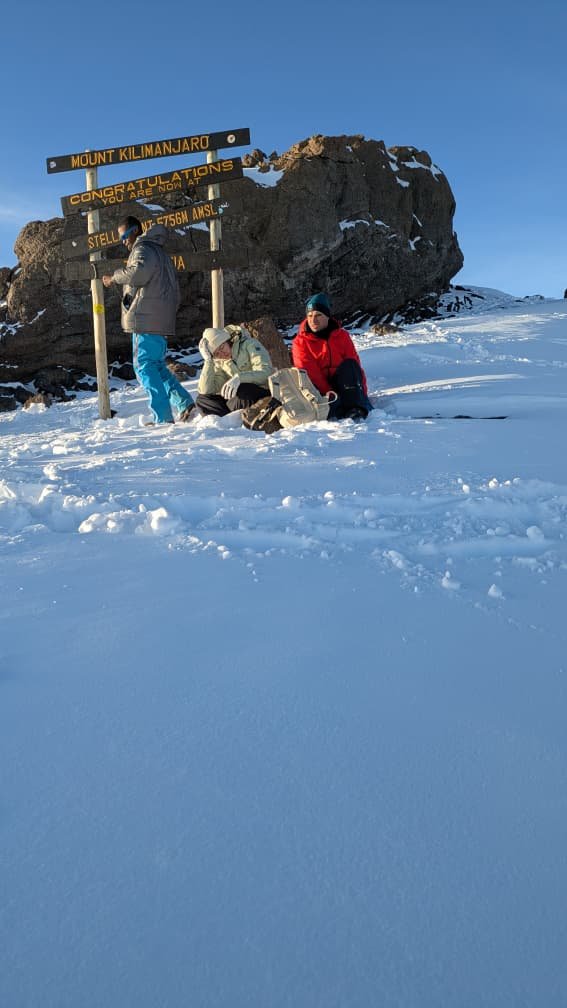
7 Days Rongai Route Kilimanjaro: Cost & Full Itinerary 2026-2027
Discover the best of Kilimanjaro's Rongai Route with a detailed 7-day itinerary, cost breakdown, and expert tips for your 2026-2027 climb. Learn why Rongai is a popular choice for trekkers...
View package detailsRongai Route Cost /: Prices, Packages & Itinerary 2026-2027
Planning a Kilimanjaro climb via the Rongai Route in 2026 or 2027? This comprehensive guide details the Rongai Route cost, including typical prices, what's included in packages, and a...
View package detailsLemosho Vs Machame: Cost, Itinerary & Which Route Is Better? 2026-2027
Lemosho vs Machame: Cost, Itinerary & Which Route Is Better? is explained with current 2026-2027 planning, price, itinerary and booking information.
View package details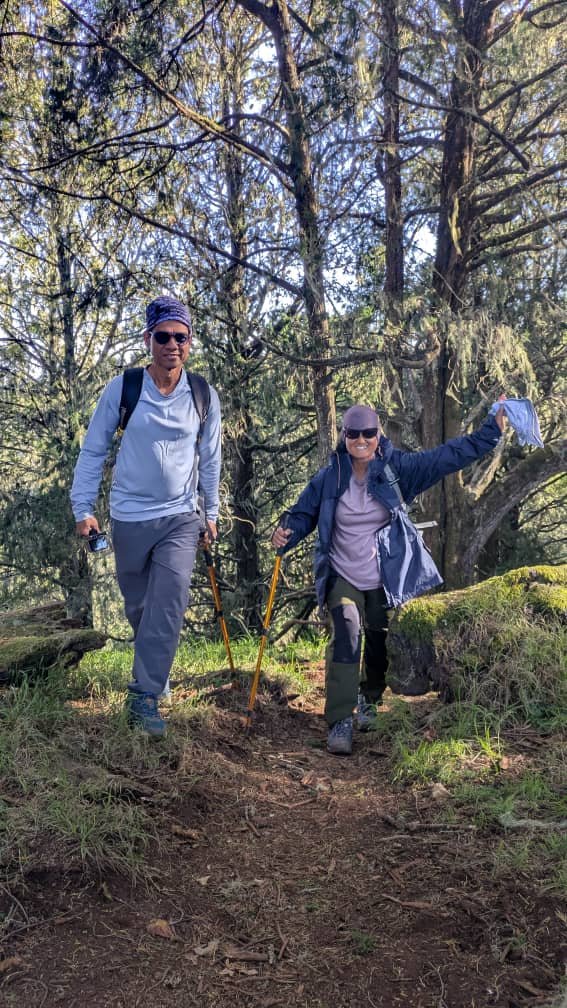
Shira Plateau Day Hike: Cost, Price & Itinerary For 2026-2027
Your ultimate guide to the Shira Plateau day hike, covering costs, pricing, and a comprehensive itinerary. Perfect for planning your 2026-2027 Kilimanjaro region adventure.
View package detailsMarangu Kilimanjaro Day Hike: Cost, Price & Itinerary For 2026-2027
Discover everything you need to know about the Marangu Kilimanjaro day hike, including detailed cost, pricing, and itinerary information for 2026-2027. Plan your adventure with expert...
View package details
Kilimanjaro Day Hike Cost /: Prices & Best Routes 2026-2027
Kilimanjaro Day Hike Cost 2026/2027: Prices & Best Routes is explained with current 2026-2027 planning, price, itinerary and booking information.
View package details
Kilimanjaro Crater Camp Cost: Prices, Fees & Itinerary For Climbs 2026-2027
Planning a Kilimanjaro climb to Crater Camp? This guide breaks down the 2026-2027 costs, including all associated fees and essential itinerary details. Learn what influences the price and...
View package detailsShira Route Cost /: Prices & Packages For Kilimanjaro Climbs 2026-2027
Understand the estimated costs and package details for climbing Kilimanjaro via the Shira Route in 2026 and 2027. This guide covers pricing, what's included, and how to choose the right...
View package details
Private Rongai Route Cost & Price Per Person For Climbs 2026-2027
Planning a private climb up Kilimanjaro via the Rongai Route in 2026 or 2027? This guide breaks down the private Rongai Route cost per person, detailing what influences the price, what's...
View package details
6-Day Vs 7-Day Kilimanjaro Climb: Is The Extra Day Worth Price? 2026-2027
Choosing between a 6-day and 7-day climb on Kilimanjaro is a critical decision impacting your success and enjoyment. This in-depth guide breaks down the differences, costs, and benefits to...
View package detailsNo related package matches those filters. Clear one or more filters to see the other topic-matched options.



