A 6-day Marangu Route climb on Kilimanjaro typically costs between $1,200 to $2,500 per person, depending on the operator, inclusions, and service level for 2026-2027 expeditions. This package usually includes park fees, accommodation before and after the climb, meals on the mountain, experienced guides and porters, and airport transfers. The 6-day itinerary involves a steady ascent through varied ecosystems, starting from Marangu Gate, passing through Mandara and Horombo Huts, reaching Kibo Hut, and then attempting the summit via Stella Point or Uhuru Peak, before descending along the same path.


Understanding the 6 Days Marangu Route: A Comprehensive Guide
The Marangu Route, famously known as the “Coca-Cola” route, stands as the most established and widely recognized path to the summit of Mount Kilimanjaro. Its popularity stems from its gentle slope, well-maintained paths, and the unique experience of sleeping in mountain huts rather than tents, offering a degree of comfort often sought by trekkers. While shorter than some other routes, the 6-day Marangu itinerary is often recommended for those seeking a balance between a manageable trek duration and adequate acclimatization, crucial for reaching Uhuru Peak successfully. This guide will break down everything you need to know about undertaking a 6-day Marangu Route climb, focusing on cost, pricing factors, and a detailed day-by-day itinerary for 2026-2027 expeditions.
Marangu Route: The Classic Kilimanjaro Experience
Established in 1970, the Marangu Route is the oldest climbing route on Kilimanjaro. It is also the only route that offers dormitory-style hut accommodation, making it a comfortable option for many. The route approaches Kilimanjaro from the southeast and follows an ascending path, offering diverse scenery as you climb through rainforest, moorland, alpine desert, and arctic zones. The 6-day option is a popular choice, providing a reasonable pace for acclimatization. While it offers a good chance of success, it’s important to note that the ascent and descent are on the same path, which can make the descent feel less engaging for some. However, for many, the familiarity and comfort of the Marangu Route make it an ideal choice for their Kilimanjaro adventure.
6 Days Marangu Route: Cost and Pricing Breakdown for 2026-2027
When planning your Kilimanjaro climb for 2026 or 2027, understanding the cost is paramount. The price for a 6-day Marangu Route trek can vary significantly based on several factors. At Climb 4 Africa, we strive to offer transparent pricing that reflects the quality of service, safety standards, and the overall experience provided. Generally, you can expect the cost to fall within the range of $1,200 to $2,500 per person for a 2026-2027 expedition.
This price range is influenced by:
- Operator Type: Local operators like Climb 4 Africa often provide more competitive pricing than international operators, while still maintaining high standards.
- Inclusions: The most significant factor affecting cost is what is included in the package. Essential inclusions typically cover park fees, rescue fees, salaries for guides and porters, camping equipment (though Marangu uses huts), all meals on the mountain, and basic accommodation before and after the climb. Luxury inclusions might add items like private rooms in hotels, better quality food, or more personalized guide services.
- Group Size: While the 6-day Marangu Route can be booked as a private climb, joining a group departure can sometimes reduce the per-person cost.
- Seasonality: Peak climbing seasons (January-March and June-October) may see slightly higher prices due to increased demand. Off-peak seasons might offer more flexibility.
- Service Level: The quality of equipment, food, and the ratio of porters to climbers can impact the price. Higher staff-to-client ratios ensure better support and safety.
Typical Inclusions for a 6 Days Marangu Route Package (2026-2027)
- Park entrance fees and conservation fees
- Crater service fees (if applicable to specific itinerary variations)
- Rescue fees
- Salaries for qualified guides, assistant guides, and porters
- Nutritious meals during the trek (breakfast, lunch, dinner)
- Boiled water on the mountain
- Accommodation in Marangu Huts (Mandara, Horombo, Kibo Huts)
- Accommodation in a hotel/lodge before and after the climb (often 2 nights total)
- All necessary camping equipment (for guides/porters, not trekkers on Marangu)
- Oxygen cylinders for emergency use
- Porters’ equipment and food
- Ground transportation (airport transfers, Marangu Gate transfers)
- Climbing certificate
Exclusions commonly include: Personal climbing gear, sleeping bags, tips for guides and porters, travel insurance, visas, vaccinations, personal expenses, and optional items like climbing poles or extra snacks.
Factors Affecting Price: A Deeper Look for 2026-2027 Bookings
Choosing the right operator is crucial, and for 2026-2027 bookings, it’s wise to look beyond just the lowest price. A reputable operator invests in their crew’s welfare, provides quality equipment, and prioritizes safety. These factors, while increasing the initial cost, significantly enhance your chances of a successful and enjoyable climb.
- Porter Welfare: Ethical operators ensure porters are well-equipped, adequately fed, and paid fair wages. This is a significant differentiator and often contributes to a higher price point.
- Guide Experience: Highly trained guides with extensive knowledge of Kilimanjaro, first aid, and high-altitude physiology are invaluable. Their expertise is key to your safety and success.
- Food Quality: While on the mountain, the food provided is vital for energy. Operators using fresh ingredients and offering varied, nutritious meals often charge more.
- Equipment: Sturdy tents (for other routes, but relevant for hut comfort on Marangu), quality sleeping bags (often rentable), and reliable cooking gear contribute to comfort and safety.
- Support Staff Ratio: A higher ratio of porters to climbers means less weight for each porter to carry, improving their well-being and reducing their physical strain.
When comparing prices for your 2026 or 2027 adventure, carefully review what each operator includes. Don’t hesitate to ask detailed questions about their safety protocols, porter policies, and the experience of their guides. A slightly higher price for a package with robust inclusions and a strong ethical standing is often a worthwhile investment.
The 6 Days Marangu Route Itinerary: A Day-by-Day Journey
The 6-day Marangu Route itinerary is designed to offer a steady ascent, allowing your body to gradually adjust to the increasing altitude. This is one of the most straightforward itineraries for Kilimanjaro, characterized by its hut-to-hut trekking. Below is a detailed breakdown of the typical 6-day Marangu Route itinerary, highlighting the distances, approximate trekking times, and altitudes.
Day 1: Marangu Gate (1,860m / 6,100ft) to Mandara Huts (2,700m / 8,860ft)
- Distance: Approximately 8 km / 5 miles
- Trekking Time: 3-4 hours
- Habitat: Rainforest
- Description: Your Kilimanjaro climb begins at the Marangu Gate. After completing registration and paying park fees, you’ll start the trek through the dense rainforest. The path is well-maintained and relatively gentle. You’ll likely encounter diverse flora and fauna, including monkeys and various bird species. The trek ends at Mandara Huts, a collection of A-frame huts set in a forest clearing. You’ll have dinner and spend your first night on the mountain.
Day 2: Mandara Huts (2,700m / 8,860ft) to Horombo Huts (3,700m / 12,140ft)
- Distance: Approximately 12 km / 7.5 miles
- Trekking Time: 5-6 hours
- Habitat: Moorland
- Description: Today’s trek takes you out of the rainforest and into the moorland zone. The landscape opens up, offering stunning views of Kilimanjaro’s peaks and the surrounding plains. The path is still a gradual ascent. You’ll pass through the Maundi Crater, offering a chance for a short detour and great views. Horombo Huts are situated in a picturesque valley and offer a more exposed environment than Mandara. You’ll have time to rest, hydrate, and enjoy the vistas.
Day 3: Acclimatization Day at Horombo Huts (3,700m / 12,140ft)
- Distance: Varies (optional hike)
- Trekking Time: 2-3 hours (optional)
- Habitat: Moorland
- Description: This is a crucial acclimatization day. To help your body adjust to the altitude, you’ll undertake a short hike towards the saddle between Kilimanjaro and Mawenzi. You might hike up to Zebra Rocks (about 45 minutes to an hour up) or further towards Mawenzi Peak. This acclimatization hike is vital for preventing altitude sickness and increasing your chances of summit success. You’ll return to Horombo Huts for the night.
Day 4: Horombo Huts (3,700m / 12,140ft) to Kibo Huts (4,700m / 15,400ft)
- Distance: Approximately 10 km / 6 miles
- Trekking Time: 5-6 hours
- Habitat: Alpine Desert
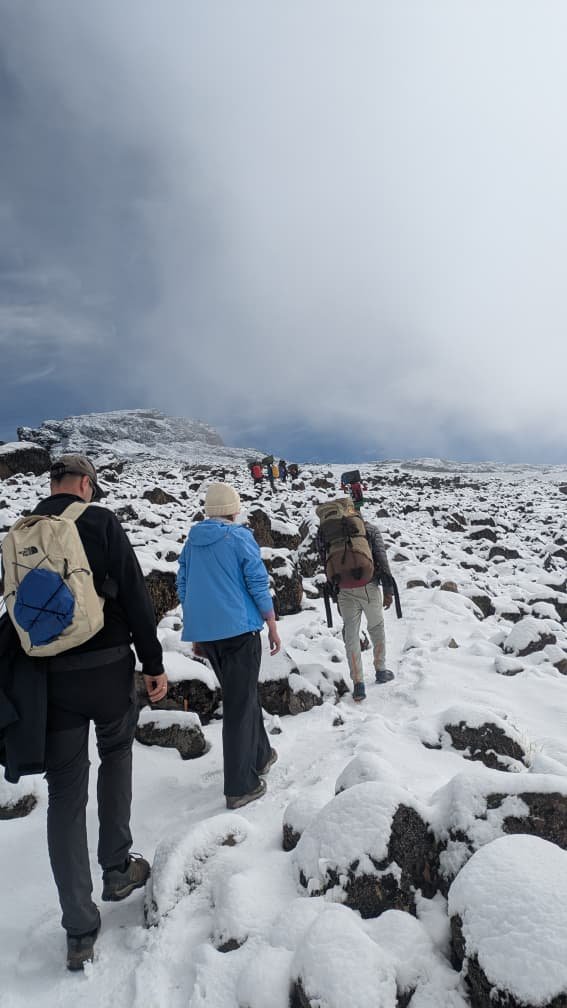
- Description: The landscape dramatically changes as you enter the alpine desert zone. The vegetation becomes sparse, and the terrain is rocky. You’ll trek across the vast “saddle” connecting Kilimanjaro’s two main peaks, Kibo and Mawenzi. The air becomes thinner, and the temperature drops significantly. Kibo Huts are located at the base of the Kibo crater wall, marking the final staging point before the summit attempt. You’ll have an early dinner and an early bedtime to conserve energy for the summit push.
Day 5: Kibo Huts (4,700m / 15,400ft) to Summit (Uhuru Peak, 5,895m / 19,341ft) and back to Horombo Huts (3,700m / 12,140ft)
- Distance: Approximately 6 km / 3.7 miles (ascent) + 16 km / 10 miles (descent)
- Trekking Time: 7-8 hours (ascent) + 3-4 hours (descent to Kibo) + 3-4 hours (descent to Horombo)
- Habitat: Arctic
- Description: This is the most challenging day. You’ll start your summit attempt around midnight, trekking in the dark with headlamps. The path is steep and involves scree. You’ll aim to reach Stella Point (5,756m / 18,885ft) by sunrise, offering spectacular views. From Stella Point, you’ll continue for another hour to Uhuru Peak, the highest point in Africa. After celebrating your achievement, you’ll descend back to Kibo Huts for a short rest before continuing down to Horombo Huts. This is a very long and demanding day.
Day 6: Horombo Huts (3,700m / 12,140ft) to Marangu Gate (1,860m / 6,100ft)
- Distance: Approximately 20 km / 12.5 miles
- Trekking Time: 5-7 hours
- Habitat: Moorland to Rainforest
- Description: After breakfast, you’ll begin your final descent back through the moorland and rainforest zones to Marangu Gate. The trek is considerably easier and faster than the ascent. Upon reaching the gate, you’ll be met by your driver, receive your climbing certificate, and have the opportunity to tip your guides and porters. You’ll then be transferred back to your hotel in Moshi or Arusha.
Why Choose a 6-Day Marangu Route Itinerary?
The 6-day Marangu Route offers a compelling option for several types of trekkers:
- Beginners: Its gentler slopes and hut accommodation make it more accessible for those new to high-altitude trekking.
- Comfort Seekers: The availability of huts provides a more comfortable experience compared to camping, especially for those who prefer basic amenities over rugged adventure.
- Time-Constrained Climbers: While 7 days is often ideal for acclimatization on Marangu, 6 days is a viable option for those with limited time, provided they are in good physical condition and have acclimatized well beforehand.
- Those Seeking a Classic Experience: As the original route, Marangu offers a historic and iconic Kilimanjaro journey.
However, it’s crucial to acknowledge the trade-offs. The 6-day itinerary has a lower acclimatization profile compared to longer routes like Machame or Lemosho. The ascent and descent on the same path can also mean less varied scenery on the way down. For this reason, many operators, including Climb 4 Africa, often recommend the 7-day Marangu itinerary for improved acclimatization and a higher summit success rate, especially for climbers who may not have extensive high-altitude experience.
Comparing 6-Day Marangu with Other Kilimanjaro Routes
While the 6-day Marangu Route is a distinct choice, it’s helpful to compare it with other popular Kilimanjaro routes, especially when considering your 2026-2027 travel plans.
Marangu Route (6 Days) vs. Machame Route (7 Days)
- Marangu (6 Days): Pros: Hut accommodation, gentler slope. Cons: Same ascent/descent path, lower acclimatization profile than longer routes.
- Machame (7 Days): Pros: Higher summit success rate due to better acclimatization profile, diverse scenery, camping accommodation (for a more traditional trek). Cons: No huts, can be steeper in sections.
For a similar price point in 2026-2027, a 7-day Machame route climb often offers a superior acclimatization strategy. However, if hut comfort is a priority, Marangu remains a strong contender.
Marangu Route (6 Days) vs. Lemosho Route (7-8 Days)
- Marangu (6 Days): As described above.
- Lemosho (7-8 Days): Pros: High success rates, stunning scenery, less crowded initially, excellent acclimatization profile, camping. Cons: Generally more expensive, camping.
The Lemosho route is often considered one of the most scenic and offers excellent acclimatization, leading to higher success rates. It’s typically more expensive than Marangu, even for a 6-day trek.
The choice of route depends heavily on your priorities: comfort, scenery, budget, acclimatization strategy, and desired success rate. For 2026-2027 travel, carefully weigh these factors. If your budget is a primary concern and you value hut accommodation, the 6-day Marangu Route is a viable option. However, if maximizing your chances of reaching Uhuru Peak and experiencing more varied landscapes are higher priorities, longer routes like Machame or Lemosho, perhaps in their 7-day variations, might be more suitable.
Preparing for Your 6 Days Marangu Route Climb in 2026-2027
Successful preparation is key to any Kilimanjaro climb, and the 6-day Marangu Route is no exception. Even with its shorter duration and hut accommodation, altitude presents a significant challenge.
Physical Training
Focus on cardiovascular fitness. Regular hiking, running, cycling, or swimming for several months leading up to your climb is essential. Prioritize hiking with a weighted backpack on varied terrain, including hills and stairs, to simulate mountain conditions. Strength training for your legs and core will also be beneficial.
Acclimatization Strategies
While the 6-day Marangu itinerary includes an acclimatization day at Horombo Huts, it’s less aggressive than longer routes. Consider:
- Pre-acclimatization: Spending a few days at a higher altitude before your trek (e.g., in Arusha or a higher lodge) can be beneficial.
- Pace Yourself: The mantra “pole pole” (slowly, slowly) is critical. Hike at a pace that allows you to hold a conversation.
- Hydration: Drink plenty of water (3-4 liters per day) and avoid alcohol and caffeine, which can dehydrate you.
- Nutrition: Eat well on the mountain. Your guide will encourage you to consume high-carbohydrate meals.
Gear and Equipment
While Marangu offers huts, you still need appropriate trekking gear. Key items include:
- Layered Clothing: Thermal base layers, fleece mid-layers, and a waterproof/windproof outer shell are essential.
- Footwear: Broken-in hiking boots with good ankle support are crucial.
- Sleeping Bag: A 4-season sleeping bag is recommended, even with huts, as temperatures can drop below freezing.
- Headlamp: Essential for the summit night.
- Sun Protection: High SPF sunscreen, sunglasses, and a wide-brimmed hat.
- Water Bottles/Hydration Pack: Carry at least 2-3 liters.
Climb 4 Africa can provide detailed packing lists and offers rental services for some gear items like sleeping bags and trekking poles.
Health and Vaccinations
Consult your doctor or a travel clinic well in advance of your 2026-2027 trip regarding recommended vaccinations and malaria prophylaxis. Ensure you have comprehensive travel insurance that covers high-altitude trekking and emergency medical evacuation.
Understanding Altitude Sickness on Kilimanjaro
Altitude sickness, or Acute Mountain Sickness (AMS), is a primary concern for all Kilimanjaro climbers. The 6-day Marangu route, while offering a hut experience, still ascends to significant heights, making acclimatization vital.
Symptoms of AMS:
- Headache
- Nausea and vomiting
- Dizziness
- Fatigue
- Loss of appetite
- Difficulty sleeping
Preventing and Managing AMS:
- Ascend Slowly: This is the most effective preventative measure. The 6-day Marangu route attempts this, but the acclimatization day at Horombo is key.
- Hydrate: Drink ample fluids.
- Avoid Alcohol and Smoking: These can exacerbate symptoms.
- Eat Well: High-carbohydrate meals provide energy.
- Medication: Diamox (acetazolamide) can be prescribed by your doctor to aid acclimatization.
- Listen to Your Body: Communicate any symptoms to your guide immediately.
- Descent: If symptoms are severe, the only cure is to descend. Your guide will make this decision based on your condition.
Climb 4 Africa’s guides are trained to recognize and manage AMS, ensuring your safety is always the top priority during your 2026-2027 climb.
The Role of Guides and Porters on the Marangu Route
The success and safety of your 6-day Marangu Route climb hinge significantly on the expertise and dedication of your mountain crew: your guides and porters.
Guides:
Your guides are experienced mountaineers who have likely climbed Kilimanjaro hundreds of times. They are responsible for:
- Navigating the route
- Monitoring your health and acclimatization
- Ensuring adherence to safety protocols
- Providing information about the flora, fauna, and geology
- Making critical decisions regarding your well-being
Porters:
Porters are the backbone of Kilimanjaro expeditions. They carry the bulk of the equipment, including food, tents (for guides), sleeping bags, and personal gear. On the Marangu Route, they ensure the huts are stocked and maintained. Their role is vital for:
- Carrying supplies to the huts
- Setting up camp areas around the huts (if necessary for cooking)
- Ensuring a smooth operation on the mountain
Ethical treatment of porters is a cornerstone of responsible tourism. Reputable operators, like Climb 4 Africa, ensure porters are treated fairly, paid appropriately, and are not overburdened. This commitment not only respects the porters but also contributes to a more positive and professional trekking experience for you.
Booking Your 2026-2027 Kilimanjaro Climb with Climb 4 Africa
When you’re ready to book your 6-day Marangu Route adventure for 2026 or 2027, choosing the right partner is essential. Climb 4 Africa is a local Tanzanian company with extensive experience in Kilimanjaro climbs and Tanzanian travel.
We offer:
- Expert Local Knowledge: Being based in Tanzania gives us unparalleled insight into the mountain and local conditions.
- Safety First Approach: We prioritize your safety with well-trained guides, comprehensive medical kits, and emergency protocols.
- Ethical Operations: We are committed to the fair treatment and welfare of our guides and porters.
- Tailored Experiences: Whether you prefer a private climb or joining a group, we can customize your itinerary.
- Competitive Pricing: We offer excellent value for money, ensuring high-quality service without compromising on safety or ethics.
To inquire about pricing for your specific 2026-2027 6-day Marangu Route climb, discuss itinerary options, or ask any questions, please don’t hesitate to reach out.
Contact Climb 4 Africa:
- WhatsApp: +255 747 477 898
- Email: climb4africa@gmail.com
- Website: climb4africa.com
We look forward to helping you achieve your dream of climbing Kilimanjaro via the classic Marangu Route in 2026 or 2027!
Frequently Asked Questions about the 6 Days Marangu Route
Here are answers to some common questions potential climbers have about the 6-day Marangu Route, especially for 2026-2027 trips.
Is the 6-day Marangu Route suitable for beginners?
Yes, the 6-day Marangu Route is often considered one of the easier routes due to its gradual ascent and hut accommodation. However, it still requires good physical fitness and preparation for high altitude. The 6-day duration provides less acclimatization time than longer routes, so beginners should ensure they are well-prepared physically and understand the risks of altitude sickness.
What is the success rate for the 6-day Marangu Route?
The success rate for the 6-day Marangu Route is generally lower than for longer routes (around 60-70%), primarily due to the shorter acclimatization period. The 7-day Marangu itinerary, or other longer routes, typically offer higher success rates (80-90%+) because they allow the body more time to adapt to the altitude. However, with diligent training, proper acclimatization, and careful pacing, reaching the summit is achievable.
What is the difference between Marangu and other routes like Machame or Lemosho?
The main differences lie in accommodation, route profile, scenery, and acclimatization. Marangu is the only route with hut accommodation. Machame and Lemosho use camping. Machame is known for its “wake-up high, sleep low” acclimatization profile and varied scenery. Lemosho is often considered the most scenic and least crowded, with excellent acclimatization. Marangu’s ascent and descent paths are the same, while other routes offer different paths for ascent and descent.
When is the best time to climb the Marangu Route in 2026-2027?
The best times to climb Kilimanjaro, including the Marangu Route, are during the dry seasons: January to March and June to October. These months offer clearer skies, less rain, and more stable weather conditions, which are ideal for trekking and summit attempts in 2026 and 2027.
What gear can I rent for the Marangu Route?
Commonly rentable items include sleeping bags, trekking poles, and sometimes down jackets. Reputable operators like Climb 4 Africa will provide a list of available rental gear and associated costs. It’s essential to rent high-quality gear, especially a warm sleeping bag, as nights on Kilimanjaro are cold.
How much should I tip my guides and porters on the Marangu Route?
Tipping is customary and highly appreciated. A general guideline for 2026-2027 climbs is around $20-$25 per day for guides and $10-$15 per day for porters, per climber. Some operators provide specific tipping guidelines. It’s best to pool tips for the team and hand them over at the end of the trek, often in a ceremony at the base hotel.
What is the cost of park fees for the Marangu Route?
Park fees are a significant component of the total cost and are usually included in package prices. For the Marangu Route, these include entry fees, camping/hut fees, and conservation fees. As of recent years, these fees can total several hundred US dollars per person for the duration of the climb, and they are subject to change by the Tanzania National Parks Authority (TANAPA) for 2026-2027. Reputable operators will clearly state if these are included in their quoted price.
Can I book a private 6-day Marangu Route climb?
Yes, private climbs are available for the 6-day Marangu Route. This offers more flexibility in terms of departure dates and a more personalized experience. While a private climb might be slightly more expensive per person than joining a group, it guarantees your group will have dedicated guides and porters.
What is the accommodation like at the Marangu Huts?
Mandara, Horombo, and Kibo Huts are dormitory-style buildings with basic amenities. They typically have bunk beds, a table, and a bench. Toilets are usually communal, located a short walk from the huts. Water is available, but you’ll need to treat or boil it. While basic, they offer shelter and a welcome respite from the elements, especially compared to tent camping.
What are the risks of climbing Kilimanjaro in 6 days?
The primary risk is altitude sickness due to insufficient acclimatization. Other risks include hypothermia, dehydration, injuries from falls on steep terrain, and exhaustion. Choosing a reputable operator with experienced guides and adhering to safety protocols are crucial for mitigating these risks.
Check Availability for 6 Days Marangu Route: Cost, Price & Full Itinerary For Climbs 2026-2027
Ready to compare dates, prices, and the best option for your group? Send the package name and travel month so the team can reply with a clear quote, availability, and what is included.
6 Days Umbwe Route: Cost, Price & Full Itinerary For Climbs 2026-2027
Planning a Kilimanjaro climb via the challenging Umbwe Route in 6 days? This guide breaks down the costs, essential inclusions, and a comprehensive day-by-day itinerary to help you prepare...
View package details
6 Days Rongai Route Kilimanjaro: Cost, Itinerary & Expert Guide For 2026-2027
The 6 Days Rongai Route offers a unique approach to climbing Kilimanjaro from the north. This guide details the itinerary, cost considerations for 2026-2027, and expert tips for a...
View package detailsMarangu Kilimanjaro Day Hike: Cost, Price & Itinerary For 2026-2027
Discover everything you need to know about the Marangu Kilimanjaro day hike, including detailed cost, pricing, and itinerary information for 2026-2027. Plan your adventure with expert...
View package details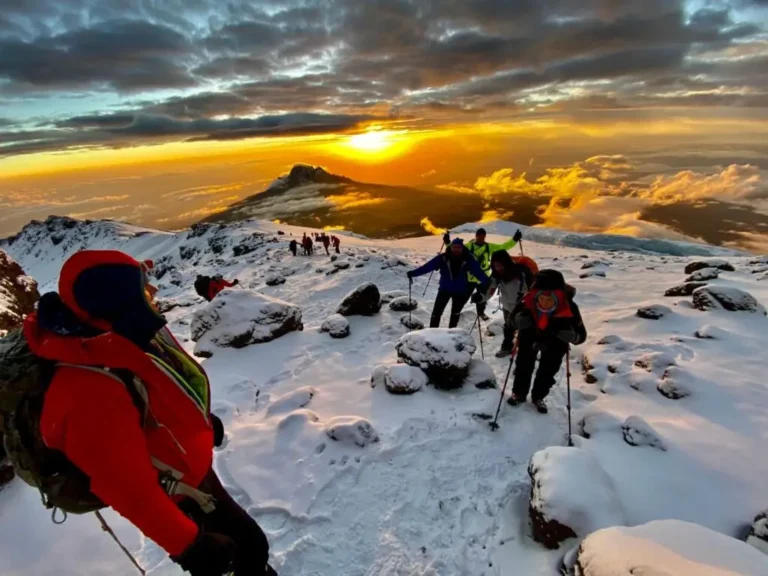
Umbwe Route Cost /: Prices, Itinerary & Expert Guide 2026-2027
Planning a Kilimanjaro climb via the Umbwe Route for 2026 or 2027? This comprehensive guide details the expected Umbwe Route cost, including itinerary options, what's included, and factors...
View package details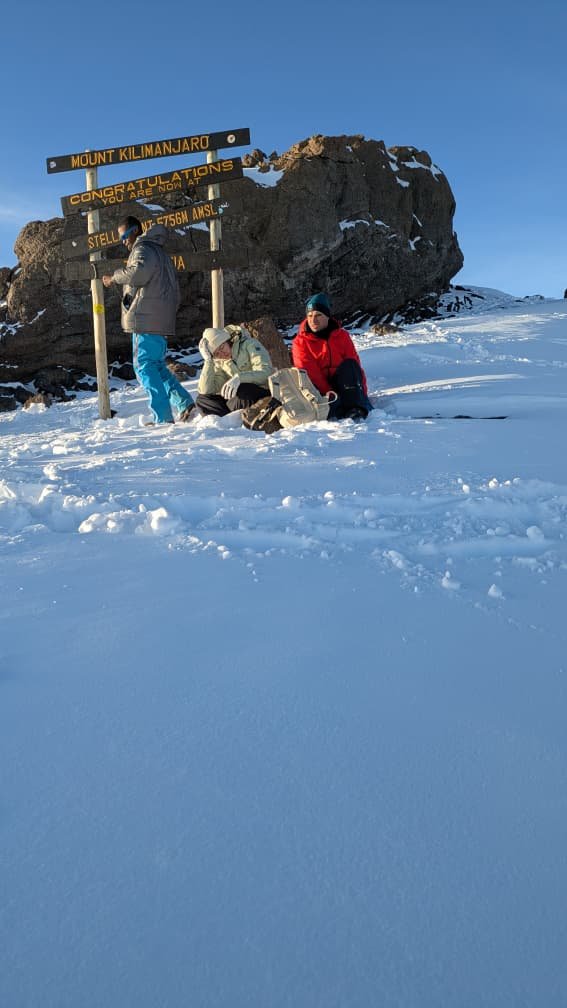
7 Days Rongai Route Kilimanjaro: Cost & Full Itinerary 2026-2027
Discover the best of Kilimanjaro's Rongai Route with a detailed 7-day itinerary, cost breakdown, and expert tips for your 2026-2027 climb. Learn why Rongai is a popular choice for trekkers...
View package detailsRongai Route Cost /: Prices, Packages & Itinerary 2026-2027
Planning a Kilimanjaro climb via the Rongai Route in 2026 or 2027? This comprehensive guide details the Rongai Route cost, including typical prices, what's included in packages, and a...
View package detailsLemosho Vs Machame: Cost, Itinerary & Which Route Is Better? 2026-2027
Lemosho vs Machame: Cost, Itinerary & Which Route Is Better? is explained with current 2026-2027 planning, price, itinerary and booking information.
View package details
Shira Plateau Day Hike: Cost, Price & Itinerary For 2026-2027
Your ultimate guide to the Shira Plateau day hike, covering costs, pricing, and a comprehensive itinerary. Perfect for planning your 2026-2027 Kilimanjaro region adventure.
View package details
Kilimanjaro Day Hike Cost /: Prices & Best Routes 2026-2027
Kilimanjaro Day Hike Cost 2026/2027: Prices & Best Routes is explained with current 2026-2027 planning, price, itinerary and booking information.
View package details
Kilimanjaro Route Cost Comparison: Lemosho, Machame, Marangu, Rongai &
Kilimanjaro Route Cost Comparison: Lemosho, Machame, Marangu, Rongai & Northern Circuit is explained with current 2026-2027 planning, price, itinerary and.
View package details
Kilimanjaro Crater Camp Cost: Prices, Fees & Itinerary For Climbs 2026-2027
Planning a Kilimanjaro climb to Crater Camp? This guide breaks down the 2026-2027 costs, including all associated fees and essential itinerary details. Learn what influences the price and...
View package detailsShira Route Cost /: Prices & Packages For Kilimanjaro Climbs 2026-2027
Understand the estimated costs and package details for climbing Kilimanjaro via the Shira Route in 2026 and 2027. This guide covers pricing, what's included, and how to choose the right...
View package detailsNo related package matches those filters. Clear one or more filters to see the other topic-matched options.



