The cost for a 5-day Marangu Route Kilimanjaro climb in 2026-2027 typically ranges from $1,200 to $2,500 per person, depending on the operator, inclusions, and group size. This price generally covers park fees, guide and porter wages, meals on the mountain, accommodation before and after the climb, and basic equipment. A full 5-day Marangu Route itinerary involves ascending through diverse ecological zones, starting from the Marangu gate and progressing through rainforest, moorland, and alpine desert to reach the summit via Kibo Hut and Stella Point, before descending back to Marangu Gate.

Understanding the 5-Day Marangu Route: Kilimanjaro’s “Coca-Cola” Trail
The Marangu Route, often nicknamed the “Coca-Cola” trail due to its popularity and accessibility, is the oldest and most established path to the summit of Mount Kilimanjaro. For trekkers seeking a 5-day itinerary, it offers a relatively straightforward ascent, characterized by its well-maintained path and the unique opportunity to sleep in mountain huts rather than tents. This makes it a popular choice for those who prefer more comfortable overnight stays. However, the 5-day option is the shortest and fastest way to complete the trek, which significantly impacts acclimatization and success rates. Understanding the nuances of this route, its pricing, and the detailed itinerary is crucial for planning a successful 2026-2027 Kilimanjaro expedition.
Climb 4 Africa specializes in making Kilimanjaro climbs accessible and memorable. We understand that planning a trek involves many considerations, from the physical preparation to the financial investment. This guide aims to provide a comprehensive overview of the 5-day Marangu Route, focusing on the practical aspects of cost, price, and a day-by-day breakdown of the trek, helping you make an informed decision for your 2026 or 2027 adventure.
Marangu Route 5 Days: Cost and Price Breakdown for 2026-2027
The overall cost of a 5-day Marangu Route Kilimanjaro climb is influenced by several factors. It’s essential to look beyond just the base price and understand what is included. Reputable operators like Climb 4 Africa strive for transparency in their pricing, ensuring that key elements like park fees, guide and porter salaries, food, and emergency support are covered.
Key Cost Components of a 5-Day Marangu Trek
When evaluating the price of a 5-day Marangu Route trek for 2026-2027, consider these essential components:
- National Park Fees: These are substantial and mandatory, covering conservation efforts and daily access to Kilimanjaro National Park. They are non-negotiable and form a significant part of the total cost.
- Guide and Porter Wages: Fair wages for the mountain crew are critical for ethical trekking. Reputable companies ensure their staff are well-compensated and equipped.
- Food and Water: All meals on the mountain are typically included, prepared by a dedicated cook. Water is usually provided or can be purified.
- Accommodation: On the Marangu Route, this includes huts on the mountain and accommodation in Moshi or Arusha before and after the climb.
- Equipment: While personal gear is the climber’s responsibility, operators often provide tents (for camping routes, though not Marangu huts), cooking equipment, and sometimes shared items like sleeping mats.
- Safety and Support: This includes oxygen supplies, first-aid kits, communication devices, and emergency evacuation procedures.
- Logistics: Transport to and from the mountain gate, as well as airport transfers.
Typical Price Ranges for 2026-2027 Marangu Climbs
For a 5-day Marangu Route climb in 2026 or 2027, you can expect prices to fall within the following general ranges:
- Budget Operators: Typically range from $1,200 to $1,600 per person. These may have fewer inclusions, smaller support teams, or basic accommodation.
- Mid-Range Operators (Recommended): Usually cost between $1,600 to $2,200 per person. These operators offer a good balance of quality service, experienced guides, well-fed crews, and essential safety measures. Climb 4 Africa operates within this range, focusing on value and safety.
- High-End/Luxury Operators: Can range from $2,200 to $2,500+ per person. These often offer enhanced services, private facilities, higher guide-to-client ratios, or additional comfort items.
It’s important to note that private climbs will be more expensive than group climbs. Group departure dates, especially those organized by companies like Climb 4 Africa, can sometimes offer better value.
What’s Typically Included vs. Excluded
Common Inclusions:
- Kilimanjaro National Park entry fees, camping fees (for hut porters), and rescue fees.
- Salaries, meals, and transport for guides, cooks, and porters.
- Accommodation in huts on the mountain (Marangu Route).
- Accommodation in hotel/lodges before and after the climb (usually 2 nights).
- All meals on the mountain.
- Drinking water on the mountain.
- A private portable toilet (for groups of 4+).
- Emergency oxygen and a comprehensive first-aid kit.
- Briefing before and debriefing after the climb.
- 24/7 support from the ground team.
Common Exclusions:
- Flights: International flights to Kilimanjaro International Airport (JRO).
- Visas: For Tanzania.
- Travel Insurance: Mandatory, including emergency evacuation.
- Personal Gear: Such as hiking boots, warm clothing, sleeping bags, and backpacks.
- Tips for Guides, Porters, and Cook: This is a customary practice and a significant part of the crew’s income.
- Lunches, Dinners, and Drinks in Moshi/Arusha: Unless specified otherwise.
- Optional Activities: Such as hot springs visits or cultural tours.
- Gratuities for hotel staff.
- Personal expenses: Such as souvenirs, laundry, and alcoholic beverages.
When comparing prices for 2026-2027, always ask for a detailed breakdown of inclusions and exclusions. A slightly higher price for a more comprehensive package often represents better value and a more comfortable, safer experience.
The 5-Day Marangu Route Itinerary: A Day-by-Day Guide
The 5-day Marangu Route is the shortest option, offering a rapid ascent. While it’s the quickest way to reach the summit, it’s also associated with a lower success rate due to insufficient acclimatization. This itinerary is designed for those who are well-prepared physically and have perhaps trekked at altitude before. For a higher chance of success, the 6-day Marangu Route or other longer routes like Machame are often recommended.
Day 1: Marangu Gate (1,860m / 6,100ft) to Mandara Huts (2,720m / 8,925ft)
Distance: 8 km / 5 miles
Trekking Time: 4-5 hours
Habitat: Rainforest
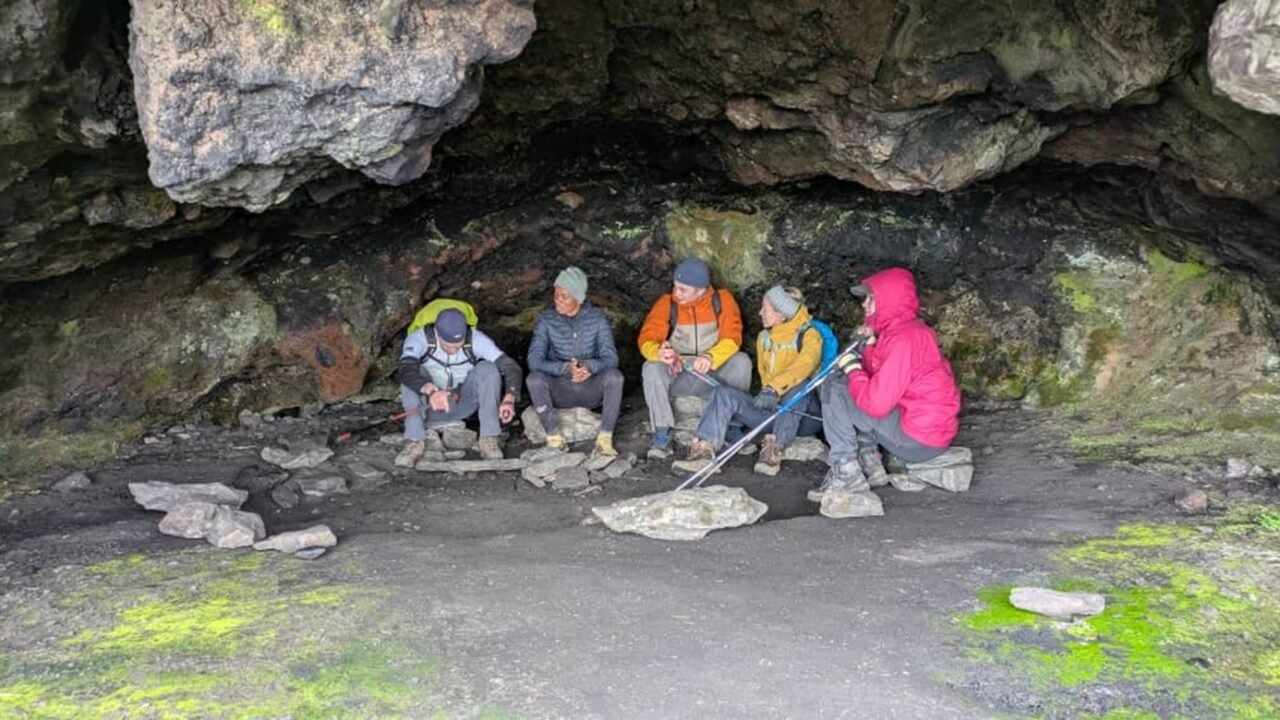
Your Kilimanjaro adventure begins at the Marangu Gate. After completing park formalities and meeting your guide, you’ll start the trek through the lush rainforest. The path is well-defined and relatively gentle. You’ll likely encounter diverse flora and fauna, including various bird species and possibly monkeys. The hike takes about 4-5 hours, leading you to the Mandara Huts, a cluster of comfortable wooden A-frame huts set in a clearing. You’ll have dinner and spend your first night on the mountain.
Day 2: Mandara Huts (2,720m / 8,925ft) to Horombo Huts (3,720m / 12,205ft)
Distance: 12 km / 7.5 miles
Trekking Time: 6-7 hours
Habitat: Moorland
Today’s trek takes you out of the rainforest and into the moorland zone, characterized by heather, giant groundsels, and lobelias. The trail becomes steeper in sections, and you’ll gain significant altitude. The views start to open up, offering glimpses of the surrounding plains and, on clear days, Mount Kilimanjaro’s peaks. The hike to Horombo Huts takes approximately 6-7 hours. Horombo Huts are also communal huts, located in a scenic area with stunning views. You’ll settle in, have dinner, and rest for the night.
Day 3: Horombo Huts (3,720m / 12,205ft) to Kibo Huts (4,720m / 15,485ft)
Distance: 10 km / 6 miles
Trekking Time: 5-6 hours
Habitat: Alpine Desert
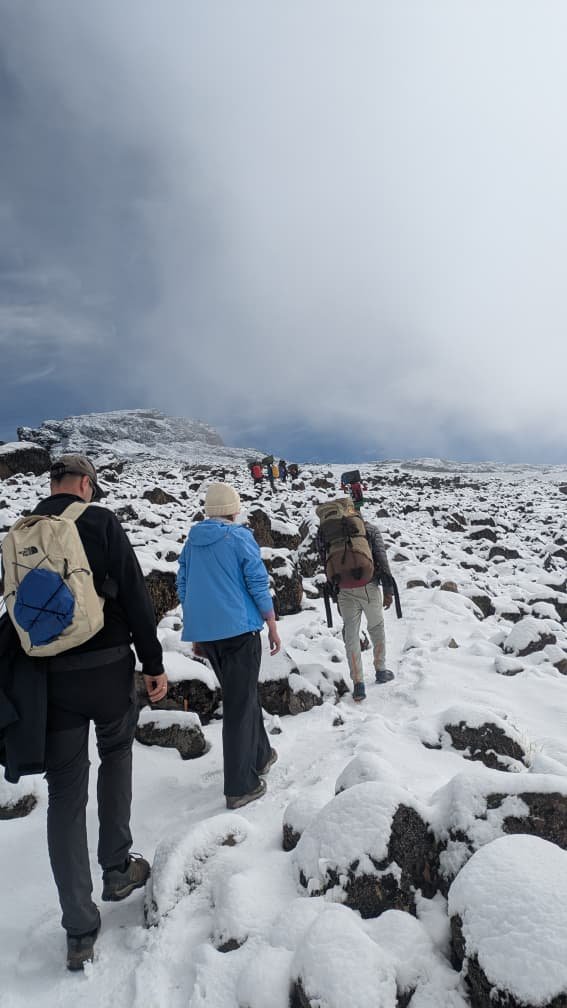
The landscape transforms dramatically as you enter the alpine desert zone. Vegetation becomes sparse, and the terrain is rocky and exposed. You’ll trek across a saddle between Kilimanjaro’s three main cones: Kibo, Mawenzi, and Shira. The air becomes noticeably thinner, and the temperature drops significantly. This is a crucial day for acclimatization, although the 5-day itinerary offers limited time. The trek to Kibo Huts takes about 5-6 hours. Kibo Huts are basic shelters located at the foot of the final ascent. You’ll have an early dinner and try to get some rest before the summit attempt.
Day 4: Kibo Huts (4,720m / 15,485ft) – Summit (Uhuru Peak 5,895m / 19,341ft) – Horombo Huts (3,720m / 12,205ft)
Distance: 6 km / 3.7 miles ascent + 16 km / 9.9 miles descent
Trekking Time: 7-8 hours ascent + 3-4 hours descent to Kibo, then 3-4 hours descent to Horombo
Habitat: Arctic and Alpine Desert
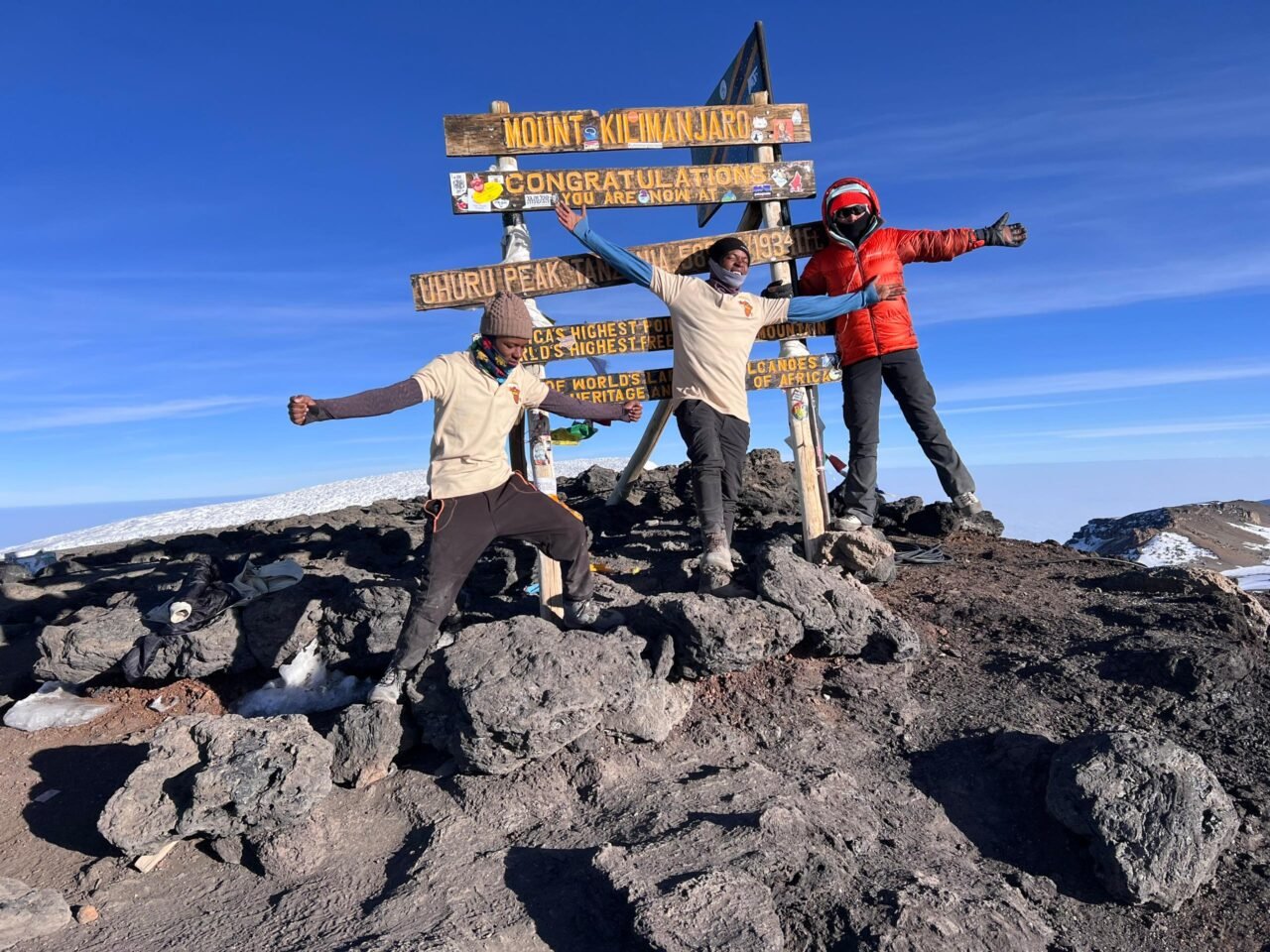
This is the most challenging day. You’ll start your summit attempt around midnight to 1 AM. The ascent is steep and slow, trekking over scree and volcanic rock under the starlight. Your guide will set a slow, steady pace. You’ll reach Stella Point (5,756m / 18,885ft) on the crater rim around sunrise. From Stella Point, it’s a further 1-2 hour walk along the crater rim to Uhuru Peak (5,895m / 19,341ft), the highest point in Africa. After celebrating your achievement and taking photos, you’ll begin the descent back to Kibo Huts. This descent is faster but still demanding. After a short rest at Kibo Huts, you’ll continue descending to Horombo Huts, where you’ll have dinner and a much-needed rest.
Day 5: Horombo Huts (3,720m / 12,205ft) to Marangu Gate (1,860m / 6,100ft)
Distance: 20 km / 12.4 miles
Trekking Time: 5-7 hours descent
Habitat: Moorland to Rainforest
Your final day on Kilimanjaro involves a long descent from Horombo Huts back to Marangu Gate. The trek through the moorland and rainforest is much quicker going downhill. You’ll likely encounter more wildlife as you descend into the lower altitudes. Upon reaching Marangu Gate, you’ll be met by your driver and transferred back to your hotel in Moshi or Arusha. This marks the end of your 5-day Marangu Route trek. Congratulations!
Why the 5-Day Marangu Route Might Not Be Ideal for Everyone
While the 5-day Marangu Route is a popular choice, especially for those looking for the shortest and most affordable option, it’s crucial to understand its limitations. The primary concern is the rapid ascent, which offers very little time for acclimatization. Kilimanjaro’s altitude sickness (Acute Mountain Sickness – AMS) is a serious risk, and rushing the climb significantly increases the chances of experiencing symptoms or even having to turn back before reaching the summit.
Acclimatization and Success Rates
The principle of “climb high, sleep low” is fundamental to successful high-altitude trekking. The 5-day Marangu itinerary forces climbers to “sleep high” with minimal acclimatization time. Consequently, summit success rates for the 5-day Marangu Route are generally lower compared to longer itineraries. While exact figures vary, success rates can be as low as 40-60% for the 5-day option, whereas longer routes (6-7 days) can achieve success rates of 70-85% or higher.
Considerations for 2026-2027 Climbers
If you are considering the 5-day Marangu Route for your 2026 or 2027 climb, ask yourself these questions:
- Your Previous Altitude Experience: Have you successfully trekked to altitudes above 4,000 meters before?
- Your Fitness Level: While fitness is important, it doesn’t guarantee acclimatization. However, being very fit helps manage the physical exertion.
- Your Willingness to Accept Risk: Are you comfortable with a potentially lower chance of reaching the summit?
- Your Budget: The 5-day Marangu is often the most budget-friendly option, but the cost of a failed summit attempt in terms of disappointment and lost opportunity is also a factor.
For many, the added cost of an extra day or two on the mountain is a worthwhile investment for a significantly higher chance of summit success and a more enjoyable, safer experience. The 6-day Marangu Route, for example, adds an acclimatization day at Horombo Huts, which can make a substantial difference.
Comparing the 5-Day Marangu Route with Other Kilimanjaro Options
When planning your Kilimanjaro climb for 2026-2027, it’s helpful to compare the 5-day Marangu Route with other popular routes. Each route offers a different experience in terms of scenery, difficulty, cost, and success rates.
Marangu vs. Machame Route
The Machame Route is another very popular option, often referred to as the “Whiskey Route.” It is typically trekked over 6 or 7 days, offering excellent acclimatization and high success rates. Machame is a camping route, meaning you’ll sleep in tents, which some trekkers prefer for a more rugged experience.
Key Differences:
- Duration & Acclimatization: Machame (6-7 days) is superior to Marangu (5 days) for acclimatization.
- Accommodation: Marangu uses huts; Machame uses tents.
- Scenery: Machame is often considered more scenic, with varied landscapes and the option to traverse the Shira Plateau.
- Cost: The 5-day Marangu is generally cheaper than a 6 or 7-day Machame climb due to the shorter duration, but the difference narrows when comparing equivalent service levels.
- Success Rate: Machame routes (6-7 days) have significantly higher success rates than the 5-day Marangu.
Marangu vs. Lemosho Route
The Lemosho Route is known for its stunning scenery and excellent acclimatization profile, typically trekked over 7 or 8 days. It’s a longer, more remote, and often more expensive route but offers a very high chance of success and a more pristine wilderness experience.
Key Differences:
- Duration & Acclimatization: Lemosho (7-8 days) provides the best acclimatization among popular routes.
- Scenery: Lemosho is arguably the most beautiful route, starting in lush rainforest and offering panoramic views.
- Cost: Lemosho is generally more expensive than Marangu due to its longer duration and logistics.
- Success Rate: Lemosho routes boast the highest success rates.
Marangu vs. Rongai Route
The Rongai Route approaches Kilimanjaro from the north, near the Kenyan border. It’s an excellent alternative, particularly during the rainy season, as the northern side receives less rainfall. It’s typically a 6 or 7-day trek and is a camping route.
Key Differences:
- Scenery: Rongai offers a different perspective, starting in drier country.
- Weather: Better suited for the rainy season (April-May, Nov-Dec).
- Duration & Acclimatization: Rongai (6-7 days) offers better acclimatization than the 5-day Marangu.
- Cost: Similar to Machame, Rongai (6-7 days) will be more expensive than the 5-day Marangu.
For trekkers prioritizing acclimatization and summit success for their 2026-2027 climb, routes longer than the 5-day Marangu are strongly recommended. However, if the 5-day Marangu is your chosen path, ensure you choose a reputable operator like Climb 4 Africa that prioritizes safety and provides experienced guides.
Preparing for Your 5-Day Marangu Route Climb
Successful trekking on Kilimanjaro, regardless of the route or duration, requires thorough preparation. This includes physical training, mental readiness, and packing the right gear.
Physical Training Recommendations
While you don’t need to be an elite athlete, a good level of cardiovascular fitness is essential. Focus on:
- Cardiovascular Exercise: Engage in activities like hiking (with a backpack), running, cycling, or swimming for at least 3-4 times a week.
- Hiking: The best preparation is hiking, ideally on varied terrain and with elevation gain. Aim for longer hikes (4-6 hours) on weekends. Practice hiking with the weight you expect to carry in your daypack.
- Strength Training: Focus on leg strength (squats, lunges) and core strength.
- Altitude Acclimatization: If possible, spend time at altitude before your trek. However, for most travelers, this isn’t feasible, making proper acclimatization on the mountain crucial.
Essential Gear for the 5-Day Marangu Route
The Marangu Route’s hut accommodation means you don’t need a full camping setup, but quality gear is still vital. Key items include:
- Layered Clothing: Base layers (thermal), mid-layers (fleece), and outer layers (waterproof and windproof jacket and trousers).
- Warm Jacket: A down or synthetic insulated jacket for summit night.
- Hiking Boots: Waterproof, broken-in hiking boots.
- Sleeping Bag: A warm, 4-season sleeping bag rated to at least -10°C (14°F).
- Headlamp: With extra batteries for summit night.
- Sun Protection: Sunscreen, sunglasses, a wide-brimmed hat, and lip balm.
- Water Bottles/Hydration Reservoir: At least 2-3 liters capacity.
- Trekking Poles: Highly recommended for stability and reducing strain on knees.
- Personal First-Aid Kit: Including any personal medications.
Climb 4 Africa provides a comprehensive packing list upon booking to ensure you have everything necessary for your 2026-2027 climb.
Mental Preparation
Trekking Kilimanjaro is as much a mental challenge as a physical one. Be prepared for:
- Long Trekking Hours: Especially on summit night.
- Challenging Conditions: Cold temperatures, wind, and potential altitude sickness symptoms.
- Basic Amenities: While huts are more comfortable than tents, they are still basic mountain shelters.
- Patience and Perseverance: The mountain demands respect and a positive attitude.
Safety on the 5-Day Marangu Route
Safety is paramount on any Kilimanjaro climb. Reputable operators prioritize the well-being of their clients and crew. For the 5-day Marangu Route, specific safety considerations include:
Altitude Sickness Management
Altitude sickness is the most common challenge. Symptoms can include headache, nausea, dizziness, and fatigue. Your guides are trained to recognize these symptoms and manage them. They will monitor you closely, encourage hydration, and advise on appropriate pace. If symptoms worsen, descent is the only cure. The 5-day itinerary’s rapid ascent makes this a critical concern.
Role of Guides and Crew
Your guides are experienced mountaineers trained in first aid and altitude sickness management. They make critical decisions regarding your safety. The porters carry the bulk of the gear, and the cook prepares nutritious meals. A well-supported and experienced team is vital for a safe and successful climb.
Emergency Procedures
Reputable companies like Climb 4 Africa have established emergency protocols. This includes carrying emergency oxygen, comprehensive first-aid kits, and having arrangements for emergency evacuation (often by stretcher or helicopter, which is covered by your travel insurance). Always ensure your travel insurance policy covers high-altitude trekking and emergency evacuation.
Choosing the Right Operator for Your 2026-2027 Climb
Selecting a reliable tour operator is perhaps the most crucial decision you’ll make when planning your 5-day Marangu Route climb. The operator significantly influences your safety, comfort, experience, and ultimately, your chance of reaching the summit.
What to Look for in an Operator
- Safety Record and Procedures: Do they have a proven safety record? What are their emergency protocols? Do they carry oxygen?
- Guide Qualifications: Are guides certified in wilderness first aid and experienced with Kilimanjaro?
- Crew Welfare: Do they treat their guides, porters, and cooks ethically, providing fair wages, adequate food, and proper equipment? Look for KPAP (Kilimanjaro Porters Assistance Project) affiliation or similar ethical standards.
- Inclusions and Transparency: Is the price clear? What exactly is included and excluded? Avoid operators with suspiciously low prices that often hide extra costs or compromise on safety and crew welfare.
- Reviews and Reputation: Check independent reviews on platforms like TripAdvisor.
- Communication: How responsive and helpful are they during the planning stages?
Climb 4 Africa is committed to ethical trekking and client safety. We believe in providing high-quality experiences with well-supported teams. For your 2026 or 2027 Kilimanjaro adventure, we offer transparent pricing and a dedication to making your climb a success.
Booking Your 2026-2027 Marangu Route Climb
Planning ahead is highly recommended, especially for popular trekking seasons. Booking your 5-day Marangu Route climb for 2026-2027 6-12 months in advance is advisable to secure your preferred dates and ensure availability. Early booking also gives you ample time for training and preparation.
When you’re ready to book or have further questions about the 5-day Marangu Route cost, itinerary, or any other Kilimanjaro climb, please don’t hesitate to reach out to us. We are here to help you plan the adventure of a lifetime.
Contact Climb 4 Africa today:
- WhatsApp: +255 747 477 898
- Email: climb4africa@gmail.com
- Website: Climb 4 Africa
Let us help you make your dream of climbing Kilimanjaro a reality in 2026 or 2027!
Check Availability for 5 Days Marangu Route: Cost, Price & Full Itinerary For Climbs 2026-2027
Ready to compare dates, prices, and the best option for your group? Send the package name and travel month so the team can reply with a clear quote, availability, and what is included.
6 Days Umbwe Route: Cost, Price & Full Itinerary For Climbs 2026-2027
Planning a Kilimanjaro climb via the challenging Umbwe Route in 6 days? This guide breaks down the costs, essential inclusions, and a comprehensive day-by-day itinerary to help you prepare...
View package details
6 Days Rongai Route Kilimanjaro: Cost, Itinerary & Expert Guide For 2026-2027
The 6 Days Rongai Route offers a unique approach to climbing Kilimanjaro from the north. This guide details the itinerary, cost considerations for 2026-2027, and expert tips for a...
View package detailsMarangu Kilimanjaro Day Hike: Cost, Price & Itinerary For 2026-2027
Discover everything you need to know about the Marangu Kilimanjaro day hike, including detailed cost, pricing, and itinerary information for 2026-2027. Plan your adventure with expert...
View package details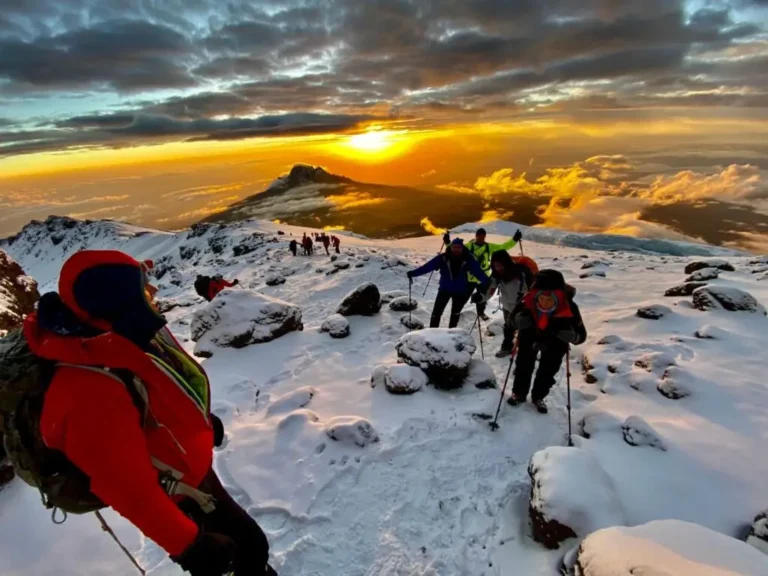
Umbwe Route Cost /: Prices, Itinerary & Expert Guide 2026-2027
Planning a Kilimanjaro climb via the Umbwe Route for 2026 or 2027? This comprehensive guide details the expected Umbwe Route cost, including itinerary options, what's included, and factors...
View package details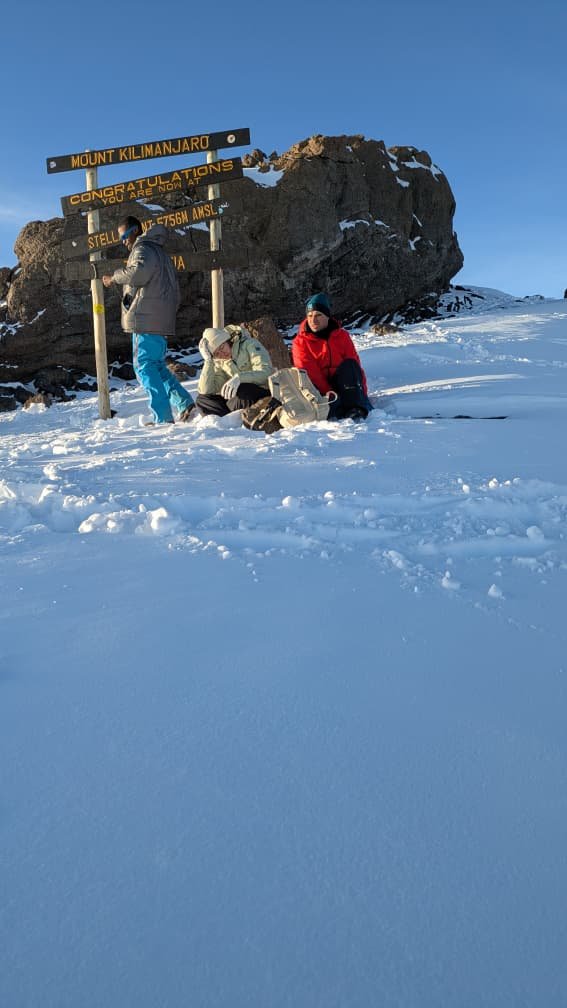
7 Days Rongai Route Kilimanjaro: Cost & Full Itinerary 2026-2027
Discover the best of Kilimanjaro's Rongai Route with a detailed 7-day itinerary, cost breakdown, and expert tips for your 2026-2027 climb. Learn why Rongai is a popular choice for trekkers...
View package detailsRongai Route Cost /: Prices, Packages & Itinerary 2026-2027
Planning a Kilimanjaro climb via the Rongai Route in 2026 or 2027? This comprehensive guide details the Rongai Route cost, including typical prices, what's included in packages, and a...
View package detailsLemosho Vs Machame: Cost, Itinerary & Which Route Is Better? 2026-2027
Lemosho vs Machame: Cost, Itinerary & Which Route Is Better? is explained with current 2026-2027 planning, price, itinerary and booking information.
View package details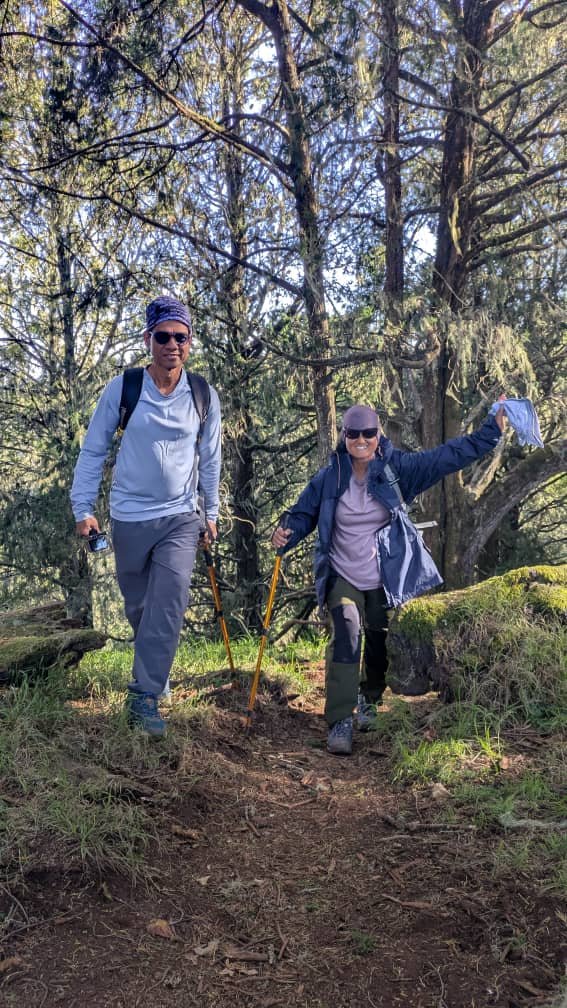
Shira Plateau Day Hike: Cost, Price & Itinerary For 2026-2027
Your ultimate guide to the Shira Plateau day hike, covering costs, pricing, and a comprehensive itinerary. Perfect for planning your 2026-2027 Kilimanjaro region adventure.
View package details
Kilimanjaro Day Hike Cost /: Prices & Best Routes 2026-2027
Kilimanjaro Day Hike Cost 2026/2027: Prices & Best Routes is explained with current 2026-2027 planning, price, itinerary and booking information.
View package details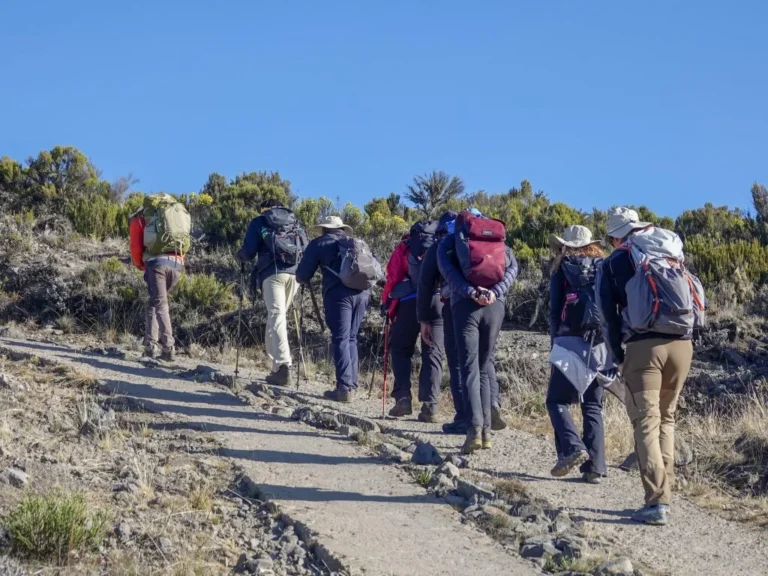
Kilimanjaro Route Cost Comparison: Lemosho, Machame, Marangu, Rongai &
Kilimanjaro Route Cost Comparison: Lemosho, Machame, Marangu, Rongai & Northern Circuit is explained with current 2026-2027 planning, price, itinerary and.
View package details
Kilimanjaro Crater Camp Cost: Prices, Fees & Itinerary For Climbs 2026-2027
Planning a Kilimanjaro climb to Crater Camp? This guide breaks down the 2026-2027 costs, including all associated fees and essential itinerary details. Learn what influences the price and...
View package detailsShira Route Cost /: Prices & Packages For Kilimanjaro Climbs 2026-2027
Understand the estimated costs and package details for climbing Kilimanjaro via the Shira Route in 2026 and 2027. This guide covers pricing, what's included, and how to choose the right...
View package detailsNo related package matches those filters. Clear one or more filters to see the other topic-matched options.



