
Choosing between a 5-day and 6-day Marangu Route trek on Kilimanjaro primarily impacts acclimatization, success rates, and cost. The 6-day option is generally better for most climbers as it allows for slower ascent and improved acclimatization, significantly increasing the chances of reaching Uhuru Peak, despite a slightly higher price. The 5-day trek is faster and cheaper but carries a much higher risk of altitude sickness and failure to summit, making it suitable only for highly acclimatized individuals or those on a very tight budget and schedule for their 2026 or 2027 expedition.

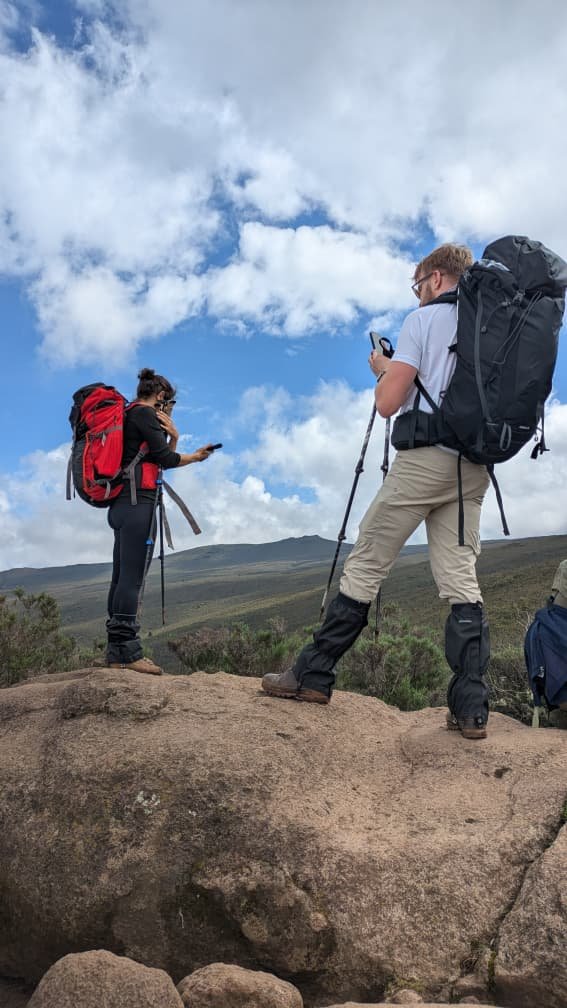
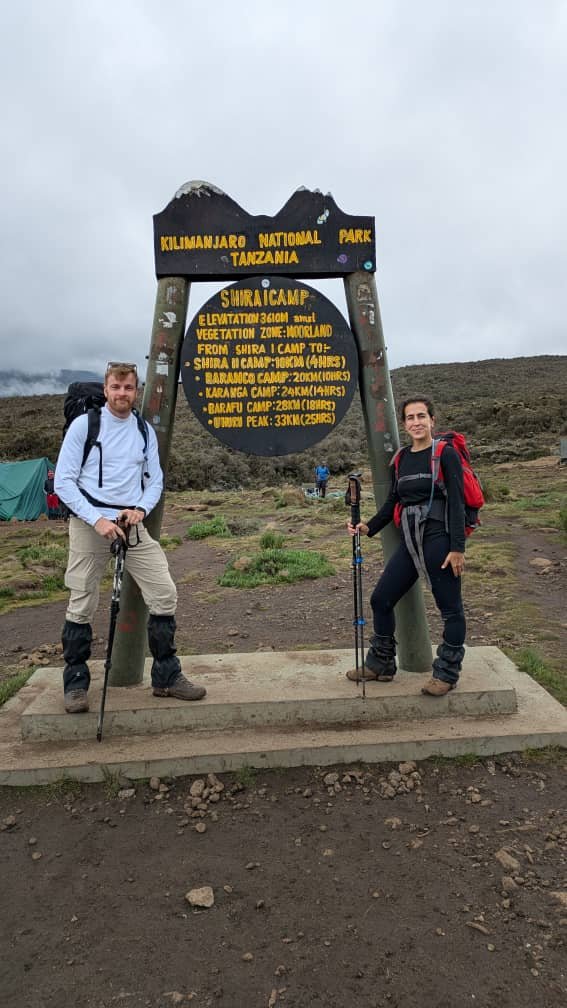
Marangu Route: The Coca-Cola Route – A Detailed Comparison of 5 vs 6 Days
The Marangu Route, often dubbed the “Coca-Cola Route” due to its popularity and relatively gentle ascent, is one of the oldest and most established paths to Kilimanjaro’s summit. It’s known for its unique accommodation in huts rather than tents, offering a more comfortable experience. However, the critical decision for any prospective climber on this route is whether to opt for a 5-day or a 6-day itinerary. This choice has profound implications for your acclimatization, the likelihood of reaching the summit, and the overall cost of your Kilimanjaro adventure in 2026 or 2027.
At Climb 4 Africa, we frequently guide climbers through this decision-making process. Understanding the nuances between the 5-day and 6-day Marangu Route is paramount to ensuring a safe, enjoyable, and successful climb. This article will break down each aspect, from the fundamental differences in itinerary to the financial implications and the ultimate impact on your summit bid.
Understanding the Core Difference: Acclimatization
The most significant distinction between the 5-day and 6-day Marangu Route lies in the pace of ascent and, consequently, the quality of acclimatization. Altitude sickness is the primary obstacle for most Kilimanjaro climbers, and proper acclimatization is the key to overcoming it.
The 5-Day Marangu Route: A Race Against Altitude
The 5-day Marangu Route itinerary is compressed. It involves longer daily trekking distances and less time spent at intermediate altitudes before the final push to the summit. The typical 5-day Marangu itinerary looks something like this:
Typical 5-Day Marangu Route Itinerary
- Day 1: Marangu Gate (1860m) to Mandara Huts (2700m)
- Day 2: Mandara Huts (2700m) to Horombo Huts (3700m)
- Day 3: Horombo Huts (3700m) to Kibo Huts (4700m)
- Day 4: Kibo Huts (4700m) to Summit (Uhuru Peak, 5895m) and back to Horombo Huts (3700m)
- Day 5: Horombo Huts (3700m) to Marangu Gate (1860m)
As you can see, Day 3 sees climbers rapidly ascending from 3700m to 4700m. This is a significant altitude gain in a single day, placing immense pressure on the body’s ability to adapt. Furthermore, the summit attempt on Day 4 is followed by a descent all the way to Horombo Huts. This rapid descent from the summit to a much lower altitude can also be taxing, although it aids in reducing the effects of altitude sickness.
The critical issue with the 5-day itinerary is the lack of rest days or shorter hiking days at higher altitudes. This aggressive pace means the body has insufficient time to produce the extra red blood cells needed to carry oxygen effectively at extreme altitudes. The result is a significantly higher incidence of Acute Mountain Sickness (AMS), headaches, nausea, and fatigue, dramatically lowering the success rate for reaching Uhuru Peak.
The 6-Day Marangu Route: Prioritizing Acclimatization and Success
The 6-day Marangu Route itinerary spreads the ascent over an extra day, allowing for a more gradual and physiologically sound progression. This extra day is typically inserted as a rest or acclimatization day at Horombo Huts (3700m) or a shorter hiking day to a point between Horombo and Kibo Huts. A common 6-day itinerary might look like this:
Typical 6-Day Marangu Route Itinerary
- Day 1: Marangu Gate (1860m) to Mandara Huts (2700m)
- Day 2: Mandara Huts (2700m) to Horombo Huts (3700m)
- Day 3: Horombo Huts (3700m) – Acclimatization Day (e.g., hike to Zebra Rocks and back)
- Day 4: Horombo Huts (3700m) to Kibo Huts (4700m)
- Day 5: Kibo Huts (4700m) to Summit (Uhuru Peak, 5895m) and descend to Horombo Huts (3700m)
- Day 6: Horombo Huts (3700m) to Marangu Gate (1860m)
The key advantage here is the acclimatization day on Day 3. This allows your body to rest and adapt to the altitude of 3700m. Climbers often undertake a short hike to a nearby point (like Zebra Rocks, approximately 4000m) and return to Horombo Huts. This ‘climb high, sleep low’ principle is a cornerstone of effective acclimatization. It stimulates the body to produce more red blood cells without the stress of sleeping at a higher altitude.
Alternatively, the extra day can be used to shorten the trek between Horombo and Kibo Huts, perhaps stopping at a higher camp or simply breaking the 1000m ascent into two more manageable stages. Regardless of how the extra day is implemented, the 6-day Marangu Route provides a significantly better physiological preparation for the extreme altitude of the summit.
Summit Success Rates: The Numbers Don’t Lie
The difference in acclimatization directly translates into vastly different summit success rates between the 5-day and 6-day Marangu Route options. While exact figures can vary based on the operator, weather, and individual climber physiology, the trend is undeniable.
- 5-Day Marangu Route: Success rates are generally reported to be between 30% and 50%. This means that up to half of the climbers attempting the summit on this itinerary may not make it due to altitude sickness.
- 6-Day Marangu Route: Success rates typically range from 60% to 80%, and sometimes even higher for well-prepared climbers with reputable operators. The extra day for acclimatization makes a substantial difference.
For climbers planning their expedition for 2026 or 2027, understanding these statistics is crucial. If your primary goal is to stand on Uhuru Peak, the 6-day itinerary offers a far more reliable path. Sacrificing an extra day for a significantly higher chance of success is a worthwhile trade-off for most.
It’s important to note that even with the 6-day itinerary, success is not guaranteed. Factors like personal fitness, hydration, nutrition, and adherence to guide instructions play a vital role. However, the 6-day route provides the best possible foundation for a successful summit bid on the Marangu Route.
Cost Comparison: 5-Day vs. 6-Day Marangu Route
The cost is often a significant factor in choosing between the two itineraries. Generally, the 5-day Marangu Route is cheaper than the 6-day option. This price difference stems from several factors:
- Park Fees: Kilimanjaro National Park fees are typically calculated per day. An extra day on the mountain means paying park entrance fees and camping/hut fees for one additional day.
- Staff Wages: Porters and guides are paid for the duration of the trek. An extra day means an extra day’s wages for the entire support crew.
- Food and Supplies: More days on the mountain require more food and supplies, increasing logistical costs.
While the exact price difference can vary significantly between tour operators, you can expect the 6-day Marangu Route to be approximately $100 to $300 more expensive than the 5-day option for a standard package in 2026-2027. This difference is relatively small when considering the overall cost of a Kilimanjaro climb and the immense value of increased acclimatization and success rates.
Cost Considerations for 2026-2027 Marangu Climbs
- 5-Day Marangu: Lower upfront cost, but potentially higher risk of failure and needing to re-climb.
- 6-Day Marangu: Slightly higher upfront cost, but significantly better acclimatization and success rates. Considered the better value for most trekkers.
- Operator Variation: Prices differ greatly. Always compare what’s included (e.g., park fees, gear, meals, transfers, emergency support).
- Private vs. Group: Group climbs are generally cheaper than private treks.
When evaluating prices for 2026 or 2027 expeditions, always look beyond the base price. A slightly more expensive package that includes better support, experienced guides, and a 6-day itinerary is often a more economical choice in the long run, saving you the disappointment and cost of a failed summit attempt.
Who Should Choose the 5-Day Marangu Route?
Despite the risks, there are specific scenarios where the 5-day Marangu Route might be considered:
- Extremely Tight Budget: If cost is the absolute primary constraint and a 6-day trek is simply unaffordable.
- Very Limited Time: If a 5-day window is the only option due to work or other commitments.
- Previous High-Altitude Experience: Individuals who have successfully climbed to similar altitudes (e.g., 4500m+) without significant issues and are confident in their acclimatization ability.
- Young, Exceptionally Fit Individuals: While fitness is important, it does not guarantee acclimatization. This is a gamble, even for the fittest.
It is crucial to understand that choosing the 5-day option is a calculated risk. You are accepting a lower probability of reaching the summit in exchange for a lower cost and shorter duration. For most travelers in 2026-2027, the potential disappointment and additional costs of a failed summit attempt outweigh the savings of the 5-day route.
Who Should Choose the 6-Day Marangu Route?
The 6-day Marangu Route is the recommended option for the vast majority of climbers, including:
- First-time Kilimanjaro Climbers: Provides the best balance of acclimatization and comfort.
- Climbers Prioritizing Summit Success: Offers the highest probability of reaching Uhuru Peak on the Marangu Route.
- Those Seeking a More Comfortable Pace: Allows for a more relaxed trekking experience and better enjoyment of the scenery.
- Individuals Prone to Altitude Sickness: The slower ascent is crucial for those who know they are susceptible to altitude-related symptoms.
- Anyone with a Moderate Budget: The slightly higher cost is a small investment for a significantly improved chance of achieving their goal.
The 6-day Marangu Route is the sensible, strategic choice for achieving your Kilimanjaro dream. It demonstrates a commitment to acclimatization, which is the most critical factor for summit success.
Comparing the Marangu Route to Other Kilimanjaro Routes
While the focus here is on the 5 vs 6 days on the Marangu Route, it’s helpful to briefly consider how the Marangu Route itself compares to other popular Kilimanjaro treks, especially concerning duration and acclimatization. This can further inform your decision for a 2026 or 2027 climb.
Other popular routes like Machame, Lemosho, and Shira are generally longer, often 7 or 8 days. These longer routes inherently offer better acclimatization profiles than even the 6-day Marangu. For instance, the Machame Route, often considered the most popular alternative, is typically 6 or 7 days. A 7-day Machame climb offers superior acclimatization to a 6-day Marangu climb due to its more gradual ascent and better ‘climb high, sleep low’ opportunities.
The Marangu Route’s main advantage over these longer routes is its hut accommodation and its status as one of the shorter options. However, when comparing the 5-day and 6-day Marangu options, the 6-day is still outpaced in acclimatization by longer routes like the 7-day Machame or Lemosho. If summit success and acclimatization are your absolute top priorities and you have the time and budget, consider these longer routes as well.
For those set on the Marangu Route, the choice between 5 and 6 days is the primary decision point. The 6-day remains the superior option for acclimatization and success, even when compared to shorter versions of other routes.
What Does the Extra Day Really Mean on the Mountain?
The addition of just one day might seem minor, but on Kilimanjaro, it’s monumental. Here’s what that extra day provides:
- Slower Pace: It allows for shorter daily hiking distances, reducing physical exertion and stress on the body.
- Extended Rest: Crucially, it allows for a dedicated rest day or a shorter hiking day at an intermediate altitude (usually Horombo Huts). This is vital for physiological adaptation.
- Mental Preparedness: A slower pace allows climbers to better appreciate the surroundings, reduce anxiety, and mentally prepare for the challenging summit night.
- Flexibility: It provides a buffer. If a climber feels unwell on a particular day, they have more time to recover or adjust before pushing higher, rather than being forced to descend immediately on a tight schedule.
- Better Hydration and Nutrition: More time means more opportunities to drink water and eat, which are critical for acclimatization and energy levels.
Think of it as building a stronger foundation. The 6-day itinerary builds a more robust physiological foundation, making the final ascent less of a gamble and more of a calculated achievement.
Preparing for Your Marangu Route Climb in 2026-2027
Regardless of whether you choose the 5-day or 6-day Marangu Route, thorough preparation is key to a successful and safe climb. For your 2026 or 2027 expedition, consider the following:
Physical Training
Kilimanjaro is not a technical climb, but it requires significant cardiovascular endurance. Focus on:
- Hiking: Engage in regular hikes, ideally with a weighted backpack, on varied terrain including inclines. Aim for hikes lasting several hours.
- Cardio: Include activities like running, cycling, swimming, or stair climbing multiple times a week.
- Strength Training: Focus on leg strength (squats, lunges) and core strength.
Acclimatization Strategies
While the 6-day itinerary aids acclimatization, proactive measures help:
- Hydration: Drink plenty of water in the days leading up to and during the climb.
- Avoid Alcohol and Smoking: These impair acclimatization.
- Diamox (Acetazolamide): Consult your doctor about taking Diamox. It can significantly aid acclimatization for some individuals.
- Listen to Your Body: Report any symptoms of altitude sickness to your guide immediately.
Gear and Equipment
Proper gear is essential, especially for the Marangu Route’s hut accommodation, which still requires warm clothing and sleeping bags.
- Layering System: Base layers, mid-layers (fleece), and an outer waterproof/windproof shell are crucial.
- Warm Gear: A warm down jacket, hat, gloves, and scarf are essential for summit night.
- Footwear: Broken-in hiking boots with good ankle support and warm socks.
- Sleeping Bag: A 4-season sleeping bag is recommended, even with hut accommodation.
Climb 4 Africa can provide detailed gear lists to ensure you are fully equipped for your chosen itinerary in 2026 or 2027.
When is the Best Time to Climb Kilimanjaro?
While the Marangu Route is open year-round, certain periods offer better weather conditions, which can also influence your decision for a 2026 or 2027 climb.
- Dry Seasons (Best): January-March and June-October. These periods offer the clearest skies, warmest temperatures, and lowest rainfall.
- Wet Seasons (More Challenging): April-May and November-December. Expect more rain, potentially snow at higher altitudes, and lower visibility.
While the 5-day route is risky in any season, the chances of success are further diminished during the wet seasons due to challenging conditions. The 6-day route provides a more robust option regardless of the season, but choosing a dry season will enhance overall comfort and enjoyment.
Choosing Your Tour Operator: The Climb 4 Africa Difference
Selecting a reputable tour operator is as crucial as choosing the right itinerary. For your 2026 or 2027 Marangu Route climb, Climb 4 Africa offers:
- Experienced Guides: Our guides are certified, highly experienced in high-altitude trekking and first aid.
- Focus on Safety: We prioritize your well-being, with strict protocols for monitoring altitude sickness and ensuring proper acclimatization, strongly recommending the 6-day Marangu Route.
- Quality Equipment and Logistics: We provide reliable gear and well-planned logistics.
- Local Support: As a Tanzanian-based company, we have deep local knowledge and direct support.
- Ethical Treatment of Staff: We ensure our porters and guides are well-paid and treated with respect.
We understand that the 5 vs 6 days Marangu Route decision is critical. We are committed to providing you with accurate information and supporting you in choosing the itinerary that best suits your goals and safety, strongly advocating for the 6-day option for a better chance at summit success.
Making Your Final Decision: 5 vs 6 Days Marangu Route
The choice between a 5-day and 6-day Marangu Route trek boils down to a fundamental question: What is your priority?
- If your absolute priority is minimizing cost and duration, and you are willing to accept a significantly higher risk of not reaching the summit, the 5-day Marangu Route might seem appealing. However, this is a gamble that often leads to disappointment and the cost of returning for another attempt.
- If your priority is maximizing your chances of reaching Uhuru Peak, ensuring a safer and more enjoyable experience, and achieving your Kilimanjaro dream, then the 6-day Marangu Route is unequivocally the better option. The slight increase in cost and duration is a small price to pay for a vastly improved probability of success and a more comfortable acclimatization process.
For your 2026 or 2027 Kilimanjaro adventure, we at Climb 4 Africa strongly advise choosing the 6-day Marangu Route. It represents the optimal balance for this popular route, offering a realistic path to the summit while respecting the physiological demands of high-altitude trekking.
Don’t let a rushed itinerary compromise your dream. Invest a little more time and resources for a significantly higher reward. Let us help you plan your unforgettable Kilimanjaro climb. Contact us for a personalized quote and expert advice on planning your 2026-2027 expedition.
Reach out to Climb 4 Africa today:
- WhatsApp: +255 747 477 898
- Email: climb4africa@gmail.com
- Website: Climb4Africa.com
Check Availability for 5 Vs 6 Days Marangu Route: Cost & Which Option Is Better For Kilimanjaro
Ready to compare dates, prices, and the best option for your group? Send the package name and travel month so the team can reply with a clear quote, availability, and what is included.
Rongai Vs Marangu Route Cost: Which Offers Better Value For Kilimanjaro
Comparing the Rongai and Marangu routes for Kilimanjaro climbs in 2026-2027 involves evaluating their distinct costs, scenery, acclimatization profiles, and overall value for trekkers...
View package details
Lemosho Vs Machame: Cost, Itinerary & Which Route Is Better? 2026-2027
Lemosho vs Machame: Cost, Itinerary & Which Route Is Better? is explained with current 2026-2027 planning, price, itinerary and booking information.
View package details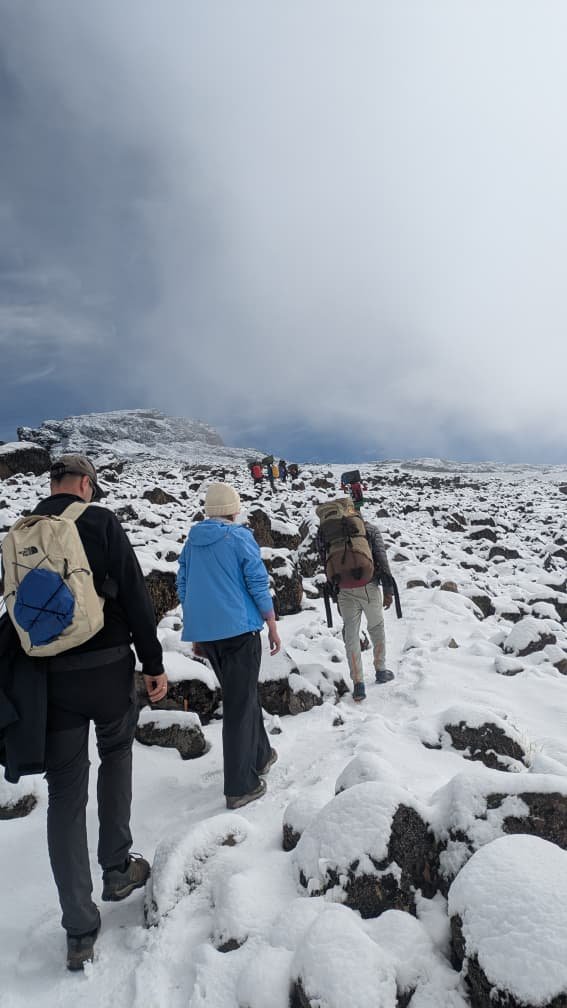
6 Days Umbwe Route: Cost, Price & Full Itinerary For Climbs 2026-2027
Planning a Kilimanjaro climb via the challenging Umbwe Route in 6 days? This guide breaks down the costs, essential inclusions, and a comprehensive day-by-day itinerary to help you prepare...
View package details
6 Days Rongai Route Kilimanjaro: Cost, Itinerary & Expert Guide For 2026-2027
The 6 Days Rongai Route offers a unique approach to climbing Kilimanjaro from the north. This guide details the itinerary, cost considerations for 2026-2027, and expert tips for a...
View package details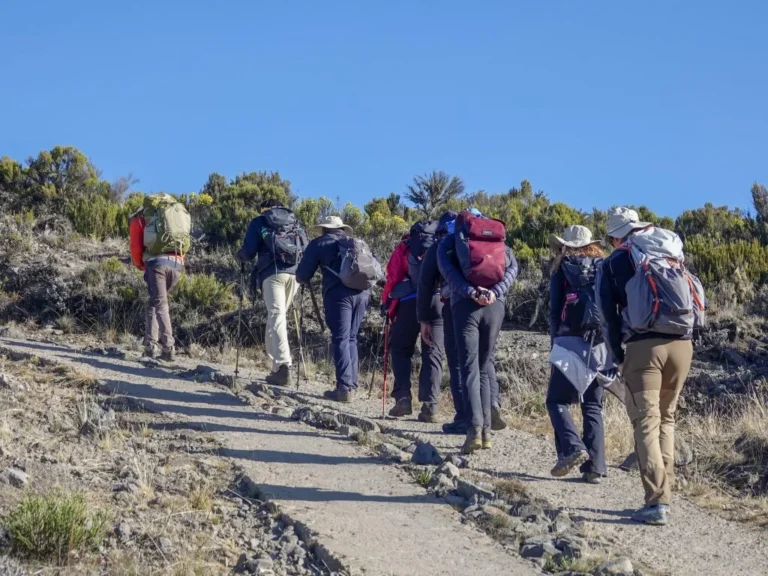
Kilimanjaro Route Cost Comparison: Lemosho, Machame, Marangu, Rongai &
Kilimanjaro Route Cost Comparison: Lemosho, Machame, Marangu, Rongai & Northern Circuit is explained with current 2026-2027 planning, price, itinerary and.
View package details
Is Marangu The Cheapest Kilimanjaro Route? Complete Cost Comparison 2026-2027
The Marangu route is often perceived as the most budget-friendly option for climbing Kilimanjaro, but is it truly the cheapest when all factors are considered? This comprehensive guide...
View package details
Private Marangu Route Cost: Price Per Person For Kilimanjaro Treks 2026-2027
Understand the pricing structure for a private Marangu Route trek on Kilimanjaro. This guide breaks down the cost per person for 2026-2027, covering inclusions, exclusions, and factors...
View package details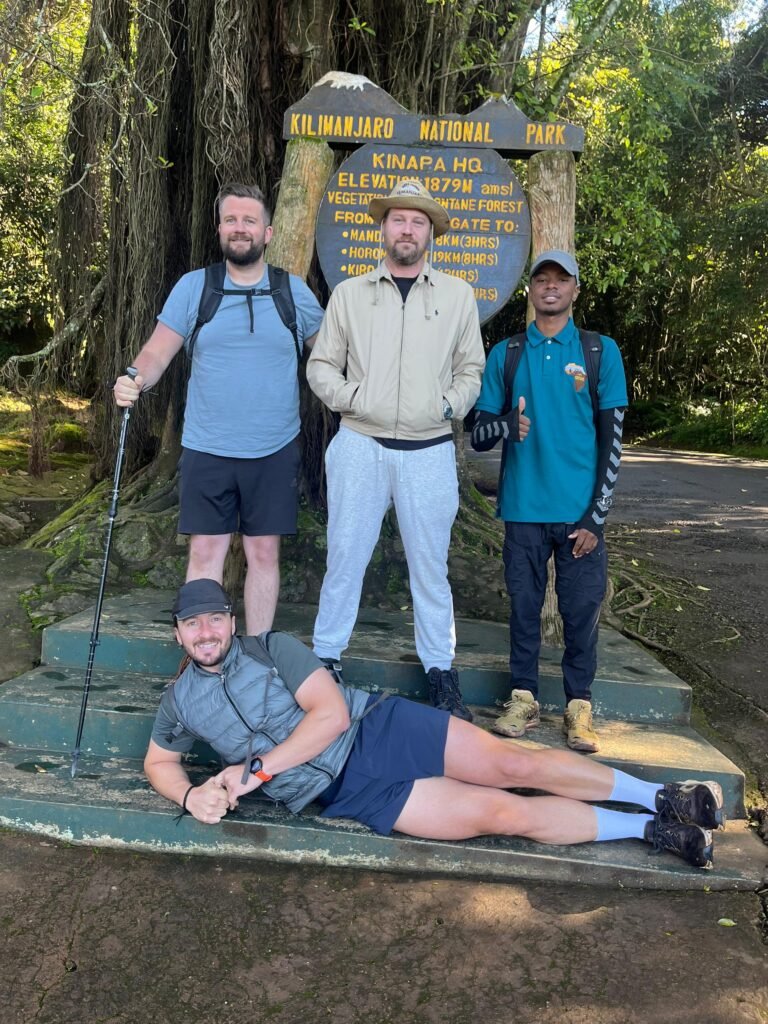
Which Kilimanjaro Route Is The Cheapest? A Guide 2026-2027
When planning a Kilimanjaro climb, cost is a significant factor for many adventurers. Understanding which routes offer the most budget-friendly options is crucial for making informed...
View package details
Camping Vs Hut Kilimanjaro Routes: Cost Comparison Guide
Choosing between camping and hut routes on Kilimanjaro involves more than just preference; it significantly impacts your budget. This guide breaks down the cost differences for 2026-2027...
View package details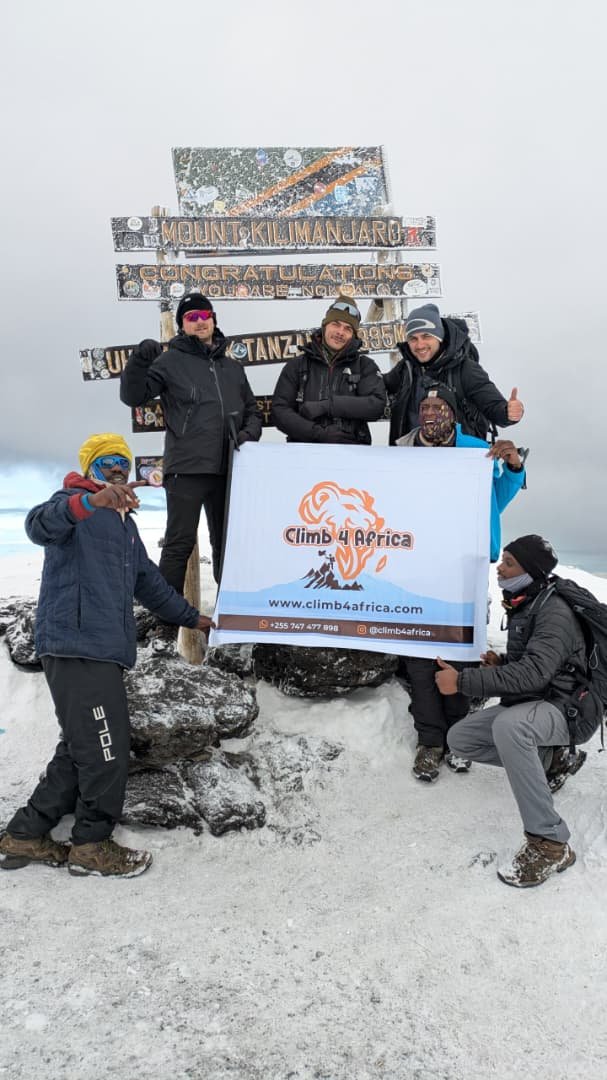
Rongai Vs Machame: Cost & Route Comparison For Kilimanjaro Climbs 2026-2027
Choosing between the Rongai and Machame routes for your Kilimanjaro climb in 2026 or 2027? This comprehensive comparison details route differences, scenery, acclimatization, success rates...
View package details
Lemosho Vs Marangu: Cost, Scenery & Acclimatization Compared 2026-2027
Lemosho vs Marangu: Cost, Scenery & Acclimatization Compared is explained with current 2026-2027 planning, price, itinerary and booking information.
View package details
Why Longer Kilimanjaro Routes Cost More 2026-2027
Why Longer Kilimanjaro Routes Cost More is explained with current 2026-2027 planning, price, itinerary and booking information.
View package detailsNo related package matches those filters. Clear one or more filters to see the other topic-matched options.



