Yes, while your initial booking with a tour operator for Kilimanjaro typically covers core services like guides, porters, food, accommodation on the mountain, and park entry fees, there are indeed several potential additional charges after booking Kilimanjaro that travelers must budget for. These commonly include tips for your climbing crew, personal gear purchases or rentals, travel insurance, visas, vaccinations, and optional expenses like summit bonuses or souvenirs. Understanding these in advance is crucial for accurate financial planning for your 2026 or 2027 climb.
Understanding Kilimanjaro Climb Costs: Beyond the Initial Booking Fee
The allure of standing atop Africa’s highest peak, Mount Kilimanjaro, draws adventurers from around the globe. When you book your Kilimanjaro climb with a reputable operator like Climb 4 Africa, the quoted price usually represents a significant portion of your expedition costs. However, it’s vital to recognize that this price often acts as a baseline, and several other expenses can arise after your initial payment. Being fully informed about these additional charges after booking Kilimanjaro will prevent unwelcome surprises and allow for a smoother, more enjoyable trekking experience in 2026-2027.
This comprehensive guide aims to demystify these extra costs, providing clarity on what to expect, how to budget effectively, and what your initial booking fee truly covers. We’ll break down each potential expense, offering practical advice to help you prepare for your Tanzanian adventure.
What Your Initial Kilimanjaro Booking Typically Covers
Before diving into the additional costs, it’s beneficial to understand the core components that are almost always included in your Kilimanjaro tour package. Reputable operators like Climb 4 Africa ensure that the bulk of your expedition’s logistical and operational needs are met. These typically include:
- Park Entry Fees and Permits: This is a substantial cost, covering your access to Kilimanjaro National Park and the necessary climbing permits. These are mandatory and non-negotiable.
- Guides and Porters: A professional, experienced team of guides to lead your ascent, and a dedicated team of porters to carry your main luggage, tents, food, and cooking equipment. The ratio of guides and porters to climbers is often regulated for safety.
- Food and Water: All meals (breakfast, lunch, dinner) and purified drinking water will be provided throughout your trek, prepared by your expedition cook.
- Accommodation on the Mountain: Tents for sleeping, a mess tent for dining, and a toilet tent are usually provided.
- Equipment: While personal gear is your responsibility, the expedition will provide communal equipment such as tents, cooking gear, and first-aid kits.
- Transfer: Transportation from Kilimanjaro International Airport (JRO) or your Moshi/Arusha hotel to the trailhead and back to your hotel after the climb.
- Briefing and Debriefing: Pre-climb briefings to prepare you and post-climb debriefings.
- Emergency Support: Access to emergency oxygen and a comprehensive first-aid kit. Some operators include emergency evacuation insurance, but always verify this.
It’s crucial to scrutinize your booking confirmation and tour operator’s inclusions list to confirm exactly what is covered. Different operators may have slightly different inclusions, and understanding these differences is key to avoiding misunderstandings about additional charges after booking Kilimanjaro.
The Primary Additional Charges After Booking Kilimanjaro
Now, let’s explore the expenses that are often not included in the initial quote and represent the most common additional charges after booking Kilimanjaro.
1. Tipping Your Kilimanjaro Crew: A Significant Consideration
Tipping is a deeply ingrained custom in Kilimanjaro trekking culture and a vital part of your crew’s income. While not an explicit fee from the government or park authorities, it is an expected and significant additional charge after booking Kilimanjaro. The amount can vary, but reputable operators provide recommended tipping guidelines.
Who to Tip:
- Lead Guide
- Assistant Guides (usually one per 3-4 climbers)
- Cook
- Porters (they share the tips collectively)
Recommended Tipping Ranges (per climber, per trip):
These figures are general estimates and can fluctuate. Always check your operator’s specific recommendations, as they often reflect local standards and the complexity of the climb. For a standard 7-day climb in 2026-2027, you might expect:
- Lead Guide: $20 – $30 per day
- Assistant Guides: $15 – $25 per day (split among them)
- Cook: $15 – $20 per day
- Porters: $10 – $15 per day (pooled and distributed)
Example Calculation for a 7-Day Climb:
Let’s assume a 7-day trek and using the mid-range estimates:
- Lead Guide: 7 days * $25/day = $175
- Assistant Guides (assume 2): 7 days * $20/day * 2 guides = $280
- Cook: 7 days * $18/day = $126
- Porters (assume 15): 7 days * $12/day * 15 porters = $1260 (This is the total for porters, usually split amongst them. A simpler approach is to tip a lump sum for the porter team.)
A more practical approach for porters is to tip a collective amount based on the operator’s recommendation. For instance, a common recommendation might be around $200-$250 per porter for the entire trek, and this amount is then shared among the porter team. So, for a group of 15 porters, this could be $3000 – $3750 total for the porter pool.
Total Estimated Tips: Adding these up, the total tips for a 7-day climb could easily range from $500 to $800+ per climber. This is a significant outlay and a crucial additional charge after booking Kilimanjaro that must be factored into your budget.
When to Tip: Tips are typically given on the last day of the trek, usually at a small ceremony at the base camp or upon returning to the hotel in Moshi/Arusha. Your lead guide will help coordinate this.
Important Note: Ensure you carry enough US Dollars in small denominations for tipping. Local currency is generally not preferred for tips.
2. Personal Climbing Gear: The Essentials
While your tour operator provides communal gear, you are responsible for your personal clothing and equipment. This is perhaps the most variable of the additional charges after booking Kilimanjaro, as it depends on what you already own and your choices.
Essential Gear Categories:
- Clothing: Layering is key. This includes thermal base layers, fleece mid-layers, and a waterproof/windproof outer shell (jacket and trousers). You’ll also need hiking trousers, t-shirts, and warm socks.
- Footwear: Broken-in hiking boots are non-negotiable. You’ll also need comfortable shoes for camp.
- Headwear: A warm, insulated hat, a sun hat, and a balaclava or neck gaiter for warmth.
- Handwear: Warm, waterproof gloves and liner gloves.
- Sleeping Bag: A warm sleeping bag rated for temperatures down to -15°C (0°F) or lower is essential.
- Backpack: A daypack for essentials and a larger duffel bag (usually 80-100 liters) for porters to carry.
- Other Accessories: Trekking poles, headlamp, water bottles/hydration reservoir, sunglasses, sunscreen, lip balm, personal first-aid kit, camera, power bank, and toiletries.
Cost Implications:
The cost of equipping yourself can range dramatically:
- Buying New: If you need to purchase everything, expect to spend anywhere from $500 to $1500+, depending on the brand and quality you choose. High-performance gear can be expensive.
- Renting Gear: Many operators, including Climb 4 Africa, offer gear rental services in Moshi. This is a cost-effective option if you don’t plan to use the gear frequently. Rental costs can range from $100 to $300+ for essential items like sleeping bags, jackets, and boots for your 2026-2027 climb.
- Borrowing/Using Existing Gear: If you already own suitable hiking gear, this cost can be minimized.
Climb 4 Africa Gear Rental: We offer a range of quality gear for rent, including sleeping bags, insulated jackets, and trekking poles, to ensure you have the necessary equipment without the upfront purchase cost. Inquire with us for current rental prices.
3. Travel Insurance and Emergency Evacuation
While not always an additional charge after booking Kilimanjaro directly from the tour operator, comprehensive travel insurance is a non-negotiable requirement for most reputable operators, including Climb 4 Africa. This insurance should cover:
- Medical Expenses: Coverage for illness or injury sustained during the trek.
- Emergency Evacuation: This is crucial. Kilimanjaro is a high-altitude environment, and medical emergencies can and do happen. Evacuation from the mountain can be extremely expensive, often costing tens of thousands of dollars. Ensure your policy explicitly covers high-altitude trekking and evacuation from Mount Kilimanjaro.
- Trip Cancellation/Interruption: Covers costs if you have to cancel or cut your trip short due to unforeseen circumstances.
- Lost or Delayed Baggage: Useful if your main luggage is delayed.
Cost: Travel insurance costs vary based on your age, the duration of your trip, your home country, and the level of coverage. Expect to pay anywhere from $100 to $400+ for a policy suitable for a Kilimanjaro climb in 2026-2027.
Emergency Evacuation Insurance: Some operators include this in their package, while others require you to arrange it separately. Always confirm. If you need to arrange it separately, look for providers specializing in adventure travel insurance.
4. Visa and Vaccinations
These are essential pre-travel costs that fall outside your climb package.
Tanzania Visa:
- Most nationalities require a visa to enter Tanzania.
- This can often be obtained online in advance (e-Visa) or upon arrival at Kilimanjaro International Airport (JRO).
- Cost: Varies by nationality, but typically ranges from $50 to $100 USD. Check the official Tanzanian immigration website for the most current information for your nationality.
Vaccinations and Medications:
- Consult your doctor or a travel clinic 4-6 weeks before your trip.
- Commonly recommended vaccinations include Hepatitis A, Typhoid, Tetanus-Diphtheria, and potentially others based on your medical history and destination.
- Yellow Fever: A Yellow Fever vaccination certificate is often required for entry into Tanzania if you are arriving from or transiting through a country with a risk of Yellow Fever. Check current regulations.
- Malaria Prevention: Tanzania is a malaria-endemic country. Discuss malaria prophylaxis with your doctor.
Cost: Vaccination costs vary widely depending on your insurance coverage and the number of shots/medications required. This could range from $100 to $500+.
5. Flights to Kilimanjaro
International airfare to Kilimanjaro International Airport (JRO) is almost never included in Kilimanjaro climb packages. This is one of the largest additional charges after booking Kilimanjaro for most international travelers.
Cost: Flight prices fluctuate significantly based on your departure location, time of booking, airline, and season. For a 2026-2027 trip, booking several months in advance is recommended. Expect costs to range from $800 to $2000+ for round-trip economy tickets from North America or Europe.
Booking Tip: Consider flying into Nairobi, Kenya (NBO), and taking a shuttle bus or short flight to Arusha, Tanzania. Sometimes this can be more economical, but factor in the extra travel time and arrangements.
6. Accommodation Before and After the Climb
Your Kilimanjaro package usually includes accommodation for one night before the trek begins and one night after it concludes in Moshi or Arusha. However, if you plan to extend your stay in Tanzania for safaris, Zanzibar, or simply to relax, you will incur additional accommodation costs.
Cost: Varies widely based on the type of accommodation. Budget guesthouses might cost $30-$60 per night, mid-range hotels $70-$150 per night, and luxury lodges $200+ per night.
7. Meals and Drinks Outside the Mountain
When you are not on the mountain, your accommodation might include breakfast, but other meals and drinks will be at your own expense. This applies to your time in Moshi/Arusha before and after the climb, and during any safari or Zanzibar excursions.
Cost: Budget $30-$60 per day per person for meals and drinks if eating at local restaurants or mid-range tourist establishments.
8. Optional Expenses and Incidentals
Beyond the essential costs, several optional expenses can add up:
- Summit Bonus: Some groups or individuals may choose to give an additional bonus to the crew upon reaching the summit, especially if conditions were exceptionally tough or the team went above and beyond.
- Souvenirs: Shopping for local crafts, art, or clothing.
- Internet/SIM Card: For staying connected.
- Extra Snacks: While food is provided, some climbers prefer to bring their own energy bars, chocolates, or preferred snacks.
- Gratuities for Hotel Staff: If you stay at hotels before/after your climb.
- Alcoholic Beverages: If you plan to purchase drinks.
Cost: Highly variable, from a few dollars for snacks to several hundred for extensive souvenir shopping.
Comparing Operator Inclusions: Minimizing Surprises
When comparing Kilimanjaro tour operators for your 2026 or 2027 climb, pay close attention to what is included in their base price. This is crucial for accurately comparing the total cost and understanding the potential additional charges after booking Kilimanjaro.
Key Inclusions to Verify:
- Park Fees: Ensure these are explicitly included. They are a significant portion of the cost.
- Emergency Evacuation Insurance: Confirm if it’s included or if you need to purchase it separately.
- Accommodation: How many nights are included before and after the climb?
- Transfers: Airport and trailhead transfers.
- Tipping Guidelines: Does the operator provide clear, realistic tipping recommendations? Some “all-inclusive” packages might include tips, but this is rare and should be verified carefully.
Operators like Climb 4 Africa pride themselves on transparency. We clearly outline what is included and what is considered an additional cost, helping you budget precisely for your 2026-2027 Kilimanjaro adventure.
A Note on “All-Inclusive” Packages
Be wary of Kilimanjaro packages advertised as fully “all-inclusive” that claim to cover absolutely everything. Often, these might exclude international flights, visas, and personal gear. Some may include tips, but this can sometimes lead to lower crew wages if not managed ethically. Always read the fine print meticulously.
Budgeting for Your Kilimanjaro Climb in 2026-2027
Creating a realistic budget involves summing up both the initial booking cost and the anticipated additional charges. Here’s a sample budget breakdown for a mid-range Kilimanjaro climb (e.g., 7-day Machame Route) for 2026-2027:
| Category | Estimated Cost Range (per person) | Notes |
|---|---|---|
| Initial Climb Package (Operator Fee) | $1,500 – $3,500+ | Varies by operator, route, duration, and service level. |
| International Flights | $800 – $2,000+ | Dependent on origin and booking time. |
| Visa for Tanzania | $50 – $100 | Check current fees for your nationality. |
| Vaccinations & Malaria Meds | $100 – $500+ | Consult your doctor. |
| Travel & Evacuation Insurance | $100 – $400+ | Essential for safety. |
| Personal Gear (Purchase/Rent) | $100 – $1,500+ | Highly variable; rental is cheaper. |
| Crew Tips | $500 – $800+ | Crucial part of crew compensation. |
| Accommodation (Pre/Post Climb) | $100 – $300+ | For extra nights beyond package inclusion. |
| Meals & Drinks (Outside Mountain) | $100 – $300+ | For non-climbing days. |
| Miscellaneous (Souvenirs, etc.) | $50 – $200+ | Optional spending. |
| Total Estimated Range | $3,450 – $9,100+ | This is a broad estimate; actual costs depend heavily on personal choices and booking details. |
This table highlights why understanding additional charges after booking Kilimanjaro is paramount. The difference between the lower and upper end of the estimate is substantial, driven largely by flight costs, gear choices, and operator package pricing.
Tips for Managing Additional Charges After Booking Kilimanjaro
To ensure your Kilimanjaro adventure in 2026-2027 is financially manageable, consider these tips:
- Book Early: Secure your spot, especially for popular dates in 2026 and 2027, and potentially get better flight deals. Early booking also allows more time to save for the additional costs.
- Request Detailed Inclusions: Always ask for a precise list of what your tour package covers and what it doesn’t.
- Rent Gear Where Possible: If you don’t regularly use high-altitude gear, renting is often the most economical choice.
- Pack Smart: Bring only what you need. Overpacking can lead to unnecessary baggage fees or the need for extra porter services (which may incur extra costs).
- Budget for Tips Separately: Treat the estimated tip amount as a separate fund that you set aside specifically for your crew.
- Carry Enough Cash: Ensure you have sufficient US Dollars in small denominations for tips, local purchases, and emergencies. ATMs are available in towns but not on the mountain.
- Compare Operator Tiers: Understand the difference between budget, mid-range, and luxury operators. While budget options might seem cheaper initially, they might compromise on safety, crew welfare, or quality, potentially leading to unexpected issues or higher costs down the line.
- Factor in Post-Climb Activities: If you’re planning safaris or beach holidays, budget for those separately.
The Climb 4 Africa Difference: Transparency and Support
At Climb 4 Africa, we are committed to providing a transparent and exceptional Kilimanjaro climbing experience. We understand that planning a trek involves more than just the initial booking fee. Our pricing is designed to be competitive while ensuring the highest standards of safety, crew welfare, and environmental responsibility.
We provide clear breakdowns of what our packages include and detailed guidance on expected additional charges after booking Kilimanjaro, particularly regarding tipping. Our team is always available to answer your questions and help you create a realistic budget for your 2026 or 2027 expedition.
We offer:
- Comprehensive Inclusions: Our packages cover park fees, permits, experienced guides, porters, cooks, all meals and water on the mountain, and essential transfers.
- Quality Gear Rental: High-quality gear is available for rent in Moshi to ensure you are adequately equipped.
- Transparent Tipping Guidelines: We provide clear, recommended tipping amounts that reflect fair compensation for your dedicated crew.
- Expert Advice: Our team can assist with flight recommendations, visa information, and pre/post-climb itinerary planning.
Ready to plan your 2026-2027 Kilimanjaro adventure? Contact Climb 4 Africa today for a personalized quote and detailed itinerary.
WhatsApp: +255 747 477 898
Email: climb4africa@gmail.com
By understanding and preparing for these potential additional charges after booking Kilimanjaro, you can focus on the incredible journey ahead, knowing you’ve made thorough financial preparations for your unforgettable climb to the Roof of Africa.
“,
“faq_schema”: [
{
“question”: “What are the main additional costs I should expect after booking my Kilimanjaro climb?”,
“answer”: “The main additional costs after booking your Kilimanjaro climb typically include tipping your mountain crew (guides, porters, cook), purchasing or renting personal climbing gear, travel insurance with emergency evacuation coverage, visa fees for Tanzania, international flights to Kilimanjaro (JRO), and any accommodation or meals outside of what the tour package includes.”
},
{
“question”: “How much should I budget for tipping my Kilimanjaro crew?”,
“answer”: “Tipping is a significant part of your crew’s income. For a standard Kilimanjaro climb, budget approximately $500 to $800+ per person. This is usually divided among the lead guide, assistant guides, cook, and porters, with specific daily rates often recommended by tour operators like Climb 4 Africa.”
},
{
“question”: “Is personal climbing gear included in the Kilimanjaro booking price?”,
“answer”: “No, personal climbing gear such as clothing layers, hiking boots, sleeping bags, and backpacks is generally not included in the initial booking price. You are responsible for providing your own, either by purchasing it or renting it from the tour operator or a local shop in Moshi.”
},
{
“question”: “Do I need separate emergency evacuation insurance for Kilimanjaro?”,
“answer”: “Yes, it is highly recommended, and often mandatory, to have travel insurance that specifically covers high-altitude trekking and emergency evacuation from Mount Kilimanjaro. Evacuation costs can be very high, so ensure your policy explicitly covers this. Some tour operators include this, but always verify.”
},
{
“question”: “Are park fees and permits included in the Kilimanjaro booking cost?”,
“answer”: “Reputable tour operators, including Climb 4 Africa, almost always include Kilimanjaro National Park fees and climbing permits in their quoted price. These fees constitute a substantial portion of the overall cost of the trek.”
},
{
“question”: “What other costs should I consider for a Kilimanjaro trip in 2026-2027?”,
“answer”: “Beyond the climb itself, consider costs for international flights, Tanzanian visa, vaccinations, travel insurance, pre/post-climb accommodation and meals in towns like Moshi or Arusha, optional souvenirs, and any additional activities like wildlife safaris or Zanzibar holidays.”
}
]
}
“`
Check Availability for Are There Additional Charges After Booking Kilimanjaro? 2026-2027
Ready to compare dates, prices, and the best option for your group? Send the package name and travel month so the team can reply with a clear quote, availability, and what is included.
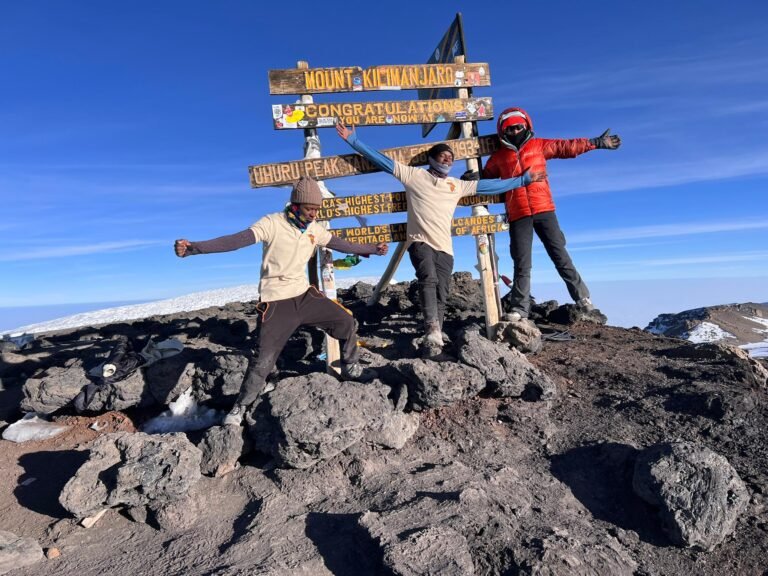
Can I Change My Kilimanjaro Climbing Date After Paying A Deposit? | Climb 4
Planning a Kilimanjaro climb is a significant undertaking, and sometimes life circumstances require adjusting your booked dates. If you've paid a deposit for your Kilimanjaro trek and need...
View package details
Hotel Costs Before And After Climbing Kilimanjaro: Planning Your Stay
Planning a Kilimanjaro climb involves more than just the trek itself. Understanding the associated hotel costs before and after your ascent is crucial for budgeting and a smooth travel...
View package details
Which Kilimanjaro Route Offers The Best Value For Money? 2026-2027
Which Kilimanjaro route offers the best value for money? is explained with current 2026-2027 planning, price, itinerary and booking information.
View package details
How Early Should I Book Kilimanjaro For The Best Price? Planning 2026-2027
Planning a Kilimanjaro climb for 2026 or 2027? Learn the optimal booking window to secure the best prices and availability. This guide covers everything from early bird specials to...
View package details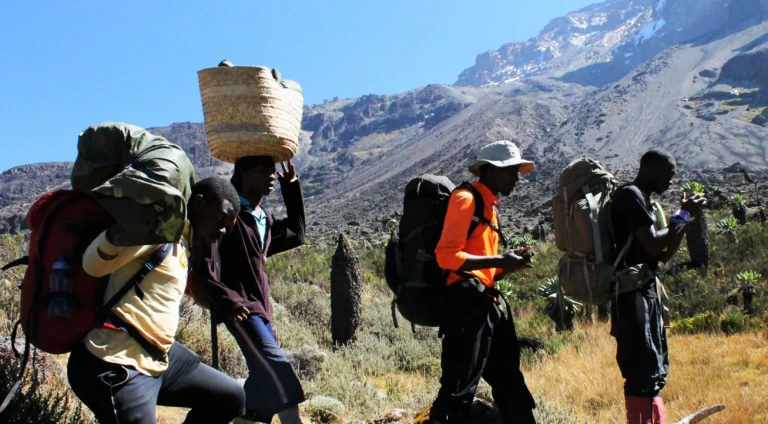
Is A Private Toilet Included In The Kilimanjaro Price? 2026-2027
Discover whether a private toilet is a standard inclusion in Kilimanjaro climbing package prices, the variations across routes and operators, and how Climb 4 Africa prioritizes your comfort...
View package details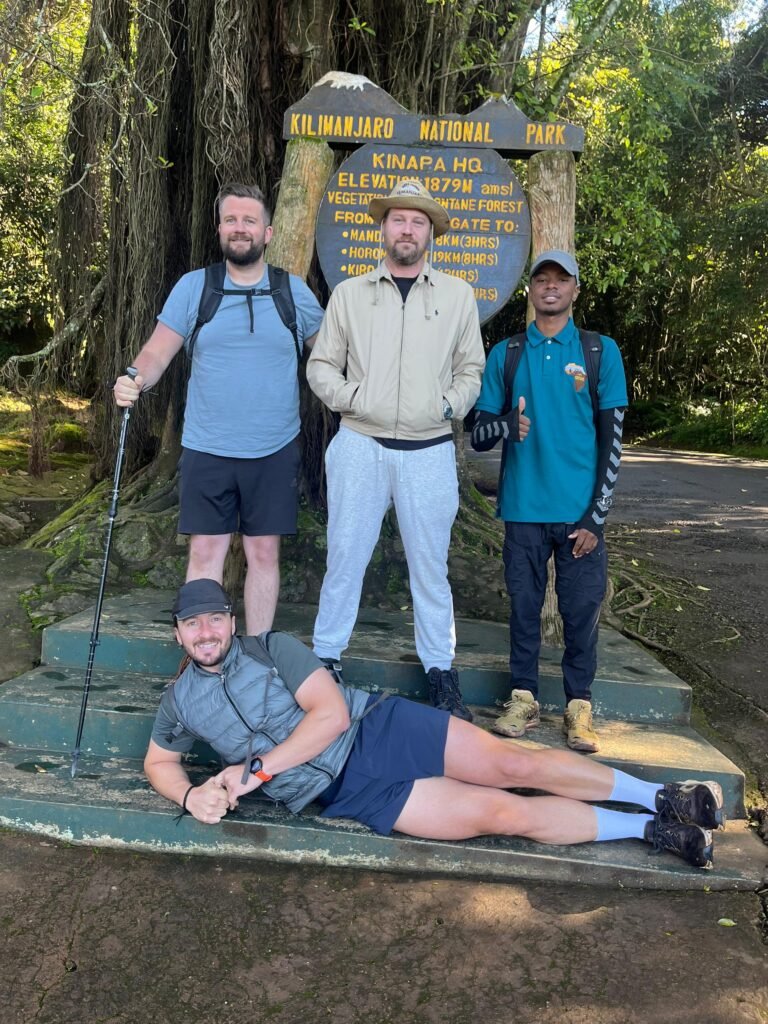
Are Porters Included In Kilimanjaro Package Costs? A Climb 4 Africa Guide
Understand the critical role of porters on Kilimanjaro and whether they are typically included in tour package costs. This guide from Climb 4 Africa provides essential details for planning...
View package details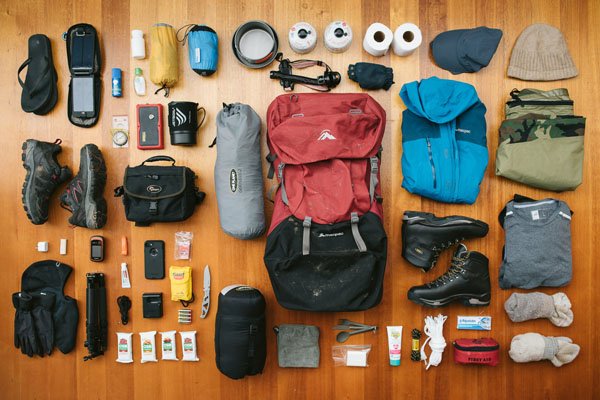
Is Emergency Oxygen Included In Kilimanjaro Climbing Price? Climb 4 Africa
Climb 4 Africa clarifies whether emergency oxygen is part of the standard Kilimanjaro climbing package price, detailing what's typically included and why it's crucial for safety on the...
View package details
Are Rescue Fees Included In Kilimanjaro Park Fees? 2026-2027
Are rescue fees included in Kilimanjaro park fees? is explained with current 2026-2027 planning, price, itinerary and booking information.
View package detailsIs Travel Insurance Included In Kilimanjaro Packages? Expert Guide 2026-2027
Many Kilimanjaro packages do not automatically include comprehensive travel insurance. While some may offer basic medical evacuation coverage, it's crucial to understand what's typically...
View package details
Why Do Kilimanjaro Operators Charge Different Prices? 2026-2027
Why do Kilimanjaro operators charge different prices? is explained with current 2026-2027 planning, price, itinerary and booking information.
View package details
Can I Climb Kilimanjaro On A Budget? 2026-2027
Can I climb Kilimanjaro on a budget? is explained with current 2026-2027 planning, price, itinerary and booking information.
View package details
How Much Does An 8-Day Kilimanjaro Climb Cost? A Guide 2026-2027
Planning an 8-day Kilimanjaro climb in 2026 or 2027? This comprehensive guide breaks down the expected costs, explaining what influences the price and what you get for your money. Learn...
View package detailsNo related package matches those filters. Clear one or more filters to see the other topic-matched options.



