Yes, climbing Mount Kilimanjaro generally costs more during peak season. This increase is driven by higher demand from trekkers worldwide, leading to increased operational costs for tour operators and potentially higher park fees. For planning your 2026 or 2027 climb, understanding these seasonal price variations is crucial for budgeting and securing your preferred dates.
Understanding Kilimanjaro’s Peak Seasons and Their Impact on Cost
Mount Kilimanjaro, Africa’s highest peak, is a dream destination for many. When planning a trek, one of the most practical considerations is cost. While many factors influence the total price of a Kilimanjaro climb – including the route chosen, the duration of the trek, the quality of services, and the operator’s reputation – seasonality plays a significant role. This is especially true when considering climbs for 2026 and 2027.
The concept of “peak season” on Kilimanjaro is tied directly to the weather. Trekkers aim for the clearest skies and driest conditions, which naturally occur during specific months. When demand surges during these optimal periods, tour operators often face higher operational expenses and increased competition for resources, which can translate into higher prices for climbers. Understanding these dynamics is key to making informed decisions for your Kilimanjaro adventure.
Why Does Seasonality Affect Kilimanjaro Climb Costs?
Several interconnected reasons contribute to higher prices during Kilimanjaro’s peak trekking seasons:
- Increased Demand: More people want to climb when the weather is best, leading to a surge in bookings. Tour operators must scale up their operations to meet this demand.
- Higher Park Fees: While Kilimanjaro National Park fees are generally consistent, there can be subtle variations or increased surcharges during peak times, though this is less common for standard entry fees than for other national parks in Tanzania. The primary driver remains demand.
- Logistical Challenges: During busy periods, securing permits, guides, porters, and equipment can become more competitive. Operators might need to pay premiums for these essential resources.
- Staff Availability: Experienced guides and porters are in high demand. During peak season, operators may need to offer higher wages or incentives to ensure they have the best teams available for your climb.
- Accommodation and Transport: While you’re camping on the mountain, the logistics leading up to and after the climb, such as accommodation in Moshi or Arusha and transport to the park gates, can also see increased demand and potentially higher prices.
- Operator Capacity: Reputable operators often limit the number of groups they take on the mountain to ensure safety and quality. During peak season, their capacity is reached faster, and they may charge a premium for prime dates.
Identifying Kilimanjaro’s Peak Trekking Seasons
Kilimanjaro experiences two primary peak seasons, dictated by the two dry spells in Tanzania:
1. The Long Dry Season (June to October): This is widely considered the most popular and therefore the most expensive period to climb Kilimanjaro. The skies are typically very clear, offering excellent visibility and stable weather conditions. Temperatures are also milder during this time, making the climb more comfortable for many. Expect lower humidity and minimal rainfall.
2. The Short Dry Season (January to February): This period also offers good weather, though it can be slightly hotter, especially at lower altitudes. It’s another excellent window for climbing, attracting a significant number of trekkers, though generally less crowded than the June-October window. This period is often seen as a secondary peak season.
Shoulder Seasons: A Balance of Cost and Conditions
For trekkers looking to balance cost savings with favorable weather, the shoulder seasons can be an attractive option. These periods fall between the dry and wet seasons:
- March to May: This is the main rainy season. While it’s possible to climb, you should expect significant rainfall, especially at higher altitudes, which can make the trails muddy and visibility poor. This is the low season for pricing.
- November to December: This period marks the start of the short rains. While not as consistently wet as March-May, you can still encounter rain showers. However, the crowds thin out considerably, and prices often drop. It can still be a viable, more affordable time to climb if you are prepared for occasional wet weather.
Cost Comparison: Peak vs. Off-Season Climbs for 2026-2027
To illustrate the cost difference, let’s consider typical price ranges. It’s important to note that exact prices vary significantly between operators and the specific package inclusions. However, a general trend emerges:
Peak Season (June-October, January-February):
- Mid-range Operators: Expect prices typically ranging from $2,000 to $3,000 USD per person for a standard 7-day climb on popular routes like Machame or Marangu.
- High-end/Premium Operators: Prices can range from $3,000 to $5,000+ USD per person, reflecting higher quality services, smaller group sizes, better equipment, and more experienced guides.
Off-Season (March-May, November-December):
- Mid-range Operators: Prices might drop to $1,800 to $2,500 USD per person for a 7-day climb.
- High-end/Premium Operators: While they might not discount as heavily, you could find packages starting from $2,500 to $4,000+ USD per person.
These figures are approximate and intended to show the potential savings. For precise pricing for your 2026 or 2027 climb, it’s always best to get a direct quote from operators like Climb 4 Africa.
Note: The exact cost difference can be anywhere from 5% to 20% higher during peak season compared to the low season, depending on the operator and the specific dates.
Key Takeaway for 2026-2027 Planning
If budget is a primary concern, consider climbing during the shoulder or off-peak months. However, if clear skies and the best possible weather are paramount for your Kilimanjaro experience, booking well in advance for a peak season date in 2026 or 2027 is advisable, even if it means a higher cost.
Factors Beyond Seasonality That Influence Kilimanjaro Climb Costs
While peak season is a significant cost driver, it’s not the only one. Understanding these additional factors will provide a more comprehensive picture of your Kilimanjaro budget for 2026-2027:
1. Route Choice
The route you select impacts both the duration and the difficulty of your climb, and consequently, the cost. Longer routes generally cost more due to more days on the mountain, requiring more food, supplies, and staff for longer periods.
- Marangu Route (Coca-Cola Route): Often the cheapest due to its shorter duration (5-6 days) and unique hut accommodation, which reduces the number of porters needed compared to camping routes.
- Machame Route (Whiskey Route): A popular camping route, typically 6-7 days. Its popularity and good success rates make it a solid mid-range option.
- Lemosho Route: Generally longer (7-8 days) and considered more scenic, often with higher success rates due to its gradual ascent. It tends to be more expensive than Machame.
- Shira Route: Similar to Lemosho, often starting at a higher altitude.
- Rongai Route: Approaches from the north, often drier, and can be a good option during the rainy season. Usually 6-7 days.
- Northern Circuit: The longest route (9-10 days), offering the highest success rates and stunning views. It is also one of the most expensive due to its duration.
- Umbwe Route: The shortest, steepest, and most challenging route. While shorter, it demands significant acclimatization and is not recommended for first-time high-altitude trekkers. Its cost can be comparable to other 6-day routes but is often undertaken by experienced climbers.
For 2026-2027: Longer routes like Lemosho or Northern Circuit during peak season can easily exceed $3,500 – $4,500+ USD per person, while a 5-day Marangu climb might start around $1,200 – $1,800 USD.
2. Duration of the Climb
As mentioned, longer climbs mean more days on the mountain. This translates directly into higher costs for:
- Food and supplies
- Guide and porter wages
- Park and camping/hut fees for additional days
While a 5-day climb might be cheaper, it significantly reduces your acclimatization and chances of reaching the summit. Most reputable operators recommend 7 days or more for the best success rates. For 2026-2027 climbs, factor in that longer treks, even in the off-season, will still be more expensive than shorter treks in peak season.
3. Operator Type and Inclusions
This is perhaps the most significant variable in Kilimanjaro pricing.
- Budget Operators: These companies often cut costs by using fewer porters (which can be unsafe and unethical), providing basic food, and using less experienced staff. While cheaper, they often come with lower success rates and potential safety concerns.
- Mid-Range Operators: Offer a good balance of quality, safety, and price. They typically include all necessary gear (tents, sleeping mats), quality meals, experienced guides, and adequate porter support. Most travelers find this category suitable.
- Premium/Luxury Operators: Provide higher-end camping equipment, more spacious tents, gourmet meals, private toilet tents, more guides per climber, and often higher staff-to-client ratios. These come at a higher price point.
What’s typically included? Always check what your quote covers. Standard inclusions usually are:
- Park entry fees, camping/hut fees, rescue fees
- All meals on the mountain
- Tents, sleeping mats, mess tent
- Porters and guides
- Oxygen for emergencies
- Boiled water
- Pre- and post-climb accommodation (sometimes, check this)
- Ground transport to/from the mountain
Common Exclusions:
- Flights to/from Kilimanjaro International Airport (JRO)
- Visa fees
- Travel insurance (mandatory)
- Tips for guides, porters, and cooks (a significant cost, budget around $200-$300 USD per climber)
- Personal climbing gear (boots, warm clothing, sleeping bag)
- Lunches and dinners in town before/after the climb
- Alcoholic beverages and soft drinks
- Optional tours or activities
- Gratuities for hotel staff
For 2026-2027: Ensure your chosen operator is a member of KPAP (Kilimanjaro Porters Assistance Project) or a similar organization to guarantee fair treatment of porters, which is a mark of a reputable, albeit potentially slightly more expensive, company.
4. Group Size
Climbing with a group is generally more affordable than a private climb. Shared costs for guides, porters, and park fees are spread across more individuals. Private climbs offer flexibility and a personalized experience but come at a premium. For 2026-2027, a private 7-day Machame climb could cost upwards of $2,800 – $4,000+ USD per person, depending on the operator, while a spot on a scheduled group departure might be $2,000 – $2,800 USD.
5. National Park Fees and Government Taxes
These fees are set by the Tanzanian government and are subject to change. While they are a fixed component of the climb cost, they represent a substantial portion. Operators must pass these costs on to climbers. For the 2026-2027 season, it’s wise to check for any announced increases in park fees, which could slightly alter the overall cost, regardless of seasonality.
Current approximate daily fees per climber (subject to change):
- Park Entrance Fee: $70 USD
- Camping/Hut Fee: $60 USD (camping) or $50 USD (hut)
- Crater Fee (if applicable, e.g., for specific routes or summit variations): $250 USD
- Rescue Fee: $40 USD
These fees alone can add up to $700-$1000 USD for a 7-day climb, representing a significant portion of the total cost.
Maximizing Your Budget: Tips for 2026-2027 Kilimanjaro Climbs
If you’re keen on climbing Kilimanjaro but mindful of the costs, especially during peak season for your 2026 or 2027 adventure, consider these strategies:
1. Be Flexible with Dates
As discussed, avoiding the absolute peak months (June-October) can lead to significant savings. Consider climbing in:
- Late October/November: Transitioning out of the main dry season.
- December: Often a good month before the short rains fully set in, with fewer crowds than summer.
- Late February/Early March: Just before the main rainy season, offering good weather with potentially lower prices.
Even shifting your dates by a few weeks can make a difference in price and crowd levels for your 2026-2027 climb.
2. Book in Advance
While it might seem counterintuitive for cost savings, booking your 2026 or 2027 climb well in advance is crucial, especially for peak season dates. Reputable operators fill up quickly during these popular periods. Booking early not only secures your spot but can sometimes allow you to lock in current pricing before any potential increases.
3. Choose the Right Operator Wisely
Don’t just go for the cheapest option. Look for operators who:
- Are transparent about their pricing and inclusions.
- Have a proven track record of safety and success.
- Are members of porter welfare organizations (like KPAP).
- Provide comprehensive pre-climb information and support.
Climb 4 Africa, for example, focuses on providing high-quality, safe, and ethical climbs, offering competitive pricing for the level of service provided. For your 2026-2027 planning, contacting them directly can give you a clear understanding of what a quality climb entails and its associated costs.
4. Consider Group Departures
Joining a scheduled group departure is usually more economical than arranging a private climb. These are often offered by operators on specific dates throughout the year, including potential 2026-2027 departures. This is an excellent way to climb Kilimanjaro affordably while still receiving excellent support.
5. Pack Smart, Not Extravagantly
While you need quality gear for Kilimanjaro, you don’t necessarily need to buy everything brand new. Consider renting some items like sleeping bags, trekking poles, or warm jackets in Moshi. Many operators offer rental services. Alternatively, borrow from friends or look for good quality second-hand gear. This can save hundreds of dollars on your 2026-2027 expedition.
6. Budget for Tips and Extras
Don’t forget to factor in the significant cost of tipping. This is a crucial part of the overall expense. Also, budget for any souvenirs, extra snacks, or personal expenses. Understanding all potential costs upfront prevents budget surprises for your 2026-2027 trip.
Estimated Total Cost Range for a 7-Day Kilimanjaro Climb (2026-2027)
Based on the factors above, a general estimate for a 7-day climb on a popular route like Machame or Lemosho:
- Budget Operator (often not recommended): $1,400 – $2,000 USD
- Mid-Range Operator (good balance): $2,000 – $3,500 USD
- Premium Operator (higher comfort/service): $3,500 – $5,000+ USD
Remember to add approximately $250 – $350 USD per climber for tips.
Booking Your 2026-2027 Kilimanjaro Climb: Timing is Everything
Deciding when to book your Kilimanjaro climb for 2026 or 2027 depends on your priorities:
- For Peak Season (June-October, January-February): Book at least 6-12 months in advance. This is especially true if you want specific dates or are traveling as a group. Prices are generally higher, but the weather is more reliable.
- For Shoulder/Off-Season (March-May, November-December): Booking 3-6 months in advance is usually sufficient. You might find slightly better deals, but you accept a higher chance of encountering rain.
When you contact operators, ask specifically about their pricing structure for different seasons. A good operator will be transparent about how seasonality affects costs. For instance, Climb 4 Africa can provide detailed quotes for your desired 2026-2027 dates, outlining seasonal considerations and helping you find the best value.
The Value Proposition: Why Quality Matters More Than Just Price
While it’s tempting to chase the lowest price, remember that Kilimanjaro is a serious high-altitude trek. Safety, success rates, and the well-being of the support crew should be paramount. Investing a bit more for a reputable operator during peak season often means:
- More experienced and better-trained guides
- Adequate porters, ensuring fair loads and efficient support
- Higher quality equipment and food
- Better emergency preparedness
- A more enjoyable and successful summit bid
For your 2026-2027 climb, consider the overall value and experience rather than solely focusing on the peak season cost. A slightly higher price for a well-organized, safe, and ethical climb is an investment in your adventure and well-being.
Kilimanjaro Climb Costs: A Final Check for 2026-2027
In summary, the answer to “Does Kilimanjaro cost more during peak season?” is a definitive yes. This is a fundamental aspect of planning any Kilimanjaro expedition, including those scheduled for 2026 and 2027.
Peak seasons, driven by favorable weather, see increased demand which leads to higher operational costs for tour operators. This often translates to a higher price tag for climbers opting for these prime months. However, the overall cost of your climb is a mosaic of several factors:
- Seasonality: Peak months (June-Oct, Jan-Feb) are pricier than shoulder/off-peak months (Mar-May, Nov-Dec).
- Route: Longer, more scenic routes like Lemosho or Northern Circuit cost more than shorter ones like Marangu.
- Duration: More days on the mountain invariably increase costs.
- Operator: Budget vs. mid-range vs. premium services offer different price points and experiences.
- Group Size: Private climbs are more expensive than group departures.
- Inclusions/Exclusions: Always verify what is covered in the quote.
When planning your 2026 or 2027 Kilimanjaro climb, weigh the benefits of peak season weather against potential cost savings during other times. For many, the peace of mind and better conditions of a peak season climb justify the higher cost. For others, flexibility with dates and choosing shoulder seasons can lead to a more budget-friendly adventure without drastically compromising the experience.
To get the most accurate and personalized pricing for your 2026-2027 Kilimanjaro adventure, we encourage you to reach out to experienced local operators. At Climb 4 Africa, we are committed to providing safe, ethical, and memorable climbs, tailored to your needs and budget. Contact us via WhatsApp at +255 747 477 898 or email us at climb4africa@gmail.com to discuss your dream climb and receive a detailed quote.
Check Availability for Does Kilimanjaro Cost More During Peak Season? Understanding Pricing…
Ready to compare dates, prices, and the best option for your group? Send the package name and travel month so the team can reply with a clear quote, availability, and what is included.

How Much Does An 8-Day Kilimanjaro Climb Cost? A Guide 2026-2027
Planning an 8-day Kilimanjaro climb in 2026 or 2027? This comprehensive guide breaks down the expected costs, explaining what influences the price and what you get for your money. Learn...
View package details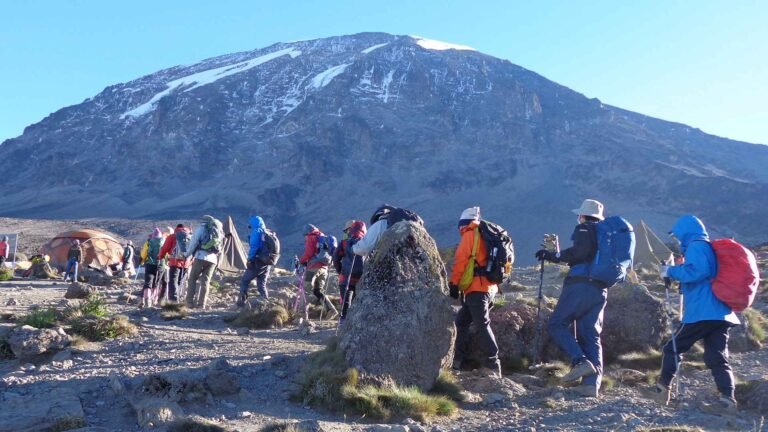
How Much Does Kilimanjaro Cost For A Family? 2026-2027
How much does Kilimanjaro cost for a family? is explained with current 2026-2027 planning, price, itinerary and booking information.
View package details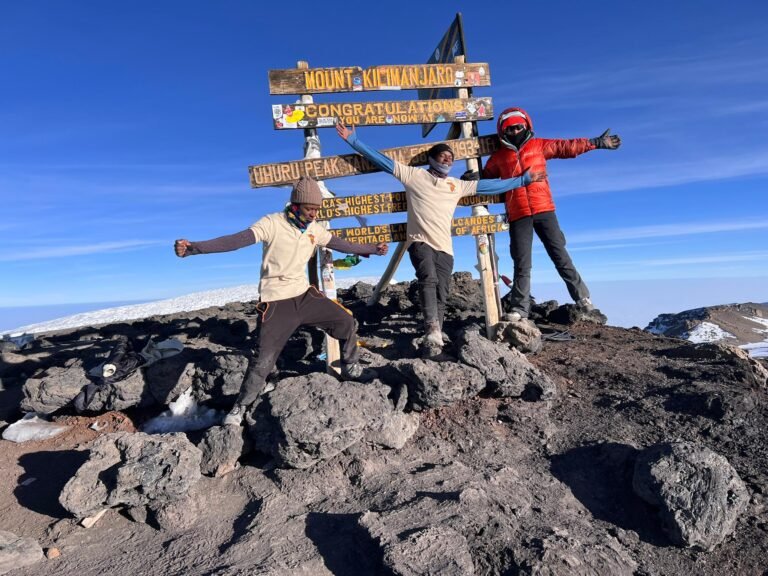
How Much Does Kilimanjaro Cost For Two People? A Guide 2026-2027
Planning a Kilimanjaro climb for two? This guide breaks down the costs for 2026-2027, covering route variations, essential inclusions, and factors that influence the final price for a...
View package detailsHow Much Does A Private Kilimanjaro Climb Cost In ? 2026-2027
Planning a private ascent of Mount Kilimanjaro? Understand the factors that influence the cost of a private climb, typical price ranges for 2026-2027, and what's usually included to help...
View package detailsHow Much Does It Cost To Rent Kilimanjaro Gear In ? 2026-2027
Renting Kilimanjaro gear for your 2026-2027 expedition typically costs between $150 to $350 USD per person for a full set of essentials. This guide breaks down individual item costs, rental...
View package details
How Much Does It Cost To Climb Kilimanjaro Per Person? 2026-2027
How much does it cost to climb Kilimanjaro per person? is explained with current 2026-2027 planning, price, itinerary and booking information.
View package details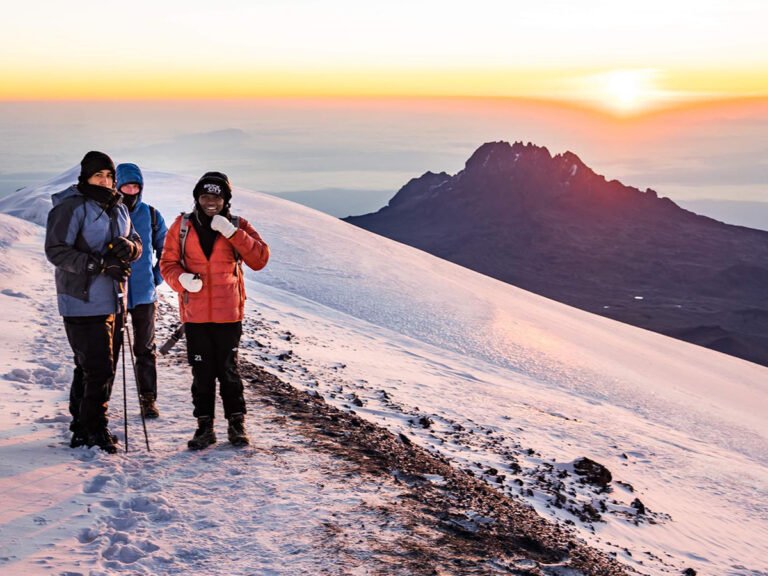
Why Longer Kilimanjaro Routes Cost More 2026-2027
Why Longer Kilimanjaro Routes Cost More is explained with current 2026-2027 planning, price, itinerary and booking information.
View package details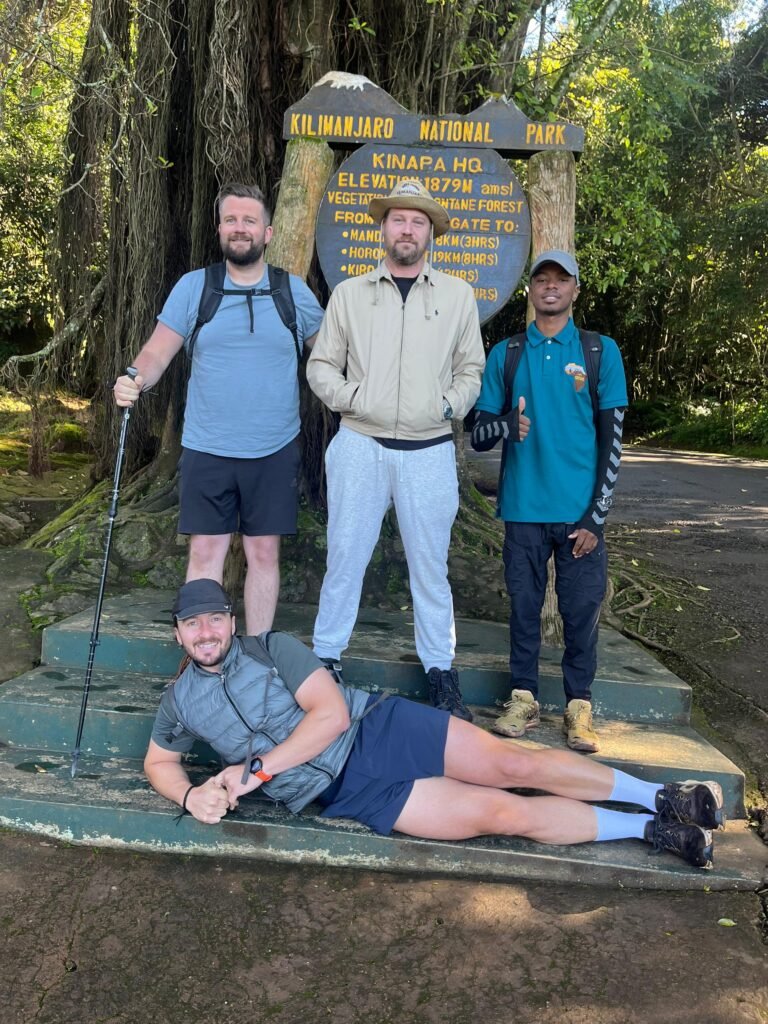
Are Porters Included In Kilimanjaro Package Costs? A Climb 4 Africa Guide
Understand the critical role of porters on Kilimanjaro and whether they are typically included in tour package costs. This guide from Climb 4 Africa provides essential details for planning...
View package details
Does The Kilimanjaro Price Include Tips? Understanding Porter & Guide
Climbing Mount Kilimanjaro is a dream for many, but understanding the full cost, including essential tips for your support crew, is crucial for proper budgeting. This guide clarifies...
View package details
Does The Kilimanjaro Price Include Climbing Equipment? Your Guide 2026-2027
Your Kilimanjaro climb price may or may not include all essential climbing equipment. Understanding what's provided versus what you need to source yourself is crucial for a successful and...
View package details
Does The Kilimanjaro Price Include Meals? A Comprehensive Guide For Climbers
Climbers often ask if the price of a Kilimanjaro trek covers meals. This guide details what to expect, focusing on inclusions and exclusions to help you plan your 2026-2027 expedition.
View package details
Does The Kilimanjaro Price Include Hotel Accommodation? Your Guide 2026-2027
Clarifying whether your Kilimanjaro trek package price covers hotel stays is crucial for accurate budgeting and planning your adventure for 2026-2027. Most reputable operators include...
View package detailsNo related package matches those filters. Clear one or more filters to see the other topic-matched options.



