The Western Breach Kilimanjaro cost for 2026-2027 expeditions typically ranges from $2,500 to $5,000+ per person, depending on the operator, duration, group size, and level of service. This price reflects the route’s challenging nature, longer itinerary, and higher operational demands, often including more comprehensive support and higher quality equipment compared to other routes.
Understanding Western Breach Kilimanjaro Cost Factors for 2026-2027
The allure of Kilimanjaro is undeniable, and for many seasoned trekkers, the Western Breach route represents the ultimate challenge and most rewarding ascent. Known for its stunning scenery, remote wilderness feel, and the dramatic sunrise view from Stella Point after crossing the breach, it’s a path less traveled. However, this unique experience comes with a specific cost structure. When planning your 2026 or 2027 expedition, understanding what influences the Western Breach Kilimanjaro cost is crucial for making an informed decision.
Unlike the more popular routes, the Western Breach is typically accessed via the Shira Plateau, making it a longer and more logistically complex climb. This complexity directly translates into pricing. At Climb 4 Africa, we aim to provide transparent pricing that reflects the quality of service, safety standards, and the incredible value of climbing Kilimanjaro with expert local guides. The Western Breach Kilimanjaro cost is not just about the mountain; it’s about the entire expedition experience, from your initial inquiry to your successful summit and descent.
Several key elements contribute to the overall cost of a Western Breach trek. These include:
- Route Length and Duration: The Western Breach typically requires a minimum of 7 days, often extending to 8 or even 9 days to allow for proper acclimatization, a critical factor on this demanding route. Longer trips mean more days of guide, porter, and cook services, as well as more food and equipment.
- Operator Choice: The reputation, service level, and ethical practices of your tour operator significantly impact the price. Reputable companies that prioritize guide welfare, use quality equipment, and maintain high safety standards will naturally command higher prices.
- Inclusions and Exclusions: What’s included in your package can vary widely. Core inclusions usually cover park fees, crew salaries, food, tents, and transport. However, some operators might include items like sleeping bags, duffel bags, or even gratuities, while others leave these as separate expenses.
- Group Size: Climbing in a private group versus a shared group can affect the per-person cost. While private groups offer more flexibility, shared groups can sometimes offer a lower price point.
- Accommodation Standards: While on the mountain, accommodation is in tents. However, pre- and post-climb hotel stays can add to the overall cost, and the quality of these hotels can vary.
- Time of Year: While Kilimanjaro is climbable year-round, peak seasons (typically January-March and June-October) might see slightly higher prices due to demand. However, for the Western Breach, the emphasis is more on weather suitability than just peak season pricing.
For your 2026 or 2027 adventure, understanding these components will help you accurately assess quotes and choose an expedition that aligns with your expectations and budget. The Western Breach Kilimanjaro cost is an investment in an unforgettable adventure, and choosing the right operator ensures that investment is well-spent on safety, success, and an unparalleled mountain experience.
Typical Western Breach Expedition Packages & What They Include
When you are comparing the Western Breach Kilimanjaro cost, it’s essential to look beyond the headline price and examine the specifics of each expedition package. At Climb 4 Africa, we design our packages to offer a comprehensive and supportive climbing experience, ensuring you have everything you need for a successful summit bid. Our 2026-2027 Western Breach packages are crafted with meticulous attention to detail, prioritizing safety, comfort, and an authentic mountain adventure.
A standard Western Breach expedition package, often spanning 7 to 9 days, will typically include the following core elements. These are the foundational costs that form the bulk of the Western Breach Kilimanjaro cost:
Core Inclusions in Western Breach Packages
- Park Fees: This is a significant component of the overall cost. It includes entry fees to Kilimanjaro National Park, crater fees (if applicable for certain variations), camping fees, and rescue fees. These are non-negotiable government charges. For 2026-2027, these fees are expected to remain consistent, though minor adjustments are always possible.
- Experienced Mountain Crew: A professional team is vital for your safety and success. This includes highly trained and certified guides (often a 1:1 guide-to-client ratio for safety on the breach), assistant guides, a skilled cook, and a dedicated team of porters to carry all equipment, food, and supplies. The Western Breach route often requires a larger crew due to the remoteness and the need for specialized support.
- All Meals on the Mountain: Expect nutritious and varied meals prepared by your cook, from breakfast to dinner, along with hot drinks and snacks. These meals are designed to provide the energy needed for strenuous trekking days.
- Accommodation on the Mountain: High-quality, waterproof tents for sleeping, dining tents for meals, and toilet tents are provided. For the Western Breach, the quality and suitability of tents for potentially harsher conditions are paramount.
- Water: Treated or boiled drinking water is provided daily.
- Oxygen Systems: While not always standard, some operators provide supplementary oxygen for emergency use on higher, more challenging routes like the Western Breach. This is a critical safety feature.
- Climbing Equipment: This typically includes sleeping mats, mess tents, and cooking equipment. Some operators may also provide high-quality sleeping bags and walking poles, especially on premium packages.
- Ground Transportation: Return transfers between Kilimanjaro International Airport (JRO), your hotel in Moshi or Arusha, and the mountain gate.
- Pre- and Post-Climb Briefings: Comprehensive briefings before your climb and debriefings upon your return.
- Emergency Evacuation: While rescue fees are covered by park authorities, many operators arrange for additional or more comprehensive evacuation services.
While these are standard, the quality of these inclusions can vary. For instance, the number of guides, the quality of food, the type of tents, and the provision of emergency equipment are all areas where operators differentiate themselves, influencing the Western Breach Kilimanjaro cost. When reviewing proposals for 2026 or 2027, always clarify exactly what is included to avoid unexpected expenses.
Potential Additional Costs (Not Always Included)
To get a full picture of the Western Breach Kilimanjaro cost, it’s important to consider expenses that are often excluded from the base package price. These can add a significant amount to your overall budget, so it’s wise to factor them in during your planning for 2026 or 2027:
- Flights: International airfare to Kilimanjaro International Airport (JRO) is almost always excluded.
- Visas: Visa fees for Tanzania.
- Travel Insurance: Comprehensive travel and medical evacuation insurance is mandatory for all climbers.
- Personal Climbing Gear: This includes items like your hiking boots, warm clothing, waterproof layers, a good quality sleeping bag, a headlamp, sunglasses, and a daypack. While some operators may offer rentals for items like sleeping bags or poles, you’ll need to purchase most personal gear.
- Gratuities (Tips): Tipping your mountain crew (guides, assistant guides, cook, porters) is a customary and significant part of their earnings. This can amount to several hundred dollars per climber.
- Lunches and Drinks in Town: Meals and beverages consumed at hotels or during transfers before and after the climb.
- Personal Expenses: Souvenirs, laundry, and any other personal spending.
- Pre- and Post-Climb Accommodation: While some packages include a night or two, additional nights at hotels before or after the trek are typically extra.
- Vaccinations and Medications: Costs associated with any necessary medical preparations.
By understanding both what is included and what is typically extra, you can gain a much clearer picture of the true Western Breach Kilimanjaro cost for your 2026 or 2027 adventure and budget accordingly. We at Climb 4 Africa are always happy to provide a detailed breakdown of our packages to ensure full transparency.
Comparing Western Breach Kilimanjaro Cost: Operator Tiers & Price Ranges
The Western Breach Kilimanjaro cost can vary significantly between different tour operators, largely due to the tier of service they offer. Understanding these tiers will help you navigate the options and select a package that aligns with your expectations for quality, safety, and overall experience during your 2026 or 2027 climb.
Broadly, operators can be categorized into a few tiers, each with a corresponding price range:
Budget Operators
Estimated Western Breach Kilimanjaro Cost: $2,000 – $2,800 per person
These operators focus on offering the most affordable price. They often achieve this by:
- Using a larger number of porters per climber, which can sometimes lead to slower ascents and less comfortable porter conditions.
- Minimizing the number of guides, potentially increasing the guide-to-client ratio on the mountain.
- Using basic, functional equipment.
- Offering simpler meal menus.
- Operating with smaller margins.
While they can be attractive for budget-conscious travelers, it’s crucial to thoroughly vet these operators regarding safety protocols, guide training, and ethical treatment of staff. For a challenging route like the Western Breach, cutting corners on safety and crew support can be risky.
Mid-Range Operators
Estimated Western Breach Kilimanjaro Cost: $2,800 – $4,000 per person
This is the most common tier and often represents a good balance between cost, quality, and service. Mid-range operators typically provide:
- Well-trained and experienced guides, often with a 1:1 or 1:2 guide-to-client ratio.
- Adequate porter support, adhering to fair weight limits.
- Good quality tents and equipment.
- Varied and nutritious meals.
- A strong focus on safety and client well-being.
- Professional ground support and logistics.
Climb 4 Africa operates within this tier, focusing on delivering exceptional value through high standards of service, experienced crew, and a commitment to ethical operations. We believe the Western Breach Kilimanjaro cost should reflect a premium experience that prioritizes your safety and success.
Premium/Luxury Operators
Estimated Western Breach Kilimanjaro Cost: $4,000 – $5,000+ per person
These operators offer the highest level of service, often including:
- Smaller group sizes or exclusive private climbs.
- Higher guide-to-client ratios (e.g., 1:1 guide support).
- Gourmet meal options and higher quality food.
- Premium camping equipment, including spacious tents and comfortable sleeping pads.
- Additional amenities like portable toilets, hot showers (at lower camps), and sometimes even oxygen for all climbers.
- Higher salaries and better benefits for the mountain crew.
- More comprehensive pre- and post-climb services.
While these packages offer a higher degree of comfort and personalized attention, the core climbing experience and the mountain itself remain the same. The increased Western Breach Kilimanjaro cost here is primarily for enhanced services and amenities.
When evaluating quotes for your 2026 or 2027 trek, always ask for a detailed breakdown of what each price point includes. A slightly higher Western Breach Kilimanjaro cost might be justified by superior safety measures, better crew welfare, and higher quality equipment, all of which contribute to a more enjoyable and successful climb.
The Western Breach Route: Why It Impacts Cost and Experience
The Western Breach route is distinct from other Kilimanjaro ascents, and this distinctiveness is a primary driver of its specific cost and the unique experience it offers. Unlike routes that ascend from the south, the Western Breach is typically approached from the west via the Shira Plateau, involving a more challenging and remote traverse.
Here’s why the Western Breach route influences the Western Breach Kilimanjaro cost and what makes it special for 2026-2027 trekkers:
- Access and Logistics: The Western Breach trek usually begins by driving to the Lemosho Gate and then ascending via the Shira Ridge. This requires more days of trekking to reach the plateau and then to the base of the Western Breach itself. The longer itinerary naturally increases operational costs – more days mean more food, more crew time, and more park fees.
- Acclimatization: The Western Breach route is inherently better for acclimatization due to its longer duration and gradual ascent over the Shira Plateau. This slower pace is crucial for success on Kilimanjaro, especially for this demanding route. While this is a positive for trekkers, it contributes to the higher Western Breach Kilimanjaro cost due to the extended expedition length.
- The Breach Itself: The climb up the Western Breach is steep, rocky, and can be challenging, especially in icy conditions. It requires careful navigation and often involves scrambling. This segment is typically tackled very early in the morning, allowing climbers to reach the crater rim (nearer to Stella Point) and then descend to the crater camp (the only campsite inside the crater, located near the Reusch Crater). This unique camping experience inside the crater is a highlight but also adds to the logistical complexity and cost.
- Crater Camp Experience: Spending a night at Crater Camp (around 5,700m / 18,700ft) is a rare and memorable part of the Western Breach itinerary. Waking up inside the crater, with views of the inner crater, Ashfall, and the Furtwangler Glacier, is an unparalleled experience. This elevated camping requires specialized equipment and careful management, contributing to the overall Western Breach Kilimanjaro cost.
- Sunrise Summit and Crater Descent: From Crater Camp, the final push to Uhuru Peak (the summit) is relatively short and done in the early morning hours. After reaching the summit, climbers then descend through the dramatic inner crater, often passing the main crater and the Reusch Crater, before beginning the long descent via the Mweka or Mwezi descent path. This descent is different from other routes and offers new perspectives.
- Remote Wilderness Feel: The Western Breach route offers a more remote and less crowded experience for much of the trek, especially compared to the Marumbu or Machame routes. This sense of solitude and wilderness is highly valued by many trekkers and contributes to the expedition’s appeal, justifying a potentially higher Western Breach Kilimanjaro cost.
For trekkers planning their 2026 or 2027 climb, choosing the Western Breach means opting for a more challenging, longer, and logistically intricate expedition. The higher Western Breach Kilimanjaro cost is directly linked to these factors, ensuring you have the necessary support, safety measures, and time for acclimatization required for this extraordinary journey.
Sample Itinerary and Associated Western Breach Kilimanjaro Cost Breakdown (Hypothetical 8-Day)
To provide a concrete example of how the Western Breach Kilimanjaro cost is structured, let’s consider a hypothetical 8-day Western Breach itinerary. This is a popular duration that balances acclimatization with expedition length. The pricing would be indicative of a mid-range operator for 2026 or 2027.
Hypothetical 8-Day Western Breach Itinerary
| Day | Route | Altitude Gain | Approx. Trekking Time | Description |
|---|---|---|---|---|
| 1 | Lemosho Gate (2,100m) to Mti Mkubwa Camp (2,800m) | +700m | 3-4 hours | Registration, drive to gate, trek through lush rainforest. |
| 2 | Mti Mkubwa Camp (2,800m) to Shira 2 Camp (3,850m) | +1,050m | 5-7 hours | Ascend through moorland to the Shira Plateau, arriving at Shira 2 Camp. |
| 3 | Shira 2 Camp (3,850m) to Lava Tower (4,600m) then to Barranco Camp (3,950m) | +750m, -650m | 6-8 hours | Trek across the Shira Plateau, climb to Lava Tower for acclimatization, then descend to Barranco Camp. |
| 4 | Barranco Camp (3,950m) to Karanga Camp (4,000m) | +50m, -450m | 3-4 hours | A shorter day involving the famous Barranco Wall climb, followed by a gentle descent to Karanga Valley and then ascent to Karanga Camp. |
| 5 | Karanga Camp (4,000m) to Barafu Camp (4,650m) | +650m | 3-4 hours | Trek through alpine desert terrain to Barafu Camp, the base for the summit push. Rest and prepare for the final ascent. |
| 6 | Barafu Camp (4,650m) to Summit (Uhuru Peak, 5,895m) then to Crater Camp (5,700m) | +1,245m, -195m | 7-8 hours to summit, 1-2 hours to camp | Midnight start for summit push via the Western Breach. Reach Uhuru Peak at sunrise, descend to Crater Camp. |
| 7 | Crater Camp (5,700m) to Millennium Camp (3,800m) via Mweka Camp (3,100m) | -2,695m | 10-12 hours | Wake up in the crater, final short walk to the rim, then begin the long descent through the crater and down to Mweka Camp (or directly to Millennium). |
| 8 | Millennium Camp (3,800m) to Mweka Gate (1,650m) | -2,150m | 5-6 hours | Final descent through rainforest to Mweka Gate, receive summit certificates, transfer to hotel. |
Indicative Cost Breakdown for an 8-Day Western Breach Expedition (2026-2027)
This breakdown provides a rough idea of where the Western Breach Kilimanjaro cost is allocated for a mid-range operator. Exact figures will vary.
| Cost Component | Estimated Percentage of Total Cost | Notes |
|---|---|---|
| Park and Camping Fees | 35-45% | Includes entry, camping, crater, and rescue fees. This is the largest single component. |
| Crew Salaries & Welfare | 20-25% | Wages for guides, cooks, and porters. Higher for Western Breach due to longer duration and specialized support. Ethical operators invest more here. |
| Food & Provisions | 10-15% | All meals and drinking water on the mountain. |
| Equipment & Logistics | 10-15% | Tents, sleeping mats, cooking gear, fuel, transport to/from the gate. Higher quality equipment for Western Breach. |
| Operator Overhead & Profit | 10-15% | Office costs, marketing, administration, and company profit. |
This hypothetical breakdown suggests a total Western Breach Kilimanjaro cost in the range of $2,800 – $4,000 per person for an 8-day trek with a reputable mid-range operator for 2026-2027.
It’s important to remember that this is a simplified overview. The Western Breach Kilimanjaro cost is influenced by the operator’s specific pricing strategy, the number of staff employed, the quality of food, and the inclusion of any extras. Always request a detailed itinerary and inclusions list to understand the true value.
Maximizing Your Investment: Choosing the Right Operator for Your 2026-2027 Western Breach Climb
Selecting the right tour operator is arguably the most critical decision you’ll make when planning your Western Breach Kilimanjaro climb. The Western Breach Kilimanjaro cost is a significant investment, and choosing a reputable operator ensures that this investment translates into a safe, successful, and memorable expedition for your 2026 or 2027 adventure.
Here’s what to look for and why it matters:
Key Considerations When Choosing an Operator:
- Safety Record and Protocols: This is paramount. Does the operator have a proven safety record? What are their emergency procedures? Do they carry oxygen and first-aid kits? Are their guides certified in wilderness first aid or higher? For the Western Breach, the operator’s commitment to safety is non-negotiable.
- Guide Qualifications and Experience: The quality of your guides can make or break your climb. Look for operators who employ experienced, licensed guides with extensive knowledge of Kilimanjaro, particularly the Western Breach route. Many guides are local and have summited hundreds of times.
- Ethical Treatment of Staff: A responsible operator ensures fair wages, proper gear, adequate food, and respectful treatment for their entire mountain crew. This not only aligns with ethical travel principles but also often leads to a more motivated and dedicated team, enhancing your experience. Check for affiliations with organizations like the Kilimanjaro Porters Assistance Project (KPAP).
- Inclusions and Transparency: As discussed, a clear and comprehensive list of inclusions is vital. Avoid operators with vague terms or hidden costs. A higher Western Breach Kilimanjaro cost should be clearly justified by superior inclusions.
- Equipment Quality: The quality of tents, sleeping bags, and other gear directly impacts your comfort and safety. For the Western Breach, durable, waterproof tents and warm sleeping bags are essential.
- Group Size and Support: Understand the typical group size and the guide-to-client ratio. For the Western Breach, a lower ratio (1:1 or 1:2) is often preferred for safety.
- Reviews and Reputation: Look for independent reviews on platforms like TripAdvisor or ask for client testimonials. A consistent pattern of positive feedback regarding safety, crew, and overall experience is a good indicator.
- Communication and Support: The ease and quality of communication from the initial inquiry through to the post-climb phase are important. A responsive operator that answers all your questions thoroughly is a sign of professionalism.
At Climb 4 Africa, we pride ourselves on meeting and exceeding these standards. We believe that a responsible approach to climbing Kilimanjaro, particularly the Western Breach, enhances the experience for everyone involved. Our pricing reflects our commitment to providing a safe, ethical, and highly professional expedition for your 2026 or 2027 climb. We encourage you to compare our offerings and see the value we provide in the Western Breach Kilimanjaro cost.
Preparing for Your Western Breach Expedition: Budgeting Beyond the Climb Cost
While the Western Breach Kilimanjaro cost for the expedition package is a primary consideration, successful planning involves budgeting for additional expenses that contribute to the overall trip cost. Being prepared for these will ensure a smoother and more enjoyable journey in 2026 or 2027.
Pre- and Post-Climb Expenses
- International Flights: Book your flights to Kilimanjaro International Airport (JRO) well in advance for the best prices. Prices can fluctuate significantly based on origin, time of booking, and season.
- Tanzania Visa: Most nationalities require a visa for Tanzania. Check the latest requirements and fees for 2026-2027. This can often be obtained online or upon arrival.
- Accommodation: Factor in the cost of hotel stays before and after your climb. Many operators include one night before and one night after, but if you plan to extend your stay or arrive early, budget accordingly. Moshi and Arusha offer a range of accommodations from budget-friendly guesthouses to comfortable mid-range hotels.
- Travel Insurance: This is non-negotiable. Ensure your policy covers high-altitude trekking and emergency medical evacuation. For Kilimanjaro, coverage up to 6,000 meters is usually required.
Gear and Equipment
While some operators provide essential camping gear, personal clothing and equipment are your responsibility. Investing in good quality gear is crucial for comfort and safety on the mountain, especially for the Western Breach. For your 2026 or 2027 climb, consider:
- Layering System: Thermal base layers, fleece mid-layers, and a waterproof/windproof outer shell.
- Footwear: Broken-in, waterproof hiking boots are essential.
- Sleeping Bag: A 4-season sleeping bag rated to at least -15°C (0°F) is recommended.
- Accessories: Warm hat, gloves, sunglasses, headlamp, water bottles/hydration reservoir, and a good quality backpack.
Many operators offer gear rental for items like sleeping bags, trekking poles, and jackets, which can be a cost-effective option if you don’t plan to use them frequently.
On-the-Ground Expenses
- Tips for the Mountain Crew: This is a significant expense, typically ranging from $250-$400 per climber for an 8-day trek. A breakdown of recommended tipping amounts for guides, assistant guides, cooks, and porters is usually provided by the operator.
- Personal Spending: Souvenirs, drinks at the hotel, laundry services, and any additional snacks or personal items.
- Vaccinations and Medications: Consult your doctor or a travel clinic about recommended vaccinations and malaria prevention for Tanzania.
By carefully budgeting for all these elements, you can ensure the total cost of your Western Breach Kilimanjaro adventure in 2026-2027 is manageable and that you are fully prepared for the journey ahead. The Western Breach Kilimanjaro cost is more than just the trek package; it’s the complete travel experience.
Understanding Peak Seasons and Off-Season for Western Breach Treks in 2026-2027
While Kilimanjaro can be climbed year-round, certain periods offer more favorable weather conditions, which can impact the Western Breach Kilimanjaro cost and the overall trekking experience. Understanding these seasons is key for planning your 2026 or 2027 expedition.
Kilimanjaro experiences two main dry seasons and two wet seasons:
- Peak Dry Seasons:
- January to March: Generally clear skies, moderate temperatures, and good visibility. This period can be quite cold, especially at higher altitudes.
- June to October: The longest and most popular dry season. Weather is typically excellent, with clear days and cool temperatures. This is often considered the best time to climb, but also the busiest, potentially influencing Western Breach Kilimanjaro cost due to higher demand.
- Wet Seasons:
- April to May: The long rainy season. Expect heavy rainfall, especially at lower and mid-altitudes, making trails muddy and slippery. This is generally the least favorable time to climb.
- November to December: The short rainy season. Rainfall is less intense than the long rains but can still bring occasional showers and cloud cover.
Impact on Western Breach Kilimanjaro Cost:
While park fees and operator costs remain relatively stable, prices for flights and sometimes accommodation can fluctuate slightly based on demand during peak seasons (June-October and January-March). However, the Western Breach route’s unique demands mean that operators often focus more on optimal weather windows rather than just peak season pricing. The primary consideration for the Western Breach is safety and the best chance of clear conditions for the challenging breach ascent and crater experience.
Choosing the Right Time for 2026-2027:
- For the best weather: Aim for the dry seasons (June-October and January-March). These offer the highest probability of clear skies, crucial for the Western Breach’s technical sections and summit views.
- For fewer crowds: Consider the shoulder months within the dry seasons or the fringes of the wet seasons if you are prepared for potentially mixed weather. Climbing during the shoulder months might offer a slightly lower Western Breach Kilimanjaro cost from some providers, though reputable operators maintain consistent pricing to ensure quality and safety.
- For a unique experience: Climbing during the shoulder or even slightly wetter periods can offer a more solitary experience and dramatic cloud formations, but requires flexibility and preparedness for challenging conditions.
When booking your 2026 or 2027 Western Breach expedition, discuss the best timing with your chosen operator. They can provide insights into the specific conditions expected during different months and help you choose a period that aligns with your preferences for weather, crowds, and potentially, the overall Western Breach Kilimanjaro cost.
Safety on the Western Breach: How Cost Reflects Risk Mitigation
The Western Breach route presents a unique set of challenges that necessitate a heightened focus on safety. The Western Breach Kilimanjaro cost reflects the significant investment operators make in mitigating these risks, ensuring trekkers have the best possible chance of a safe and successful ascent. Understanding these safety measures will help you appreciate the value behind the price.
Key safety aspects that influence the Western Breach Kilimanjaro cost include:
- Experienced and Certified Guides: Operators who invest in highly trained guides, certified in wilderness first aid and experienced with high-altitude environments, command higher prices. These guides are trained to recognize and manage altitude sickness, hypothermia, and other potential issues. For the Western Breach, guides must be particularly skilled in assessing conditions on the breach itself.
- Emergency Oxygen Systems: Carrying supplementary oxygen is a critical safety measure, especially on demanding routes like the Western Breach. Reputable operators will provide portable oxygen systems for emergency use, which adds to their operational costs and thus the Western Breach Kilimanjaro cost.
- High-Quality First Aid: Comprehensive medical kits, including those for treating altitude-related illnesses, are standard. Guides are trained to administer basic medical care.
- Communication Equipment: Reliable communication devices, such as satellite phones or two-way radios, are essential for contacting rescue services or base operations, especially in remote areas.
- Appropriate Gear: Ensuring all trekkers have suitable gear and providing high-quality, well-maintained tents, sleeping bags, and clothing suitable for extreme conditions is vital. The Western Breach can experience very cold temperatures and strong winds.
- Acclimatization Protocols: The Western Breach route’s design inherently aids acclimatization. Operators who strictly adhere to safe acclimatization schedules, ensuring clients ascend slowly and rest adequately, are prioritizing safety, which is reflected in the Western Breach Kilimanjaro cost.
- Rescue Services: While park fees include basic rescue services, many operators arrange for more comprehensive evacuation plans and often have specific rescue teams or agreements in place.
- Porter Welfare: Ensuring porters are well-equipped and not overloaded is not just ethical but also a safety measure. A poorly treated or overworked porter is a potential risk.
When comparing the Western Breach Kilimanjaro cost for 2026-2027, pay close attention to the safety provisions offered by each operator. A slightly higher price tag is often a direct reflection of a stronger commitment to your well-being and a greater likelihood of a successful and safe summit experience.
Booking Your Western Breach Kilimanjaro Expedition for 2026-2027
Ready to take on the challenge of the Western Breach? Booking your 2026 or 2027 expedition is a straightforward process when you partner with an experienced and reputable tour operator like Climb 4 Africa. We are dedicated to making your Kilimanjaro dream a reality, offering expert guidance and unwavering support from your first inquiry to your triumphant return.
Steps to Book Your Western Breach Climb:
- Research and Compare: Explore different operators, paying close attention to the Western Breach Kilimanjaro cost, inclusions, itinerary, safety protocols, and reviews.
- Contact Us: Reach out to Climb 4 Africa with any questions you may have. We are here to provide detailed information, customize itineraries if needed, and help you understand the nuances of the Western Breach cost and experience. You can contact us via WhatsApp +255 747 477 898 or email us at climb4africa@gmail.com.
- Select Your Package: Choose the expedition package that best suits your needs and budget. For the Western Breach, we generally recommend our 8-day or 9-day itineraries to ensure optimal acclimatization and enjoyment.
- Confirm Dates: Discuss your preferred trekking dates for 2026 or 2027. While we offer flexible private climbs, group departures are also available.
- Submit Booking Form and Deposit: Complete our booking form and submit the required deposit to secure your spot. This deposit helps us confirm arrangements and book necessary permits and crew.
- Pre-Climb Preparation: Once booked, you’ll receive detailed pre-climb information, including packing lists, training advice, and medical recommendations.
The Western Breach Kilimanjaro cost is an investment in an unparalleled adventure. By choosing Climb 4 Africa, you are partnering with a team that is passionate about Kilimanjaro and committed to providing you with a safe, rewarding, and unforgettable mountain experience. We look forward to helping you conquer Kilimanjaro via the magnificent Western Breach in 2026 or 2027.
Check Availability for Western Breach Kilimanjaro Cost: Prices & Expedition Packages 2026-2027
Ready to compare dates, prices, and the best option for your group? Send the package name and travel month so the team can reply with a clear quote, availability, and what is included.

Kilimanjaro Day Hike Cost /: Prices & Best Routes 2026-2027
Kilimanjaro Day Hike Cost 2026/2027: Prices & Best Routes is explained with current 2026-2027 planning, price, itinerary and booking information.
View package details
Kilimanjaro Crater Camp Cost: Prices, Fees & Itinerary For Climbs 2026-2027
Planning a Kilimanjaro climb to Crater Camp? This guide breaks down the 2026-2027 costs, including all associated fees and essential itinerary details. Learn what influences the price and...
View package details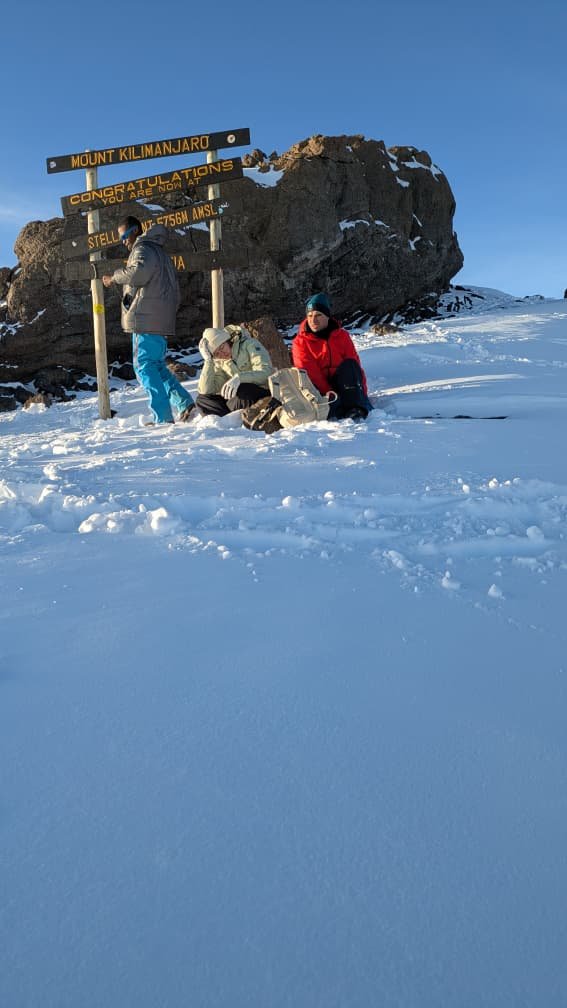
Shira Route Cost /: Prices & Packages For Kilimanjaro Climbs 2026-2027
Understand the estimated costs and package details for climbing Kilimanjaro via the Shira Route in 2026 and 2027. This guide covers pricing, what's included, and how to choose the right...
View package details
Northern Circuit Kilimanjaro Cost /: Prices & Packages 2026-2027
Northern Circuit Kilimanjaro Cost 2026/2027: Prices & Packages is explained with current 2026-2027 planning, price, itinerary and booking information.
View package details
Are Porters Included In Kilimanjaro Package Costs? A Climb 4 Africa Guide
Understand the critical role of porters on Kilimanjaro and whether they are typically included in tour package costs. This guide from Climb 4 Africa provides essential details for planning...
View package details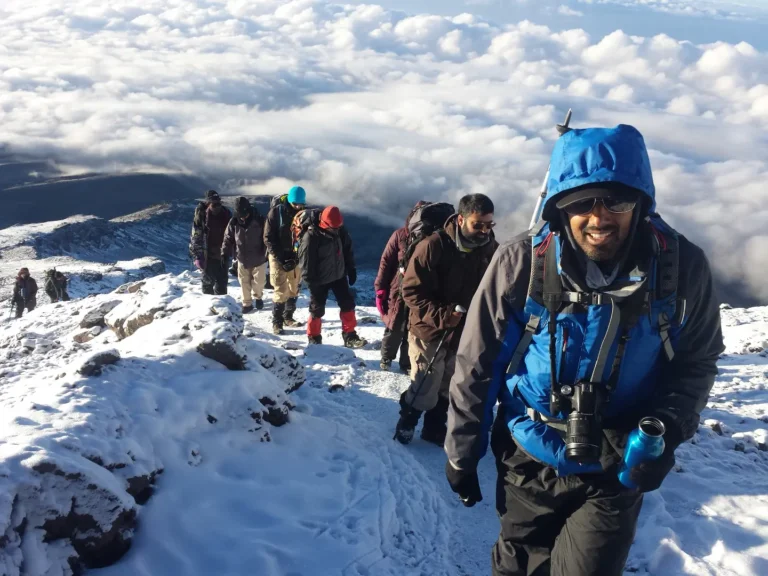
Why Do Kilimanjaro Operators Charge Different Prices? 2026-2027
Why do Kilimanjaro operators charge different prices? is explained with current 2026-2027 planning, price, itinerary and booking information.
View package details
How Much Does An 8-Day Kilimanjaro Climb Cost? A Guide 2026-2027
Planning an 8-day Kilimanjaro climb in 2026 or 2027? This comprehensive guide breaks down the expected costs, explaining what influences the price and what you get for your money. Learn...
View package details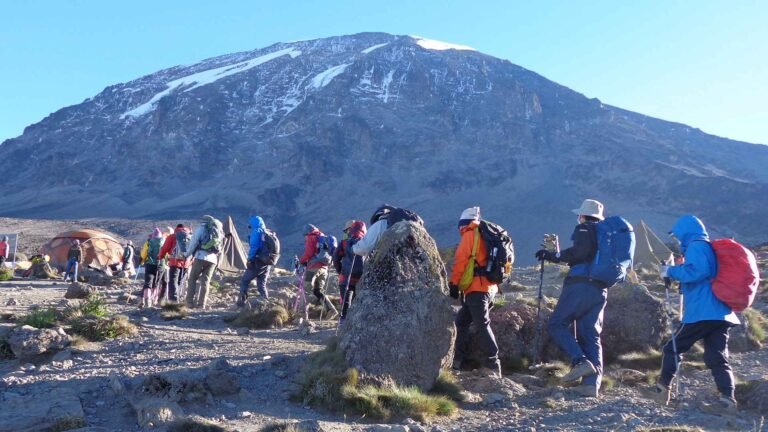
How Much Does Kilimanjaro Cost For A Family? 2026-2027
How much does Kilimanjaro cost for a family? is explained with current 2026-2027 planning, price, itinerary and booking information.
View package details
How Much Does Kilimanjaro Cost For Two People? A Guide 2026-2027
Planning a Kilimanjaro climb for two? This guide breaks down the costs for 2026-2027, covering route variations, essential inclusions, and factors that influence the final price for a...
View package detailsHow Much Does A Private Kilimanjaro Climb Cost In ? 2026-2027
Planning a private ascent of Mount Kilimanjaro? Understand the factors that influence the cost of a private climb, typical price ranges for 2026-2027, and what's usually included to help...
View package details
Does Kilimanjaro Cost More During Peak Season? Understanding Pricing 2026-2027
Climbing Mount Kilimanjaro involves varying costs, with peak season dates significantly impacting the overall price. This guide details why and when costs rise, helping you plan your...
View package detailsHow Much Does It Cost To Rent Kilimanjaro Gear In ? 2026-2027
Renting Kilimanjaro gear for your 2026-2027 expedition typically costs between $150 to $350 USD per person for a full set of essentials. This guide breaks down individual item costs, rental...
View package detailsNo related package matches those filters. Clear one or more filters to see the other topic-matched options.



