The Umbwe and Shira routes, along with other ‘special’ Kilimanjaro paths, offer distinct challenges and unique experiences for climbers, varying significantly in difficulty, scenery, acclimatization profiles, and success rates compared to the more popular routes; Umbwe is known for being the steepest and most direct, demanding high fitness and acclimatization skills, while Shira is longer and offers more scenic beauty and better acclimatization, though it starts at a high altitude. These routes, often considered for their adventurous nature and lower traffic, require careful consideration for your 2026 or 2027 climb, especially when balancing a desire for a less crowded experience with the critical need for safety and summit success.
Understanding Kilimanjaro’s Ascent: Beyond the Main Paths
Mount Kilimanjaro, the Roof of Africa, beckons adventurers from around the globe. While many associate climbing Kilimanjaro with well-trodden paths like Marangu, Machame, or Lemosho, a select group of trekkers seek out routes that offer a different kind of challenge and reward. The Umbwe Route and the Shira Route stand out among these less common, yet highly rewarding, options. Often grouped with other ‘special’ Kilimanjaro routes, they cater to climbers looking for more rugged ascents, exceptional scenery, and a potentially more solitary experience on the mountain. For those planning a climb in 2026 or 2027, understanding the nuances of these routes is paramount to selecting the one that best aligns with your fitness, experience, and desired adventure.
At Climb 4 Africa, we specialize in crafting Kilimanjaro expeditions tailored to individual needs and aspirations. While we guide climbers on all routes, we have particular expertise in navigating the unique demands of routes like Umbwe and Shira. This guide is designed to provide an in-depth comparison, helping you make an informed decision for your 2026-2027 Kilimanjaro journey.
The Umbwe Route: The Steepest Path to the Summit
The Umbwe Route is arguably the most challenging and direct ascent on Kilimanjaro. It carves a steep, unforgiving path up the southern side of the mountain, aiming straight for the Western Breach. This directness, while appealing to some for its intensity, means it offers the shortest acclimatization period, making it a route that demands exceptional physical fitness and prior high-altitude trekking experience.
Umbwe Route Characteristics
Difficulty: Extremely Difficult. This is not a route for beginners. The steep gradient, rapid ascent, and limited acclimatization window mean that climbers must be in peak physical condition and have a proven track record of high-altitude success. The rapid gain in elevation puts significant stress on the body, increasing the risk of altitude sickness.
Scenery: While the initial stages through the rainforest are beautiful, the route quickly becomes stark and rocky as it ascends towards the alpine desert and arctic zone. The dramatic landscape is its own reward, offering raw, untamed mountain vistas. The Western Breach, a dramatic volcanic crater wall, provides a spectacular, albeit challenging, approach.
Acclimatization: Poor. The Umbwe Route is notorious for its rapid ascent, offering minimal time for the body to adjust to the decreasing oxygen levels. This is its primary drawback and the reason for its lower success rates. Climbers on Umbwe often experience more severe symptoms of altitude sickness.
Duration: Typically 5 to 7 days. The shortest options are 5 days, which is highly discouraged due to the extreme acclimatization challenges. A 6-day or, preferably, a 7-day itinerary is recommended to allow for slightly better acclimatization, though it still remains challenging compared to other routes.
Starting Point: Umbwe Village (around 1,600m / 5,250ft).
Ending Point: Mweka Camp (descent).
Success Rate: Lower than other routes, particularly on shorter itineraries. This is directly linked to the poor acclimatization profile. Climbers who choose Umbwe must be exceptionally well-prepared and have a robust understanding of altitude sickness symptoms and management.
Umbwe Route Itinerary Example (7 Days)
Day 1: Umbwe Gate (1,600m) to Umbwe Cave Camp (2,940m)
A steep climb through the montane forest. The trail is often muddy and can be slippery. The focus is on gaining altitude quickly.
Day 2: Umbwe Cave Camp (2,940m) to Barranco Camp (3,960m)
A challenging day, ascending through moorland. The path becomes rockier and the air thinner. This is a significant altitude gain.
Day 3: Barranco Camp (3,960m) to Karanga Camp (4,035m)
A shorter day, but it involves traversing the Barranco Wall, a famously steep scramble that tests climbers’ agility and nerve. This is crucial for acclimatization.
Day 4: Karanga Camp (4,035m) to Barafu Camp (4,640m)
Another day of steady ascent through alpine desert. The landscape is barren and windswept. Reaching Barafu Camp sets you up for the summit push.
Day 5: Barafu Camp (4,640m) to Summit (Uhuru Peak, 5,895m) and down to Mweka Camp (3,100m)
The longest and most demanding day. The summit push begins around midnight, ascending scree slopes in the cold and dark. Reaching the summit at sunrise is a monumental achievement. The descent is rapid and tough on the knees.
Day 6: Mweka Camp (3,100m) to Mweka Gate (1,640m)
A relatively easy walk through the forest, celebrating the completion of the climb.
Day 7: Buffer Day / Extra Acclimatization
An optional day, often used for extra rest or an alternative route option, especially if a 7-day itinerary is chosen for Umbwe to mitigate some acclimatization risks.
Who Should Choose Umbwe?
The Umbwe Route is best suited for experienced high-altitude trekkers who are:
- In excellent physical condition.
- Able to acclimatize quickly to altitude.
- Seeking the most direct and challenging ascent.
- Prepared for the higher risk of altitude sickness.
- Looking for a less crowded, more rugged experience.
For a 2026 or 2027 climb, if you are considering Umbwe, we strongly advise a consultation with our expert guides to assess your readiness and discuss the critical need for a longer itinerary, perhaps 7 days, to maximize your chances of success and safety.
The Shira Route: Scenic Beauty and High-Altitude Start
The Shira Route is another of Kilimanjaro’s less common paths, known for its stunning plateau scenery and its unique characteristic of starting at a relatively high altitude. It approaches Kilimanjaro from the west, crossing the vast Shira Plateau before joining the more common northern circuits (like Machame) towards the summit. Its higher starting point means immediate acclimatization challenges, but it offers spectacular views and a different perspective of the mountain.
Shira Route Characteristics
Difficulty: Moderate to Difficult. While not as steep as Umbwe, the Shira Route presents challenges due to its high starting altitude and the significant elevation gain required. The terrain can be rugged, especially on the Shira Plateau. The primary difficulty lies in acclimatizing to the initial high altitude.
Scenery: Exceptional. The Shira Route is celebrated for its impressive views, particularly as it traverses the expansive, ancient Shira Plateau. You’ll witness dramatic volcanic landscapes, vast moorlands, and panoramic vistas of Mount Meru and the Great Rift Valley. The route offers a rich visual journey.
Acclimatization: Moderate to Good, depending on the itinerary length. The route’s main challenge is the high starting point, which can be tough on the first day or two. However, by taking a longer itinerary (7-9 days), the Shira Route offers excellent acclimatization opportunities as it meanders across the plateau before ascending higher.
Duration: Typically 7 to 9 days. Shorter durations are possible but not recommended due to the high starting altitude. A 7-day climb is the minimum for a reasonable chance of success, with 8 or 9 days providing significantly better acclimatization and a more enjoyable experience.
Starting Point: Shira Gate (around 1,600m / 5,250ft), followed by a drive to Simba Camp (around 3,300m / 10,827ft) or the Shira Plateau itself.
Ending Point: Mweka Camp (descent).
Success Rate: Good to Very Good, especially on longer itineraries (8-9 days). The better acclimatization profile compared to Umbwe, coupled with the beautiful scenery, makes it a popular choice for those seeking a more scenic and less crowded alternative to the southern routes.
Shira Route Itinerary Example (8 Days)
Day 1: Loldorosi Gate (1,600m) to Shira 1 Camp (3,600m)
After a drive to the gate, a steep initial climb through the forest and moorland. You arrive at a high camp, making acclimatization the immediate priority.
Day 2: Shira 1 Camp (3,600m) to Shira Hut/Camp (3,850m)
A relatively short day, crossing the Shira Plateau. This allows for further acclimatization and offers stunning views across the plateau.
Day 3: Shira Hut/Camp (3,850m) to Barranco Camp (3,960m)
A longer day traversing high moorland and then descending to Barranco Valley. You’ll join the Machame route here.
Day 4: Barranco Camp (3,960m) to Karanga Camp (4,035m)
Ascending the famous Barranco Wall, a challenging scramble, followed by a traverse to Karanga Camp.
Day 5: Karanga Camp (4,035m) to Barafu Camp (4,640m)
A steady climb through alpine desert. You’ll reach Barafu Camp by early afternoon, giving you time to rest before the summit attempt.
Day 6: Barafu Camp (4,640m) to Summit (Uhuru Peak, 5,895m) and down to Mweka Camp (3,100m)
The summit push. Starting around midnight, ascending scree and glacial moraine. Descend after sunrise to Mweka Camp.
Day 7: Mweka Camp (3,100m) to Mweka Gate (1,640m)
A descent through the forest, celebrating your achievement.
Day 8: Buffer Day / Extra Acclimatization
This extra day is crucial for acclimatization on Shira, especially for a 7-day itinerary, or provides a buffer for an 8-day trip.
Who Should Choose Shira?
The Shira Route is an excellent choice for trekkers who:
- Have some high-altitude experience or are very fit.
- Appreciate spectacular scenery and unique landscapes.
- Are looking for a less crowded route than Machame or Lemosho.
- Can handle the initial high altitude well.
- Prefer a longer itinerary for better acclimatization.
For your 2026 or 2027 Kilimanjaro climb, if the Shira Route appeals, we recommend an 8 or 9-day itinerary. This ensures you have ample time to acclimatize and enjoy the impressive Shira Plateau.
Comparing Umbwe and Shira: Key Differences
When deciding between the Umbwe and Shira routes for your 2026-2027 Kilimanjaro adventure, it’s essential to weigh their distinct characteristics. While both are less frequented than the main routes, they cater to very different climber profiles.
| Feature | Umbwe Route | Shira Route |
|---|---|---|
| Difficulty | Extremely Difficult | Moderate to Difficult |
| Steepness | Very Steep, Direct Ascent | Moderate, Traversing Plateau |
| Acclimatization | Poor (Rapid Gain) | Moderate (High Start, then better with length) |
| Scenery | Rugged, Stark, Dramatic | Spectacular Plateau Views, Volcanic Landscapes |
| Duration (Recommended) | 7 Days (minimum 6) | 8-9 Days (minimum 7) |
| Starting Altitude | Lower (1,600m) | Higher (starts around 1,600m, quickly reaches 3,300m+) |
| Success Rate | Lower | Good to Very Good (on longer itineraries) |
| Crowds | Very Low | Low to Moderate |
| Ideal Climber | Experienced, Peak Fitness, Altitude Acclimated, Seeks Extreme Challenge | Fit, Appreciates Scenery, Seeks Less Crowded Path, Good Acclimatizer |
Key Decision Factors for 2026-2027 Climbers
- Fitness & Experience: If you are a seasoned high-altitude trekker with proven fitness and acclimatization abilities, Umbwe might appeal. For those with good fitness but less high-altitude experience, Shira offers a more manageable challenge.
- Risk Tolerance: Umbwe carries a higher inherent risk of altitude sickness due to its rapid ascent. Shira, with longer itineraries, offers a safer acclimatization profile.
- Scenery Preference: Do you prefer raw, dramatic, steep ascents (Umbwe) or sweeping, open, volcanic plateau vistas (Shira)?
- Itinerary Length: Both routes benefit greatly from longer itineraries. If you have more time, you can make both routes more viable, but Shira’s length allows for superior acclimatization.
Other ‘Special’ Kilimanjaro Routes
Beyond Umbwe and Shira, Kilimanjaro offers a few other less-traveled routes that cater to adventurers seeking unique experiences. These are often referred to as ‘special’ routes because they are not as commercially advertised or frequently used as the main seven routes. They typically involve longer itineraries, unique starting points, or different approaches to the summit, often blending with other routes.
The Northern Circuit (Often considered ‘special’ due to its length and unique approach)
While the Northern Circuit is becoming more recognized, it remains less common than Machame or Lemosho. Its main advantage is its 9-day minimum duration, offering the best acclimatization profile on the mountain. It circles the mountain from the west, offering diverse scenery and very low crowds. It’s an excellent choice for those prioritizing success rates and a less congested climb for 2026-2027.
The Western Breach Route (As an extension or variation)
Often accessed via Umbwe or sometimes as a variation from Machame or Shira, the Western Breach is a dramatic route that ascends through a steep gully between the glaciers of Reusch and Kersten. It’s physically demanding and involves a significant amount of scree climbing. The main challenge is its exposure to rockfall, especially in the morning sun, making it a route that requires expert guiding and careful timing. It’s not typically a standalone route for most operators but can be incorporated into specialized itineraries.
The Mweka Route (Descent only)
It’s important to clarify that Mweka is exclusively a descent route, used by climbers coming down from Marangu, Machame, Lemosho, and Shira. It is not an ascent route and therefore not a ‘special’ route in the same vein as Umbwe or Shira.
Why Choose a ‘Special’ Route for 2026-2027?
- Fewer Crowds: Experience a more tranquil climb, especially during peak seasons.
- Unique Scenery: Discover different perspectives and landscapes of Kilimanjaro.
- Enhanced Acclimatization (for some): Routes like the Northern Circuit are designed for optimal acclimatization.
- Sense of Adventure: For experienced trekkers, these routes offer a fresh challenge.
When planning for 2026 or 2027, if you are drawn to the idea of a less conventional Kilimanjaro climb, exploring these special routes with an experienced operator like Climb 4 Africa is highly recommended. We can help you navigate the logistical complexities and ensure your chosen path aligns with your capabilities and goals.
Preparing for Your Umbwe or Shira Kilimanjaro Climb
Successfully climbing Kilimanjaro via the Umbwe or Shira routes, or any other ‘special’ path, requires meticulous preparation. These routes, by their nature, demand more from the climber than the standard routes. Your preparation should encompass physical training, mental readiness, and logistical planning, especially looking ahead to 2026 and 2027 expeditions.
Physical Training: The Foundation of Your Climb
Both Umbwe and Shira demand a high level of cardiovascular fitness. Your training should focus on endurance, strength, and simulating trekking conditions.
- Cardiovascular Endurance: Engage in regular aerobic activities like running, cycling, swimming, or hiking for at least 3-4 times a week. Aim for sessions of 60-90 minutes.
- Strength Training: Focus on leg strength (squats, lunges, calf raises) and core strength. This will help you carry your daypack and navigate steep ascents and descents.
- Hiking with a Pack: The most crucial part of your training. Hike regularly on varied terrain (hills, stairs) with a weighted backpack (5-10kg). This simulates the actual climbing experience and helps your body adapt.
- Altitude Simulation (Optional): If possible, train at higher altitudes to gauge your body’s reaction.
- Stamina Building: Practice back-to-back long hikes over weekends to build stamina for consecutive days of climbing.
For the Umbwe route specifically, prioritize hill training and steep ascents to prepare for its demanding gradient. For Shira, focus on sustained uphill trekking, as the route involves long days on the plateau.
Acclimatization Strategies: The Key to Success
Altitude sickness is the primary reason for failed Kilimanjaro summits. Proper acclimatization is non-negotiable, especially on routes like Umbwe and Shira.
- Choose Longer Itineraries: As discussed, a 7-day Umbwe or an 8-9 day Shira climb is highly recommended for 2026-2027. The extra days allow your body to adapt gradually.
- Ascend Slowly, Sleep Low: The principle of “climb high, sleep low” is vital. While Umbwe’s directness challenges this, longer Shira itineraries allow for it.
- Stay Hydrated: Drink plenty of water (3-4 liters per day). Dehydration exacerbates altitude symptoms.
- Avoid Alcohol and Smoking: These impair acclimatization.
- Listen to Your Body: Report any symptoms of altitude sickness (headache, nausea, dizziness) to your guide immediately.
- Medication: Consult your doctor about Diamox (Acetazolamide), which can aid acclimatization.
Gear and Equipment: Essential for Comfort and Safety
The right gear is critical for enduring the varied conditions on Kilimanjaro. For Umbwe and Shira, expect extreme temperature fluctuations, from hot and humid in the rainforest to freezing at the summit.
- Layering System: Base layers (merino wool or synthetic), mid-layers (fleece), and an outer shell (waterproof and windproof jacket and pants) are essential.
- Footwear: Broken-in, waterproof hiking boots are a must. Bring comfortable camp shoes.
- Headwear: A warm beanie, sun hat, and balaclava/neck gaiter for summit night.
- Handwear: Warm, waterproof gloves and liner gloves.
- Sleeping Bag: A 4-season sleeping bag rated to at least -15°C (0°F).
- Trekking Poles: Highly recommended for stability and reducing knee strain on descents.
- Headlamp: With extra batteries for summit night.
- Sun Protection: High SPF sunscreen, sunglasses, and lip balm.
Climb 4 Africa provides a comprehensive gear list upon booking. We also offer rental services for key items like sleeping bags and jackets, ensuring you are well-equipped for your 2026 or 2027 climb.
Mental Preparation: The Unseen Challenge
Kilimanjaro is as much a mental challenge as a physical one. The long days, cold, fatigue, and altitude can be mentally taxing.
- Positive Mindset: Focus on the goal and celebrate small victories along the way.
- Patience and Persistence: Understand that there will be difficult moments. Pushing through them requires mental fortitude.
- Trust Your Guides: Your guides are experienced professionals. Trust their judgment and follow their instructions.
- Visualization: Imagine yourself reaching the summit and the feeling of accomplishment.
For the Umbwe route, mental resilience is particularly important due to its demanding nature. For Shira, enjoying the journey and the incredible views can bolster mental strength.
Cost and Booking Considerations for 2026-2027
When planning your Kilimanjaro climb, especially for special routes like Umbwe and Shira, understanding the cost structure and booking process is vital. Prices can vary significantly based on the operator, route, duration, and inclusions. For 2026 and 2027 expeditions, booking in advance is highly recommended, particularly for these less common routes which may have limited availability with specialized guides.
What Influences the Cost?
- Route Choice: Special routes like Umbwe and Shira often require longer itineraries and more specialized support, which can increase costs compared to shorter, more popular routes.
- Duration: Longer climbs naturally incur higher costs due to more days of park fees, guide/porter wages, and food.
- Inclusions: What is included in the price? Common inclusions are park fees, rescue fees, guide and porter salaries, tents, meals, Kilimanjaro National Park entry, and crater fees. Exclusions often include flights, visas, travel insurance, tips, personal gear, and sleeping bag/poncho hire.
- Operator Type: Local operators like Climb 4 Africa often offer competitive pricing while ensuring ethical treatment of staff and high safety standards. International operators may have higher overheads.
- Group Size: Private climbs are more expensive than joining a group.
Typical Cost Ranges for Umbwe and Shira (2026-2027)
While exact prices require a personalized quote, for a 7-day Umbwe or an 8-day Shira climb with a reputable local operator like Climb 4 Africa, you can generally expect prices to range from $2,200 to $3,500+ per person. This typically includes:
Standard Inclusions:
- Kilimanjaro National Park Entry Fees
- Kilimanjaro Rescue Fees
- All camping and hut fees
- Professional, English-speaking guides
- Assistant guides (proportionate to group size)
- Porters for equipment and food
- All meals on the mountain (breakfast, lunch, dinner)
- Boiled drinking water
- Campsite/hut accommodation
- Government taxes
- Portable toilet (on most routes)
Exclusions typically are: flights, visa fees, travel insurance, vaccinations, personal trekking gear, tips for guides, porters, and cooks, and alcoholic beverages.
Booking Your 2026-2027 Climb
When booking your Umbwe, Shira, or other special route climb for 2026 or 2027:
- Choose a Reputable Operator: Look for operators with strong safety records, ethical porter treatment policies, and positive reviews. Climb 4 Africa is committed to both safety and ethical practices.
- Verify Inclusions: Ensure you understand exactly what is covered in the price to avoid unexpected costs.
- Discuss Itinerary: Confirm the recommended duration for your chosen route. For Umbwe and Shira, longer is almost always better for acclimatization and success.
- Book in Advance: Special routes and specific departure dates for 2026 and 2027 can fill up quickly. Booking 6-12 months in advance is advisable.
For a personalized quote and to discuss the best options for your 2026 or 2027 Kilimanjaro adventure, contact Climb 4 Africa. We can help tailor an itinerary that matches your aspirations and ensures a safe, memorable climb.
The Role of Guides and Support Crew
The success and safety of any Kilimanjaro climb, particularly on challenging routes like Umbwe and Shira, depend heavily on the quality of the guiding team and support crew. For your 2026 or 2027 expedition, understanding their role is crucial.
Expert Guides: Your Lifeline on the Mountain
Kilimanjaro guides are not just there to show you the way. They are highly trained professionals responsible for:
- Route Navigation: Ensuring you stay on the correct path, especially on less-traveled routes.
- Safety Management: Constantly monitoring the weather, trail conditions, and the health of the entire group.
- Altitude Sickness Management: Recognizing the early signs of Acute Mountain Sickness (AMS) and making critical decisions regarding descent or medical intervention.
- First Aid: Equipped and trained to handle minor injuries and assess more serious medical situations.
- Logistics: Coordinating with porters, ensuring camp is set up, and meals are prepared.
- Motivation and Support: Providing encouragement, especially during difficult moments on summit night.
For Umbwe, guides must be particularly vigilant due to the rapid altitude gain. For Shira, their expertise in managing high-altitude starts is paramount.
Porters and Cooks: The Backbone of the Expedition
The porters are the unsung heroes of Kilimanjaro climbs. They carry the majority of the equipment, including tents, food, cooking gear, and your personal duffel bag. Their role is physically demanding and essential for the expedition’s smooth operation.
The cooks are responsible for preparing nutritious and varied meals on the mountain, providing the energy needed for the climb. Their culinary skills in a remote environment are often impressive.
Ethical Treatment and Fair Wages
At Climb 4 Africa, we are committed to the ethical treatment and fair wages of our entire crew. This includes:
- Fair Wages: Paying porters and guides significantly above the minimum required by Kilimanjaro National Park regulations.
- Proper Gear: Ensuring porters have adequate clothing, footwear, and shelter.
- Sufficient Food: Providing porters with the same quality and quantity of food as clients.
- Reasonable Loads: Adhering to weight limits for porter loads.
- Respect: Treating all crew members with dignity and respect.
Choosing an operator committed to these principles not only ensures a better experience for the crew but also contributes to a more positive and sustainable tourism industry in Tanzania. This is a critical factor for responsible travelers planning their 2026-2027 adventures.
Summit Night and Descent: The Grand Finale
Summit night is the culmination of your Kilimanjaro journey, the most challenging and rewarding part of the climb. Whether you choose Umbwe, Shira, or another route, the approach to Uhuru Peak is demanding, requiring peak physical and mental condition.
The Summit Push
Summit night typically begins around midnight from Barafu Camp (4,640m). You’ll be woken up, have a light snack, and begin your ascent in the dark and cold. The terrain is primarily steep scree and loose rock, making for slow progress.
- Temperature: Can drop to -10°C to -20°C (14°F to -4°F), with wind chill making it feel even colder.
- Altitude: The air is extremely thin, with less than half the oxygen available at sea level.
- Pacing: Guides will enforce a very slow, steady pace – often referred to as “pole pole” (slowly, slowly). It’s crucial to maintain this pace to conserve energy and aid acclimatization.
- Hydration and Snacks: Taking small sips of water and eating high-energy snacks is vital throughout the ascent.
- Headlamp: Your headlamp is essential for navigating the darkness.
Reaching Stella Point (5,756m) on the crater rim is a significant achievement. From there, it’s a further hour or so along the rim to Uhuru Peak (5,895m), the highest point in Africa. The sunrise view from the summit is often described as spectacular, a moment of profound accomplishment.
The Descent: A Different Challenge
The descent is often underestimated. After the euphoria of the summit, you must descend approximately 2,000 meters (6,500 feet) to Barafu Camp, and then another 1,000 meters (3,280 feet) to Mweka Camp.
- Physical Strain: The descent puts significant stress on your knees and joints. Trekking poles are invaluable.
- Fatigue: After a sleepless night and a strenuous summit climb, fatigue is high, increasing the risk of slips and falls.
- Speed: The descent is much faster than the ascent, but it still requires focus and care.
On routes like Umbwe and Shira, the descent is typically via the Mweka descent path, which is a steep, continuous trail through the forest.
Post-Climb Celebrations
Upon reaching Mweka Gate, you’ll be met by our team and transferred back to your hotel in Moshi or Arusha. A hot shower, a comfortable bed, and a celebratory meal are well-deserved after your Kilimanjaro expedition. We often organize celebratory dinners and can arrange for further adventures, such as wildlife safaris or Zanzibar holidays, for your 2026 or 2027 trip.
Making Your Choice: Umbwe, Shira, or Other Special Routes for 2026-2027
Deciding which route to take up Kilimanjaro is a deeply personal choice, influenced by your experience, fitness, budget, and what you hope to gain from the expedition. For those drawn to the less-traveled paths, the Umbwe and Shira routes, alongside other special options, offer unique and rewarding experiences.
Umbwe: For the seasoned high-altitude mountaineer seeking the ultimate challenge and a direct, dramatic ascent. It demands respect, peak fitness, and excellent acclimatization skills. Its low traffic offers solitude, but its steepness and rapid altitude gain require careful planning and a robust understanding of altitude risks for your 2026 or 2027 climb.
Shira: For those who appreciate stunning volcanic landscapes and a more gradual, albeit still challenging, acclimatization. Its starting altitude is a hurdle, but longer itineraries transform it into a route offering incredible vistas and a good success rate, making it a fantastic ‘special’ option for those with good fitness and a desire for scenic beauty.
Other Special Routes: The Northern Circuit stands out for its unparalleled acclimatization and low crowds, making it ideal for maximizing summit success. Variations involving the Western Breach offer extreme challenges for the truly adventurous.
Ultimately, the best route is the one that best matches your capabilities and aspirations. A longer itinerary, generally 7 days for Umbwe and 8-9 days for Shira, significantly increases your chances of success and enjoyment for any 2026 or 2027 climb.
At Climb 4 Africa, we pride ourselves on offering expert guidance and tailored expeditions. We understand the intricacies of each route and are dedicated to helping you choose and complete the Kilimanjaro climb of your dreams safely and successfully. Whether you’re drawn to the raw intensity of Umbwe, the scenic grandeur of Shira, or another special path, we are here to support your journey.
Ready to plan your 2026 or 2027 Kilimanjaro adventure? Get in touch with our expert team today. Let us help you select the perfect route and craft an unforgettable expedition. You can reach us via WhatsApp +255 747 477 898 or email us at climb4africa@gmail.com. Let’s climb together!
“,
“faq_schema”: [
{
“question”: “What is the main difference between the Umbwe and Shira routes on Kilimanjaro?”,
“answer”: “The Umbwe Route is the steepest, most direct, and challenging path, demanding high fitness and offering poor acclimatization. The Shira Route is longer, more scenic, traverses a high plateau, and offers better acclimatization on longer itineraries, though it starts at a higher altitude. Both are considered ‘special’ routes with fewer climbers than Machame or Lemosho.”
},
{
“question”: “Which route is better for beginners: Umbwe or Shira?”,
“answer”: “Neither Umbwe nor Shira is recommended for absolute beginners. Umbwe is extremely difficult and not suitable for those with limited high-altitude experience. Shira is more manageable than Umbwe, especially on longer itineraries (8-9 days), but still requires good fitness and some acclimatization ability. For true beginners, routes like Machame or Lemosho are generally advised.”
},
{
“question”: “What is the recommended duration for the Umbwe and Shira routes for a 2026-2027 climb?”,
“answer”: “For the Umbwe Route, a minimum of 6 days is needed, but 7 days is strongly recommended for better acclimatization. For the Shira Route, a minimum of 7 days is possible, but 8 or 9 days are highly recommended to maximize acclimatization and success rates, especially for 2026-2027 climbs.”
},
{
“question”: “Is the Umbwe Route dangerous due to altitude sickness?”,
“answer”: “The Umbwe Route carries a higher risk of altitude sickness than most other routes due to its rapid ascent and poor acclimatization profile. Climbers must be in peak physical condition, have prior high-altitude experience, and be highly attuned to their body’s signals. Choosing a longer itinerary (7 days) and consulting with experienced guides is crucial for mitigating risks.”
},
{
“question”: “What kind of scenery can I expect on the Shira Route?”,
“answer”: “The Shira Route is renowned for its spectacular and diverse scenery. You will traverse the vast, ancient Shira Plateau, offering impressive panoramic views of volcanic landscapes, Mount Meru, and the Great Rift Valley. The route also passes through moorland and alpine desert zones, providing a visually rich experience.”
},
{
“question”: “Are Umbwe and Shira routes less crowded than Machame or Lemosho?”,
“answer”: “Yes, both the Umbwe and Shira routes are significantly less crowded than the more popular Machame and Lemosho routes. They offer a more solitary trekking experience, which is appealing to many adventurers planning their 2026 or 2027 Kilimanjaro climbs.”
},
{
“question”: “What is the approximate cost for Umbwe or Shira routes in 2026-2027?”,
“answer”: “For a 7-day Umbwe or an 8-day Shira climb with a reputable local operator like Climb 4 Africa, expect costs to generally range from $2,200 to $3,500+ per person. This includes park fees, guides, porters, food, and accommodation. Exclusions typically are flights, visas, insurance, and tips. It’s best to get a personalized quote.”
},
{
“question”: “What are the key considerations when choosing a special Kilimanjaro route for 2026-2027?”,
“answer”: “Key considerations include your physical fitness, prior high-altitude experience, tolerance for risk, desired scenery, and available time for a longer itinerary. Special routes often require more preparation and a better understanding of acclimatization challenges. Choosing a reputable operator with ethical practices is also vital.”
}
]
}
“`
Check Availability for Umbwe, Shira & Special Kilimanjaro Routes 2026-2027
Ready to compare dates, prices, and the best option for your group? Send the package name and travel month so the team can reply with a clear quote, availability, and what is included.

Camping Vs Hut Kilimanjaro Routes: Cost Comparison Guide
Choosing between camping and hut routes on Kilimanjaro involves more than just preference; it significantly impacts your budget. This guide breaks down the cost differences for 2026-2027...
View package details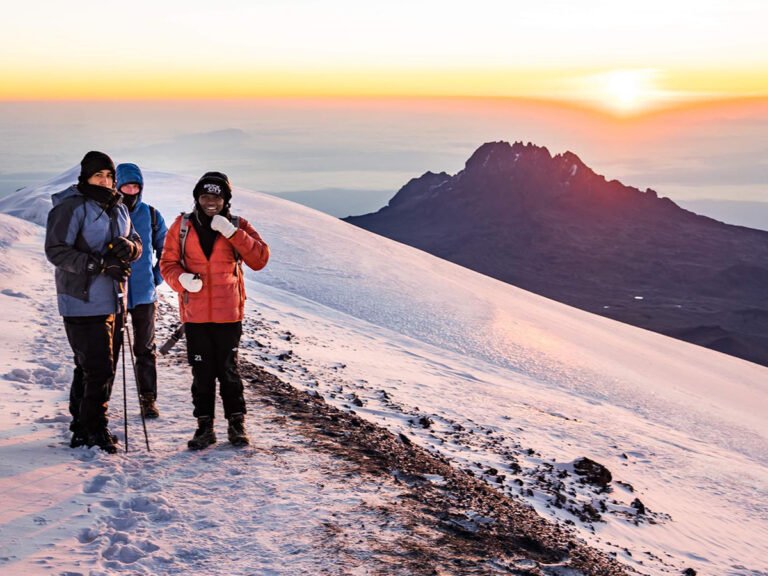
Why Longer Kilimanjaro Routes Cost More 2026-2027
Why Longer Kilimanjaro Routes Cost More is explained with current 2026-2027 planning, price, itinerary and booking information.
View package details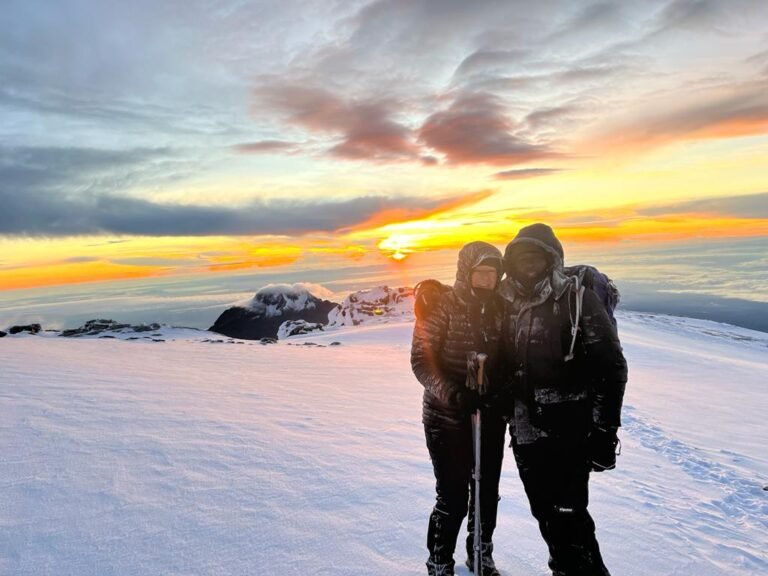
Kilimanjaro Group Departures : Dates, Routes & Prices 2026-2027
Kilimanjaro Group Departures 2026: Dates, Routes & Prices is explained with current 2026-2027 planning, price, itinerary and booking information.
View package details
Kilimanjaro Day Hike Cost /: Prices & Best Routes 2026-2027
Kilimanjaro Day Hike Cost 2026/2027: Prices & Best Routes is explained with current 2026-2027 planning, price, itinerary and booking information.
View package details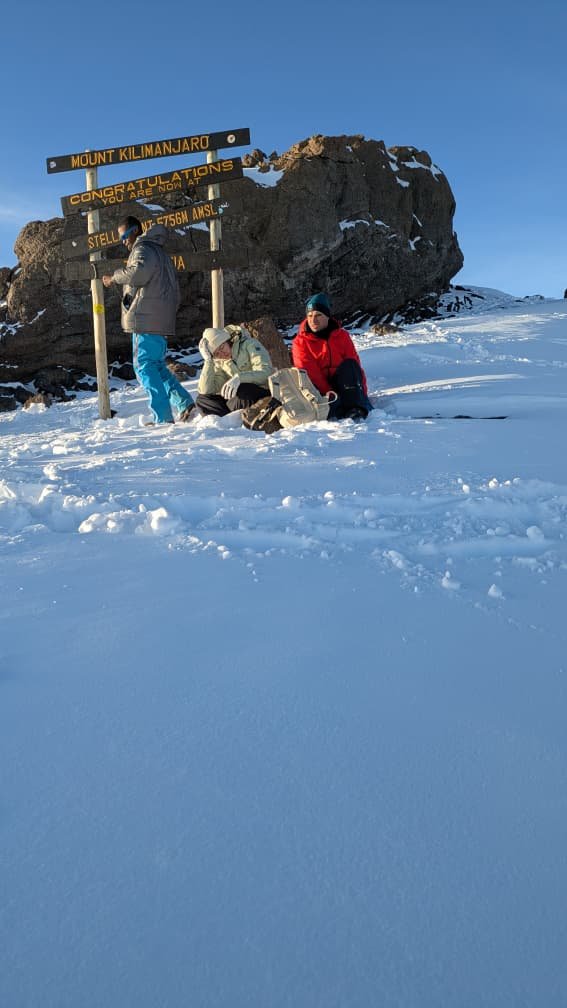
Shira Route Cost /: Prices & Packages For Kilimanjaro Climbs 2026-2027
Understand the estimated costs and package details for climbing Kilimanjaro via the Shira Route in 2026 and 2027. This guide covers pricing, what's included, and how to choose the right...
View package details
How Early Should I Book Kilimanjaro For The Best Price? Planning 2026-2027
Planning a Kilimanjaro climb for 2026 or 2027? Learn the optimal booking window to secure the best prices and availability. This guide covers everything from early bird specials to...
View package details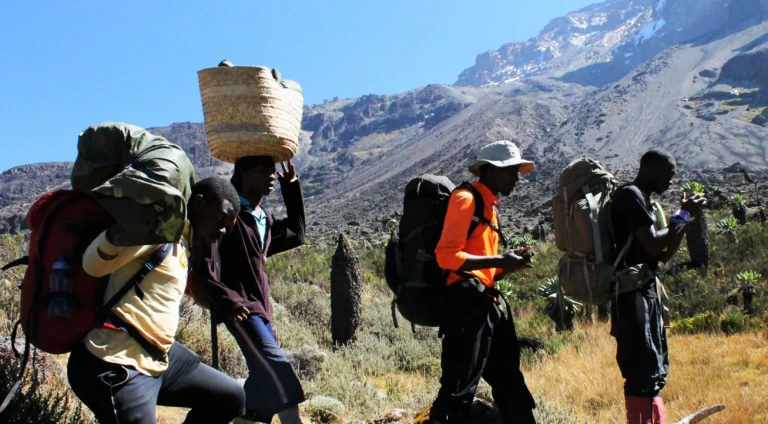
Is A Private Toilet Included In The Kilimanjaro Price? 2026-2027
Discover whether a private toilet is a standard inclusion in Kilimanjaro climbing package prices, the variations across routes and operators, and how Climb 4 Africa prioritizes your comfort...
View package details
Are Porters Included In Kilimanjaro Package Costs? A Climb 4 Africa Guide
Understand the critical role of porters on Kilimanjaro and whether they are typically included in tour package costs. This guide from Climb 4 Africa provides essential details for planning...
View package details
Is Emergency Oxygen Included In Kilimanjaro Climbing Price? Climb 4 Africa
Climb 4 Africa clarifies whether emergency oxygen is part of the standard Kilimanjaro climbing package price, detailing what's typically included and why it's crucial for safety on the...
View package details
Are Rescue Fees Included In Kilimanjaro Park Fees? 2026-2027
Are rescue fees included in Kilimanjaro park fees? is explained with current 2026-2027 planning, price, itinerary and booking information.
View package details
Is Travel Insurance Included In Kilimanjaro Packages? Expert Guide 2026-2027
Many Kilimanjaro packages do not automatically include comprehensive travel insurance. While some may offer basic medical evacuation coverage, it's crucial to understand what's typically...
View package details
Why Do Kilimanjaro Operators Charge Different Prices? 2026-2027
Why do Kilimanjaro operators charge different prices? is explained with current 2026-2027 planning, price, itinerary and booking information.
View package detailsNo related package matches those filters. Clear one or more filters to see the other topic-matched options.



