Climbing Kilimanjaro in July offers excellent weather conditions, typically dry with clear skies and moderate temperatures, making it a prime month for ascents. Prices for a July climb in 2026-2027 usually range from $1,800 to $3,500+ per person, depending on the route, duration, operator, and inclusions, with group departures providing cost savings. Expect daytime temperatures around 15-25°C (59-77°F) at lower elevations, dropping significantly to -10°C (14°F) or colder at the summit, and check available group dates for 2026 and 2027 with operators like Climb 4 Africa.

Why July is a Top Month for Climbing Kilimanjaro
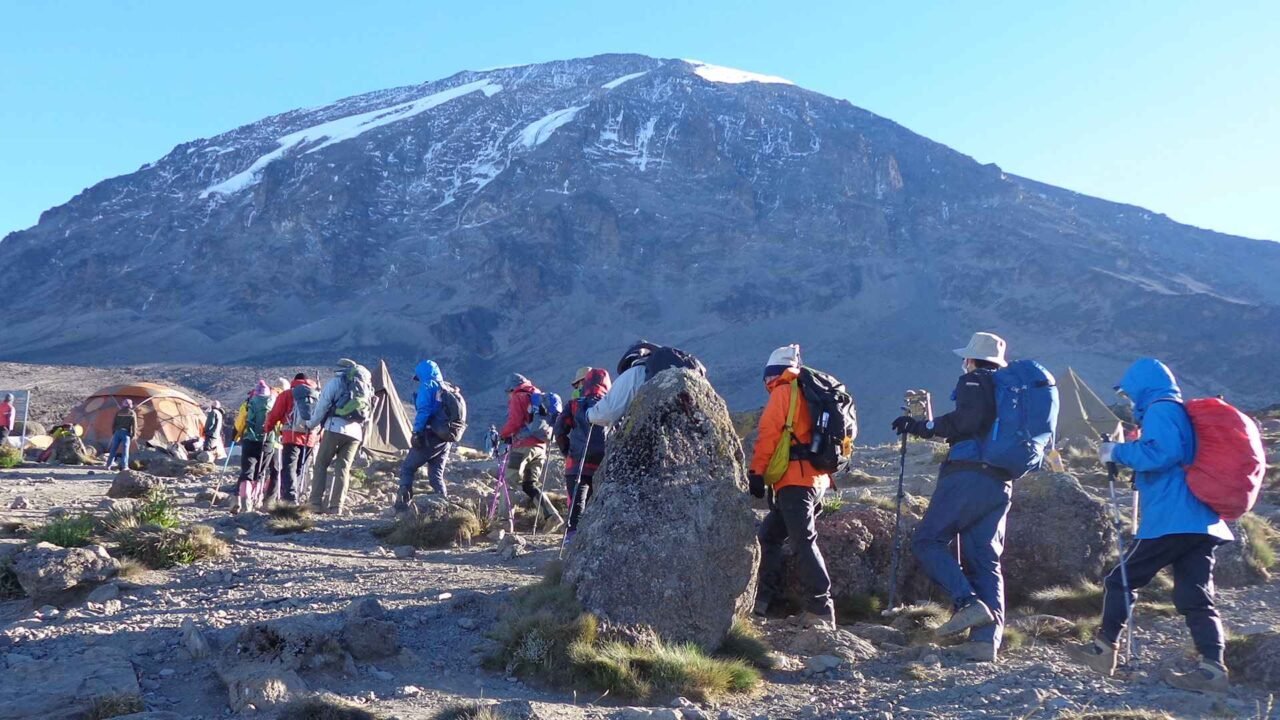
July falls squarely within Kilimanjaro’s dry season, which generally spans from June to October. This makes it one of the most sought-after months for trekkers aiming to summit Africa’s highest peak. The primary draw of climbing Kilimanjaro in July is the favorable weather. You can anticipate significantly less rainfall compared to the wetter shoulder seasons or the monsoon period. This translates to clearer trails, reduced risk of muddy conditions, and, crucially, better visibility from the mountain’s slopes and from the summit itself. The dry air also contributes to stunning panoramic views of the surrounding landscape and Mount Meru.
Beyond the dry weather, July often provides stable atmospheric conditions. While the summit can still be extremely cold, the absence of heavy precipitation and strong winds associated with the rainy seasons enhances the safety and comfort of the climb. This stability is vital for acclimatization and for the challenging summit night. For those planning ahead, securing a spot on a Kilimanjaro climb in July 2026 or July 2027 is a wise decision, as these months are popular and tend to book up, especially for specific group departure dates.
July Weather on Kilimanjaro: What to Expect
Understanding the weather patterns is crucial for any Kilimanjaro expedition. July on Kilimanjaro is characterized by its dry conditions and cooler temperatures, especially as you gain altitude. Here’s a breakdown:
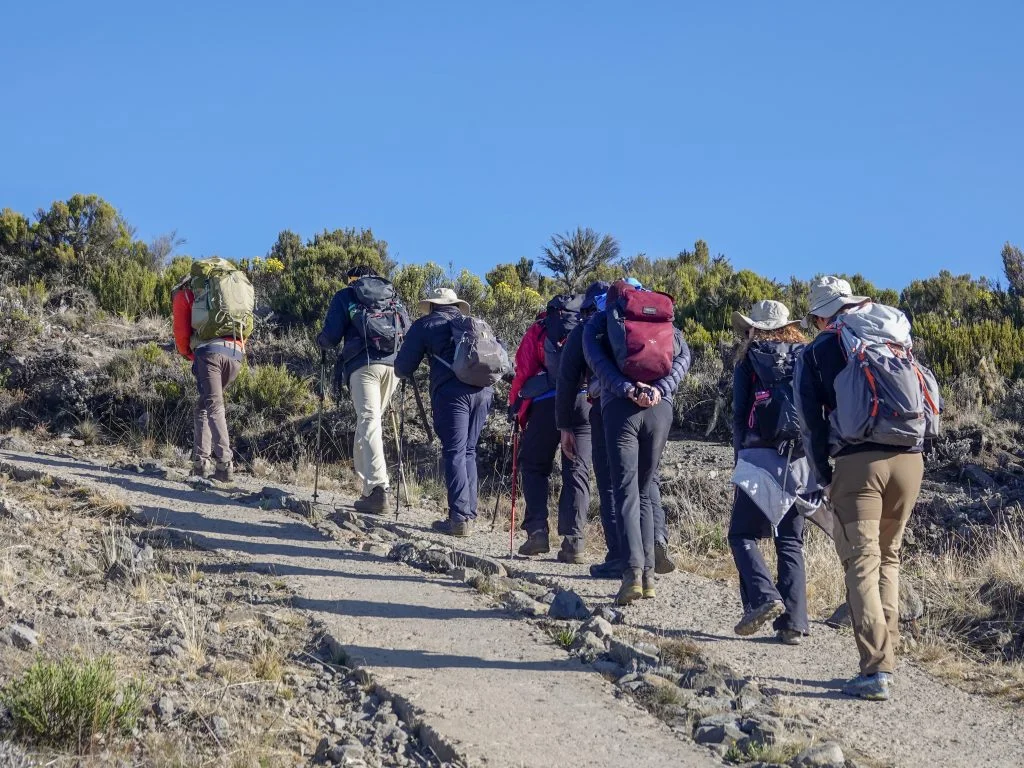
- Precipitation: Rainfall is minimal during July. You might encounter occasional light showers, but prolonged, heavy downpours are uncommon. This means trails are generally in good condition, reducing the risk of slips and making the trek more enjoyable.
- Temperature: Temperatures vary drastically with altitude. At the base (around 1,800m / 5,900ft), expect daytime temperatures to be pleasant, perhaps 15-25°C (59-77°F). As you ascend through the different ecological zones (rainforest, moorland, alpine desert), temperatures will drop. Above the tree line, daytime highs might be around 5-15°C (41-59°F), while nighttime temperatures can plummet.
- Summit Temperatures: The summit, Uhuru Peak (5,895m / 19,341ft), is always extremely cold, regardless of the season. In July, nighttime temperatures on summit night can range from -10°C to -20°C (14°F to -4°F), and with wind chill, it can feel even colder. Proper layering and high-quality gear are absolutely essential.
- Visibility: July typically offers excellent visibility. The dry air and clear skies mean you’ll have stunning views of Kilimanjaro’s glaciers, the surrounding plains, and Mount Meru. This clarity enhances the overall trekking experience and provides incredible photo opportunities.
- Wind: While generally less windy than other times of the year, you should still be prepared for wind, especially at higher altitudes and on exposed ridges. Wind chill can significantly lower the perceived temperature.
When planning your Kilimanjaro climb in July 2026 or July 2027, packing appropriately for these variable conditions is paramount. Focus on layering systems to adapt to changing temperatures and weather.
Packing Essentials for a July Kilimanjaro Climb
Given the cool to cold temperatures and dry conditions, focus on:
- Base Layers: Moisture-wicking thermal tops and bottoms (merino wool or synthetic).
- Mid Layers: Fleece jackets or insulated vests for warmth.
- Outer Layer: Waterproof and windproof jacket (hardshell) and trousers. A down or synthetic insulated jacket is crucial for summit night and cold evenings.
- Headwear: Warm beanie, sun hat, and a balaclava or neck gaiter for the summit.
- Handwear: Liner gloves and waterproof, insulated outer gloves or mittens.
- Footwear: Broken-in, waterproof hiking boots, warm hiking socks (wool), and camp booties.
- Sleeping Bag: A 4-season sleeping bag rated to at least -15°C (5°F) is recommended for July.
- Other: Sunglasses, high SPF sunscreen, lip balm, headlamp with extra batteries, water bottles or hydration reservoir (ensure it won’t freeze), trekking poles, and personal first-aid kit.
July Kilimanjaro Prices: Understanding the Costs
The price of climbing Kilimanjaro in July can vary significantly based on several factors. As July is a peak trekking season, prices might be slightly higher compared to the low season, reflecting demand and favorable conditions. For Climbing Kilimanjaro in July 2026 or July 2027, you can generally expect package prices to fall within the following range:
General Price Range: $1,800 – $3,500+ per person
This range covers most reputable operators offering standard packages. Here’s what influences the cost:
- Route Choice: Longer routes like the Lemosho or Northern Circuit generally cost more due to more days on the mountain, requiring more supplies and support staff. Shorter routes like Marangu or Rongai might be slightly less expensive.
- Operator Type: Local Tanzanian operators (like Climb 4 Africa) often offer more competitive pricing than large international companies, while still maintaining high standards of safety and service. Luxury operators with premium services will command higher prices.
- Inclusions: Packages vary widely. Common inclusions are park fees, rescue fees, camping/hut fees, meals on the mountain, tents, mess tent, cooking equipment, experienced guides, assistant guides, and porters. Some packages might include airport transfers, pre-trek briefings, and post-trek celebrations. Exclusions often involve flights, visas, travel insurance, tips for the crew, personal gear, and meals/drinks in Arusha or Moshi.
- Group Size: Climbing with a pre-arranged group or joining a shared departure date is almost always more economical than booking a private climb.
- Duration: Longer treks allow for better acclimatization and higher success rates, but also mean more days of service, increasing the overall cost.
Typical Cost Breakdown for a July Kilimanjaro Climb (Estimates for 2026-2027)
While package prices are all-inclusive, understanding the components helps:
- Park & Camping/Hut Fees: These are fixed by the Tanzanian government and are a significant portion of the cost, often around $800-$1,000 per person for a typical 7-day trek.
- Crew Salaries (Guides, Porters, Cook): Essential for safety and logistics. This covers their wages, food, and equipment.
- Food & Supplies: High-quality food is provided on the mountain.
- Equipment: Tents, sleeping mats, mess tents, tables, chairs, cooking gear.
- Logistics: Transportation to/from the mountain, emergency equipment (oxygen, first aid), satellite phone.
- Operator’s Margin: Covers overhead, marketing, and profit.
When comparing prices for a Kilimanjaro climb in July 2026 or July 2027, always look at what’s included. A lower price might seem attractive, but if essential items like park fees or adequate crew are not included, it could end up costing more.
Kilimanjaro Group Dates for July 2026 & 2027
Joining a group departure is a fantastic way to climb Kilimanjaro, especially if you’re a solo traveler or a small group looking to share costs and camaraderie. Operators typically schedule group climbs during peak seasons like July to accommodate demand. For Climbing Kilimanjaro in July 2026 and July 2027, here’s how to find and choose your dates:
How to Find Group Dates:
- Operator Websites: Reputable tour operators will list their scheduled group departure dates well in advance, often 12-18 months ahead. Climb 4 Africa, for example, offers a range of group dates.
- Flexibility: If you have specific dates in mind, contact operators directly. They may be able to group individuals with similar dates or even establish a new group if enough interest exists.
- Route Preference: Group dates are often tied to specific routes. Machame, Lemosho, and Marangu are popular routes for group climbs.
Factors to Consider When Choosing Group Dates:
- Acclimatization Profile: Longer routes (7+ days) are generally recommended for better acclimatization and higher success rates. Ensure the group dates align with a route that provides adequate time on the mountain.
- Group Size: While ‘group’ can mean anything from 2 to 20 people, smaller groups often offer a more intimate experience. Check the operator’s typical group size.
- Operator Reputation: Look for operators with a strong track record in safety, crew welfare, and client satisfaction. Reviews on platforms like TripAdvisor can be helpful.
Finding Your July 2026 / 2027 Group Departure
- Visit Climb 4 Africa’s website: Look for their dedicated Kilimanjaro group departure calendar for 2026 and 2027.
- Contact Climb 4 Africa directly: For personalized advice or to inquire about custom group dates. WhatsApp +255 747 477 898 or email climb4africa@gmail.com.
- Review Itineraries: Compare routes and durations offered for July departures.
- Check Inclusions: Ensure the group package meets your needs regarding gear rental, meals, and support.
- Book in Advance: July is a popular month, so booking 6-12 months ahead is advisable for the best selection of dates and routes.
Popular Kilimanjaro Routes in July
While any of Kilimanjaro’s established routes can be climbed in July, some are particularly well-suited due to their acclimatization profiles and scenery. The dry weather of July enhances the experience on all routes.
The Machame Route (Whiskey Route)
Often considered one of the most scenic routes, the Machame route is popular for its diverse landscapes and “climb high, sleep low” acclimatization strategy. It’s a 6-7 day trek, with 7 days being highly recommended for better acclimatization. Its popularity means July departures are common.
The Lemosho Route
The Lemosho route is another highly scenic option, known for its excellent acclimatization profile and high success rates, especially when climbed over 7 or 8 days. It starts in the remote west and offers fantastic wildlife viewing opportunities in its early stages. July is an ideal time to appreciate its beauty.
The Marangu Route (Coca-Cola Route)
This is the oldest and arguably the simplest route, often chosen for its unique hut accommodation (no camping). It’s also the shortest (5 days), which is generally discouraged due to lower acclimatization and success rates. However, a 6-day option on Marangu improves chances. July’s clear skies make the views from this route, though less varied than others, still rewarding.
The Rongai Route
Rongai approaches Kilimanjaro from the north, bordering Kenya. It’s known for being drier than routes on the southern side, which can be a bonus even in July’s dry season. It’s a good option for those seeking a less crowded experience, though July is peak season across all routes.
The Northern Circuit
The longest route (9-10 days), the Northern Circuit offers the best acclimatization and highest success rates. It circles the mountain, providing unparalleled views and a more relaxed pace. For those prioritizing success and a comprehensive experience, this is an excellent choice for a Kilimanjaro climb in July 2026 or 2027.
Recommendation for July: While all routes are viable, the 7-day Machame, 8-day Lemosho, or the 9-day Northern Circuit are highly recommended for optimal acclimatization and success rates during the popular July trekking season.
Preparing for Your July Kilimanjaro Climb
Successful preparation is key to enjoying your Kilimanjaro adventure and maximizing your chances of reaching the summit. This involves physical training, mental preparation, and logistical planning.
Physical Training
Kilimanjaro is a demanding trek, not a technical climb, but it requires significant cardiovascular fitness and leg strength. The altitude is the main challenge. Aim to:
- Cardio: Engage in regular aerobic activities like hiking, running, cycling, or swimming for at least 3-4 times a week, building up duration and intensity.
- Hiking: Prioritize hiking, especially with a backpack, on varied terrain (inclines and declines). Simulate mountain conditions as much as possible.
- Strength Training: Focus on leg muscles (squats, lunges) and core strength.
- Altitude Simulation: If possible, train at higher altitudes or use altitude training masks.
- Consistency: Start training at least 2-3 months before your climb.
Mental Preparation
The mental aspect is as important as the physical. Kilimanjaro challenges you mentally, especially during summit night. Prepare yourself for:
- Endurance: Understand that you’ll be walking for many hours, often in cold and dark conditions.
- Patience: Acclimatization is a slow process. Listen to your body and your guide.
- Positive Attitude: Maintain a positive outlook, even when things get tough.
Logistical Planning
This includes booking your trip, arranging travel, and acquiring necessary gear.
- Booking: Book your Kilimanjaro climb in July 2026 or July 2027 with a reputable operator like Climb 4 Africa well in advance.
- Flights: Book flights to Kilimanjaro International Airport (JRO) in Tanzania. Allow at least one full day before your trek briefing and departure to the mountain.
- Visa: Check visa requirements for Tanzania for your nationality. Many can obtain visas on arrival or online.
- Vaccinations & Health: Consult your doctor or a travel clinic about recommended vaccinations (e.g., Yellow Fever, Hepatitis A/B) and malaria prophylaxis. Discuss altitude sickness medication like Diamox.
- Travel Insurance: Ensure your insurance covers high-altitude trekking and emergency evacuation up to 5,900 meters.
Climb 4 Africa’s Preparation Support
At Climb 4 Africa, we understand that preparation is crucial. We provide detailed pre-departure information, packing lists, and advice to ensure you are well-prepared for your Kilimanjaro climb in July. Our team is available to answer any questions you may have regarding training, gear, or logistics for your 2026 or 2027 adventure.
Safety on Kilimanjaro in July
Safety is paramount on any Kilimanjaro climb, and July’s stable weather generally contributes to a safer experience. However, the altitude remains the primary risk factor.
- Altitude Sickness (AMS): Acute Mountain Sickness is the most common ailment. Symptoms include headache, nausea, dizziness, and fatigue. The best prevention is slow ascent and proper acclimatization, which is why longer routes and staged ascents are recommended. Your guides are trained to monitor for AMS and make critical decisions regarding your ascent.
- Guide Expertise: Choose an operator that employs experienced, certified guides who are trained in first aid and altitude sickness management. Climb 4 Africa prioritizes guide training and ensures our teams are equipped to handle emergencies.
- Emergency Procedures: Reputable operators have clear emergency protocols, including access to oxygen cylinders, a comprehensive first-aid kit, and communication devices (satellite phones or walkie-talkies). Evacuation plans are also essential.
- Weather Preparedness: While July is dry, temperatures at the summit can be extreme. Hypothermia is a risk, so proper clothing and awareness are vital.
- Health Checks: Pre-climb health checks and carrying personal medications are important.
Climbing Kilimanjaro in July with a well-prepared team and a focus on safety protocols significantly mitigates risks, allowing you to enjoy the journey.
Why Choose a Group Climb in July?
Opting for a group climb for your Kilimanjaro expedition in July offers distinct advantages, particularly for solo travelers or those looking to optimize their budget.
- Cost Savings: Sharing costs like park fees, crew wages, and logistics among more people makes group climbs significantly more affordable than private treks. This is especially true for popular months like July.
- Companionship & Motivation: Trekking with like-minded individuals creates a supportive and motivating atmosphere. Sharing the experience, challenges, and triumphs with a group can be incredibly rewarding.
- Networking: You’ll meet people from diverse backgrounds, potentially forming lasting friendships.
- Established Logistics: Group departures are typically well-organized by the operator, meaning all logistical aspects are handled, allowing you to focus on the climb itself.
- Shared Experience: The camaraderie built during a challenging trek like Kilimanjaro is unique and memorable.
When looking for group dates for Kilimanjaro in July 2026 or July 2027, consider operators like Climb 4 Africa who foster a positive group dynamic while maintaining high safety standards.
Comparing Group vs. Private Climbs in July
The decision between a group and a private climb for your July Kilimanjaro trek hinges on your priorities:
Group Climbs
- Pros: More affordable, social atmosphere, established dates, potential for new friendships.
- Cons: Less flexibility with pace and schedule, group dynamics can sometimes be challenging, fixed departure dates might not suit everyone.
Private Climbs
- Pros: Complete flexibility in pace, schedule, and route modifications; personalized attention from guides; ideal for families or private groups with specific needs.
- Cons: Significantly more expensive, requires more coordination to set dates, potentially less social interaction.
For many, especially those new to high-altitude trekking or looking for a budget-conscious option, joining a group climb for their Kilimanjaro climb in July 2026 or 2027 is the preferred choice. If you value flexibility and personalized service above all else, a private climb might be worth the investment.
Booking Your July Kilimanjaro Climb: Next Steps
Ready to book your Kilimanjaro adventure for July 2026 or 2027? Here’s how to proceed with Climb 4 Africa:
- Explore Options: Visit the Climb 4 Africa website to view available Kilimanjaro routes, itineraries, and scheduled group departure dates for July.
- Contact Us: Reach out to our team with any questions. We can help you choose the best route, duration, and dates based on your fitness, budget, and preferences. Use our WhatsApp +255 747 477 898 or email climb4africa@gmail.com.
- Review Proposal: Once you’ve decided, we’ll provide a detailed itinerary and quotation.
- Booking & Deposit: To secure your spot on a group climb or to schedule a private climb, a deposit is typically required. This helps us confirm your booking and begin logistical arrangements.
- Pre-Departure Information: After booking, you’ll receive comprehensive pre-departure materials, including packing lists, training recommendations, and visa/vaccination advice.
- Final Payment: The balance is usually due a few months before your departure date.
Choosing Climb 4 Africa means partnering with a local expert dedicated to providing safe, memorable, and authentic Kilimanjaro experiences. We are committed to ethical tourism practices, ensuring fair treatment of our crew and contributing positively to the local community.
Beyond the Climb: Extending Your Tanzania Trip in July
A Kilimanjaro climb in July is often combined with other incredible experiences in Tanzania. The dry weather extends to the renowned national parks, making July an excellent month for safaris.
- Serengeti National Park: July is prime time for the Great Migration in the Serengeti. Witness vast herds of wildebeest and zebras crossing the plains, often with dramatic river crossings.
- Ngorongoro Conservation Area: The Ngorongoro Crater offers incredible wildlife viewing year-round, and July provides clear skies for optimal game drives.
- Tarangire National Park: Known for its large elephant herds and baobab trees, Tarangire is also a fantastic safari destination in July.
- Zanzibar: While the mainland is dry, Zanzibar can experience some light showers in July, but it remains a popular destination for relaxation on its beautiful beaches, exploring Stone Town, and enjoying water sports. The temperatures are pleasant.
Climb 4 Africa specializes in creating smooth itineraries that combine your Kilimanjaro climb with unforgettable Tanzanian safaris and Zanzibar holidays. Let us help you plan a complete 2026 or 2027 adventure.
Frequently Asked Questions About Climbing Kilimanjaro in July
Is July a good month to climb Kilimanjaro?
Yes, July is considered one of the best months to climb Kilimanjaro. It falls within the dry season, offering clear skies, minimal rainfall, and good visibility, making it ideal for trekking and summit attempts.
What is the weather like on Kilimanjaro in July?
July is characterized by dry weather and cooler temperatures, especially at higher altitudes. Daytime temperatures can range from pleasant at the base to cold at higher camps. Summit night temperatures can drop to -10°C to -20°C (14°F to -4°F) or colder with wind chill.
How much does it cost to climb Kilimanjaro in July?
Prices for a July climb typically range from $1,800 to $3,500+ per person. This cost depends heavily on the chosen route, trek duration, operator, and what is included in the package. Group departures are generally more affordable.
Are there group departures for Kilimanjaro in July 2026/2027?
Yes, July is a peak season, and reputable operators like Climb 4 Africa offer numerous group departure dates for both 2026 and 2027. It’s advisable to book these popular dates well in advance.
What is the best route for a July climb?
Routes offering better acclimatization profiles are highly recommended. The 7-day Machame, 8-day Lemosho, or the 9-day Northern Circuit are excellent choices for a July climb, maximizing your chances of success and enjoyment.
Do I need special gear for a July climb?
Yes, warm, layered clothing is essential. You’ll need waterproof and windproof outer layers, thermal base layers, a warm mid-layer, a heavy down/synthetic jacket, warm hat, gloves, and sturdy, broken-in hiking boots. A 4-season sleeping bag is also recommended.
What are the risks of climbing Kilimanjaro in July?
The primary risk is altitude sickness (AMS). While July offers good weather, the extreme cold at the summit and potential for hypothermia require careful preparation and adherence to safety protocols. Choosing a reputable operator with experienced guides is crucial.
Climbing Kilimanjaro in July presents a fantastic opportunity for a successful and rewarding trek. With favorable weather, a wide range of group dates available for 2026 and 2027, and competitive pricing from experienced operators like Climb 4 Africa, now is the perfect time to start planning your ascent. Contact us today to discuss your dream Kilimanjaro adventure!
“,
“faq_schema”: [
{
“question”: “Is July a good month to climb Kilimanjaro?”,
“answer”: “Yes, July is considered one of the best months to climb Kilimanjaro. It falls within the dry season, offering clear skies, minimal rainfall, and good visibility, making it ideal for trekking and summit attempts.”
},
{
“question”: “What is the weather like on Kilimanjaro in July?”,
“answer”: “July is characterized by dry weather and cooler temperatures, especially at higher altitudes. Daytime temperatures can range from pleasant at the base to cold at higher camps. Summit night temperatures can drop to -10°C to -20°C (14°F to -4°F) or colder with wind chill.”
},
{
“question”: “How much does it cost to climb Kilimanjaro in July?”,
“answer”: “Prices for a July climb typically range from $1,800 to $3,500+ per person. This cost depends heavily on the chosen route, trek duration, operator, and what is included in the package. Group departures are generally more affordable.”
},
{
“question”: “Are there group departures for Kilimanjaro in July 2026/2027?”,
“answer”: “Yes, July is a peak season, and reputable operators like Climb 4 Africa offer numerous group departure dates for both 2026 and 2027. It’s advisable to book these popular dates well in advance.”
},
{
“question”: “What is the best route for a July climb?”,
“answer”: “Routes offering better acclimatization profiles are highly recommended. The 7-day Machame, 8-day Lemosho, or the 9-day Northern Circuit are excellent choices for a July climb, maximizing your chances of success and enjoyment.”
},
{
“question”: “Do I need special gear for a July climb?”,
“answer”: “Yes, warm, layered clothing is essential. You’ll need waterproof and windproof outer layers, thermal base layers, a warm mid-layer, a heavy down/synthetic jacket, warm hat, gloves, and sturdy, broken-in hiking boots. A 4-season sleeping bag is also recommended.”
},
{
“question”: “What are the risks of climbing Kilimanjaro in July?”,
“answer”: “The primary risk is altitude sickness (AMS). While July offers good weather, the extreme cold at the summit and potential for hypothermia require careful preparation and adherence to safety protocols. Choosing a reputable operator with experienced guides is crucial.”
}
]
}
“`
Check Availability for Climbing Kilimanjaro In July: Prices, Weather & Group Dates 2026-2027
Ready to compare dates, prices, and the best option for your group? Send the package name and travel month so the team can reply with a clear quote, availability, and what is included.
Climbing Kilimanjaro In October: Prices, Weather & Group Dates For 2026-2027
October offers a unique window for climbing Kilimanjaro, bridging the end of the dry season with the start of cooler temperatures. This guide details everything you need to know about...
View package details
Climbing Kilimanjaro In September : Prices, Weather & Group Dates 2026-2027
September offers a fantastic window for climbing Mount Kilimanjaro, blending dry weather with moderate temperatures. This guide covers everything you need to know about climbing Kilimanjaro...
View package details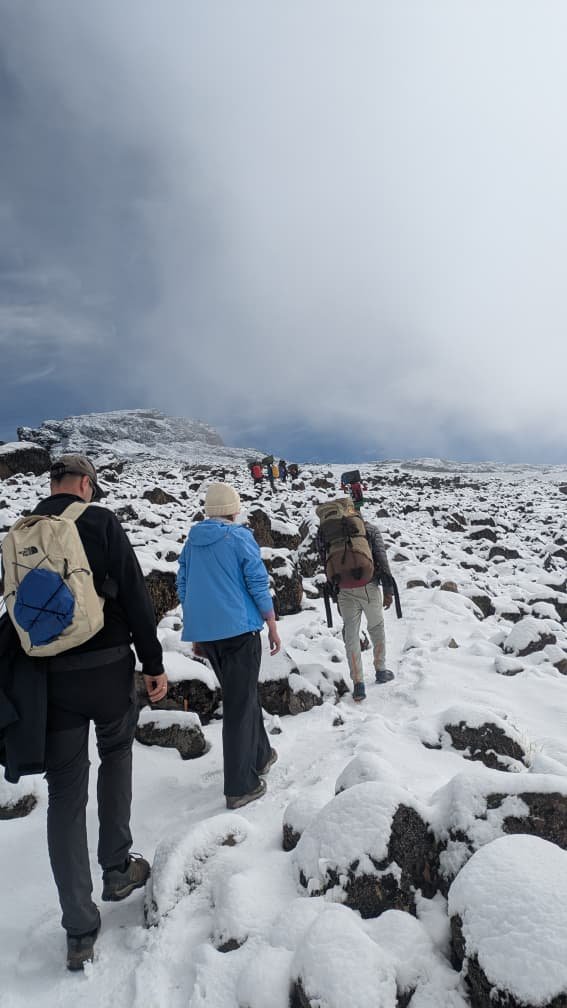
Climbing Kilimanjaro In August: Prices, Weather & Group Dates 2026-2027
Climbing Kilimanjaro in August: Prices, Weather & Group Dates is explained with current 2026-2027 planning, price, itinerary and booking information.
View package detailsClimbing Kilimanjaro In June: Prices, Weather & Group Dates 2026-2027
June offers a prime window for climbing Mount Kilimanjaro, balancing good weather with fewer crowds than the peak dry season. This guide details June's specific weather patterns, typical...
View package details
Climbing Kilimanjaro In December : Prices, Weather & Group Dates 2026-2027
Discover everything you need to know about climbing Kilimanjaro in December, including pricing, weather patterns for 2026-2027, and curated group departure dates. Climb 4 Africa provides...
View package details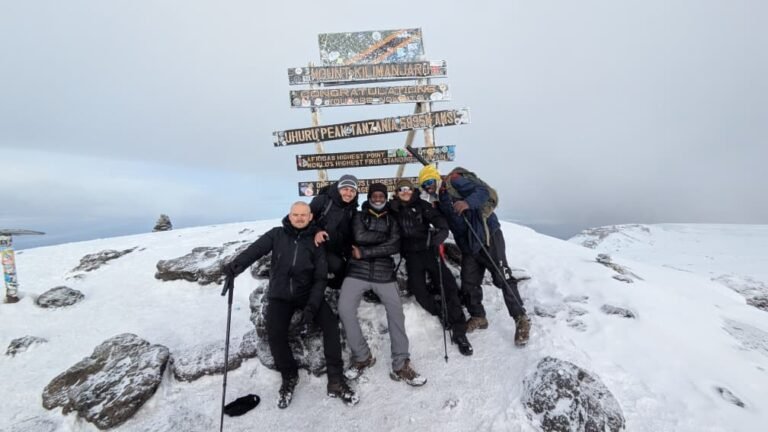
Climbing Kilimanjaro In February: Prices, Weather & Group Dates For 2026-2027
Discover everything you need to know about climbing Kilimanjaro in February, including expected weather patterns, typical costs for 2026-2027, and how to find suitable group departure...
View package details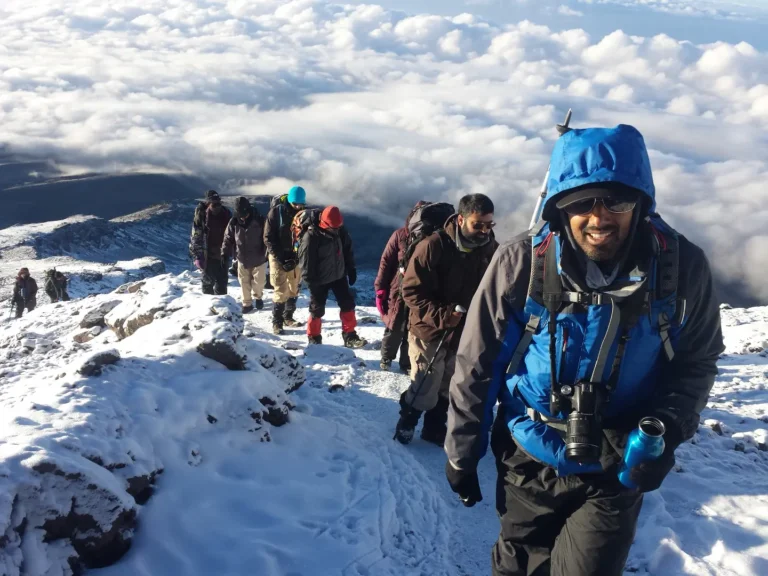
Climbing Kilimanjaro In January: Prices, Weather & Group Dates 2026-2027
Climbing Kilimanjaro in January: Prices, Weather & Group Dates is explained with current 2026-2027 planning, price, itinerary and booking information.
View package details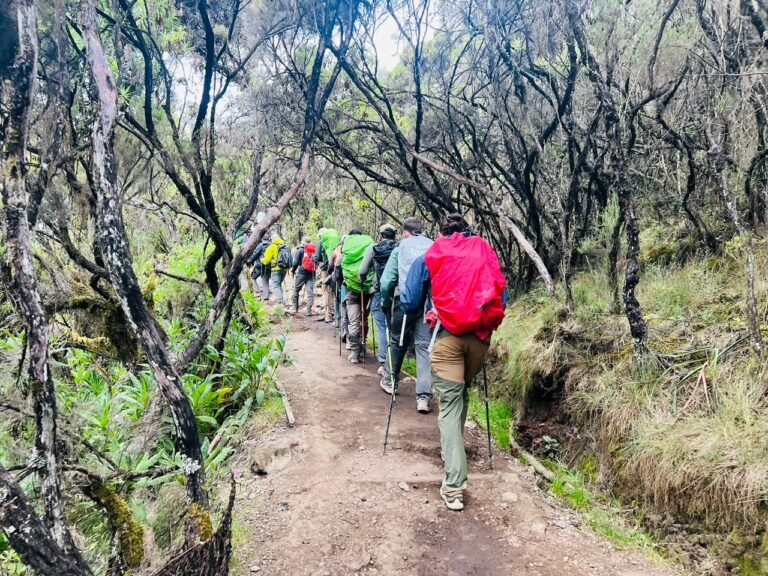
Last-Minute Kilimanjaro Group Joining: Available Dates & Prices For 2026-2027
Discover available last-minute Kilimanjaro group joining dates and pricing for 2026-2027. Climb 4 Africa offers shared expeditions on various routes, providing an economical and social way...
View package details
Kilimanjaro Group Departures : Dates, Routes & Prices 2026-2027
Kilimanjaro Group Departures 2026: Dates, Routes & Prices is explained with current 2026-2027 planning, price, itinerary and booking information.
View package details
Rongai Route Kilimanjaro Group Joining Prices & Departure Dates 2026-2027
Discover the best prices and confirmed departure dates for group joining climbs on Kilimanjaro's Rongai Route for 2026 and 2027. This guide details costs, what's included, and how to book...
View package details
Kilimanjaro Group Tours For Solo Travelers: Dates & Costs 2026-2027
Kilimanjaro Group Tours for Solo Travelers: Dates & Costs is explained with current 2026-2027 planning, price, itinerary and booking information.
View package details
Are Kilimanjaro Group Climbs Cheaper Than Private Climbs? 2026-2027
Are Kilimanjaro group climbs cheaper than private climbs? is explained with current 2026-2027 planning, price, itinerary and booking information.
View package detailsNo related package matches those filters. Clear one or more filters to see the other topic-matched options.



