A 6 Days Rongai Route Kilimanjaro climb typically costs between $1,500 and $2,500 per person for a mid-range package in 2026-2027, covering essential services like park fees, guides, porters, food, and basic accommodation. The itinerary involves acclimatization days, starting from the north side of Kilimanjaro near the Kenyan border, ascending via the Rongai Caves and passing through different ecological zones before reaching Uhuru Peak, and descending via the Marangu Route.


Understanding the 6 Days Rongai Route: A Unique Kilimanjaro Ascent
The 6 Days Rongai Route is a popular choice for trekkers aiming to summit Mount Kilimanjaro, Africa’s highest peak. It stands out due to its approach from the north, offering a different perspective and often a quieter trekking experience compared to the more frequented southern routes. This route is known for its gradual ascent, which aids acclimatization, and its crossing of Kilimanjaro’s dry northern plains. While it’s one of the shorter options, the 6-day itinerary is still demanding and requires good physical preparation. For those planning their adventure in 2026 or 2027, understanding the specifics of this route, including its cost and day-by-day plan, is crucial for successful preparation and execution.
This comprehensive guide will walk you through everything you need to know about the 6 Days Rongai Route, from initial cost estimations to the detailed daily itinerary, essential packing advice, and what to expect on the mountain. Climb 4 Africa, with its deep expertise in Kilimanjaro climbs, provides insights to help you make informed decisions for your 2026-2027 climb.
Why Choose the 6 Days Rongai Route for Your Kilimanjaro Climb?
The Rongai Route offers several distinct advantages that make it an appealing option for many climbers, especially those considering a Kilimanjaro trek in the 2026-2027 seasons.
- Gradual Acclimatization: Starting from the northern side, the Rongai Route offers a gentler, more consistent gradient in the initial days. This slow and steady ascent is highly beneficial for acclimatization, significantly reducing the risk of altitude sickness.
- Dry Side of Kilimanjaro: The northern side of Kilimanjaro receives less rainfall, making the Rongai Route a viable option even during the wetter months (typically April-May and November). This offers more flexibility for planning your 2026-2027 climb.
- Unique Scenery: The route traverses the dry, semi-arid plains of the northern slopes, offering starkly beautiful landscapes that differ from the lush rainforests encountered on southern routes. You’ll experience a unique ecological progression.
- Less Crowded: Compared to routes like Marangu or Machame, Rongai generally sees fewer trekkers, providing a more serene and intimate mountain experience. This can be particularly appealing for those seeking solitude and a deeper connection with nature.
- Higher Success Rates (Potentially): Due to its gradual acclimatization profile and the expertise of operators like Climb 4 Africa, the Rongai Route can contribute to higher success rates, especially when trekkers are well-prepared.
6 Days Rongai Route Cost Breakdown for 2026-2027
Understanding the cost is a primary concern for anyone planning a Kilimanjaro climb. The price for a 6 Days Rongai Route trek in 2026-2027 can vary significantly based on the operator, the services included, and the level of comfort desired. However, you can expect a typical mid-range package to fall within the $1,500 to $2,500 per person range. High-end or luxury packages might exceed $3,000, while budget options could be slightly lower, though often with compromises on service quality or safety.
Here’s a general breakdown of what influences the cost and what is typically included:
Key Cost Factors:
- Operator’s Reputation and Service Level: Established operators with proven safety records, experienced guides, and better equipment generally charge more.
- Group Size: Private climbs are more expensive per person than group climbs. Joining a pre-scheduled group departure can be more economical.
- Inclusions: The more services included (e.g., pre/post-climb accommodation, transfers, specialized gear rental, tips), the higher the cost.
- Time of Year: Peak seasons (e.g., June-October, December-March) might see slightly higher prices due to demand.
Typical Inclusions in a 6 Days Rongai Route Package:
Estimated Cost Range (Per Person for 2026-2027):
- Budget Operators: $1,300 – $1,700 (May involve fewer porters, simpler food, basic gear).
- Mid-Range Operators (Recommended): $1,500 – $2,500 (Good balance of safety, comfort, and value. Includes quality guides, sufficient porters, varied meals, park fees, accommodation).
- Luxury Operators: $2,500+ (Higher quality accommodation, more experienced guides, extra amenities, smaller group sizes).
What is Usually Covered:
- Kilimanjaro National Park entry fees (crucial and substantial).
- Camping fees.
- Rescue fees.
- Salaries for licensed guides, assistant guides, and porters.
- Nutritious meals and drinking water during the trek.
- Camping equipment (tents, sleeping mats).
- Oxygen cylinders and first-aid kits.
- Ground transportation to and from the mountain gate.
- Kilimanjaro Certificate upon successful summit.
What is Typically NOT Covered:
- International flights to and from Kilimanjaro International Airport (JRO).
- Visa fees for Tanzania.
- Travel and medical insurance (mandatory).
- Personal climbing gear (boots, warm clothing, sleeping bag, backpack).
- Tips for guides, porters, and cooks (a significant expense, budget around $250-$350 per climber).
- Pre and post-climb accommodation in Moshi or Arusha (unless specified).
- Lunches and dinners in town before/after the climb.
- Personal expenses (e.g., souvenirs, alcoholic beverages).
- Optional activities like hot springs or cultural visits.
- Vaccinations and medications.
For precise pricing and a detailed quote tailored to your 2026-2027 Kilimanjaro climb, it is always best to contact operators directly. Climb 4 Africa can provide personalized quotes and discuss your specific needs.
The 6 Days Rongai Route Itinerary: A Day-by-Day Guide
The 6-day Rongai Route itinerary is designed to balance the ascent with acclimatization, though it is considered one of the faster ways to ascend Kilimanjaro. A longer 7-day version is often recommended for better acclimatization, but the 6-day plan is achievable for well-prepared trekkers. Here is a typical itinerary:
Day 1: Rongai Gate (1,950m/6,398ft) to Simba Camp (2,650m/8,694ft)
Distance: ~7 km / 4.3 miles
Trekking Time: 3-4 hours
Habitat: Montane forest
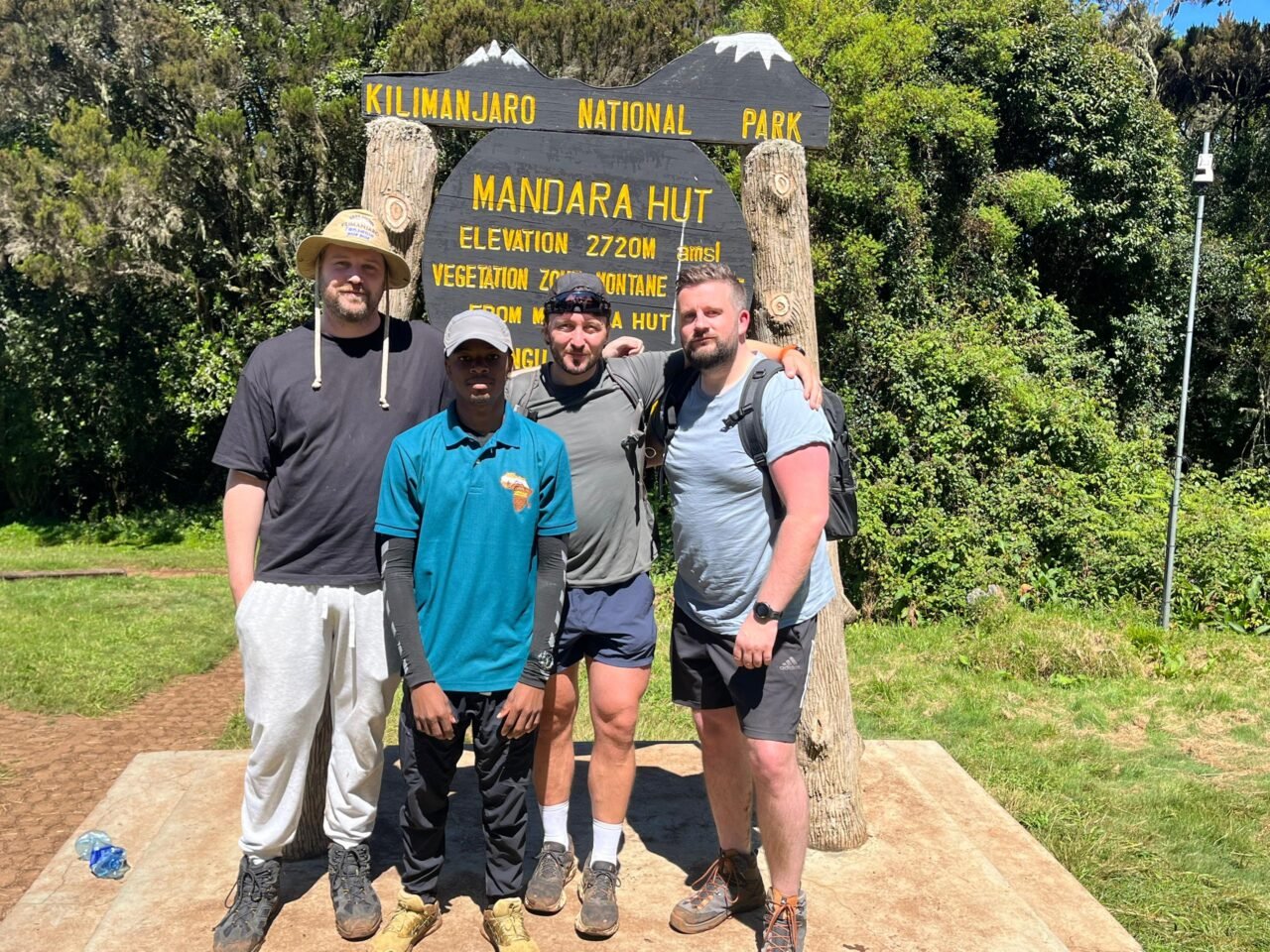
Your Kilimanjaro adventure begins with a drive from Moshi or Arusha to the Rongai Gate, located on the northern side of Kilimanjaro near the Kenyan border. After completing park formalities, you’ll start your trek through the lush montane forest. The trail is relatively gentle, and you might spot some wildlife, including monkeys and various bird species. The goal for today is Simba Camp, a basic campsite where you’ll spend your first night on the mountain, enjoying your first camp meal prepared by your dedicated cook.
Day 2: Simba Camp (2,650m/8,694ft) to Kikelewa Caves (3,600m/11,811ft)
Distance: ~12 km / 7.5 miles
Trekking Time: 6-7 hours
Habitat: Moorland
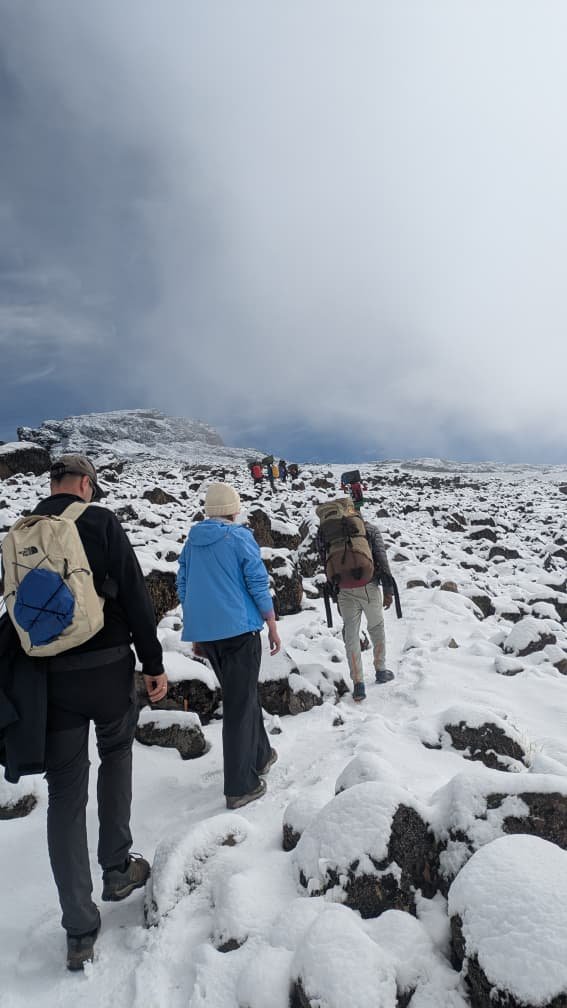
Today’s trek takes you out of the forest and into the moorland zone. The landscape becomes more open, with heather and giant groundsels dominating. The path is a steady ascent, and you’ll gain significant altitude. You will pass the Second Cave en route to Kikelewa Caves, a more scenic and wild campsite situated below the main scree slopes. The views from Kikelewa are often spectacular, especially towards the plains of Kenya. This is a significant altitude gain, so staying hydrated and moving slowly is key.
Day 3: Kikelewa Caves (3,600m/11,811ft) to Mawenzi Tarn Camp (4,300m/14,108ft)
Distance: ~7 km / 4.3 miles
Trekking Time: 4-5 hours
Habitat: Alpine desert
This is a shorter trekking day in terms of distance and time, allowing for better acclimatization. You’ll ascend into the alpine desert zone, characterized by sparse vegetation and rocky terrain. The destination is Mawenzi Tarn Camp, dramatically located in a cirque beneath the towering spires of Mawenzi, Kilimanjaro’s second peak. The scenery here is starkly beautiful and rugged. You’ll have time to rest and prepare for the following day’s significant climb.
Day 4: Mawenzi Tarn Camp (4,300m/14,108ft) to Kibo Camp (4,700m/15,420ft)
Distance: ~10 km / 6.2 miles
Trekking Time: 4-5 hours
Habitat: Alpine desert
Today, you’ll traverse the saddle between Mawenzi and Kibo. This high-altitude desert landscape is barren and rocky. The trek involves crossing the exposed saddle, which can be windy. You will eventually reach Kibo Camp, situated at the base of the Kibo crater wall. This is the last camp before your summit push. You’ll have an early dinner and rest as much as possible, as the summit attempt begins in the late hours of the night.
Day 5: Kibo Camp (4,700m/15,420ft) to Uhuru Peak (5,895m/19,341ft) and descent to Horombo Camp (3,700m/12,140ft)
Distance: ~5 km / 3.1 miles (ascent) + ~15 km / 9.3 miles (descent)
Trekking Time: 7-8 hours (ascent) + 3-4 hours (descent to Kibo) + 3-4 hours (descent to Horombo)
Habitat: Arctic and moorland
This is the most challenging day. You will start your summit attempt around midnight, trekking up steep scree slopes in the dark, guided by your headlamp. The goal is to reach Stella Point (5,756m/18,885ft) by sunrise, offering incredible views. From Stella Point, it’s a further hour-long trek to Uhuru Peak, the highest point in Africa. After celebrating your achievement, you’ll descend back to Kibo Camp for a brief rest and lunch, then continue descending through the moorland zone to Horombo Camp. This is a very long and demanding day, both physically and mentally.
Day 6: Horombo Camp (3,700m/12,140ft) to Marangu Gate (1,980m/6,496ft) and transfer to Moshi
Distance: ~20 km / 12.4 miles
Trekking Time: 5-7 hours
Habitat: Forest
After breakfast, you’ll complete the descent through the montane forest. The trail is well-maintained, and the change in vegetation is noticeable as you lose altitude. Upon reaching Marangu Gate, you’ll be met by your driver and transferred back to your hotel in Moshi. This marks the end of your 6 Days Rongai Route Kilimanjaro climb. You’ll receive your summit certificates and can celebrate your incredible achievement.
Comparing 6 Days Rongai vs. Other Routes for 2026-2027
When planning your Kilimanjaro climb for 2026-2027, it’s beneficial to compare the 6 Days Rongai Route with other popular options.
Rongai vs. Marangu (Coca-Cola Route)
* Duration: Marangu can be done in 5 or 6 days. The 5-day Marangu is not recommended due to poor acclimatization. The 6-day Marangu is comparable to the 6-day Rongai in duration.
* Scenery: Rongai offers more varied scenery, starting dry and becoming greener. Marangu is known for its steady climb through rainforest and moorland.
* Accommodation: Marangu is the only route with hut accommodation, while Rongai uses camping. Huts on Marangu can be basic.
* Crowds: Marangu is generally busier, especially the 5-day option.
* Cost: Similar cost ranges, but huts might slightly alter the pricing structure.
Rongai vs. Machame (Whiskey Route)
* Duration: Machame is typically done in 6 or 7 days. The 6-day Machame offers better acclimatization than the 6-day Rongai.
* Scenery: Both offer stunning and varied scenery. Machame is often praised for its dramatic landscapes, including the Barranco Wall.
* Acclimatization: Machame, especially the 7-day version, is renowned for excellent acclimatization due to its ‘climb high, sleep low’ strategy. The 6-day Rongai is decent but can feel rushed.
* Crowds: Machame is one of the busiest routes.
* Cost: Generally comparable, with Machame sometimes being slightly more expensive due to its popularity and longer typical duration.
Rongai vs. Lemosho
* Duration: Lemosho is typically done in 7 or 8 days, offering superior acclimatization.
* Scenery: Lemosho is considered one of the most scenic routes, starting in the lush rainforest and offering panoramic views.
* Acclimatization: Lemosho provides the best acclimatization profile among the popular routes.
* Crowds: Lemosho is less crowded than Marangu or Machame, especially in its initial days.
* Cost: Lemosho is often more expensive due to its longer duration and higher success rates.
Recommendation for 2026-2027 Climbers:
For those prioritizing a quieter experience, good acclimatization, and flexibility during potentially wetter months, the 6 Days Rongai Route is a strong contender. However, if maximizing acclimatization and success rates is paramount, and you have more time, consider a 7-day Rongai or routes like Machame or Lemosho. Climb 4 Africa can help you choose the best route for your individual goals and fitness level for your 2026-2027 climb.
Preparing for Your 6 Days Rongai Route Climb
Success on Kilimanjaro, especially on a shorter route like the 6-day Rongai, hinges on thorough preparation. This includes physical training, mental readiness, and appropriate gear.
Physical Training:
* Cardiovascular Fitness: Focus on activities like hiking (with a weighted backpack), running, cycling, and swimming. Aim for at least 3-4 sessions per week.
* Strength Training: Strengthen your legs and core. Squats, lunges, and step-ups are beneficial.
* Hiking Practice: The most important training is hiking on steep terrain, ideally with hills. Practice with a backpack similar to what you’ll carry on Kilimanjaro. Aim for long hikes (4-6 hours) on weekends.
* Altitude Acclimatization (If Possible): While difficult to simulate, spending time at moderate altitudes before your climb can be helpful.
Mental Preparation:
* Understand the Challenge: Kilimanjaro is a serious undertaking. Be prepared for cold, wind, altitude, and fatigue.
* Positive Mindset: A positive attitude and determination are crucial, especially during the summit night.
* Patience: Progress on the mountain is slow. Embrace the journey.
Essential Gear for the 6 Days Rongai Route:
Proper gear is vital for comfort and safety. While your operator will provide tents and cooking equipment, you need to bring your personal items.
Key Gear Checklist:
- Footwear: Broken-in hiking boots (waterproof), camp shoes/sandals.
- Clothing: Layering is key. Thermal base layers, fleece mid-layers, waterproof and windproof outer shell (jacket and trousers), insulated down jacket, hiking trousers, t-shirts.
- Headwear: Warm beanie/hat, sun hat, balaclava/neck gaiter.
- Gloves: Warm waterproof gloves, liner gloves.
- Sleeping: Warm sleeping bag (-10°C to -20°C comfort rating), sleeping bag liner.
- Backpack: Daypack (30-40L) for essentials, duffel bag or expedition backpack (80-100L) for porters.
- Trekking Poles: Highly recommended for stability and reducing knee strain.
- Headlamp: With extra batteries.
- Sun Protection: Sunglasses, high SPF sunscreen, lip balm.
- Hydration: Water bottles or hydration reservoir (2-3L capacity), water purification tablets/filter (backup).
- Personal Items: Toiletries, personal first-aid kit, insect repellent, hand sanitizer, camera, power bank.
- Documents: Passport, visa, travel insurance details, vaccination certificates.
Note: Many operators, including Climb 4 Africa, offer gear rental for items like sleeping bags and trekking poles. Check with your operator for availability for your 2026-2027 climb.
Altitude Sickness and Acclimatization on the Rongai Route
Altitude sickness (Acute Mountain Sickness – AMS) is the most significant risk on Kilimanjaro. While the 6 Days Rongai Route offers a somewhat gentler start, it’s still a rapid ascent, and AMS can affect anyone regardless of fitness level.
Symptoms of AMS:
- Headache
- Nausea and vomiting
- Dizziness
- Fatigue
- Loss of appetite
- Difficulty sleeping
Severe forms include High Altitude Cerebral Edema (HACE) and High Altitude Pulmonary Edema (HAPE), which are life-threatening. Prompt recognition and descent are critical.
Strategies for Acclimatization on the 6 Days Rongai Route:
- Ascend Slowly: Follow the pace set by your guide. “Pole pole” (slowly, slowly) is the mantra.
- Hydrate: Drink plenty of water (3-4 liters per day). Avoid alcohol and caffeine.
- Eat Well: Maintain energy levels with regular meals, even if your appetite is reduced.
- Avoid Overexertion: Pace yourself, especially on ascent days.
- Communicate: Inform your guide immediately if you feel unwell. Early detection is key.
- Consider Diamox: Acetazolamide (Diamox) can help some individuals acclimatize. Consult your doctor before your 2026-2027 trip.
While the 6-day itinerary is shorter, the Rongai’s initial gradual slope helps. However, the jump from Kikelewa Caves to Kibo Camp is significant. A 7-day Rongai route offers an extra day for acclimatization, making it a safer choice for many, particularly for a 2026-2027 climb.
The Role of Guides and Porters on Your 6 Days Rongai Route Climb
The success and safety of your Kilimanjaro climb depend heavily on your crew: guides and porters. They are highly skilled professionals who ensure your trek is as smooth and safe as possible.
Guides:
- Expertise: Kilimanjaro guides are trained in wilderness first aid, altitude sickness management, and navigation.
- Safety: They monitor your health constantly, make decisions about pace, and know when to recommend descent.
- Logistics: They manage the daily schedule, coordinate with porters, and ensure you have food and water.
Porters:
- Support: They carry the bulk of your gear, including tents, food, cooking equipment, and your duffel bag.
- Efficiency: Their strength and knowledge of the mountain allow the trek to run smoothly.
- Ethical Treatment: Reputable operators like Climb 4 Africa adhere to strict ethical guidelines for porter welfare, ensuring fair wages, adequate food, and proper equipment. This is a critical factor when choosing an operator for your 2026-2027 expedition.
Tipping:
Tipping is customary and a significant part of the crew’s income. It’s usually done at the end of the trek. Your operator will provide recommended tipping guidelines, typically ranging from $250 to $350 per climber for the entire crew on a 6-day climb. This should be factored into your overall budget for 2026-2027.
Best Time to Climb Kilimanjaro via the Rongai Route in 2026-2027
Kilimanjaro can be climbed year-round, but certain periods offer better weather conditions.
- Peak Seasons (Dry & Clear):
- June to October: Generally the best period with clear skies, cooler temperatures, and less rain.
- December to March: Another dry season, often warmer than June-October, with snow possible on the summit.
- Shoulder Seasons (Transition):
- April and May: Long rains, often heavy. Not ideal for trekking.
- November: Short rains, can be unpredictable.
The Rongai Route’s advantage is its northern location, making it more accessible and pleasant during the rainy months of April-May and November compared to southern routes. If you are flexible with your dates in 2026-2027 and your primary concern is avoiding crowds, consider the shoulder seasons. However, for the highest chance of clear skies and good weather, aim for the peak seasons.
Booking Your 6 Days Rongai Route Climb for 2026-2027
Choosing the right tour operator is paramount for a safe and enjoyable Kilimanjaro experience. When booking your 6 Days Rongai Route climb for 2026-2027, consider the following:
- Safety Record: Look for operators with a proven safety record and emergency protocols.
- Guide Qualifications: Ensure guides are certified and experienced.
- Ethical Porter Treatment: Verify that the operator treats their porters and guides fairly.
- Inclusions and Exclusions: Understand exactly what your package covers to avoid hidden costs.
- Reviews and Reputation: Check independent reviews on platforms like TripAdvisor.
Climb 4 Africa is a reputable operator with extensive experience in Kilimanjaro climbs. We prioritize safety, ethical treatment of our crew, and providing an exceptional trekking experience for all our clients, whether you plan to climb in late 2026 or early 2027.
Ready to Climb? Contact Climb 4 Africa:
For a personalized quote, to discuss group departures for 2026-2027, or to answer any questions about the 6 Days Rongai Route, please reach out to our expert team:
WhatsApp: +255 747 477 898
Email: climb4africa@gmail.com
Website: Climb 4 Africa
Frequently Asked Questions about the 6 Days Rongai Route
Q1: Is the 6 Days Rongai Route suitable for beginners?
The 6 Days Rongai Route is achievable for beginners with good physical fitness and proper preparation. Its gradual ascent in the initial days aids acclimatization. However, it is still a challenging high-altitude trek. A 7-day version of the Rongai or other routes like Machame are often recommended for better acclimatization if you are a beginner.
Q2: What is the success rate for the 6 Days Rongai Route?
Success rates for Kilimanjaro climbs vary greatly depending on the operator, the climber’s preparation, and the chosen route duration. For a 6-day Rongai route, success rates typically range from 70-85%. Choosing a reputable operator like Climb 4 Africa and opting for a longer itinerary (like 7 days) can significantly increase your chances of reaching the summit in 2026-2027.
Q3: What kind of food can I expect on the Rongai Route?
Your dedicated cook will prepare nutritious and varied meals. Breakfasts typically include porridge, eggs, toast, and fruit. Lunches are often packed or prepared at a scenic spot and might include sandwiches, pasta, or rice dishes. Dinners are usually hot meals like soup, chicken or beef stew, rice, vegetables, and pasta, followed by dessert. Special dietary needs can usually be accommodated if notified in advance.
Q4: Do I need special gear for the summit night?
Summit night is extremely cold and requires your warmest gear. This includes a down jacket, thermal base layers, warm trousers, insulated gloves, a warm hat, and a balaclava. Your sleeping bag and a good quality sleeping bag liner are also crucial for warmth. Trekking poles are highly recommended for stability on the steep scree.
Q5: What happens if I get altitude sickness?
Your guides are trained to monitor symptoms of altitude sickness. If you experience mild symptoms, they will advise you to slow down, hydrate, and rest. If symptoms worsen or become severe, the safest course of action is immediate descent. Your operator’s emergency protocols and your travel insurance should cover any necessary evacuation or medical treatment.
Q6: Can I climb the Rongai Route in 2026 or 2027?
Yes, the Rongai Route is available for climbing throughout 2026 and 2027. The best times for clear weather are typically June-October and December-March. However, Rongai’s northern location makes it a more viable option than some southern routes during the shoulder seasons (April-May, November) due to less rainfall.
Conclusion: Your 6 Days Rongai Route Kilimanjaro Adventure Awaits
The 6 Days Rongai Route offers a compelling blend of unique scenery, a less crowded atmosphere, and a relatively gentle acclimatization profile for reaching the summit of Mount Kilimanjaro. While it is a shorter itinerary, careful preparation, a good level of fitness, and choosing a reputable operator like Climb 4 Africa are essential for maximizing your chances of success and ensuring a safe, memorable journey for your 2026-2027 expedition. Understanding the costs, the day-by-day itinerary, and what to expect will set you on the right path to conquering Africa’s Roof.
Ready to plan your dream Kilimanjaro climb? Contact Climb 4 Africa today to discuss your 6 Days Rongai Route adventure, get a personalized quote, and learn more about our commitment to safety and ethical trekking. Let us help you make your 2026-2027 Kilimanjaro summit a reality.
Check Availability for 6 Days Rongai Route Kilimanjaro: Cost, Itinerary & Expert Guide For…
Ready to compare dates, prices, and the best option for your group? Send the package name and travel month so the team can reply with a clear quote, availability, and what is included.
6 Days Umbwe Route: Cost, Price & Full Itinerary For Climbs 2026-2027
Planning a Kilimanjaro climb via the challenging Umbwe Route in 6 days? This guide breaks down the costs, essential inclusions, and a comprehensive day-by-day itinerary to help you prepare...
View package details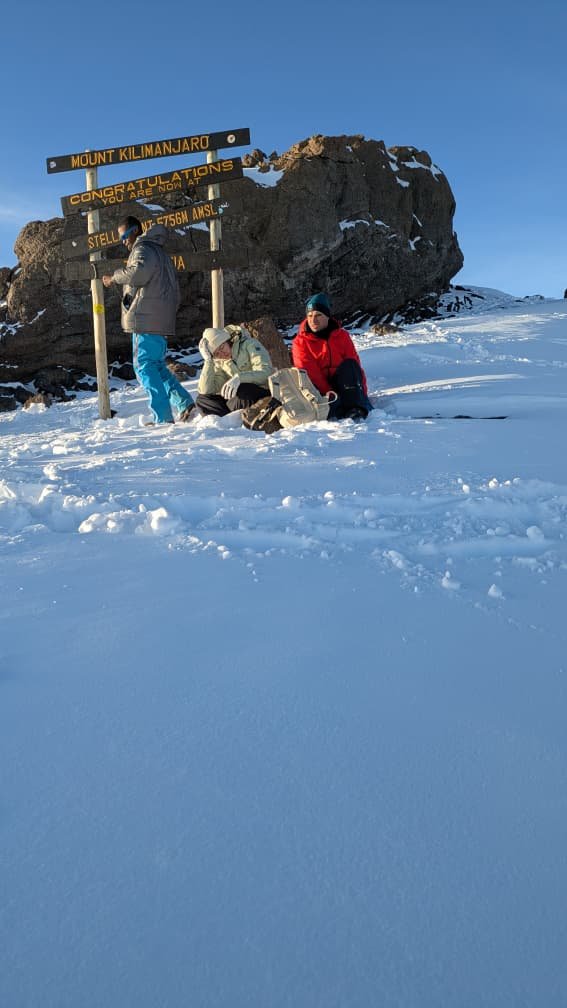
7 Days Rongai Route Kilimanjaro: Cost & Full Itinerary 2026-2027
Discover the best of Kilimanjaro's Rongai Route with a detailed 7-day itinerary, cost breakdown, and expert tips for your 2026-2027 climb. Learn why Rongai is a popular choice for trekkers...
View package details
Rongai Route Cost /: Prices, Packages & Itinerary 2026-2027
Planning a Kilimanjaro climb via the Rongai Route in 2026 or 2027? This comprehensive guide details the Rongai Route cost, including typical prices, what's included in packages, and a...
View package details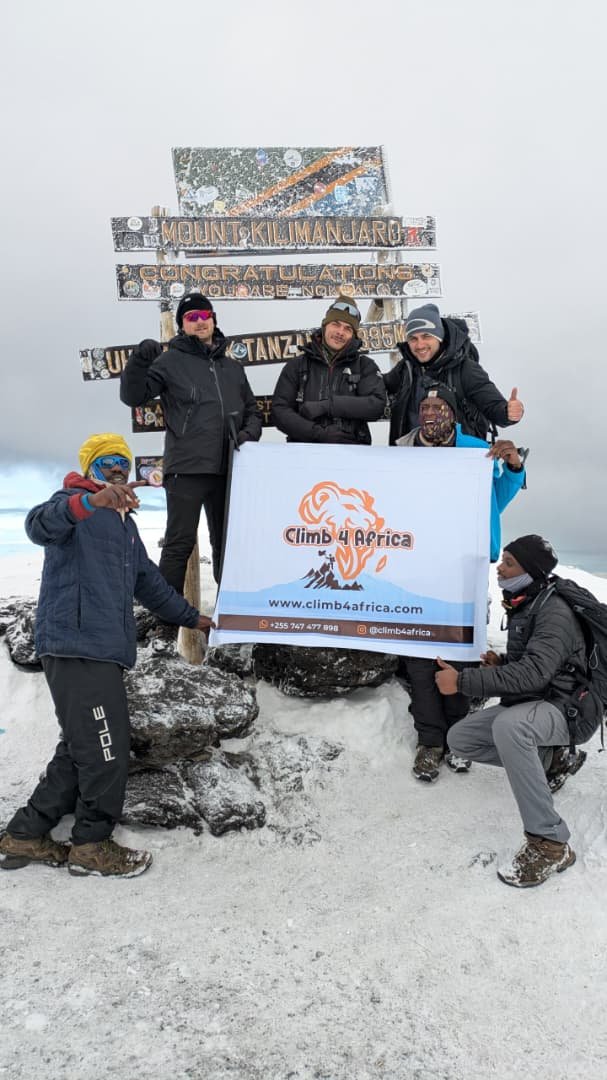
Rongai Vs Machame: Cost & Route Comparison For Kilimanjaro Climbs 2026-2027
Choosing between the Rongai and Machame routes for your Kilimanjaro climb in 2026 or 2027? This comprehensive comparison details route differences, scenery, acclimatization, success rates...
View package details
Lemosho Vs Machame: Cost, Itinerary & Which Route Is Better? 2026-2027
Lemosho vs Machame: Cost, Itinerary & Which Route Is Better? is explained with current 2026-2027 planning, price, itinerary and booking information.
View package details
Kilimanjaro Route Cost Comparison: Lemosho, Machame, Marangu, Rongai &
Kilimanjaro Route Cost Comparison: Lemosho, Machame, Marangu, Rongai & Northern Circuit is explained with current 2026-2027 planning, price, itinerary and.
View package detailsUmbwe Route Cost /: Prices, Itinerary & Expert Guide 2026-2027
Planning a Kilimanjaro climb via the Umbwe Route for 2026 or 2027? This comprehensive guide details the expected Umbwe Route cost, including itinerary options, what's included, and factors...
View package details
Rongai Vs Marangu Route Cost: Which Offers Better Value For Kilimanjaro
Comparing the Rongai and Marangu routes for Kilimanjaro climbs in 2026-2027 involves evaluating their distinct costs, scenery, acclimatization profiles, and overall value for trekkers...
View package details
Private Rongai Route Cost & Price Per Person For Climbs 2026-2027
Planning a private climb up Kilimanjaro via the Rongai Route in 2026 or 2027? This guide breaks down the private Rongai Route cost per person, detailing what influences the price, what's...
View package details
Camping Vs Hut Kilimanjaro Routes: Cost Comparison Guide
Choosing between camping and hut routes on Kilimanjaro involves more than just preference; it significantly impacts your budget. This guide breaks down the cost differences for 2026-2027...
View package detailsRongai Vs Lemosho: Price, Crowds & Route Comparison For Kilimanjaro Climbs
Choosing between the Rongai and Lemosho routes for your Kilimanjaro climb? This in-depth comparison covers everything you need to know about price, crowd levels, route profiles, scenery...
View package details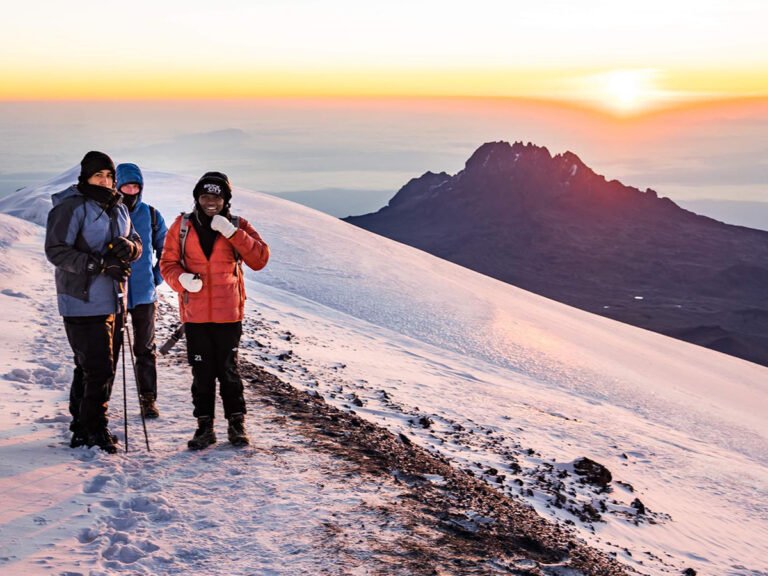
Why Longer Kilimanjaro Routes Cost More 2026-2027
Why Longer Kilimanjaro Routes Cost More is explained with current 2026-2027 planning, price, itinerary and booking information.
View package detailsNo related package matches those filters. Clear one or more filters to see the other topic-matched options.



