Booking the Rongai Route for your Kilimanjaro climb in 2026 or 2027 offers a distinct advantage due to its drier climate, starting from the north side of the mountain, which can lead to a more comfortable trek and higher success rates, especially during the wetter seasons. This route typically spans 6 to 7 days, providing a gradual ascent that acclimatizes climbers effectively, making it a favored choice for those seeking a less crowded and more predictable experience.
Why Choose the Rongai Route for Your Kilimanjaro Climb?
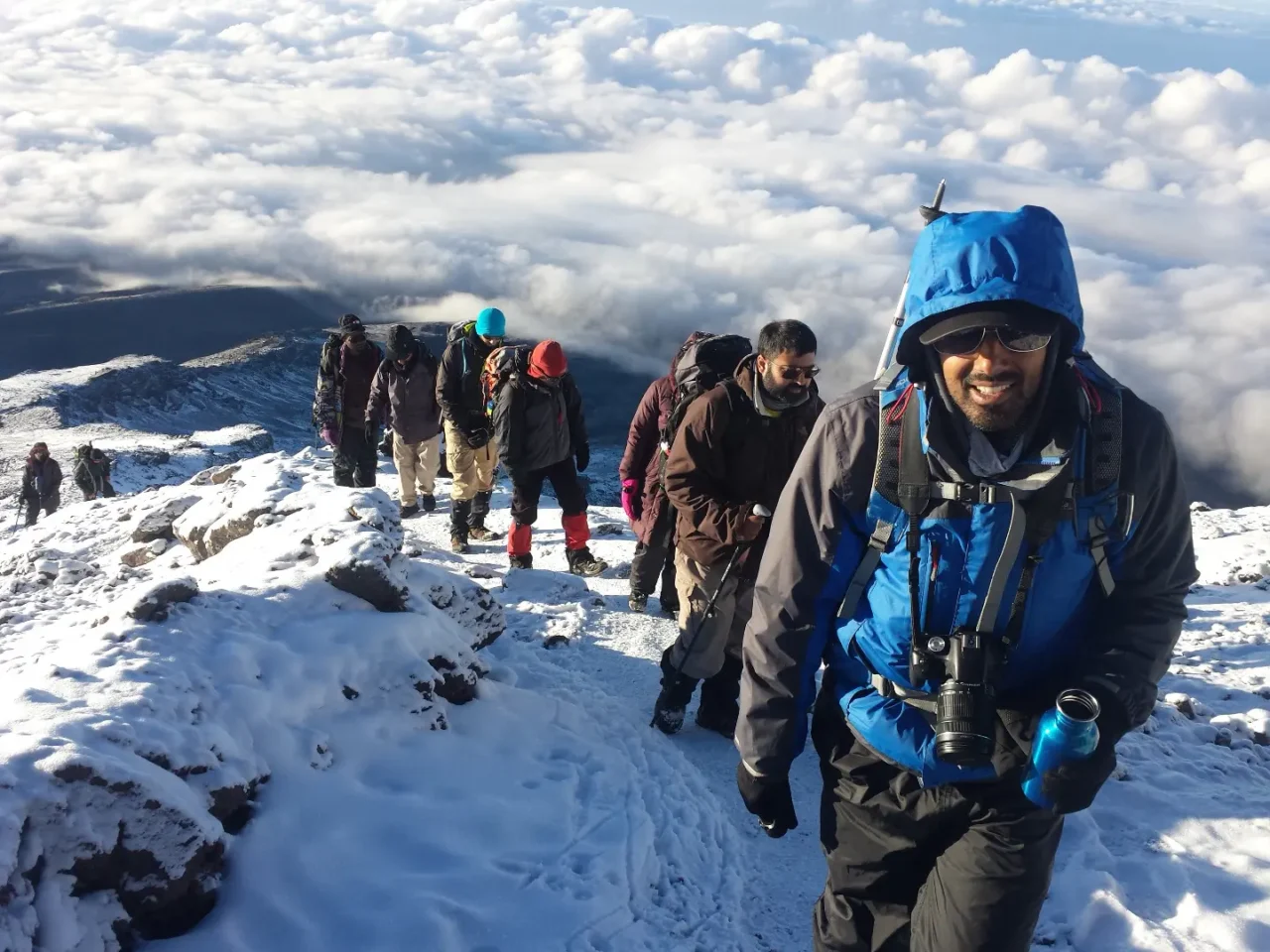
When planning an expedition to the Roof of Africa, selecting the right route is paramount to your success and enjoyment. The Rongai Route stands out as a particularly compelling option for trekkers aiming for Kilimanjaro, especially for those looking ahead to climbs in 2026 and 2027. Unlike many other popular routes that approach from the south, the Rongai Route ascends from the north, near the Kenyan border. This geographical positioning offers unique benefits that can significantly enhance your climbing experience.
One of the most significant advantages of the Rongai Route is its favorable climate. The northern slopes receive considerably less rainfall than the southern and western sides. This means that even during periods typically considered wet, such as April, May, November, and early December, the Rongai Route often remains drier and more pleasant for trekking. For climbers booking their expedition for 2026-2027, this offers greater flexibility in choosing travel dates and increases the likelihood of encountering favorable weather conditions throughout the trek.
Furthermore, the Rongai Route is known for its relatively gentle, gradual ascent profile. This slow and steady climb is crucial for effective acclimatization, a key factor in reaching the summit safely. By starting at a lower altitude and progressing steadily, your body has more time to adapt to the thinning air, reducing the risk of altitude sickness. This makes the Rongai Route a solid choice for both first-time high-altitude trekkers and experienced mountaineers alike who are planning their adventure for the upcoming years.
Another appeal of the Rongai Route is its lower traffic compared to more established paths like Machame or Marangu. While Kilimanjaro is a popular destination, opting for Rongai means you’ll likely encounter fewer fellow climbers on the trail. This can lead to a more serene and personal experience, allowing you to connect more deeply with the mountain’s stunning landscapes and the unique flora and fauna it harbors. For those who value solitude and a more intimate connection with nature, booking the Rongai Route in 2026 or 2027 is an excellent decision.
Rongai Route: A Detailed Overview for 2026-2027 Trekkers
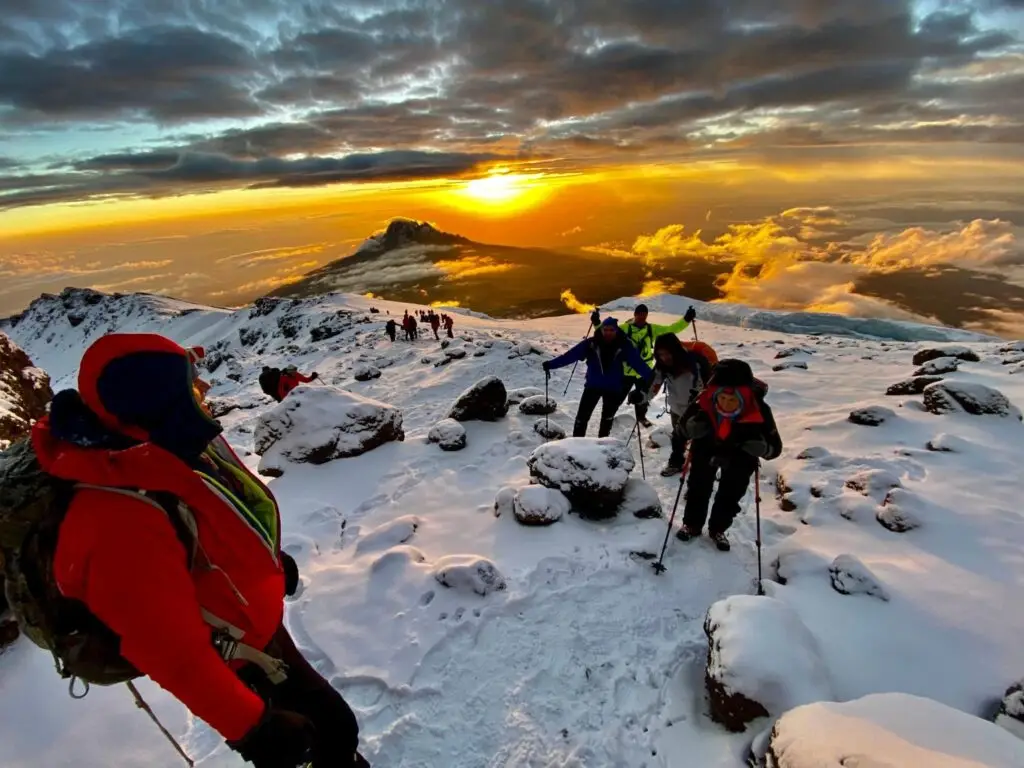
The Rongai Route is the only route that begins on the northern side of Kilimanjaro, offering a different perspective and a unique trekking experience. It approaches the mountain from the arid plains of Kenya, making it a popular choice for those who wish to avoid the rains that often affect the southern routes. This route is also considered by many to be one of the most beautiful, traversing diverse landscapes from semi-arid scrubland to lush montane forest, alpine desert, and finally the arctic summit zone.
When you book the Rongai Route, you’re choosing a path that is known for its high acclimatization potential. The route ascends gradually, allowing your body to adjust to the increasing altitude. This is a critical factor for a successful summit bid. The Rongai Route typically takes 6 or 7 days to complete, with the 7-day option providing an extra day for acclimatization, which is highly recommended for maximizing your chances of reaching Uhuru Peak.
The starting point for the Rongai Route is the village of Nale Moru, located on the northern side of Kilimanjaro. From here, the trek begins through cultivated land and then enters the forest zone. The scenery is a significant draw, offering a less-trodden path that many trekkers find to be more rewarding. For those planning their Kilimanjaro adventure for 2026 or 2027, understanding these unique characteristics is key to making an informed decision.
Key Features of the Rongai Route
- Starting Point: Nale Moru (northern slopes, near the Kenyan border).
- Duration: Typically 6 or 7 days. The 7-day itinerary is strongly advised for better acclimatization.
- Scenery: Offers diverse landscapes, including dry savannah, rainforest, heather, moorland, and arctic zones.
- Traffic: Generally less crowded than southern routes like Machame or Lemosho.
- Acclimatization: Excellent due to its gradual ascent profile.
- Weather: Receives less rainfall, making it a good option for the rainy seasons (April-May, November).
- Summit Night: Descends via the Marangu Route, offering a different descent perspective.
The Rongai Route’s popularity is growing, and for good reason. As more trekkers seek a unique and less congested Kilimanjaro experience, the advantages of Rongai become increasingly apparent. Planning your climb for 2026-2027 with a focus on acclimatization and scenic beauty makes the Rongai Route a prime contender.
Rongai Route Itinerary Options: 6-Day vs. 7-Day
When you decide to book the Rongai Route, one of the first decisions you’ll face is the duration of your trek: a 6-day or a 7-day itinerary. While both options lead to the summit, the difference in an extra day of acclimatization can be significant for your success and overall well-being on the mountain. Climb 4 Africa strongly recommends the 7-day Rongai Route for the vast majority of trekkers planning for 2026 and 2027.
The 6-Day Rongai Route Itinerary
The 6-day Rongai Route is a faster-paced option. It covers the same basic path as the 7-day version but compresses the acclimatization days. This itinerary is generally suited for trekkers who have previous high-altitude experience and are confident in their body’s ability to adapt quickly to altitude changes.
Typical 6-Day Rongai Route Itinerary
- Day 1: Nale Moru (1,950m / 6,398ft) to Simba Camp (2,625m / 8,612ft). Approx. 3-4 hours.
- Day 2: Simba Camp to Kikelewa Caves (3,600m / 11,811ft). Approx. 6-7 hours.
- Day 3: Kikelewa Caves to Mawenzi Tarn Hut (4,310m / 14,140ft). Approx. 3-4 hours.
- Day 4: Mawenzi Tarn Hut to Kibo Saddle (4,780m / 15,682ft). Approx. 4-5 hours.
- Day 5: Kibo Saddle to Summit (Uhuru Peak, 5,895m / 19,341ft) via Stella Point, then descend to Horombo Hut (3,720m / 12,205ft). Approx. 8-10 hours to summit, 5-7 hours to Horombo.
- Day 6: Horombo Hut to Marangu Gate (1,800m / 5,906ft), then transfer to Arusha. Approx. 5-6 hours descent.
While this itinerary is possible, the rapid ascent, particularly between Day 3 and Day 5, can increase the risk of altitude sickness. The final push to the summit and the subsequent descent to Horombo Hut is very long and demanding.
The 7-Day Rongai Route Itinerary (Recommended)
The 7-day Rongai Route provides an additional day for acclimatization, typically by splitting the longer hiking days or adding a rest/acclimatization day. This slower pace significantly improves your body’s ability to adjust to the altitude, thereby increasing your chances of a successful summit and making the overall experience more enjoyable. For most trekkers planning their book Rongai Route expedition for 2026 or 2027, this is the preferred option.
Recommended 7-Day Rongai Route Itinerary
- Day 1: Nale Moru (1,950m / 6,398ft) to Simba Camp (2,625m / 8,612ft). Approx. 3-4 hours.
- Day 2: Simba Camp to Kikelewa Caves (3,600m / 11,811ft). Approx. 6-7 hours.
- Day 3: Kikelewa Caves to Mawenzi Tarn Hut (4,310m / 14,140ft). Approx. 3-4 hours.
- Day 4: Mawenzi Tarn Hut to Kibo Saddle (4,780m / 15,682ft). Approx. 4-5 hours.
- Day 5: Kibo Saddle to Summit (Uhuru Peak, 5,895m / 19,341ft) via Stella Point, then descend to Kibo Hut (4,720m / 15,485ft). Approx. 7-8 hours to summit, 3-4 hours to Kibo Hut.
- Day 6: Kibo Hut to Horombo Hut (3,720m / 12,205ft). Approx. 4-5 hours.
- Day 7: Horombo Hut to Marangu Gate (1,800m / 5,906ft), then transfer to Arusha. Approx. 5-6 hours descent.
The key difference here is the overnight stay at Kibo Hut after summiting, allowing for a more manageable descent to Horombo Hut. This extra day at altitude (Day 6) and the separation of the summit push from the initial descent greatly aids recovery and acclimatization. When you book the Rongai Route, prioritizing the 7-day option is a wise investment in your health and success for your 2026-2027 climb.
Cost of Booking the Rongai Route: What to Expect in 2026-2027
Understanding the costs involved is a critical part of planning any major expedition. When you book the Rongai Route for Kilimanjaro, the price can vary significantly based on the tour operator, the duration of the trek, the level of service provided, and the inclusions. For climbs scheduled in 2026 and 2027, it’s important to look for operators who offer transparent pricing and clearly outline what is included in their packages.
Generally, the Rongai Route is priced similarly to other popular routes like Machame or Lemosho, perhaps slightly less than Lemosho due to the shorter final descent. However, the Rongai Route’s unique starting point and approach do not inherently make it a significantly cheaper or more expensive route compared to its 6 or 7-day counterparts on other paths. The main cost drivers are always the quality of guides, porters, food, equipment, park fees, and the overall support structure provided by the tour operator.
As a general guideline for 2026-2027 Kilimanjaro climbs, you can expect:
Estimated Cost Ranges for Rongai Route (Per Person)
- Budget Operators: $1,400 – $1,800 USD. These operators often focus on keeping costs low, which might mean fewer comforts, larger group sizes, or basic equipment. It’s crucial to vet these operators carefully for safety standards.
- Mid-Range Operators (Recommended): $1,800 – $2,500 USD. This category typically offers a balance of quality, comfort, and safety. Expect good guides, sufficient porters, quality food, and reliable equipment. Climb 4 Africa generally falls into this category, providing excellent value for a safe and successful climb.
- Luxury/High-End Operators: $2,500 – $4,000+ USD. These operators offer premium services, smaller group sizes, higher quality accommodations (e.g., private tents), better food, and often more experienced guides.
Note: These are approximate ranges. Prices can fluctuate based on season, group size (private vs. group climbs), and specific inclusions. Always request a detailed quote for your chosen dates in 2026 or 2027.
What Influences the Price?
Several factors contribute to the overall cost when you book the Rongai Route:
- Park Fees: These are fixed by Kilimanjaro National Park and are a significant portion of the total cost. For 2026-2027, these fees are expected to remain substantial.
- Operator’s Support Crew: The number and quality of guides, assistant guides, cooks, and porters directly impact safety and comfort. Ethical operators pay their crew fair wages, which is reflected in the price.
- Accommodation: While camping is standard on Rongai, the quality of tents, sleeping mats, and mess tents can vary.
- Food: The quality, variety, and quantity of meals provided on the mountain.
- Equipment: The condition and quality of tents, sleeping bags (if provided), and cooking gear.
- Safety Measures: Availability of oxygen, pulse oximeters, and emergency evacuation services.
- Group Size: Private climbs are always more expensive per person than joining a group.
- Duration: Longer treks (7 days vs. 6 days) will naturally cost slightly more due to additional days of service and park fees.
When comparing prices for your 2026-2027 expedition, look beyond the daily rate. A cheaper price might mean fewer porters (leading to overloaded porters, which is unethical and unsafe), lower quality food, or inadequate safety equipment. Climb 4 Africa is committed to providing safe, ethical, and memorable Kilimanjaro experiences, offering competitive pricing for the quality of service provided. We encourage you to contact us for a personalized quote for your book Rongai Route adventure.
Best Time to Book and Climb the Rongai Route in 2026-2027
Choosing the right time to climb Kilimanjaro is crucial for maximizing your chances of a successful summit and enjoying the trek. The Rongai Route, with its unique northern position, offers an advantage during certain periods, but like all Kilimanjaro routes, it has optimal climbing seasons. For trekkers planning to book the Rongai Route for 2026 and 2027, understanding these seasons will help you pick the best dates.
Kilimanjaro’s Climbing Seasons
Kilimanjaro experiences two main dry seasons and two main wet seasons:
- Dry Seasons (Best Times):
- January to March: This is a prime season, with clear skies and good visibility. It’s also quite warm.
- June to October: Another excellent dry season, characterized by cooler temperatures and clear skies. This is often considered the peak season.
- Wet Seasons (Challenging Times):
- April to May: The long rains. These months can see heavy rainfall, fog, and snow at higher altitudes, making trekking difficult and less enjoyable.
- November to early December: The short rains. While less intense than the long rains, these periods can still bring rain, fog, and reduced visibility.
Rongai Route’s Advantage During Rainy Seasons
The Rongai Route’s primary advantage is its location on the northern, drier side of the mountain. This means that even during the short rains (November to early December) and sometimes even the tail end of the long rains (late March/early April), the Rongai Route can remain significantly drier and more pleasant than routes approaching from the south. If your schedule for 2026 or 2027 falls within or near these shoulder months, the Rongai Route becomes a very attractive option.
For instance, if you wish to climb in November 2026 or April 2027, booking the Rongai Route could offer a more comfortable experience than choosing a route like Machame, which is more exposed to the elements during these periods.
Recommended Months for Rongai Route Treks in 2026-2027
Based on weather patterns, the most recommended months to book the Rongai Route are:
- January, February, March: Excellent conditions, warm, clear skies. Very popular.
- June, July, August, September, October: Very good conditions, cooler temperatures, clear skies. Peak season, especially July-September.
- November: Often a good shoulder month for Rongai. While it’s the start of the short rains, Rongai tends to be less affected. It’s less crowded and potentially cheaper.
- December: Can be a good month, often with clear skies towards the end of the month, though it can also be unpredictable with short rains.
Avoid: April and May are generally the least recommended months due to heavy rainfall. However, even in these months, a determined trekker might still attempt the Rongai Route, accepting the higher probability of wet conditions.
When planning your 2026-2027 trek, consider these factors. If you’re looking for the absolute best weather, aim for the main dry seasons. If you’re seeking fewer crowds and potentially better value, consider the shoulder months of November or December, where the Rongai Route’s drier nature can be a distinct advantage.
Preparing for Your Rongai Route Climb: Training and Gear
Successfully climbing Kilimanjaro via the Rongai Route requires thorough preparation, both physically and mentally. The altitude, varying temperatures, and the sustained physical exertion mean that adequate training and the right gear are non-negotiable. For those planning to book the Rongai Route for 2026 or 2027, starting your preparation early is key.
Physical Training for Kilimanjaro
The most important aspect of your training should be cardiovascular fitness and leg strength. Kilimanjaro is not a technical climb, but it demands endurance. The goal is to prepare your body for long days of hiking, often with a significant pack, at increasing altitudes.
- Cardiovascular Exercise: Aim for at least 3-4 sessions per week. Activities like running, cycling, swimming, or hiking are excellent. Focus on endurance, meaning longer durations rather than high intensity.
- Hiking with a Pack: This is crucial. As you get closer to your climb date (ideally starting 2-3 months prior), incorporate hikes with a weighted backpack (5-10 kg or 10-20 lbs). Practice on varied terrain, including hills and stairs, to simulate mountain conditions.
- Strength Training: Focus on lower body strength (squats, lunges, calf raises) and core strength. Strong legs and a stable core will help you navigate uneven terrain and reduce fatigue.
- Altitude Acclimatization (If Possible): While difficult to replicate perfectly, spending time at moderate altitudes if you live near them can be beneficial. Otherwise, focus on the other aspects of training.
- Mental Preparation: Kilimanjaro is as much a mental challenge as a physical one. Understand the route, the potential challenges, and prepare yourself for long days, cold nights, and the possibility of feeling unwell due to altitude.
For your 2026-2027 expedition, begin a consistent training program at least 3-4 months in advance. Listen to your body and gradually increase the intensity and duration of your workouts.
Essential Gear for the Rongai Route
Packing the right gear is critical for comfort and safety on Kilimanjaro. Temperatures can range from hot and humid in the rainforest to freezing at the summit. Layering is the key principle. Here’s a breakdown of essential items:
Rongai Route Gear Checklist
- Clothing:
- Moisture-wicking base layers (thermal tops and bottoms).
- Mid-layers (fleece jackets or similar).
- Insulated, waterproof, and windproof outer jacket (Gore-Tex or similar).
- Insulated, waterproof, and windproof trousers.
- Hiking trousers (quick-drying, not jeans).
- Hiking shorts (optional, for lower altitudes).
- T-shirts and long-sleeved shirts (moisture-wicking).
- Warm hat (wool or fleece) that covers ears.
- Sun hat or cap with a wide brim.
- Gloves: Thin liner gloves and warm, waterproof outer gloves/mittens.
- Socks: Several pairs of warm, wool or synthetic hiking socks.
- Footwear:
- Broken-in hiking boots (waterproof, ankle support).
- Camp shoes or comfortable trainers for evenings.
- Headwear:
- Balaclava or neck gaiter (for warmth and sun protection).
- Sleeping:
- Warm sleeping bag (rated to -10°C to -20°C / 0°F to -4°F).
- Sleeping bag liner (optional, adds warmth).
- Backpack & Bags:
- Duffel bag (waterproof, 80-100 liters) for porters to carry.
- Daypack (30-40 liters) for you to carry essentials (water, snacks, camera, rain gear, warm layers).
- Waterproof dry bags or plastic bags to protect items inside your duffel.
- Trekking Gear:
- Trekking poles (highly recommended).
- Headlamp or flashlight with extra batteries.
- Water bottles or hydration reservoir (at least 3 liters capacity).
- Water purification tablets or filter (backup).
- Health & Hygiene:
- Personal first-aid kit (with blister treatment, pain relievers, any personal medication).
- Sunscreen (high SPF).
- Lip balm with SPF.
- Insect repellent.
- Hand sanitizer.
- Wet wipes.
- Toiletries (biodegradable soap, toothbrush, toothpaste).
- Quick-drying towel.
- Miscellaneous:
- Sunglasses.
- Camera and extra batteries/memory cards.
- Power bank for charging electronics.
- Snacks (energy bars, nuts, dried fruit – though meals are provided).
- Book, journal, pen.
- Passport, visa, flight details, insurance documents.
- Cash (USD for tips and personal expenses).
When you book the Rongai Route with Climb 4 Africa for 2026 or 2027, we provide a more detailed packing list and can offer advice on gear rental if needed. Ensure your gear is tested and comfortable before you depart.
Rongai Route vs. Other Kilimanjaro Routes: A Comparison
Choosing the right route is one of the most significant decisions when planning a Kilimanjaro climb. The Rongai Route offers a unique set of advantages, but it’s helpful to compare it with other popular routes to make an informed choice for your 2026-2027 expedition.
Rongai vs. Machame Route
Machame Route: Often called the “Whiskey Route,” it’s the most popular route, known for its scenic beauty and good acclimatization profile, especially on the 7-day itinerary. It approaches from the south and descends via the Mweka route.
- Scenery: Both are highly scenic. Machame offers diverse views as it circles the mountain. Rongai provides a unique perspective from the north.
- Traffic: Machame is significantly more crowded than Rongai.
- Climate: Machame is more exposed to rain, especially during the wet seasons. Rongai is drier.
- Acclimatization: Both offer good acclimatization, especially on longer itineraries. Rongai’s gradual ascent is excellent.
- Descent: Machame descends via the Mweka Route. Rongai descends via the Marangu Route.
Recommendation: Choose Rongai if you prioritize a drier trek, fewer crowds, and a unique northern approach. Choose Machame if you want the most popular, scenic route and don’t mind the crowds, and are climbing during the dry seasons.
Rongai vs. Marangu Route
Marangu Route: Known as the “Coca-Cola” or “Tourist” route, it’s the only route with hut accommodations all the way and is also the shortest (5 days). It approaches from the south and descends the same way.
- Accommodation: Marangu offers huts, while Rongai uses camping.
- Scenery: Marangu is considered less scenic than Rongai, partly because it ascends and descends the same path and is more exposed.
- Traffic: Marangu can be busy, especially the 5-day option.
- Acclimatization: Marangu’s 5-day option has poor acclimatization and a lower success rate. The 6-day option is better but still less ideal than Rongai.
- Duration: Marangu is typically 5-6 days; Rongai is 6-7 days.
Recommendation: Choose Rongai for a more comfortable, scenic, and higher-success-rate climb, especially if camping is acceptable. Marangu might appeal only to those who strictly prefer huts and are on a very tight schedule, but at the cost of acclimatization and success rate.
Rongai vs. Lemosho Route
Lemosho Route: Generally considered the most scenic route, it starts in the west and traverses the southern circuit. It’s known for its excellent acclimatization profile (typically 7-8 days) and high success rates.
- Scenery: Lemosho is often rated as the most beautiful, with varied landscapes and a true wilderness feel in its early stages. Rongai is also beautiful but offers a different northern perspective.
- Traffic: Lemosho starts with very low traffic but merges with Machame later, increasing crowds. Rongai remains less crowded throughout.
- Climate: Lemosho, like other southern routes, is more susceptible to rain than Rongai.
- Acclimatization: Lemosho’s longer duration (7-8 days) provides excellent acclimatization. Rongai’s 7-day option is also very good.
- Cost: Lemosho is typically one of the more expensive routes due to its longer duration and logistics. Rongai is usually more moderately priced.
Recommendation: Choose Rongai if budget, drier conditions, and consistent low traffic are priorities. Choose Lemosho if ultimate scenery and a remote wilderness experience are paramount, and budget allows for a longer, potentially more expensive trek.
Rongai Route Summary for 2026-2027 Climbers
When you book the Rongai Route for your 2026 or 2027 Kilimanjaro climb, you are opting for:
- Drier conditions: A significant advantage, especially in shoulder seasons.
- Less crowded trails: A more serene and personal experience.
- Excellent acclimatization: Particularly on the 7-day itinerary.
- Beautiful, diverse scenery: A unique perspective from the north.
- Good value: Often more moderately priced than Lemosho.
It’s an excellent choice for trekkers seeking a balance of comfort, scenery, and a high probability of success, especially when planned with a reputable operator like Climb 4 Africa.
Safety and Support on the Rongai Route with Climb 4 Africa
Safety is the utmost priority when climbing Kilimanjaro, and choosing a reputable tour operator is crucial for a successful and secure expedition. When you book the Rongai Route with Climb 4 Africa for your 2026-2027 adventure, you are partnering with a team dedicated to your well-being from start to finish.
Experienced Guides and Crew
Our guides are not just porters; they are highly trained professionals with extensive experience on Kilimanjaro. They possess:
- Wilderness First Responder (WFR) or equivalent medical training.
- In-depth knowledge of altitude sickness symptoms and management.
- Familiarity with all Kilimanjaro routes, including the Rongai Route.
- Expertise in navigation and mountain safety protocols.
- Commitment to ethical treatment and fair wages for all porters and support staff.
We ensure a high guide-to-client ratio, meaning you’ll have ample support and attention throughout your trek. Our crew is trained to monitor your health closely, providing encouragement and necessary support.
Safety Equipment and Protocols
Climb 4 Africa equips all our expeditions with essential safety gear:
- Portable Oxygen Cylinders: Available for emergency use.
- Pulse Oximeters: Used daily by guides to monitor climbers’ blood oxygen saturation and heart rate, providing early indicators of altitude sickness.
- Comprehensive First-Aid Kits: Carried by guides for immediate treatment of injuries or minor ailments.
- Emergency Evacuation Plan: We have established procedures for rapid evacuation in case of serious medical emergencies, often utilizing specialized mountain rescue services.
Your safety on the Rongai Route is our primary concern. Our guides are trained to make critical decisions regarding your health, including whether to proceed, descend, or rest, prioritizing your well-being above all else.
Ethical Trekking and Porter Welfare
Climb 4 Africa is a strong advocate for ethical trekking. We are proud partners of the Kilimanjaro Porter Assistance Project (KPAP) and adhere to the guidelines set by the International Mountain Explorers Connection (IMEC). This means:
- Fair Wages: Porters are paid fair wages, ensuring they are compensated appropriately for their vital work.
- Adequate Food and Shelter: Porters receive sufficient food and are provided with proper tents and sleeping mats.
- Weight Limits: We strictly adhere to weight limits for porters to prevent over-exertion.
- Proper Gear: Porters are provided with appropriate clothing and footwear for mountain conditions.
When you choose to book the Rongai Route with us for 2026 or 2027, you are supporting a company that prioritizes the welfare of its entire team, ensuring a responsible and positive experience for everyone involved.
Communication and Support
While mobile phone reception is limited on Kilimanjaro, our guides carry satellite phones for emergencies. We also maintain close contact with our ground team in Arusha, ensuring that we are always informed and ready to provide support. Before your climb, you’ll receive comprehensive pre-departure information, and our team is available to answer all your questions regarding your book Rongai Route expedition.
Booking Your Rongai Route Kilimanjaro Climb for 2026-2027
Ready to take on the challenge of Kilimanjaro via the Rongai Route? Planning your 2026-2027 climb with a trusted and experienced operator like Climb 4 Africa ensures a safe, enjoyable, and successful expedition. We specialize in creating memorable Kilimanjaro adventures tailored to your needs.
Why Choose Climb 4 Africa?
- Expertise: Years of experience operating climbs on Kilimanjaro, with a deep understanding of routes like Rongai.
- Safety First: We prioritize your safety with well-trained guides, quality equipment, and robust safety protocols.
- Ethical Practices: Committed to fair treatment and welfare of our porters and staff.
- Personalized Service: We offer tailor-made itineraries and attentive support throughout your planning and climbing journey.
- Value for Money: Competitive pricing for a high-quality, safe, and memorable experience.
- Local Support: As a Tanzania-based company, we offer unparalleled local knowledge and support.
How to Book
Booking your Rongai Route climb is straightforward:
- Contact Us: Reach out to our team to discuss your preferred dates for 2026 or 2027, itinerary (6 or 7 days), and any specific requirements you may have.
- Get a Quote: We will provide you with a detailed itinerary and a transparent quote outlining all inclusions and exclusions.
- Confirm Your Booking: Once you are happy with the details, we will guide you through the booking process, including deposit payment.
- Pre-Departure Support: You’ll receive comprehensive information, packing lists, and training advice to prepare you for your adventure.
We are ready to help you plan your dream Kilimanjaro climb. Whether you’re looking to join a group departure or arrange a private climb, we can accommodate your needs for 2026-2027.
Don’t hesitate to get in touch with any questions. You can reach us via:
- WhatsApp: +255 747 477 898
- Email: climb4africa@gmail.com
Let Climb 4 Africa be your partner in conquering Kilimanjaro via the Rongai Route. We look forward to helping you achieve your summit goal in 2026 or 2027!
Check Availability for Book The Rongai Route For Kilimanjaro: Expert Guide 2026-2027
Ready to compare dates, prices, and the best option for your group? Send the package name and travel month so the team can reply with a clear quote, availability, and what is included.
Rongai Vs Machame: Cost & Route Comparison For Kilimanjaro Climbs 2026-2027
Choosing between the Rongai and Machame routes for your Kilimanjaro climb in 2026 or 2027? This comprehensive comparison details route differences, scenery, acclimatization, success rates...
View package details
Rongai Vs Lemosho: Price, Crowds & Route Comparison For Kilimanjaro Climbs
Choosing between the Rongai and Lemosho routes for your Kilimanjaro climb? This in-depth comparison covers everything you need to know about price, crowd levels, route profiles, scenery...
View package details
Kilimanjaro Route Cost Comparison: Lemosho, Machame, Marangu, Rongai &
Kilimanjaro Route Cost Comparison: Lemosho, Machame, Marangu, Rongai & Northern Circuit is explained with current 2026-2027 planning, price, itinerary and.
View package details
Rongai Vs Marangu Route Cost: Which Offers Better Value For Kilimanjaro
Comparing the Rongai and Marangu routes for Kilimanjaro climbs in 2026-2027 involves evaluating their distinct costs, scenery, acclimatization profiles, and overall value for trekkers...
View package details
Private Rongai Route Cost & Price Per Person For Climbs 2026-2027
Planning a private climb up Kilimanjaro via the Rongai Route in 2026 or 2027? This guide breaks down the private Rongai Route cost per person, detailing what influences the price, what's...
View package details
Rongai Route Kilimanjaro Group Joining Prices & Departure Dates 2026-2027
Discover the best prices and confirmed departure dates for group joining climbs on Kilimanjaro's Rongai Route for 2026 and 2027. This guide details costs, what's included, and how to book...
View package details
7 Days Rongai Route Kilimanjaro: Cost & Full Itinerary 2026-2027
Discover the best of Kilimanjaro's Rongai Route with a detailed 7-day itinerary, cost breakdown, and expert tips for your 2026-2027 climb. Learn why Rongai is a popular choice for trekkers...
View package details6 Days Rongai Route Kilimanjaro: Cost, Itinerary & Expert Guide For 2026-2027
The 6 Days Rongai Route offers a unique approach to climbing Kilimanjaro from the north. This guide details the itinerary, cost considerations for 2026-2027, and expert tips for a...
View package detailsRongai Route Cost /: Prices, Packages & Itinerary 2026-2027
Planning a Kilimanjaro climb via the Rongai Route in 2026 or 2027? This comprehensive guide details the Rongai Route cost, including typical prices, what's included in packages, and a...
View package details
Which Kilimanjaro Route Offers The Best Value For Money? 2026-2027
Which Kilimanjaro route offers the best value for money? is explained with current 2026-2027 planning, price, itinerary and booking information.
View package detailsHow Early Should I Book Kilimanjaro For The Best Price? Planning 2026-2027
Planning a Kilimanjaro climb for 2026 or 2027? Learn the optimal booking window to secure the best prices and availability. This guide covers everything from early bird specials to...
View package details
Are There Additional Charges After Booking Kilimanjaro? 2026-2027
Are there additional charges after booking Kilimanjaro? is explained with current 2026-2027 planning, price, itinerary and booking information.
View package detailsNo related package matches those filters. Clear one or more filters to see the other topic-matched options.



