An 8-day Kilimanjaro climb typically costs between $2,000 and $4,500 per person for 2026-2027, depending heavily on the route chosen, the quality and inclusions offered by the tour operator, and whether you opt for a private or group trek. This price range generally covers essential services like park fees, guide and porter wages, accommodation on the mountain, most meals, and group equipment, but excludes international flights, visas, travel insurance, tips, and personal gear.

Understanding the True Cost of Your 8-Day Kilimanjaro Adventure in 2026-2027
Embarking on an 8-day trek up Kilimanjaro is a significant undertaking, both physically and financially. When planning your expedition for 2026 or 2027, understanding the factors that contribute to the overall cost is crucial for setting a realistic budget and making informed decisions. The price you pay is not just for the climb itself, but for a complex logistical operation involving experienced guides, porters, cooks, quality equipment, food, park permits, and vital safety measures. At Climb 4 Africa, we believe in transparency, so let’s break down exactly what goes into the cost of an 8-day Kilimanjaro climb.
The journey to the Roof of Africa is an investment in an unforgettable experience. While budget-friendly options exist, they often compromise on safety, comfort, or the overall success rate. Conversely, premium operators offer enhanced services that can significantly improve your trek. Our aim is to provide you with a clear picture of what to expect financially for an 8-day climb in the upcoming 2026-2027 seasons, helping you choose a package that aligns with your expectations and provides the best value.
Key Cost Components for an 8-Day Kilimanjaro Trek
Several core elements contribute to the final price tag of an 8-day Kilimanjaro climb. Recognizing these components will help you evaluate different tour operator packages and understand where your money is going. For 2026-2027 expeditions, these costs remain relatively stable, with minor adjustments for inflation and park fee changes.
1. National Park and Camping/Hut Fees
These are non-negotiable government fees that every climber must pay. They form a substantial portion of the total cost. For an 8-day climb, you will typically encounter:
- Kilimanjaro National Park Entry Fees: Charged per person, per day. For an 8-day trek, this accumulates significantly.
- Camping/Hut Fees: Depending on the route, you’ll pay for each night spent in designated campsites or mountain huts. Routes like Lemosho or Machame use campsites, while Marangu offers hut accommodation.
- Crater Camp Fees (if applicable): For routes that include a night at the Crater Camp (like the full crater rim option on Kibo), there’s an additional fee.
- Rescue Fees: A mandatory fee to ensure rescue services are available should an emergency arise.
These fees are set by the Tanzanian government and are subject to change, though significant hikes are infrequent. Reputable operators like Climb 4 Africa include these fees in their quoted prices for 2026-2027 climbs, offering a transparent and hassle-free experience.
2. Guide and Porter Wages and Support
The crew is the backbone of your Kilimanjaro expedition. Their expertise, dedication, and physical efforts are what make the climb possible and safe. The cost includes:
- Wages: Fair and ethical wages for your guides, assistant guides, cooks, and porters are a significant operational cost. Ethical operators prioritize paying their staff well, which directly impacts morale and performance.
- Food and Equipment for Crew: Provisions and camping gear for the entire support team are also factored into the price.
- Insurance for Crew: Reputable companies cover their staff with accident insurance.
At Climb 4 Africa, we are committed to fair treatment of our mountain crew, ensuring they are well-compensated and equipped. This commitment is reflected in our pricing for 2026-2027 expeditions.
3. Food and Catering on the Mountain
You’ll be provided with three hearty meals a day on the mountain, plus snacks. The cost covers:
- High-Quality Ingredients: Fresh, nutritious food is sourced from local markets.
- Preparation: The skills of your cook to prepare varied and appealing meals at high altitudes.
- Cooking Equipment: All necessary stoves, fuel, pots, pans, and utensils.
- Drinking Water: Safe, purified drinking water is provided daily.
The quality and variety of food can differ between operators. Climb 4 Africa ensures nutritious and delicious meals to fuel your ascent.
4. Camping/Hut Equipment
This covers the provision and maintenance of all necessary equipment for your comfort and safety on the mountain:
- Tents: High-quality, four-season tents for climbers and crew.
- Sleeping Mats: Comfortable mats for insulation and cushioning.
- Mess Tents: Sheltered dining areas, often with tables and chairs, especially on longer treks.
- Toilet Tents: Portable toilets for comfort at campsites.
- Cooking Tents: Dedicated space for meal preparation.
Higher-end operators might offer more spacious tents or additional comforts.
5. Logistics and Transportation
Getting to and from Kilimanjaro National Park and your starting trailhead involves costs:
- Transport to Trailhead: Round-trip transportation from Moshi or Arusha to the Kilimanjaro National Park gate.
- Transport from Mweka Gate: Return transport from the exit gate back to your accommodation.
- Vehicle Costs: Fuel, maintenance, and driver wages for the safari vehicles used.
6. Pre- and Post-Climb Accommodation
While not always included in the base climb price, many operators offer packages that include accommodation in Moshi or Arusha for the nights before and after your trek. This is a vital part of the overall expedition cost.
7. Operator’s Overhead and Profit
This includes the operational costs of running the business, marketing, staff salaries in the office, and a reasonable profit margin. Reputable operators invest in training, safety equipment, and maintaining high standards, which are reflected in their pricing for 2026-2027 treks.
What’s Typically NOT Included in an 8-Day Kilimanjaro Climb Cost?
It’s equally important to know what expenses are usually *excluded* from the quoted climb price to avoid surprises. These typically include:
- International Flights: Your airfare to and from Kilimanjaro International Airport (JRO).
- Visa Fees: For Tanzania.
- Travel Insurance: Comprehensive insurance covering high-altitude trekking and emergency evacuation is mandatory.
- Personal Gear: Sleeping bags, hiking boots, clothing, backpacks, etc.
- Tips for Crew: A significant but customary expense.
- Personal Expenses: Drinks, snacks, souvenirs, laundry.
- Optional: Pre- or post-climb accommodation, hot showers on the mountain (if offered), extra hotel nights.
Route Variations and Their Impact on 8-Day Kilimanjaro Climb Costs
While the core costs (park fees, crew wages) are similar across most routes, the duration and length of an 8-day itinerary can influence the overall price. Longer routes generally mean more days of park fees and more provisions for the crew, leading to a higher cost. For an 8-day climb, several popular routes are available, each with slightly different cost implications:
1. Machame Route (Whiskey Route)
Often considered one of the most scenic routes, Machame is popular for its 7-day or 8-day itineraries, offering excellent acclimatization. An 8-day Machame trek provides more time to adjust to the altitude, increasing success rates.
- Duration: Typically 7 or 8 days. An 8-day option adds an extra day for acclimatization, usually at Barafu Camp or a similar high-altitude point before the summit push.
- Scenery: Passes through diverse ecological zones, offering stunning views.
- Accommodation: Camping.
- Cost Impact: The 8-day Machame route will be slightly more expensive than a 7-day version due to an additional day of park fees and crew support. It’s generally mid-to-high range in terms of pricing compared to other routes due to its popularity and success rates.
For 2026-2027, expect an 8-day Machame climb to fall within the $2,200 – $3,800 per person range with reputable operators.
2. Lemosho Route
Lemosho is another highly scenic route, known for its remote wilderness feel and high success rates, especially when extended to 8 days. It begins in the west and crosses the Shira Plateau.
- Duration: Commonly 7, 8, or even 9 days. An 8-day Lemosho itinerary offers a balanced approach to acclimatization and scenery.
- Scenery: Starts in lush rainforest, moves across the open moorland and alpine desert, offering panoramic views.
- Accommodation: Camping.
- Cost Impact: Lemosho is often one of the pricier routes due to its longer duration and the logistics involved in accessing the starting point. An 8-day Lemosho climb will likely be at the higher end of the average cost spectrum.
For 2026-2027, an 8-day Lemosho climb can range from $2,400 to $4,200 per person.
3. Northern Circuit Route
This is the longest and arguably best route for acclimatization, circling the mountain. It’s ideal for those prioritizing success and a less crowded experience, typically taking 9-10 days. However, it can be adapted to an 8-day itinerary, though this slightly reduces its acclimatization advantage.
- Duration: Usually 9-10 days. An 8-day Northern Circuit might be possible but is less common as it compromises the route’s primary benefit. If offered, it would still incur costs similar to longer treks.
- Scenery: Offers incredible views from all sides of the mountain, including the remote northern slopes.
- Accommodation: Camping.
- Cost Impact: Due to its length and comprehensive nature, it’s typically the most expensive route. An 8-day version, if possible, would still reflect the costs associated with extended trekking.
If an 8-day Northern Circuit is offered for 2026-2027, expect costs in the range of $2,700 to $4,500+ per person.
4. Marangu Route (Coca-Cola Route)
The Marangu route is the oldest and often considered the easiest in terms of physical difficulty due to its gradual slope and huts. It’s also the only route that offers dormitory-style hut accommodation.
- Duration: Can be completed in 5, 6, or 7 days. An 8-day Marangu climb is unusual and would likely involve adding an extra acclimatization day at high altitude, which isn’t typical for this route’s design.
- Scenery: Less varied than other routes.
- Accommodation: Huts.
- Cost Impact: Generally the most budget-friendly route due to its shorter duration and hut accommodation (which can be cheaper than camping fees). However, its lower success rate for shorter durations makes an extended 8-day version less common and potentially not cost-effective compared to other 8-day options.
If an 8-day Marangu option were offered for 2026-2027, it might fall in the $1,900 – $3,200 per person range, but this is not a standard itinerary.
For an 8-day climb, Machame and Lemosho are the most common and recommended routes, offering a good balance of acclimatization, scenery, and success rates, and thus forming the basis for most 8-day cost estimates in 2026-2027.
Estimated Cost Ranges for an 8-Day Kilimanjaro Climb (2026-2027)
These are general estimates for reputable operators like Climb 4 Africa. Prices can fluctuate based on specific inclusions and operator tier.
| Route (8-Day Itinerary) | Estimated Cost Per Person (USD) | Key Considerations |
|---|---|---|
| Machame | $2,200 – $3,800 | Popular, scenic, camping, good acclimatization. |
| Lemosho | $2,400 – $4,200 | Very scenic, remote start, camping, excellent acclimatization. Often slightly higher cost. |
| Northern Circuit (if 8-day offered) | $2,700 – $4,500+ | Longest, best acclimatization, camping. Less common as an 8-day option. |
| Marangu (uncommon 8-day) | $1,900 – $3,200 | Hut accommodation, generally lower cost but lower success rates on shorter climbs. |
Note: These figures are indicative for 2026-2027 and can vary. Always request a detailed quote.
Factors Influencing Price Beyond Route Choice
The route is a major determinant of cost, but other factors significantly influence the final price of your 8-day Kilimanjaro climb for 2026-2027:
1. Operator Tier: Budget vs. Mid-Range vs. Luxury
This is perhaps the most significant differentiator in pricing:
- Budget Operators: These companies often have the lowest prices. They might achieve this by using less experienced crew, basic equipment, smaller support teams (fewer porters per climber, which is unethical and unsafe), cutting back on food quality, or having lower overheads. While tempting, these options can compromise safety and success rates.
- Mid-Range Operators (e.g., Climb 4 Africa): These operators strike a balance between quality and value. They invest in experienced guides, adequate porter ratios (often 1:1 or better), good quality equipment, nutritious food, and fair wages for their crew. This tier offers a reliable and safe climbing experience at a competitive price. For 2026-2027, expect pricing in the middle of the ranges provided.
- Luxury/Premium Operators: These companies offer the highest level of service, comfort, and support. This might include private toilets, gourmet meals, higher guide-to-client ratios, more comfortable tents, and often smaller group sizes. The cost reflects these enhanced amenities and services.
2. Inclusions and Exclusions
Carefully compare what each operator includes in their package. A higher quoted price might be justified if it includes items that would otherwise be an additional expense:
- Group Equipment: Ensure tents, cooking gear, and mess tents are included.
- Oxygen Systems: Some premium operators include emergency oxygen systems, which can add significant cost but also peace of mind.
- Pre- and Post-Climb Accommodation: A hotel night before and after the climb can be a substantial saving if included.
- Transfers: Airport transfers and transfers to/from the mountain gate.
- Water: Provision of boiled or purified water.
- Climbing Pole Rental: Some include this, others charge extra.
Climb 4 Africa aims to provide comprehensive packages for your 2026-2027 8-day Kilimanjaro climb, clearly outlining all inclusions.
3. Group Size: Private vs. Group Treks
- Group Treks: Joining a scheduled group departure is usually the most cost-effective option. The costs are shared among multiple climbers. For 2026-2027, group departures are a great way to manage your budget.
- Private Treks: Booking a private climb for your own group (family, friends) offers flexibility and personalization but comes at a higher per-person cost, as you’re not sharing the fixed costs of guides, crew, and logistics with a larger group. However, for larger private groups, the per-person cost can become competitive with group treks.
4. Time of Year (Seasonality)
While Kilimanjaro is climbable year-round, certain periods are considered peak seasons and may see slightly higher prices due to demand:
- Peak Seasons: January-March and June-October. These months generally have the clearest skies and driest weather.
- Shoulder Seasons: April-May (long rains) and November-December (short rains). These periods often offer lower prices, but weather can be unpredictable.
For 2026-2027, climbing during the shoulder seasons might offer slight cost savings, but it’s essential to be prepared for potential rain.
Budgeting for Additional Expenses: The Hidden Costs
Beyond the tour operator’s package price, you must budget for essential additional expenses to have a complete picture of your 8-day Kilimanjaro climb cost for 2026-2027.
1. Tipping Your Mountain Crew
This is a significant and customary expense. While not included in the upfront cost, tips are expected and appreciated. Guidelines vary, but a common recommendation for 2026-2027 is:
- Guide: $20 – $30 per day
- Assistant Guide: $15 – $20 per day
- Cook: $12 – $15 per day
- Porter: $10 – $12 per day
For an 8-day climb, this can add up to $500 – $800 per climber. Some operators provide a tipping guideline, and it’s usually given in USD cash directly to the crew chief at the end of the trek.
2. Travel Insurance and Evacuation
Mandatory for all climbers. Ensure your policy covers:
- High-altitude trekking: Up to 6,000 meters (19,700 feet).
- Emergency Medical Evacuation: This is critical and can be very expensive if not covered.
- Trip Cancellation/Interruption: Recommended for unforeseen circumstances.
Expect to pay $150 – $300 depending on your age, coverage level, and provider.
3. Personal Gear
While you can rent some items like sleeping bags and poles in Moshi, investing in good quality personal gear is recommended for comfort and safety. Key items include:
- Four-season sleeping bag
- Waterproof and windproof outer layers
- Warm layers (fleece, down jacket)
- Hiking boots
- Headlamp
- Sun protection (hat, sunglasses, sunscreen)
The cost of purchasing new gear can range from $500 to $1,500+, depending on brands and what you already own.
4. Flights and Visas
- International Flights: Prices vary widely based on origin, time of booking, and season. Budget anywhere from $800 – $2,000+.
- Tanzania Visa: Typically around $100 for US citizens, less for others. Check current requirements for 2026-2027.
5. Miscellaneous
- Vaccinations and Medications: Consult your doctor well in advance.
- Pre/Post-Trek Accommodation: If not included, budget $50-$150 per night for hotels in Moshi/Arusha.
- Meals in Town: $30-$50 per day.
- Bottled Water/Drinks: $2-$5 per bottle.
Comparing 8-Day Kilimanjaro Climb Costs: What to Look For
When comparing quotes for your 2026-2027 8-day Kilimanjaro climb, look beyond the headline price. A truly valuable package offers the best balance of safety, comfort, and success rate for your investment.
Checklist for Evaluating Operator Quotes:
- Park Fees Included? Yes, they should be.
- Crew Wages & Ratios: Are they ethical? Is there a good porter-to-climber ratio (e.g., 1:1 or 1:1.5)? This is crucial for porter welfare and efficient trekking.
- Quality of Equipment: Are tents, sleeping mats, and cooking gear well-maintained and suitable for high altitude?
- Food Quality: Does the menu sound appealing and nutritious?
- Guide Experience: Are guides certified, experienced in high altitude, and trained in first aid?
- Safety Measures: Does the operator carry emergency oxygen and a comprehensive first-aid kit? Is there a clear emergency evacuation plan?
- Accommodation: Are pre/post-climb hotel nights included?
- Transportation: Are all necessary transfers covered?
- Group Size Limits: What is the maximum number of people per group?
- Reviews and Reputation: Check independent reviews on platforms like TripAdvisor.
Why Choose Climb 4 Africa for Your 2026-2027 Kilimanjaro Climb?
At Climb 4 Africa, we are dedicated to providing an exceptional Kilimanjaro climbing experience that balances affordability with uncompromising safety and quality. For your 2026 or 2027 expedition, we focus on:
- Ethical Treatment of Crew: We pay fair wages and ensure our guides and porters are well-equipped and supported.
- Experienced Guides: Our guides are highly trained, with extensive knowledge of Kilimanjaro and high-altitude mountaineering.
- Safety First: We carry emergency oxygen and comprehensive medical kits, and our team is trained in emergency procedures.
- Quality Equipment: We use reliable, high-quality tents and camping gear.
- Nutritious Meals: Our cooks prepare delicious and energy-boosting meals.
- Transparent Pricing: We clearly outline what is included in our 8-day Kilimanjaro climb packages, minimizing hidden costs.
- Flexible Itineraries: We offer popular routes like the 8-day Machame and Lemosho, tailored for excellent acclimatization.
When you choose Climb 4 Africa, you’re investing in a responsible, safe, and memorable journey to the summit. We work hard to offer competitive pricing for 2026-2027 treks without compromising the quality of your experience or the welfare of our team.
Making Your 8-Day Kilimanjaro Climb Booking for 2026-2027
The cost of an 8-day Kilimanjaro climb is a significant investment, but it’s an investment in a life-changing adventure. By understanding the cost components, comparing operators carefully, and budgeting for additional expenses, you can ensure you choose the right package for your needs and make the most of your trek.
For detailed pricing and to discuss your specific requirements for an 8-day Kilimanjaro climb in 2026 or 2027, please do not hesitate to contact Climb 4 Africa. We are here to help you plan every step of your journey.
Get in touch:
- WhatsApp: +255 747 477 898
- Email: climb4africa@gmail.com
- Website: Climb 4 Africa
We look forward to helping you reach the summit of Kilimanjaro!
Check Availability for How Much Does An 8-Day Kilimanjaro Climb Cost? A Guide 2026-2027
Ready to compare dates, prices, and the best option for your group? Send the package name and travel month so the team can reply with a clear quote, availability, and what is included.
How Much Does A Private Kilimanjaro Climb Cost In ? 2026-2027
Planning a private ascent of Mount Kilimanjaro? Understand the factors that influence the cost of a private climb, typical price ranges for 2026-2027, and what's usually included to help...
View package details
How Much Does It Cost To Climb Kilimanjaro Per Person? 2026-2027
How much does it cost to climb Kilimanjaro per person? is explained with current 2026-2027 planning, price, itinerary and booking information.
View package details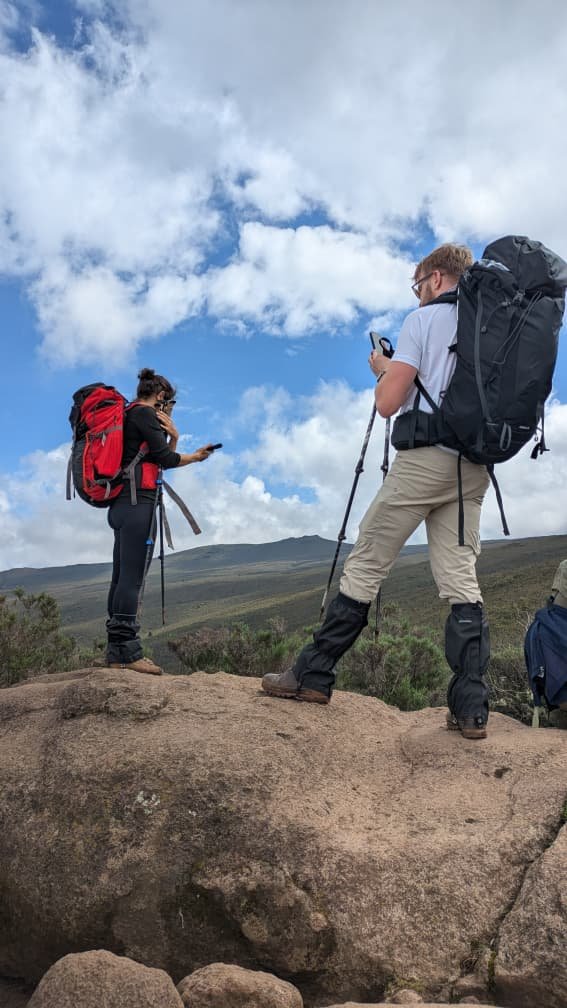
How Much Are Kilimanjaro Park Fees For A 7-Day Climb In ? 2026-2027
Planning a 7-day Kilimanjaro climb in 2026 or 2027? This guide breaks down the essential park fees, understanding how they contribute to conservation and your trekking experience, and what...
View package details
7-Day Vs 8-Day Kilimanjaro Climb: Cost & Success Benefits 2026-2027
7-Day vs 8-Day Kilimanjaro Climb: Cost & Success Benefits is explained with current 2026-2027 planning, price, itinerary and booking information.
View package details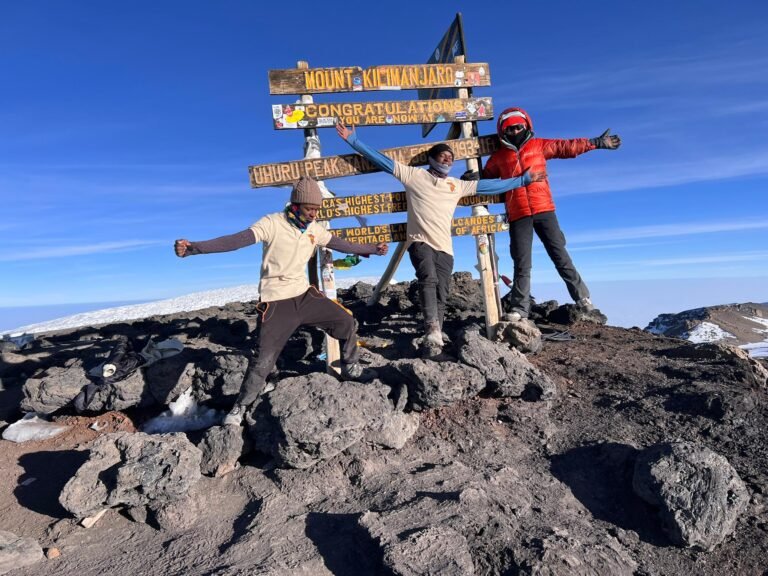
How Much Does Kilimanjaro Cost For Two People? A Guide 2026-2027
Planning a Kilimanjaro climb for two? This guide breaks down the costs for 2026-2027, covering route variations, essential inclusions, and factors that influence the final price for a...
View package details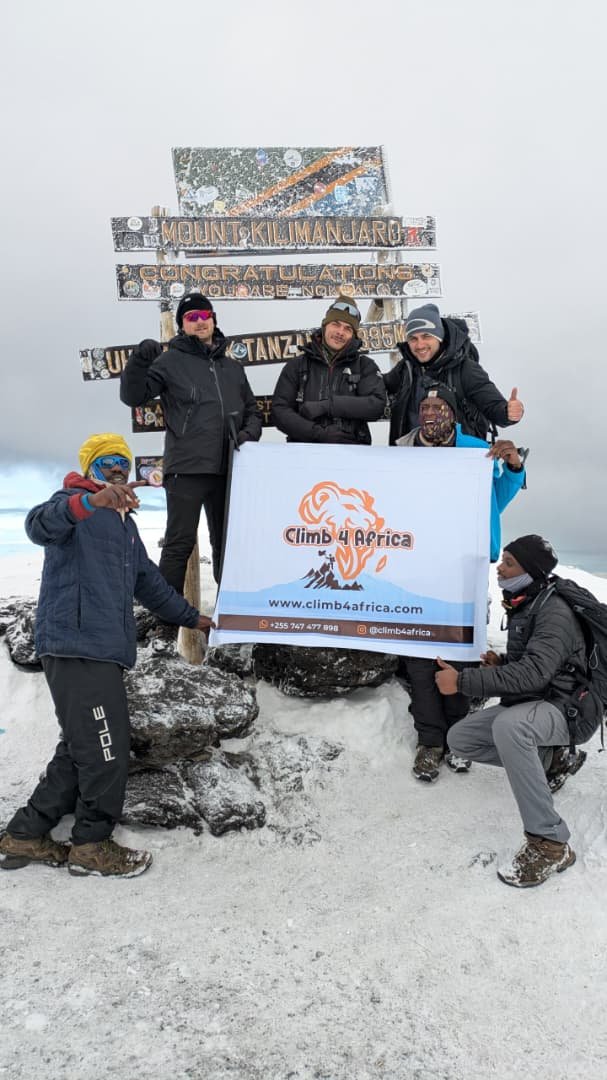
How Much Does It Cost To Rent Kilimanjaro Gear In ? 2026-2027
Renting Kilimanjaro gear for your 2026-2027 expedition typically costs between $150 to $350 USD per person for a full set of essentials. This guide breaks down individual item costs, rental...
View package details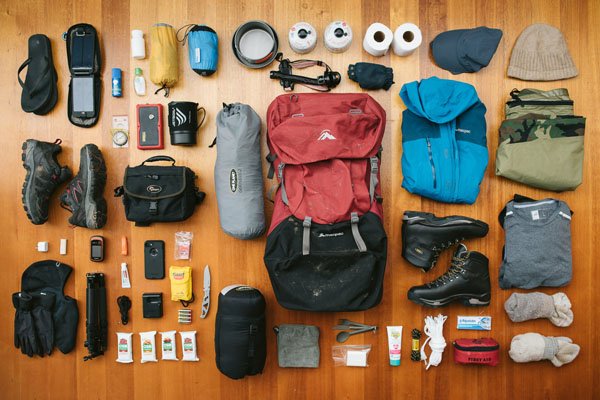
8 Days Kilimanjaro + Zanzibar Package: Complete Holiday Cost For 2026-2027
Planning an epic 8-day adventure combining Mount Kilimanjaro and the tropical beaches of Zanzibar? This comprehensive guide details the complete holiday cost for 2026-2027, covering trek...
View package details
7 Days Rongai Route Kilimanjaro: Cost & Full Itinerary 2026-2027
Discover the best of Kilimanjaro's Rongai Route with a detailed 7-day itinerary, cost breakdown, and expert tips for your 2026-2027 climb. Learn why Rongai is a popular choice for trekkers...
View package details
Are Porters Included In Kilimanjaro Package Costs? A Climb 4 Africa Guide
Understand the critical role of porters on Kilimanjaro and whether they are typically included in tour package costs. This guide from Climb 4 Africa provides essential details for planning...
View package detailsDoes The Kilimanjaro Price Include Climbing Equipment? Your Guide 2026-2027
Your Kilimanjaro climb price may or may not include all essential climbing equipment. Understanding what's provided versus what you need to source yourself is crucial for a successful and...
View package details
Does The Kilimanjaro Price Include Meals? A Comprehensive Guide For Climbers
Climbers often ask if the price of a Kilimanjaro trek covers meals. This guide details what to expect, focusing on inclusions and exclusions to help you plan your 2026-2027 expedition.
View package detailsRongai Vs Machame: Cost & Route Comparison For Kilimanjaro Climbs 2026-2027
Choosing between the Rongai and Machame routes for your Kilimanjaro climb in 2026 or 2027? This comprehensive comparison details route differences, scenery, acclimatization, success rates...
View package detailsNo related package matches those filters. Clear one or more filters to see the other topic-matched options.



