Renting essential gear for a Kilimanjaro climb in 2026 or 2027 typically ranges from $150 to $350 USD per person for a comprehensive package. Individual items can be rented from around $5 to $30 USD per piece. Prices vary based on the quality of the gear, the specific items needed, the duration of your trek, and the rental provider. Many tour operators, including Climb 4 Africa, offer gear rental services as part of their packages or as an add-on, often providing better value and ensuring equipment suitability for the mountain conditions.
Understanding Kilimanjaro Gear Rental Costs for Your 2026-2027 Expedition
Planning a trek up Mount Kilimanjaro is an exciting endeavor, and ensuring you have the right equipment is paramount to a safe and enjoyable experience. For many climbers, especially those new to high-altitude trekking or international travel, purchasing all the necessary gear can be a significant upfront expense. This is where gear rental becomes a popular and practical solution. For your 2026 or 2027 climb, understanding how much it costs to rent Kilimanjaro gear will be a crucial part of your budget. This comprehensive guide will break down the typical costs, explain the factors that influence pricing, and offer advice on whether to rent or buy specific items.
Climb 4 Africa recognizes that not every climber will have access to specialized high-altitude equipment, and we aim to provide flexible solutions. Our services, along with those of other reputable operators in Moshi and Arusha, offer rental options designed to equip you properly without the burden of ownership. The cost to rent Kilimanjaro gear is not fixed; it depends on a variety of factors, which we will explore in detail.
Key Factors Influencing Kilimanjaro Gear Rental Prices in 2026-2027
The price you pay for renting Kilimanjaro gear is shaped by several elements. Being aware of these will help you make informed decisions and budget accurately for your 2026-2027 adventure.
- Quality and Brand of Gear: As with most purchases, higher-quality, name-brand equipment will generally command higher rental fees. Top-tier brands known for durability and performance in extreme conditions often cost more to rent. Reputable operators like Climb 4 Africa prioritize reliable, expedition-grade gear, which might be priced slightly higher but offers superior performance and safety.
- Completeness of Rental Package: Renting a full set of gear (e.g., sleeping bag, jacket, boots, poles) is often more cost-effective than renting individual items. Package deals are common and can offer a significant discount compared to assembling your own kit piece by piece.
- Duration of the Trek: While most Kilimanjaro climbs are between 5 to 9 days, the longer your trek, the higher the rental cost might be, though many rental periods are structured around the typical climb duration rather than a strict daily rate.
- Rental Provider: Prices can vary significantly between different rental shops and tour operators in Tanzania. Local shops in Moshi or Arusha might offer competitive rates, but it’s essential to verify the quality and condition of their gear. Tour operators often include gear rental in their climb packages or offer it as a convenient add-on, potentially at better overall value.
- Season of Your Climb: While less impactful on rental prices than on flight or accommodation costs, demand can fluctuate. During peak climbing seasons (e.g., January-March and June-October), rental availability might be tighter, though pricing typically remains stable unless there’s a widespread shortage.
- Condition of the Gear: Brand-new or recently purchased gear will naturally be more expensive to rent than items that have seen more use. However, ensuring gear is well-maintained, clean, and in good working order is crucial for safety.
Estimated Costs for Renting Kilimanjaro Gear (2026-2027)
To give you a clearer picture, here’s a breakdown of estimated rental costs for individual items and potential package deals. These figures are approximate for the 2026-2027 climbing seasons and can fluctuate based on the factors mentioned above.
Individual Gear Rental Prices (Estimated Per Trek)
When you need specific items or prefer to rent piecemeal, expect the following approximate costs for your entire Kilimanjaro climb:
- Sleeping Bag: $30 – $70 USD (Look for ratings down to -10°C or 0°F)
- Waterproof/Windproof Jacket (Parka): $25 – $60 USD (Essential for summit night)
- Waterproof/Windproof Trousers: $20 – $50 USD
- Insulated Jacket (Down or Synthetic): $25 – $60 USD (Often worn under the parka)
- Hiking Boots: $20 – $50 USD (Ensure they are well broken-in)
- Trekking Poles: $15 – $40 USD (Highly recommended for knee support)
- Duffel Bag (80-120L): $10 – $30 USD (For porters to carry your gear)
- Headlamp: $10 – $25 USD (With extra batteries)
- Warm Hat (Beanie): $5 – $15 USD
- Gloves (Warm Mittens/Gloves): $10 – $30 USD (Waterproof outer layer recommended)
- Thermal Base Layers (Top & Bottom): $15 – $40 USD
- Fleece Mid-Layers: $15 – $40 USD
- Socks (Wool or Synthetic): $5 – $15 USD (Per pair, often sold in packs)
- Gaiters: $5 – $15 USD
It’s important to note that some items, like socks, base layers, and hats, are relatively inexpensive to purchase new and might be better suited for personal hygiene and fit. However, for bulky items like sleeping bags, jackets, and boots, renting often makes more financial sense.
Full Gear Rental Package Costs
Many tour operators offer a package deal that includes the most critical and expensive items. These packages are designed for convenience and cost-effectiveness. For a 2026-2027 Kilimanjaro climb, expect a full gear rental package to cost:
- Basic Package (e.g., sleeping bag, jacket, poles, duffel): $100 – $200 USD
- Comprehensive Package (includes most essential items listed above): $150 – $350 USD
These packages are an excellent way to ensure you have all the necessary expedition-grade gear without the hassle of sourcing each item individually. Climb 4 Africa frequently includes a selection of essential gear rental in our climb packages, or offers them at competitive rates as an optional add-on.
When Renting Kilimanjaro Gear Makes the Most Sense
Renting Kilimanjaro gear is particularly beneficial if:
- You are a first-time trekker and unsure if you’ll undertake similar expeditions in the future.
- Your existing outdoor gear is not suitable for extreme cold and high altitudes.
- You are traveling from a location where carrying bulky gear is impractical or expensive.
- You want to save on the significant upfront cost of purchasing top-quality equipment.
- You wish to try out specific gear before committing to a purchase.
For many, especially for items like high-altitude sleeping bags and insulated jackets, renting is the most logical choice for a single Kilimanjaro ascent planned for 2026 or 2027.
Why Climb 4 Africa’s Gear Rental is a Smart Choice for Your 2026-2027 Climb
As a leading Kilimanjaro expert tour operator, Climb 4 Africa understands the importance of quality gear. We offer rental options that are not only cost-effective but also ensure you are equipped with reliable, expedition-tested equipment. Our gear is regularly inspected and maintained to meet the demands of Mount Kilimanjaro’s challenging environment.
When you book your 2026 or 2027 Kilimanjaro climb with us, you can inquire about our gear rental services. We aim to provide a smooth experience, allowing you to focus on your training and the adventure ahead. Our team can advise on which items are most critical to rent and which might be better to purchase yourself, based on your personal needs and existing equipment.
What’s Typically Included in a Tour Operator’s Gear Rental Package?
Tour operators like Climb 4 Africa often curate rental packages to cover the most critical items for a Kilimanjaro trek. These usually include:
- Expedition-Grade Sleeping Bag: Rated for temperatures well below freezing.
- Waterproof and Windproof Outer Jacket (Parka): Essential for summit night and harsh weather.
- Insulated Mid-Layer Jacket: A warm down or synthetic jacket for layering.
- Waterproof Trousers: To protect against rain and wind.
- Trekking Poles: Adjustable and sturdy for stability.
- Duffel Bag: A large, waterproof bag for your personal items carried by porters.
- Water Bottles or Hydration Reservoir: Though often climbers prefer their own.
Some operators may also offer boots, gaiters, and headlamps for rent. It’s always best to clarify the exact inclusions with your chosen operator when planning your 2026-2027 climb.
Comparing Rental Costs: Local Shops vs. Tour Operators
When planning your Kilimanjaro trip for 2026 or 2027, you’ll find gear rental options in Moshi and Arusha, the main gateway towns. You can rent from:
- Dedicated Outdoor Gear Rental Shops: These shops specialize in renting equipment. They might offer a wider selection of brands and types of gear. Prices can be competitive, but it’s crucial to inspect the gear thoroughly yourself.
- Tour Operators: Companies like Climb 4 Africa offer rentals, often as an add-on to your climb package. This is convenient as the gear is usually waiting for you upon arrival or at the start of your trek. Operators often select gear specifically suited for Kilimanjaro, and their staff can provide expert advice.
Cost Comparison:
- Local Shops: May sometimes offer slightly lower prices for individual items, but you need to factor in the time and effort to find and inspect the gear.
- Tour Operators: While potentially a little more expensive than the cheapest local shop for a single item, the convenience, quality assurance, and the possibility of package deals often make it the better value. For instance, a comprehensive rental package from a reputable operator might cost $200-$300 USD, covering all your major needs, which could easily exceed this if sourced individually from various places.
For peace of mind and convenience, especially if you are on a tight schedule in Tanzania before your 2026-2027 climb, renting from your tour operator is highly recommended.
Tips for Renting Kilimanjaro Gear Effectively
To make the most of your gear rental experience for your 2026-2027 Kilimanjaro climb:
- Book in Advance: Especially if you are traveling during peak season or need specific sizes, reserve your rental gear well before your arrival in Tanzania.
- Inspect Thoroughly: Upon receiving your rental gear, check for any damage, ensure zippers work smoothly, and that sleeping bags are clean and odor-free. Test boots for comfort and fit.
- Understand What’s Included: Clarify exactly which items are part of a package and what additional costs might apply (e.g., for batteries, extra liners).
- Ask About Gear Condition: Reputable providers will maintain their gear well. Don’t hesitate to ask about the age and condition of the items you are renting.
- Consider Your Personal Items: While renting is great for bulky items, consider purchasing essentials like good quality socks, base layers, and a comfortable fleece. These items are personal and affect your comfort directly.
- Break-in Boots: If you rent hiking boots, try to wear them around your hotel or on shorter walks before the main trek to ensure they don’t cause blisters.
Should You Rent or Buy Kilimanjaro Gear for 2026-2027?
The decision to rent or buy Kilimanjaro gear depends heavily on your personal circumstances, budget, and future trekking plans.
Reasons to Rent:
- Cost Savings: Avoids the large upfront investment for gear you might only use once.
- Convenience: Especially when traveling internationally, renting saves on luggage space and transport costs.
- Access to High-Quality Gear: Allows you to use expedition-grade equipment that you might not otherwise purchase.
- Trying Before Buying: If you’re considering investing in your own gear, renting can be a good way to test different types and brands.
Reasons to Buy:
- Frequent Use: If you are an avid hiker or plan multiple high-altitude treks in the coming years (e.g., in 2026, 2027, and beyond).
- Personal Fit and Comfort: Your own boots, sleeping bag liner, or base layers will be perfectly molded to your body and preferences.
- Hygiene: Some travelers prefer to use their own sleeping bag liner or base layers for personal comfort and hygiene.
- Availability: Ensures you have the exact gear you want, in the condition you prefer, without relying on rental availability.
For a typical Kilimanjaro climb planned for 2026 or 2027, renting the following items often makes the most sense:
- Expedition sleeping bag
- Waterproof/windproof outer jacket and trousers
- Insulated mid-layer jacket
- Trekking poles
- Duffel bag
Consider purchasing:
- Hiking boots (if you can find a pair that fits perfectly and break them in)
- Thermal base layers
- Fleece mid-layers
- Wool socks
- Gloves and warm hat
- Headlamp
This hybrid approach balances cost-effectiveness with personal comfort and essential preparedness for your 2026-2027 Kilimanjaro expedition.
Kilimanjaro Gear Rental Cost Summary (2026-2027 Estimates)
Full Gear Rental Package: $150 – $350 USD per person
Key Individual Items (approx. per trek):
- Sleeping Bag: $30 – $70 USD
- Waterproof Jacket: $25 – $60 USD
- Insulated Jacket: $25 – $60 USD
- Trekking Poles: $15 – $40 USD
- Duffel Bag: $10 – $30 USD
Note: Prices are estimates and can vary by provider and gear quality.
Planning Your 2026-2027 Kilimanjaro Climb with Climb 4 Africa
When you choose Climb 4 Africa for your Kilimanjaro adventure in 2026 or 2027, you’re partnering with experts dedicated to your safety and enjoyment. We can provide detailed information on our gear rental options, including pricing and availability, as part of your overall climb package. Our goal is to simplify your preparation, ensuring you have the right equipment without unnecessary stress or expense.
We understand that the cost of renting Kilimanjaro gear is just one part of the overall expedition budget. We offer transparent pricing for our climbs, which often include many essential services and support. For inquiries about specific gear rental costs, package inclusions, or to discuss your tailor-made 2026-2027 itinerary, please reach out to us.
Get Expert Advice and Quotes for Your Kilimanjaro Climb
Climb 4 Africa is committed to providing exceptional service and practical support for your Kilimanjaro expedition. We can help you navigate the complexities of gear rental, itinerary planning, and all aspects of your Tanzanian adventure for 2026-2027.
Contact us today for personalized advice:
- WhatsApp: +255 747 747 898
- Email: climb4africa@gmail.com
Let us help you prepare for an unforgettable journey to the Roof of Africa!
Beyond Rental: Other Costs Associated with Kilimanjaro Gear
While the direct cost of renting Kilimanjaro gear is a significant consideration, it’s important to factor in other related expenses to get a complete picture for your 2026-2027 trip.
Gear Maintenance and Accessories
Even if you rent the main items, you’ll likely need to purchase smaller, personal items. The cost of these can add up:
- Gloves: You’ll need at least two pairs – a thinner liner glove and a warmer, waterproof outer glove or mitten. Budget $30 – $70 USD for good quality ones.
- Socks: Crucial for preventing blisters. Invest in several pairs of high-quality wool or synthetic hiking socks. Expect to spend $50 – $100 USD for a good selection (e.g., 5-7 pairs).
- Base Layers: Merino wool or synthetic thermal underwear (top and bottom) is essential. Plan for $80 – $150 USD for a quality set.
- Headlamp: Essential for summit night. A reliable LED headlamp with spare batteries will cost around $20 – $50 USD.
- Water Bottles/Hydration System: While you might use your own, ensure they are insulated to prevent freezing. If buying, $20 – $40 USD.
- Sunscreen and Lip Balm: High SPF is vital at altitude. $10 – $20 USD.
- Sunglasses: Polarized sunglasses offering UV protection are a must. $30 – $100 USD.
- Small Backpack (Daypack): For carrying essentials during the day’s hike. $30 – $80 USD.
- Sleeping Bag Liner: Adds warmth and keeps your rented sleeping bag cleaner. Silk or fleece liners cost $20 – $50 USD.
These personal items are often worth buying new, as they directly impact your comfort and hygiene. The total cost for these can range from $250 to $500 USD.
Gear Storage and Transportation
If you decide to buy some of your gear before your trip, consider the logistics:
- Shipping: If you live far from Tanzania, shipping your own gear might be an option, but it can be costly and time-consuming.
- Luggage Fees: Airlines charge for checked baggage, and bulky outdoor gear can add significantly to these fees.
- Storage at Home: If you buy gear and don’t plan on using it again soon, you’ll need space to store it.
Renting from your tour operator in Tanzania eliminates these concerns, as the gear is there waiting for you.
The Importance of Quality Gear for Kilimanjaro Success
While focusing on the cost of renting Kilimanjaro gear is practical, it’s equally important to emphasize that the quality of your equipment directly impacts your safety and success on the mountain. Kilimanjaro presents extreme conditions:
- Extreme Cold: Temperatures on summit night can drop to -20°C (-4°F) or lower, with wind chill. A sub-zero rated sleeping bag and warm layers are non-negotiable.
- Altitude: The higher you go, the thinner the air. This affects your body’s ability to regulate temperature, making you more susceptible to cold.
- Variable Weather: You can experience sun, rain, sleet, and snow all in a single day. Waterproof and windproof outer layers are crucial.
- Long Hiking Days: Especially on summit day, which can last 10-14 hours, durable and comfortable footwear is vital.
Renting from a reputable operator like Climb 4 Africa ensures you receive gear that is specifically chosen and maintained for these conditions. Using inadequate gear can lead to hypothermia, frostbite, or general discomfort that significantly hinders your climb. Therefore, while cost is a factor, prioritizing quality and suitability is paramount for your 2026-2027 expedition.
Specific Gear Considerations for Kilimanjaro
- Sleeping Bag Rating: Aim for a bag rated to at least -10°C (14°F), but -15°C to -20°C (0°F to -4°F) is ideal for summit night. Down or high-quality synthetic fill are best.
- Footwear: Sturdy, waterproof, mid-to-high ankle hiking boots are essential. Ensure they are well broken-in to prevent blisters. Rental boots are common, but if you have your own well-fitting pair, that’s often preferable.
- Layering System: The key to staying comfortable is layering. This includes moisture-wicking base layers, insulating mid-layers (fleece or down), and a protective outer shell (waterproof and windproof).
- Summit Night Essentials: A warm hat, warm waterproof gloves or mittens, a balaclava or neck gaiter, and sunglasses are critical for the challenging summit attempt.
When renting, always ask about the temperature rating of sleeping bags and the waterproof/windproof capabilities of jackets and trousers. This information is vital for planning your clothing layers.
Maximizing Value: Renting Gear as Part of a 2026-2027 Kilimanjaro Package
For many climbers planning their 2026 or 2027 Kilimanjaro ascent, booking a full-service climb package with a reputable tour operator offers the best overall value and convenience. These packages often include:
- Park fees and permits
- Experienced guides and crew
- All meals on the mountain
- Accommodation before and after the climb (sometimes)
- Transportation
- A selection of essential gear rental.
Including gear rental within your package can simplify logistics significantly. You might find that the cost of renting gear from your operator is effectively bundled into the overall price, potentially offering a discount compared to sourcing it independently. Climb 4 Africa’s comprehensive packages are designed to minimize your pre-climb stress and ensure you have everything you need.
Pre-Climb Checklist: Gear Rental & Purchases for 2026-2027
- Evaluate Your Needs: List all essential gear items for Kilimanjaro.
- Check Your Existing Gear: Identify what you already own and if it’s suitable for high-altitude trekking.
- Research Rental Options: Compare prices and inclusions from your tour operator and local rental shops in Tanzania.
- Book Rental Gear in Advance: Secure your chosen items, especially for peak seasons in 2026-2027.
- Budget for Personal Items: Allocate funds for socks, base layers, gloves, hats, etc., that you’ll likely purchase.
- Factor in Shipping/Luggage Costs: If buying gear, consider how you’ll transport it.
- Confirm Rental Inclusions: Understand exactly what your rental package covers.
- Plan for Boot Break-in: If renting or buying boots, allow time to wear them in.
The Future of Kilimanjaro Gear Rental (2026-2027 Outlook)
As the popularity of Kilimanjaro climbs continues, the demand for high-quality gear rental services is expected to remain strong through 2026 and 2027. Operators are increasingly investing in modern, well-maintained equipment to meet climber expectations. Expect competitive pricing, with a continued emphasis on package deals from tour operators as a convenient and value-driven option.
Newer, more sustainable materials and designs might also become more prevalent in rental fleets, offering better performance and comfort. For climbers planning their ascent in the coming years, the availability and quality of gear rental are likely to be robust, making it an accessible option for almost everyone.
Final Thoughts on Kilimanjaro Gear Rental Costs for 2026-2027
In summary, the cost to rent Kilimanjaro gear for your 2026-2027 expedition is a manageable part of your overall trip budget. While individual item rentals can add up, comprehensive packages offered by reputable tour operators typically provide the best balance of cost, convenience, and quality. Expect to budget between $150 to $350 USD per person for a full set of essential rental gear, in addition to the cost of personal items you may wish to purchase.
Climb 4 Africa is here to ensure your preparation is as smooth as your trek. We offer reliable gear rental services and expert advice to help you gear up for your unforgettable Kilimanjaro adventure. Please feel free to reach out to us with any questions regarding gear, pricing, or your 2026-2027 climb plans.
Contact Climb 4 Africa for Your Kilimanjaro Gear and Climb Planning
For the most accurate and up-to-date information on Kilimanjaro gear rental costs, package inclusions, and to start planning your 2026-2027 expedition with expert guidance, get in touch with Climb 4 Africa. We are dedicated to making your dream climb a reality with practical local support and unparalleled expertise.
Reach us via:
- WhatsApp: +255 747 747 898
- Email: climb4africa@gmail.com
Let’s plan your incredible journey to the summit of Kilimanjaro!
Check Availability for How Much Does It Cost To Rent Kilimanjaro Gear In ? 2026-2027
Ready to compare dates, prices, and the best option for your group? Send the package name and travel month so the team can reply with a clear quote, availability, and what is included.

How Much Does An 8-Day Kilimanjaro Climb Cost? A Guide 2026-2027
Planning an 8-day Kilimanjaro climb in 2026 or 2027? This comprehensive guide breaks down the expected costs, explaining what influences the price and what you get for your money. Learn...
View package details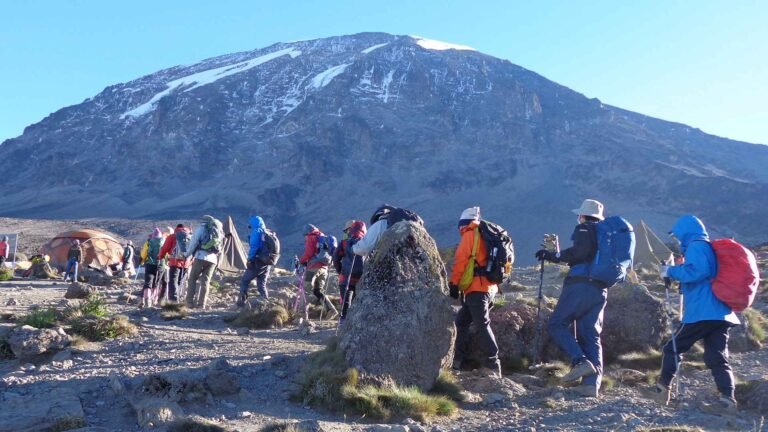
How Much Does Kilimanjaro Cost For A Family? 2026-2027
How much does Kilimanjaro cost for a family? is explained with current 2026-2027 planning, price, itinerary and booking information.
View package details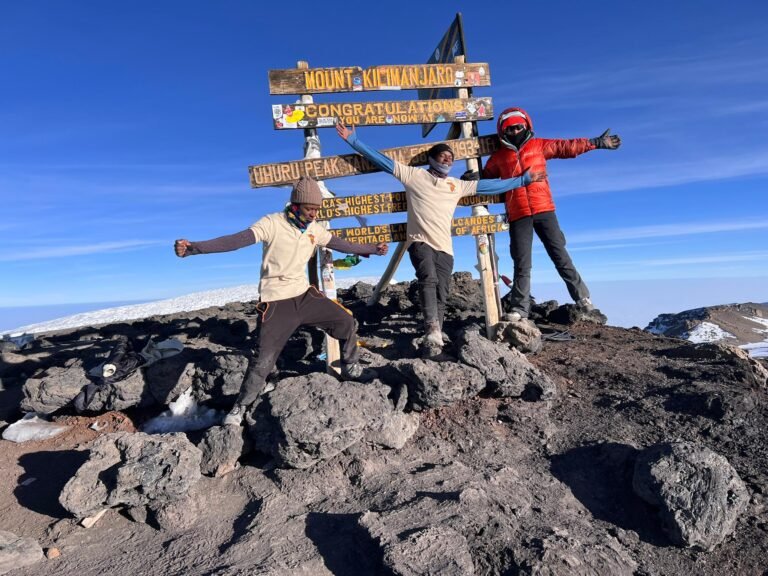
How Much Does Kilimanjaro Cost For Two People? A Guide 2026-2027
Planning a Kilimanjaro climb for two? This guide breaks down the costs for 2026-2027, covering route variations, essential inclusions, and factors that influence the final price for a...
View package detailsHow Much Does A Private Kilimanjaro Climb Cost In ? 2026-2027
Planning a private ascent of Mount Kilimanjaro? Understand the factors that influence the cost of a private climb, typical price ranges for 2026-2027, and what's usually included to help...
View package details
How Much Does It Cost To Climb Kilimanjaro Per Person? 2026-2027
How much does it cost to climb Kilimanjaro per person? is explained with current 2026-2027 planning, price, itinerary and booking information.
View package detailsDoes Kilimanjaro Cost More During Peak Season? Understanding Pricing 2026-2027
Climbing Mount Kilimanjaro involves varying costs, with peak season dates significantly impacting the overall price. This guide details why and when costs rise, helping you plan your...
View package details
Kilimanjaro Sleeping Bag Rental Cost & Guide 2026-2027
Kilimanjaro Sleeping Bag Rental Cost & Rental Guide is explained with current 2026-2027 planning, price, itinerary and booking information.
View package details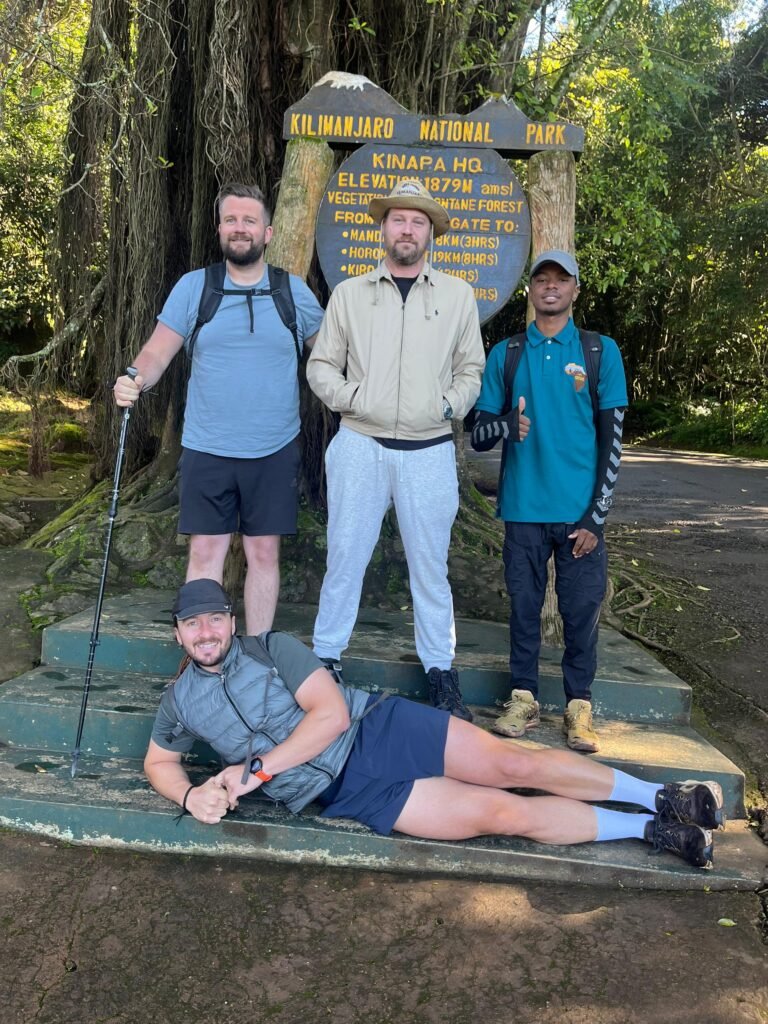
Are Porters Included In Kilimanjaro Package Costs? A Climb 4 Africa Guide
Understand the critical role of porters on Kilimanjaro and whether they are typically included in tour package costs. This guide from Climb 4 Africa provides essential details for planning...
View package details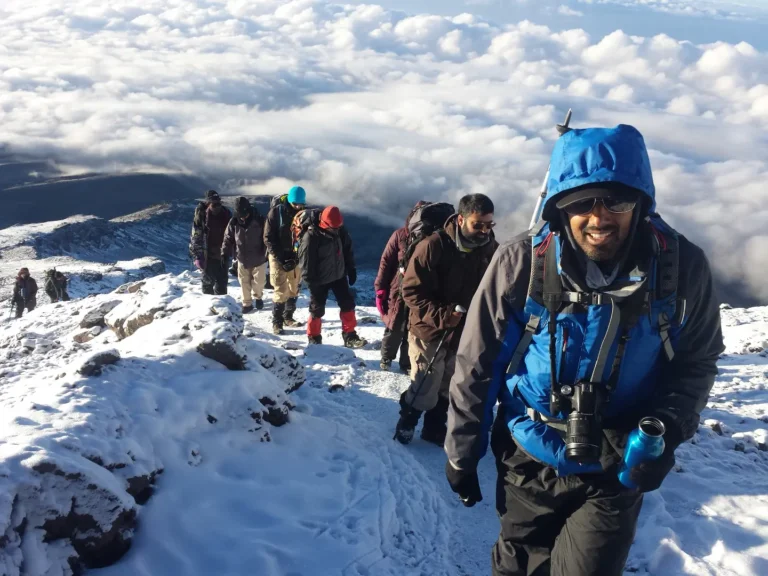
Why Do Kilimanjaro Operators Charge Different Prices? 2026-2027
Why do Kilimanjaro operators charge different prices? is explained with current 2026-2027 planning, price, itinerary and booking information.
View package detailsHow Much Deposit Is Required To Book Kilimanjaro? 2026-2027
Planning your Kilimanjaro climb? This guide details the deposit required to book your trek, covering typical percentages, payment schedules, and what factors influence the deposit amount...
View package details
How Much Should I Tip My Kilimanjaro Crew In ? 2026-2027
Understand the essential tipping guidelines for your Kilimanjaro expedition. This guide provides clear recommendations for tipping your dedicated crew, ensuring fair compensation and...
View package details
Does The Kilimanjaro Price Include Tips? Understanding Porter & Guide
Climbing Mount Kilimanjaro is a dream for many, but understanding the full cost, including essential tips for your support crew, is crucial for proper budgeting. This guide clarifies...
View package detailsNo related package matches those filters. Clear one or more filters to see the other topic-matched options.



