The deposit required to book a Kilimanjaro climb typically ranges from 10% to 30% of the total tour cost. This deposit is essential for securing your preferred climb dates, especially for 2026 and 2027 expeditions, and for tour operators to begin logistical arrangements. The exact percentage can vary between operators and may depend on factors like the chosen route, climb duration, and the level of service provided.


Understanding Kilimanjaro Trek Deposits: What You Need to Know
The dream of standing on the Roof of Africa is a powerful motivator for many travelers. As you begin planning your Kilimanjaro adventure, one of the first practical questions that arises is about the financial commitment: how much deposit is required to book Kilimanjaro? This is a crucial piece of information that allows you to budget effectively and secure your spot on a climb, particularly as you look ahead to popular trekking seasons in 2026 and 2027.
At Climb 4 Africa, we understand that clarity on costs and booking procedures is paramount. The deposit serves as a commitment from you to the tour operator and allows the operator to confirm your booking, reserve your permits, arrange guides and porters, and begin the complex logistical planning that goes into every successful Kilimanjaro ascent. Without this initial payment, your booking remains tentative.
Why Are Deposits Necessary for Kilimanjaro Treks?
Booking a Kilimanjaro climb involves significant upfront costs for tour operators, even before your trek begins. These costs are what the deposit helps to cover:
- Permit Acquisition: National park entry and camping/hut fees are required for every climber. These permits are often non-refundable and must be secured well in advance, especially for peak seasons in 2026 and 2027.
- Logistical Planning: This includes hiring experienced guides and porters, arranging transportation to and from the mountain, securing accommodation before and after the climb, and preparing necessary camping or hut equipment.
- Operational Commitments: Tour operators may need to make advance payments to suppliers and service providers to guarantee services.
- Securing Your Spot: A deposit confirms your intention to climb, allowing operators to manage their capacity and ensure a quality experience by not overbooking.
### Typical Deposit Percentages for Kilimanjaro Climbs (2026-2027)
While there’s no single universal figure, most reputable Kilimanjaro tour operators, including Climb 4 Africa, follow a general range for their booking deposits:
- 10% Deposit: Some operators might offer a lower deposit, especially for bookings made far in advance or for group climbs. This is a good option for those who want to secure their dates early without a large immediate outlay.
- 15-20% Deposit: This is arguably the most common range. It provides a solid commitment from the client and helps the operator cover initial expenses effectively.
- 25-30% Deposit: A higher deposit might be requested by some operators, particularly for private climbs, luxury packages, or during extremely high demand periods in 2026 and 2027. This level of deposit often signifies a stronger commitment and can sometimes include benefits like early confirmation of specific guides.
It’s important to note that these percentages are calculated based on the total cost of your chosen Kilimanjaro package. For example, if a climb costs $2,500 and the operator requires a 20% deposit, your initial payment would be $500.
Key Takeaway on Deposits:
The deposit to book Kilimanjaro is a standard practice. Always clarify the exact percentage and what it covers with your chosen operator. For 2026-2027 climbs, booking early with a deposit is highly recommended due to increasing demand.
Factors Influencing the Kilimanjaro Deposit Amount
The specific percentage of the deposit you pay to book your Kilimanjaro trek isn’t arbitrary. Several factors influence how tour operators determine this amount:
1. Tour Operator Policies
Each company has its own financial management and risk assessment policies. Some may have higher overheads or prefer to secure more funds upfront to cover immediate operational costs. Others might adopt a more flexible approach to attract a wider range of clients.
2. Climb Package and Inclusions
The overall cost of your Kilimanjaro package directly impacts the deposit amount. A more comprehensive package, including flights, high-end accommodation, or additional services, will naturally have a higher total price, and thus a higher deposit in absolute terms, even if the percentage is standard.
3. Route Choice
Different Kilimanjaro routes have varying durations and logistical complexities. Longer routes like the Northern Circuit or Lemosho require more days on the mountain, more supplies, and more porter support, potentially leading to a slightly higher deposit to cover these increased upfront operational needs.
4. Group Size and Type
* Private Climbs: These often involve a higher deposit because the operator is dedicating specific guides, porters, and resources solely for your group. The cost is spread over fewer people, making the operator’s upfront commitment more significant per person.
* Group Climbs / Shared Departures: While the per-person cost is often lower, operators might still require a standard deposit percentage. The advantage here is that the deposit contributes to a larger group booking, which can sometimes allow for slightly more flexible deposit terms.
### 5. Seasonality and Demand (2026-2027 Outlook)
Demand for Kilimanjaro climbs fluctuates throughout the year. The dry seasons (January-March and June-October) are the most popular and tend to book up quickly. For treks planned in 2026 and 2027, especially during these peak times, operators may:
- Require deposits earlier: To secure permits and logistics ahead of high demand.
- Potentially have slightly higher deposit requirements: To ensure serious commitment from clients and manage limited resources effectively.
Conversely, during the shoulder or wet seasons, operators might be more flexible with their deposit terms to encourage bookings.
6. Urgency of Booking
If you are booking very close to your desired climb date (which is generally not recommended for Kilimanjaro due to permit lead times), an operator might request a larger deposit or even the full amount to ensure the booking can be processed and all arrangements finalized in a short timeframe.
What Does the Kilimanjaro Deposit Typically Cover?
While the deposit secures your booking, it’s essential to understand that it’s a contribution towards the total cost of your climb. It’s not usually a separate fee for a specific service. The deposit is applied to:
- Permits and Park Fees: As mentioned, these are critical and non-negotiable costs.
- Guide and Porter Wages: Ensuring your support crew is compensated fairly and professionally.
- Equipment Rental: Tents, sleeping bags, cooking gear, and safety equipment.
- Food and Catering: Nutritious meals prepared on the mountain.
- Ground Transportation: Transfers to and from Kilimanjaro International Airport (JRO) and the mountain gates.
- Accommodation: Pre- and post-climb hotel stays if included in your package.
### What Happens After Paying the Deposit?
Once you’ve paid your deposit, you’ve officially booked your Kilimanjaro climb! Here’s what you can expect:
- Confirmation: You’ll receive a formal booking confirmation and receipt for your deposit.
- Itinerary Details: You’ll likely get detailed pre-departure information, including packing lists, training advice, and visa requirements.
- Payment Schedule: The confirmation will outline when the remaining balance is due. This is typically 30-60 days before your departure date.
- Permit Application: The operator will use your details to secure your park permits.
Deposit vs. Full Payment:
The deposit is the initial commitment. The remaining balance covers the bulk of the operational costs and is usually paid in installments or as a final lump sum closer to your climb date. Always check the payment terms carefully.
When Should You Pay Your Kilimanjaro Deposit?
Timing is crucial when planning a Kilimanjaro expedition. For 2026 and 2027 climbs, here’s a breakdown of when paying your deposit makes the most sense:
1. Booking Early for Peak Seasons (2026-2027)
If you’re targeting the popular dry seasons (June to October, and January to March) for your 2026 or 2027 climb, you should aim to pay your deposit as soon as you’ve decided on your dates and operator. This is because:
- Permit Availability: Kilimanjaro National Park has a finite number of camping and hut spots available each day. Peak season permits sell out months, sometimes even a year, in advance.
- Guide and Porter Availability: The best, most experienced mountain crews are in high demand during peak times. Booking early ensures you get a top-tier team.
- Logistical Planning: Operators need time to coordinate flights, accommodation, and transport for a higher volume of clients.
Paying your deposit early is your ticket to securing your preferred dates and ensuring a well-organized, safe climb.
2. Flexibility During Off-Peak Seasons
If your schedule allows for trekking during the wetter months (April, May, November, and early December), you might have slightly more flexibility. While booking early is always advisable for the best experience, you might find that deposits are accepted closer to the departure date. However, even in off-peak seasons, securing your booking with a deposit is the only way to guarantee your climb.
3. Group Bookings and Special Dates
For group expeditions or if you’re celebrating a special occasion on Kilimanjaro in 2026 or 2027, paying the deposit promptly is vital. This allows the operator to confirm the booking and begin coordinating with your group members, ensuring everyone is aligned on the plan.
Recommendation for 2026-2027 Planning:
For the best chance of securing your desired dates and a quality experience on Kilimanjaro in 2026 and 2027, pay your deposit as soon as you are comfortable with the operator and itinerary. This proactive step minimizes stress and maximizes your options.
Deposit Requirements for Different Kilimanjaro Routes
While the deposit percentage might remain consistent across routes offered by a single operator, the total cost (and thus the absolute deposit amount) can vary. This is primarily due to differences in duration and logistical complexity.
Shorter Routes (e.g., Marangu, Machame 6 days)
These routes are typically less expensive due to their shorter duration. Consequently, the deposit required to book Kilimanjaro on these routes will be a smaller absolute amount compared to longer expeditions. For instance, a 6-day Machame climb might cost $1,800, with a 20% deposit being $360.
Longer Routes (e.g., Lemosho 8 days, Northern Circuit 9 days)
These routes offer higher success rates due to their gradual ascent profile and extra acclimatization days. However, they also involve more days on the mountain, requiring more food, more porter support, and additional park/camping fees. The total cost will be higher, meaning the deposit amount will also be greater. A 9-day Northern Circuit might cost $2,800, with a 20% deposit being $560.
What About Route-Specific Considerations?
Some operators might factor in specific logistical challenges or unique permit requirements for certain routes. For example, if a route requires a longer drive to the trailhead or specialized equipment, this could subtly influence the deposit structure. However, for most reputable operators, the primary driver of deposit variation by route is the total climb cost.
Deposit by Route:
The deposit to book Kilimanjaro will vary in actual currency value depending on the total cost of your chosen route, with longer routes generally incurring a higher deposit due to increased operational expenses.
Understanding Payment Schedules and Final Balances
Paying a deposit is just the first step. The remaining balance of your Kilimanjaro climb cost needs to be settled before your departure. Understanding the payment schedule is crucial for financial planning.
Typical Payment Milestones
Most tour operators structure payments as follows:
- Deposit: Paid upon booking to confirm your spot.
- Mid-Term Payment (Optional): Some operators might request a second payment, perhaps 50% of the remaining balance, around 3-4 months before your climb. This is less common but can help operators manage cash flow for large groups or complex logistics.
- Final Balance: This is the remaining amount due, typically payable 30 to 60 days before your departure date. For 2026 and 2027 climbs, ensure you note these deadlines well in advance.
### What Influences the Final Payment Deadline?
* Permit Renewal/Cancellation Policies: Operators often need to finalize permit bookings and potentially pay cancellation fees if clients withdraw late. A deadline of 45-60 days allows them to manage this.
* Supplier Payments: Many suppliers (hotels, transport companies) require advance payment or firm booking commitments.
* Operational Readiness: Ensuring all equipment is serviced and staff are confirmed.
### Can You Pay in Full Upfront?
Yes, many travelers prefer to pay the full amount at the time of booking. This simplifies financial management and ensures the entire cost is settled. If you choose this option, you’ll still receive a booking confirmation and the operator will proceed with all necessary arrangements.
Payment Clarity is Key:
Always request a clear payment schedule when you book your Kilimanjaro climb. Knowing exactly when the final balance is due will prevent any last-minute surprises and ensure your trek proceeds smoothly.
Deposit Policies: What to Check with Your Operator
Before committing your deposit, it’s vital to understand the operator’s specific policies. Not all deposits are created equal, and terms can vary significantly.
1. Refundability of Deposits
This is perhaps the most critical aspect. Kilimanjaro booking deposits are generally non-refundable. This is because operators incur immediate costs upon receiving your deposit, particularly for non-refundable park permits. Always clarify the refund policy in the operator’s terms and conditions. Factors that might influence refunds (though rare) could include:
- Operator cancellation of the trek.
- Force majeure events (e.g., natural disasters, political instability) that prevent the climb.
### 2. Transferability of Deposits
In some cases, if you need to postpone your climb, an operator might allow you to transfer your deposit to a future booking. This is usually subject to conditions:
- Notice Period: You’ll likely need to provide significant advance notice (e.g., several months) before your original departure date.
- Rescheduling Fees: Some operators may charge a fee for rescheduling.
- New Booking Terms: The price for the new booking might be subject to current rates for 2026 or 2027, which could be higher than your original booking.
### 3. What If the Operator Cancels?
Reputable operators aim to fulfill all booked treks. However, if an operator cancels a climb due to insufficient bookings (more common for small group departures) or other operational reasons, you should be entitled to:
- A full refund of your deposit and any other payments made.
- Alternatively, an option to reschedule your climb for a future date, often with a credit for the amount paid.
### 4. Currency and Payment Methods
Clarify the currency in which the deposit and final balance should be paid. Also, understand the accepted payment methods (e.g., bank transfer, credit card, PayPal) and any associated transaction fees.
Deposit Policy Checklist:
- Is the deposit refundable? (Usually no)
- Can the deposit be transferred to a future date? Under what conditions?
- What happens if the operator cancels the trek?
- What currency and payment methods are accepted?
Comparing Deposit Requirements: Climb 4 Africa vs. Others
When researching how much deposit is required to book Kilimanjaro, you’ll notice variations between operators. At Climb 4 Africa, we strive for transparency and value. We understand that planning a major expedition like Kilimanjaro requires trust and clear financial terms.
### Climb 4 Africa’s Deposit Policy
For our Kilimanjaro climbs, including those planned for 2026 and 2027, Climb 4 Africa typically requires a deposit of 20% of the total climb cost. This percentage allows us to effectively manage the significant upfront logistical and permit costs associated with ensuring a safe and successful trek for our clients.
Our deposit policy is designed to:
- Secure your preferred dates: Especially crucial for peak seasons in 2026-2027.
- Initiate permit applications: We begin the process of securing your essential park permits immediately.
- Confirm crew arrangements: We start the process of assigning your experienced guides and porters.
### What Makes Climb 4 Africa Stand Out?
* Transparency: We clearly outline our deposit requirements, payment schedules, and what is included in your climb cost on our website and in our quotes.
* Value: Our 20% deposit is competitive within the industry, offering excellent value for the high-quality service, experienced guides, and comprehensive support we provide.
* Flexibility (within reason): While deposits are generally non-refundable due to permit costs, we are always open to discussing individual circumstances if unforeseen issues arise, particularly regarding rescheduling for future dates.
* Local Expertise: As a local Tanzanian company, we have direct access to resources and can often manage costs more efficiently, passing value onto our clients.
### How Other Operators Might Differ:
* Lower Deposits (e.g., 10%): Some operators may offer lower deposits. While appealing, ensure you understand if this means fewer inclusions or potentially less robust logistical planning. It might also mean a larger final balance due closer to the date.
* Higher Deposits (e.g., 30%+): Certain operators, particularly those focusing on luxury or highly customized expeditions, might ask for a higher deposit. This could be justified if it includes pre-booked high-end accommodations or specialized services.
* Variable Policies: Some companies have complex deposit structures that vary significantly by route, season, or group size. Always read the fine print.
Choosing Your Operator:
When comparing operators, look beyond just the deposit percentage. Consider the total cost, inclusions, reputation, safety record, and the clarity of their booking and payment terms. For Kilimanjaro booking deposit queries, Climb 4 Africa offers a clear and competitive structure.
Making Your Kilimanjaro Deposit Payment Safely
Paying a significant amount of money online or via bank transfer requires trust and security. Here’s how to ensure your deposit payment for your Kilimanjaro climb is safe:
1. Use Reputable Operators
This is the most crucial step. Choose tour operators with a strong online presence, positive reviews (check platforms like TripAdvisor), and clear contact information. Climb 4 Africa has been guiding clients on Kilimanjaro for years, with a commitment to safety and client satisfaction.
2. Understand Payment Methods
* Bank Transfers: A common and secure method, especially for larger sums. Ensure you have the operator’s correct bank details and consider using a service that offers protection or allows for clear transaction records.
* Credit Cards: Many operators accept credit cards, which offer a layer of protection. If a company fails to deliver services paid for by credit card, you may be able to dispute the charge with your card provider.
* Online Payment Platforms (e.g., PayPal): Some operators use platforms like PayPal, which offer buyer protection. Be aware that these platforms may charge transaction fees.
### 3. Verify Operator Details
Before making any payment, double-check:
- The company’s official name and registration details.
- The bank account name matches the company name.
- The email address and website are legitimate.
### 4. Keep Records
Always save:
- Your booking confirmation email.
- A receipt for your deposit payment.
- Any correspondence regarding payment terms and schedules.
These records are essential for reference and in the unlikely event of a dispute.
Secure Payment Practices:
Prioritize safety when paying your Kilimanjaro booking deposit. Work with established operators and use secure payment methods. For 2026-2027 bookings, ensure you are comfortable with the operator’s financial practices before proceeding.
Frequently Asked Questions About Kilimanjaro Deposits
Here are answers to common questions regarding the deposit required to book Kilimanjaro:
Q1: What is the average deposit amount for a Kilimanjaro climb in 2026-2027?
The average deposit required to book Kilimanjaro is typically between 10% and 30% of the total tour cost. Climb 4 Africa generally requires a 20% deposit to secure your climb dates and commence logistical arrangements.
Q2: Are Kilimanjaro booking deposits refundable?
Generally, Kilimanjaro booking deposits are non-refundable. This is due to the immediate, often non-refundable, costs incurred by tour operators for securing park permits and making initial logistical arrangements.
Q3: When is the final payment for a Kilimanjaro climb usually due?
The final balance for your Kilimanjaro climb is typically due 30 to 60 days prior to your departure date. Always confirm the exact payment schedule with your tour operator.
Q4: Can I pay the full amount upfront instead of just a deposit?
Yes, most operators allow you to pay the full amount at the time of booking if you prefer. This simplifies financial planning and ensures all costs are settled early.
Q5: What happens if I need to postpone my Kilimanjaro climb after paying the deposit?
Policies vary. Some operators may allow you to transfer your deposit to a future date, potentially with a rescheduling fee and subject to new pricing for 2026 or 2027. It’s essential to check the operator’s specific terms and conditions regarding postponements.
Q6: Does the deposit cover permits and park fees?
Yes, the deposit is part of the total package cost, which includes essential elements like park permits, camping fees, guide and porter salaries, food, and transportation.
Q7: Should I book my 2026-2027 Kilimanjaro climb now?
Given the increasing popularity of Kilimanjaro and the lead times required for permits and logistics, booking your 2026 or 2027 climb as early as possible is highly recommended. Paying your deposit promptly is the key to securing your preferred dates.
Planning Your Kilimanjaro Expedition: Beyond the Deposit
Understanding the deposit is a critical step, but it’s just one piece of the puzzle when planning your Kilimanjaro adventure for 2026 or 2027. Here are other essential considerations:
1. Choosing the Right Route
Your choice of route significantly impacts your experience, success rate, and cost. Consider factors like:
- Duration: Longer routes offer better acclimatization and higher success rates.
- Scenery: Routes like Lemosho and the Northern Circuit are known for their stunning landscapes.
- Comfort: The Marangu route offers cabin accommodation, while others use camping.
- Crowds: Some routes are busier than others.
### 2. Selecting the Best Time to Climb
Kilimanjaro can be climbed year-round, but the dry seasons (June-October and January-March) offer the most favorable weather conditions. Shoulder seasons can be good alternatives with fewer crowds.
### 3. Physical Preparation
Kilimanjaro is a strenuous trek. A consistent training program focusing on cardiovascular fitness, strength, and endurance is essential. Start training at least 2-3 months before your climb.
### 4. Essential Gear
Proper gear is vital for safety and comfort. This includes layered clothing, waterproof outerwear, sturdy hiking boots, a warm sleeping bag, and trekking poles. Your operator should provide a comprehensive packing list.
### 5. Travel Insurance
Ensure your travel insurance covers high-altitude trekking and emergency medical evacuation. This is non-negotiable for a safe expedition.
### 6. Visas and Vaccinations
Check the visa requirements for Tanzania for your nationality and consult your doctor about recommended vaccinations and malaria precautions.
Comprehensive Planning for 2026-2027:
A successful Kilimanjaro climb relies on meticulous planning. From selecting your route and training regimen to understanding gear and insurance, every detail matters. The deposit to book Kilimanjaro is the first step in this exciting journey.
Secure Your Kilimanjaro Adventure with Climb 4 Africa
Planning a Kilimanjaro climb is an exciting undertaking, and understanding the financial aspects, like the deposit required, is key to a smooth process. At Climb 4 Africa, we are dedicated to providing you with an unforgettable and safe experience on Africa’s highest peak.
We offer expertly guided Kilimanjaro climbs, combined with incredible wildlife safaris and relaxing Zanzibar holidays. Our local knowledge and commitment to quality ensure that your journey, from the initial booking with your deposit to reaching Uhuru Peak, is managed with professionalism and care.
Ready to take the first step towards your Kilimanjaro summit in 2026 or 2027? Don’t hesitate to reach out to our team for personalized advice, detailed itineraries, and transparent pricing. Securing your climb with a deposit is straightforward, and we’re here to guide you every step of the way.
Contact us today to discuss your dream Kilimanjaro climb:
- WhatsApp: +255 747 477 898
- Email: climb4africa@gmail.com
- Website: Climb4Africa.com
Let Climb 4 Africa help you turn your Kilimanjaro dream into a reality. We look forward to assisting you with your 2026-2027 adventure!
Check Availability for How Much Deposit Is Required To Book Kilimanjaro? 2026-2027
Ready to compare dates, prices, and the best option for your group? Send the package name and travel month so the team can reply with a clear quote, availability, and what is included.
Can I Change My Kilimanjaro Climbing Date After Paying A Deposit? | Climb 4
Planning a Kilimanjaro climb is a significant undertaking, and sometimes life circumstances require adjusting your booked dates. If you've paid a deposit for your Kilimanjaro trek and need...
View package details
How Early Should I Book Kilimanjaro For The Best Price? Planning 2026-2027
Planning a Kilimanjaro climb for 2026 or 2027? Learn the optimal booking window to secure the best prices and availability. This guide covers everything from early bird specials to...
View package details
How Much Does An 8-Day Kilimanjaro Climb Cost? A Guide 2026-2027
Planning an 8-day Kilimanjaro climb in 2026 or 2027? This comprehensive guide breaks down the expected costs, explaining what influences the price and what you get for your money. Learn...
View package details
How Much Does Kilimanjaro Cost For A Family? 2026-2027
How much does Kilimanjaro cost for a family? is explained with current 2026-2027 planning, price, itinerary and booking information.
View package detailsHow Much Does Kilimanjaro Cost For Two People? A Guide 2026-2027
Planning a Kilimanjaro climb for two? This guide breaks down the costs for 2026-2027, covering route variations, essential inclusions, and factors that influence the final price for a...
View package detailsHow Much Does A Private Kilimanjaro Climb Cost In ? 2026-2027
Planning a private ascent of Mount Kilimanjaro? Understand the factors that influence the cost of a private climb, typical price ranges for 2026-2027, and what's usually included to help...
View package details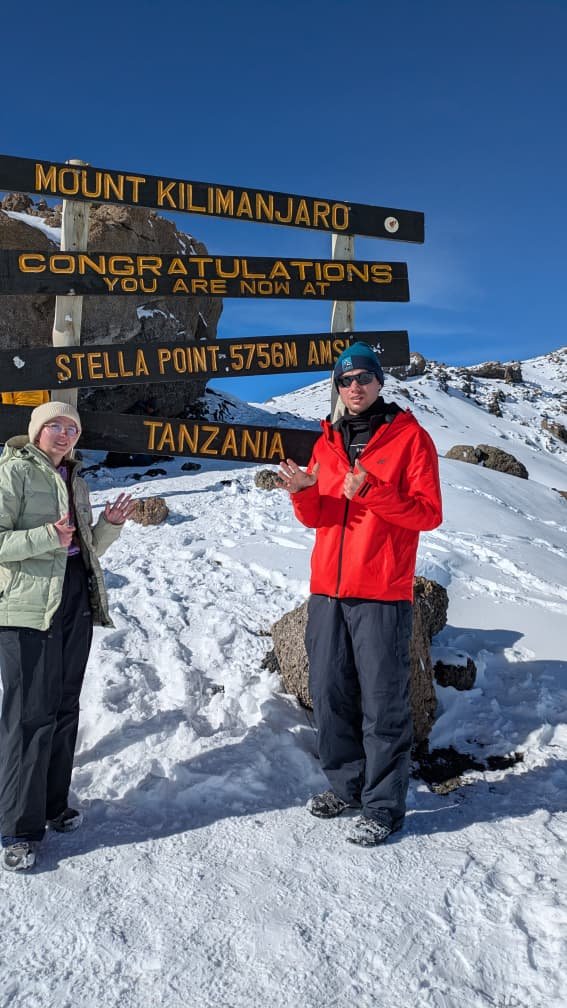
Are There Additional Charges After Booking Kilimanjaro? 2026-2027
Are there additional charges after booking Kilimanjaro? is explained with current 2026-2027 planning, price, itinerary and booking information.
View package details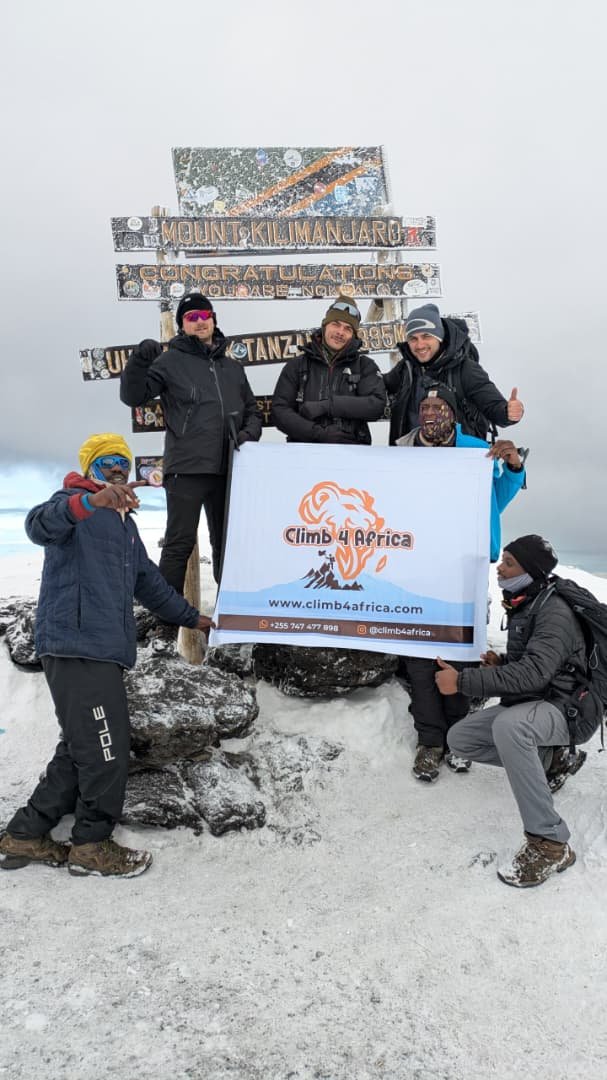
How Much Does It Cost To Rent Kilimanjaro Gear In ? 2026-2027
Renting Kilimanjaro gear for your 2026-2027 expedition typically costs between $150 to $350 USD per person for a full set of essentials. This guide breaks down individual item costs, rental...
View package details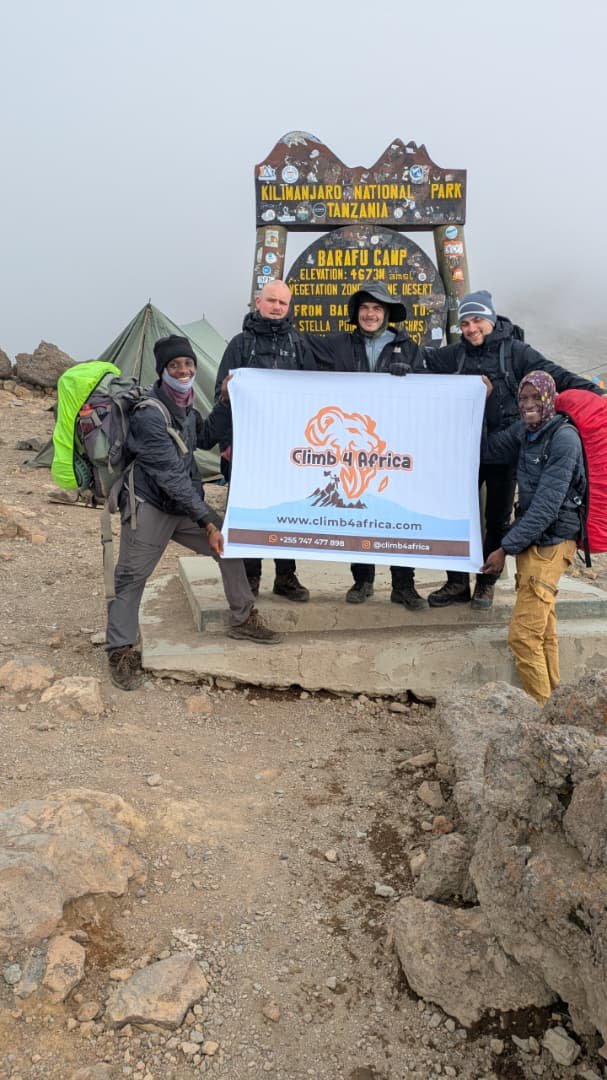
How Much Should I Tip My Kilimanjaro Crew In ? 2026-2027
Understand the essential tipping guidelines for your Kilimanjaro expedition. This guide provides clear recommendations for tipping your dedicated crew, ensuring fair compensation and...
View package details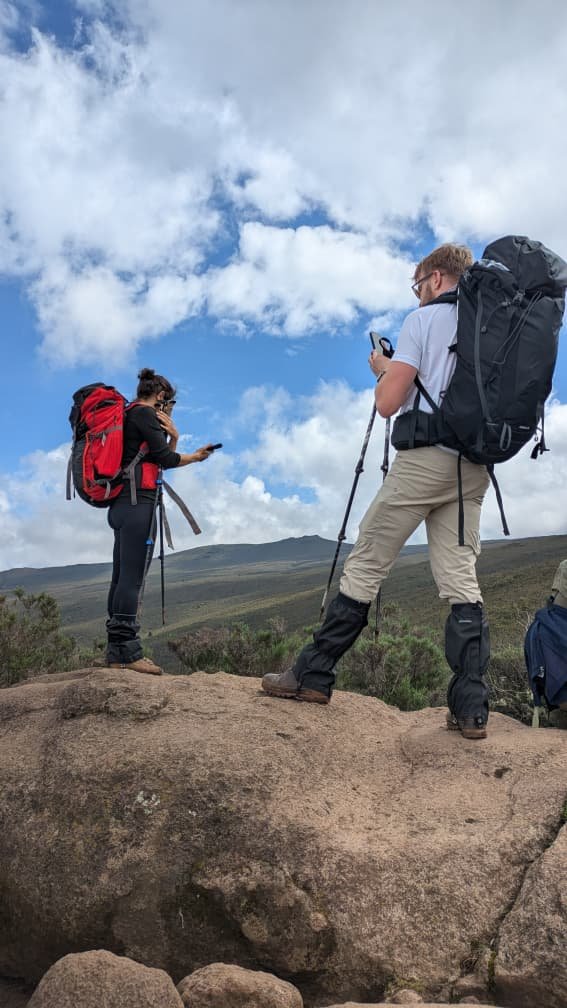
How Much Are Kilimanjaro Park Fees For A 7-Day Climb In ? 2026-2027
Planning a 7-day Kilimanjaro climb in 2026 or 2027? This guide breaks down the essential park fees, understanding how they contribute to conservation and your trekking experience, and what...
View package details
How Much Does It Cost To Climb Kilimanjaro Per Person? 2026-2027
How much does it cost to climb Kilimanjaro per person? is explained with current 2026-2027 planning, price, itinerary and booking information.
View package detailsHow Much Should You Budget For Food, Drinks & Extras Before Kilimanjaro?
Planning your Kilimanjaro adventure involves understanding all associated costs, including those for food, drinks, and personal extras before and after your trek. This guide breaks down the...
View package detailsNo related package matches those filters. Clear one or more filters to see the other topic-matched options.



