This P. Kilimanjaro FAQ guide addresses common questions for climbers planning a 2026 or 2027 ascent, covering everything from route selection and preparation to costs, safety, and essential gear, to help you successfully summit Africa’s highest peak.

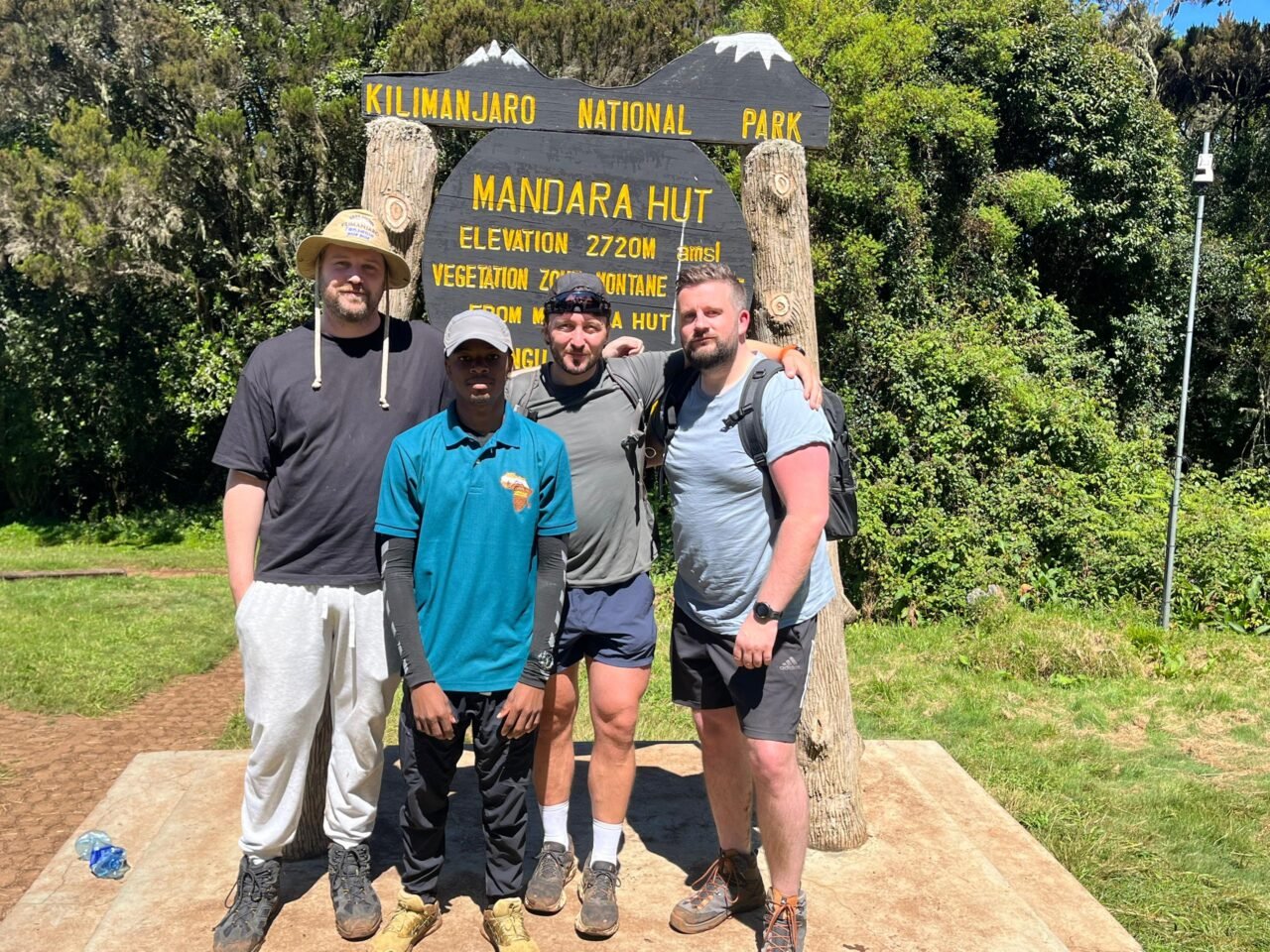
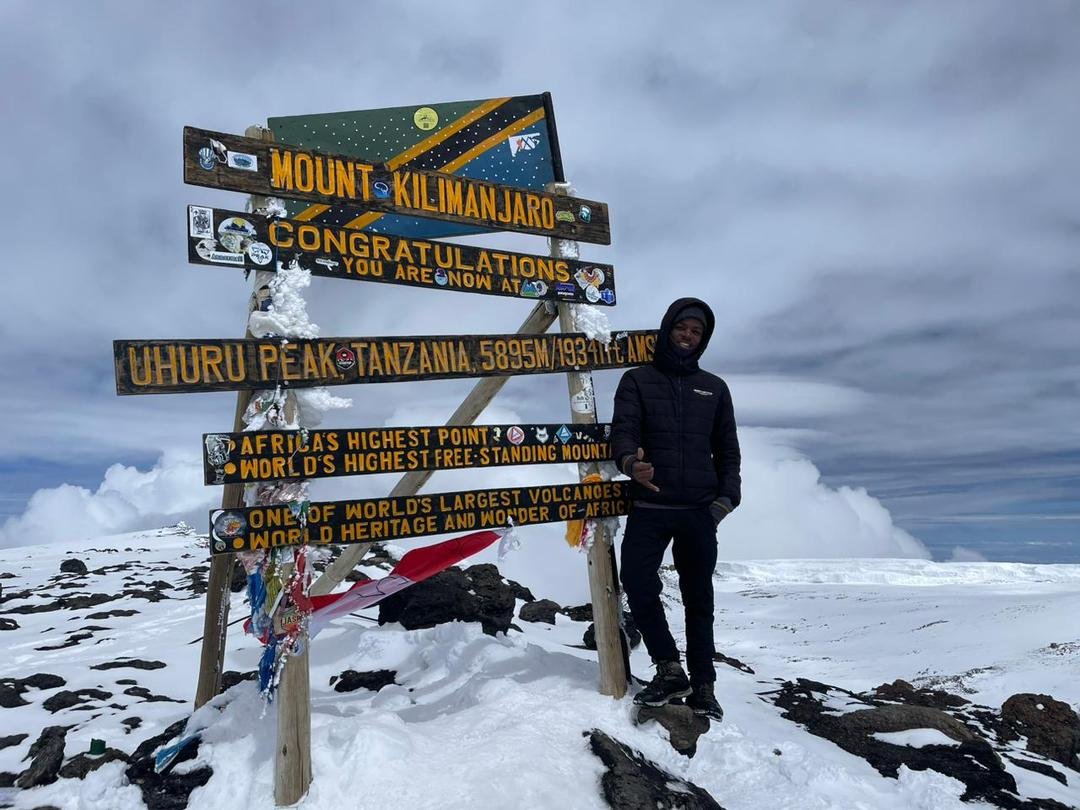
Understanding Your P. Kilimanjaro Climb: Essential FAQs for 2026-2027
Mount Kilimanjaro, the Roof of Africa, draws thousands of trekkers each year. For those planning an expedition in 2026 or 2027, thorough preparation is key. Climb 4 Africa, as a leading Kilimanjaro expert and Tanzania travel company, has compiled this extensive FAQ to demystify the climb, address your concerns, and ensure you’re fully equipped for this incredible adventure. We cover all aspects, from choosing the right route to understanding what to pack and how to acclimatize. Let’s break down the most frequent questions about climbing P. Kilimanjaro.
Choosing Your Kilimanjaro Route: What’s Best for 2026-2027?
The route you choose significantly impacts your experience on Mount Kilimanjaro, affecting scenery, difficulty, acclimatization profile, and success rates. Understanding the differences between the main routes is crucial for planning your 2026-2027 climb.
Marangu Route: The Coca-Cola Route
Often called the “Coca-Cola Route” due to its popularity and relative ease, the Marangu route is the oldest and most direct. It’s the only route that offers dormitory-style accommodation in huts along the trail, making it a unique experience for some. However, its ascent profile is steep, and the switchback nature means less time for acclimatization, often leading to lower success rates compared to longer routes.
- Pros: Hut accommodation, shortest duration (5 days), most established infrastructure.
- Cons: Lower success rates due to rapid ascent, less scenic compared to other routes, can be crowded.
- Best for: Climbers seeking a budget-friendly option, those who prefer hut sleeping, or those with limited time. However, for 2026-2027 climbs aiming for higher success, longer routes are recommended.
Machame Route: The “Whiskey Route”
The Machame Route is arguably the most popular route for trekkers seeking scenic beauty and good acclimatization. Known as the “Whiskey Route,” it offers excellent camping experiences and a gradual ascent profile that significantly boosts success rates. It’s longer, typically taking 6 or 7 days, allowing for better acclimatization.
- Pros: Excellent acclimatization profile, high success rates, stunning scenery (including the Barranco Wall climb), diverse landscapes.
- Cons: Camping only, can be steeper in sections, more challenging than Marangu.
- Best for: Most trekkers, especially those prioritizing success rates and scenic views for their 2026-2027 Kilimanjaro climb. The 7-day Machame itinerary is highly recommended.
Lemosho Route: Scenic Beauty and Acclimatization
The Lemosho Route is renowned for its exceptional beauty and excellent acclimatization. It starts in the west and crosses the Shira Plateau, offering panoramic views and a more remote trekking experience. It’s a longer route, typically 7 or 8 days, which is ideal for acclimatization and increasing your chances of reaching the summit.
- Pros: Fantastic scenery, excellent acclimatization, lower crowds initially, high success rates, diverse ecosystems.
- Cons: More expensive due to longer duration and remoteness, camping only.
- Best for: Climbers who want the most scenic route, prioritize acclimatization, and have the time and budget for a longer trek in 2026 or 2027.
Shira Route: Similar to Lemosho, Starts Higher
The Shira Route is similar to Lemosho but starts at a higher altitude on the Shira Plateau. This means you reach higher elevations faster, which can be a double-edged sword for acclimatization. While it offers stunning views from the start, the initial higher altitude can be challenging for some.
- Pros: Quick access to high altitude scenery, good acclimatization potential if managed well, camping.
- Cons: Can be challenging due to the higher starting altitude, more expensive.
- Best for: Experienced trekkers who are well-acclimatized or looking for a slightly different start to a scenic route.
Rongai Route: The Arid Northern Approach
The Rongai Route approaches Kilimanjaro from the north, making it a good option during the rainy seasons as it’s drier. It’s a gradual ascent route, offering a different perspective and typically good acclimatization. It’s a camping-only route.
- Pros: Drier approach, less crowded, good acclimatization, chance to see wildlife on the lower slopes.
- Cons: Less scenic variety compared to western routes, summit day is long and demanding.
- Best for: Climbers who prefer a less crowded route, are concerned about rain, or want to climb during shoulder seasons in 2026-2027.
Northern Circuit: The Longest and Most Scenic
The Northern Circuit is the longest route, typically taking 9 days. It circumnavigates the mountain, offering the best acclimatization and highest success rates. Its slow pace and extended duration allow for maximum adaptation to altitude and a truly in-depth experience.
- Pros: Highest success rates, best acclimatization, most scenic, least crowded, allows for slow, steady progress.
- Cons: Longest duration, most expensive.
- Best for: Those who want the ultimate Kilimanjaro experience, prioritize success and acclimatization, and have the time and budget for a 9-day trek in 2026 or 2027.
Umbwe Route: The Steepest and Most Direct
Umbwe is the shortest, steepest, and most direct route. It’s challenging and not recommended for first-time trekkers due to its rapid ascent and poor acclimatization profile. It is typically combined with other routes for the descent.
- Pros: Very direct and challenging for experienced hikers.
- Cons: Very steep, poor acclimatization, low success rates, requires significant fitness.
- Best for: Experienced mountaineers seeking a significant challenge. Not recommended for most general trekkers aiming for P. Kilimanjaro in 2026-2027.
Kilimanjaro Climb Costs and Budgeting for 2026-2027
Understanding the cost of climbing Kilimanjaro is vital for planning your budget. Prices can vary significantly based on the operator, route duration, inclusions, and service level. For 2026-2027 climbs, expect a range, but always look for value, not just the cheapest option.
What Influences Kilimanjaro Climb Costs?
- Operator Type: Local operators like Climb 4 Africa often offer more competitive pricing than international companies, while providing expert local knowledge and support.
- Route and Duration: Longer routes require more days of park fees, guide and porter wages, and food, thus increasing the overall cost.
- Group Size: Private climbs are more expensive per person than joining a group.
- Inclusions: Quality of gear provided (tents, sleeping mats), meal quality, oxygen systems, emergency evacuation services, and pre/post-climb accommodation can all affect the price.
- Park Fees: These are set by the Kilimanjaro National Park authority and are a significant portion of the cost, increasing annually.
Typical Cost Ranges for 2026-2027
While exact prices fluctuate, here’s a general guide for a 2026-2027 Kilimanjaro climb with a reputable operator:
Budget/Basic Treks: $1,500 – $2,000 USD per person (often 5-6 days, basic services, potentially lower success rates).
Mid-Range Treks: $2,000 – $3,000 USD per person (6-8 days, good quality equipment, experienced guides, higher success rates, most popular choice).
Premium/Luxury Treks: $3,000 – $5,000+ USD per person (longer routes, higher quality food, private facilities, advanced safety equipment, highest success rates).
Important Note: Always inquire about what is included. Key inclusions should be park fees, guide and porter salaries, food, camping equipment, rescue fees, and Kilimanjaro National Park certificates. Exclusions often include flights, visas, travel insurance, tips for the crew, personal gear, and expenses in town.
Preparing for Your Kilimanjaro Climb: Fitness and Training
Physical fitness is paramount for a successful Kilimanjaro climb. The trek is strenuous, involving long days of walking at altitude. Start your training well in advance of your 2026-2027 expedition.
Cardiovascular Fitness
Focus on aerobic activities that build endurance. Aim for at least 3-4 sessions per week, gradually increasing duration and intensity.
- Activities: Hiking (especially with a weighted backpack), running, cycling, swimming, stair climbing.
- Frequency: 3-5 times per week.
- Duration: Aim for 60-90 minute sessions.
Strength Training
Strengthen your legs, core, and back. These muscle groups are crucial for carrying a daypack and navigating varied terrain.
- Exercises: Squats, lunges, step-ups (with weight), calf raises, core exercises (planks, crunches), back extensions.
- Frequency: 2-3 times per week.
Hiking Practice
The best training for hiking is hiking. Find hills or stairs in your area and practice walking for extended periods, ideally with a backpack similar to what you’ll carry on Kilimanjaro.
- Focus: Long hikes (4-6 hours) on consecutive days if possible, to simulate multi-day trekking.
- Altitude Simulation: If you live at sea level, try to do some hikes at the highest elevation available to you.
Mental Preparation
Kilimanjaro is as much a mental challenge as a physical one. Be prepared for discomfort, cold, fatigue, and long hours. Positive self-talk and a strong determination are essential.
Acclimatization and Altitude Sickness on Kilimanjaro
Altitude sickness (Acute Mountain Sickness – AMS) is the most significant risk on Kilimanjaro. Proper acclimatization is the key to prevention. The mantra is “pole pole” (slowly, slowly) and “climb high, sleep low.”
Understanding Altitude Sickness
AMS symptoms can include headache, nausea, dizziness, fatigue, and loss of appetite. Severe forms can lead to High Altitude Cerebral Edema (HACE) or High Altitude Pulmonary Edema (HAPE), which are life-threatening.
Strategies for Acclimatization
- Choose Longer Routes: Routes like Lemosho, Machame (7 days), or the Northern Circuit offer better acclimatization profiles than shorter routes like Marangu (5 days). For 2026-2027 climbs, prioritize routes of 7+ days.
- Ascend Gradually: The slower you ascend, the more time your body has to adapt.
- Hydration: Drink plenty of water (3-4 liters per day). Avoid alcohol and caffeine, which can dehydrate you.
- Pacing: Walk slowly and steadily. Listen to your body and your guide.
- Medication: Diamox (Acetazolamide) is often prescribed to help with acclimatization. Consult your doctor well before your 2026-2027 climb.
- Listen to Your Guide: Your guide is trained to monitor for AMS. Report any symptoms immediately. If symptoms worsen, descent is the only cure.
Essential Gear and Packing List for Your Kilimanjaro Expedition
Packing the right gear is crucial for comfort and safety on Kilimanjaro. Layering is key to managing temperature fluctuations. For 2026-2027 treks, ensure your gear is in good condition.
Clothing Layers
- Base Layers: Moisture-wicking synthetic or merino wool tops and bottoms.
- Mid Layers: Fleece jacket or insulated jacket for warmth.
- Outer Layer (Shell): Waterproof and windproof jacket and pants.
- Insulation Layer: A warm down or synthetic puffy jacket for summit night and cold evenings.
Headwear and Handwear
- Warm hat (beanie) that covers ears.
- Sun hat or cap with a brim.
- Gloves: Liner gloves and warm, waterproof outer gloves or mittens.
- Balaclava or neck gaiter for face protection.
Footwear
- Boots: Broken-in, waterproof, sturdy hiking boots with good ankle support.
- Socks: Several pairs of wool or synthetic hiking socks.
- Camp shoes/sandals: For wearing around camp.
Trekking Equipment
- Backpack: A comfortable daypack (30-40 liters) for essentials.
- Duffel Bag: A large, waterproof duffel bag (80-100 liters) for your main gear, carried by porters.
- Sleeping Bag: Rated for -10°C to -20°C (0°F to -4°F).
- Sleeping Pad: For added comfort and insulation (often provided by operators).
- Trekking Poles: Highly recommended for stability and reducing knee strain.
- Headlamp with extra batteries.
- Water bottles or hydration reservoir (at least 3 liters capacity).
- Sunglasses (UV protection).
- Sunscreen (high SPF).
- Lip balm with SPF.
- Personal First-Aid Kit.
- Toiletries (biodegradable).
- Hand sanitizer.
- Wet wipes.
- Quick-dry towel.
- Camera and spare batteries/power bank.
Gear Rental: Many operators, including Climb 4 Africa, offer gear rental for items like sleeping bags, jackets, and poles. This can be a cost-effective option if you don’t own the necessary equipment for your 2026-2027 Kilimanjaro climb.
The Kilimanjaro Climbing Season: Best Times for 2026-2027
Kilimanjaro can be climbed year-round, but certain months offer better weather conditions. The best times for 2026-2027 climbs generally align with the dry seasons.
- January – March: Dry and warm, good visibility. Can be cold at the summit.
- April – May: Long rainy season. Generally avoided.
- June – October: Dry and cooler. This is a peak season, especially July-September, offering excellent conditions.
- November – December: Short rainy season. Generally less rain than the long rains, but can be unpredictable.
Recommendation for 2026-2027: Aim for the dry seasons (June-October and January-March) for the best chance of clear skies and favorable trekking conditions.
Safety on Mount Kilimanjaro
Safety is paramount. Reputable operators prioritize climber well-being through experienced guides, proper procedures, and emergency preparedness.
- Experienced Guides: Kilimanjaro guides are trained in first aid, high-altitude medicine, and rescue techniques.
- Emergency Evacuation: Ensure your operator has a reliable emergency evacuation plan, often involving portable stretcher services and communication systems.
- Oxygen Systems: Some operators carry supplementary oxygen for emergencies, which can be a lifesaver.
- Communication: Guides carry radios or satellite phones for communication with park rangers and base operations.
- Health Checks: Regular health checks by your guide throughout the climb are standard practice.
Travel Insurance
Mandatory for all climbers. Ensure your policy covers high-altitude trekking up to 5,895 meters (19,341 feet) and includes emergency medical evacuation.
Summit Night on Kilimanjaro
Summit night is the most challenging part of the climb. It typically begins around midnight from the last camp (e.g., Kibo Hut or Barafu Camp). You’ll ascend in the dark, often in cold temperatures, wearing all your warm layers.
Key Aspects of Summit Night:
- Pace: Extremely slow, step-by-step.
- Temperature: Can drop to -10°C to -20°C (-4°F to 4°F) or lower with wind chill.
- Visibility: Headlamps are essential; you’ll see the stars and potentially the curvature of the earth.
- Duration: 6-10 hours to reach the summit (Stella Point or Uhuru Peak).
- Descent: Equally challenging, often taking 3-5 hours back to camp.
The feeling of reaching Uhuru Peak at sunrise is unforgettable, a true reward for your efforts on your 2026-2027 Kilimanjaro adventure.
What to Expect After the Climb
After successfully descending, you’ll typically spend a night or two in Moshi or Arusha before heading home or to your next destination in Tanzania. Most climbers experience a mix of exhaustion, elation, and relief.
- Celebration: Many operators organize a celebratory dinner.
- Rest: You’ll likely want to rest and recover.
- Souvenirs: Time to purchase any souvenirs.
- Further Adventures: Consider combining your Kilimanjaro climb with a safari or a Zanzibar beach holiday – Climb 4 Africa specializes in these tailor-made experiences.
Choosing a Reputable Kilimanjaro Operator for 2026-2027
Selecting the right operator is one of the most critical decisions for your P. Kilimanjaro FAQ planning. A good operator ensures safety, provides experienced staff, uses quality equipment, and offers ethical treatment of porters.
Climb 4 Africa: Your Expert Partner
At Climb 4 Africa, we are dedicated to providing unforgettable and safe Kilimanjaro climbing experiences. We are a local Tanzanian company with deep expertise and a commitment to sustainable tourism and fair labor practices for our guides and porters. We offer:
- Experienced Guides: Certified, knowledgeable, and safety-conscious guides.
- Quality Equipment: Well-maintained tents, sleeping bags, and other essential gear.
- Ethical Porter Treatment: We adhere to strict porter welfare guidelines.
- Tailor-Made Itineraries: We customize climbs for individuals, families, and groups, focusing on routes that maximize success and enjoyment for 2026-2027.
- Comprehensive Support: From initial inquiry to summit celebration, we provide practical local support.
Questions to Ask Potential Operators:
- What is your safety record and emergency evacuation procedure?
- How do you ensure the welfare and fair treatment of your guides and porters?
- What is the guide-to-climber ratio?
- What is included in your price, and what are the potential extra costs?
- What is the average success rate on [chosen route] for your clients?
- Can you provide references or reviews from past clients?
Visa and Health Requirements for Tanzania
Ensure you meet all entry requirements for Tanzania for your 2026-2027 climb.
- Visa: Most nationalities require a visa for Tanzania. This can often be obtained online in advance or upon arrival at Kilimanjaro International Airport (JRO). Check the latest requirements for your country.
- Vaccinations: Consult your doctor or a travel clinic about recommended vaccinations, such as Yellow Fever (may be required depending on your travel route), Hepatitis A & B, Typhoid, and Tetanus.
- Malaria Prevention: Tanzania is a malaria risk area. Discuss antimalarial medication with your doctor.
Environmental Responsibility on Kilimanjaro
Kilimanjaro is a UNESCO World Heritage Site, and responsible tourism is crucial. All reputable operators, including Climb 4 Africa, adhere to park regulations.
- Leave No Trace: Pack out everything you pack in.
- Waste Management: Follow guides’ instructions for waste disposal.
- Respect Wildlife: Do not feed or disturb any animals you encounter.
- Stay on Trails: Avoid creating new paths.
- Porter Welfare: Ensure your operator treats porters ethically, as this is a key part of responsible trekking.
Frequently Asked P. Kilimanjaro Questions Summarized
Here’s a quick recap of the most common queries regarding a P. Kilimanjaro climb, relevant for planning your 2026-2027 expedition:
P. Kilimanjaro FAQ Recap:
- Best Route? Machame, Lemosho, or Northern Circuit for high success and scenery.
- Best Time? Dry seasons: June-Oct, Jan-Mar.
- Cost? $2,000 – $3,000+ USD per person for reputable mid-range to premium climbs.
- Fitness? Essential: cardiovascular endurance, strength, and hiking practice.
- Altitude Sickness? Manage with slow ascent, hydration, and longer routes (7+ days).
- Gear? Layering system, waterproofs, warm sleeping bag, broken-in boots.
- Safety? Choose experienced, reputable operators with clear emergency plans.
- Duration? Typically 6-9 days depending on the route.
Planning Your 2026-2027 Kilimanjaro Adventure with Climb 4 Africa
Climbing Mount Kilimanjaro is a life-changing experience. With careful planning, the right preparation, and a trusted partner like Climb 4 Africa, you can make your dream a reality. We are passionate about sharing the majesty of Kilimanjaro and offering authentic Tanzanian experiences. Whether you’re considering a 2026 climb or looking ahead to 2027, we are here to guide you every step of the way. Our expert team can help you select the perfect route, tailor an itinerary to your needs, and provide all the practical support required for a safe and successful summit.
Ready to start planning your P. Kilimanjaro FAQ-driven adventure? Contact us today for a personalized quote and expert advice. Let’s make your Kilimanjaro dream a reality!
WhatsApp: +255 747 477 898
Email: climb4africa@gmail.com
Visit Climb 4 Africa for more information on our Kilimanjaro climbs, safaris, and Zanzibar holidays.
Check Availability for P. Kilimanjaro Faq Questions For Climbs | Climb 4 Africa 2026-2027
Ready to compare dates, prices, and the best option for your group? Send the package name and travel month so the team can reply with a clear quote, availability, and what is included.
Can I Change My Kilimanjaro Climbing Date After Paying A Deposit? | Climb 4
Planning a Kilimanjaro climb is a significant undertaking, and sometimes life circumstances require adjusting your booked dates. If you've paid a deposit for your Kilimanjaro trek and need...
View package details
Which Kilimanjaro Route Offers The Best Value For Money? 2026-2027
Which Kilimanjaro route offers the best value for money? is explained with current 2026-2027 planning, price, itinerary and booking information.
View package details
How Early Should I Book Kilimanjaro For The Best Price? Planning 2026-2027
Planning a Kilimanjaro climb for 2026 or 2027? Learn the optimal booking window to secure the best prices and availability. This guide covers everything from early bird specials to...
View package details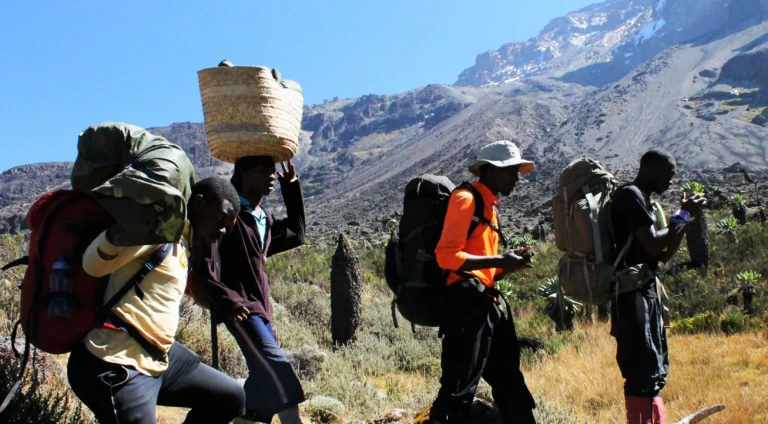
Is A Private Toilet Included In The Kilimanjaro Price? 2026-2027
Discover whether a private toilet is a standard inclusion in Kilimanjaro climbing package prices, the variations across routes and operators, and how Climb 4 Africa prioritizes your comfort...
View package details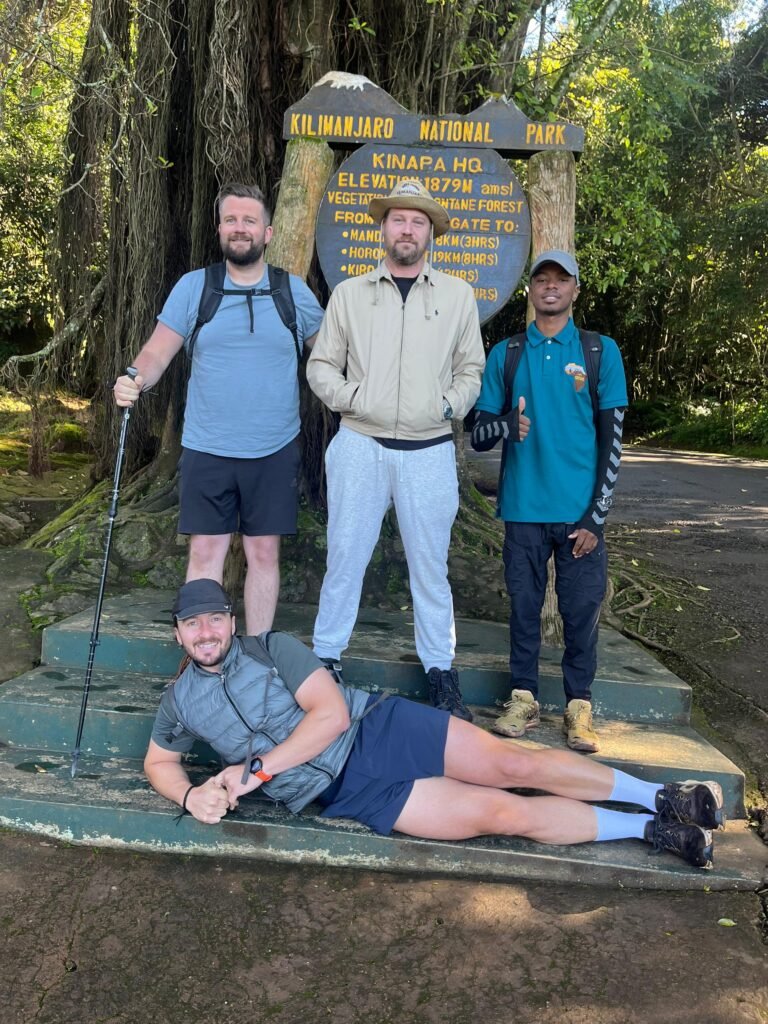
Are Porters Included In Kilimanjaro Package Costs? A Climb 4 Africa Guide
Understand the critical role of porters on Kilimanjaro and whether they are typically included in tour package costs. This guide from Climb 4 Africa provides essential details for planning...
View package details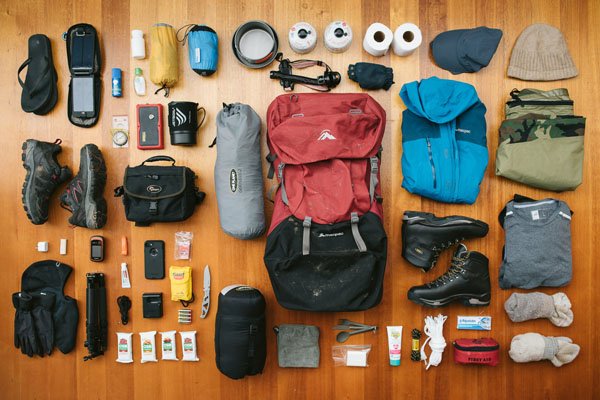
Is Emergency Oxygen Included In Kilimanjaro Climbing Price? Climb 4 Africa
Climb 4 Africa clarifies whether emergency oxygen is part of the standard Kilimanjaro climbing package price, detailing what's typically included and why it's crucial for safety on the...
View package details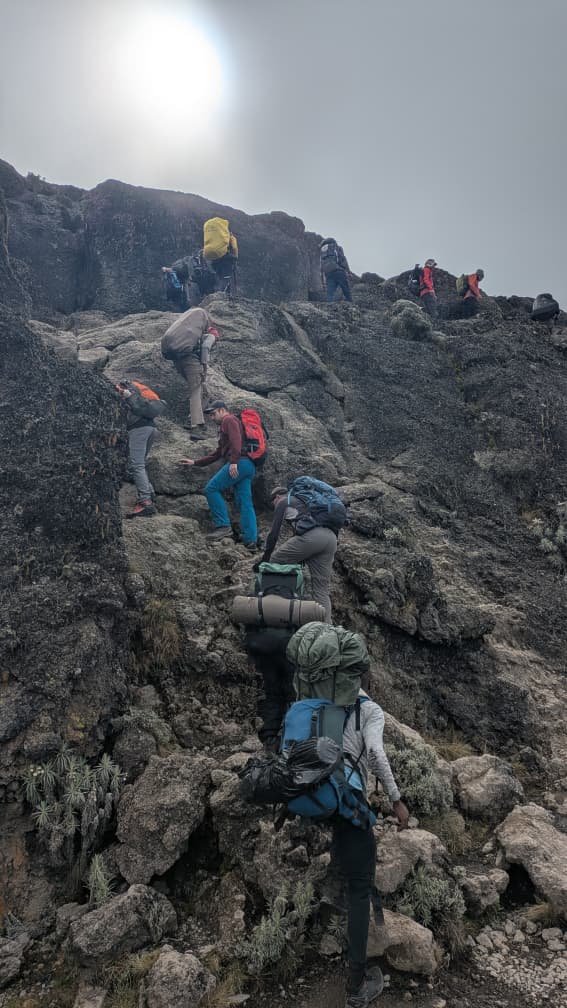
Are Rescue Fees Included In Kilimanjaro Park Fees? 2026-2027
Are rescue fees included in Kilimanjaro park fees? is explained with current 2026-2027 planning, price, itinerary and booking information.
View package detailsIs Travel Insurance Included In Kilimanjaro Packages? Expert Guide 2026-2027
Many Kilimanjaro packages do not automatically include comprehensive travel insurance. While some may offer basic medical evacuation coverage, it's crucial to understand what's typically...
View package details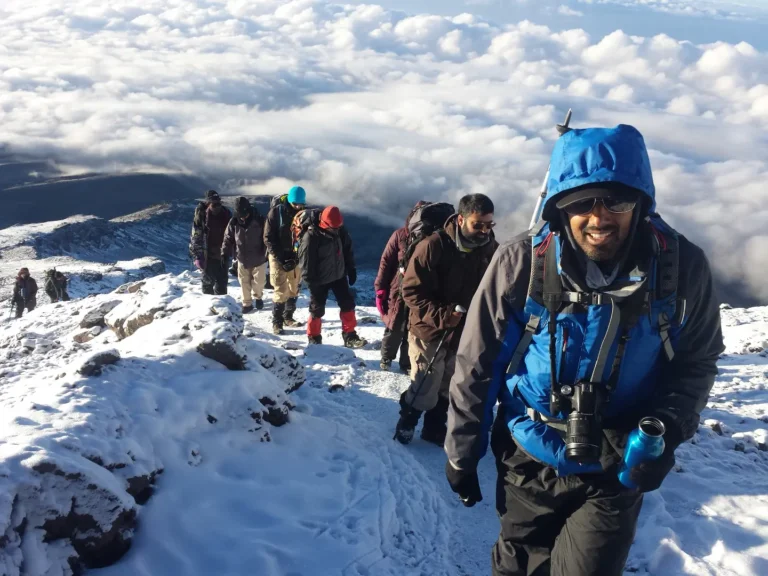
Why Do Kilimanjaro Operators Charge Different Prices? 2026-2027
Why do Kilimanjaro operators charge different prices? is explained with current 2026-2027 planning, price, itinerary and booking information.
View package details
Can I Climb Kilimanjaro On A Budget? 2026-2027
Can I climb Kilimanjaro on a budget? is explained with current 2026-2027 planning, price, itinerary and booking information.
View package details
How Much Does An 8-Day Kilimanjaro Climb Cost? A Guide 2026-2027
Planning an 8-day Kilimanjaro climb in 2026 or 2027? This comprehensive guide breaks down the expected costs, explaining what influences the price and what you get for your money. Learn...
View package details
How Much Does Kilimanjaro Cost For A Family? 2026-2027
How much does Kilimanjaro cost for a family? is explained with current 2026-2027 planning, price, itinerary and booking information.
View package detailsNo related package matches those filters. Clear one or more filters to see the other topic-matched options.



