The primary cost difference between camping and hut routes on Kilimanjaro lies in the accommodation and associated logistics. Camping routes are generally less expensive because they utilize basic tent accommodations and require more portable infrastructure, while hut routes (or cabin routes) are typically more costly due to the fixed lodge-style accommodations, which often offer more amenities and require different logistical support. For 2026-2027 climbs, expect camping routes like Lemosho (camping section), Machame, and Rongai to be more budget-friendly than the Marangu route, which exclusively uses huts, or the higher-end options on other routes that might incorporate lodge stays.

Understanding Kilimanjaro Route Costs: Hut vs. Camping
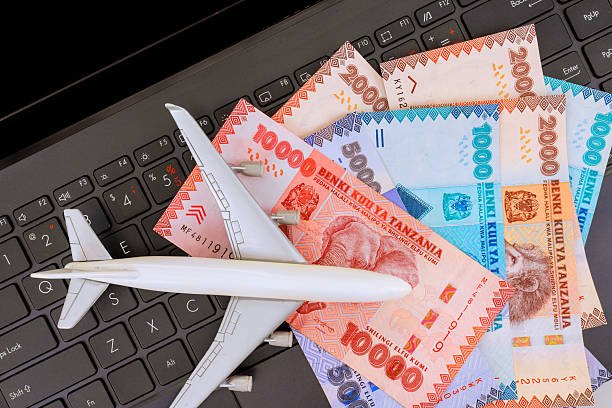
Embarking on a Kilimanjaro climb is a significant undertaking, and one of the most crucial planning aspects is understanding the financial commitment. For many, the choice between camping and hut routes on Kilimanjaro presents a key decision point that directly influences the overall cost of their expedition. While both aim for the summit, the infrastructure, services, and daily operations differ considerably, translating into distinct pricing structures for 2026-2027 expeditions.
At Climb 4 Africa, we help trekkers navigate these choices, ensuring they select an option that aligns with their budget and comfort expectations. This detailed comparison focuses on the Camping vs Hut Kilimanjaro Routes: Cost Comparison, providing a clear breakdown of what drives the expenses for each type of trek. Understanding these nuances will empower you to make an informed decision for your 2026 or 2027 adventure.
The Foundation of Cost: Route Choice and Duration
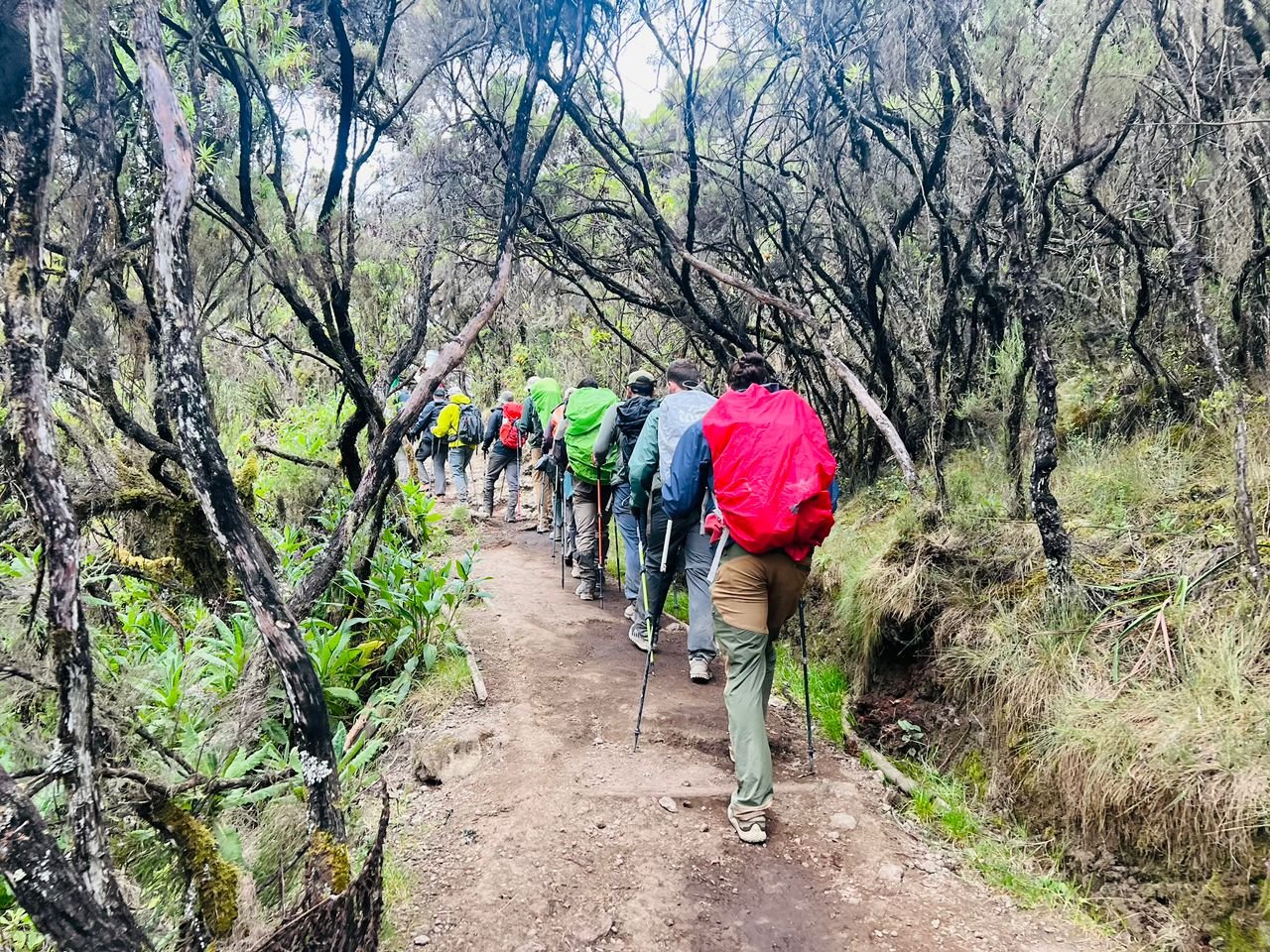
Before delving into the specifics of hut versus camping, it’s vital to acknowledge that the route itself and the number of days spent on the mountain are the most significant determinants of cost. Longer routes generally incur higher expenses due to increased guide and porter fees, food provisions, park entry fees (which are often per day), and overall logistical requirements. However, within routes of comparable length, the accommodation style remains a primary differentiator.
Camping routes typically offer more days on the mountain for a given price point, allowing for better acclimatization and higher success rates. These routes, such as the popular Machame, Lemosho, and Rongai, utilize tents pitched at designated campsites. Hut routes, most notably Marangu, rely on fixed cabins or huts. While Marangu is the only route that exclusively uses huts for the entire duration, other routes might offer a mix, or the choice of accommodation style is dictated by the route’s design.
Key Cost Drivers for Kilimanjaro Climbs (2026-2027)
- Park Fees: Daily fees charged by Kilimanjaro National Park. These are largely consistent across routes but can vary slightly based on campsite versus hut usage and duration.
- Guide and Porter Wages: Essential for safety, navigation, and carrying equipment. More days on the mountain mean higher labor costs.
- Food and Provisions: Nutritious meals prepared by camp chefs. Longer treks require more food supplies.
- Equipment: Tents, sleeping bags, cooking gear, and other camping equipment for camping routes. For hut routes, this is less about personal tents and more about communal mess tents and specific kitchen setups.
- Logistics: Transportation to and from the trailhead, water, fuel for cooking, and waste disposal.
- Accommodation: The cost of sleeping facilities – tents versus fixed huts.
Camping Routes: Cost Breakdown and Value Proposition
Camping routes on Kilimanjaro are favored by many for their perceived value and the in-depth experience they offer. The cost structure for these treks is built around providing a comfortable, albeit basic, living environment in tents at designated campsites.
What’s Included in Camping Route Costs?
When you book a camping route expedition with a reputable operator like Climb 4 Africa for your 2026-2027 climb, the price typically covers:
- Tents: High-quality, four-season tents for trekkers and separate tents for guides and porters.
- Sleeping Mats: Basic comfort in the tents.
- Mess Tent: A communal tent for dining, offering shelter from weather and a place to relax.
- Camp Kitchen: A dedicated tent for chefs to prepare meals.
- Toilet Tents: Portable chemical toilets or pit latrines dug by porters, providing privacy.
- Meals: Three hot, nutritious meals per day, plus snacks and purified drinking water.
- Guides and Porters: A professional team to lead, assist, and carry main luggage.
- Park Entry Fees: Daily fees for park access, camping fees, and rescue fees.
- Transport: Transfers to and from Kilimanjaro International Airport (JRO) and the mountain’s entrance gates.
- Crater Fee (if applicable): For routes like Lemosho or Machame that might pass near or through the crater rim area.
Typical Cost Range for Camping Routes (2026-2027 Estimates)
The cost of camping routes can vary significantly based on the operator’s quality, group size, duration, and the specific route chosen. However, for a 2026-2027 climb, you can generally expect:
- Budget Operators: $1,500 – $2,000 per person (often fewer inclusions, lower staff-to-client ratios, basic food).
- Mid-Range Operators (like Climb 4 Africa): $1,800 – $2,800 per person (good quality gear, balanced staff ratios, varied menus, strong safety protocols).
- High-End Operators: $2,500 – $4,000+ per person (premium gear, smaller groups, extensive support, gourmet food, extra amenities).
Important Note: These figures are estimates and do not include tips for the crew, personal gear rental (like sleeping bags or trekking poles), travel insurance, flights, or pre/post-climb accommodation. Always check detailed itineraries and inclusions.
Popular Camping Routes and Their Cost Implications
Machame Route (7-day typical): Often cited as the most popular camping route. Its 7-day itinerary provides good acclimatization and a high success rate. The cost for a Machame Route climb typically falls within the mid-range estimate ($1,800 – $2,800) when booked with a reputable operator.
Lemosho Route (7-8 day typical): Known for its scenic beauty and excellent acclimatization profile, Lemosho is a slightly longer and often more expensive camping route than Machame due to its longer duration and remote starting point. Expect costs in the range of $2,000 – $3,200 for a 7-8 day Lemosho climb in 2026-2027.
Rongai Route (6-7 day typical): This route approaches from the north and is a good option during the rainy seasons. It’s often one of the more affordable camping routes, with a 6-day trek potentially costing $1,600 – $2,500.
Northern Circuit (9-10 day typical): The longest route, offering the best acclimatization and highest success rates. Due to its extended duration, the cost of the Northern Circuit is among the highest for camping routes, ranging from $2,500 to $4,000+.
Value of Camping Routes
Camping routes offer a more authentic wilderness experience, allowing trekkers to be closer to nature. The lower cost often makes Kilimanjaro accessible to a wider range of travelers. The key is choosing a company that prioritizes safety and ethical treatment of porters, which is where operators like Climb 4 Africa excel, ensuring you get excellent value without compromising on critical support and ethical practices.
Hut Routes: Cost Breakdown and Amenities
The Marangu route, often referred to as the ‘Coca-Cola route’, is the sole path that exclusively utilizes fixed huts for accommodation. Other routes might offer optional upgrades to huts if available, but Marangu is designed around this system. The cost of hut routes reflects the comfort, convenience, and the specific infrastructure involved.
What’s Included in Hut Route Costs?
When booking a hut route, particularly Marangu, expect the following inclusions for your 2026-2027 climb:
- Hut Accommodation: Basic but solid rooms with beds and mattresses, typically shared between two people.
- Mess Hall: A communal dining area within the huts.
- Flush Toilets: Generally available at the huts, offering a significant step up in comfort from camping toilets.
- Running Water: Usually available at the huts, though sometimes cold.
- Meals: Three hot meals per day, prepared by cooks and served in the mess halls.
- Guides and Porters: Similar to camping routes, though porter numbers might be slightly adjusted based on luggage needs for hut-to-hut travel.
- Park Entry Fees: Daily park fees, hut fees (which replace camping fees), and rescue fees.
- Transport: Transfers to and from the mountain gates.
Typical Cost Range for Hut Routes (2026-2027 Estimates)
The Marangu route is generally priced similarly to mid-range camping routes of comparable duration, but the experience is different. For a 5-day Marangu climb, you might expect costs:
- Budget Operators: $1,400 – $1,900 per person (basic food, larger groups, minimal support).
- Mid-Range Operators (like Climb 4 Africa): $1,700 – $2,700 per person (reliable service, good food, decent huts, adequate guides).
- High-End Operators: $2,300 – $3,500+ per person (enhanced services, better meal options, more attentive guiding).
Why are Marangu huts not always cheaper than camping? While the infrastructure might seem simpler, the hut fees are substantial. Furthermore, Marangu is often the shortest route (5 days), which can lead to lower overall park fees compared to longer camping routes. However, its lower success rate due to poor acclimatization means many trekkers opt for longer camping routes anyway, which paradoxically can sometimes make longer camping routes a better value in terms of success probability for the price.
Marangu Route: The Sole Hut Experience
The Marangu Route cost is often presented as a single package. A 5-day Marangu trek is one of the shortest ways to the summit, but its direct ascent and lack of acclimatization days contribute to a lower success rate compared to longer camping routes. The 6-day option on Marangu offers a better chance of success by adding an acclimatization day. The cost comparison for Marangu vs. Machame often highlights that while Marangu might seem cheaper upfront for a 5-day climb, the lower success rate means some trekkers end up paying for a second attempt, increasing the total cost.
Considerations for Hut Routes
Hut routes offer a more comfortable and sheltered experience, especially during inclement weather. The availability of flush toilets and running water is a significant advantage for those who prioritize comfort. However, the communal nature of huts can sometimes lead to a less intimate experience with the mountain environment compared to camping. For those seeking maximum comfort and convenience on Kilimanjaro in 2026-2027, Marangu is the primary hut option.
Direct Cost Comparison: Camping vs. Hut Routes
To effectively compare the Camping vs Hut Kilimanjaro Routes: Cost Comparison, let’s look at how specific factors influence the price. The core difference boils down to accommodation and the associated logistics. For 2026-2027 climbs, expect these general trends:
Accommodation Costs
- Camping: The cost includes the provision and setup of tents, sleeping mats, and a mess tent. This requires a significant investment in durable, high-quality camping gear by the operator.
- Huts (Marangu): The cost includes fees for staying in fixed huts, which are more permanent structures. While the operator doesn’t need to carry tents, they pay substantial hut fees to the park authorities.
Logistical and Service Differences
- Staffing: Both require guides. Camping routes need chefs and porters to carry tents, kitchen equipment, and food. Hut routes need cooks and porters to carry personal luggage and food to the huts. The number of porters might differ slightly.
- Food Preparation: Camping requires portable kitchens and chefs skilled in preparing hot meals in outdoor conditions. Hut routes utilize mess halls, and cooks may have more stable cooking facilities.
- Sanitation: Camping routes involve portable toilets. Hut routes often have access to shared flush toilets.
- Water: Both typically involve purifying natural water sources or carrying water.
Park Fees: A Subtle Difference
While daily park fees are a major component of the overall cost, the distinction between camping fees and hut fees is important. Hut fees on Marangu are generally higher per person per night than standard camping fees on other routes. However, since Marangu is shorter (5-6 days), the total park fee expenditure might be comparable or even lower than a 7-8 day camping route. This is a critical factor in the Camping vs Hut Kilimanjaro Routes: Cost Comparison.
Duration and Success Rates: The Hidden Costs
This is where the cost comparison gets more nuanced. While a 5-day Marangu trek might appear cheaper, its significantly lower success rate means trekkers who fail to reach the summit may need to pay for a second attempt. This effectively doubles the cost for some. Longer camping routes (7-8 days) offer better acclimatization and thus higher success rates, potentially making them more cost-effective in the long run for achieving the summit goal. For 2026-2027 planning, consider the probability of success relative to the price.
Estimated Price Ranges for 7-Day Treks (2026-2027)
| Route Type | Typical Duration | Estimated Cost (Mid-Range Operator) | Key Features |
|---|---|---|---|
| Machame (Camping) | 7 Days | $1,800 – $2,800 | Tents, mess tent, camp toilets, high success rate. |
| Lemosho (Camping) | 7 Days | $2,000 – $3,000 | Similar to Machame, more scenic, slightly higher cost. |
| Marangu (Hut) | 5-6 Days | $1,700 – $2,700 (for 6-day) | Huts, mess hall, flush toilets, lower success rate on 5-day. |
Note: Prices are indicative for 2026-2027 and exclude tips, personal gear, and flights.
Factors Affecting Price Beyond Route Type
While the choice between camping and hut accommodation is a major cost driver, several other factors significantly influence the final price of your Kilimanjaro climb for 2026-2027. Understanding these will help you compare quotes accurately.
Operator Tier and Service Level
This is perhaps the most significant variable after route choice. Operators fall into different tiers:
- Budget Operators: Often have lower prices by cutting corners on equipment quality, food variety, staff-to-client ratios, and sometimes even porter welfare. While seemingly cheaper, they can pose safety risks and offer a less comfortable experience.
- Mid-Range Operators: Provide a balance of quality and value. They invest in good equipment, nutritious food, well-trained guides, and fair treatment of their staff. Companies like Climb 4 Africa fall into this category, focusing on safety, sustainability, and client satisfaction.
- High-End/Luxury Operators: Offer premium services, including smaller group sizes, gourmet meals, private toilet tents (for camping routes), high-quality gear, and extensive support. These come at a premium price.
Group Size
Climbing in a larger group generally reduces the per-person cost. This is because fixed costs like guide salaries, vehicle hire, and park fees are distributed among more individuals. Private climbs are significantly more expensive but offer flexibility and personalized attention.
Route Duration
As mentioned, longer routes mean more days on the mountain, translating to higher daily fees, more food, and longer employment for guides and porters. A 7-day Machame climb will cost more than a 5-day Marangu climb, even though Machame is a camping route and Marangu is a hut route.
Inclusions and Exclusions
Always scrutinize what is included in the quoted price. Common exclusions that add to the final cost include:
- Tips for Crew: This is a significant expense, often ranging from $250 to $400+ per trekker, depending on the crew size and company guidelines.
- Personal Gear Rental: Sleeping bags, trekking poles, duffel bags, and insulated jackets can often be rented.
- Travel Insurance: Mandatory for all climbers and can vary in price.
- Flights: International and domestic flights to Kilimanjaro International Airport (JRO).
- Pre/Post-Climb Accommodation: Hotels in Moshi or Arusha before and after the trek.
- Visas and Vaccinations.
Time of Year (Seasonality)
While Kilimanjaro does not have extreme seasonal price fluctuations like beach resorts, climbing during peak seasons (January-March, June-October) might sometimes command slightly higher prices from some operators, or have less availability for 2026-2027 dates. Shoulder seasons might offer slightly better value.
Key Questions to Ask Operators Regarding Costs (2026-2027)
- What is the exact price for the Camping vs Hut Kilimanjaro Routes: Cost Comparison for my chosen route and dates?
- What is the full list of inclusions and exclusions?
- What is the recommended tipping guideline for the crew?
- What is your company’s policy on porter welfare and fair wages?
- What is the typical group size for this route?
- What is your refund and cancellation policy for 2026-2027 bookings?
- Do you offer any group discounts?
Choosing the Right Route for Your Budget and Goals
The decision between a camping or hut route on Kilimanjaro for your 2026-2027 climb should be based on a holistic view of cost, comfort, acclimatization, and desired experience. Here’s a guide to help you decide:
Who Should Choose Camping Routes?
- Budget-conscious trekkers: Generally offer more trekking days for your money.
- Those seeking an in-depth wilderness experience: Sleeping under the stars and being closer to nature.
- Climbers prioritizing acclimatization and success rates: Longer camping routes offer better profiles.
- Adventurous individuals: Comfortable with basic camping facilities.
Recommendation: For a balance of cost, acclimatization, and scenery, the Machame Route or Lemosho Route (7-8 days) are excellent choices for camping treks in 2026-2027.
Who Should Choose Hut Routes?
- Trekkers prioritizing comfort: Access to beds, flush toilets, and running water.
- Those who dislike camping: Preferring solid roof accommodation.
- Climbers seeking the shortest path: Marangu is the only route with exclusively huts.
- Individuals concerned about extreme weather: Huts offer better shelter.
Recommendation: The Marangu Route (6 days for better success) is the primary hut option. Be aware of its lower success rate compared to longer camping routes.
Considering Climb 4 Africa for Your 2026-2027 Kilimanjaro Climb
At Climb 4 Africa, we specialize in providing safe, ethical, and memorable Kilimanjaro climbing experiences. We offer both camping and hut-based treks, ensuring you receive excellent value regardless of your choice. Our mid-range pricing reflects our commitment to:
- High-quality equipment: Durable tents, comfortable sleeping mats, and well-maintained gear.
- Nutritious and varied meals: Prepared by experienced chefs.
- Fair treatment of porters and guides: We adhere to strict ethical guidelines, ensuring fair wages and good working conditions.
- Experienced and certified guides: Prioritizing your safety and success.
- Comprehensive support: From booking to summit and beyond.
We understand the intricacies of the Camping vs Hut Kilimanjaro Routes: Cost Comparison and are transparent about all costs involved. We encourage you to reach out for a personalized quote for your 2026 or 2027 expedition.
Making the Final Decision: Budget vs. Experience
The Camping vs Hut Kilimanjaro Routes: Cost Comparison ultimately hinges on what you value most in your trek. If your primary concern is minimizing cost while maximizing your chances of summit success through better acclimatization, camping routes like Machame or Lemosho are generally the superior choice for 2026-2027. They offer more days on the mountain for a comparable price to shorter hut routes, and the experience of camping in the Kilimanjaro wilderness is profoundly rewarding.
If, however, comfort is paramount – the idea of sleeping in a bed, having access to flush toilets, and enjoying communal dining in a mess hall outweighs the wilderness immersion – then the Marangu route is your option. Just be mindful of its reputation for lower success rates, especially on the 5-day itinerary. The 6-day Marangu trek is a better compromise if you choose the hut experience.
Cost Summary for 2026-2027:
- Camping routes (e.g., Machame, Lemosho): Generally offer better value for acclimatization and success probability per dollar spent. Expect $1,800 – $3,200 for mid-range operators on 7-8 day treks.
- Hut routes (Marangu): Offer more comfort but can be less cost-effective if a second attempt is needed due to lower success rates. Expect $1,700 – $2,700 for a 6-day trek with mid-range operators.
Remember that the cheapest option is rarely the best. Prioritize safety, ethical operations, and a reputable operator who prioritizes your well-being and success. Climb 4 Africa is committed to providing an exceptional Kilimanjaro experience that respects both your budget and your safety for your 2026-2027 climb.
To discuss your specific needs and get a detailed quote tailored to your chosen route and dates for 2026 or 2027, please contact us:
WhatsApp: +255 747 477 898
Email: climb4africa@gmail.com
We look forward to helping you conquer Kilimanjaro!
Check Availability for Camping Vs Hut Kilimanjaro Routes: Cost Comparison Guide
Ready to compare dates, prices, and the best option for your group? Send the package name and travel month so the team can reply with a clear quote, availability, and what is included.

Kilimanjaro Vs Mount Kenya: Trekking Cost & Experience Comparison 2026-2027
Kilimanjaro vs Mount Kenya: Trekking Cost & Experience Comparison is explained with current 2026-2027 planning, price, itinerary and booking information.
View package details
Kilimanjaro Vs Mount Meru: Climbing Cost & Difficulty Comparison 2026-2027
Kilimanjaro vs Mount Meru: Climbing Cost & Difficulty Comparison is explained with current 2026-2027 planning, price, itinerary and booking information.
View package details
Rongai Vs Machame: Cost & Route Comparison For Kilimanjaro Climbs 2026-2027
Choosing between the Rongai and Machame routes for your Kilimanjaro climb in 2026 or 2027? This comprehensive comparison details route differences, scenery, acclimatization, success rates...
View package details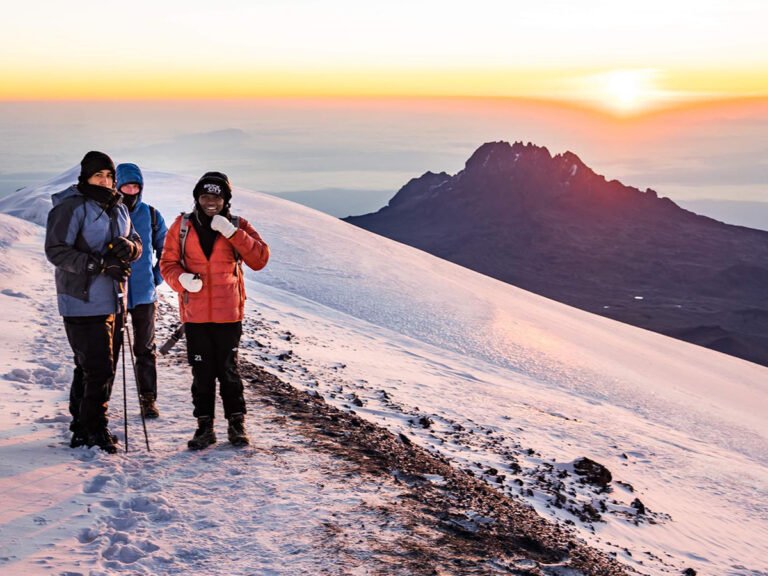
Why Longer Kilimanjaro Routes Cost More 2026-2027
Why Longer Kilimanjaro Routes Cost More is explained with current 2026-2027 planning, price, itinerary and booking information.
View package details
Kilimanjaro Day Hike Vs. Full Climb: Cost, Experience, And Decision Guide
Choosing between a Kilimanjaro day hike and a full summit climb involves vastly different experiences, costs, and preparation. This guide breaks down the key differences to help you decide...
View package details
Kilimanjaro Day Hike Cost /: Prices & Best Routes 2026-2027
Kilimanjaro Day Hike Cost 2026/2027: Prices & Best Routes is explained with current 2026-2027 planning, price, itinerary and booking information.
View package details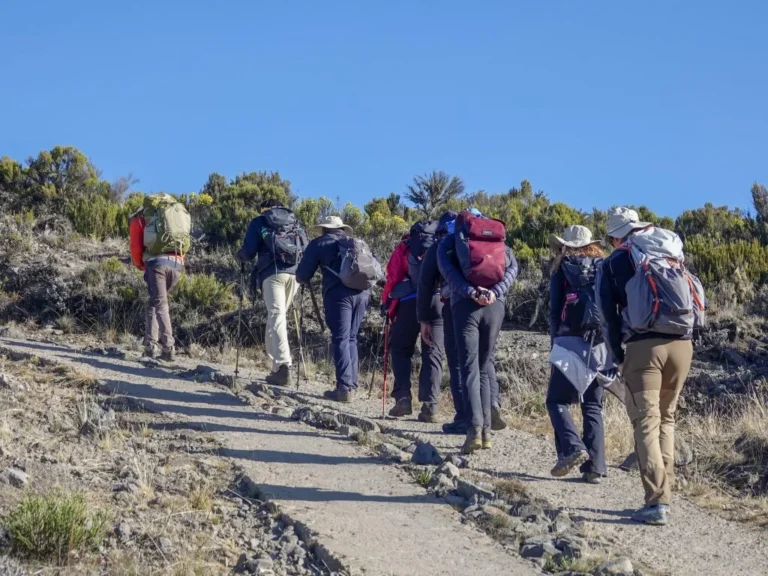
Kilimanjaro Route Cost Comparison: Lemosho, Machame, Marangu, Rongai &
Kilimanjaro Route Cost Comparison: Lemosho, Machame, Marangu, Rongai & Northern Circuit is explained with current 2026-2027 planning, price, itinerary and.
View package details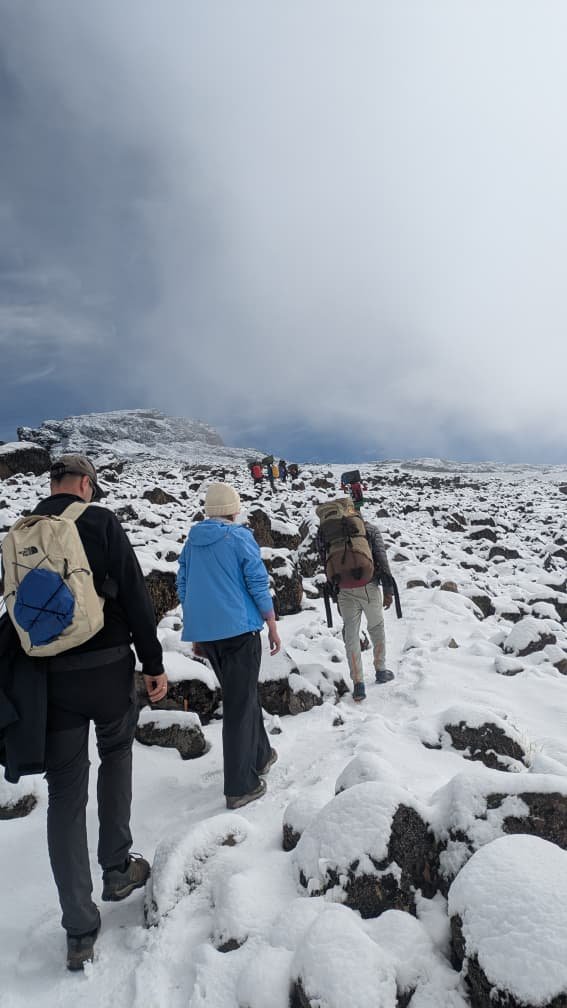
Northern Circuit Vs Lemosho: Cost, Days & Value Comparison For Kilimanjaro
Choosing between the Northern Circuit and Lemosho routes for your Kilimanjaro climb? This comprehensive comparison details cost, days, acclimatization, scenery, and value to help you decide...
View package details
How Much Does An 8-Day Kilimanjaro Climb Cost? A Guide 2026-2027
Planning an 8-day Kilimanjaro climb in 2026 or 2027? This comprehensive guide breaks down the expected costs, explaining what influences the price and what you get for your money. Learn...
View package details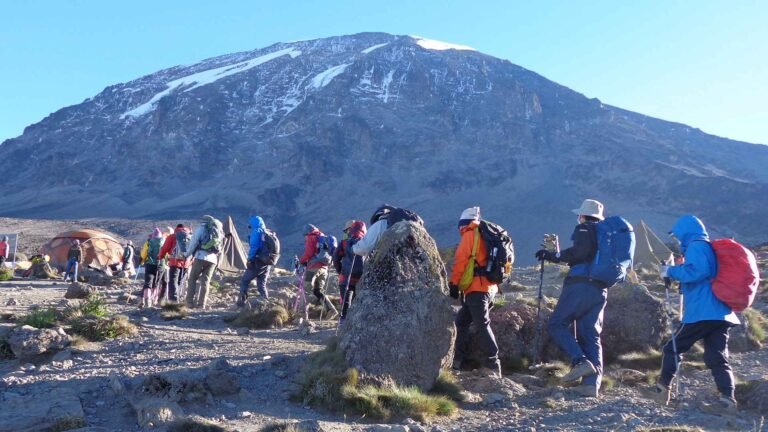
How Much Does A Private Kilimanjaro Climb Cost In ? 2026-2027
Planning a private ascent of Mount Kilimanjaro? Understand the factors that influence the cost of a private climb, typical price ranges for 2026-2027, and what's usually included to help...
View package detailsHow Much Does It Cost To Rent Kilimanjaro Gear In ? 2026-2027
Renting Kilimanjaro gear for your 2026-2027 expedition typically costs between $150 to $350 USD per person for a full set of essentials. This guide breaks down individual item costs, rental...
View package detailsKilimanjaro Airport Transfer Cost: Jro To Moshi & Arusha 2026-2027
Planning your trip to climb Kilimanjaro or explore Tanzania? This guide details the costs for transfers from Kilimanjaro International Airport (JRO) to Moshi and Arusha for 2026-2027...
View package detailsNo related package matches those filters. Clear one or more filters to see the other topic-matched options.



