The cost of emergency oxygen and essential safety equipment for a Kilimanjaro climb in 2026-2027 is typically included in your tour package by reputable operators like Climb 4 Africa, rather than being a separate, itemized charge. This means you should expect provisions such as supplementary oxygen systems, medical kits, and communication devices to be part of the overall trek price. While not usually billed individually, understanding their importance and the operator’s commitment to them is crucial for your safety and peace of mind on the mountain.

Understanding Emergency Oxygen and Safety on Kilimanjaro
Climbing Mount Kilimanjaro is an extraordinary adventure, but it also presents significant physiological challenges, primarily due to the extreme altitude. As you ascend, the atmospheric pressure decreases, meaning less oxygen is available with each breath. This can lead to Acute Mountain Sickness (AMS), which can range from mild discomfort to life-threatening conditions like High Altitude Cerebral Edema (HACE) and High Altitude Pulmonary Edema (HAPE). Recognizing these risks is the first step in preparing for a safe and successful climb. For trekkers planning their expeditions in 2026 and 2027, understanding the role and cost implications of emergency oxygen and safety measures is paramount.
Reputable Kilimanjaro tour operators, such as Climb 4 Africa, prioritize climber safety above all else. This commitment is reflected in the equipment and protocols they have in place for high-altitude environments. While the exact pricing for these safety features isn’t usually broken down as a separate line item on your invoice, they are an integral part of the comprehensive service offered. The overall cost of your climb with a responsible operator inherently covers the investment in these critical safety provisions.
The Critical Role of Supplementary Oxygen
Supplementary oxygen is not a standard piece of equipment for every trekker on Kilimanjaro, but it is a vital emergency resource. Unlike on Everest, where oxygen is routinely used by most climbers, on Kilimanjaro, it’s typically reserved for emergency situations or for climbers experiencing severe altitude sickness symptoms. The decision to use supplementary oxygen is made by the expedition doctor or lead guide based on a climber’s condition.
Why is it needed?
- Alleviating Altitude Sickness: When a climber shows signs of AMS, HACE, or HAPE, administering oxygen can quickly improve their condition, providing vital relief and preventing the situation from worsening.
- Stabilization and Evacuation: In severe cases, oxygen can stabilize a climber, allowing for a safer and more controlled descent.
- Support for Weaker Climbers: While not standard practice for everyone, some operators might use oxygen strategically to support climbers who are struggling significantly, helping them reach a higher point for a safer descent or to avoid immediate evacuation.
The systems typically involve portable oxygen cylinders, regulators, and masks. These are professional-grade, medical-grade units designed for reliability in harsh conditions. The weight and logistics of carrying these cylinders are significant, contributing to the operational costs of any Kilimanjaro expedition.
Comprehensive Safety Gear and Protocols
Beyond oxygen, a robust safety infrastructure is essential for any Kilimanjaro climb. This includes:
- Medical Kits: Well-stocked medical kits containing essential medications (painkillers, anti-nausea drugs, antibiotics, altitude sickness medication like Diamox), first-aid supplies, and equipment for treating injuries and illnesses.
- Communication Devices: Reliable communication is key. Operators use satellite phones or other robust two-way radios to maintain contact with base camps and emergency services, especially in areas with no mobile signal.
- Pulse Oximeters and Blood Pressure Monitors: These diagnostic tools are used by guides to regularly monitor climbers’ vital signs and oxygen saturation levels, helping to detect early signs of altitude sickness.
- Experienced Guides and Support Staff: The most crucial safety element is having highly trained guides, many of whom have wilderness first-responder certifications or advanced medical training. They are skilled in identifying and managing altitude-related illnesses and making critical decisions regarding a climber’s safety.
- Emergency Evacuation Plans: Reputable companies have established emergency evacuation procedures, often coordinating with local rescue services.
The Cost Component: What You’re Actually Paying For
When you book a Kilimanjaro climb with a reputable operator, the price you pay covers a multitude of services, and safety provisions are a significant, albeit often unseen, part of that cost. Here’s a breakdown of where your money goes concerning safety:
1. Equipment Procurement and Maintenance
Supplementary Oxygen Systems: Purchasing and maintaining medical-grade oxygen cylinders, regulators, and masks is expensive. These are not cheap, disposable items. They require regular servicing and replacement.
Medical Supplies: Keeping comprehensive and up-to-date medical kits stocked with a wide range of medications and first-aid supplies incurs ongoing costs. This includes prescription medications that require proper storage and handling.
Communication Gear: Satellite phones, reliable two-way radios, and their associated airtime or data plans are costly investments. Maintaining these devices ensures they are functional in extreme conditions.
Personal Protective Equipment for Staff: While not directly for climbers, ensuring guides and porters have appropriate gear for rescues (e.g., ropes, harnesses, first-aid packs) is part of the overall safety investment.
2. Training and Certification of Staff
Guide Training: Leading Kilimanjaro guides undergo continuous training in high-altitude medicine, first aid, rescue techniques, and leadership. Certifications like Wilderness First Responder (WFR) or Wilderness EMT (WEMT) are highly valued and often subsidized or required by good operators. This training represents a significant investment in expertise.
Porter Training: While guides take the lead on medical emergencies, all staff are trained in basic safety protocols and how to assist in evacuations. This ensures a cohesive and responsive team.
3. Operational Logistics for Safety
Carrying Extra Weight: Oxygen cylinders, extensive medical kits, and communication equipment add to the porters’ load. While this is an operational cost, it’s directly tied to ensuring safety resources are available.
Emergency Fund/Contingency: A portion of the tour cost often acts as a contingency for unforeseen emergencies. This might cover immediate costs associated with a rescue or medical evacuation before insurance details are processed.
Park Fees and Rescue Services: While park fees are standard, some operators may pre-pay for specific rescue services or have arrangements that expedite the process, adding to their operational costs.
4. Insurance and Liability
Reputable operators carry their own insurance, which covers their operations and staff. While climbers are expected to have their own comprehensive travel insurance that includes high-altitude trekking and emergency evacuation, the operator’s insurance provides a layer of protection for their business and ensures they can respond effectively to emergencies.
Kilimanjaro Emergency Oxygen & Safety Costs: Direct vs. Indirect Pricing
It’s crucial to understand how these costs are presented to you as a climber. For Kilimanjaro climbs, especially in 2026-2027, you will rarely find a specific price tag for ’emergency oxygen’ or ‘safety equipment’ on your booking quote.
Why the Indirect Approach?
- Package Deal: Kilimanjaro climbs are typically sold as all-inclusive packages. The operator bundles all necessary services – guides, porters, cooks, food, camping equipment, park fees, rescue fees, and safety provisions – into a single price.
- Variable Need: The need for supplementary oxygen is not guaranteed for every climber. Charging per cylinder or per use would be logistically complex and potentially discourage climbers from using vital resources when needed due to cost concerns.
- Ethical Considerations: Safety should not be a pay-as-you-go service on a challenging mountain. Operators want to ensure that the decision to use emergency oxygen or other safety measures is based solely on medical need, not financial capability.
- Operational Planning: Operators must carry sufficient oxygen and supplies for potential emergencies for all climbers on a group, regardless of whether it’s ultimately used. This requires upfront investment and planning.
What to Expect from Reputable Operators (e.g., Climb 4 Africa):
- Inclusion in Package Price: The cost of carrying adequate emergency oxygen supplies and comprehensive medical kits is factored into the overall price of the climb.
- No Hidden Charges for Basic Safety: You should not be charged extra for the standard safety equipment carried by the guides.
- Potential Additional Costs for Personal Use: If a climber requires significant, prolonged use of supplementary oxygen beyond what is considered a standard emergency provision, or if a private guide needs to be hired specifically for them, there might be additional charges. However, this is rare and usually discussed upfront.
- Focus on Prevention: The primary strategy is prevention through proper acclimatization, well-paced trekking, and monitoring by experienced guides. Safety equipment is the backup.
Estimating the Value of Safety Provisions
While you won’t see a direct charge, it’s helpful to understand the value. A single medical-grade oxygen cylinder, regulator, and mask can cost anywhere from $500 to $1,000+. A well-equipped medical kit can cost several hundred dollars. Professional guide training adds thousands of dollars per guide over their career. When you consider that an operator needs to carry multiple cylinders and extensive supplies for a group, the investment in emergency oxygen and safety gear easily runs into thousands of dollars per expedition.
This is why choosing an operator that includes these provisions is essential. A significantly cheaper quote might indicate compromised safety standards, such as fewer oxygen cylinders, less comprehensive medical kits, or less experienced guides.
Factors Influencing Safety Costs and Operator Choices for 2026-2027
When planning your Kilimanjaro climb for 2026 or 2027, several factors influence the overall cost structure of safety provisions and, consequently, the price of your trek. Understanding these can help you make an informed decision about which operator to choose.
1. Operator’s Safety Philosophy and Standards
High Standards: Operators like Climb 4 Africa adhere to stringent safety protocols. This involves carrying more oxygen, employing highly trained guides (often with medical backgrounds), using advanced communication gear, and having robust emergency procedures. These higher standards naturally lead to higher operational costs, which are reflected in their pricing.
Basic Standards: Some budget operators might carry the minimum required by park regulations, which may not be sufficient for optimal safety in all scenarios. Their pricing will be lower because their investment in safety is less.
2. Route Choice and Duration
Longer routes (like the Lemosho or Northern Circuit) generally have higher costs due to more days on the mountain, requiring more food, porters, and guide time. However, these longer routes also offer better acclimatization profiles, reducing the likelihood of needing emergency oxygen.
Shorter routes (like Marangu or Machame over 6 days) are faster and thus offer less time for acclimatization, potentially increasing the risk of altitude sickness and the need for emergency oxygen. Operators running these routes must still be prepared with adequate emergency supplies.
3. Group Size vs. Private Climb
Group Climbs: Costs are shared among multiple climbers. The operator ensures sufficient safety equipment for the entire group, and the per-person cost is lower.
Private Climbs: You pay for the entire crew and all associated costs. While the per-person cost might be higher, you have more control over the itinerary and can potentially request specific safety considerations, though standard safety provisions remain the same. For a private climb in 2026-2027, ensure your operator confirms the number of oxygen cylinders and medical kits provided.
4. Equipment Quality and Type
The quality of oxygen systems, medical kits, and communication devices matters. Professional, medical-grade equipment is more reliable but also more expensive than basic alternatives. A top-tier operator will invest in the best equipment.
5. Staff-to-Climber Ratio
A lower staff-to-climber ratio (e.g., one guide for every 4-6 climbers, plus assistant guides) means more eyes on you, better monitoring, and quicker response to any issues. This requires more guides and support staff, increasing overall operational costs.
6. Porter Welfare and Fair Wages
Ethical operators pay their porters and guides fair wages and provide them with proper gear and food. This is a significant cost factor but is crucial for team morale and safety. A well-treated team is a more attentive and effective team.
What to Look For in an Operator’s Safety Commitment (for 2026-2027 Trekkers)
When comparing operators for your 2026 or 2027 Kilimanjaro climb, look beyond just the price. Ask specific questions about their safety protocols and what is included regarding emergency provisions. Climb 4 Africa is committed to transparency and safety.
Key Questions to Ask Potential Operators:
- How many emergency oxygen cylinders do you carry per group? Reputable operators typically carry at least 2-4 cylinders for a standard group, plus regulators and masks.
- What qualifications do your lead guides have? Look for certifications like Wilderness First Responder (WFR), Wilderness First Aid (WFA), or equivalent medical training.
- What medical equipment and medications are included in your kits? Ask for a general list to understand the scope.
- How do you monitor climbers for altitude sickness? This should involve regular checks of oxygen saturation (SpO2) and symptoms.
- What is your emergency evacuation procedure? Understand their communication plan and coordination with rescue services.
- Do you have a dedicated expedition doctor or medical advisor? Some top operators have medical professionals overseeing their safety protocols.
- What is your policy on using supplementary oxygen? Clarify that it is used based on medical necessity, not just for convenience.
Climb 4 Africa’s Commitment to Safety
At Climb 4 Africa, safety is the cornerstone of our operations. We ensure that every Kilimanjaro climb is equipped with:
- Multiple Emergency Oxygen Cylinders: We carry a sufficient supply of medical-grade oxygen cylinders, regulators, and masks for each expedition, ready for immediate use if needed.
- Comprehensive Medical Kits: Our guides are equipped with extensive medical kits tailored for high-altitude environments.
- Highly Trained Guides: Our guides are experienced, certified in wilderness first aid, and possess deep knowledge of altitude sickness symptoms and management.
- Reliable Communication: We utilize satellite phones and other communication devices to maintain contact throughout the climb.
- Strict Safety Protocols: We follow rigorous procedures for acclimatization, monitoring, and emergency response.
These provisions are integral to our pricing structure, ensuring you receive a safe and well-supported expedition without hidden costs for essential safety measures. When planning your 2026-2027 climb, you can trust Climb 4 Africa to prioritize your well-being.
Comparing Costs: Budget vs. Premium Operators for Kilimanjaro
The price difference between budget and premium Kilimanjaro operators can be substantial. Understanding where these differences lie, particularly concerning safety, is crucial for making an informed decision for your 2026-2027 trek.
Budget Operators: Potential Compromises
Lower Prices Often Mean:
- Fewer oxygen cylinders carried.
- Less comprehensive medical kits or medications.
- Guides with basic first-aid training rather than advanced wilderness certifications.
- Less reliable communication equipment.
- Lower staff-to-climber ratios.
- Less investment in porter welfare and fair wages (which can impact team efficiency and morale).
While a budget climb might seem attractive, the potential risks associated with compromised safety provisions are significant. The cost savings might be minimal compared to the potential cost of a medical emergency or a failed summit bid due to inadequate support.
Premium Operators: Value for Money
Higher Prices Reflect:
- Generous supply of emergency oxygen: Carrying more cylinders than the minimum requirement.
- Extensive medical supplies: Including a wider range of prescription and emergency medications.
- Highly qualified guides: Often with WFR, WEMT, or even medical degrees, ensuring expert care.
- Top-tier communication and safety gear: Reliable satellite phones, pulse oximeters, etc.
- Lower staff-to-climber ratios: Ensuring constant monitoring and prompt assistance.
- Commitment to ethical treatment: Fair wages and proper gear for all support staff, contributing to a stronger, more reliable team.
- Robust emergency evacuation networks: Established relationships and procedures for swift evacuations.
Choosing a premium operator like Climb 4 Africa for your 2026-2027 climb means investing in peace of mind. You are paying for a higher level of safety, better trained staff, and superior equipment, all of which contribute significantly to your chances of a successful and, most importantly, safe ascent.
Example Cost Comparison (Illustrative for 2026-2027):
| Feature | Budget Operator (Estimated) | Premium Operator (e.g., Climb 4 Africa) |
|---|---|---|
| Emergency Oxygen Cylinders | 1-2 (minimum) | 2-4+ (generous supply) |
| Guide Certification | Basic First Aid | Wilderness First Responder (WFR) or higher |
| Medical Kit Scope | Standard First Aid | Comprehensive, including prescription meds |
| Communication | Radio/Limited Mobile | Satellite Phone + Radio |
| Staff-to-Climber Ratio | 1:8+ | 1:4 to 1:6 (guide focus) |
| Porter Welfare | Basic/Minimum | Ethical wages, gear, food |
| Overall Price Range (7-day trek) | $1,500 – $2,000 USD | $2,200 – $3,500+ USD |
Note: These are illustrative prices for 2026-2027 and can vary based on route, duration, and specific inclusions. Always get a detailed quote.
The Role of Travel Insurance for Kilimanjaro Climbs
While your tour operator covers the on-mountain safety provisions, comprehensive travel insurance is non-negotiable for any Kilimanjaro climb. It is your financial safety net for emergencies that go beyond the scope of the operator’s immediate responsibilities.
What Your Insurance Should Cover:
- Emergency Medical Evacuation: This is the most critical component. It covers the cost of airlifting you from the mountain to a hospital in case of a serious medical emergency. This can cost tens of thousands of dollars if not insured. Ensure it covers altitudes up to 6,000 meters (19,341 feet).
- Emergency Medical Expenses: Covers hospital stays, doctor’s fees, and medication resulting from illness or injury during your trip.
- Trip Cancellation/Interruption: If you have to cancel your trip before departure or cut it short due to unforeseen circumstances (e.g., illness, injury, family emergency), this can reimburse non-refundable costs.
- Repatriation: Covers the cost of returning your body home if you unfortunately pass away during the trip.
Why It’s Crucial for Safety Costs:
Even with the best safety measures, accidents or severe altitude sickness can occur. Your insurance policy is what ensures you receive the best possible medical care and evacuation without facing crippling personal debt. Operators like Climb 4 Africa will require proof of adequate insurance before you start your trek.
For 2026-2027 climbs, start researching and purchasing your travel insurance well in advance. Ensure the policy explicitly states coverage for high-altitude trekking and emergency helicopter evacuation up to Kilimanjaro’s summit elevation.
Maximizing Your Safety on Kilimanjaro: Beyond Equipment Costs
While understanding the costs associated with emergency oxygen and safety gear is important, your personal actions and preparation play an equally vital role in ensuring a safe climb. These proactive steps don’t add direct costs but are invaluable investments in your well-being.
1. Physical Preparation
While Kilimanjaro is not technically demanding, good cardiovascular fitness significantly aids your body’s ability to cope with altitude. Engage in regular aerobic exercise (hiking, running, cycling) in the months leading up to your climb.
2. Altitude Acclimatization
This is the single most important factor. Choose a reputable operator that uses longer routes (7+ days) designed for gradual acclimatization. Listen to your guides; they will advise on pacing and rest.
3. Hydration and Nutrition
Drink plenty of water (3-4 liters per day) and eat well. Your body needs fuel and hydration to function optimally at altitude. Operators like Climb 4 Africa provide nutritious meals designed for trekking.
4. Honesty with Guides About Symptoms
Do not downplay symptoms of altitude sickness. Be honest with your guides about headaches, nausea, dizziness, or fatigue. Early detection and intervention are key to preventing serious conditions.
5. Proper Gear
While not directly related to emergency oxygen costs, having appropriate clothing and gear (layers, waterproofs, good boots, warm sleeping bag) prevents hypothermia and frostbite, which can complicate altitude-related issues and require extensive medical intervention.
6. Mental Preparedness
Understand the risks, stay positive, and be prepared for challenging conditions. A strong mental attitude can help you push through difficulties and make rational decisions.
Future Trends in Kilimanjaro Safety (2026-2027 and Beyond)
The world of mountain safety is constantly evolving. For trekkers planning their Kilimanjaro expeditions in 2026-2027, here are some potential trends and considerations:
- Advanced Monitoring Devices: While pulse oximeters are standard, we may see more widespread use of wearable devices that continuously monitor vital signs and transmit data to guides, allowing for even earlier detection of issues.
- Improved Oxygen Delivery Systems: Research into more efficient and lighter oxygen delivery systems could potentially make them more accessible, though the cost and logistics will likely keep them primarily as emergency tools for Kilimanjaro.
- Enhanced Guide Training Standards: Expect a continued push for higher medical certifications and specialized high-altitude training for guides, driven by both operators and regulatory bodies.
- Focus on Environmental Sustainability: Safety protocols are increasingly being integrated with environmental best practices, ensuring that rescue operations and equipment use are managed sustainably.
- Data Analytics for Safety: Operators might leverage data from past climbs to refine acclimatization schedules, identify high-risk periods, and improve emergency response strategies.
These advancements, while potentially increasing operational costs for operators, will ultimately benefit climbers by enhancing the overall safety framework on Kilimanjaro. Reputable companies will continue to invest in these areas to maintain their safety standards.
Making Your Booking Decision for 2026-2027
When you are ready to book your Kilimanjaro adventure for 2026 or 2027, remember that the cost of emergency oxygen and safety is not an optional extra but a fundamental component of a responsible tour package. Prioritize operators who demonstrate a clear commitment to safety through their:
- Transparent Safety Policies: Clearly outlined procedures and equipment provisions.
- Qualified and Experienced Staff: Especially regarding guide training and certifications.
- Adequate Equipment: Sufficient oxygen, comprehensive medical kits, and reliable communication.
- Positive Reviews: Look for feedback specifically mentioning safety and guide competence.
Choosing Climb 4 Africa means selecting an operator that invests heavily in your safety, ensuring that the critical elements like emergency oxygen and robust safety protocols are in place and included in your climb package. We believe that the price of a climb should reflect the comprehensive care and safety measures provided, allowing you to focus on the incredible experience of reaching Uhuru Peak.
For personalized advice on planning your 2026-2027 Kilimanjaro climb, including detailed information on our safety standards and what’s included in our packages, please do not hesitate to contact us. We are here to help you prepare for a safe and unforgettable journey.
WhatsApp: +255 747 477 898
Email: climb4africa@gmail.com
Website: Climb4Africa.com
Check Availability for Kilimanjaro Emergency Oxygen & Safety Costs Explained For Climbs 2026-2027
Ready to compare dates, prices, and the best option for your group? Send the package name and travel month so the team can reply with a clear quote, availability, and what is included.
Is Emergency Oxygen Included In Kilimanjaro Climbing Price? Climb 4 Africa
Climb 4 Africa clarifies whether emergency oxygen is part of the standard Kilimanjaro climbing package price, detailing what's typically included and why it's crucial for safety on the...
View package details
Kilimanjaro Cancellation, Refund & Rescheduling Costs Explained 2026-2027
Kilimanjaro Cancellation, Refund & Rescheduling Costs Explained is explained with current 2026-2027 planning, price, itinerary and booking information.
View package details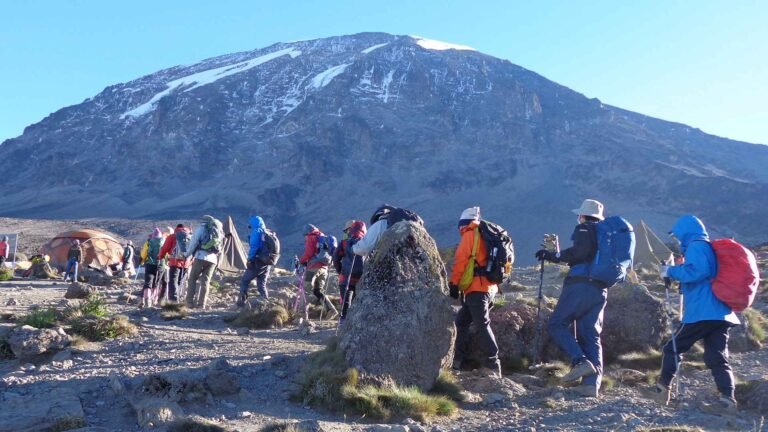
Kilimanjaro Guide & Porter Costs Explained For Climbs 2026-2027
Demystifying the costs associated with hiring guides and porters for your Kilimanjaro climb. This comprehensive guide breaks down expenses for 2026-2027, covering salaries, equipment, park...
View package details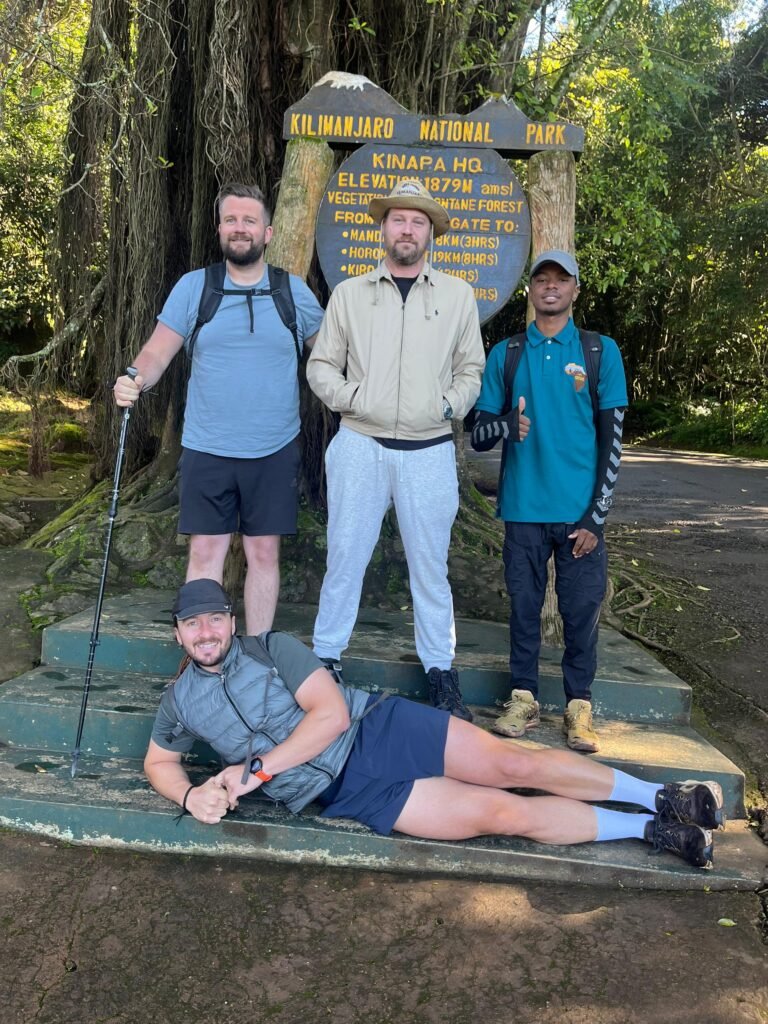
Are Porters Included In Kilimanjaro Package Costs? A Climb 4 Africa Guide
Understand the critical role of porters on Kilimanjaro and whether they are typically included in tour package costs. This guide from Climb 4 Africa provides essential details for planning...
View package details
Hotel Costs Before And After Climbing Kilimanjaro: Planning Your Stay
Planning a Kilimanjaro climb involves more than just the trek itself. Understanding the associated hotel costs before and after your ascent is crucial for budgeting and a smooth travel...
View package details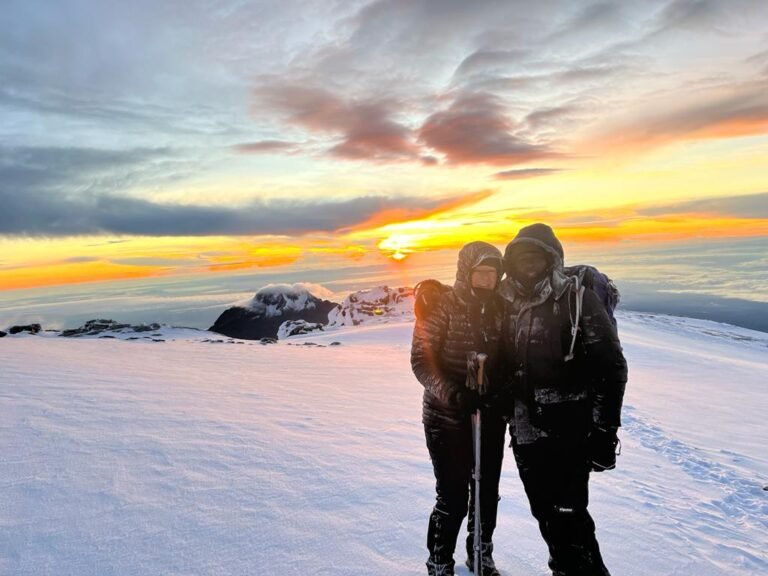
How To Save Money On A Kilimanjaro Climb Without Sacrificing Safety 2026-2027
How to Save Money on a Kilimanjaro Climb Without Sacrificing Safety is explained with current 2026-2027 planning, price, itinerary and booking information.
View package details
Why Is Kilimanjaro So Expensive? Every Major Cost Explained 2026-2027
Why Is Kilimanjaro So Expensive? Every Major Cost Explained is explained with current 2026-2027 planning, price, itinerary and booking information.
View package details
Kilimanjaro Group Tours For Solo Travelers: Dates & Costs 2026-2027
Kilimanjaro Group Tours for Solo Travelers: Dates & Costs is explained with current 2026-2027 planning, price, itinerary and booking information.
View package details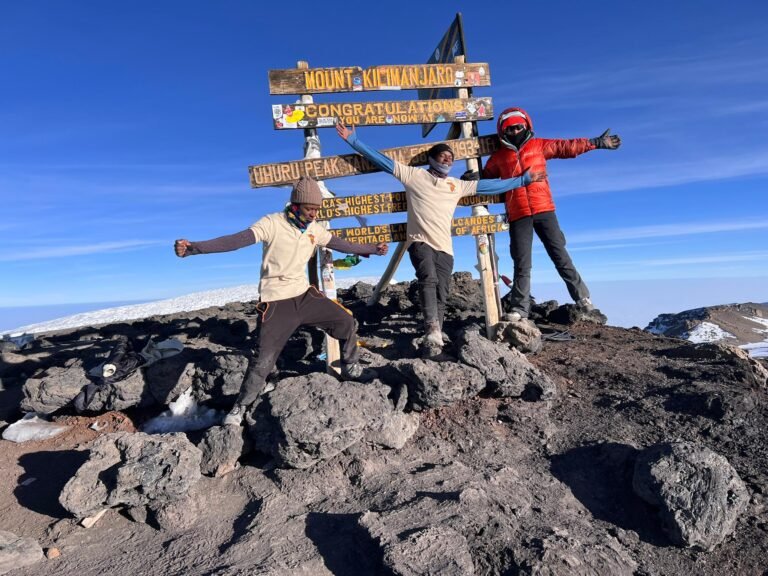
Can I Change My Kilimanjaro Climbing Date After Paying A Deposit? | Climb 4
Planning a Kilimanjaro climb is a significant undertaking, and sometimes life circumstances require adjusting your booked dates. If you've paid a deposit for your Kilimanjaro trek and need...
View package detailsWhich Kilimanjaro Route Offers The Best Value For Money? 2026-2027
Which Kilimanjaro route offers the best value for money? is explained with current 2026-2027 planning, price, itinerary and booking information.
View package details
How Early Should I Book Kilimanjaro For The Best Price? Planning 2026-2027
Planning a Kilimanjaro climb for 2026 or 2027? Learn the optimal booking window to secure the best prices and availability. This guide covers everything from early bird specials to...
View package details
Is A Private Toilet Included In The Kilimanjaro Price? 2026-2027
Discover whether a private toilet is a standard inclusion in Kilimanjaro climbing package prices, the variations across routes and operators, and how Climb 4 Africa prioritizes your comfort...
View package detailsNo related package matches those filters. Clear one or more filters to see the other topic-matched options.



