A 7-day Machame Route Kilimanjaro climb typically costs between $1,800 and $3,500 per person for 2026-2027, depending on the operator, inclusions, and group size, with a full itinerary covering six days of ascent and one day of descent, starting from Machame Gate and progressing through the rainforest, moorland, and alpine desert zones to Uhuru Peak.
Understanding the 7-Day Machame Route: Your Ultimate Kilimanjaro Adventure
The Machame Route, often nicknamed the “Whiskey Route” for its higher success rates compared to the “Beer Route” (Marangu), is a popular and highly recommended path for ascending Mount Kilimanjaro. Opting for a 7-day itinerary on the Machame Route provides a well-paced ascent, allowing for better acclimatization and thus increasing your chances of reaching the summit safely and successfully. This extended duration is crucial for acclimatization, a key factor in conquering Africa’s highest peak. For those planning their trek in 2026 or 2027, understanding the intricacies of the 7-day Machame Route, from its cost and pricing to the detailed day-by-day itinerary, is essential for a rewarding and memorable experience.
This comprehensive guide will walk you through everything you need to know. We’ll break down the typical costs, explain what influences pricing, and provide an in-depth look at the 7-day Machame Route itinerary, highlighting key points for each day of your climb. Climb 4 Africa, with its deep expertise in Kilimanjaro expeditions, is here to equip you with the knowledge needed to make informed decisions for your 2026-2027 adventure.
Why Choose the 7-Day Machame Route?
The Machame Route stands out for several reasons:
- Scenery: It offers some of the most diverse and stunning scenery on Kilimanjaro, traversing varied ecosystems from lush rainforests to the stark alpine desert and glacial zone.
- Acclimatization Profile: The 7-day version, in particular, follows a proven “climb high, sleep low” strategy, which is vital for successful acclimatization. This makes it a more comfortable and safer option than shorter routes.
- Success Rate: Due to its gradual ascent and excellent acclimatization profile, the 7-day Machame Route boasts one of the highest summit success rates among Kilimanjaro treks.
- Popularity: It’s a well-established route with good infrastructure, meaning experienced guides, porters, and cooks are readily available, ensuring a well-supported expedition.
Machame Route Cost and Pricing for 2026-2027 Climbs
When planning your Kilimanjaro climb, understanding the cost is paramount. The price for a 7-day Machame Route expedition can vary significantly based on several factors. For 2026-2027 climbs, you can generally expect to budget between $1,800 and $3,500 per person. This range reflects different service levels, operator inclusions, and group sizes.
Key Factors Influencing Machame Route Costs:
- Operator Reputation and Service Level: Premium operators with a strong track record, higher guide-to-client ratios, better quality equipment, and more comfortable accommodations (e.g., private toilet tents) will command higher prices. Budget operators might offer lower prices but may compromise on certain aspects of service or safety.
- Inclusions: What is included in the price? Look for comprehensive packages that cover park fees, rescue fees, meals, accommodation (on the mountain), tents, guide and porter salaries, and transportation. Some operators might exclude items like sleeping bags, warm clothing, or tips, which can add significantly to your final cost.
- Group Size: Private climbs are inherently more expensive per person than joining a group. Shared group departures offer a more economical option.
- Duration: While this article focuses on the 7-day Machame Route, longer (8-day) or shorter (6-day) itineraries will have different pricing structures. The 7-day Machame Route offers a good balance of acclimatization and cost.
- Time of Year: High seasons (typically January-March and June-October) might see slightly higher prices due to increased demand, although park fees remain constant.
- Tipping: While often not included in the initial quote, tips for guides, porters, and cooks are a significant and expected part of the cost. Operators usually provide guidelines for tipping.
- Pre/Post-Climb Accommodation and Activities: Your total trip cost will also depend on whether you include hotel stays in Moshi or Arusha, airport transfers, and any safaris or Zanzibar extensions.
Typical Inclusions for a 7-Day Machame Route Package:
Reputable tour operators like Climb 4 Africa typically include:
- All park entrance fees and rescue fees.
- All meals during the trek (breakfast, lunch, dinner).
- Boiled water for drinking.
- Accommodation in quality tents on the mountain.
- Experienced, certified mountain guides.
- Assistant guides, porters, and cooks.
- Portable toilet tent (often for private groups).
- Campsite fees.
- Ground transportation to and from the mountain gate.
- A pre-climb briefing.
Potential Exclusions to Watch For:
Be aware of what might *not* be included:
- Flights to Kilimanjaro International Airport (JRO).
- Visa fees.
- Travel insurance (mandatory for Kilimanjaro climbs).
- Personal climbing gear (e.g., sleeping bag, trekking poles, warm clothing).
- Tips for the mountain crew.
- Lunches and dinners in town before and after the climb.
- Optional gratuities for drivers or hotel staff.
- Personal expenses (e.g., souvenirs, drinks).
For a precise quote tailored to your 2026-2027 travel plans, contacting operators directly is the best approach. Climb 4 Africa can provide detailed, transparent pricing based on your specific needs. You can reach them via WhatsApp +255 747 477 898 or Email climb4africa@gmail.com.
The 7-Day Machame Route Itinerary: A Day-by-Day Breakdown
The 7-day Machame Route itinerary is designed to maximize acclimatization and scenery. It involves six days of trekking up and one day of descending. This longer duration allows for a more relaxed pace and better adaptation to the altitude.
Day 1: Machame Gate (1,800m / 5,905ft) to Machame Camp (3,050m / 10,007ft)
Distance: Approximately 11 km / 7 miles
Time: 5-7 hours trekking
Habitat: Rainforest
Your Kilimanjaro adventure begins after a scenic drive from Moshi or Arusha to the Machame Gate. After completing registration and briefing formalities, you’ll commence your trek through the dense, verdant rainforest. The path is well-maintained but can be muddy and slippery, especially after rain. Expect to hear the calls of various birds and possibly spot colobus monkeys. The hike is primarily uphill, and you’ll gain significant elevation today. Upon arrival at Machame Camp, you’ll be welcomed by your crew, set up in your tents, and enjoy your first dinner on the mountain. The air is cooler here, and the forest canopy begins to thin.
Day 2: Machame Camp (3,050m / 10,007ft) to Shira 2 Camp (3,850m / 12,631ft)
Distance: Approximately 9 km / 5.6 miles
Time: 4-6 hours trekking
Habitat: Moorland
Today’s trek takes you out of the rainforest and into the moorland zone, characterized by heather, giant groundsels, and lobelias. The trail involves a steep ascent and descent across valleys and ridges. You’ll enjoy increasingly spectacular views of the Kibo Massif and the plains below. The path can be steep in places, requiring steady effort. Shira 2 Camp is located on a plateau, offering stunning open vistas. It’s crucial to drink plenty of water and move slowly to aid acclimatization. Your crew will set up camp, and dinner will be served as the temperature drops significantly.
Day 3: Shira 2 Camp (3,850m / 12,631ft) to Lava Tower (4,600m / 15,092ft) then Barranco Camp (3,950m / 12,960ft)
Distance: Approximately 10 km / 6.2 miles
Time: 6-8 hours trekking
Habitat: Alpine Desert
This is a significant acclimatization day, following the “climb high, sleep low” principle. You’ll ascend steadily towards Lava Tower, a prominent volcanic plug, reaching an altitude of 4,600 meters. This is often the highest point for many trekkers on their first few days. You’ll stop here for lunch and to appreciate the panoramic views before beginning a long descent to Barranco Camp. This descent is crucial for acclimatization, allowing your body to adjust to the higher altitude. Barranco Camp is situated in a beautiful glacial valley, offering dramatic scenery. The air is thin, and the temperature drops considerably overnight.
Day 4: Barranco Camp (3,950m / 12,960ft) to Karanga Camp (4,000m / 13,123ft)
Distance: Approximately 5 km / 3.1 miles
Time: 3-5 hours trekking
Habitat: Alpine Desert
Today’s trek is shorter but challenging, featuring the famous Barranco Wall. This is a steep, rocky scramble that requires careful navigation and teamwork with your guides. While not technically difficult for most, it can be daunting. The views from the top of the wall are spectacular. After conquering the wall, the trail continues through the alpine desert, with Karanga Camp located in a rocky valley. This camp offers a sense of remoteness and dramatic landscapes. The shorter trekking time allows for more rest, which is beneficial as you continue to gain altitude. Hydration and slow movement remain key.
Day 5: Karanga Camp (4,000m / 13,123ft) to Barafu Camp (4,650m / 15,256ft)
Distance: Approximately 4 km / 2.5 miles
Time: 3-5 hours trekking
Habitat: Alpine Desert
This is the final camp before your summit push. The trek from Karanga to Barafu Camp is relatively short but involves a steady ascent over rocky terrain. Barafu Camp is situated on a narrow, stony ridge with steep slopes on either side. The views of Kibo and Mawenzi peaks are magnificent. You’ll arrive at Barafu Camp in the early afternoon, allowing ample time to rest, hydrate, and prepare for the summit attempt. Your guides will conduct a thorough briefing about the summit night. Dinner is served early, and it’s essential to get as much rest as possible before the midnight start. Temperatures here are extremely cold.
Day 6: Barafu Camp (4,650m / 15,256ft) to Summit (Uhuru Peak, 5,895m / 19,341ft) and down to Mweka Camp (3,100m / 10,171ft)
Distance: Approximately 5 km / 3.1 miles ascent, 12 km / 7.5 miles descent
Time: 7-9 hours ascent, 3-5 hours descent to Barafu, then 3-4 hours descent to Mweka Camp
Habitat: Arctic Zone, Moorland
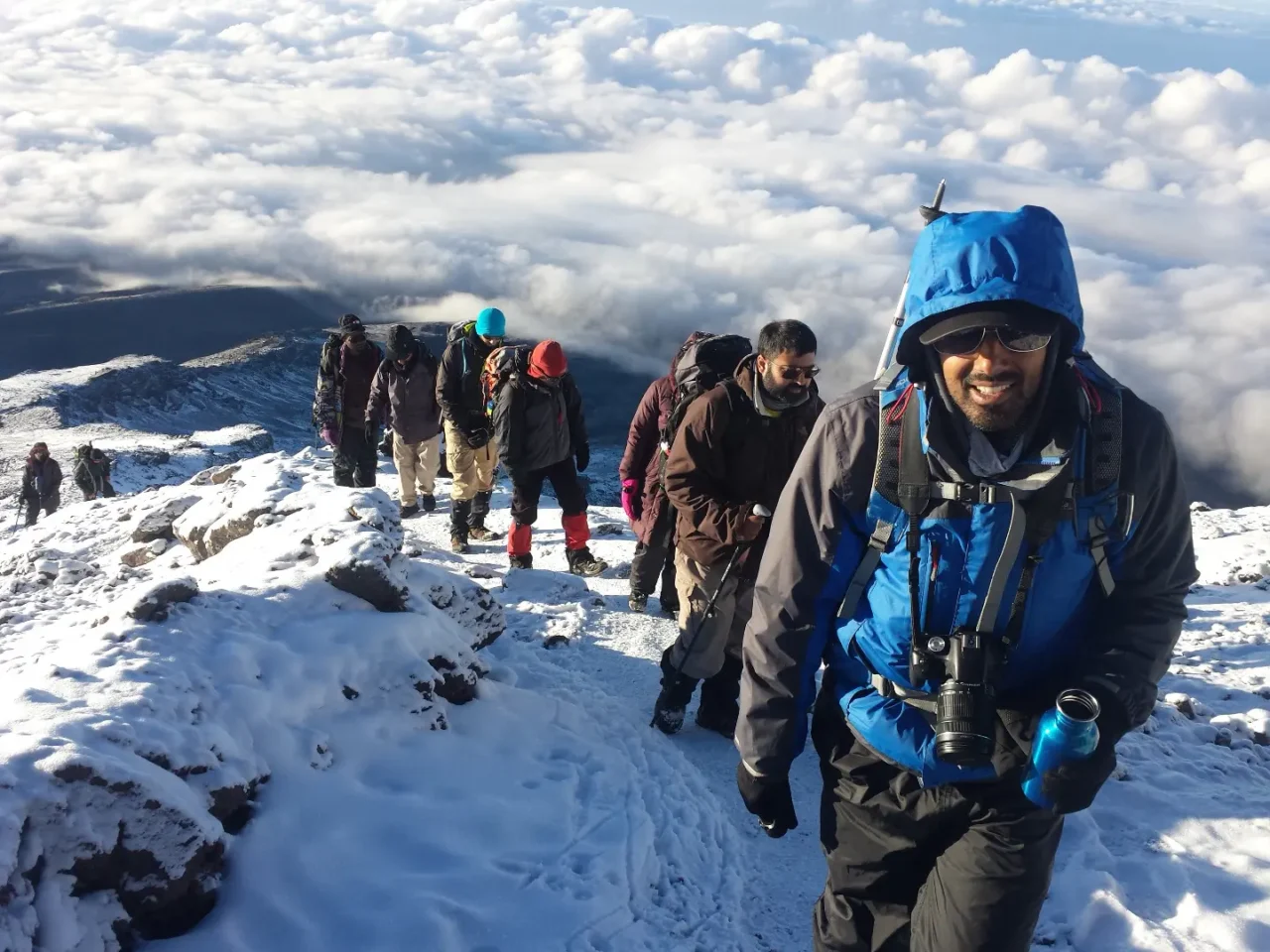
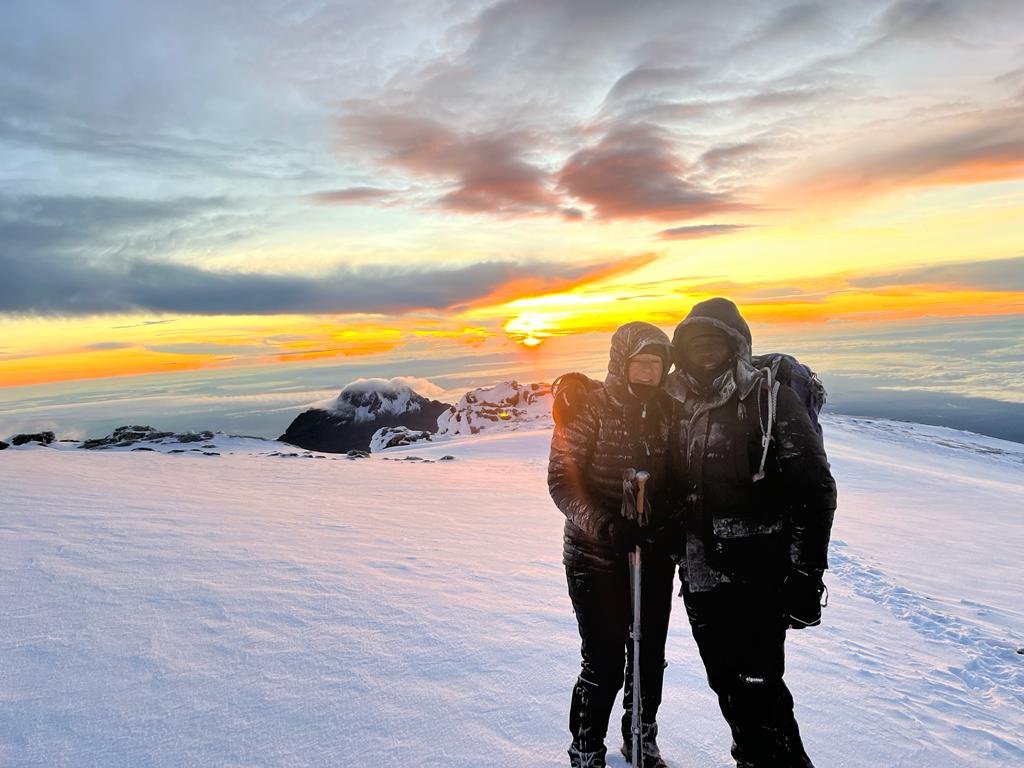
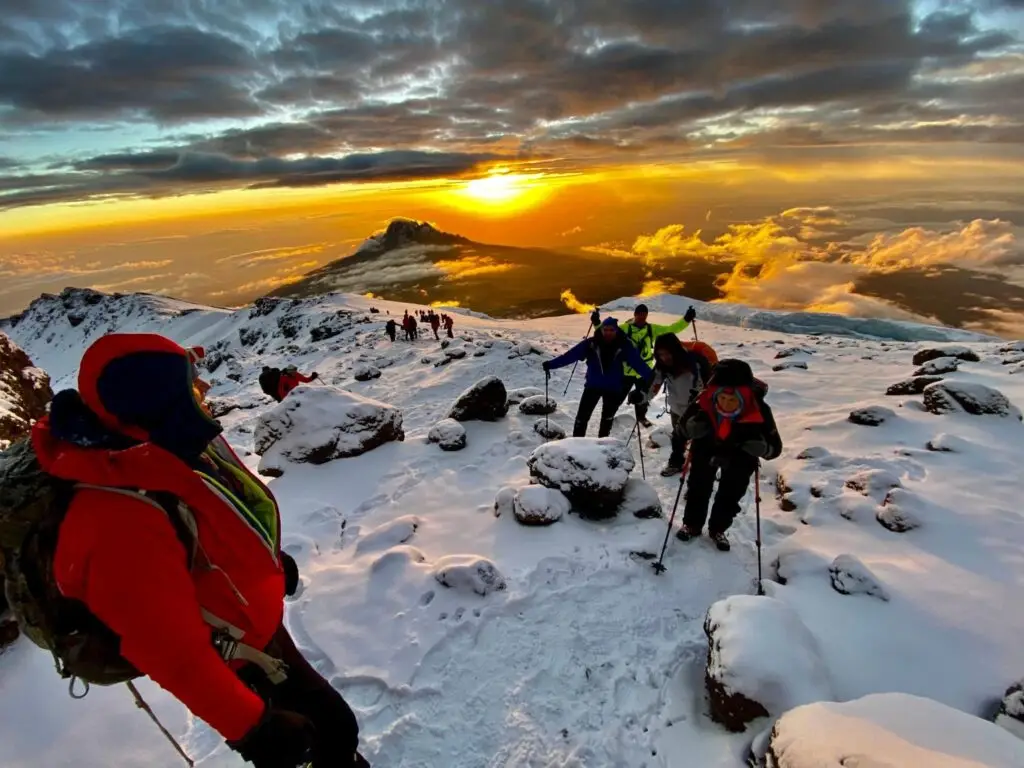
This is summit day – the most challenging and rewarding part of your 7-day Machame Route climb. You’ll start your ascent around midnight, trekking slowly and steadily in the darkness towards Stella Point (5,739m / 18,829ft). The terrain is steep and rocky, often covered in scree. As you climb higher, the landscape turns into an arctic zone with glaciers visible. Reaching Stella Point is a significant achievement, and from there, it’s a final push along the crater rim to Uhuru Peak, the highest point in Africa. Celebrate your success, take photos, and then begin your descent. The descent is steep and can be hard on the knees. You’ll pass Barafu Camp and continue down to Mweka Camp, where you’ll enjoy your final night on the mountain. This is a long and exhausting day.
Day 7: Mweka Camp (3,100m / 10,171ft) to Mweka Gate (1,640m / 5,380ft)
Distance: Approximately 8 km / 5 miles
Time: 3-4 hours trekking
Habitat: Rainforest
After breakfast at Mweka Camp, you’ll complete the final descent through the rainforest to Mweka Gate. Here, you’ll receive your summit certificates and bid farewell to your incredible mountain crew. A vehicle will be waiting to transfer you back to your hotel in Moshi or Arusha. This marks the end of your 7-day Machame Route Kilimanjaro climb. You’ll likely feel tired but immensely proud of your achievement.
Preparing for Your 7-Day Machame Route Climb in 2026-2027
Successful preparation is key to enjoying your 7-day Machame Route trek. Here’s what you need to focus on:
Physical Training
Cardiovascular fitness is essential. Engage in regular activities like hiking, running, cycling, or swimming for at least 3-4 months leading up to your climb. Focus on endurance. Practice hiking with a weighted backpack, especially on steep inclines, to simulate mountain conditions. Strength training, particularly for your legs and core, will also be beneficial.
Acclimatization
While the 7-day Machame Route is designed for good acclimatization, your personal body’s response to altitude is unpredictable. Ascend slowly, drink plenty of water (3-4 liters per day), avoid alcohol and caffeine, and listen to your body and your guides. For 2026-2027 climbs, consider arriving in Tanzania a day or two early to acclimatize to the general altitude of the region if possible.
Gear and Equipment
Proper gear is non-negotiable. You’ll need high-quality, layered clothing suitable for extreme temperature fluctuations. Key items include:
- Base Layers: Moisture-wicking thermal tops and bottoms.
- Mid Layers: Fleece jackets or down vests for insulation.
- Outer Layer: Waterproof and windproof jacket and trousers (Gore-Tex or similar).
- Insulation Layer: A warm down jacket for evenings and summit night.
- Headwear: Warm hat, sun hat, balaclava or neck gaiter.
- Gloves: Warm, waterproof gloves and thinner liner gloves.
- Footwear: Broken-in, waterproof hiking boots.
- Socks: Several pairs of warm wool or synthetic hiking socks.
- Sleeping Bag: A 4-season sleeping bag rated to at least -15°C (0°F).
- Trekking Poles: Highly recommended for stability and reducing knee strain.
- Headlamp: With extra batteries for summit night.
- Sun Protection: High SPF sunscreen, sunglasses, lip balm.
- Hydration: Water bottles or hydration reservoir (ensure it won’t freeze).
Many operators, including Climb 4 Africa, offer gear rental options for items like sleeping bags and trekking poles, which can be convenient if you don’t want to purchase everything. Ensure you book any rentals in advance for your 2026-2027 trip.
Health and Vaccinations
Consult your doctor or a travel clinic well in advance of your 2026-2027 climb regarding recommended vaccinations and malaria precautions. Diamox (acetazolamide) can be prescribed to help with altitude sickness, but it is not a substitute for proper acclimatization. Carry a personal first-aid kit with essentials like blister treatment, pain relievers, and any personal medications.
Travel Insurance
Comprehensive travel insurance is mandatory for all Kilimanjaro climbs. Ensure your policy covers high-altitude trekking (up to 6,000 meters) and emergency medical evacuation.
Booking Your 7-Day Machame Route Climb for 2026-2027
When selecting a tour operator for your 2026-2027 Kilimanjaro expedition, look for companies with:
- Strong safety record: Prioritize operators who emphasize safety protocols, carry adequate medical supplies, and have experienced guides trained in wilderness first aid.
- Ethical treatment of porters: Ensure the operator adheres to fair wages and working conditions for their support crew, as outlined by Kilimanjaro Porters Assistance Project (KPAP) standards.
- Transparent pricing: A clear breakdown of what is included and excluded in the cost is essential to avoid hidden fees.
- Good reviews: Check independent review sites like TripAdvisor.
Climb 4 Africa is a trusted Kilimanjaro expert and Tanzania travel company committed to providing safe, ethical, and memorable climbing experiences. We offer various Kilimanjaro climb packages, including the popular 7-day Machame Route, with options for private and group departures throughout 2026 and 2027. For personalized advice and a detailed quote for your 2026-2027 adventure, please reach out to us:
Contact Climb 4 Africa:
WhatsApp: +255 747 477 898
Email: climb4africa@gmail.com
Website: climb4africa.com
By carefully considering the itinerary, cost factors, and preparation required, you can ensure your 7-day Machame Route climb on Kilimanjaro in 2026 or 2027 is a successful and profoundly rewarding journey. Don’t forget to explore other Tanzanian adventures like Tanzania safaris to complement your climb.
Frequently Asked Questions About the 7-Day Machame Route
Is the 7-day Machame Route suitable for first-time climbers?
Yes, the 7-day Machame Route is an excellent choice for first-time Kilimanjaro climbers due to its good acclimatization profile and higher success rates. However, a good level of physical fitness and proper preparation are still essential.
What is the best time of year for the 7-day Machame Route?
The best times to climb Kilimanjaro, including the Machame Route, are during the dry seasons: January to March and June to October. These periods offer the most stable weather conditions, though mountain weather can be unpredictable at any time.
How cold does it get on the 7-day Machame Route?
Temperatures can vary significantly. In the rainforest, it might be warm and humid. As you ascend, temperatures drop. At Barafu Camp (4,650m), night temperatures can easily reach -10°C to -20°C (14°F to -4°F), especially on summit night. Proper layering is crucial.
What are the risks of altitude sickness on the Machame Route?
Altitude sickness (Acute Mountain Sickness – AMS) is a risk on any high-altitude trek. The 7-day Machame Route is designed to minimize this risk through gradual ascent and acclimatization. However, it’s vital to monitor your symptoms, stay hydrated, and communicate any issues to your guides immediately. Descending is the most effective treatment for severe AMS.
What is the difference between the 6-day and 7-day Machame Route?
The primary difference is the pace. The 6-day itinerary is more rushed, with less time for acclimatization, potentially leading to a lower success rate and higher risk of altitude sickness. The 7-day Machame Route adds an extra day, often by breaking down the trek between Barranco and Barafu camps, allowing for a more relaxed pace and better acclimatization, significantly improving your chances of reaching the summit.
How much should I tip the mountain crew for a 7-day Machame Route climb?
Tipping is customary and a significant part of the crew’s income. While specific amounts can vary, a general guideline for a 7-day climb is approximately $250-$350 USD per climber for the entire crew (guides, assistant guides, cooks, porters). Operators usually provide detailed tipping guidelines. For example, for a group of 4-6 climbers, a lead guide might receive $20-25/day, assistant guides $15-20/day, cooks $12-15/day, and porters $10-12/day. This is often pooled and distributed by the lead guide.
Can I do the 7-day Machame Route solo?
While you can technically book a private solo climb, it is highly discouraged for safety and acclimatization reasons. Kilimanjaro National Park requires all climbers to be accompanied by at least one licensed guide. Solo trekkers will also face significantly higher costs due to the need for a dedicated crew. Joining a group departure is usually the most practical and economical option.
What kind of food is served on the 7-day Machame Route?
Your crew will prepare three hot meals a day: breakfast, lunch, and dinner. Meals are nutritious and designed to provide energy for trekking. Typical meals include porridge, eggs, pancakes for breakfast; rice, pasta, vegetables, chicken, or beef for lunch and dinner. Snacks like biscuits, fruit, and nuts are also provided. Special dietary requirements can usually be accommodated if communicated in advance.
Comparing the 7-Day Machame Route with Other Kilimanjaro Routes
While the 7-day Machame Route is a top choice, understanding its place among other Kilimanjaro routes helps in making the best decision for your 2026-2027 climb.
Machame vs. Lemosho (7-day)
The Lemosho route is often considered more scenic, especially in its early days, passing through pristine wilderness. It also typically offers better acclimatization, with an 8-day option being very popular. The 7-day Lemosho is comparable to Machame but can be slightly more expensive and less crowded. Machame is generally more established and might have more group departures available for 2026-2027.
Machame vs. Marangu (6-day)
The Marangu route is the oldest and only route with hut accommodations. It’s often called the “Coca-Cola route” and is the most direct, leading to the highest summit success rate in the shortest time (5 or 6 days). However, its ascent profile is less gradual, leading to poorer acclimatization and lower success rates compared to Machame. The scenery is also less varied. The 7-day Machame offers a much better acclimatization experience.
Machame vs. Rongai (7-day)
Rongai is the only route approaching from the north, offering a different perspective and potentially drier conditions, especially during rainy seasons. It’s generally considered less scenic than Machame or Lemosho. The 7-day Rongai provides good acclimatization, but Machame is usually preferred for its diverse landscapes and classic Kilimanjaro experience.
Machame vs. Northern Circuit (9-day)
The Northern Circuit is the longest route, offering the best acclimatization and highest success rates. It circles the mountain, providing unique views. It is also the most expensive and requires more time. For those with ample time and seeking the ultimate acclimatization, the Northern Circuit is superior, but the 7-day Machame offers a fantastic balance for most climbers in 2026-2027.
The 7-day Machame Route strikes an excellent balance between acclimatization, scenery, cost, and overall experience, making it a favorite for many climbers planning their 2026-2027 Kilimanjaro expeditions.
For detailed information on group departures and tailor-made itineraries for your 2026-2027 Kilimanjaro climb, including the 7-day Machame Route, please visit Climb 4 Africa’s Machame Route page or contact us directly. We are dedicated to helping you achieve your summit goals safely and memorably. Explore our Tanzania travel blog for more insights into African adventures.
Your dream of conquering Kilimanjaro is achievable with the right planning and a trusted partner. Let Climb 4 Africa guide you on your 7-day Machame Route adventure in 2026 or 2027!
Check Availability for 7 Days Machame Route: Cost, Price & Full Itinerary For Climbs 2026-2027
Ready to compare dates, prices, and the best option for your group? Send the package name and travel month so the team can reply with a clear quote, availability, and what is included.
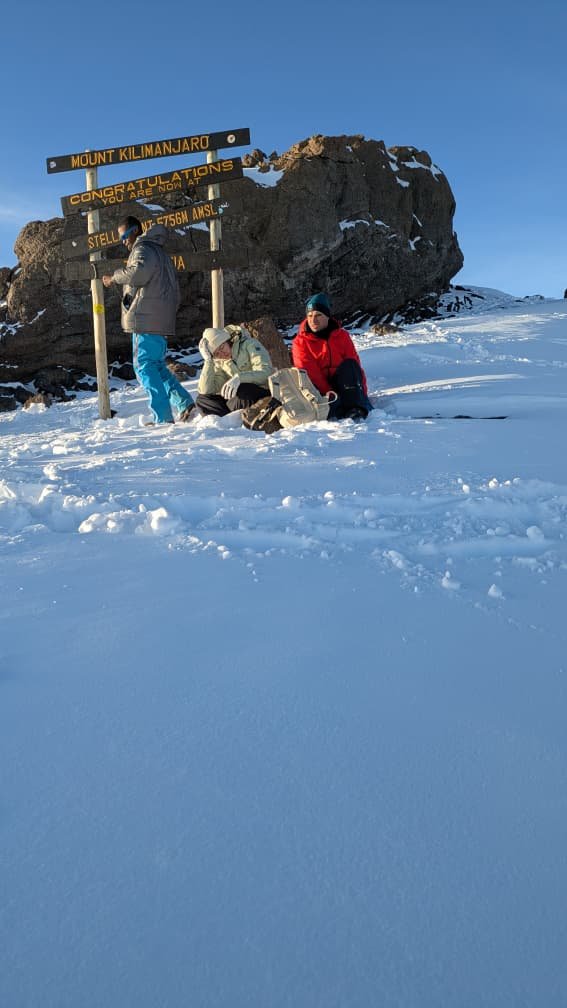
7 Days Rongai Route Kilimanjaro: Cost & Full Itinerary 2026-2027
Discover the best of Kilimanjaro's Rongai Route with a detailed 7-day itinerary, cost breakdown, and expert tips for your 2026-2027 climb. Learn why Rongai is a popular choice for trekkers...
View package details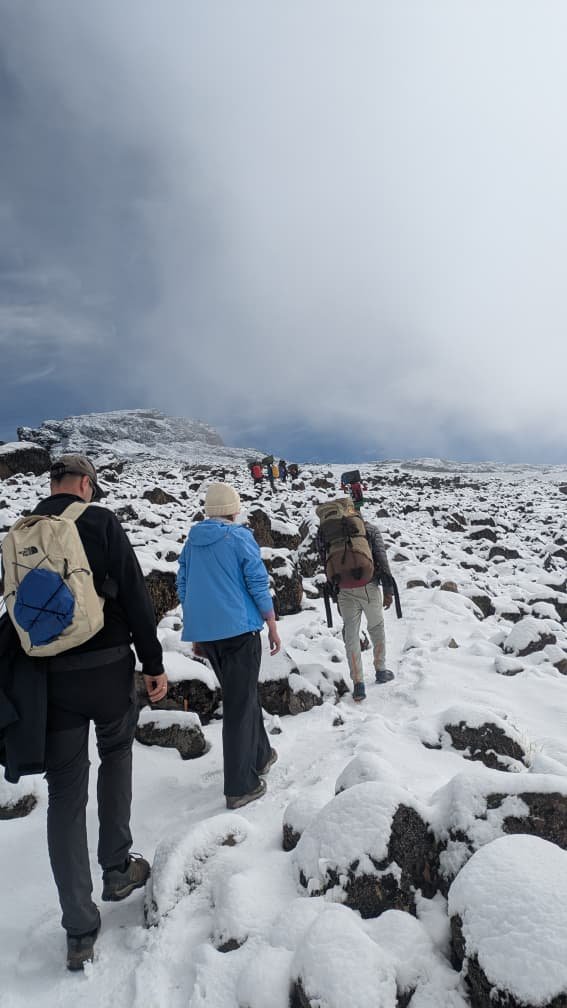
6 Days Umbwe Route: Cost, Price & Full Itinerary For Climbs 2026-2027
Planning a Kilimanjaro climb via the challenging Umbwe Route in 6 days? This guide breaks down the costs, essential inclusions, and a comprehensive day-by-day itinerary to help you prepare...
View package details
Lemosho Vs Machame: Cost, Itinerary & Which Route Is Better? 2026-2027
Lemosho vs Machame: Cost, Itinerary & Which Route Is Better? is explained with current 2026-2027 planning, price, itinerary and booking information.
View package detailsUmbwe Route Cost /: Prices, Itinerary & Expert Guide 2026-2027
Planning a Kilimanjaro climb via the Umbwe Route for 2026 or 2027? This comprehensive guide details the expected Umbwe Route cost, including itinerary options, what's included, and factors...
View package details
6 Days Rongai Route Kilimanjaro: Cost, Itinerary & Expert Guide For 2026-2027
The 6 Days Rongai Route offers a unique approach to climbing Kilimanjaro from the north. This guide details the itinerary, cost considerations for 2026-2027, and expert tips for a...
View package detailsRongai Route Cost /: Prices, Packages & Itinerary 2026-2027
Planning a Kilimanjaro climb via the Rongai Route in 2026 or 2027? This comprehensive guide details the Rongai Route cost, including typical prices, what's included in packages, and a...
View package details
Kilimanjaro Northern Circuit + 7 Days Safari: Cost, Itinerary & Expert
Combine the challenging Northern Circuit route on Kilimanjaro with an unforgettable 7-day Northern Circuit safari in Tanzania. This comprehensive guide details the costs, sample...
View package details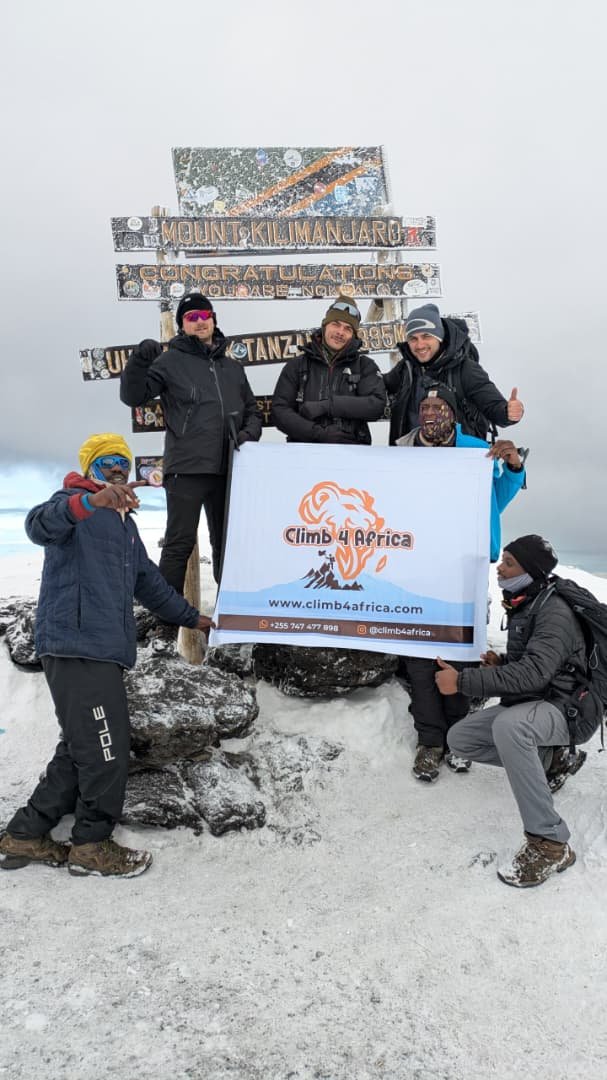
Rongai Vs Machame: Cost & Route Comparison For Kilimanjaro Climbs 2026-2027
Choosing between the Rongai and Machame routes for your Kilimanjaro climb in 2026 or 2027? This comprehensive comparison details route differences, scenery, acclimatization, success rates...
View package details
Shira Plateau Day Hike: Cost, Price & Itinerary For 2026-2027
Your ultimate guide to the Shira Plateau day hike, covering costs, pricing, and a comprehensive itinerary. Perfect for planning your 2026-2027 Kilimanjaro region adventure.
View package detailsMarangu Kilimanjaro Day Hike: Cost, Price & Itinerary For 2026-2027
Discover everything you need to know about the Marangu Kilimanjaro day hike, including detailed cost, pricing, and itinerary information for 2026-2027. Plan your adventure with expert...
View package details
Kilimanjaro Day Hike Cost /: Prices & Best Routes 2026-2027
Kilimanjaro Day Hike Cost 2026/2027: Prices & Best Routes is explained with current 2026-2027 planning, price, itinerary and booking information.
View package details
Kilimanjaro Route Cost Comparison: Lemosho, Machame, Marangu, Rongai &
Kilimanjaro Route Cost Comparison: Lemosho, Machame, Marangu, Rongai & Northern Circuit is explained with current 2026-2027 planning, price, itinerary and.
View package detailsNo related package matches those filters. Clear one or more filters to see the other topic-matched options.



