
The Lemosho route generally offers superior scenery and better acclimatization, leading to higher success rates, but comes at a higher cost and requires more days than the Marangu route, which is often more budget-friendly and offers “huts” accommodation but has a steeper ascent and less varied views.

Lemosho vs Marangu: The Ultimate Kilimanjaro Route Showdown for 2026-2027 Trekkers
Deciding which path to take up Kilimanjaro is one of the most significant choices a prospective climber will make. Among the most popular and frequently debated routes are Lemosho and Marangu. Both offer a unique journey to Africa’s rooftop, but they diverge significantly in terms of cost, the visual splendor you’ll witness, how your body adapts to the altitude, and the overall trekking experience. For trekkers planning their 2026 or 2027 Kilimanjaro expedition, understanding these differences is paramount to selecting the route that best aligns with their budget, fitness, and desired adventure.
At Climb 4 Africa, we guide hundreds of trekkers each year and have seen firsthand the distinct advantages and challenges each route presents. This detailed comparison will break down the Lemosho vs Marangu debate, equipping you with the knowledge to make an informed decision for your Kilimanjaro climb.
Understanding the Core Differences: A Quick Overview
Before diving deep, let’s establish the fundamental distinctions:
- Lemosho Route: Known for its stunning scenery, particularly in the early days, and its gradual acclimatization profile. It’s a longer route, typically taking 7-8 days, which significantly improves summit success rates. It’s a camping route, meaning you’ll sleep in tents each night.
- Marangu Route: Often called the “Coca-Cola” route due to its popularity and accessibility. It’s the only route that offers dormitory-style hut accommodation, making it comfortable for those who prefer not to camp. It’s also the shortest route, often completed in 5-6 days, but its direct ascent makes acclimatization more challenging.
Cost Comparison: Lemosho vs Marangu Pricing for 2026-2027
Budget is a primary consideration for most Kilimanjaro climbers, and the route choice directly impacts the overall expense. Generally, the Lemosho route is more expensive than the Marangu route. This price difference stems from several factors:
Key Cost Drivers:
- Duration: Lemosho typically requires more days (7-8 vs. 5-6 for Marangu). More days mean more crew (guides, porters, cooks), more food, and more park fees, all contributing to a higher total cost.
- Logistics: Lemosho starts on the western side of Kilimanjaro, requiring additional transportation to the trailhead, which adds to the logistical costs. Marangu starts on the eastern side, closer to Moshi and Arusha, making transport simpler.
- Park Fees: While the daily park fees are the same per day for any route, longer routes incur higher cumulative park fees. For 2026-2027 climbs, these fees are a significant portion of the total cost.
- Accommodation: Marangu’s hut accommodation, while basic, is a fixed cost. Lemosho, being a camping route, involves costs for tents, sleeping mats, and associated camping equipment, which are factored into the package price.
For 2026-2027 climbs, expect Lemosho packages to be roughly 15-25% more expensive than comparable Marangu packages from reputable operators like Climb 4 Africa. This difference can range from $200 to $600+ per person, depending on the operator, group size, and inclusions.
When comparing prices for your 2026 or 2027 trek, always ensure you are comparing like-for-like. Look at what is included: park fees, rescue fees, accommodation (huts vs. camping), meals, crew wages, transfers, and quality of equipment. A cheaper quote might seem attractive, but it could mean cutting corners on safety, crew welfare, or equipment quality, which are non-negotiable on Kilimanjaro.
Scenery and Scenery Diversity: A Tale of Two Trails
Kilimanjaro is renowned for its dramatic landscapes, and the routes showcase this diversity in different ways. The Lemosho route is widely celebrated for its exceptional scenic beauty, especially in its initial stages.
The Lemosho Route’s Visual Feast
Lemosho begins on the remote western side of the mountain, traversing the Shira Plateau. The early days are characterized by:
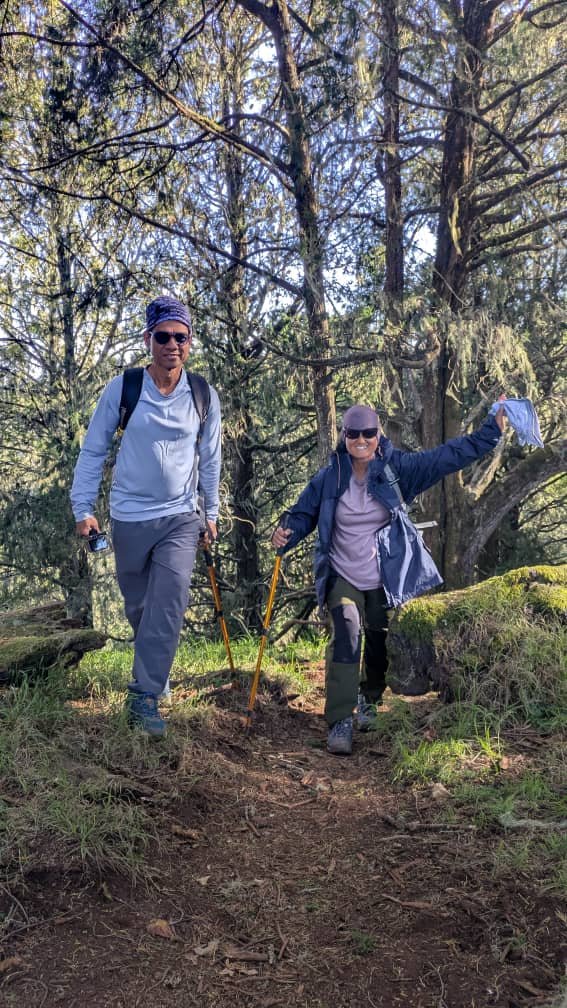
- Lush Rainforest: The initial trek winds through dense, vibrant rainforest teeming with indigenous flora and fauna. You’re likely to spot colobus monkeys and other wildlife.
- Shira Plateau: Emerging from the forest onto the vast, open Shira Plateau offers spectacular panoramic views of the mountain’s western face and Kibo peak. The landscape here is starkly beautiful, with giant heathers and senecios dotting the moorland.
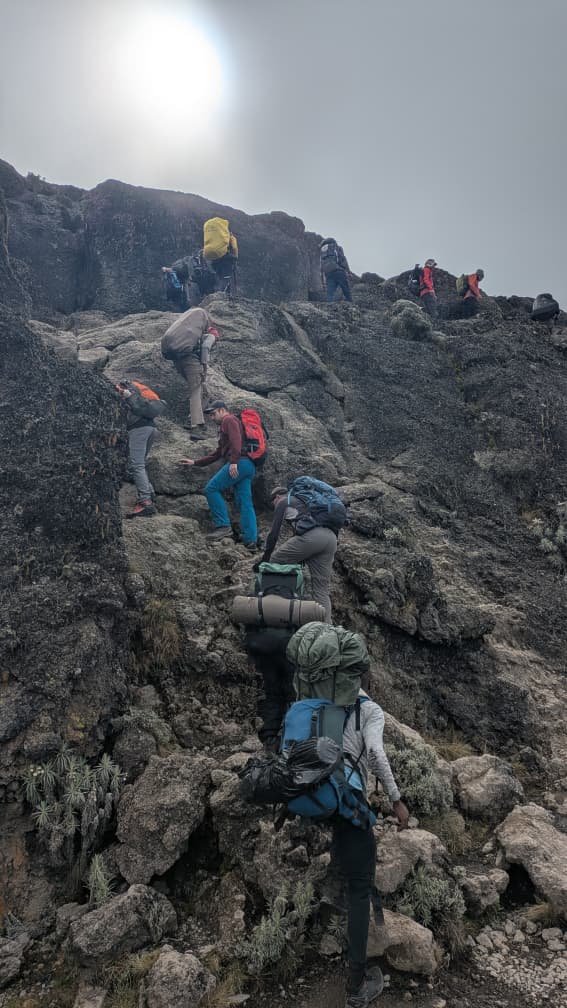
- Barranco Wall: While not unique to Lemosho, the climb up the famous Barranco Wall is a thrilling and visually rewarding experience, offering stunning vistas as you ascend.
- Crater Rim Views: As Lemosho approaches the summit via Stella Point, it offers incredible views into the Kibo crater and the ash pit.
The longer duration of the Lemosho route allows trekkers to appreciate these diverse landscapes at a more leisurely pace, contributing to a richer visual experience.
The Marangu Route’s More Direct Approach
Marangu follows a more direct, straight ascent path on the southeastern side of the mountain. While it passes through similar ecological zones (rainforest, moorland, alpine desert, arctic summit), the views are:
- Less Varied: The scenery, while still impressive, is often described as less dramatic and varied compared to Lemosho, particularly in the early days. The path is more of a well-trodden track.
- Shared Paths: Marangu shares its descent path with the Machame route for much of the way down, meaning you’ll encounter more trekkers.
- Limited Horizon: Due to its more direct ascent, Marangu offers fewer expansive panoramic views of the mountain’s flanks and surrounding plains compared to routes like Lemosho or Machame.
However, Marangu does offer unique views of Mawenzi peak from certain vantage points, which is a striking geological feature.
Acclimatization and Success Rates: Prioritizing Your Health
Altitude sickness is the primary challenge on Kilimanjaro. How a route is designed to facilitate acclimatization is critical for a safe and successful climb. This is where Lemosho significantly outperforms Marangu.
Lemosho: The Gold Standard for Acclimatization
The Lemosho route is highly regarded for its excellent acclimatization profile, largely due to its longer duration and the specific way it ascends:
- Gradual Gain: Lemosho’s 7-8 day itineraries allow for a slower, more gradual ascent. This “pole pole” (slowly, slowly) approach gives your body more time to adjust to the decreasing oxygen levels.
- “Climb High, Sleep Low” Principle: Many Lemosho itineraries effectively incorporate the principle of climbing to higher altitudes during the day and descending to sleep at lower elevations. This is a proven method for aiding acclimatization. For instance, traversing the Shira Plateau and then descending slightly to camp aids this process.
- Higher Success Rates: The superior acclimatization directly translates into higher summit success rates. Studies and operator data consistently show that trekkers on 7-day or longer Lemosho climbs have a significantly better chance of reaching Uhuru Peak than those on shorter routes. For 2026-2027 climbs, choosing Lemosho is a strong indicator of prioritizing a safe ascent.
Marangu: The Challenge of Faster Ascent
The Marangu route’s primary drawback is its aggressive ascent profile:
- Rapid Gain: The standard 5-day Marangu itinerary involves a very rapid increase in altitude. Trekkers gain significant elevation each day with little time for the body to adapt.
- Less “Climb High, Sleep Low”: While guides try to manage this, the direct path offers fewer opportunities to implement the “climb high, sleep low” strategy effectively.
- Lower Success Rates: Consequently, the 5-day Marangu route has historically lower summit success rates compared to Lemosho, often cited as being between 30-50%. While 6-day Marangu itineraries improve this, they still generally lag behind the longer Lemosho options.
The 6-day Marangu option, which adds an acclimatization day at Horombo Huts, is a significant improvement and is strongly recommended over the 5-day option for any trekker in 2026-2027 considering Marangu.
Route Difficulty and Physical Demands
Both routes are challenging treks requiring good physical fitness. However, their difficulty profiles differ:
Lemosho: A More Rewarding Challenge
Lemosho is generally considered more challenging in terms of length and the terrain encountered, but its gradual nature makes it more manageable for many:
- Longer Trekking Days: While the daily elevation gain might be less steep than parts of Marangu, Lemosho involves longer hours of trekking, often 6-8 hours per day, sometimes more.
- Varied Terrain: You’ll encounter varied terrain, including steep ascents (like the Barranco Wall), rocky paths, and scree slopes.
- Camping Comfort: While not a difficulty factor, camping requires a certain mindset. You’ll be sleeping in tents, often in basic conditions, and the nights can be cold.
Marangu: Steep and Direct
Marangu’s primary difficulty lies in its steepness and rapid altitude gain:
- Steeper Ascents: The path from Mandara Huts to Horombo Huts, and especially from Kibo Huts to the summit, involves very steep, direct ascents.
- Shallow Valleys: The route crosses shallow valleys, which can sometimes lead to increased risk of altitude sickness.
- Less Physically Demanding in Terms of Distance: The shorter duration means less overall distance covered, but the steepness can be very taxing.
- Comfort of Huts: The main advantage is the accommodation. Basic but dry and warm huts provide a respite from the elements, which can be a significant comfort after a long day’s trek, especially for those less accustomed to camping.
Accommodation: Huts vs. Tents
This is perhaps the most significant difference in the on-mountain experience:
Marangu: The Hut Experience
Marangu is the only route that uses wooden huts along the trail. These are typically dormitory-style, with basic beds, mattresses, and a table. There are communal areas and basic toilet facilities. While not luxurious, they offer:
- Shelter from the elements.
- A comfortable place to sleep.
- A break from setting up and taking down tents.
- A more social atmosphere with fellow trekkers.
Lemosho: The Camping Adventure
Lemosho, like most other Kilimanjaro routes (Machame, Rongai, Northern Circuit), is a camping route. This means you’ll be sleeping in:
- Quality Tents: Reputable operators provide sturdy, waterproof tents suitable for mountain conditions.
- Sleeping Mats: Comfortable sleeping mats are provided. Many trekkers opt to bring their own sleeping bag and liner for added warmth and comfort.
- Communal Mess Tent: A separate mess tent is usually set up for dining, providing a comfortable space to eat and relax, protected from the wind and rain.
- Dedicated Crew: A team of porters sets up and takes down your camp each day, cooks your meals, and ensures your equipment is secure.
The choice between huts and tents often comes down to personal preference. Some trekkers find camping more adventurous and closer to nature, while others prefer the comfort and simplicity of huts.
Route Duration: The Impact on Experience and Success
The number of days spent on the mountain is a crucial factor in both the enjoyment of the trek and the likelihood of reaching the summit. For 2026-2027 planning, consider this:
Lemosho: The Longer, More Rewarding Journey (7-8 Days)
The standard Lemosho itineraries are 7 or 8 days. This extended duration is key to:
- Better Acclimatization: As discussed, more days allow for a slower ascent and better adjustment to altitude.
- Deeper Immersion: A longer trek means more time to appreciate the diverse ecosystems, landscapes, and the sheer scale of Kilimanjaro. You’ll feel more connected to the mountain.
- Reduced Pace: You can trek at a more relaxed pace, reducing physical strain and increasing enjoyment.
- Higher Success Rates: The 7 and 8-day Lemosho routes consistently report the highest summit success rates on Kilimanjaro, often exceeding 85-90%.
Marangu: The Shorter, Quicker Ascent (5-6 Days)
Marangu is known for its shorter options:
- 5-Day Marangu: This is the quickest way up but comes with the significant risks of poor acclimatization and lower success rates.
- 6-Day Marangu: This adds an extra day at Horombo Huts for acclimatization, significantly improving the chances of success and the overall experience compared to the 5-day option. It’s a viable choice if time is a constraint but safety is still a priority.
For trekkers planning in 2026-2027, we strongly advise against the 5-day Marangu route unless time is an absolute, unavoidable constraint. The 6-day Marangu is a compromise, but Lemosho remains the preferred choice for safety and scenery.
Lemosho vs Marangu: Which Route is Right for You?
The choice between Lemosho and Marangu hinges on your priorities:
Choose Lemosho if:
- Your priority is a high summit success rate. The longer duration and better acclimatization profile are undeniable advantages.
- You want the most scenic Kilimanjaro experience. Lemosho offers diverse and spectacular landscapes, especially in the early days.
- You are comfortable camping and enjoy being closer to nature.
- Your budget allows for a slightly higher cost to ensure a safer and more scenic trek.
- You have 7-8 days available for the climb.
Choose Marangu if:
- Your budget is a primary constraint and you need the most economical option.
- You strongly prefer sleeping in huts rather than tents.
- You have limited time and can only spare 5-6 days. (In this case, opt for the 6-day Marangu for better acclimatization).
- You are an experienced high-altitude trekker who is confident in your acclimatization abilities and willing to accept the risks associated with a faster ascent.
Comparing Itineraries: A Sample Day-by-Day Look
To further illustrate the differences, let’s look at simplified sample itineraries. Climb 4 Africa tailors itineraries to optimize your experience and safety for 2026-2027 climbs.
Sample 7-Day Lemosho Itinerary
Day 1: Londorosi Gate to Mti Mkubwa Camp
Drive to Londorosi Gate, then trek through the rainforest to Mti Mkubwa (approx. 3-4 hours).
Day 2: Mti Mkubwa to Shira 1 Camp
Continue through the forest and into the moorland zone, reaching Shira 1 Camp (approx. 5-7 hours).
Day 3: Shira 1 Camp to Shira 2 Camp
Trek across the Shira Plateau, with stunning views, to Shira 2 Camp (approx. 4-6 hours).
Day 4: Shira 2 Camp to Barranco Camp
Ascend to Lava Tower, then descend to Barranco Camp (approx. 7-8 hours). This day aids acclimatization.
Day 5: Barranco Camp to Karanga Camp
Conquer the Barranco Wall, then descend to Karanga Camp (approx. 4-5 hours).
Day 6: Karanga Camp to Barafu Camp
Trek through alpine desert to Barafu Camp, the base for the summit push (approx. 4-5 hours).
Day 7: Barafu Camp to Summit to Mweka Camp
Summit attempt via Stella Point overnight, descend to Barafu, then further down to Mweka Camp (approx. 11-14 hours total).
Day 8: Mweka Camp to Mweka Gate
Descend through the rainforest to Mweka Gate for your transfer back to Moshi (approx. 3-4 hours).
Sample 6-Day Marangu Itinerary
Day 1: Marangu Gate to Mandara Huts
Drive to Marangu Gate, then trek through the rainforest to Mandara Huts (approx. 3-4 hours).
Day 2: Mandara Huts to Horombo Huts
Ascend through moorland to Horombo Huts (approx. 5-7 hours). Views of Kibo and Mawenzi.
Day 3: Horombo Huts to Acclimatization Day
Rest day or day hike towards Mawenzi Tarn Hut to aid acclimatization. Return to Horombo Huts.
Day 4: Horombo Huts to Kibo Huts
Trek across the alpine desert to Kibo Huts, the base for the summit push (approx. 5-7 hours).
Day 5: Kibo Huts to Summit to Horombo Huts
Summit attempt via Gilman’s Point and Uhuru Peak overnight. Descend to Horombo Huts (approx. 11-14 hours total).
Day 6: Horombo Huts to Marangu Gate
Descend through moorland and rainforest to Marangu Gate for your transfer back to Moshi (approx. 5-6 hours).
Note: A 5-day Marangu itinerary would omit the acclimatization day at Horombo Huts, making Day 3 a direct trek from Horombo to Kibo Huts.
What to Pack: Key Differences for Lemosho vs Marangu
While many items are standard for any Kilimanjaro climb, the accommodation choice influences packing:
For Lemosho (Camping Route):
- Sleeping Bag: Rated for -10°C to -20°C (you’ll be glad you have a warm one for 2026-2027).
- Sleeping Pad: While often provided, an extra inflatable pad can add comfort.
- Headlamp with extra batteries: Essential for camp tasks and summit night.
- Camp shoes/sandals: For comfort around camp.
- Toiletries: Biodegradable soap, toothbrush, toothpaste, wet wipes.
For Marangu (Hut Route):
- Sleeping Bag: Still recommended for warmth inside the huts, though a -5°C bag might suffice for some.
- Earplugs: For shared dormitory sleeping.
- Personal items: Towel, basic toiletries.
- Headlamp: Useful for navigating huts and basic facilities at night.
Shared Items for Both:
- Layered clothing (base, mid, outer).
- Waterproof and windproof jacket and trousers.
- Warm hat and gloves.
- Sun hat and sunglasses.
- Sunscreen and lip balm.
- Sturdy hiking boots.
- Water bottles or hydration reservoir.
- Trekking poles.
- First-aid kit.
- Snacks.
Choosing Your Operator: Climb 4 Africa’s Expertise for 2026-2027
When planning your Kilimanjaro climb for 2026 or 2027, the choice of tour operator is as critical as the route selection. A reputable operator ensures safety, provides experienced guides, supports their crew well, and uses quality equipment. Climb 4 Africa is committed to offering exceptional Kilimanjaro experiences:
- Safety First: We prioritize your safety with experienced guides trained in altitude sickness management, regular health checks on the mountain, and well-equipped emergency protocols.
- Experienced Guides & Crew: Our guides are certified, knowledgeable, and passionate about Kilimanjaro. We ensure fair wages and good working conditions for our entire team, including porters and cooks.
- Quality Equipment: Whether you choose Lemosho (camping) or Marangu (huts), we use high-quality tents, sleeping bags (available for rent), and cooking gear.
- Tailored Itineraries: We offer various Lemosho and Marangu itineraries, including options for longer, safer climbs on Lemosho and the recommended 6-day option for Marangu. We can also create custom itineraries for 2026-2027 private climbs.
- Transparent Pricing: Our quotes are comprehensive, clearly detailing inclusions and exclusions so there are no hidden costs on your 2026-2027 trek.
We understand the nuances between Lemosho vs Marangu and can guide you to the best choice based on your personal goals, fitness, and budget. For a personalized quote or to discuss your dream Kilimanjaro climb for 2026 or 2027, please reach out to us.
Frequently Asked Questions about Lemosho vs Marangu
Here are some common questions we receive from clients planning their Kilimanjaro climbs:
Is Lemosho significantly harder than Marangu?
Lemosho is generally considered more demanding due to its longer duration and more varied, sometimes steeper, terrain. However, its gradual acclimatization profile often makes it feel more manageable and less taxing on the body than the steep, rapid ascent of the 5-day Marangu. The 6-day Marangu is closer in difficulty, but Lemosho’s longer duration still offers a distinct advantage for acclimatization.
Which route is best for first-time Kilimanjaro climbers in 2026-2027?
For first-time climbers, the Lemosho route (7 or 8 days) is highly recommended. Its superior acclimatization profile significantly increases the chances of a successful and safe summit, which is crucial for those with limited high-altitude trekking experience. The scenery is also a major draw.
Can I do Lemosho in 6 days?
While some operators might offer a 6-day Lemosho itinerary, it is generally discouraged by experts, including Climb 4 Africa. A 6-day Lemosho bypasses crucial acclimatization points and essentially turns it into a faster, more challenging route, negating its primary advantages. For the best experience and highest success rate, stick to 7 or 8 days for Lemosho.
What about the scenery on the descent for Lemosho vs Marangu?
The descent paths for Lemosho and Marangu are different. Lemosho typically descends via the Mweka route, which offers a different perspective through the rainforest. Marangu shares its descent path with Machame for a significant portion, also passing through rainforest. Both are beautiful, but the most dramatic scenery is generally experienced on the ascent.
Are there any routes that combine elements of Lemosho and Marangu?
No, routes are distinct paths up the mountain. While some routes may converge or share sections, you commit to one route from start to finish. For example, Lemosho converges with Machame and Shira routes higher up, but its start and early days are unique. Marangu is a standalone route with its own unique path and hut system.
What is the best time of year for Lemosho vs Marangu in 2026-2027?
The best times for climbing Kilimanjaro are the dry seasons: January to March and June to October. These periods are suitable for both Lemosho and Marangu. While Marangu’s huts offer some shelter, heavy rains can still make the paths muddy and challenging. Lemosho’s camping requires good weather, making these dry seasons ideal. We can advise on specific dates for 2026-2027 group departures.
Making Your Final Decision for 2026-2027
The choice between Lemosho and Marangu for your 2026 or 2027 Kilimanjaro adventure is a personal one, but it’s informed by clear differences in cost, scenery, acclimatization, and comfort. If your goals are maximizing your chances of reaching the summit, enjoying unparalleled mountain vistas, and experiencing a well-paced trek, the Lemosho route is the superior choice. Its longer duration and excellent acclimatization profile are invaluable assets for a safe and memorable climb.
However, if budget constraints or a strong preference for hut accommodation are your primary concerns, and you are willing to accept the trade-offs in acclimatization and scenery, the Marangu route (preferably the 6-day option) can still be a rewarding experience. It’s essential to be aware of its limitations, particularly the faster ascent and potentially lower success rates.
At Climb 4 Africa, we are dedicated to helping you plan the perfect Kilimanjaro climb. Whether you lean towards the scenic splendor of Lemosho or the practical comfort of Marangu, we have the expertise and support to make your 2026-2027 expedition a success. We invite you to contact us to discuss your options, get a personalized quote, and start planning your journey to the roof of Africa.
For detailed pricing, group departure dates for 2026-2027, or to discuss custom itineraries, please reach out to Climb 4 Africa:
- WhatsApp: +255 747 477 898
- Email: climb4africa@gmail.com
- Website: Climb 4 Africa
“,
“faq_schema”: [
{
“question”: “Is Lemosho significantly harder than Marangu?”,
“answer”: “Lemosho is generally considered more demanding due to its longer duration and more varied, sometimes steeper, terrain. However, its gradual acclimatization profile often makes it feel more manageable and less taxing on the body than the steep, rapid ascent of the 5-day Marangu. The 6-day Marangu is closer in difficulty, but Lemosho’s longer duration still offers a distinct advantage for acclimatization.”
},
{
“question”: “Which route is best for first-time Kilimanjaro climbers in 2026-2027?”,
“answer”: “For first-time climbers, the Lemosho route (7 or 8 days) is highly recommended. Its superior acclimatization profile significantly increases the chances of a successful and safe summit, which is crucial for those with limited high-altitude trekking experience. The scenery is also a major draw.”
},
{
“question”: “Can I do Lemosho in 6 days?”,
“answer”: “While some operators might offer a 6-day Lemosho itinerary, it is generally discouraged by experts, including Climb 4 Africa. A 6-day Lemosho bypasses crucial acclimatization points and essentially turns it into a faster, more challenging route, negating its primary advantages. For the best experience and highest success rate, stick to 7 or 8 days for Lemosho.”
},
{
“question”: “What about the scenery on the descent for Lemosho vs Marangu?”,
“answer”: “The descent paths for Lemosho and Marangu are different. Lemosho typically descends via the Mweka route, which offers a different perspective through the rainforest. Marangu shares its descent path with Machame for a significant portion, also passing through rainforest. Both are beautiful, but the most dramatic scenery is generally experienced on the ascent.”
},
{
“question”: “Are there any routes that combine elements of Lemosho and Marangu?”,
“answer”: “No, routes are distinct paths up the mountain. While some routes may converge or share sections, you commit to one route from start to finish. For example, Lemosho converges with Machame and Shira routes higher up, but its start and early days are unique. Marangu is a standalone route with its own unique path and hut system.”
},
{
“question”: “What is the best time of year for Lemosho vs Marangu in 2026-2027?”,
“answer”: “The best times for climbing Kilimanjaro are the dry seasons: January to March and June to October. These periods are suitable for both Lemosho and Marangu. While Marangu’s huts offer some shelter, heavy rains can still make the paths muddy and challenging. Lemosho’s camping requires good weather, making these dry seasons ideal. We can advise on specific dates for 2026-2027 group departures.”
}
]
}
“`
Check Availability for Lemosho Vs Marangu: Cost, Scenery & Acclimatization Compared 2026-2027
Ready to compare dates, prices, and the best option for your group? Send the package name and travel month so the team can reply with a clear quote, availability, and what is included.
Kilimanjaro Route Cost Comparison: Lemosho, Machame, Marangu, Rongai &
Kilimanjaro Route Cost Comparison: Lemosho, Machame, Marangu, Rongai & Northern Circuit is explained with current 2026-2027 planning, price, itinerary and.
View package details
Lemosho Vs Machame: Cost, Itinerary & Which Route Is Better? 2026-2027
Lemosho vs Machame: Cost, Itinerary & Which Route Is Better? is explained with current 2026-2027 planning, price, itinerary and booking information.
View package details
Marangu Kilimanjaro Day Hike: Cost, Price & Itinerary For 2026-2027
Discover everything you need to know about the Marangu Kilimanjaro day hike, including detailed cost, pricing, and itinerary information for 2026-2027. Plan your adventure with expert...
View package details
Northern Circuit Vs Lemosho: Cost, Days & Value Comparison For Kilimanjaro
Choosing between the Northern Circuit and Lemosho routes for your Kilimanjaro climb? This comprehensive comparison details cost, days, acclimatization, scenery, and value to help you decide...
View package details
Rongai Vs Marangu Route Cost: Which Offers Better Value For Kilimanjaro
Comparing the Rongai and Marangu routes for Kilimanjaro climbs in 2026-2027 involves evaluating their distinct costs, scenery, acclimatization profiles, and overall value for trekkers...
View package details
Are Porters Included In Kilimanjaro Package Costs? A Climb 4 Africa Guide
Understand the critical role of porters on Kilimanjaro and whether they are typically included in tour package costs. This guide from Climb 4 Africa provides essential details for planning...
View package details
How Much Does An 8-Day Kilimanjaro Climb Cost? A Guide 2026-2027
Planning an 8-day Kilimanjaro climb in 2026 or 2027? This comprehensive guide breaks down the expected costs, explaining what influences the price and what you get for your money. Learn...
View package details
How Much Does Kilimanjaro Cost For A Family? 2026-2027
How much does Kilimanjaro cost for a family? is explained with current 2026-2027 planning, price, itinerary and booking information.
View package details
How Much Does Kilimanjaro Cost For Two People? A Guide 2026-2027
Planning a Kilimanjaro climb for two? This guide breaks down the costs for 2026-2027, covering route variations, essential inclusions, and factors that influence the final price for a...
View package detailsHow Much Does A Private Kilimanjaro Climb Cost In ? 2026-2027
Planning a private ascent of Mount Kilimanjaro? Understand the factors that influence the cost of a private climb, typical price ranges for 2026-2027, and what's usually included to help...
View package details
Does Kilimanjaro Cost More During Peak Season? Understanding Pricing 2026-2027
Climbing Mount Kilimanjaro involves varying costs, with peak season dates significantly impacting the overall price. This guide details why and when costs rise, helping you plan your...
View package detailsHow Much Does It Cost To Rent Kilimanjaro Gear In ? 2026-2027
Renting Kilimanjaro gear for your 2026-2027 expedition typically costs between $150 to $350 USD per person for a full set of essentials. This guide breaks down individual item costs, rental...
View package detailsNo related package matches those filters. Clear one or more filters to see the other topic-matched options.



