For your Kilimanjaro climb in 2026 or 2027, a recommended tipping structure is approximately $20-25 per day for lead guides, $15-20 per day for assistant guides, $10-15 per day for your cook, and $8-10 per day for each porter. These amounts should be pooled and distributed at the end of the trek, typically after descending from Kibo, to ensure fair compensation for the entire crew’s dedicated service.


Understanding Kilimanjaro Crew Roles and Why Tipping Matters
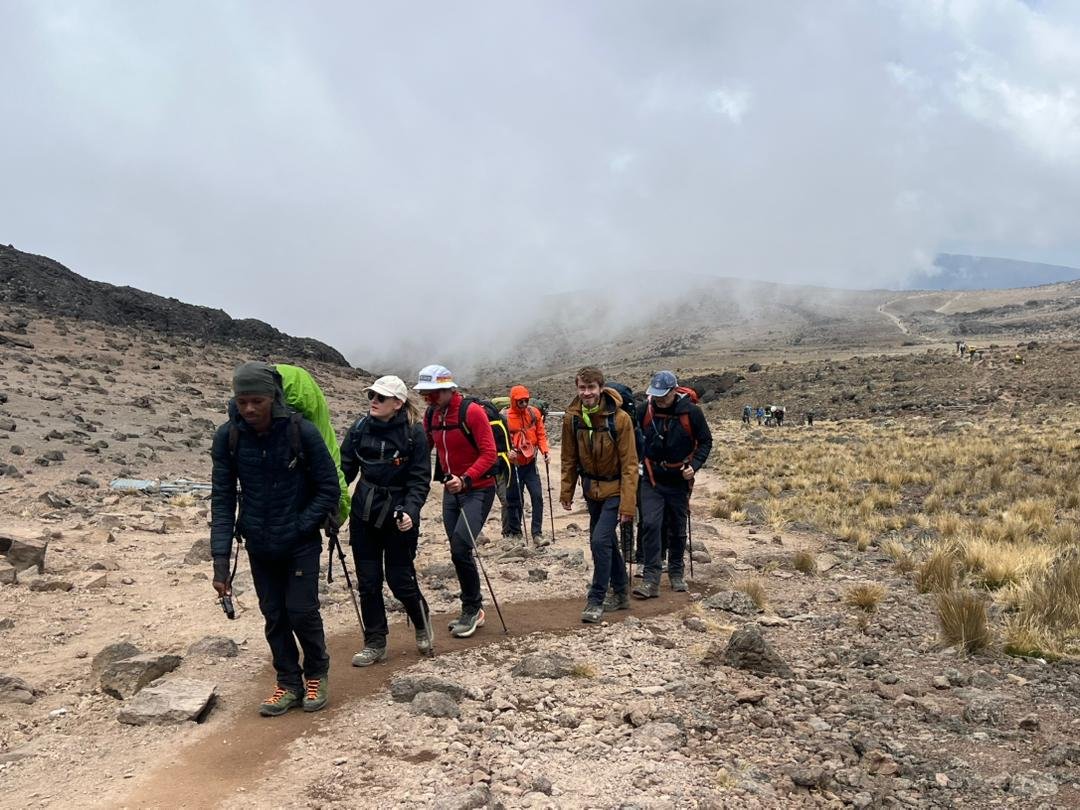
Climbing Mount Kilimanjaro is a significant undertaking, and its success hinges on the hard work, expertise, and dedication of a specialized crew. These individuals are the backbone of your expedition, ensuring your safety, comfort, and overall experience on Africa’s highest peak. For trekkers planning their adventures in 2026 and 2027, understanding the tipping culture is crucial. It’s not just a customary practice; it’s a vital part of supporting the local economy and acknowledging the immense effort put forth by your mountain team.
Your Kilimanjaro crew typically comprises several key roles:
- Lead Guide: The expedition leader, responsible for navigation, safety, pace setting, and making critical decisions regarding the climb.
- Assistant Guides: Support the lead guide, assisting with trekkers, monitoring health, and providing additional guidance.
- Cook: Prepares nutritious and varied meals throughout the trek, often under challenging conditions, ensuring you’re well-fueled.
- Porters: Carry all essential gear, including tents, food, cooking equipment, and your personal duffel bags, making the climb feasible for you.
In 2026/2027, as with previous years, tipping is a significant component of the crew’s earnings. While tour operators like Climb 4 Africa provide fair wages, the tips often represent a substantial portion of their income. Your generosity directly impacts their livelihoods and serves as a powerful incentive for providing exceptional service. This guide aims to provide clarity on how much to tip your Kilimanjaro guides and porters, ensuring you can plan your budget effectively for your 2026 or 2027 climb.
The Importance of a Well-Tipped Crew for Your 2026/2027 Kilimanjaro Expedition
A properly compensated and motivated crew is fundamental to a successful and enjoyable Kilimanjaro climb. For your 2026/2027 expedition, consider the following:
- Safety: Experienced guides are vigilant about altitude sickness, weather changes, and trail conditions. Good tips can foster a sense of loyalty and commitment, encouraging them to go the extra mile for your safety.
- Morale: A well-tipped crew is a happy crew. High morale translates to better teamwork, positive attitudes, and a more supportive environment for all trekkers.
- Service Quality: From the cook’s delicious meals to the porters’ diligent carrying of your gear, excellent service is often linked to appreciation. Your tips acknowledge and reward this effort.
- Local Economy: Tipping is a direct way to contribute to the local economy in Tanzania, supporting the families of your guides and porters.
When planning your Kilimanjaro trek for 2026 or 2027, it’s wise to budget for tips as a separate expense. This ensures you are prepared and can express your gratitude appropriately at the end of your journey.
Kilimanjaro Tipping Guidelines for 2026/2027: A Detailed Breakdown
The most common question for anyone planning a Kilimanjaro climb is about the specifics of tipping. While exact figures can fluctuate slightly based on the operator and the specifics of your climb, the following guidelines for 2026 and 2027 provide a solid framework. These are per trekker, per day recommendations, which are then typically pooled and distributed by the lead guide or a designated crew leader at the summit or upon descent.
It’s essential to note that these figures are based on the standard practice and recommendations from experienced operators like Climb 4 Africa. Always check with your specific tour operator for their official recommendations, as policies can vary.
Recommended Daily Tipping Amounts (Per Trekker) for 2026/2027
| Crew Member | Recommended Daily Tip (USD) | Total for a 7-Day Climb (Approx.) |
|---|---|---|
| Lead Guide | $20 – $25 | $140 – $175 |
| Assistant Guide(s) | $15 – $20 (per assistant) | $105 – $140 (for 1 assistant) |
| Cook | $10 – $15 | $70 – $105 |
| Porter | $8 – $10 (per porter) | $56 – $70 (per porter for 7 days) |
Note: These are per-trekker, per-day estimates for a standard 7-day climb. Adjust for longer or shorter treks. The total porter tip is calculated based on the number of porters assigned to your group, which varies by group size and amount of gear.
Understanding the Number of Porters
The number of porters is a critical factor in calculating total tips. For a typical group, there might be one porter for every two trekkers, carrying personal duffel bags and shared equipment. This ratio can change based on the operator’s policy, the length of the trek, and the amount of gear. For example, on a 7-day climb, if you have 4 trekkers and each trekker is allocated one porter (carrying their duffel and some shared gear), that’s 4 porters. Your total porter tip would then be 4 porters x (daily tip per porter) x (number of days).
For a 7-day climb with 4 trekkers and 4 porters, the total porter tips would be approximately 4 porters x $8-$10/day x 7 days = $224 – $280 for the entire porter team.
Example Calculation for a 7-Day Climb (per trekker budget):
- Lead Guide: $22.50/day x 7 days = $157.50
- Assistant Guide: $17.50/day x 7 days = $122.50
- Cook: $12.50/day x 7 days = $87.50
- Porter (share of total): Let’s assume 1 porter per trekker for simplicity in per-person calculation. $9/day x 7 days = $63.00
Total estimated tips per trekker for a 7-day climb: ~$430.50
This example illustrates a mid-range estimate. It’s always best to err on the side of generosity, especially if the crew has provided exceptional service throughout your 2026 or 2027 Kilimanjaro climb.
Factors Influencing Tipping Recommendations for 2026/2027
Several factors can influence the recommended tipping amounts for your Kilimanjaro trek in 2026 and 2027. Understanding these will help you adjust your budget and expectations:
- Tour Operator Policies: Some operators, like Climb 4 Africa, have clear guidelines and may even suggest a total amount to be given as a lump sum, which they then help distribute. Others might leave it entirely to the trekker’s discretion. Always consult your operator’s pre-climb information.
- Trek Duration: The longer your trek, the higher the total tip amount will be. A 5-day climb will naturally require less in total tips than a 9-day climb. Ensure your daily rates are applied consistently across the entire duration.
- Route Difficulty: While not directly affecting tip amounts, more challenging routes (like the Western Breach on the Arrow Glacier route, though less common now) might involve guides taking on greater risks, which could be reflected in the appreciation shown through tips.
- Group Size: Larger groups generally require more porters. While the per-porter tip remains the same, the total amount distributed among the porter team will be higher.
- Service Quality: The suggested amounts are for good to excellent service. If the crew goes above and beyond, you might consider increasing tips. Conversely, if there are significant service issues, you might adjust downwards, but this should be done cautiously and in consultation with your tour operator.
- Currency Fluctuations and Inflation: While the USD is widely accepted and used for tipping, it’s wise to check for any significant inflation or currency changes affecting local costs that might influence recommended tip amounts for 2026/2027. The amounts provided are generally stable but can be adjusted by operators based on prevailing economic conditions.
When and How to Distribute Tips on Kilimanjaro
The timing and method of tipping are as important as the amount. Mishandling this can lead to confusion or dissatisfaction within the crew. For your Kilimanjaro climb in 2026 or 2027, follow these best practices:
The Best Time to Tip
The most appropriate time to give tips is typically at the end of the trek, after you have reached the summit and descended to your final campsite or the base (e.g., Mweka Camp for Machame/Lemosho, Barafu Camp for Marangu). Some trekkers prefer to give a portion at the start and the rest at the end, but the full distribution at the conclusion is generally preferred by operators and crews.
- Summit Day: While you might feel immense gratitude on summit day, it’s best to wait until you are safely back at a lower altitude. The crew’s work continues even after you reach Uhuru Peak.
- Final Camp: After descending from the summit and reaching your final campsite (often Mweka or Barafu), the crew will typically set up your last camp. This is the ideal moment for the formal tipping ceremony.
- Base Hotel: Some trekkers might wait until they reach their hotel in Moshi after the trek. However, the traditional and most common practice is at the final camp.
The Tipping Ceremony
The tipping ceremony is a significant part of the Kilimanjaro trekking culture. It’s often a communal event where trekkers gather to thank their crew. Here’s how it usually works:
- Gather the Crew: Your lead guide will usually gather the entire team.
- Express Gratitude: You and your group should take turns expressing your thanks to the crew for their hard work and support.
- Distribute the Tips: The tips, often prepared in individual envelopes (one for each crew member, labeled with their name), are handed out. If you’re tipping as a group, the group leader or designated person will present the envelopes.
- Speeches and Songs: Sometimes, the crew will perform songs or give speeches to celebrate the successful climb, and trekkers might reciprocate with thanks or a small gift.
Important Note: If you are part of a group climb organized by Climb 4 Africa or another operator, they will usually facilitate this ceremony. They will guide you on the process and ensure the tips reach the intended recipients. If you are on a private climb, you’ll manage this more directly.
Tips for Handling Cash
- Carry Enough Cash: US Dollars are the preferred currency for tipping. Ensure you have a sufficient amount of smaller bills ($1, $5, $10, $20) for individual tips, and larger bills ($50, $100) for pooling if your operator suggests a collective tip amount.
- Prepare Envelopes: It’s a good practice to put tips for each crew member in a separate envelope, clearly labeled with their name. This ensures accurate distribution and shows personal acknowledgment.
- Exchange Rates: While USD is standard, if you have Tanzanian Shillings, they can be used, but USD is generally preferred by the guides and porters for its stability and international acceptance.
What if the Service is Not Up to Par? Adjusting Tips for 2026/2027
While the vast majority of Kilimanjaro crews provide exceptional service, there might be rare instances where the service doesn’t meet expectations. If you encounter issues during your 2026 or 2027 climb, it’s important to address them constructively.
- Communicate Immediately: Raise any concerns with your lead guide as soon as possible. They are trained to handle issues and can often rectify problems on the spot.
- Consult Your Tour Operator: If the issue is significant or not resolved by the guide, contact your tour operator (like Climb 4 Africa) immediately. They have support staff on the ground who can intervene.
- Adjusting Tips: If, after addressing concerns with the guide and operator, you feel the service was genuinely subpar, you have the discretion to adjust your tips. However, it is strongly recommended to discuss any significant reduction with your tour operator before making the final decision. A small reduction might be warranted for specific issues, but completely withholding tips is generally not advised unless there are extreme circumstances and direct operator confirmation.
Remember that the crew relies heavily on tips. Reductions should be reserved for serious breaches of service standards and should always be handled transparently with your operator.
Beyond Cash: Other Ways to Show Appreciation
While cash tips are the primary form of appreciation, consider these additional gestures that can be highly valued by your Kilimanjaro crew for your 2026/2027 trek:
- Personal Gifts: Small, practical gifts can be very meaningful. Consider items like:
- Warm gloves or hats (especially useful for guides)
- Good quality socks
- Sunscreen
- Lip balm with SPF
- Pens and notebooks
- Small first-aid items
- Gratitude Notes: A heartfelt thank-you note expressing your appreciation for their specific contributions can be incredibly touching.
- Photos: If you take photos of your crew, offer to share them. Many guides and porters appreciate having good quality photos of themselves. Ensure you have permission before taking and sharing photos.
- Recommendations: If you had an outstanding experience, consider leaving positive reviews on platforms like TripAdvisor or Google, and recommending your operator (e.g., Climb 4 Africa) to friends and family. This is invaluable for their business.
These gestures, combined with appropriate cash tips, will ensure your Kilimanjaro crew feels truly valued for their role in your 2026 or 2027 summit success.
Common Mistakes to Avoid When Tipping on Kilimanjaro
To ensure your tipping process is smooth and appreciated during your 2026/2027 Kilimanjaro climb, be aware of these common pitfalls:
- Not Budgeting for Tips: Tipping is a significant cost. Factor it into your overall trip budget from the beginning.
- Tipping Too Little: Under-tipping can be seen as disrespectful and may not adequately compensate the crew for their hard work. Stick to the recommended guidelines.
- Tipping Individual Porters Directly (if not advised): Most operators have a system where tips are pooled and distributed to ensure fairness. Tipping individuals directly can sometimes lead to imbalances, especially if some trekkers tip more than others. Always follow your operator’s guidance on distribution.
- Waiting Too Long to Tip: While the end of the trek is the time, don’t delay the ceremony unnecessarily. It’s a significant part of the farewell.
- Tipping in the Wrong Currency: US Dollars are preferred. Ensure you have enough USD in appropriate denominations.
- Forgetting the Cook: The cook plays a vital role in your well-being. Ensure they receive their appropriate tip.
- Not Communicating Issues: If there’s a problem, address it with the guide or operator immediately rather than letting it fester and then reducing tips without explanation.
Kilimanjaro Tipping vs. Other Treks: What’s Different?
While tipping is common in trekking and adventure tourism worldwide, Kilimanjaro has a somewhat standardized system due to the organized nature of the climbs and the specific roles within the crew. For your 2026 or 2027 Kilimanjaro adventure, here’s how it generally compares:
- Standardization: Kilimanjaro tipping is more standardized than, for example, trekking in Nepal, where tip amounts can vary more widely based on trekking agencies and local customs.
- Crew Size: The ratio of crew to trekkers on Kilimanjaro is often higher than on some other mountain treks, meaning a larger total tip pool is distributed.
- Role Clarity: The roles of guide, assistant guide, cook, and porter are clearly defined, making it easier to allocate specific tip amounts to each role.
- Operator Involvement: Many reputable operators, including Climb 4 Africa, actively guide their clients on tipping, providing clear recommendations and sometimes facilitating the distribution process.
Understanding these nuances ensures you approach tipping on Kilimanjaro with confidence for your 2026/2027 climb.
Planning Your Kilimanjaro Budget for 2026/2027: Tips Included
When budgeting for your Kilimanjaro expedition in 2026 or 2027, it’s crucial to account for tips as a separate, significant expense. A typical 7-day climb might have a tour package cost ranging from $2,000 to $4,000+ per person, depending on the operator and inclusions. Your estimated tips, as outlined earlier, could add another $400 to $500+ per person.
Key Budgeting Considerations:
- Tour Package Cost: This covers park fees, accommodation, meals on the mountain, guides, porters, and sometimes transfers.
- Flights: International flights to Kilimanjaro International Airport (JRO).
- Visas: For Tanzania.
- Travel Insurance: Essential for high-altitude trekking.
- Gear Rental: If you don’t own all necessary equipment.
- Pre/Post-Climb Accommodation: Hotels in Moshi or Arusha.
- Personal Expenses: Souvenirs, extra snacks, drinks.
- Tipping: Budget $400-$600 per person for tips to cover the range of recommended amounts and potential generosity for a standard 7-8 day climb in 2026/2027. For longer climbs (9-10 days), this budget should be increased accordingly.
By planning your budget comprehensively, including tips, you ensure a stress-free experience on Kilimanjaro, allowing you to focus on the climb itself.
Choosing the Right Operator for Your 2026/2027 Kilimanjaro Climb
Selecting a reputable tour operator is paramount for a safe, enjoyable, and well-supported Kilimanjaro climb in 2026 or 2027. Operators like Climb 4 Africa prioritize fair treatment of their crews, which often translates into better service and a more positive experience for trekkers. When choosing an operator, consider:
- Reputation and Reviews: Look for companies with consistently positive reviews (e.g., on TripAdvisor) that mention crew welfare and ethical treatment.
- Staff Welfare Policies: Inquire about their policies regarding fair wages, working conditions, and tipping recommendations. Reputable operators are transparent about this.
- Safety Standards: Ensure they adhere to strict safety protocols, have well-trained guides (often Wilderness First Responder certified), and carry adequate emergency equipment.
- Inclusions: Clearly understand what is included in the price to avoid hidden costs.
- Communication: A good operator will provide clear, timely, and helpful information throughout the booking process and leading up to your climb.
For instance, Climb 4 Africa is committed to ethical trekking practices and providing clear guidance on all aspects of your climb, including tipping for 2026/2027 expeditions.
Final Thoughts on Kilimanjaro Tipping for 2026/2027
Tipping your Kilimanjaro crew is a significant aspect of planning your 2026 or 2027 expedition. It’s a direct way to show appreciation for the incredible effort and expertise required to get you safely to the roof of Africa. By understanding the roles, recommended amounts, and the proper way to distribute tips, you can ensure your generosity is well-received and makes a real difference to the lives of your guides, porters, and cooks.
Remember to budget adequately, carry the necessary cash (USD), and engage in the tipping ceremony with gratitude. A well-tipped crew is motivated, dedicated, and contributes significantly to the success and enjoyment of your Kilimanjaro adventure. For any further questions or to plan your 2026/2027 Kilimanjaro climb with a company that values its crew and clients, feel free to reach out.
For personalized assistance with planning your Kilimanjaro climb, safari, or Zanzibar holiday for 2026 or 2027, contact Climb 4 Africa:
- WhatsApp: +255 747 477 898
- Email: climb4africa@gmail.com
- Website: Climb4Africa.com
We look forward to helping you achieve your Kilimanjaro dream in 2026-2027!
Check Availability for Kilimanjaro Tipping Guide /: How Much To Tip Guides & Porters 2026-2027
Ready to compare dates, prices, and the best option for your group? Send the package name and travel month so the team can reply with a clear quote, availability, and what is included.
How Much Does It Cost To Climb Kilimanjaro In /? 2026-2027
Planning a Kilimanjaro climb for 2026 or 2027? This comprehensive guide breaks down the costs involved, from operator fees to park permits and essential gear. Learn what to budget for a...
View package details
Budget Vs Luxury Lemosho Route Packages: Price Comparison For Kilimanjaro
Choosing between a budget or luxury Lemosho Route package for your Kilimanjaro climb in 2026 or 2027 involves understanding what drives the price. This comparison breaks down cost factors...
View package details
6 Days Lemosho Route Kilimanjaro: Itinerary, Cost & Planning 2026-2027
The 6-day Lemosho Route on Kilimanjaro offers a balance of acclimatization and scenic beauty, though it is one of the shorter options for this route, making it more challenging. This guide...
View package details
8 Days Lemosho Route: Cost, Price & Full Itinerary For Kilimanjaro Climbs
Your comprehensive guide to the 8-day Lemosho Route on Mount Kilimanjaro. Get detailed insights into costs, pricing factors, a day-by-day itinerary, and essential planning advice for your...
View package details
Lemosho Route Cost /: Prices, Fees & Packages For Kilimanjaro Climbs 2026-2027
Planning a Kilimanjaro climb via the Lemosho Route in 2026 or 2027? This comprehensive guide breaks down the Lemosho Route cost, including typical prices, package inclusions, essential...
View package details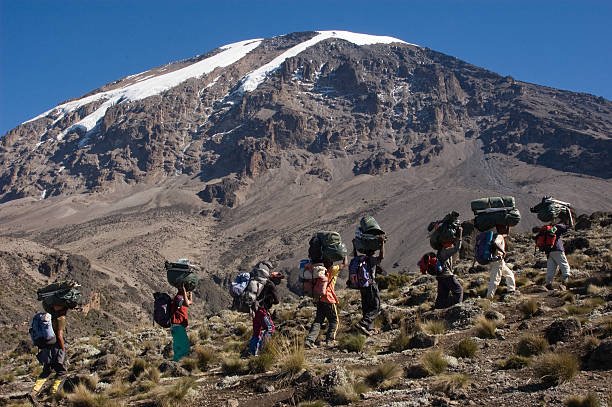
Kilimanjaro Climb Cost /: Prices, Fees & Complete Budget Guide 2026-2027
Planning your Kilimanjaro adventure for 2026 or 2027? This comprehensive guide breaks down the Kilimanjaro climb cost, detailing prices, essential fees, and how to budget effectively for...
View package details
Kilimanjaro Booking Deposit, Payment Schedule & Cancellation Costs For Climbs
Planning your Kilimanjaro climb involves understanding the financial commitments. This guide details typical booking deposit amounts, payment schedules, and the potential cancellation costs...
View package details
Kilimanjaro Hidden Costs: Extra Expenses To Budget Before Your Climb 2026-2027
Planning a Kilimanjaro climb involves more than just the advertised tour price. This comprehensive guide details the often-overlooked Kilimanjaro hidden costs and extra expenses you need to...
View package details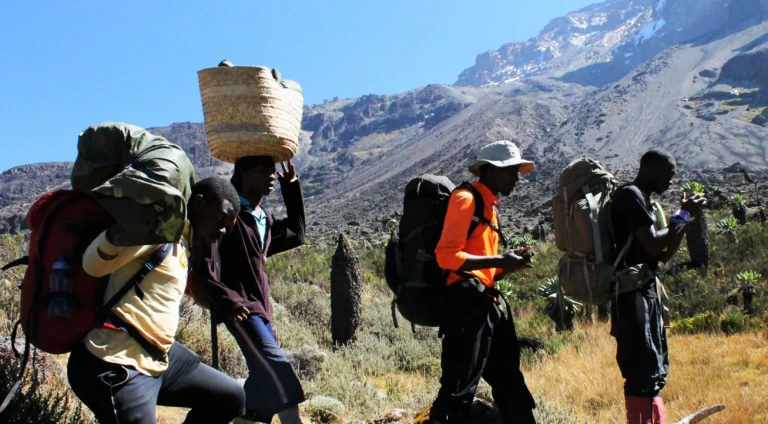
Kilimanjaro Group Vs Private Climb: Cost & Package Comparison For 2026-2027
Choosing between a group and private Kilimanjaro climb in 2026-2027 involves weighing costs, flexibility, and the overall experience. This guide breaks down the differences to help you...
View package details
Kilimanjaro Gear Rental Prices: Complete Equipment Cost List For Climbs
Understand the costs associated with renting essential gear for your Kilimanjaro climb. This guide details typical prices for tents, sleeping bags, jackets, and more, helping you budget...
View package details
Kilimanjaro Park Fees /: Your Complete Guide To Permits, Camping, Huts &
Planning your Kilimanjaro climb for 2026 or 2027? This comprehensive guide details all the essential park fees, including entry permits, camping and hut charges, and crucial rescue fees...
View package details
Kilimanjaro Route Prices Compared: Which Offers The Best Value For Climbs?
Choosing the right Kilimanjaro route is crucial for both your experience and your budget. This guide compares Kilimanjaro route prices, detailing what influences costs and which routes...
View package detailsNo related package matches those filters. Clear one or more filters to see the other topic-matched options.



