Kilimanjaro Park Fees for 2026/2027 encompass several categories, including conservation fees, camping/hut fees, rescue fees, and crew fees, which are subject to change and collectively form a significant part of your climb’s total cost. While specific rates are set by Tanzania National Parks Authority (TANAPA) and can fluctuate, expect daily conservation fees, per-person trekking permits, and charges for accommodation (camping or huts), with rescue services being a mandatory component for all climbers. These fees are typically managed by your tour operator, but understanding them is vital for accurate budgeting and trip planning.
Understanding Kilimanjaro Park Fees: A Crucial Component for Your 2026/2027 Climb
Mount Kilimanjaro, a UNESCO World Heritage site and Africa’s highest peak, draws thousands of adventurers each year. For those planning their ascent in the 2026-2027 trekking seasons, a thorough understanding of the associated Kilimanjaro Park Fees is not just beneficial – it’s essential. These fees are collected by the Tanzania National Parks Authority (TANAPA) and are fundamental to the park’s conservation efforts, infrastructure maintenance, and the safety of trekkers. While your chosen tour operator, such as Climb 4 Africa, will typically bundle these into your overall package price, transparency about these costs empowers you to make informed decisions and appreciate the value of your investment in this incredible expedition.
The structure of Kilimanjaro Park Fees for 2026 and 2027 is designed to cover the extensive operational needs of managing such a vast and popular natural reserve. This includes everything from trail upkeep and ranger salaries to wildlife protection and emergency response systems. Without these contributions, the pristine environment of Kilimanjaro and the safety of its visitors would be severely compromised. Therefore, when you see figures related to your climb, remember that a substantial portion directly supports the preservation and accessibility of this iconic mountain.
This detailed guide aims to demystify the various components of Kilimanjaro Park Fees for the upcoming 2026/2027 period. We will break down each fee type, explain its purpose, and provide the most current understanding of how these charges are applied. Whether you’re comparing different tour operators, budgeting meticulously, or simply seeking to understand where your money goes, this resource is designed to offer clarity and confidence as you prepare for your Kilimanjaro adventure.
The Core Components of Kilimanjaro Park Fees for 2026/2027
Kilimanjaro National Park fees are not a single, monolithic charge. Instead, they are a compilation of several distinct charges, each serving a specific purpose. For the 2026-2027 climbing seasons, these primary fee categories remain consistent, though the exact figures are subject to annual review by TANAPA. Understanding each one is key to grasping the full financial picture of your trek.
1. Crater Fee
This is a one-time fee charged to every climber who reaches the crater rim or summits Uhuru Peak. It’s a significant cost, reflecting the achievement of reaching the highest point of Kilimanjaro. For 2026/2027, this fee is generally set at a substantial amount, underscoring the premium associated with summiting.
2. Camping/Hut Fees
Depending on the route and your chosen accommodation, you will incur daily fees for camping or staying in the mountain huts. These fees cover the use of designated campsites or the basic facilities within the huts. Routes like Machame, Lemosho, and Rongai primarily use camping, while Marangu offers hut accommodation. The daily rate applies for each night spent on the mountain, directly correlating with the duration of your climb.
3. Conservation Fees
This is perhaps the most fundamental daily fee. Every person entering Kilimanjaro National Park for trekking purposes is charged a daily conservation fee. This fee is crucial for the ongoing protection of the mountain’s unique ecosystems, wildlife, and natural resources. It’s a per-person, per-day charge that accrues for the entire duration of your time within the park boundaries.
4. Rescue Fees
A mandatory fee for all climbers, the Kilimanjaro rescue fee contributes to the park’s emergency services. This fund helps maintain the rescue infrastructure, train personnel, and ensure that medical evacuation services are available in case of emergencies. It’s a non-negotiable cost that provides a vital safety net for every trekker. For 2026/2027, this fee is typically a fixed, one-time charge per climber.
5. Porter and Guide Fees
While not strictly TANAPA park fees, the salaries and upkeep for your support crew (guides, porters, and cooks) are a significant part of your overall expedition cost and are often managed and paid by your tour operator. These fees ensure fair wages and adequate provisions for the team that makes your climb possible. Understanding these operational costs is part of appreciating the total expenditure of a Kilimanjaro climb.
Detailed Breakdown of Kilimanjaro Park Fees for 2026/2027
The exact figures for Kilimanjaro Park Fees can vary slightly from year to year, and TANAPA often updates them. However, based on recent trends and likely projections for the 2026-2027 seasons, here’s a detailed look at the expected fee structure. It’s crucial to note that these are estimates, and your tour operator will provide the most accurate, up-to-date pricing when you book.
Estimated Kilimanjaro Park Fees (per person) for 2026/2027 (Illustrative)
| Fee Type | Estimated Cost (USD) | Notes |
|---|---|---|
| Crater Fee | Approx. $70 – $100 | One-time fee for reaching the crater rim or summit. |
| Camping/Hut Fee | Approx. $50 – $70 per person per night | Applies daily for nights spent on the mountain. Higher for Marangu huts. |
| Conservation Fee | Approx. $60 – $70 per person per day | Charged for every day spent inside Kilimanjaro National Park. |
| Rescue Fee | Approx. $20 – $30 per person | Mandatory, one-time fee for emergency services. |
| Park Entry Fee | Approx. $50 – $60 per person | A one-time entry fee for the park, often collected at the gate. |
| Total Estimated Daily Fees (Conservation + Camping/Hut) | Approx. $110 – $140 per person per day | This forms the bulk of daily park charges. |
| Total Estimated Fixed Fees (Crater + Rescue + Entry) | Approx. $140 – $190 per person | Paid once during the trek. |
Disclaimer: These figures are estimates for the 2026/2027 period and are subject to change by TANAPA. Always confirm exact fees with your tour operator.
It is important to note that these fees are calculated based on the duration of your trek. A longer route, such as the 8-day Lemosho or 9-day Northern Circuit, will naturally incur more daily conservation and camping/hut fees than a shorter route like the 5-day Marangu or Machame. For instance, a 7-day climb would involve 6 nights on the mountain, thus accumulating 6 days of camping/hut and conservation fees, in addition to the one-time entry, rescue, and crater fees.
The Significance of the Crater Fee for 2026/2027 Climbers
The Kilimanjaro Crater Fee is a substantial component of the total park charges. For the 2026-2027 climbing seasons, this fee is levied on all climbers who reach the crater rim, which includes the path to Uhuru Peak. It serves as a recognition and a financial contribution towards the unique geological and environmental significance of Kilimanjaro’s summit caldera. While it adds to the overall cost, reaching the summit is the ultimate goal for many, and this fee is a direct reflection of that achievement.
Daily Conservation and Accommodation Fees: The Backbone of Park Operations
The daily conservation fees and daily camping/hut fees constitute the largest portion of the Kilimanjaro Park Fees over the course of your trek. For 2026/2027, these fees are critical for the continuous protection of Kilimanjaro National Park’s diverse flora and fauna, as well as the maintenance of trails, campsites, and basic facilities. The rates are set per person, per day, meaning the longer your chosen route, the higher these cumulative charges will be. This is why longer routes, while more expensive overall, often offer better acclimatization and higher success rates.
Mandatory Rescue Fees: Ensuring Your Safety
The Kilimanjaro rescue fee is a non-negotiable, one-time charge for every climber. This fee ensures that TANAPA’s robust rescue system is operational and ready to respond to emergencies. For the 2026-2027 period, this fee remains a vital part of the safety infrastructure. It covers the coordination of rescue efforts, medical support, and evacuation from the mountain if necessary. It’s a small price to pay for the peace of mind that comes with knowing a professional rescue team is on standby.
Route-Specific Fee Implications for 2026/2027 Climbs
The choice of climbing route significantly impacts the total Kilimanjaro Park Fees you will pay for your 2026/2027 expedition. This is primarily due to the varying durations of the routes and the type of accommodation used (camping versus huts).
Camping Routes (Machame, Lemosho, Rongai, Northern Circuit, Shira)
Routes that utilize camping facilities will incur daily camping fees in addition to the daily conservation fees. These routes typically range from 6 to 9 days. For example:
- Machame Route: Usually 6 or 7 days. This means 5 or 6 nights of camping and conservation fees.
- Lemosho Route: Typically 7 to 8 days. This equates to 6 or 7 nights of camping and conservation fees.
- Rongai Route: Often 6 or 7 days, similar fee structure to Machame.
- Northern Circuit: The longest, usually 9 days, meaning 8 nights of camping and conservation fees.
- Shira Route: Similar duration and fee structure to Lemosho.
The total daily cost for conservation plus camping fees for 2026/2027 could range from approximately $110 to $140 per person per day. A 7-day climb would therefore have roughly $660 – $840 in these cumulative daily fees alone.
Hut Routes (Marangu)
The Marangu Route is unique as it offers accommodation in mountain huts. While it also has daily conservation fees, the hut fees are generally higher per night than camping fees. The Marangu Route is typically offered in 5 or 6-day options.
- Marangu Route (5 days): 4 nights in huts, incurring 4 days of conservation and hut fees.
- Marangu Route (6 days): 5 nights in huts, incurring 5 days of conservation and hut fees.
The daily rate for Marangu huts is usually higher than standard camping. For 2026/2027, expect the combined daily conservation and hut fees to be in a similar or slightly higher bracket than camping routes, potentially around $120 – $150 per person per day, depending on TANAPA’s final rates.
The Fixed Fees: Crater, Rescue, and Entry
Regardless of the route chosen for your 2026/2027 climb, the one-time fees remain relatively consistent. These include:
- Crater Fee: Approximately $70 – $100.
- Rescue Fee: Approximately $20 – $30.
- Park Entry Fee: Approximately $50 – $60.
These fixed fees, totaling around $140 – $190 per person, are paid once during your expedition. They are not affected by the duration of your climb.
How Tour Operators Handle Kilimanjaro Park Fees for 2026/2027
For most trekkers, the most practical approach is to book their Kilimanjaro climb through a reputable tour operator like Climb 4 Africa. These companies have established relationships with TANAPA and are responsible for managing and paying all the necessary Kilimanjaro Park Fees on behalf of their clients. This simplifies the process immensely, allowing you to focus on your preparation and the climb itself.
When you receive a quote from a tour operator for a 2026 or 2027 climb, the stated price usually includes all mandatory park fees. However, it is always wise to request a detailed breakdown to ensure transparency. A reputable operator will be able to provide this information, showing how the total cost is derived from elements such as park fees, crew wages, equipment, food, accommodation before/after the climb, and logistical support.
Key Considerations When Reviewing Operator Quotes for 2026/2027
- Inclusions: Does the quote clearly state that all Kilimanjaro Park Fees (conservation, camping/hut, rescue, crater, entry) are included?
- Exclusions: Are there any park-related fees that are not included? (Rare, but possible).
- Transparency: Is the operator willing to provide a breakdown of costs, including park fees?
- Crew Welfare: While not a park fee, ensure the operator’s pricing reflects fair wages and conditions for guides and porters, as this is often mandated by park regulations.
Climb 4 Africa is committed to transparency and ensuring that all necessary Kilimanjaro Park Fees for your 2026/2027 expedition are accounted for in your climb package. We work diligently to provide competitive pricing while adhering to all TANAPA regulations and prioritizing the safety and well-being of our clients and crew.
The Role of TANAPA and Fee Collection for 2026/2027
Tanzania National Parks Authority (TANAPA) is the governing body responsible for managing Kilimanjaro National Park and setting the official fee structure. For the 2026-2027 period, TANAPA will continue to enforce these regulations to ensure the park’s sustainability and the quality of the visitor experience.
How Fees Are Collected:
- Tour Operator Payments: The primary method of fee collection is through licensed tour operators. Operators are required to pay these fees to TANAPA, often in advance, for each trekker they register.
- Gate Collections: Some initial fees, like the park entry fee, might be collected at the park gates upon arrival, although most operators handle this as part of their package.
- On-Mountain Payments: While less common for standard fees, certain specific charges or permits might be managed by park rangers at different points on the mountain.
TANAPA uses the revenue generated from these Kilimanjaro Park Fees for several critical purposes:
- Conservation: Protecting the unique biodiversity, ecosystems, and natural beauty of Kilimanjaro.
- Infrastructure: Maintaining trails, bridges, campsites, huts, and access roads.
- Research: Supporting scientific studies on the mountain’s environment and climate change impacts.
- Community Development: Funding projects that benefit local communities surrounding the park.
- Safety and Security: Ensuring the presence of rangers, rescue teams, and law enforcement.
Understanding the role of TANAPA and the destination of these funds can enhance your appreciation for the value of the Kilimanjaro Park Fees for your 2026/2027 climb.
Budgeting for Your 2026/2027 Kilimanjaro Climb: Beyond Park Fees
While Kilimanjaro Park Fees are a significant portion of your trek’s cost, they are not the only expenses to consider when budgeting for your 2026-2027 adventure. A comprehensive budget should also account for:
Additional Costs to Factor In for 2026/2027 Treks:
- Tour Operator Package: This covers your climb itself, including guide and porter salaries, food on the mountain, tents, equipment, and park fees. Prices vary significantly based on operator quality, route, and duration.
- Flights: International airfare to Kilimanjaro International Airport (JRO).
- Visas: Tanzanian visa fees.
- Travel Insurance: Essential for covering medical emergencies, trip cancellations, and lost luggage. Ensure it covers high-altitude trekking.
- Gear Rental: If you don’t own all necessary trekking gear (e.g., sleeping bags, warm jackets, trekking poles), you may need to rent items.
- Tips for Crew: Tipping your guides, porters, and cooks is customary and highly appreciated. Operators usually provide recommended tipping guidelines.
- Pre/Post-Climb Accommodation: Hotel stays in Moshi or Arusha before and after your trek.
- Meals and Drinks: Outside of what’s provided on the mountain (e.g., meals in town, snacks).
- Personal Expenses: Souvenirs, personal medications, and other incidentals.
- Vaccinations and Medications: Costs associated with necessary travel health preparations.
When comparing quotes for your 2026/2027 Kilimanjaro climb, always clarify what is included. A lower price might seem attractive, but it could mean exclusions like park fees, adequate crew wages, or essential safety equipment, which ultimately compromise your experience and safety.
Tips for Saving on Kilimanjaro Costs in 2026/2027 (Without Compromising Safety)
While the Kilimanjaro Park Fees are largely fixed by TANAPA, there are ways to manage the overall cost of your 2026-2027 expedition without sacrificing safety or quality.
- Travel in the Shoulder Seasons: While peak seasons (January-March, June-October) offer the best weather, shoulder seasons (April-May, November-December) might see slightly lower demand and potentially more flexible pricing from some operators, though park fees remain constant.
- Choose a Slightly Shorter Route (with caution): A 6-day climb will have fewer daily park fees than a 7 or 8-day climb. However, shorter routes offer less time for acclimatization, increasing the risk of altitude sickness. Prioritize safety and success over saving a few dollars on daily fees.
- Join a Group Departure: Group climbs often offer a more economical price per person compared to private climbs, as costs are shared. Climb 4 Africa offers various group departures for 2026 and 2027.
- Book in Advance: Booking well ahead for 2026/2027 allows you to secure your preferred dates and potentially take advantage of early booking incentives if offered by an operator (though park fees themselves won’t decrease).
- Compare Operators Thoroughly: Look beyond just the price. A mid-range operator that includes all essential services and park fees, and demonstrates strong safety protocols and crew welfare, often provides better overall value than the cheapest option.
Remember, the cheapest climb is rarely the best. Investing in a reputable operator ensures that your Kilimanjaro Park Fees are correctly managed, your crew is well-supported, and your safety is paramount. For 2026/2027 expeditions, prioritize value and safety.
Frequently Asked Questions About Kilimanjaro Park Fees 2026/2027
Are Kilimanjaro Park Fees included in tour packages for 2026/2027?
Yes, reputable tour operators like Climb 4 Africa typically include all mandatory Kilimanjaro Park Fees (conservation, camping/hut, rescue, crater, entry) in their package prices for 2026 and 2027 climbs. It is always best to confirm this with your operator.
Can I pay Kilimanjaro Park Fees directly to TANAPA?
While TANAPA sets the fees, direct payment by individual climbers is uncommon. Licensed tour operators are responsible for collecting these fees from clients and remitting them to TANAPA. This ensures compliance and efficient management of payments for the 2026/2027 seasons.
How much do Kilimanjaro Park Fees contribute to the total climb cost?
Kilimanjaro Park Fees can constitute a significant portion of the total cost, often ranging from 30% to 50% or even more, depending on the route duration and operator’s inclusions. For a typical 7-day climb in 2026/2027, expect these fees to total several hundred dollars per person.
Will Kilimanjaro Park Fees change significantly between 2026 and 2027?
TANAPA reviews fees periodically. While significant year-on-year increases are not typical, minor adjustments are possible. It is advisable to check the latest fee structure closer to your planned climb date in 2026 or 2027, or rely on your tour operator for the most current information.
Are there different park fees for different routes in 2026/2027?
The type of fees (conservation, camping/hut, rescue, crater) remains the same across routes. However, the total cost varies due to the duration of the route, which affects the number of days you pay conservation and camping/hut fees. Longer routes mean more daily fees.
Planning Your 2026/2027 Kilimanjaro Expedition with Climb 4 Africa
Preparing for a Kilimanjaro climb is an exciting undertaking, and understanding the financial aspects, particularly the Kilimanjaro Park Fees for 2026/2027, is a crucial step. At Climb 4 Africa, we are dedicated to providing you with a clear, comprehensive, and safe trekking experience. We ensure that all mandatory park fees are included in our transparent pricing, allowing you to focus on the adventure ahead.
Our expert team is available to answer all your questions regarding costs, routes, itineraries, and what to expect on the mountain. Whether you are considering the popular Machame Route, the scenic Lemosho, or the unique Northern Circuit for your 2026 or 2027 climb, we can help you choose the best option for your fitness level, budget, and goals.
Ready to start planning your Kilimanjaro adventure for 2026/2027?
Contact Climb 4 Africa today for personalized advice and a detailed quote. Let us help you make your dream of standing atop Africa a reality.
WhatsApp: +255 747 747 898
Email: climb4africa@gmail.com
We look forward to helping you achieve your Kilimanjaro summit goals in 2026/2027!
Check Availability for Kilimanjaro Park Fees /: Your Complete Guide To Permits, Camping, Huts &
Ready to compare dates, prices, and the best option for your group? Send the package name and travel month so the team can reply with a clear quote, availability, and what is included.

Lemosho Route Cost /: Prices, Fees & Packages For Kilimanjaro Climbs 2026-2027
Planning a Kilimanjaro climb via the Lemosho Route in 2026 or 2027? This comprehensive guide breaks down the Lemosho Route cost, including typical prices, package inclusions, essential...
View package details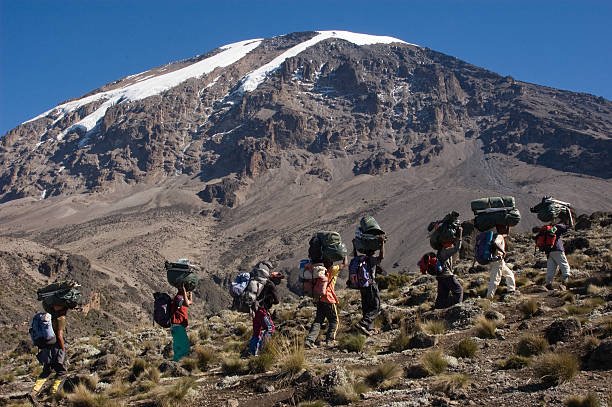
Kilimanjaro Climb Cost /: Prices, Fees & Complete Budget Guide 2026-2027
Planning your Kilimanjaro adventure for 2026 or 2027? This comprehensive guide breaks down the Kilimanjaro climb cost, detailing prices, essential fees, and how to budget effectively for...
View package details
Budget Vs Luxury Lemosho Route Packages: Price Comparison For Kilimanjaro
Choosing between a budget or luxury Lemosho Route package for your Kilimanjaro climb in 2026 or 2027 involves understanding what drives the price. This comparison breaks down cost factors...
View package details
Kilimanjaro Hidden Costs: Extra Expenses To Budget Before Your Climb 2026-2027
Planning a Kilimanjaro climb involves more than just the advertised tour price. This comprehensive guide details the often-overlooked Kilimanjaro hidden costs and extra expenses you need to...
View package details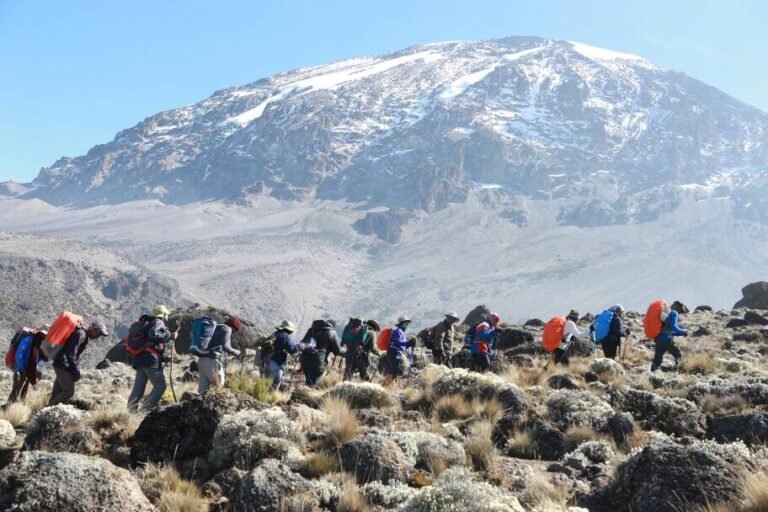
Kilimanjaro Gear Rental Prices: Complete Equipment Cost List For Climbs
Understand the costs associated with renting essential gear for your Kilimanjaro climb. This guide details typical prices for tents, sleeping bags, jackets, and more, helping you budget...
View package details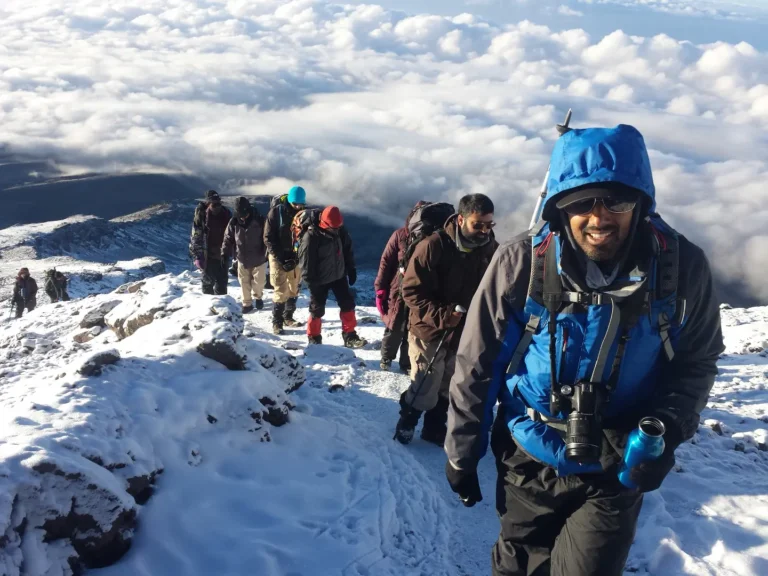
Kilimanjaro Route Prices Compared: Which Offers The Best Value For Climbs?
Choosing the right Kilimanjaro route is crucial for both your experience and your budget. This guide compares Kilimanjaro route prices, detailing what influences costs and which routes...
View package detailsCheapest Way To Climb Kilimanjaro Safely In / 2026-2027
Planning a Kilimanjaro climb on a budget for 2026 or 2027? This guide reveals how to find the cheapest options while prioritizing safety, covering route choices, operator selection, and...
View package details
Total Cost Of A Kilimanjaro Trip: Flights, Gear, Hotels & Climb Prices
Planning your Kilimanjaro adventure involves more than just the climb package. This comprehensive guide breaks down the total cost of a Kilimanjaro trip for 2026-2027, detailing expenses...
View package details
How Much Does It Cost To Climb Kilimanjaro In /? 2026-2027
Planning a Kilimanjaro climb for 2026 or 2027? This comprehensive guide breaks down the costs involved, from operator fees to park permits and essential gear. Learn what to budget for a...
View package details
Kilimanjaro Price Per Person: Cost By Route, Days & Group Size In 2026-2027
Planning your Kilimanjaro climb involves understanding the Kilimanjaro price per person, which varies significantly based on the chosen route, the number of days on the mountain, and your...
View package detailsAll-Inclusive Kilimanjaro Packages: Total Cost & Whats Included In 2026-2027
Planning an all-inclusive Kilimanjaro climb involves understanding the total cost and precisely what's included. This comprehensive guide breaks down package pricing for 2026-2027...
View package details
Kilimanjaro Solo Climber Cost: Group Vs Private Prices 2026-2027
Planning a solo climb up Kilimanjaro? This guide breaks down the cost differences between joining a group trek and opting for a private climb. Discover what influences prices for 2026-2027...
View package detailsNo related package matches those filters. Clear one or more filters to see the other topic-matched options.



